
Both work well—nonstick for easy cooking, cast iron for heat and longevity.
I once burned scrambled eggs on a cast iron and flaked a nonstick pan after a week. Choosing between nonstick vs cast iron skillet feels like picking a short-term helper or a lifetime tool. I’ve cooked with both for years. I’ll share hands-on notes, tests, and which one I reach for in real meals to help you decide which fits your kitchen and life.
Is nonstick Good?
I’ll give a clear verdict: yes — for many people. A quality nonstick pan is a top pick if you want fast, easy cooking with minimal oil and painless cleanup. It’s great for eggs, pancakes, and delicate fish. If you cook mostly single-pan breakfasts or quick weeknight meals, nonstick pans save time and stress. For anyone who hates scrubbing, nonstick often wins. In my kitchen, a nonstick pan is my weekday workhorse.
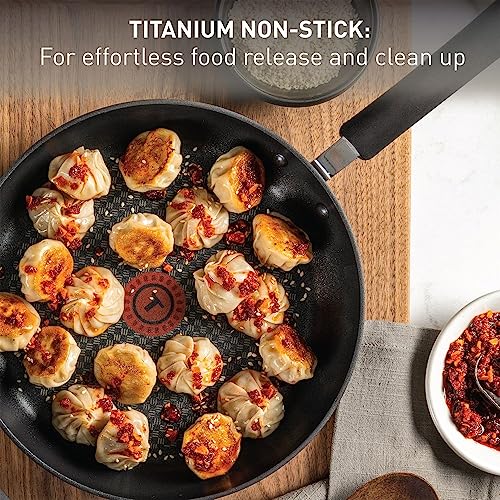
I’ve used a T-fal nonstick for years when I need speed. One weekend I made ten batches of omelets for brunch with barely a scrub. Another time I pan-seared trout with no sticking and a single spatula swipe cleaned the pan. Those small wins are why I keep a nonstick in easy reach. If you value convenience, nonstick is an easy yes.
T-fal Ultimate Hard Anodized Nonstick Fry Pan Set 2 Piece, 10, 12 Inch, Oven Broiler Safe 400F, Cookware, Pots and Pans Set Non Stick, Kitchen Frying Pans, Cooking Skillets, Dishwasher Safe, Grey

What Makes It Stand Out / Key Features
- Nonstick coating for low-fat cooking and easy food release
- Lightweight body that heats quickly
- Often oven-safe to moderate temps (check model)
- Dishwasher-safe options for simple cleanup
- Affordable and available in multiple sizes and sets
What I Like
- Fast heating and even cooking for quick meals
- Minimal oil needed—healthier cooking and less mess
- Great for delicate foods like eggs and fish
- Easy to clean; cuts kitchen time after meals
- Lightweight, which makes tossing and flipping simple
What Could Be Better
- Coating can scratch or degrade with metal utensils
- Shorter lifespan than cast iron; may need replacing
- Not ideal for very high-heat searing
My Recommendation
If you want fast, low-effort cooking, buy a quality nonstick. Great value and convenience for daily cooks.
| Best For | Why |
|---|---|
| Beginners and renters | Easy to use and clean, low maintenance |
| Eggs & pancakes | Reliable nonstick surface for delicate foods |
| Quick weeknight meals | Fast heat-up and minimal cleanup |
Is cast iron skillet Good?
Short answer: yes — especially if you want longevity and performance. A cast iron skillet is a tool that improves with use. It sears, holds heat, and adapts from stovetop to oven with ease. For fans of deep flavor and crisp edges, a cast iron skillet is unmatched. It’s ideal for people who cook often and value durability over instant convenience.
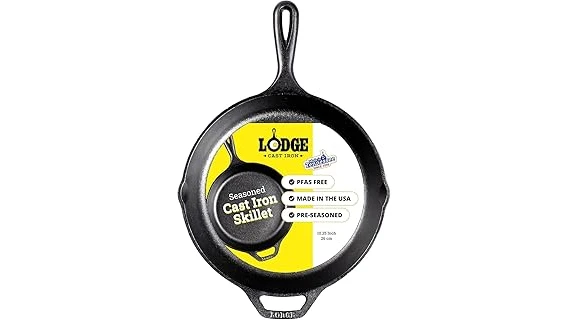
I began using a Lodge cast iron years ago and still use it on weekends for roasts and cornbread. Once, I used the skillet directly on a campfire to fry potatoes; the results beat any pan I own. I also sear steaks on high heat; the skillet gives a crust I can’t get with nonstick. Although heavier and higher maintenance, its performance and lifespan make it a favorite.
Lodge Seasoned Cast Iron Skillet – PFAS-Free, Non-Toxic Cookware – Use with an Oven, Stove, Grill, or Campfire – Naturally Non-Stick & Oven Safe – 10.25 Inches

What Makes It Stand Out / Key Features
- Excellent heat retention and even searing
- Very durable; can last decades if cared for
- Naturally builds a nonstick layer with seasoning
- Safe at any temperature—oven, grill, or campfire
- PFAS-free and chemical-free cooking surface
What I Like
- Produces superior sear and crust on meats
- Can move from stove to oven without worry
- Becomes more nonstick the more you use it
- Sturdy and reliable for heavy-duty cooking
- Works on open flame and grills for outdoor cooking
What Could Be Better
- Heavy and harder to maneuver for some users
- Requires seasoning and careful cleaning to prevent rust
- Slow to heat; not ideal for tiny, quick tasks
My Recommendation
Choose cast iron if you want performance and longevity. It’s a long-term kitchen investment.
| Best For | Why |
|---|---|
| Searing meats & oven dishes | Superior heat retention and oven-to-table use |
| Long-term value | Durable and improves with use |
| Outdoor & versatile cooking | Works on grill, campfire, and range |
nonstick vs cast iron skillet: Side-by-Side Test
I ran the nonstick vs cast iron skillet through real tasks I cook at home. Below are clear categories and results from my kitchen tests to help you choose based on how you cook.
Cooking Functions: Which One Does More?
Both pans have strengths. This table shows common tasks and which pan I prefer after testing.
| Task | Nonstick | Cast Iron |
|---|---|---|
| Frying eggs | Easy, no oil | Works if well-seasoned |
| Searing steak | Limited (low heat) | Excellent, deep crust |
| Pan-roasting chicken | Good for small pieces | Better for whole chicken |
| Baking cornbread | Okay in oven-safe models | Outstanding, even bake |
Rating: nonstick – 8/10 | cast iron – 9/10
“Cast iron holds the edge for heavy-duty tasks, while nonstick wins for delicate, low-effort cooking.”
Heat & Durability: Which Lasts Longer?
Short intro: I tested both for high-heat work and wear.
| Feature | Nonstick | Cast Iron |
|---|---|---|
| High-heat tolerance | Low-moderate only | Very high—stove, oven, fire |
| Resistance to wear | Coating may wear over years | Solid iron, lasts decades |
| Repairability | Usually replace | Can re-season and restore |
| Weight | Light | Heavy |
Rating: nonstick – 6/10 | cast iron – 10/10
“For lasting power and high heat, cast iron is the clear winner.”
Maintenance & Care: Which Is Easier?
Short intro: I compared daily cleaning and long-term care.
| Care Task | Nonstick | Cast Iron |
|---|---|---|
| Daily cleaning | Simple wipe or wash | Hand wash and dry |
| Stain & rust risk | Low | High if neglected |
| Long-term upkeep | Minimal | Ongoing seasoning |
| Dishwasher safe? | Often yes | No |
Rating: nonstick – 9/10 | cast iron – 6/10
“Nonstick wins for easy upkeep; cast iron requires hands-on care.”
Speed & Results: How Fast and Tasty?
Short intro: I timed and taste-tested common dishes.
| Metric | Nonstick | Cast Iron |
|---|---|---|
| Time to heat | Fast | Slow to heat, retains heat |
| Finish on delicate foods | Perfect | Good if seasoned |
| Flavor from sear | Moderate | Rich, caramelized |
| Consistent browning | Okay | Excellent |
Rating: nonstick – 8/10 | cast iron – 9/10
“Nonstick is quicker; cast iron gives deeper flavor and browning.”
Versatility & Portability: What Can You Move Around?
Short intro: I looked at stove, oven, and outdoor use.
| Use Case | Nonstick | Cast Iron |
|---|---|---|
| Oven use | Some are oven-safe | Always oven-safe |
| Grill/campfire | No | Yes |
| Travel/portability | Easy to pack | Bulky, heavy |
| Space in storage | Stackable | Needs room |
Rating: nonstick – 8/10 | cast iron – 9/10
“Cast iron is more versatile for heat sources; nonstick is easier to store and carry.”
Value for Money: Which Is the Better Buy?
Short intro: I weighed cost vs lifespan and performance.
| Consideration | Nonstick | Cast Iron |
|---|---|---|
| Upfront cost | Low to mid | Low to mid |
| Cost per year | May need replacement sooner | Very low long-term |
| Resale/lasting value | Low | High (keeps value) |
| Suitability for gifts | Good | Classic heirloom |
Rating: nonstick – 7/10 | cast iron – 9/10
“Nonstick is cheaper short-term; cast iron is the smarter long-term investment.”
Final Verdict: Which Should You Buy?
If you need fast, low-fuss cooking and tend to make eggs, pancakes, or single-pan dinners, get the nonstick. It saves you time and cleanup and suits busy lives. For searing, roasting, and long-term value, choose cast iron; it performs in ways nonstick can’t and lasts decades.
I use nonstick on weekdays and cast iron for weekend projects and serious sears. Pick nonstick for convenience and cast iron for power and longevity — both can belong in a smart kitchen.
FAQs Of nonstick vs cast iron skillet
Which is better for eggs: nonstick or cast iron?
Nonstick is easier for eggs and pancakes. Cast iron can work if very well seasoned, but nonstick gives the least fuss.
Can I use metal utensils on nonstick and cast iron?
Avoid metal on nonstick to protect the coating. Metal is fine on cast iron and helps maintain the surface if you re-season as needed.
Which pan is healthier: nonstick or cast iron?
Both can be healthy. Nonstick needs low oil; cast iron can add trace iron to food. Cast iron is chemical-free once seasoned; choose based on your needs.
How long does each pan last?
Nonstick may last a few years depending on care. Cast iron can last decades and often improves with use.
Which should I buy first if I want just one pan?
If you cook quick meals and want convenience, buy nonstick first. If you cook for flavor, searing, and oven use, buy cast iron first.

Leave a Reply