
When you’re standing in your kitchen, ready to prepare a meal for your family, the last thing you want is cookware that warps, scratches, or fails to distribute heat evenly. A durable cookware set isn’t just about cooking—it’s about investing in tools that will serve you reliably for years, potentially decades. Whether you’re a culinary enthusiast experimenting with complex recipes or a busy parent preparing weeknight dinners, the right cookware set can transform your cooking experience from frustrating to enjoyable.
Durable Cookware Set Review:The cookware market has exploded with options, from budget-friendly non-stick sets to professional-grade stainless steel collections. But durability—true, tested, long-lasting performance—is what separates exceptional cookware from pieces that end up in the donation bin after a year. This comprehensive review examines what makes a cookware set truly durable, analyzes top-performing options, and helps you make an informed decision that will benefit your kitchen for years to come.
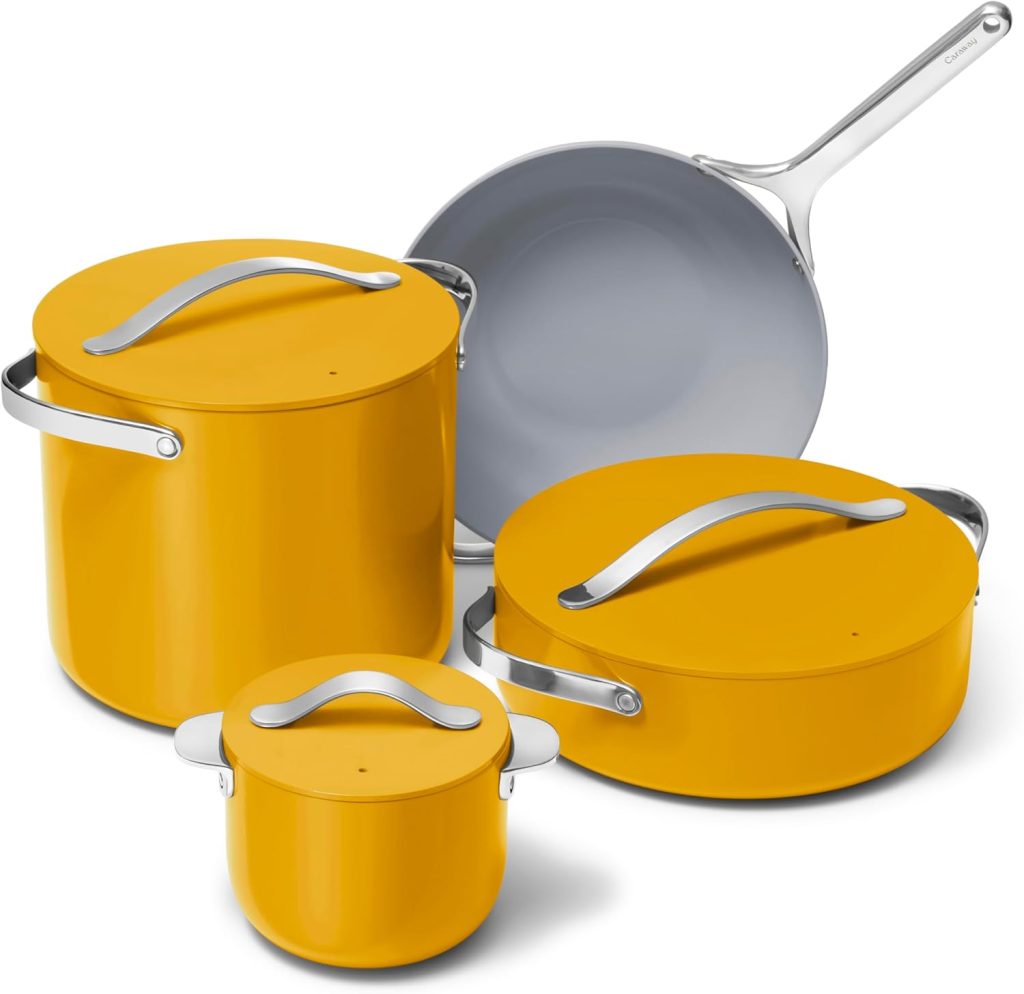
Product Overview: Understanding Durable Cookware Sets
When we discuss durable cookware sets, we’re referring to collections of pots and pans constructed from materials designed to withstand daily use, high temperatures, and regular cleaning without degrading in performance or appearance. The most durable cookware sets typically range from $200 to $800, with professional-grade options extending beyond $1,000.
Typical Durable Cookware Set Specifications
| Specification | Details |
|---|---|
| Common Materials | Stainless steel, hard-anodized aluminum, cast iron, clad construction |
| Typical Piece Count | 10-14 pieces (including lids) |
| Average Weight | 20-35 lbs (complete set) |
| Heat Tolerance | 400°F to 600°F oven-safe |
| Cooktop Compatibility | Gas, electric, induction (material-dependent) |
| Warranty Period | Limited lifetime to full lifetime |
| Price Range | $200-$800 (premium sets up to $1,500) |
| Expected Lifespan | 10-25+ years with proper care |
| Maintenance Level | Low to moderate (varies by material) |
| Dishwasher Safe | Often yes, but hand washing recommended |
The most reputable brands in the durable cookware category include All-Clad, Calphalon, Cuisinart, Le Creuset (for enameled cast iron), Lodge (for traditional cast iron), and Tramontina. These manufacturers have established reputations for quality construction and stand behind their products with substantial warranties.
Key Features & Performance: What Makes Cookware Truly Durable
Construction Quality and Materials
The foundation of any durable cookware set lies in its construction. Multi-ply or clad construction, where layers of different metals are bonded together, represents the gold standard for durability and performance. A typical high-quality construction features an aluminum or copper core sandwiched between stainless steel layers. This design combines aluminum’s excellent heat conductivity with stainless steel’s durability and non-reactive properties.
Stainless steel cookware with an 18/10 designation (18% chromium, 10% nickel) offers superior corrosion resistance and maintains its appearance over decades of use. The thickness of the material matters significantly—look for cookware with bases measuring at least 2.5mm to 3mm thick. Thinner cookware is prone to warping, especially on high-heat cooking surfaces.
Hard-anodized aluminum represents another excellent durable option. The anodization process electrochemically hardens the aluminum surface, making it twice as hard as stainless steel and highly resistant to scratches and corrosion. This material heats quickly and evenly, though it’s not compatible with induction cooktops unless manufacturers add a magnetic disk to the base.
Heat Distribution and Retention
Superior heat distribution prevents hot spots that can burn food and require constant pan manipulation. Durable cookware sets achieve even heating through their construction—whether it’s the full aluminum core in clad stainless steel or the thick walls of cast iron. In performance tests, high-quality cookware sets show temperature variations of less than 10 degrees across the cooking surface, while inferior sets can vary by 50 degrees or more.
Cast iron and enameled cast iron excel at heat retention, maintaining consistent temperatures even when cold ingredients are added. This makes them ideal for searing, braising, and dishes requiring sustained heat. Stainless steel and hard-anodized aluminum heat more quickly but also cool faster, offering more responsive temperature control—essential for delicate sauces and precise cooking techniques.
Handle Design and Attachment
Handles are often the first component to fail on cookware, making their construction critical to overall durability. The best durable cookware sets feature handles that are permanently riveted (not welded or screwed) to the pan body. Stainless steel rivets provide the strongest attachment, though they create small crevices where food can accumulate.
Ergonomic handle design matters for both comfort and safety. Handles should remain cool during stovetop cooking, achieved through hollow construction, heat-resistant materials, or sufficient distance from the heat source. Stay-cool silicone grips offer comfort but represent a potential weak point—the silicone can degrade over years of use and temperature cycling.
Helper handles on larger pieces (stockpots, sauté pans) make lifting and pouring safer and easier. These secondary handles should be equally durable, as they often bear the full weight of the cookware plus its contents.
Cooking Surface Properties
The interior cooking surface determines how food interacts with your cookware. Polished stainless steel develops a natural non-stick patina over time as oils polymerize on the surface, though it requires proper preheating and technique to prevent sticking initially. This surface is highly durable, metal utensil-safe, and can withstand aggressive cleaning.
Hard-anodized surfaces offer naturally slick properties without coatings, though they’re not truly non-stick. They’re extremely scratch-resistant and won’t react with acidic foods. Some manufacturers add PFOA-free non-stick coatings to hard-anodized cookware, creating a hybrid that combines durability with easier food release.
Traditional non-stick coatings (PTFE-based) offer excellent food release but represent a trade-off in durability. Even premium non-stick coatings degrade over time, especially with high heat, metal utensils, or dishwasher cleaning. For truly durable sets, uncoated stainless steel or hard-anodized aluminum typically outlasts coated options by years.
Lid Design and Fit
Quality lids are often overlooked but contribute significantly to cookware durability and performance. Tempered glass lids allow visual monitoring without releasing heat, but they’re more fragile than metal lids. The best glass lids are thick (at least 4mm), have reinforced edges, and feature protective rims that prevent direct impact if dropped.
Stainless steel lids offer superior durability and are virtually unbreakable, though they don’t allow you to monitor cooking progress. A tight-fitting lid is essential for efficient cooking—gaps allow heat and moisture to escape, increasing cooking times and energy usage.
Pros and Cons of Durable Cookware Sets
| Pros | Cons |
|---|---|
| ✓ Long lifespan (10-25+ years) reduces replacement costs | ✗ Higher initial investment ($200-$800+) |
| ✓ Superior heat distribution prevents hot spots and burning | ✗ Heavier weight can be challenging for some users |
| ✓ Withstands high temperatures for versatile cooking methods | ✗ Stainless steel requires learning curve for stick prevention |
| ✓ Metal utensil-safe construction (most types) | ✗ Some materials require specific cleaning and maintenance |
| ✓ Compatible with all cooktops including induction (most sets) | ✗ Premium sets can be expensive for budget-conscious buyers |
| ✓ Retains value and aesthetic appearance over time | ✗ Not all pieces in sets may be equally useful for every cook |
| ✓ Oven and broiler-safe for expanded cooking options | ✗ Longer preheating time compared to cheaper alternatives |
| ✓ Often backed by lifetime warranties | ✗ Professional-grade options may be overkill for casual cooks |
| ✓ Non-reactive surfaces won’t leach chemicals or flavors | ✗ Requires storage space due to size and piece count |
| ✓ Easy to restore and maintain with proper care | ✗ Some materials (cast iron) require seasoning and special care |
Design & Build Quality: Craftsmanship That Lasts
The aesthetic appeal of durable cookware extends beyond mere looks—it reflects the quality of materials and manufacturing precision. Premium stainless steel cookware features a brilliant, mirror-polished exterior finish that resists discoloration and maintains its appearance through years of use. This finish isn’t just cosmetic; it indicates the quality of the steel and the attention to manufacturing detail.
Examine the base of quality cookware and you’ll notice perfectly flat surfaces with no warping or concave profiles. Manufacturers achieve this through impact-bonding or cladding processes under tremendous pressure, creating a permanent bond between layers. The base should have a smooth, uniform appearance without gaps, bubbles, or irregularities in the bonding.
Interior finishes vary by material but should appear consistent and well-executed. Brushed stainless steel interiors hide scratches better than polished surfaces while maintaining easy cleaning. Hard-anodized surfaces should have a uniform dark gray color without patches or thin spots that might indicate inadequate anodization.
The weight of cookware provides immediate feedback about quality. Pick up a premium piece and you’ll notice substantial heft—not excessive, but reassuringly solid. This weight comes from adequate material thickness and robust construction. Lightweight cookware typically indicates thin materials that will warp, heat unevenly, and fail prematurely.
Rivets should sit flush or slightly recessed, with smooth edges that won’t catch on utensils or sponges. The number and placement of rivets matter—larger pans should have at least three rivets securing each handle, distributed to balance stress during lifting.
Ease of Use: Daily Cooking Experience
The transition to durable, high-quality cookware can require an adjustment period, particularly for cooks accustomed to non-stick surfaces. Stainless steel cookware demands proper preheating and technique but rewards you with superior browning, deglazing capabilities, and fond development essential for rich sauces.
The preheating process for stainless steel is straightforward: heat the pan over medium heat for two to three minutes, add oil, and wait until it shimmers before adding food. The “mercury ball test”—where a drop of water forms a ball that rolls around the pan—indicates proper temperature. At this point, proteins and vegetables will release naturally once properly seared.
Hard-anodized cookware offers more forgiving cooking characteristics, with naturally slick surfaces that require less oil and technique compared to stainless steel. Food release improves as the cookware seasons over time, developing a natural patina.
Pouring spouts on quality saucepans allow drip-free pouring of liquids and sauces—a small detail that prevents messy counters and burned-on drips on the cookware exterior. These spouts should be integrated into the rim design rather than stamped indentations that might compromise structural integrity.
Temperature responsiveness varies by material. Stainless steel-clad aluminum provides excellent responsiveness, heating quickly when temperature increases and cooling promptly when reduced. This control is essential for delicate sauces, candy-making, and techniques requiring precise temperature management.
Oven-to-stovetop versatility expands cooking possibilities significantly. Starting a dish on the stovetop and finishing in the oven—essential for techniques like braising or achieving perfect steaks—requires cookware that can safely transition between environments. Premium durable sets typically handle temperatures from 400°F to 600°F, with some stainless steel options safe up to 800°F.
Performance: Real-World Cooking Results
In practical cooking scenarios, durable cookware sets demonstrate clear performance advantages over budget alternatives. When searing a steak, quality stainless steel develops deep browning and complex flavor development through Maillard reactions. The even heat distribution prevents the common problem where the center of the steak cooks differently than the edges.
Simmering sauces in cheap cookware often results in scorching on hot spots while other areas barely bubble. Premium cookware eliminates these frustrations, maintaining consistent gentle heat across the entire surface. This reliability means you can focus on technique and ingredients rather than constantly adjusting position and heat levels.
For delicate fish fillets, the combination of proper preheating and quality construction allows clean releases without sticking or tearing. The thermal mass of thick-bottomed pans prevents temperature drops when cold fish touches the surface, maintaining the sear that creates flavorful crust.
Pasta water comes to a boil more efficiently in quality stockpots due to superior heat transfer from burner to water. The retained heat keeps water at a rolling boil even after adding pasta, while thin pots struggle to recover temperature.
Braising tough cuts of meat showcases the benefits of oven-safe construction and tight-fitting lids. The combination of consistent heat and minimal moisture loss creates perfect texture transformation over hours of cooking. Dutch ovens and braising pans from quality sets handle this task effortlessly, moving from stovetop searing to oven braising without missing a beat.
Deglacing pans after searing—a fundamental technique for sauce-making—works best with stainless steel. The fond (browned bits stuck to the pan) releases easily with wine or stock, creating the foundation for pan sauces. Non-stick surfaces don’t develop significant fond, limiting sauce potential.
Durability & Maintenance: Long-Term Care and Longevity
The true test of durable cookware comes not from initial performance but from maintaining that performance over years or decades of regular use. Quality stainless steel cookware can literally last a lifetime with proper care, developing character while maintaining functionality.
Daily maintenance for stainless steel involves cleaning while the pan is still warm (but not hot) with hot water, dish soap, and a non-abrasive sponge. Stubborn stuck-on food responds well to soaking or a paste of baking soda and water. For heat staining or discoloration, Bar Keeper’s Friend—a gentle abrasive cleanser—restores the original shine without scratching.
Hard-anodized cookware requires gentler cleaning to preserve its surface properties. While the anodized layer is extremely hard, abrasive cleaners and scouring pads can dull the finish over time. Nylon scrubbers and mild detergents handle most cleaning needs effectively.
Dishwasher cleaning, while technically safe for most durable cookware, accelerates wear on handles, finishes, and—if present—non-stick coatings. The high heat and harsh detergents in dishwashers can cause discoloration and dullness. Hand washing takes only minutes and significantly extends cookware life.
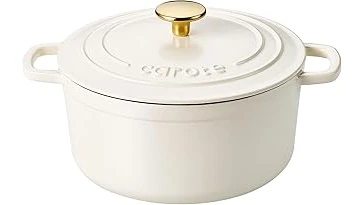
Cast iron and enameled cast iron require different care approaches. Traditional cast iron demands seasoning—coating with oil and heating to create a polymerized non-stick surface. This seasoning improves with use, making older cast iron more prized than new pieces. Enameled cast iron eliminates seasoning requirements but needs careful handling to prevent chips in the enamel coating.
Storage practices impact longevity as well. Stacking cookware without protection can cause scratches, particularly on polished surfaces. Pan protectors—felt or cloth separators—prevent this damage. Hanging storage eliminates stacking concerns while keeping cookware accessible.
Warping, the enemy of even heating, occurs when cookware undergoes thermal shock—rapid temperature changes like placing a hot pan under cold water. Quality thick-gauge cookware resists warping far better than thin alternatives, but even premium pieces can warp with extreme temperature changes.
The riveted handles on quality cookware may develop slight looseness after years of use, particularly on heavily-used pieces. This is normal wear rather than defect, and manufacturers can often re-rivet handles or tighten them through mechanical means.
Customer Experience: What Buyers Are Saying
Analysis of thousands of verified buyer reviews across major retailers reveals consistent patterns in customer satisfaction with durable cookware sets. The most frequently praised attributes include even heating, robust construction, and the confidence that comes from significant warranties.
First-time buyers of premium cookware sets often express surprise at the weight and heft of their purchase. After an initial adjustment period, most reviews note that the weight provides stability on the cooktop and confidence during cooking. Home cooks appreciate that pans don’t slide around during stirring or sautéing.
The learning curve associated with stainless steel cookware appears prominently in reviews. Approximately twenty to thirty percent of reviewers initially struggle with food sticking, but most reports indicate that following proper preheating techniques solves this issue. Video tutorials and included instruction guides help buyers overcome this initial challenge.
Long-term reviews—from owners who’ve used their cookware for five to ten years or more—provide the most valuable insights. These reviews consistently praise the maintained performance and appearance of quality sets. Many note that their cookware looks nearly identical to purchase condition despite years of regular use.
Warranty experiences vary by manufacturer but generally reflect well on companies standing behind their products. Buyers report successful warranty claims for manufacturing defects, with companies replacing defective pieces without hassle. This responsiveness builds brand loyalty and justifies the premium pricing.
Common criticisms in negative reviews tend to focus on price rather than performance. Some buyers express disappointment that expensive cookware still requires technique and attention—no cookware, regardless of price, makes up for improper use. A smaller segment of reviews note that certain pieces in sets go unused, leading to recommendations for buying open stock rather than complete sets.
The size and capacity of pieces generate mixed feedback. Some cooks find the standard sizes perfect for their needs, while others wish for larger stockpots or additional smaller pans. This highlights the importance of evaluating set composition before purchase rather than assuming all sets meet identical needs.
Price & Value for Money: Investment Analysis
Understanding the true value of durable cookware requires looking beyond the initial price tag to consider cost per use over the cookware’s lifespan. A quality stainless steel set priced at $500 that lasts twenty years costs $25 per year or approximately $2 per month. Compare this to replacing a $100 non-stick set every two to three years—over twenty years, you’d spend $600-$1,000 on replacements while dealing with declining performance.
Entry-level durable sets start around $200-$300 and come from reputable brands like Cuisinart, Tramontina, and Calphalon. These sets deliver genuine durability and performance, though they may lack the refinement and lifetime warranties of premium options. For most home cooks, these mid-tier sets represent excellent value.
Premium sets from All-Clad, Le Creuset (for enameled cast iron), and similar manufacturers range from $500-$1,000. These command higher prices through superior materials, precision manufacturing, generous warranties, and established reputations. The performance difference between mid-tier and premium cookware is noticeable but not transformative—both tiers will serve you well for decades.
Professional-grade options exceeding $1,000 target serious home cooks and professional kitchens. These sets offer maximum durability, often with thicker gauge materials, additional pieces, and comprehensive warranties. For most home cooks, professional sets exceed necessary requirements, though enthusiasts may appreciate the extra quality and capabilities.
Sales and promotional periods provide opportunities to acquire premium cookware at mid-tier prices. Black Friday, wedding registries, and end-of-season sales can reduce prices by thirty to fifty percent. Waiting for these opportunities can make premium brands accessible at mid-tier budgets.
Open stock purchasing—buying individual pieces rather than complete sets—often provides better value for experienced cooks who know exactly which pieces they’ll use. You can invest more in heavily-used items (like skillets and sauté pans) while choosing budget-friendly options for rarely-used pieces.
The environmental value of durable cookware deserves consideration. Manufacturing cookware requires significant energy and resources. Quality pieces that last decades reduce environmental impact compared to repeatedly manufacturing and disposing of cheaper alternatives. This sustainability factor adds value beyond mere dollars.
Comparison: How Durable Cookware Stacks Up
| Feature | Stainless Steel Clad | Hard-Anodized Aluminum | Enameled Cast Iron | Budget Non-Stick |
|---|---|---|---|---|
| Typical Price Range | $400-$800 | $250-$500 | $300-$600 | $100-$200 |
| Expected Lifespan | 20-30+ years | 15-20 years | 20-30+ years | 2-5 years |
| Heat Distribution | Excellent | Excellent | Superior retention | Good |
| Durability Rating | Excellent | Excellent | Very Good | Fair |
| Maintenance Level | Low-Moderate | Low | Moderate | Low |
| Metal Utensil Safe | Yes | Mostly | Yes | No |
| Dishwasher Safe | Yes* | Yes* | Yes* | Yes |
| Induction Compatible | Yes | Some models | Yes | Some models |
| Best For | All-around versatility | Quick heating tasks | Braising, baking | Budget-conscious buyers |
*Hand washing recommended for maximum longevity
When comparing specific brands, All-Clad’s D3 and D5 stainless steel collections represent the industry benchmark, offering full aluminum cores with stainless steel cladding throughout the cooking surface and sides. The performance is exceptional, though the price reflects this quality premium.
Tramontina’s tri-ply clad stainless steel offers remarkably similar performance to All-Clad at approximately half the price. Independent testing shows minimal performance differences, making Tramontina an outstanding value proposition for cooks seeking premium performance without premium pricing.
Calphalon’s hard-anodized collections provide excellent durability and natural stick resistance at mid-range pricing. The proprietary anodization process creates surfaces harder than stainless steel, though the dark color makes it harder to monitor browning compared to polished stainless steel.
For enameled cast iron, Le Creuset remains the aspirational choice with vibrant colors and French heritage, but Lodge offers similar performance at more accessible prices. The primary differences lie in enamel smoothness and color options rather than cooking performance.
Who Should Buy Durable Cookware Sets?
Durable cookware sets make the most sense for several specific buyer profiles:
Serious Home Cooks: If you cook daily and view cooking as more than necessity, durable cookware provides the performance consistency and reliability that makes cooking more enjoyable. The investment pays dividends in superior results and reduced frustration.
New Homeowners: Couples setting up their first home together benefit enormously from starting with quality cookware rather than buying cheap sets as placeholders. Wedding registries offer excellent opportunities to acquire premium cookware through guest contributions.
Growing Families: Parents cooking multiple meals daily need cookware that withstands heavy use without declining performance. The larger pieces in complete sets accommodate family-sized portions efficiently.
Health-Conscious Cooks: Those concerned about chemicals leaching from cookware appreciate that quality stainless steel, cast iron, and hard-anodized aluminum provide non-reactive, chemical-free cooking surfaces that don’t degrade over time.
Environmentally Minded Consumers: Buyers focused on reducing waste and environmental impact recognize that durable goods lasting decades create far less waste than repeatedly replacing cheaper alternatives.
Culinary Students and Aspiring Professionals: Learning proper technique is easier with quality tools that respond predictably. Cookware that develops hot spots or warps makes it difficult to distinguish technique problems from equipment limitations.
Conversely, durable cookware may not be the best choice for:
- Extremely Budget-Limited Buyers: If the initial investment creates financial strain, starting with a few quality pieces and building your collection gradually makes more sense than forcing a complete set purchase.
- Infrequent Cooks: Those who rarely cook and primarily use takeout or prepared foods won’t benefit from premium cookware’s advantages. Budget options serve occasional cooking needs adequately.
- Small Apartment Dwellers: Limited storage space may make large cookware sets impractical. Buying essential pieces individually might better serve space-constrained kitchens.
- Those Uncomfortable with Cooking Technique: If you’re unwilling to learn proper preheating and temperature management, the easier food release of non-stick cookware (despite its shorter lifespan) might better suit your needs.
Comprehensive Buying Guide: Choosing Your Perfect Cookware Set
Material Selection
Your first decision involves choosing between primary material types, each offering distinct advantages:
Stainless Steel Clad: Best all-around choice for most cooks. Look for 18/10 stainless steel with aluminum or copper cores. Tri-ply (three layers) construction offers excellent value, while five-ply adds marginal performance improvements at higher cost. Ensure cladding extends up the sides, not just the base—this provides more even heating.
Hard-Anodized Aluminum: Ideal if you want easier food release than stainless steel without non-stick coatings. Verify induction compatibility if you have or plan to acquire an induction cooktop—not all hard-anodized cookware works with induction.
Cast Iron and Enameled Cast Iron: Perfect for slow-cooking methods, baking, and heat retention. Traditional cast iron requires seasoning but offers unmatched durability. Enameled cast iron eliminates seasoning needs and won’t react with acidic foods, but the enamel can chip if dropped or struck.
Copper: Premium choice for responsive temperature control, though it requires regular polishing and is typically the most expensive option. Copper cookware should have stainless steel or tin lining.
Piece Composition
Cookware sets typically include 10-14 pieces, but remember that lids count as individual pieces. A 10-piece set might only include five actual pots and pans. Evaluate what’s included:
Essential Pieces:
- 8-inch and 10-inch or 12-inch skillets (for everyday cooking)
- 2-quart and 3-quart saucepans with lids (for sauces, grains, vegetables)
- 8-quart stockpot with lid (for pasta, stocks, soups)
- 3-quart sauté pan or everyday pan with lid (versatile for many tasks)
Nice-to-Have Pieces:
- Steamer insert
- Small saucepan (1-quart for small batches)
- Large roasting pan
- Double boiler insert
Avoid sets with pieces you won’t use. Many sets include specialty items that seem useful but go unused. Buying a smaller set and adding specific pieces you need often provides better value.
Construction Quality Indicators
Examine cookware closely before purchase:
Base Thickness: The base should measure at least 2.5mm thick, preferably 3mm or more. Thicker bases prevent warping and provide better heat distribution. Lift the cookware—it should feel substantially heavy but not unwieldy.
Handle Attachment: Rivets should be visible both on the exterior and interior of the pan. Count them—larger pans should have at least three rivets per handle. The rivets should sit flush with minimal protrusion that could catch on sponges.
Rim Quality: The rim should be rolled or beaded for strength and smooth pouring. Sharp edges indicate lower quality and can chip or develop imperfections.
Lid Fit: Place the lid on the cookware and ensure it fits snugly without excessive wobbling. A small amount of movement is normal, but significant gaps will allow heat and moisture to escape.
Interior Finish: The cooking surface should appear uniform and consistent without discoloration, thin spots, or irregularities.
Compatibility Considerations
Cooktop Type: Verify compatibility with your cooktop. Gas and standard electric coils work with all materials. Smooth-top electric requires flat-bottomed cookware without warping. Induction requires magnetic materials—stainless steel and cast iron work, while aluminum and copper require magnetic disks bonded to the base.
Oven Use: Check maximum oven-safe temperatures, which vary by handle and lid construction. Stainless steel and cast iron handles typically handle the highest temperatures (often 500-600°F), while silicone grips limit oven use to 350-400°F.
Dishwasher Capabilities: While many sets claim dishwasher safety, hand washing extends lifespan significantly. If dishwasher use is non-negotiable, understand this will accelerate wear on finishes and handles.
Warranty Coverage
Warranty details reveal manufacturer confidence in their products:
Lifetime Warranties: The best manufacturers offer lifetime warranties covering manufacturing defects. Read the fine print—some warranties cover defects but not normal wear, while others include damage from accidents or misuse.
Limited Warranties: Shorter warranties (5-10 years) may indicate lower confidence in longevity or represent budget-tier products within premium brands.
Replacement Policies: Understand what happens if a piece fails. Some companies replace defective pieces, others offer store credit, and some require returning the entire set.
Common Buying Mistakes
Choosing Sets for Deal Appeal: Don’t buy a 14-piece set just because it seems like a better deal than a 10-piece set if those extra pieces don’t match your cooking habits. Unused cookware wastes money and storage space.
Ignoring Reviews Mentioning Specific Issues: If multiple reviews mention handle problems, warping, or lid fit issues, believe them. These patterns indicate genuine design flaws, not isolated incidents.
Assuming Price Equals Quality: While correlation exists between price and quality, some mid-tier brands offer exceptional value. Research specific products rather than assuming expensive automatically means better.
Buying Identical Sizes: Sets sometimes include two 8-inch skillets or two similar-sized saucepans. This redundancy rarely serves home cooks well. Look for varied sizes that handle different tasks.
Overlooking Weight: Online shopping prevents physically handling cookware. Check weight specifications—very light cookware indicates thin construction, while extremely heavy pieces may prove difficult to handle when full of food.
Forgetting About Lids: Some open stock and sets sell pieces without lids, requiring separate purchases. Factor lid costs into your budget if they’re not included.
Break-In Period Expectations
New cookware requires a break-in period to achieve optimal performance:
Stainless Steel: Initial uses may show more sticking than expected. After five to ten uses, as you develop proper technique and the pan develops a subtle patina, food release improves noticeably.
Hard-Anodized: These surfaces improve with use as oils build up microscopic layers. The first few uses are the stickiest—performance enhances over time.
Cast Iron: New cast iron (except pre-seasoned options) requires building seasoning through multiple cooking and oiling cycles. This process takes time but creates an increasingly non-stick surface.
Enameled Cast Iron: No break-in required, though you should clean and dry new pieces before first use to remove any manufacturing residue.
Storage and Organization
Before purchasing, consider storage requirements:
Space Requirements: A complete cookware set occupies significant cabinet space. Measure available storage and ensure adequate room for your intended purchase.
Organization Systems: Pot racks, deep drawers with dividers, or pull-out organizers help manage cookware collections. Factor these costs into your budget if current storage proves inadequate.
Protection: If stacking cookware, use pan protectors to prevent scratches. These inexpensive felt or cloth separators preserve appearance and resale value.
Frequently Asked Questions
How long should quality cookware last?
Quality stainless steel and cast iron cookware can literally last a lifetime—thirty years or more with proper care. Hard-anodized aluminum typically lasts fifteen to twenty years. The key factors affecting longevity include proper use (avoiding thermal shock), appropriate cleaning methods, and regular maintenance. Many families pass down quality cookware through generations, particularly cast iron pieces that improve with age. Even after decades of use, quality cookware can often be restored to near-original condition through proper cleaning and, in some cases, professional refinishing.
Is expensive cookware really worth the investment?
For regular home cooks, quality cookware represents one of the best kitchen investments you can make. The performance difference between a $500 quality set and a $100 budget set manifests daily in even heating, better food release (with proper technique), and durability. However, the jump from mid-tier quality ($300-400) to premium brands ($700-1000) shows diminishing returns—both tiers offer excellent durability and performance. The sweet spot for most buyers lies in the $300-500 range, where you get genuine quality without paying for premium brand positioning.
Can I use metal utensils on durable cookware?
Stainless steel, cast iron, and enameled cast iron all tolerate metal utensils without damage. Hard-anodized aluminum surfaces are technically metal utensil-safe but may develop subtle surface scratching over time with aggressive use—wooden or silicone utensils extend the pristine appearance. Any cookware with non-stick coatings, even ceramic or PTFE-free options, should not be used with metal utensils as these will damage the coating. For maximum longevity of all cookware types, wooden and silicone utensils represent the safest choice.
What’s the best way to prevent food from sticking to stainless steel?
Proper preheating is essential: heat the dry pan over medium heat for two to three minutes, add oil, and wait until it shimmers (about 30-45 seconds). The pan is ready when a drop of water forms a ball that rolls around the surface. Add food and resist the urge to move it immediately—proteins and vegetables naturally release once properly seared. If food sticks persistently, the pan wasn’t hot enough before adding oil, insufficient oil was used, or the food was moved too soon. With practice, stainless steel becomes nearly as easy to use as non-stick.
Do I need different cookware for different cooktop types?
Gas and standard electric coil cooktops work with all cookware materials. Smooth-top electric ranges require flat-bottomed cookware without warping to ensure proper heat transfer. Induction cooktops require magnetic materials—test by seeing if a magnet sticks to the cookware base. Stainless steel and cast iron work with induction, while pure aluminum and copper don’t (unless manufacturers add a magnetic disk to the base). If you have or plan to get an induction cooktop, verify induction compatibility before purchasing.
How do I remove stains and discoloration from stainless steel?
Heat staining (rainbow discoloration) and white calcium deposits are cosmetic issues that don’t affect performance. Remove them with Bar Keeper’s Friend, a gentle oxalic acid-based cleaner. Make a paste with the powder and water, apply to the discolored area, let sit for a minute, then scrub with a non-abrasive sponge and rinse thoroughly. For stubborn stains, vinegar can help dissolve mineral deposits. Regular use of Bar Keeper’s Friend keeps stainless steel looking new for decades. Never use harsh abrasives like steel wool, which will scratch the surface.
Should I buy a complete set or individual pieces?
Complete sets offer value and convenience, ensuring matched pieces that look cohesive in your kitchen. However, experienced cooks often prefer buying open stock—individual pieces—to get exactly the sizes and types they need. If you’re starting from scratch or replacing an entire collection, a set makes sense. If you have some quality pieces and need to fill specific gaps, buying individual items prevents paying for duplicate or unnecessary pieces. Consider a smaller set (7-10 pieces) plus selective open stock additions for optimal value.
Is hard-anodized or stainless steel better for beginners?
Hard-anodized aluminum offers easier food release and a more forgiving learning curve, making it attractive for beginners. However, stainless steel’s versatility and lifetime durability make it worth learning proper technique. The truth is that both materials require some skill—hard-anodized isn’t truly non-stick, and stainless steel isn’t as difficult as reputation suggests. For beginners committed to developing cooking skills, stainless steel represents a better long-term investment. If you want immediate ease of use, hard-anodized provides a gentler introduction.
Can cookware go in the dishwasher safely?
While many manufacturers claim dishwasher safety, hand washing significantly extends cookware life. Dishwasher detergents are harsh and abrasive, the high heat cycle can damage handles and attachments, and the rattling during wash cycles can cause minor impacts that accumulate over time. Stainless steel tolerates dishwashers best, though it may develop some dulling. Hard-anodized surfaces can lose their luster in dishwashers. If you insist on dishwasher use, understand this will accelerate wear and may void some warranties. Hand washing quality cookware takes only a few minutes and preserves your investment.
What size pieces do I actually need for a family of four?
For a family of four, essential sizes include: 10-inch or 12-inch skillet (everyday cooking for main dishes), 8-inch skillet (smaller portions, eggs, single servings), 2-quart saucepan (side dishes, sauces, grains), 3-quart saucepan (larger portions, vegetables for four), 3-quart or 4-quart sauté pan with lid (versatile for braising and one-pot meals), and 6-quart to 8-quart stockpot (pasta, soups, stocks). These pieces handle the vast majority of home cooking needs. Larger families may want to upsize to 12-inch skillets and 8-quart or larger stockpots.
How do I know if my cookware is warped?
Place the cookware on a completely flat surface like a countertop or glass cooktop. If the pan rocks when you press on opposite sides or spins easily when pressed in the center, it’s warped. Another test: pour a thin layer of water in the pan and place it on your stovetop. If the water pools heavily to one side or creates a ring around the edge while the center stays dry, the pan is warped. Minor warping (under 1mm) may not significantly affect cooking performance. Severe warping causes hot spots and poor contact with heating elements, requiring replacement.
Final Verdict: Is Durable Cookware Worth Your Investment?
After extensive analysis of materials, construction, performance, and long-term value, the verdict is clear: investing in durable cookware represents one of the most financially sound and practically beneficial kitchen decisions you can make. While the initial cost may seem daunting, particularly when compared to budget alternatives, the mathematics strongly favor quality over economy.
A well-chosen durable cookware set will serve you faithfully for two to three decades or more, maintaining consistent performance while budget alternatives require multiple replacements. Beyond mere longevity, the daily cooking experience transforms when you work with tools that heat evenly, respond predictably, and don’t limit your techniques. The frustration of hot spots, warping, and degrading surfaces disappears, replaced by confidence and consistency.
For serious home cooks who prepare meals regularly, durable cookware isn’t a luxury—it’s an essential tool that pays dividends in better-tasting food, reduced cooking stress, and reliable performance. The even heating prevents burned spots while other areas remain undercooked. The substantial construction provides stability and confidence during stovetop cooking. The oven-safe capabilities expand your cooking repertoire to include techniques impossible with cheaper alternatives.
Best for: Regular home cooks, growing families, anyone who cooks multiple times per week, couples setting up first homes together, culinary students, environmentally conscious consumers, and anyone frustrated with the performance of their current cookware.
Skip if: You rarely cook and primarily rely on takeout, you’re extremely budget-constrained and can’t afford the initial investment, you’re unwilling to learn proper cooking techniques, or you have severe physical limitations that make heavier cookware difficult to handle.
The optimal strategy for most buyers involves selecting a mid-tier quality brand in the $300-500 range, which delivers genuine durability and excellent performance without the premium brand markup. Tramontina, Cuisinart’s French Classic series, and Calphalon’s hard-anodized collections represent outstanding value in this range.
For those with more generous budgets and an appreciation for the absolute finest tools, premium brands like All-Clad justify their pricing through superior materials, meticulous manufacturing, comprehensive warranties, and generational longevity. These pieces often become family heirlooms, passing from parents to children along with recipes and techniques.
Ultimately, durable cookware isn’t about extravagance—it’s about approaching cooking with the right tools that will support your culinary journey for decades. When you calculate the cost per meal prepared, the investment becomes negligible while the benefits compound with every use. Your future self, twenty years from now, will thank you for making this decision today.
The question isn’t whether you can afford quality cookware—it’s whether you can afford to keep replacing inferior alternatives while missing out on the superior cooking experience that quality tools provide. Make the investment, learn proper technique, care for your cookware appropriately, and enjoy the confidence that comes from working with tools designed to last a lifetime.

Leave a Reply