
Imagine this: you’re ready to start your weekly meal prep, a pile of fresh ingredients waiting. But your old cooktop takes ages to heat up, hot spots burn your veggies, and cleaning up feels like a chore. It’s frustrating and eats into your precious time.
A good cooktop for meal prep can change all that, making cooking faster, more efficient, and even enjoyable. This article will guide you through selecting the perfect cooktop, so you can spend less time cooking and more time enjoying your delicious, prepared meals.
Exploring Different Cooktop Types For Meal Prep
Choosing the right cooktop is a big step for anyone serious about meal prepping. It’s the heart of your kitchen where all the magic happens. Understanding the different types available will help you make a choice that fits your cooking style, budget, and kitchen setup. Each type offers unique advantages, and knowing these differences can save you time and frustration down the line. This section will break down the most popular cooktop technologies, explaining how they work and what makes them suitable for busy meal preppers.
Electric Coil Cooktops
Electric coil cooktops are a familiar sight in many kitchens. They use exposed metal coils that heat up when electricity passes through them. These coils then transfer heat to cookware placed directly on top.
How they work: The electric current flows through the resistive coils, generating heat. This heat is then radiated upwards to the underside of your pots and pans. The temperature control is typically managed by a thermostat that cycles the heating element on and off.
Pros for meal prep: They are generally less expensive to purchase and install. They are also quite durable.
Cons for meal prep: Their main drawback is slow heat-up and cool-down times. This can make precise temperature control tricky, especially when you need to quickly adjust heat for different meal prep steps. Cleaning can also be a challenge, as food can easily get stuck between the coils and drip pans.
Smooth Electric Cooktops (Radiant)
Smooth electric cooktops, also known as radiant cooktops, offer a sleeker appearance than coil models. They feature a flat, ceramic glass surface with heating elements underneath. When activated, these elements heat up and transfer that heat through the glass to your cookware.
How they work: Radiant cooktops use a resistance wire or halogen lamps beneath the glass surface. As they heat up, they emit infrared radiation, which cooks your food. Some models also have a special “boost” or “rapid heat” setting for faster cooking.
Pros for meal prep: They are much easier to clean than coil tops due to their smooth surface. They also offer better temperature responsiveness than coil cooktops.
Cons for meal prep: They can still have a slight delay in heat adjustment compared to gas or induction. The glass surface can also be prone to scratches and can get very hot, requiring caution.
Gas Cooktops
Gas cooktops are a favorite among many home cooks for their instant heat and precise control. They use natural gas or propane to produce an open flame that heats your cookware. The flame intensity can be adjusted instantly, giving you a lot of flexibility.
How they work: Gas is supplied to burners, where it mixes with air and ignites. The resulting flame directly heats the base of your pots and pans. Control knobs allow for immediate and precise adjustments to the flame size.
Pros for meal prep: The instant heat response is fantastic for quick searing, simmering, and rapid temperature changes needed during complex meal prep. Many chefs prefer gas for its tactile control over heat.
Cons for meal prep: Installation can be more complex and costly, especially if you don’t already have a gas line. They can also be harder to clean due to burner grates and spills getting into burner components. Gas cooktops also pose a safety risk if not properly maintained, with potential for gas leaks. Energy efficiency is also typically lower than induction.
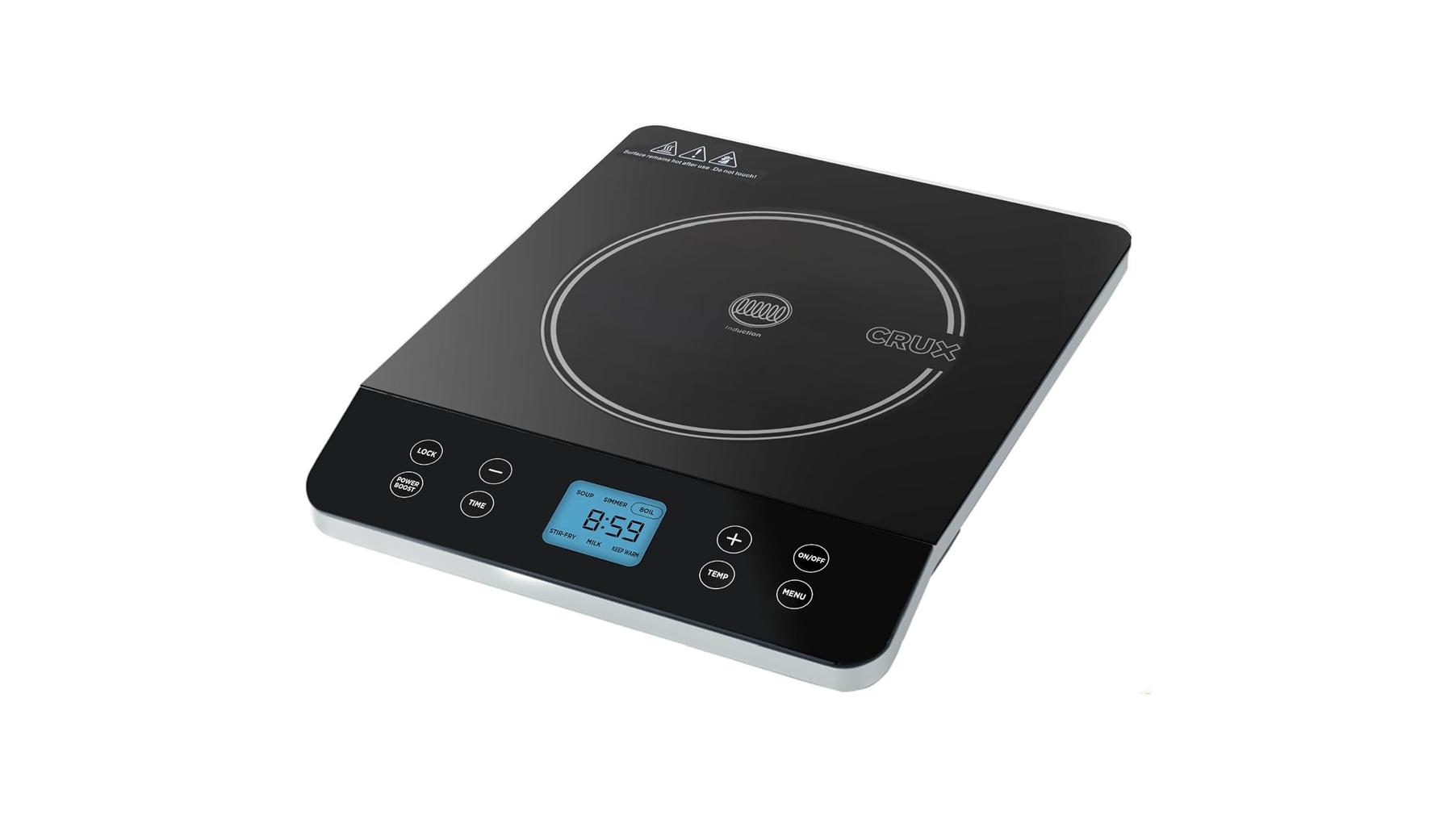
Induction Cooktops
Induction cooktops are a modern, highly efficient option that uses electromagnetic fields to heat cookware directly. Instead of heating the cooktop surface, they generate heat within the magnetic pot or pan itself. This results in incredibly fast heating and precise temperature control.
How they work: An electric current flows through a copper coil beneath the ceramic glass surface. This creates a fluctuating magnetic field. When a magnetic pot or pan is placed on the cooktop, the magnetic field induces eddy currents within the cookware, which generate heat. This means the cooktop surface itself does not get hot from direct heat transfer, only from residual heat from the pan.
Pros for meal prep: This is where induction truly shines for meal prep.
Speed: They heat up incredibly fast, often much faster than gas.
Efficiency: They are highly energy-efficient because heat is generated directly in the cookware, minimizing heat loss.
Safety: The cooktop surface remains relatively cool, reducing the risk of burns.
Precision: Temperature control is extremely precise and responsive, mimicking the best aspects of gas but with superior accuracy and faster response times.
Cleaning: The smooth, cool surface makes cleaning incredibly easy.
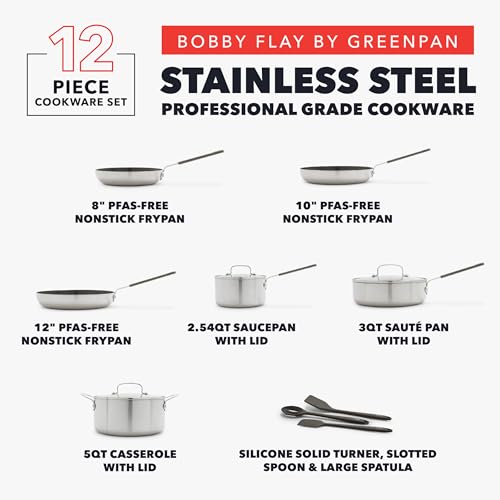
Cons for meal prep: The biggest hurdle is cost, as induction cooktops and compatible cookware can be more expensive initially. You also need to ensure your existing pots and pans are magnetic (test with a magnet; if it sticks, they’ll work).
Key Features For An Ideal Meal Prep Cooktop
When you’re planning out your meals for the week, efficiency and convenience are paramount. A cooktop designed with these needs in mind can drastically improve your meal prep experience. Beyond just heating food, certain features can speed up cooking, make cleanup a breeze, and offer the control you need for diverse recipes. Let’s explore the specific features that make a cooktop truly excel for meal preparation.
Size And Number Of Burners
The size and number of burners on your cooktop directly impact how much you can cook simultaneously. For meal prep, you often need to prepare multiple dishes at once or cook large batches.
Consider your typical meal prep volume: If you’re cooking for one or two and making simple meals, a smaller cooktop with two or three burners might suffice. However, for families or those who batch cook extensively, a cooktop with four or five burners, and potentially a larger central “warming zone” or bridge element, will be much more beneficial.
Example: You might be sautéing vegetables in one pan, simmering a sauce in another, and boiling pasta in a third. Having enough burner space allows all these tasks to happen at the same time, significantly cutting down your overall prep time. A cooktop with varying burner sizes is also helpful, accommodating everything from small saucepans to large stockpots.
Power And Heat Settings
The power of your cooktop’s burners, measured in watts for electric and BTUs for gas, determines how quickly it can heat up and reach high temperatures. For meal prep, this is crucial for tasks like searing meat quickly or bringing large pots of water to a boil.
High-power burners: Look for cooktops with at least one or two high-power burners. For induction, this translates to higher wattage, often exceeding 2000-3000 watts for a single burner. For gas, this means higher BTU ratings, typically 15,000 BTU or more.
Precise low settings: Equally important are precise low heat settings. Many meal prep recipes involve slow simmering, gentle melting, or keeping food warm without overcooking. Cooktops that offer a wide range of finely adjustable heat levels will give you the control needed for these tasks.
Example: You might need to quickly sear chicken breasts to lock in juices for a stir-fry. A powerful burner will get your pan hot almost instantly. Later, you might need to gently melt cheese for a casserole. A cooktop with a very low, stable heat setting will prevent the cheese from burning.
Ease Of Cleaning
Meal prepping often means more cooking, which can lead to more messes. A cooktop that is easy to clean will save you valuable time and effort after a long cooking session.
Smooth surfaces: As mentioned, smooth electric and induction cooktops are significantly easier to clean than gas or coil tops. Spills can typically be wiped away with a damp cloth.
Removable parts: For gas cooktops, consider how easy it is to remove and clean burner grates and caps. Some models have dishwasher-safe components.
Special coatings: Some cooktops feature non-stick or easy-clean coatings on their surfaces or removable parts, which can be a significant advantage.
Durability And Material
The materials your cooktop is made from contribute to its longevity and its ability to withstand the rigors of frequent use.
Ceramic glass: For smooth-top electric and induction cooktops, high-quality ceramic glass is essential. It should be scratch-resistant and able to withstand high temperatures. Some premium models use materials like Schott Ceran for superior durability.
Stainless steel: Many gas and some electric cooktops feature stainless steel surfaces. This material is durable and resistant to corrosion, but it can scratch and show fingerprints easily.
Cast iron: Burner grates on gas cooktops are often made of cast iron. High-quality, enameled cast iron grates are robust and provide a stable surface for cookware.
Cooktop Technologies For Efficient Meal Prep
Choosing the right technology for your cooktop can make a significant difference in how quickly and efficiently you can get your meal prep done. The way a cooktop generates and transfers heat directly impacts its performance, energy usage, and user experience. This section dives deeper into the technologies that are most beneficial for busy home cooks preparing meals for the week.
Induction Technology Explained
Induction cooktops represent a significant advancement in cooking technology, particularly for efficiency and speed. Unlike traditional electric or gas cooktops that heat the cooktop surface itself and then transfer heat to the pan, induction uses a fundamentally different principle.
How it works in detail: At the core of an induction cooktop is a copper coil. When electricity flows through this coil, it generates a high-frequency alternating magnetic field. This magnetic field penetrates the base of a compatible, magnetic cookware placed directly on the cooktop. The field causes the iron particles in the cookware to vibrate rapidly, creating friction. This friction generates heat directly within the base of the pot or pan, cooking your food. The cooktop surface itself is not heated directly by an element; it only becomes warm from residual heat transferred back from the hot cookware. This makes induction incredibly safe and energy-efficient.
Technical terms:
Eddy Currents: These are circular electric currents induced within a conductor by a changing magnetic field. In induction cooking, the magnetic field from the coil induces eddy currents in the base of the magnetic cookware, and it’s the resistance to these currents that generates heat.
Magnetic Field: A region around a magnetic material or a moving electric charge within which the force of magnetism acts. The induction cooktop generates a specific type of oscillating magnetic field.
Resistivity: A material’s inherent resistance to electrical current. The iron or steel in magnetic cookware has a certain resistivity, and when eddy currents flow through it, heat is generated according to Ohm’s law and Joule heating principles (P = I²R, where P is power, I is current, and R is resistance).
Benefits for meal prep:
Unmatched Speed: Induction cooktops can bring water to a boil significantly faster than gas or traditional electric cooktops. This is a huge time-saver when prepping large batches of pasta, grains, or blanching vegetables.
Superior Energy Efficiency: Because heat is generated directly in the cookware, very little energy is lost to the surrounding air or the cooktop surface. This means less wasted electricity and potentially lower utility bills. Studies have shown induction cooktops to be up to 85-90% energy efficient, compared to 75% for gas and 40-55% for traditional electric.
Precise Temperature Control: The electronic control system allows for very fine adjustments to power levels. This means you can go from a rapid boil to a gentle simmer or keep food warm at a precise temperature with incredible accuracy. This is vital for delicate sauces, melting butter without scorching, or maintaining a consistent temperature for slow-cooked items.
Safety Features: The cooktop surface remains much cooler than other types, as it’s not directly heated. This reduces the risk of accidental burns. Many induction cooktops also have auto-shutoff features if no cookware is detected or if a spill occurs.
Gas Cooktop Advantages
Gas cooktops have long been a favorite for their intuitive control and visual feedback. The open flame allows for immediate and precise adjustments to cooking intensity, making it a preferred choice for many professional chefs and home cooks alike.
How they work in detail: Gas cooktops use a controlled flow of natural gas or propane. This gas is mixed with air and ignited at the burner head, producing a visible flame. The amount of gas flowing through the burner is controlled by a valve, which is adjusted by turning a knob. This direct control over the flame size allows for instant changes in heat output.
Technical terms:
BTU (British Thermal Unit): A unit of energy used to measure the heat output of a gas appliance. A higher BTU rating indicates a more powerful burner capable of producing more heat. For meal prep, burners with 15,000 BTU or higher are considered high-power.
Thermostat and Gas Valve: The knobs on a gas cooktop are connected to gas valves that regulate the flow of gas to the burners. The thermostat (in some models) might control an igniter or a safety valve, but the primary heat adjustment comes from the manual valve.
Open Flame: The visible combustion of gas that directly heats the cookware. The intensity and size of this flame can be easily seen and adjusted.
Benefits for meal prep:
Instant Heat Response: The ability to immediately increase or decrease the flame is invaluable for tasks that require quick adjustments, such as quickly searing proteins or preventing a sauce from boiling over.
Visual Heat Control: Many cooks appreciate being able to see and judge the heat level by the size of the flame. This can provide a tactile and intuitive cooking experience.
Versatile Pan Support: Gas cooktops generally offer a stable platform for a wide variety of cookware, including woks and irregularly shaped pots, thanks to their grate systems.
Electric Smooth Top Considerations
Electric smooth tops offer a balance of modern aesthetics and user-friendliness, making them a popular choice for many kitchens. They provide a flat cooking surface that is both easy to clean and aesthetically pleasing.
How they work in detail: Beneath the smooth ceramic glass surface, radiant heating elements are positioned. These elements, often made of resistance wire or halogen lamps, heat up when an electric current passes through them. The heat is then radiated upwards, transferring to the cookware placed on the glass. Some advanced models include multiple heating zones and expandable elements to accommodate different pot sizes.
Technical terms:
Radiant Heating: A method of heat transfer that uses electromagnetic radiation (infrared waves) to transfer heat from a source to an object. In this case, the heating elements emit infrared radiation that heats the cooktop surface, which in turn heats the cookware.
Ceramic Glass: A durable, heat-resistant material that forms the cooktop surface. It is designed to withstand high temperatures and thermal shock.
Resistance Wire: A type of metal alloy that has a high electrical resistance. When electricity flows through it, it converts electrical energy into heat energy.
Benefits for meal prep:
Sleek Design and Easy Cleaning: The smooth, flat surface is significantly easier to wipe down than gas grates or electric coils. This makes post-meal prep cleanup much faster.
Even Heat Distribution (relative): While not as precise as induction, radiant heat can provide a more even distribution of heat across the bottom of the pan compared to older coil elements.
Lower Initial Cost: Compared to induction, smooth electric cooktops are generally more affordable to purchase and install.
Enhancing Your Meal Prep With Smart Cooktop Features
Beyond the fundamental technology of how a cooktop heats, modern appliances come equipped with a variety of features designed to enhance convenience, safety, and efficiency. For meal preppers, these smart features can transform a routine task into a streamlined process. Integrating these elements into your cooking routine can save you time and reduce stress.
Timer And Auto-Shutoff Functions
These features are incredibly useful for multitasking during meal prep. A timer can alert you when a dish has finished cooking, preventing overcooking or burning, while auto-shutoff provides peace of mind.
How they work:
Timers: You can set a specific cooking duration for a burner. When the time is up, the cooktop will either automatically turn off the burner or provide an audible alert. This allows you to step away and attend to other tasks without constantly monitoring the stove.
Auto-Shutoff: This safety feature automatically turns off a burner after a predetermined period of inactivity or if it detects a potential issue, such as a boil-dry situation.
Real-life example: You’re simmering a stew for an hour while also chopping vegetables for a salad. You can set the stew burner’s timer for 60 minutes. When the time is up, the burner will switch off, ensuring your stew doesn’t overcook or reduce too much. This frees you up to finish your prep without worrying about burning the stew.
Keep Warm Settings
This feature is a lifesaver for meal prep, especially if you’re cooking multiple components at different times. It allows you to finish cooking one item and keep it at a safe serving temperature without it drying out or cooking further.
How it works: Keep warm settings utilize very low power levels to maintain a consistent, low temperature in the cookware. This is ideal for holding cooked grains, steamed vegetables, or pre-cooked proteins until everything else is ready.
Scenario: You’ve finished cooking a batch of rice for your lunches, but your chicken needs another 15 minutes. You can transfer the rice to a pot on the “keep warm” setting, ensuring it stays perfectly fluffy and ready to be portioned out later without becoming dry or hard.
Bridge Or Flex Burners
These innovative burner designs are perfect for accommodating larger or irregularly shaped cookware that is common in meal prep, such as griddle pans or roasting pans.
How they work: A bridge burner essentially combines two or more heating elements into a single, larger cooking zone. This creates a continuous heating surface, ideal for larger pans. Flex burners offer similar adaptability, allowing you to expand or contract the cooking area based on your cookware.
Example: You might want to grill several chicken breasts or large cuts of fish at once for your weekly meals. A bridge burner can accommodate a long griddle pan, allowing you to cook everything evenly and simultaneously, which is far more efficient than doing it in batches on a standard burner.
Maintaining Your Cooktop For Peak Meal Prep Performance
A well-maintained cooktop is a reliable partner in your meal prep endeavors. Regular cleaning and proper care not only keep your kitchen looking good but also ensure your cooktop functions efficiently and safely for years to come. Neglecting maintenance can lead to performance issues, reduced lifespan, and potential safety hazards.
Regular Cleaning Procedures
Consistency is key when it comes to cleaning. Establishing a routine will prevent stubborn stains and buildup.
Daily wiping: After each cooking session, allow the cooktop to cool slightly, then wipe down the surface with a damp cloth and mild dish soap. This removes fresh spills and grease before they harden.
Weekly deep clean: For a more thorough clean, use a cleaner specifically designed for your cooktop type (e.g., ceramic cooktop cleaner for smooth tops). For gas cooktops, remove grates and burner caps to clean them separately.
Addressing tough stains: For burned-on food, use a cooktop scraper or a paste of baking soda and water, allowing it to sit for a while before gently scrubbing.
Preventing Scratches And Damage
Protecting the surface of your cooktop is crucial, especially for smooth tops, to maintain both aesthetics and functionality.
Use the right cookware: Ensure your pots and pans have smooth, flat bottoms. Avoid dragging cookware across the surface; always lift it.
Avoid abrasive cleaners: Never use steel wool, abrasive sponges, or harsh chemical cleaners on ceramic glass or stainless steel surfaces, as they can cause permanent scratches.
Be cautious with sugar and plastic: Spills containing sugar or melted plastic can bond to the hot surface. Clean these immediately and carefully with a scraper designed for cooktops once the surface has cooled sufficiently.
Annual Maintenance Checks
Beyond daily and weekly cleaning, a brief annual check can help catch potential issues before they become major problems.
Gas cooktops: Check for any signs of corrosion or damage to burner ports. Ensure igniters are working correctly and that gas lines appear secure. If you notice any gas smell, turn off the appliance and contact a professional immediately.
Electric cooktops: Visually inspect heating elements for signs of wear or damage. Ensure control knobs are functioning smoothly. For induction, check the ceramic glass for any cracks or chips.
Professional servicing: Consider having your cooktop professionally serviced every few years, especially for gas appliances, to ensure optimal performance and safety.
Frequently Asked Questions
Question: What is the best type of cooktop for meal prep
Answer: Induction cooktops are generally considered the best for meal prep due to their speed, precise temperature control, energy efficiency, and easy cleaning. However, gas cooktops also offer excellent responsiveness, and smooth electric tops provide a good balance of features and cost.
Question: Do I need special pots and pans for an induction cooktop
Answer: Yes, induction cooktops require magnetic cookware. Cast iron and most stainless steel cookware work well. You can test if your existing pans are compatible by seeing if a magnet sticks firmly to the bottom.
Question: How does a cooktop timer help with meal prep
Answer: A cooktop timer allows you to set a specific cooking duration for a burner. When the time is up, it can automatically turn off the burner or sound an alert, freeing you to multitask on other meal prep tasks without constant supervision.
Question: Are gas cooktops safe for meal prep
Answer: Yes, gas cooktops are safe when properly installed, maintained, and used. Their instant heat control can be very beneficial for complex meal prep. Always ensure good ventilation and check for any gas leaks.
Question: What is a bridge burner and how is it useful for meal prep
Answer: A bridge burner combines multiple heating elements to create a larger, continuous cooking surface. This is very useful for meal prep when using large griddle pans or roasting pans to cook multiple items at once.
Summary
Choosing the right cooktop significantly impacts meal prep efficiency. Induction offers unmatched speed and precision, gas provides responsive control, and smooth electric is user-friendly. Key features like sufficient burners, precise heat settings, and easy cleaning are vital. Proper maintenance ensures your cooktop remains a reliable tool. Select a cooktop that aligns with your cooking habits and kitchen space for successful weekly meal preparation.

Leave a Reply