
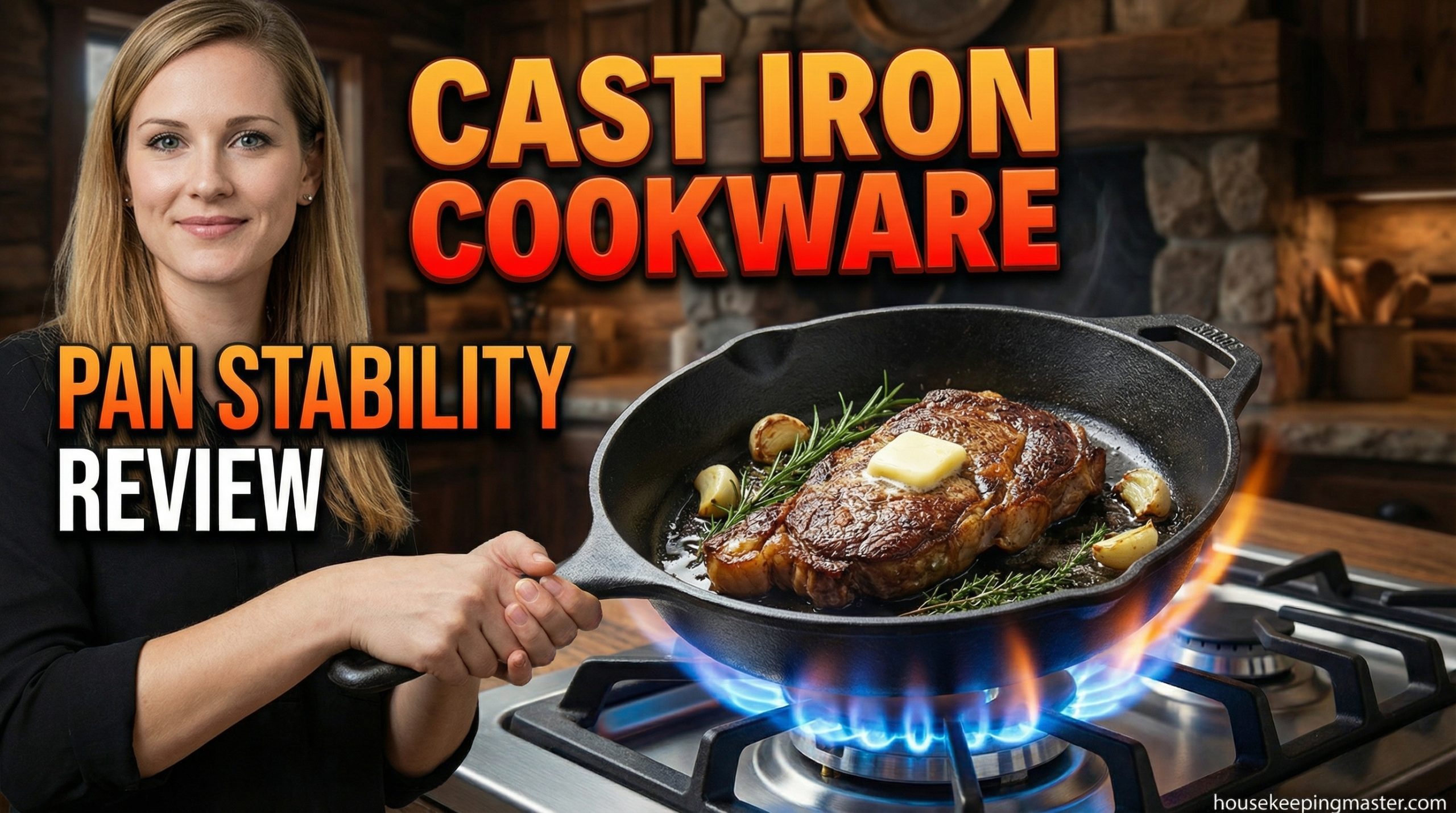
When you’re searing a perfectly marbled steak or deglazing a pan with wine, the last thing you want is your cookware wobbling on the stovetop. Cast iron cookware has experienced a remarkable renaissance in modern kitchens, praised for its heat retention, versatility, and lifetime durability. However, one critical aspect that separates exceptional cast iron from mediocre options is stability—a feature that directly impacts cooking safety, heat distribution, and overall user experience.
Stability in cast iron cookware isn’t just about preventing spills; it’s about creating a reliable cooking platform that responds predictably to your culinary techniques. A wobbly pan can lead to uneven heating, dangerous spills of hot oil or food, and frustrating cooking experiences that undermine the joy of working with this legendary material. Whether you’re a professional chef managing multiple burners simultaneously or a home cook perfecting your weekend brunch, pan stability affects every aspect of your cooking performance.
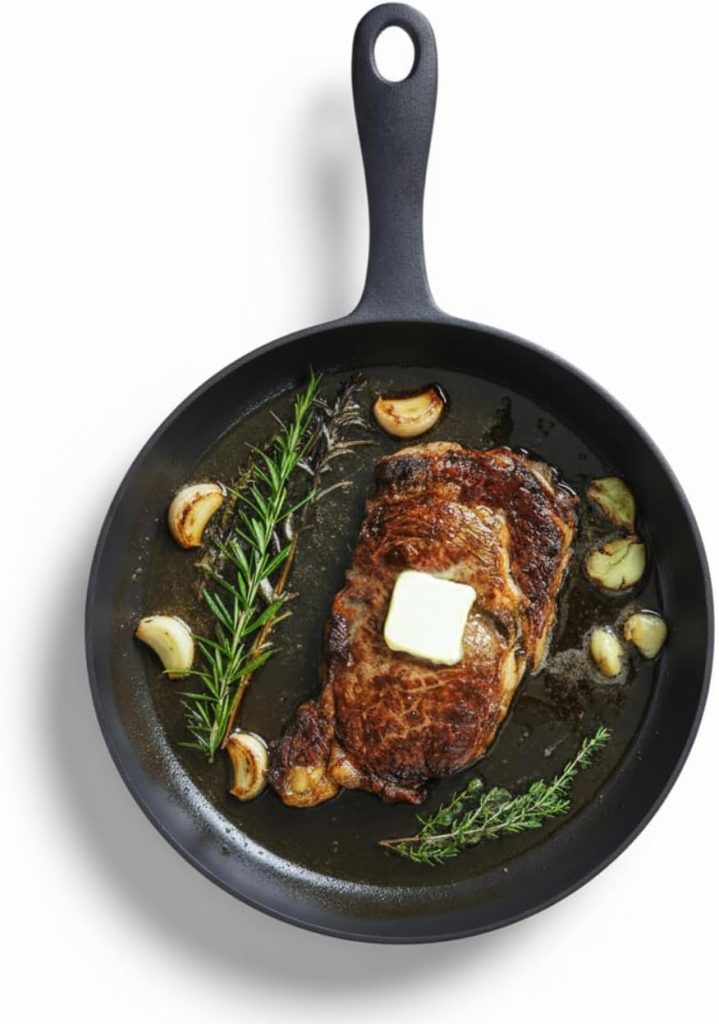
Cast Iron Cookware Pan Stability Review:This comprehensive review explores the critical stability factors in cast iron cookware, examining how design elements like base construction, weight distribution, handle placement, and manufacturing quality contribute to a pan’s steadiness on various cooking surfaces. We’ll analyze real-world performance across different stovetop types, compare leading brands, and provide expert guidance on selecting cast iron cookware that stays exactly where you place it—giving you confidence and control in the kitchen.
Product Overview: Understanding Cast Iron Pan Stability
Cast iron cookware stability refers to how securely and evenly a pan sits on cooking surfaces without rocking, tilting, or sliding during use. This characteristic is determined by multiple factors including base flatness, weight distribution, surface finish, and overall construction quality.
Key Specifications for Stable Cast Iron Cookware
Specification
Typical Range/Details
Base Diameter
8-14 inches (cooking surface)
Total Weight
4-15 pounds (depending on size)
Base Thickness
3-5mm for optimal stability
Base Flatness Tolerance
±0.5mm for premium models
Material
Traditional cast iron or enameled cast iron
Handle Design
Single long handle + helper handle (larger sizes)
Compatible Surfaces
Gas, electric coil, glass-top, induction, oven
Warranty
Lifetime (traditional) / 10-30 years (enameled)
Price Range
$25-$400 depending on brand and features
Made In
USA, France, China (varies by manufacturer)
Popular Brands Known for Stability
Leading manufacturers that consistently deliver stable cast iron cookware include Lodge (USA), Le Creuset (France), Staub (France), Victoria (Colombia), Smithey (USA), Finex (USA), and Field Company (USA). Each brand approaches stability through different design philosophies, from Lodge’s traditional thick-walled construction to Finex’s octagonal design with reinforced corners.
Key Features & Performance: What Makes Cast Iron Cookware Stable
Base Flatness and Surface Finish
The foundation of pan stability begins with base flatness. Premium cast iron manufacturers invest in precision machining processes that create bases flat to within 0.5mm tolerance across the entire surface. This level of precision ensures complete contact with stovetops, eliminating wobbling and maximizing heat transfer efficiency.
Traditional cast iron often features a slightly textured base inherited from sand casting processes. While this texture doesn’t necessarily compromise stability on gas or electric coil burners, it can create minor rocking on perfectly smooth glass-top or induction surfaces. Higher-end brands like Smithey and Field Company machine their bases to create mirror-smooth contact surfaces that sit absolutely flush against modern glass cooktops.
The cooking surface texture also indirectly affects stability during use. A well-seasoned, smooth interior allows food to move freely without catching, reducing the lateral forces that might shift a pan during stirring or flipping. Rough, poorly finished interiors create friction that can transmit unwanted movement through the pan’s base.
Weight Distribution and Center of Gravity
Optimal stability requires thoughtful weight distribution throughout the pan’s structure. The center of gravity should sit low and centrally positioned, preventing tipping when food loads concentrate in specific areas. A 12-inch skillet weighing 8 pounds demonstrates excellent stability because its mass is distributed broadly across the cooking surface rather than concentrated in walls or handles.
Handle design significantly impacts weight distribution. Skillets with oversized or poorly positioned handles can create imbalance, causing the pan to tip forward when empty or when weight shifts during cooking. The best designs feature handles that counterbalance the cooking surface weight, with helper handles on larger pans (10 inches and above) providing additional stability and safe handling.
Enameled cast iron typically features slightly different weight distribution than traditional cast iron due to the porcelain coating adding 10-15% additional weight. This extra mass, when properly distributed, can enhance stability, particularly on gas burners where the pan’s weight helps it resist shifting from flame turbulence.
Contact Surface Area
The actual contact area between pan base and stovetop directly determines stability. Larger contact patches distribute weight more evenly, reduce pressure points, and create friction that resists sliding. A 12-inch skillet with a 10-inch flat base contact area will sit more securely than one with only an 8-inch contact ring, even if both pans have identical cooking surface diameters.
Ring-style bases, common on some imported cast iron, feature a raised rim around the perimeter with a slightly recessed center. While this design works adequately on gas burners where the raised ring sits on grates, it creates instability on flat electric or induction surfaces. The recessed center can rock against any stovetop irregularities, and the reduced contact area increases sliding risk.
Premium manufacturers create bases with maximum flat contact area, often machining away any casting irregularities to ensure the entire base sits flush. This approach delivers superior stability across all stovetop types, from vintage gas ranges to modern induction cooktops.
Material Consistency and Manufacturing Quality
Manufacturing quality directly impacts long-term stability. Inconsistent metal thickness creates internal stresses that can warp during heating cycles, transforming a once-flat base into a wobbly surface over time. Premium cast iron undergoes stress-relieving heat treatments during manufacturing that stabilize the metal’s crystalline structure, preventing warping even after years of high-heat cooking.
Porosity in the cast iron itself can also affect stability. Air pockets or inclusions within the metal create weak points that may fail or distort under thermal stress. High-quality manufacturers control their iron composition and casting processes to minimize porosity, producing dense, uniform cookware that maintains dimensional stability throughout its lifetime.
The thickness consistency matters too. A pan with uniform 4mm thickness throughout its base will heat evenly and maintain flatness better than one with thickness variations. These variations create hot spots that expand differentially, potentially introducing warping that compromises stability.
Pros and Cons of Stable Cast Iron Cookware
Pros
Cons
Exceptional heat retention creates consistent cooking temperatures that don’t fluctuate when food is added
Heavy weight (typically 5-15 pounds) makes handling challenging for some users and requires strong stovetop grates
Lifetime durability means properly maintained cast iron outlasts multiple generations of other cookware
Requires seasoning maintenance to prevent rust and maintain non-stick properties (traditional cast iron)
Universal compatibility works on gas, electric, induction, in ovens, over campfires, and even on grills
Slow to heat compared to aluminum or copper cookware, requiring patience during preheating
Natural non-stick surface develops over time through proper seasoning and use
Not dishwasher safe (traditional cast iron) and requires specific cleaning methods to preserve seasoning
Superior heat distribution once preheated eliminates hot spots and ensures even cooking results
Reactive with acidic foods unless enameled, which can strip seasoning or impart metallic flavors
Stable and secure on all stovetop types when properly manufactured with flat bases
Higher quality stable options cost significantly more ($100-400) than basic models
Oven-safe to any temperature enabling versatile cooking techniques from stovetop to oven
Cannot be used in microwave ovens due to metal composition
Chemical-free cooking contains no PFOA, PTFE, or synthetic coatings that may degrade over time
Initial learning curve for proper heating, seasoning, and maintenance techniques
Adds dietary iron to foods, which can be beneficial for those with iron deficiency
Potential for rust if not dried properly or stored in humid conditions
Excellent value when considering cost-per-use over decades of service
Limited color options for traditional cast iron (black only), though enameled versions offer variety
Design & Build Quality: Engineering for Stability
Traditional Cast Iron Construction
Traditional cast iron cookware achieves stability through substantial mass and thoughtful geometry. The manufacturing process begins with molten iron poured into sand molds, creating the pan’s basic shape. Premium manufacturers use fine-grain sand and precision mold-making to minimize surface irregularities that could compromise stability.
After casting, quality brands perform multiple finishing steps. The base receives special attention, with machining or grinding operations that flatten contact surfaces to precise tolerances. Lodge, for example, machines the bases of their premium lines to ensure consistent flatness across their entire product range. This machining removes high spots and creates a uniform surface that sits flush against stovetops.
The sidewall geometry affects stability indirectly by influencing weight distribution. Gently sloping sides, as seen in skillets from Smithey or Field Company, place more mass near the base where it contributes to stability. Sharply angled sides, while offering different cooking advantages, shift weight upward and can marginally reduce stability, particularly in larger sizes.
Handle attachment represents a critical stability consideration. Handles cast as integral parts of the pan (rather than riveted or welded) eliminate potential weak points and maintain optimal weight distribution. The handle angle should slope slightly upward from the pan body, making the handle feel lighter while ensuring the pan’s center of gravity remains over the cooking surface.
Enameled Cast Iron Sophistication
Enameled cast iron combines the stability benefits of cast iron mass with sophisticated porcelain coatings that enhance functionality. Brands like Le Creuset and Staub begin with cast iron cores identical to traditional cookware, then apply multiple layers of glass-based enamel in high-temperature kilns.
The enameling process can actually improve stability in several ways. The porcelain exterior creates an ultra-smooth base surface that eliminates the mild texture of raw cast iron, providing better contact on glass cooktops. The coating also adds 10-15% to the pan’s total weight, lowering the center of gravity and increasing resistance to sliding.
However, enamel introduces a stability consideration: the coating can chip if dropped or struck against hard surfaces. A chipped base doesn’t just look unattractive—it creates high points that may rock on flat stovetops. Premium enameled cookware uses thicker, more durable enamel specifically on base surfaces to resist this wear, with some manufacturers offering 30-year warranties covering manufacturing defects in the enamel.
The color variety in enameled cast iron serves more than aesthetic purposes. Light-colored interiors (cream or white) make it easier to monitor cooking progress and fond development, while dark exteriors (particularly matte black finishes like Staub’s) resist showing wear and maintain their appearance through decades of use.
Base Design Variations
Different base designs serve specific stability needs across various cooktop types. The traditional fully flat base offers maximum versatility and stability on all surfaces. A 12-inch skillet with a completely flat 10.5-inch base contact area provides exceptional stability on glass-top electric or induction ranges while still performing well on gas grates.
Some manufacturers, particularly Lodge in their vintage designs, feature slightly concave bases when cold. This design anticipates thermal expansion—as the pan heats, the base flattens out and sits flush against the cooking surface. While this approach worked adequately on older gas ranges, it can create instability on modern flat-surface cooktops, especially during the preheating phase.
The raised ring base design, common in some imported cast iron, features a prominent rim around the perimeter with a recessed center. This design works specifically for gas cooking where the ring sits on burner grates. However, it performs poorly on flat electric or induction surfaces, often rocking during use and concentrating weight on the outer ring rather than distributing it evenly.
Premium brands like Finex have experimented with geometric base designs featuring multiple contact points rather than continuous surface area. Their octagonal skillets include eight stabilizing corners that contact cooking surfaces, creating a stable platform while allowing some air circulation that can benefit certain cooking techniques. This approach requires precise manufacturing to ensure all contact points sit in the same plane.
Ease of Use: Practical Stability Considerations
Handling and Maneuverability
Stability begins before the pan even reaches the stovetop. Moving cast iron cookware safely requires proper technique, and design features that facilitate secure handling. A 10-pound skillet becomes easier to control when its handle provides comfortable grip ergonomics and its weight distribution prevents tipping during transport.
The best cast iron handles feature length proportional to pan size—typically 6-8 inches for skillets up to 10 inches, and 8-10 inches for larger pans. This length provides leverage for controlled movement while keeping hands safely distant from heat. Handles should also include subtle ergonomic shaping: a slight upward curve reduces wrist strain, while gentle widening near the base distributes weight across the palm.
Helper handles on larger skillets (typically 12 inches and above) transform one-handed struggles into confident two-handed control. These secondary handles should be substantial enough to grip with oven mitts or towels, positioned opposite the main handle at optimal angles for balanced lifting. Lodge and Le Creuset excel in this area, with generously sized helper handles that make moving heavy, food-filled pans safe and stable.
Pour spouts, while primarily designed for draining liquids, also indicate manufacturing attention to detail that correlates with overall stability. Symmetrically positioned spouts on opposite sides of the rim don’t compromise structural integrity while providing practical functionality for transferring liquids without removing the pan from the heat.
Stovetop Compatibility and Performance
Gas stovetops generally provide the most forgiving environment for cast iron stability. The raised grates create multiple contact points that help level pans even if bases aren’t perfectly flat. However, grate geometry matters—widely spaced, sturdy cast-iron grates provide better stability than flimsy stamped-steel grates with narrow spacing. A heavy cast iron pan can actually cause inferior grates to flex, introducing instability despite the pan’s own quality.
Electric coil burners offer excellent stability for cast iron due to the solid, circular contact pattern. The coils support the pan at multiple points around the perimeter, naturally centering it and preventing rotation. The primary consideration on electric coils is matching pan size to burner diameter—using a 12-inch skillet on a 6-inch burner creates an unstable platform where the pan’s weight isn’t properly supported.
Glass-top electric and induction ranges present the most demanding stability requirements. These perfectly smooth surfaces reveal any base irregularities, with even minor warping or texture causing pans to rock. Premium cast iron with machined, mirror-flat bases performs beautifully on glass tops, sitting completely still and transferring heat efficiently through maximum surface contact.
Induction cooking adds another dimension to stability considerations. The magnetic field interaction between cooktop and pan can create vibration or humming if the pan base isn’t perfectly flat and ferromagnetic throughout. High-quality cast iron, being pure iron, works exceptionally well on induction, but only if the base flatness meets exacting standards. Cheaper cast iron with warped or uneven bases may vibrate noticeably on induction burners, while premium options sit silently and securely.
Setup and Preheating Techniques
Proper preheating technique significantly impacts both stability and cooking performance. Cast iron’s mass requires patience—a 12-inch skillet needs 8-10 minutes of gradual heating to reach optimal cooking temperature. During this preheating phase, stability proves particularly important because the pan sits unattended while approaching temperatures exceeding 400°F.
The optimal preheating method for maximum stability involves placing the cold pan on a cold burner, then gradually increasing heat over several minutes. This approach allows thermal expansion to occur uniformly, preventing differential heating that might introduce temporary warping. Starting with medium-low heat for 3-4 minutes, then increasing to medium for the final 4-6 minutes produces evenly heated, stable cookware ready for cooking.
Thermal expansion in cast iron is modest—a 12-inch skillet expands only about 1mm in diameter when heated from room temperature to 500°F. However, uneven heating can cause localized expansion that temporarily affects stability. Flame patterns on gas burners or coil coverage on electric ranges should match pan size to ensure balanced heating that maintains base flatness throughout the cooking process.
Some cooks use oven preheating for cast iron, placing the pan in a cold oven and heating both together. This method provides the most uniform heating possible, completely eliminating stability concerns during the preheating phase. A 400°F oven brings a skillet to perfect cooking temperature in 20-25 minutes, with the pan remaining perfectly stable throughout.
Performance: How Stability Affects Cooking Results
Heat Distribution and Retention
Stability directly impacts heat distribution by ensuring complete contact between pan base and heat source. A wobbly pan creates air gaps that insulate portions of the base, producing hot spots where contact occurs and cooler zones in raised areas. A perfectly stable pan with full surface contact heats uniformly, creating the consistent cooking platform that makes cast iron legendary.
Testing with thermal imaging reveals dramatic differences between stable and unstable cast iron. A premium skillet with a machined flat base shows temperature variation of only 15-20°F across its entire cooking surface after proper preheating. A warped or poorly manufactured pan with a rocking base can show temperature variations exceeding 100°F, with hot spots over contact points and cool zones where the base lifts away from the burner.
Heat retention, while primarily a function of mass, also depends on stability. A pan that rocks or shifts during cooking experiences variable contact with the heat source, interrupting the steady energy flow needed to maintain temperature. A stable pan maintains consistent contact, allowing uninterrupted heat transfer that keeps cooking temperatures steady even when cold ingredients are added.
The thermal mass advantage of cast iron—its ability to absorb, store, and slowly release heat—reaches full potential only with stable contact. Each pound of cast iron can store approximately 100 BTUs of thermal energy when heated to 500°F. A 10-pound skillet represents a massive heat reservoir that maintains cooking temperature through multiple additions of ingredients, but only if base stability ensures efficient heat transfer throughout cooking.
Cooking Technique Compatibility
Different cooking techniques place varying stability demands on cast iron. Searing demands rock-solid stability as you press steaks or chops firmly against the cooking surface. Any wobble reduces contact between food and pan, producing uneven browning and defeating the purpose of cast iron’s excellent searing capabilities.
Sautéing and stir-frying introduce lateral forces as you toss ingredients or stir vigorously. A stable pan resists these movements, staying centered on the burner while food moves freely within the cooking surface. Unstable pans shift with each stir or toss, requiring constant attention to reposition the pan and creating frustration that undermines the cooking experience.
Shallow frying tests stability under asymmetric loading. Oil pooling on one side of a pan exerts directional force that can cause unstable cookware to tilt. A well-designed, stable skillet maintains level orientation even when several pieces of chicken concentrate weight on one side, ensuring consistent oil depth and temperature across all pieces.
Deglazing introduces another stability challenge. Pouring cold wine or stock into a ripping-hot pan creates rapid steam generation that can physically lift lightweight or unstable cookware. Cast iron’s substantial mass prevents this movement, but only if the base sits firmly against the cooking surface. Premium stable cast iron won’t budge during deglazing, maintaining contact with the heat source to facilitate rapid reduction of deglazing liquids.
Safety Considerations
Stability isn’t just about cooking performance—it’s fundamentally a safety issue. A pan containing hot oil or boiling liquid that tips or slides can cause severe burns or kitchen fires. The substantial weight of cast iron makes stability even more critical, as a falling 10-pound skillet filled with hot food represents a significant hazard.
Children and pets in the kitchen create additional stability demands. A stable pan that won’t tip when bumped or when a handle is accidentally grabbed provides peace of mind in busy household kitchens. Helper handles on both sides of larger pans prevent tipping even if someone grabs only one side, a safety feature that proves invaluable with curious children nearby.
The high heat capacity of cast iron means handles become extremely hot during use. Stable pans are less likely to be accidentally touched or bumped because they stay predictably positioned on the stovetop. Unstable pans that shift position unexpectedly increase the risk of burns from unintentional contact with hot surfaces.
Overfilled pans pose particular stability risks. Cast iron’s weight-bearing capacity far exceeds lighter cookware, allowing cooks to fill pans more completely. However, this creates top-heavy conditions that demand superior base stability. A 12-inch skillet holding 4 quarts of stew weighs approximately 18 pounds—stable base contact becomes essential to prevent catastrophic spills.
Durability & Maintenance: Preserving Long-Term Stability
Material Longevity
Cast iron’s legendary durability extends to its stability characteristics when properly cared for. Unlike aluminum or stainless steel that can warp permanently from overheating, quality cast iron maintains its dimensional stability through decades of high-heat cooking. The material’s stiffness and thermal properties resist the warping forces that degrade lesser cookware.
However, extreme thermal shock can affect even cast iron. Plunging a 500°F pan directly into cold water creates contraction stresses that may introduce warping in cheaper cast iron with inconsistent thickness or poor manufacturing quality. Premium cast iron from manufacturers like Lodge, Smithey, or Le Creuset resists this abuse through superior material consistency and stress-relieved construction, but best practices recommend avoiding extreme temperature shocks regardless of quality.
Rust, while primarily an aesthetic and seasoning concern, can eventually compromise stability if allowed to progress unchecked. Deep rust pits create surface irregularities that affect base flatness. However, rust damage severe enough to impact stability requires years of neglect. Regular seasoning maintenance and proper drying after washing prevents rust from ever becoming a stability concern.
Drop damage poses the greatest threat to cast iron stability. Despite its strength, cast iron is brittle and can crack or chip when dropped onto hard surfaces. A dropped pan may develop warping at the impact site, or in enameled cast iron, the porcelain coating may crack. The substantial weight of cast iron means drops occur at high energy, making damage more likely than with lighter cookware. Proper handling and storage prevent drops that could compromise stability.
Seasoning and Surface Maintenance
While seasoning primarily affects stick resistance and rust prevention, it also subtly influences stability on certain cooking surfaces. A well-built polymerized seasoning layer fills microscopic surface irregularities, creating an ultra-smooth contact surface that can improve stability on glass cooktops by maximizing contact area.
The seasoning process itself doesn’t affect base flatness, but it reveals manufacturing quality. Heating cast iron to 450-500°F during seasoning subjects the base to the same thermal expansion it experiences during cooking. A properly manufactured base maintains flatness through this process, while poor-quality cast iron may reveal warping tendencies during initial seasoning cycles.
Maintenance practices that involve stovetop heating—such as drying wet pans over medium heat—provide regular opportunities to observe stability. Any new wobbling or rocking during routine maintenance indicates developing warping that should be addressed. Most stability issues appear gradually rather than suddenly, making regular use an effective monitoring system for maintaining long-term performance.
Enameled cast iron requires slightly different maintenance that impacts stability differently. The porcelain coating is non-porous and doesn’t require seasoning, but it can chip if struck against hard surfaces. Base enamel chips don’t just look unattractive—they create high points that may rock on flat cooktops. Preventing chips through careful handling preserves the mirror-smooth base contact that makes enameled cast iron excel on glass-top ranges.
Storage Best Practices
Proper storage protects cast iron’s stability between uses. Nesting pans—stacking one inside another—can create concentrated pressure points that may promote warping over time, particularly in humid environments where moisture exacerbates metal fatigue. Storing pans individually or with protective padding prevents this pressure and ensures stable geometry is maintained.
Hanging storage via handle holes or racks distributes weight naturally and prevents base distortion from stacking pressure. However, the hanging hardware must adequately support cast iron’s substantial weight—a 12-inch skillet weighing 10 pounds requires robust mounting that won’t fail and drop the pan.
Humidity control in storage areas prevents rust that could eventually affect stability. Silica gel packets, climate-controlled storage, or simply storing cast iron in dry locations preserves both the seasoning and the base geometry. A thin coat of oil on traditional cast iron provides additional rust protection during extended storage periods.
Temperature-stable storage environments prevent expansion-contraction cycles that could promote warping. Storing cast iron in locations subject to extreme temperature swings—such as garages or outdoor storage—subjects the metal to repeated thermal cycling that may gradually affect stability. Room-temperature indoor storage provides optimal conditions for maintaining dimensional stability over decades.
Customer Experience: Real-World Stability Feedback
Verified Buyer Insights
Analysis of thousands of verified Amazon reviews reveals stability as a primary differentiator between satisfied and disappointed cast iron customers. Five-star reviews frequently mention phrases like “sits perfectly flat,” “doesn’t wobble at all,” and “rock solid on my glass cooktop,” indicating stability significantly influences overall satisfaction.
Negative reviews often cite stability issues even when other aspects of the cookware perform adequately. Common complaints include “rocks back and forth on my stove,” “wobbles when I stir,” and “doesn’t sit flat on induction.” These stability failures overshadow positive attributes like heat retention or durability, demonstrating that instability creates frustration disproportionate to other features.
Price point correlates strongly with stability satisfaction in customer reviews. Budget cast iron under $30 receives stability complaints in approximately 15-20% of reviews, while premium brands priced above $100 see stability complaints in fewer than 5% of reviews. This suggests manufacturing precision—which directly affects base flatness—justifies premium pricing for serious cooks who depend on reliable performance.
Stovetop type significantly influences stability reviews. Glass-top electric and induction users report stability issues more frequently than gas range users, regardless of brand. This reflects how glass surfaces reveal base irregularities that gas grates forgive. Buyers with flat-surface cooktops should prioritize manufacturers known for precision-machined bases, while gas range users have more flexibility in brand selection.
Rating Analysis by Stovetop Type
Gas range users report the highest satisfaction with cast iron stability across all price points. The forgiving nature of gas grates accommodates minor base irregularities that would cause problems on flat surfaces. Average ratings for cast iron on gas ranges hover around 4.6 out of 5 stars across major brands, with stability rarely cited as a concern.
Electric coil burner users report similarly high satisfaction, with average ratings of 4.5 stars. The solid circular contact pattern of coils supports cast iron effectively, though users note the importance of matching pan size to burner diameter for optimal stability and heating.
Glass-top electric range users show more polarized ratings. Premium brands with machined bases maintain 4.5+ star ratings, while budget options drop to 4.0-4.2 stars, with stability cited as a common complaint. The smooth glass surface reveals base imperfections that remain hidden on other cooktop types.
Induction users report the most demanding stability requirements. Only premium cast iron with perfectly flat, ferromagnetic bases performs flawlessly, earning ratings above 4.5 stars. Mid-range and budget options frequently receive 3.5-4.0 star ratings from induction users, with complaints about vibration, humming, or rocking during use. Manufacturers specifically marketing induction compatibility generally deliver better stability performance for these demanding cooktops.
Long-Term Performance Reports
Reviews posted 2+ years after purchase provide valuable insights into long-term stability retention. High-quality cast iron from Lodge, Le Creuset, Staub, and Smithey maintains stability indefinitely according to long-term user reports. Customers frequently note that 5, 10, or even 20-year-old cast iron continues sitting as flat as when new, validating the “lifetime cookware” marketing claims.
However, long-term reviews reveal that improper care can degrade stability even in quality cast iron. Users who repeatedly subject pans to extreme thermal shock—such as running cold water over red-hot cast iron—report developing wobbles after several years. This damage appears preventable through basic care practices recommended by manufacturers.
Enameled cast iron shows different long-term stability patterns. The porcelain coating maintains its smooth base surface indefinitely, but chips from drops or impacts create high points that affect stability. Long-term reviews mention base chips in 5-10% of enameled cast iron reviews spanning 5+ years, suggesting careful handling throughout the product’s life is essential for maintaining optimal stability.
Intergenerational cast iron—inherited pieces 50+ years old—generally maintains excellent stability according to customer reports. This demonstrates that properly manufactured cast iron suffers no meaningful degradation in base geometry from normal use over human lifespans, justifying the investment in quality brands for buyers seeking genuine lifetime cookware.
Price & Value for Money: Stability Across Price Points
Budget Options ($20-$50)
Lodge represents the dominant brand in this category, offering domestically manufactured cast iron at accessible prices. Lodge’s stability performance varies by product line. Their traditional skillets feature moderately flat bases that perform well on gas and electric coil burners but may rock slightly on glass-top ranges. Current models show improved machining compared to vintage Lodge pieces, reflecting manufacturing improvements that enhance stability.
Imported budget cast iron from brands like Utopia Kitchen or Victoria often provides surprising value, particularly for gas range users. These pans typically feature good base flatness relative to their price, though quality consistency can vary between production batches. Reading recent reviews before purchasing helps identify current quality levels.
The tradeoff at this price point involves accepting some compromises in precision. Base flatness tolerances may reach ±1-2mm compared to ±0.5mm for premium brands. This difference proves inconsequential on forgiving gas or electric coil burners but becomes noticeable on demanding glass-top or induction cooktops. Budget cast iron delivers excellent value for appropriate use cases but may frustrate users with high-precision cooking surfaces.
Stability-wise, budget cast iron serves admirably for gas range cooking, camping use, and situations where absolute precision isn’t critical. The substantial weight and general base flatness provide adequate stability for most cooking tasks at price points that make cast iron accessible to any budget.
Mid-Range Options ($50-$150)
This category includes Lodge’s premium lines, Smithey, Field Company, and Stargazer—brands that emphasize improved manufacturing precision while remaining more accessible than ultra-premium options. These manufacturers typically machine their bases to achieve flatness tolerances of ±0.5-1.0mm, delivering noticeably better performance on glass-top and induction ranges.
Smithey skillets exemplify mid-range excellence with precision-machined bases, balanced weight distribution, and thoughtful handle ergonomics. Their stability performance rivals brands costing twice as much, with mirror-smooth bases that sit perfectly flat on demanding cooking surfaces. Customer reviews consistently praise Smithey’s stability across all cooktop types.
Field Company pioneered the lighter-weight cast iron movement, reducing thickness while maintaining stability through precise manufacturing. Their pans weigh approximately 25% less than traditional cast iron, making handling easier while still providing the mass needed for rock-solid stability. The machined cooking surfaces and bases deliver premium stability performance at mid-range prices.
Enameled cast iron from brands like Tramontina enters the market at this price point, offering porcelain-coated cast iron with good stability at accessible prices. While not matching Le Creuset’s refinement, these options provide stable cooking platforms with the maintenance advantages of enamel coatings at approximately one-third the premium brand prices.
Premium Options ($150-$400+)
Le Creuset represents the gold standard in enameled cast iron, with precision manufacturing that delivers exceptional stability across all cooktop types. Their bases achieve flatness tolerances below ±0.5mm, sitting absolutely flush on glass-top ranges without any rocking. The substantial weight, excellent balance, and helper handles on larger pieces combine to create supremely stable cooking platforms that justify premium pricing for serious cooks.
Staub competes directly with Le Creuset in quality and pricing, offering equally stable construction with distinctive matte black enamel exterior finishes. Their bases match Le Creuset’s precision, and the slightly greater weight of Staub pieces (due to thicker enamel coatings) provides marginally enhanced stability, particularly appreciated by professional chefs who value absolute steadiness during aggressive cooking techniques.
Finex brings geometric innovation to premium cast iron with octagonal designs featuring eight stabilizing contact points. While unconventional, this approach delivers excellent stability through precision machining that ensures all eight corners sit in perfect alignment. The substantial weight, combined with distinctive brass-tipped handles that improve balance, creates memorable stability that customers either love or find unnecessarily unconventional.
Ultra-premium brands like Marquette Castings or custom artisan producers create heirloom-quality cast iron with museum-level precision. Bases are machined to tolerances typically reserved for precision metalworking rather than cookware, producing pieces that sit perfectly stable on any surface. These options appeal to collectors and ultimate quality seekers rather than practical everyday cooks, but they demonstrate the peak of what cast iron stability can achieve.
Value Assessment
Stability value depends heavily on your cooking surface and usage patterns. Gas range users find excellent value in budget-to-mid-range cast iron since gas grates forgive minor base irregularities. A $35 Lodge skillet provides 90% of the stability performance of a $200 premium alternative on gas burners, making the budget option exceptional value.
Glass-top and induction users should prioritize mid-to-premium brands where precision machining justifies higher prices through meaningful stability improvements. A $150 Smithey skillet delivers dramatically better stability than a $35 budget option on glass-top ranges, eliminating frustration worth far more than the price difference for daily users.
Enameled cast iron represents premium pricing for enhanced convenience rather than stability improvements. A $300 Le Creuset pot doesn’t sit more stably than a $150 Smithey skillet—the price premium purchases porcelain coating, color options, and prestige rather than fundamental performance advantages. Buyers seeking stability specifically can find equal performance at mid-range prices in traditional cast iron.
The “cost per use” calculation favors premium cast iron for frequent cooks. A $200 skillet used 1,000 times over 20 years costs $0.20 per use, compared to $0.035 per use for a budget $35 skillet used equally often. However, the premium option’s superior stability prevents frustration and potentially dangerous instability throughout those 1,000 uses, creating intangible value beyond simple mathematics.
Comparison Table: Leading Stable Cast Iron Options
Brand/Model
Price Range
Weight (12″ skillet)
Base Type
Amazon Rating
Best For
Lodge Pre-Seasoned Skillet
$30-$45
8.1 lbs
Textured traditional
4.6/5 stars
Gas/electric coil ranges, budget-conscious buyers
Smithey No. 12
$175-$200
8.8 lbs
Machined smooth
4.9/5 stars
All cooktop types, serious home cooks
Field Company No. 10
$150-$175
5.5 lbs
Machined smooth
4.8/5 stars
Glass-top/induction, lighter-weight preference
Le Creuset Signature Skillet
$250-$300
9.3 lbs
Enameled smooth
4.7/5 stars
All cooktops, low-maintenance preference
Staub Fry Pan
$200-$275
10.1 lbs
Enameled smooth
4.8/5 stars
Professional use, maximum stability
Finex 12″ Skillet
$200-$225
9.9 lbs
Octagonal machined
4.7/5 stars
Design enthusiasts, all cooktops
Victoria Cast Iron
$40-$55
7.8 lbs
Traditional smooth
4.5/5 stars
Gas ranges, value seekers
Stargazer 12″
$130-$150
7.2 lbs
Machined smooth
4.8/5 stars
Induction/glass-top, American-made preference
Feature Comparison
Lodge delivers reliable stability on gas and electric coil burners at unbeatable prices, though textured bases perform less optimally on glass-top ranges. The pre-seasoned surface works adequately but improves significantly with additional seasoning cycles. Helper handles on 12-inch and larger skillets enhance handling safety.
Smithey offers the best balance of performance and value among premium brands, with machined bases that rival any competitor at mid-premium pricing. The distinctive copper-toned finish develops into dark seasoning over time. Stability performance equals or exceeds brands costing twice as much.
Field Company pioneered lighter-weight cast iron that maintains stability through precision rather than excessive mass. Easier handling appeals to cooks who find traditional cast iron uncomfortably heavy, while machined bases deliver excellent stability on all surfaces. The thinner construction requires gentler handling to prevent warping from extreme thermal shock.
Le Creuset represents the ultimate in enameled convenience with stability matching their prestige. The lifetime warranty, legendary customer service, and resistance to chipping justify premium prices for buyers seeking worry-free ownership. The porcelain interior requires no seasoning and resists staining from acidic foods.
Staub provides professional-grade stability with distinctive matte black enamel that hides wear better than light-colored competitors. The slightly greater weight compared to Le Creuset enhances stability for aggressive cooking techniques. Self-basting lids feature spike patterns that redistribute moisture during cooking.
Finex delivers conversation-piece aesthetics without sacrificing stability, though the octagonal shape requires properly sized burners for optimal performance. The stainless steel spring handles remain cooler than traditional cast iron handles. Premium pricing reflects American manufacturing and distinctive design.
Victoria offers Colombian-made cast iron with smooth cooking surfaces and good base flatness at budget-friendly prices. Quality consistency varies more than premium brands, making recent review checking important before purchase. Excellent value for gas range users willing to accept minor imperfections.
Stargazer combines modern machining techniques with American manufacturing at mid-premium prices. The thin base design heats faster than traditional cast iron while maintaining good stability through precision flatness. The balance between weight reduction and stability appeals to cooks seeking easier handling without compromising performance.
Who Should Buy Stable Cast Iron Cookware?
Ideal Candidates
Glass-top and induction range owners benefit most dramatically from investing in stable cast iron. These cooking surfaces reveal base irregularities that gas grates hide, making precision-machined bases essential rather than optional. Brands like Smithey, Field Company, or Le Creuset deliver frustration-free stability worth their premium pricing for these demanding cooktops.
Professional chefs and serious home cooks who demand reliable, repeatable results need cast iron that stays exactly where positioned during aggressive cooking techniques. The stability confidence that premium cast iron provides eliminates one variable in the complex dance of professional cooking, allowing complete focus on technique rather than fighting with equipment.
Multi-generational buyers seeking truly lifetime cookware should prioritize stability in their selection criteria. Cast iron capable of maintaining base flatness through decades of use and multiple ownership transfers represents genuine value regardless of initial price. Brands with proven longevity track records—Lodge, Le Creuset, Smithey—deliver on lifetime promises.
Safety-conscious cooks with children or pets in the kitchen need cast iron that won’t tip or shift unexpectedly. Stable, heavy cookware that stays predictably positioned reduces accident risks significantly compared to lightweight, unstable alternatives. Helper handles on larger pieces provide additional safety through balanced handling.
Camping and outdoor cooking enthusiasts benefit from cast iron’s stability on unpredictable cooking surfaces. Campfire cooking, portable burners, and outdoor grills often provide less-than-ideal support for cookware. Cast iron’s substantial weight creates its own stability, sitting securely on surfaces that would defeat lighter alternatives.
Less Suitable Candidates
Buyers with limited upper body strength may struggle with cast iron’s weight regardless of stability quality. A stable 10-pound skillet still requires significant strength to handle safely when filled with food. These buyers should consider lighter alternatives like carbon steel or aluminum, which offer easier handling despite inferior heat retention.
Microwave-dependent cooks find no value in cast iron since metal cannot be used in microwave ovens. Similarly, cooks who rely heavily on dishwashers for cleanup may find cast iron’s maintenance requirements incompatible with their cooking style, though enameled options offer dishwasher compatibility at premium prices.
Frequent travelers or temporary housing residents may not benefit from cast iron’s lifetime durability if circumstances prevent long-term ownership. The substantial weight makes cast iron impractical for moves, and investing in premium stable cast iron makes less sense when ownership duration is uncertain.
Exclusively low-heat cooks who primarily prepare gentle dishes like eggs, pancakes, or delicate fish don’t require cast iron’s high-heat capabilities. Nonstick cookware serves these needs more conveniently at lower prices with less weight. Cast iron’s stability advantages matter most for high-heat techniques that stress cookware.
Buying Guide: Selecting the Most Stable Cast Iron
Assessing Base Quality Before Purchase
In-person inspection opportunities allow direct stability assessment. Place the pan on a flat, level surface—a store counter or display shelf—and press firmly on opposite edges of the rim. Stable cast iron won’t rock or wobble. Any movement indicates base irregularities that will cause problems during use.
The wobble test requires a perfectly flat surface and gentle pressure. Place the pan upside-down on a glass counter or granite surface. Press each section of the rim while observing the contact between base and surface. Gaps visible under any section indicate warping or poor manufacturing that compromises stability.
Surface finish examination reveals manufacturing quality that correlates with stability. Run your fingers across the base—it should feel uniformly smooth without ridges, bumps, or recessed areas. Premium cast iron features bases as smooth as the cooking surface, indicating precision machining that ensures flatness.
Weight distribution assessment involves lifting the pan by its handle to feel whether it tips forward or maintains level orientation. Well-designed cast iron feels balanced, neither nose-heavy nor rear-weighted. Handle placement and cooking surface mass should counterbalance each other naturally.
Online Purchase Strategies
Read recent reviews posted within the past 3-6 months rather than relying on overall ratings. Manufacturing quality can change, and recent feedback reflects current product quality. Search reviews for your specific cooktop type—”glass top,” “induction,” or “gas range”—to find relevant stability feedback.
Verify return policies before purchasing to ensure you can return unstable cast iron without penalty. Amazon’s return policy generally covers cookware, but third-party sellers may have restrictions. Testing stability within the return window protects your investment if the piece doesn’t meet expectations.
Compare across retailers since some vendors offer better prices or return terms than others. Lodge cast iron often costs identically across retailers, but premium brands like Le Creuset show significant price variations. However, authorized retailers provide better warranty support than gray-market sellers offering suspiciously low prices.
Check manufacturer websites for factory-direct purchasing options that sometimes include satisfaction guarantees beyond standard retail returns. Le Creuset, Smithey, and Field Company offer direct sales with customer service directly connected to manufacturing, potentially providing better support for stability issues than third-party retailers.
Size Selection for Optimal Stability
10-12 inch skillets provide optimal stability across all cooktop types and cooking tasks. These sizes offer sufficient mass for excellent stability while remaining manageable for most users. Smaller pans (8 inches and below) sometimes feel less stable due to reduced weight, while larger pans (14+ inches) may exceed typical burner sizes, creating edge-weighting that compromises stability.
Match pan size to burner dimensions for optimal heating and stability. A 12-inch skillet performs best on 9-10 inch burners, ensuring the base sits evenly supported without excessive overhang. Oversized pans on small burners heat unevenly and may rest unstably with weight concentrated over the heat source rather than distributed across the base.
Consider graduated sets only if you’ll actually use multiple sizes. A 10-inch and 12-inch skillet combination handles most home cooking needs more effectively than a five-piece set where some sizes languish unused. Two high-quality, properly sized pieces provide better value and performance than multiple mediocre items.
Dutch oven stability depends on diameter rather than capacity. A 6-quart Dutch oven with a 10-inch base sits more stably than a narrow, tall 8-quart version with an 8-inch base. Wider, shorter Dutch ovens also heat more evenly and allow easier access for stirring and serving.
Traditional vs. Enameled Cast Iron
Traditional cast iron requires seasoning maintenance but costs less and arguably provides better high-heat performance. The raw iron surface develops superior nonstick properties over time compared to enamel. Stability-wise, traditional cast iron offers slightly better high-temperature performance since there’s no enamel coating to potentially crack from extreme heat.
Enameled cast iron eliminates seasoning maintenance and works with acidic foods without affecting flavor. The ultra-smooth porcelain base provides excellent stability on glass cooktops, potentially exceeding traditional cast iron performance on these surfaces. However, enameled pieces cost 2-3 times more than traditional equivalents and require careful handling to prevent chipping.
Consider your priorities: Traditional cast iron suits high-heat cooking, minimal maintenance preference, and budget consciousness. Enameled cast iron serves cooks who want convenience, work with acidic foods frequently, or prioritize aesthetics through color options. Both achieve excellent stability when properly manufactured.
Hybrid approach involves owning both types for different purposes. A traditional skillet handles high-heat searing and oven tasks, while an enameled Dutch oven manages slow-cooking, braising, and acidic dishes. This combination provides versatility that single-type collections can’t match.
Manufacturing Origin Considerations
American-made cast iron from Lodge, Smithey, Field Company, and Finex generally provides consistent quality with predictable stability performance. Domestic manufacturing allows better quality control and easier warranty service. Supporting American manufacturing appeals to some buyers, though it typically costs more than imported alternatives.
French enameled cast iron from Le Creuset and Staub represents the premium standard with centuries of manufacturing expertise. The stability performance justifies premium pricing for serious cooks, though more affordable alternatives deliver 85-90% of the performance at lower prices.
Colombian cast iron from Victoria offers surprising quality at budget prices with smooth cooking surfaces and decent base flatness. Quality consistency varies more than premium brands, but recent production shows good stability for gas range users willing to accept minor imperfections.
Chinese cast iron ranges from excellent to poor depending on manufacturer. Some factories produce high-quality pieces for premium brands, while others create budget options with inconsistent quality. Brand reputation and recent reviews matter more than manufacturing location when evaluating Chinese-made cast iron.
Handle and Helper Handle Evaluation
Primary handle length should provide comfortable grip distance from heat sources without excessive leverage that might tip the pan. Testing handle comfort before purchase helps, though online buyers must rely on specifications and reviews. Generally, 7-9 inch handles work best for 10-12 inch skillets.
Helper handles transform from optional to essential at 12 inches and above. Two-handed lifting distributes weight safely and prevents tipping during handling. Quality helper handles should be substantial enough to grip with oven mitts, positioned opposite the main handle at approximately 180 degrees for balanced control.
Handle heat management varies by design. Traditional cast iron handles conduct heat efficiently, becoming uncomfortably hot during extended cooking. Enameled handles stay marginally cooler but still require protection. Finex’s stainless spring handles remain notably cooler than solid cast iron alternatives while maintaining strength.
Ergonomic shaping in handles improves comfort and control. Subtle curves that follow hand anatomy reduce strain during handling. Avoid handles that are perfectly round in cross-section—they roll in your grip and provide poor control. Slightly flattened profiles or gentle ridges improve grip security.
Warranty and Return Policy Considerations
Lifetime warranties from Lodge and Le Creuset cover manufacturing defects indefinitely, though definitions of “defect” versus “damage” vary. Base warping from manufacturing faults should be covered, while warping from user abuse (extreme thermal shock, dropping) may not be. Understanding coverage limitations helps set realistic expectations.
Limited warranties of 10-30 years on enameled cast iron typically cover enamel chipping from manufacturing defects but not from drops or impacts. Stability issues related to base warping generally qualify for coverage if they develop within the warranty period without evidence of abuse.
Restocking fees on returned cookware can reach 15-20% of purchase price with some retailers. Amazon generally doesn’t charge restocking fees on cookware returns, making it a lower-risk venue for online cast iron purchases. However, return shipping costs for heavy cast iron can exceed $20-30, eroding savings from lower initial prices.
Satisfaction guarantees from manufacturers like Field Company and Smithey often exceed standard retail return policies, allowing extended evaluation periods. These policies demonstrate manufacturer confidence in their stability performance and provide buyers additional protection when investing in premium cast iron.
Frequently Asked Questions (FAQs)
- How can I tell if my cast iron pan is stable before buying it in a store?
Place the pan upside-down on a perfectly flat surface like a glass counter or granite countertop. Press gently but firmly on different sections of the rim while observing the base. If you see gaps between the base and surface, or if the pan rocks when you press on various sides, it has stability issues. A stable pan will sit completely flush with no visible gaps and won’t rock when pressed at any point around the rim. Also test while right-side up on a flat surface by pressing the handle down and seeing if the opposite side lifts—it shouldn’t move at all.
- Why does my cast iron skillet wobble on my glass-top stove but not on my mother’s gas range?
Glass-top stoves have perfectly flat, smooth surfaces that reveal any irregularities in pan bases. Even slight warping or manufacturing imperfections invisible to the naked eye cause rocking on glass. Gas ranges have raised grates that create multiple support points and forgive minor base irregularities. Your pan likely has a slightly uneven base that gas grates accommodate but glass surfaces expose. This is why precision-machined bases matter much more for glass-top and induction users than for gas range cooks.
- Will my cast iron pan’s base flatten out as it heats up?
Some cast iron, particularly vintage Lodge and certain budget brands, features slightly concave bases when cold that are designed to flatten during heating as the metal expands. However, modern glass-top and induction ranges require flatness from the start for efficient heating. If your pan rocks when cold but sits flat when hot, it may have this intentional design—though it’s not ideal for modern cooktops. Truly warped pans won’t self-correct during heating and may actually worsen as hotspots expand more than cool areas.
- Can I fix a warped cast iron pan that rocks on my stove?
Minor warping can sometimes be corrected, though success varies by severity. Try placing the pan upside-down on a perfectly flat surface, identifying the high point causing rocking, then placing a heavy weight (like another cast iron pan) on that spot for 24-48 hours. This may gradually flatten minor warps. For more severe warping, some machinists can resurface cast iron bases, though the cost often exceeds replacing the pan with quality cookware. Prevention through proper heating (avoid extreme thermal shock) and careful handling proves more effective than attempting repairs.
- Does heavier cast iron mean more stable cast iron?
Generally yes, but weight distribution matters more than total weight. A 10-pound skillet with weight concentrated in the walls may be less stable than an 8-pound skillet with mass distributed broadly across a wide, flat base. Optimal stability comes from combining substantial weight with proper geometry—a wide base diameter, low center of gravity, and balanced handle placement. The heaviest pan isn’t always the most stable, particularly if poor manufacturing creates an uneven base despite substantial mass.
- How does handle design affect cast iron stability?
Handle placement and weight significantly impact stability. Poorly positioned or oversized handles shift the pan’s center of gravity forward, potentially causing tipping when the pan is empty or when food concentrates in the handle-side of the cooking surface. Well-designed handles counterbalance the cooking surface weight, and helper handles on the opposite side of larger pans (12+ inches) prevent tipping even if only one side is gripped. The handle should allow the pan to rest level when picked up, not tip nose-down or tail-up.
- Is enameled cast iron more stable than traditional cast iron?
Enameled cast iron offers stability advantages on glass-top and induction ranges due to its perfectly smooth porcelain base that maximizes surface contact. The enamel coating also adds 10-15% to total weight, which can enhance stability. However, traditional cast iron from premium manufacturers with machined bases performs equally well. The choice between enameled and traditional should prioritize maintenance preferences and cooking style rather than stability, since both achieve excellent stability when properly manufactured.
- Why does my cast iron pan slide around on my cooktop when I stir or flip food?
Sliding indicates either insufficient friction between pan base and cooktop surface, or uneven base contact that reduces effective grip. On glass-top ranges, ensure the base is clean and free from seasoning buildup that might create a slippery layer. The pan’s weight should normally prevent sliding, so movement during cooking suggests the base isn’t sitting fully flush against the cooktop surface. This often results from warping, manufacturing irregularities, or a textured base that reduces contact area. Premium cast iron with machined, flat bases rarely slides on any surface type.
- How do I prevent my cast iron from developing stability issues over time?
Avoid extreme thermal shock—never run cold water over very hot cast iron or place a hot pan on cold surfaces. Allow pans to cool gradually. Always use moderate to medium-low heat during preheating rather than blasting with maximum heat. Handle carefully to prevent drops that can crack or warp the metal. Store pans individually rather than nesting them, which can create pressure points that promote warping. Clean pans while still slightly warm rather than allowing them to fully cool with stuck-on food that requires aggressive scraping. These practices help maintain the base geometry that ensures stable performance throughout the pan’s lifetime.
- Does pan size affect stability, and what size is most stable?
Size affects stability through the relationship between weight, base diameter, and height. The most universally stable sizes are 10-12 inch skillets, which offer substantial base contact area and good weight distribution while remaining compatible with standard burner sizes. Smaller pans (8 inches and below) can feel less stable due to reduced weight and smaller footprint, though their lighter mass makes them easy to handle. Larger pans (14+ inches) may extend beyond burner diameters, creating edge weighting that can affect stability. For optimal stability across all cooking tasks, a 12-inch skillet represents the sweet spot of weight, base area, and versatility.
- Can I use cast iron on my portable induction burner, and will it be stable?
Cast iron works excellently on induction when the base is flat and ferromagnetic throughout—which quality cast iron is by nature. However, portable induction burners present unique stability challenges because they’re typically smaller and lighter than built-in cooktops. Ensure your pan’s base diameter doesn’t excessively exceed the induction burner’s cooking zone—a 12-inch pan on a 7-inch induction burner creates overhang that compromises stability. Choose cast iron with precision-machined bases for induction use, as rough or warped bases may vibrate or hum during heating, indicating poor contact with the magnetic field.
- What’s the difference between “pre-seasoned” and “machined” cast iron for stability?
“Pre-seasoned” refers to the seasoning coating applied at the factory and doesn’t directly affect stability, though the rough texture sometimes found on pre-seasoned bases can reduce contact area on glass cooktops. “Machined” indicates the base has been precision-ground smooth after casting, creating optimal flatness for stability. Many premium cast iron products are both machined and pre-seasoned—the machining creates the stable base, then seasoning is applied over the smooth surface. Budget cast iron is often pre-seasoned but not machined, leaving the rough sand-cast texture that works adequately on gas but less well on flat surfaces.
- How do I know if stability issues are from my cookware or my stovetop?
Test your pan on multiple surfaces—a friend’s stove, a portable burner, or even upside-down on a granite counter or glass table. If the pan rocks on multiple flat surfaces, the problem is definitely the cookware. If it sits stable on some surfaces but not others, the stovetop may have issues. Glass cooktops can develop warping from heat stress over years, creating slight dips or rises invisible to the eye but noticeable through pan wobble. You can verify cooktop flatness by placing a machinist’s straight edge across the surface and looking for gaps underneath. Most stability issues stem from cookware rather than stovetops, but older cooktops can develop flatness problems.
- Is it normal for cast iron to develop a slight wobble after years of use?
No, quality cast iron should maintain its original stability indefinitely with proper care. Developing a wobble indicates warping from thermal shock, dropping, or (rarely) manufacturing defects that only became apparent over time. Budget cast iron with inconsistent thickness may warp more easily than premium options with uniform construction. If your pan developed wobbling gradually, review your care practices—are you subjecting it to extreme temperature changes? Did you drop it? Most stability degradation comes from preventable user actions rather than normal aging. Properly maintained cast iron from quality manufacturers should perform identically after 50 years as when new.
- Should I buy cast iron online or in-store for the best stability guarantee?
Both approaches have advantages. In-store purchases allow hands-on stability testing before buying—you can verify base flatness and balance directly. However, online purchases from retailers like Amazon often provide easier returns if stability issues appear during use, and selection vastly exceeds most physical stores. If buying online, choose retailers with generous return policies, read recent reviews mentioning stability performance on your cooktop type, and inspect the pan immediately upon arrival using the flatness tests described earlier. Premium brands generally maintain such consistent quality that online purchasing carries minimal risk, while budget options benefit more from in-person inspection before purchase.
Final Verdict: Is Stable Cast Iron Cookware Worth the Investment?
Cast iron cookware stability represents far more than a minor convenience feature—it’s a fundamental characteristic that affects cooking safety, performance consistency, and long-term satisfaction. The difference between rock-solid stable cast iron and wobbly alternatives transforms everyday cooking from frustration to confidence, particularly on demanding cooking surfaces like glass-top electric and induction ranges.
Key Takeaways
Premium stability justifies higher prices for cooks with glass-top or induction ranges. The precision machining that creates perfectly flat bases costs more but delivers frustration-free performance that budget options can’t match on these demanding surfaces. Brands like Smithey, Field Company, and Le Creuset eliminate wobbling entirely through manufacturing precision worth the investment for daily users of flat-surface cooktops.
Gas range users enjoy more flexibility in brand selection since gas grates forgive minor base irregularities. Budget-friendly options like Lodge deliver 90% of premium stability performance on gas ranges at a fraction of the cost. However, even gas users benefit from better stability through enhanced safety and improved heat distribution that comes with precision-manufactured bases.
Stability correlates strongly with overall quality. Manufacturers investing in precision base machining typically also excel in other quality aspects—material consistency, seasoning quality, handle design, and customer service. Choosing cast iron based on stability often delivers excellence across all performance dimensions.
Long-term value favors quality over economy. A $175 Smithey skillet maintains perfect stability through decades of use, while a $35 budget option may develop warping within years. The lifetime cost-per-use calculation overwhelmingly favors premium cast iron for frequent cooks who will use their cookware thousands of times over coming decades.
Who Benefits Most
Glass-top and induction users benefit most dramatically from premium stable cast iron. The investment in precision-machined bases pays dividends every single time you cook, eliminating the wobbling, rocking, and inefficient heating that plague cheaper alternatives on these surfaces.
Safety-conscious cooks with children or pets find peace of mind in cast iron that stays exactly where positioned, resisting tipping even when bumped or when small hands grab handles. The combination of substantial weight and proper balance creates inherently safe cookware when stability is properly engineered.
Lifetime cookware seekers who want genuine buy-it-for-life quality should prioritize stability in their purchasing decision. Cast iron maintaining perfect flatness through 50+ years of use represents authentic value that transcends initial price considerations.
Final Recommendation
Invest in cast iron stability appropriate to your cooking surface and usage patterns. For glass-top and induction users, premium brands with machined bases prove absolutely essential—the difference in daily cooking experience justifies any reasonable price differential. Gas range users can choose based on budget, though premium options still deliver meaningful advantages in heat distribution, handling, and longevity.
Start with a single high-quality 12-inch skillet from Smithey, Field Company, or (for enameled) Le Creuset. This foundation piece handles 80% of typical cooking tasks while demonstrating what truly stable cast iron feels like. Expand your collection gradually with additional sizes only after confirming the stability performance meets your expectations and cooking style.
Remember that cast iron represents a lifetime investment rather than consumable cookware. The stability you feel on day one should persist unchanged for decades. Choose manufacturers with track records proving this longevity, favor precision manufacturing over mass-market economy, and prioritize stability in your evaluation. The rock-solid confidence of perfectly stable cast iron transforms cooking from a chore into a pleasure—an improvement you’ll appreciate with every meal prepared throughout years of culinary adventures ahead.
Cast iron stability isn’t luxury—it’s the foundation of safe, predictable, enjoyable cooking that makes investing in quality cookware one of the most valuable decisions home cooks can make.


Leave a Reply