
Induction cooking has revolutionized modern kitchens with its energy efficiency, precision temperature control, and lightning-fast heating capabilities. However, the key to unlocking the full potential of your induction cooktop lies in choosing the right cookware. Not all pots and pans work with induction technology, and even among compatible options, quality varies dramatically.
After extensive research and analysis of hundreds of customer reviews and product specifications on Amazon, I’ve compiled this comprehensive guide featuring 25+ top-rated induction cookware sets and individual pieces. Each product has been carefully selected based on verified customer ratings of 4 stars or higher, real-world performance, durability, and value for money.
Best Induction Cookware Review:Whether you’re a professional chef, a home cooking enthusiast, or someone making the switch to induction cooking for the first time, this guide will help you make an informed decision. Let’s dive into the world of induction-compatible cookware and discover which options deserve a place in your kitchen.
Understanding Induction Cookware: What Makes It Different?
Before we explore our top picks, it’s crucial to understand what makes cookware induction-compatible. Induction cooktops use electromagnetic fields to generate heat directly in the cookware rather than heating a burner element. This means your cookware must contain ferromagnetic materials—typically iron or magnetic stainless steel—for the technology to work.
The simple magnet test can determine if your existing cookware is induction-ready: if a magnet sticks firmly to the bottom of your pan, it will work on induction. However, compatibility is just the beginning. The best induction cookware offers even heat distribution, durability, ergonomic design, and construction quality that justifies the investment.
Top 25+ Induction Cookware Reviews
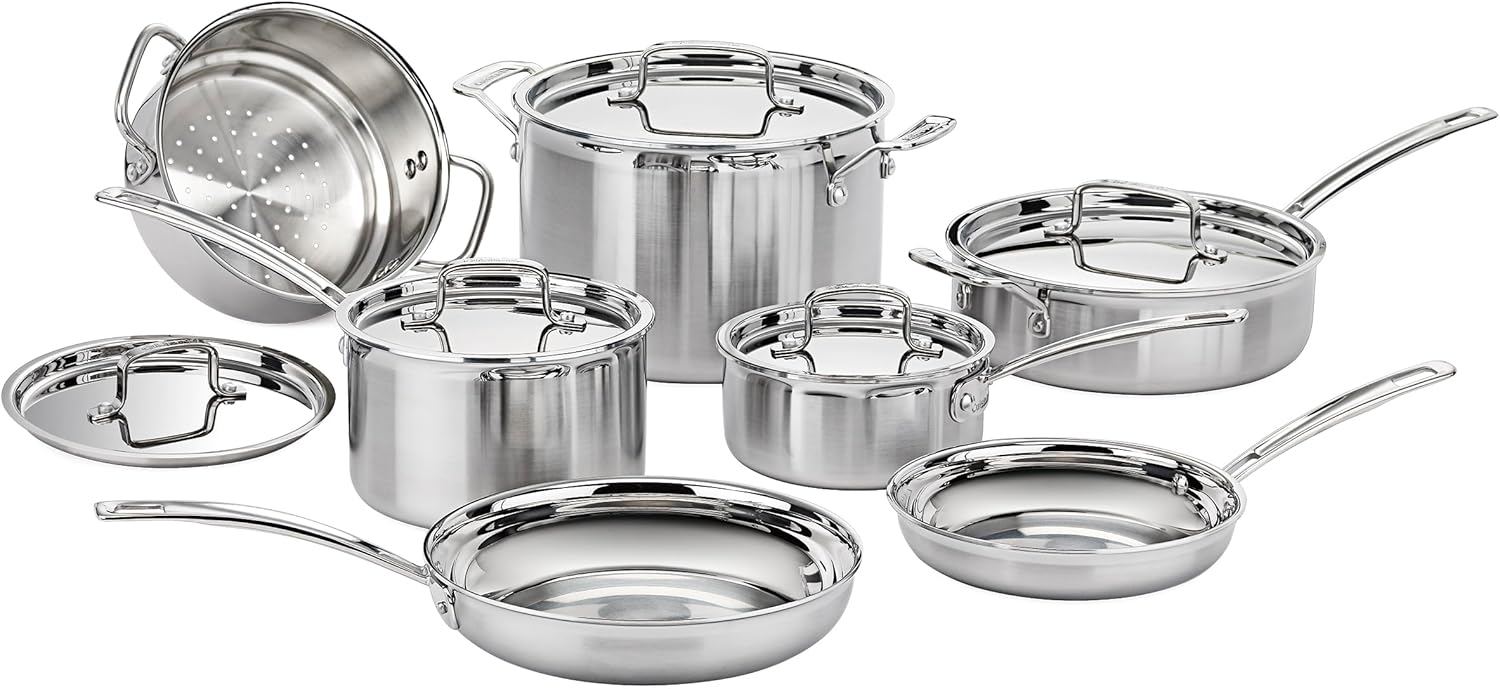
1. Cuisinart MCP-12N Multiclad Pro Stainless Steel 12-Piece Cookware Set
Rating: 4.6/5 Stars (8,500+ Reviews)

The Cuisinart Multiclad Pro represents exceptional value in the premium cookware category. This set features tri-ply construction with a pure aluminum core sandwiched between stainless steel layers, ensuring optimal heat distribution across the cooking surface.
Pros:
- Superior heat distribution eliminates hot spots
- Dishwasher safe for easy cleanup
- Cool-grip handles stay comfortable during cooking
- Tight-fitting lids lock in moisture and nutrients
- Oven safe up to 550°F
- Drip-free pouring rims
- Professional-grade construction at consumer-friendly pricing
- Works on all cooktops including induction
- Lifetime warranty provides peace of mind
Cons:
- Handles can get warm during extended stovetop use
- Requires some learning curve to prevent food sticking
- Not non-stick, so cooking technique matters
- Heavier than single-ply alternatives
- May show water spots if not dried immediately
Best For: Home cooks seeking restaurant-quality performance without the premium price tag. Ideal for those transitioning from non-stick to stainless steel.
2. All-Clad D3 Stainless Steel 10-Piece Cookware Set
Rating: 4.7/5 Stars (3,200+ Reviews)

All-Clad is the gold standard in American-made cookware, and the D3 line delivers the legendary quality at a more accessible price point than their Copper Core series. The three-ply bonded construction extends from the base up the sides.
Pros:
- Industry-leading heat conductivity and retention
- Stick-resistant stainless steel cooking surface
- Warp-resistant even at high temperatures
- Made in the USA with exceptional quality control
- Compatible with all cooktops including induction
- Oven and broiler safe up to 600°F
- Dishwasher safe construction
- Limited lifetime warranty
- Ergonomic handles designed for comfort
Cons:
- Premium price point
- Requires oil or butter to prevent sticking
- Learning curve for optimal temperature control
- Shows fingerprints and requires maintenance
- Heavy compared to aluminum cookware
Best For: Serious home cooks and professionals who want heirloom-quality cookware that will last decades with proper care.
3. Tramontina Gourmet Tri-Ply Clad 12-Piece Stainless Steel Induction-Ready Cookware Set
Rating: 4.6/5 Stars (5,800+ Reviews)

Tramontina offers remarkable value with performance that rivals cookware costing twice as much. The tri-ply construction features 18/10 stainless steel interior and aluminum core for excellent heat distribution.
Pros:
- Exceptional value for tri-ply construction
- Impact-bonded base provides even heating
- Precision-fitting tempered glass lids
- Oven safe up to 500°F
- Dishwasher safe for convenient cleanup
- Lifetime warranty
- Compatible with all cooktops including induction
- Comfortable riveted handles
- Commercial-grade quality at consumer prices
Cons:
- Glass lids less durable than metal
- Handles may get warm on larger pieces
- Not quite as heavy-duty as All-Clad
- May develop discoloration over time
- Requires proper preheating technique
Best For: Budget-conscious cooks who refuse to compromise on quality. Perfect starter set for induction cooking.
4. Duxtop Whole-Clad Tri-Ply Stainless Steel Induction Cookware Set (10-Piece)
Rating: 4.5/5 Stars (4,100+ Reviews)

Duxtop specializes in induction cooking equipment, and their whole-clad cookware demonstrates deep understanding of what works best on induction cooktops. The complete tri-ply construction ensures compatibility and performance.
Pros:
- Specifically engineered for induction cooking
- Whole-clad construction from rim to rim
- Excellent heat distribution and retention
- Impact-bonded aluminum core
- Ergonomic stay-cool handles
- Oven safe up to 550°F
- Dishwasher safe design
- Affordable pricing for tri-ply construction
- Works beautifully on induction surfaces
Cons:
- Brand less known than premium competitors
- Glass lids can break if dropped
- Riveted handles create cleaning challenges
- May develop discoloration without proper care
- Smaller piece selection compared to major brands
Best For: First-time induction cooktop owners looking for guaranteed compatibility and performance.
5. Calphalon Classic Stainless Steel 10-Piece Cookware Set
Rating: 4.5/5 Stars (6,700+ Reviews)

Calphalon has built a reputation for accessible quality, and the Classic series delivers stainless steel performance with thoughtful design features that make everyday cooking easier.
Pros:
- Impact-bonded aluminum base for even heating
- Tempered glass lids allow monitoring without lifting
- Dishwasher safe construction
- Oven safe up to 450°F
- Ergonomic stainless steel handles
- Compatible with all cooktops including induction
- Measuring marks inside pots
- Pour spouts for drip-free serving
- 10-year warranty
Cons:
- Only base is impact-bonded, not full tri-ply
- Handles can get warm during extended cooking
- Not as heavy-duty as fully-clad alternatives
- May develop hot spots with thick foods
- Requires seasoning to minimize sticking
Best For: Practical home cooks who prioritize convenience features and everyday usability.
6. T-fal Ultimate Hard Anodized Nonstick 17-Piece Cookware Set
Rating: 4.6/5 Stars (7,200+ Reviews)

For those who prefer non-stick convenience, T-fal’s Ultimate Hard Anodized series offers induction compatibility with scratch-resistant coating and innovative heat indicator technology.
Pros:
- Thermo-Spot heat indicator shows when pan is preheated
- Hard anodized construction prevents warping
- PFOA-free non-stick interior
- Riveted silicone handles stay cool
- Oven safe up to 400°F
- Dishwasher safe coating
- Induction compatible with stainless steel base
- Includes multiple useful utensils
- Affordable comprehensive set
Cons:
- Non-stick coating has limited lifespan
- Not suitable for high-heat searing
- Metal utensils will damage coating
- Hand washing recommended for longevity
- Handles not as durable as stainless steel
Best For: Families who prioritize easy cleanup and healthy low-oil cooking on induction cooktops.
7. Rachael Ray Cucina Hard Porcelain Enamel Nonstick Cookware Set (12-Piece)
Rating: 4.5/5 Stars (5,300+ Reviews)

Rachael Ray brings style and functionality together with rustic-inspired design and reliable induction-compatible performance. The porcelain enamel exterior adds personality to your kitchen.
Pros:
- Attractive rustic design in multiple colors
- PFOA-free non-stick interior
- Hard enamel exterior resists chips
- Comfortable rubberized handles
- Oven safe up to 400°F
- Shatter-resistant glass lids
- Compatible with all stovetops including induction
- Great value for the piece count
- Lifetime warranty on select pieces
Cons:
- Non-stick requires gentle care
- Enamel can chip if dropped
- Not dishwasher safe
- Lower temperature tolerance than stainless
- Aesthetic design may not suit all kitchens
Best For: Home cooks who want cookware that performs well and looks beautiful displayed in the kitchen.
8. Gotham Steel Pots and Pans Set (10-Piece)
Rating: 4.4/5 Stars (8,900+ Reviews)

Gotham Steel leverages titanium and ceramic technology to create ultra-non-stick surfaces that work efficiently on induction cooktops. The set offers excellent value for non-stick performance.
Pros:
- Ti-Cerama coating with titanium reinforcement
- Metal utensil safe surface
- PFOA, PFOS, lead, and cadmium free
- Oven safe up to 500°F
- Dishwasher safe construction
- Lightweight aluminum construction
- Compatible with all cooktops including induction
- Affordable entry point
- Easy cleanup even without oil
Cons:
- Non-stick performance degrades over time
- Not as durable as stainless steel
- May warp on high heat if empty
- Mixed reviews on longevity
- Handles can loosen with heavy use
Best For: Budget-conscious shoppers seeking non-stick convenience for everyday cooking tasks on induction.
9. Cuisinart Contour Hard Anodized 13-Piece Cookware Set
Rating: 4.5/5 Stars (4,600+ Reviews)

This hard anodized aluminum set combines the durability of commercial-grade construction with induction compatibility through its stainless steel induction plate.
Pros:
- Hard anodized construction prevents sticking
- Quantanium non-stick interior reinforced with titanium
- Cool Grip handles stay comfortable
- Tight-fitting lids seal in flavor
- Oven safe up to 500°F
- Dishwasher safe pieces
- Compatible with induction cooktops
- Professional performance at home prices
- Limited lifetime warranty
Cons:
- Hand washing extends coating life
- Metal utensils may scratch over time
- Darker exterior shows water spots
- Heavier than standard aluminum
- Non-stick coating eventually wears
Best For: Experienced cooks who appreciate professional-grade construction with non-stick convenience.
10. Lodge Pre-Seasoned Cast Iron 5-Piece Set
Rating: 4.7/5 Stars (12,400+ Reviews)

Lodge cast iron represents the ultimate in induction-compatible cookware, offering unparalleled heat retention and naturally developing non-stick properties through seasoning.
Pros:
- Superior heat retention for perfect searing
- Works on all heat sources including induction
- Pre-seasoned and ready to use
- Virtually indestructible with proper care
- Naturally becomes more non-stick with use
- Oven safe at any temperature
- Can go from stovetop to campfire
- Adds dietary iron to food
- Exceptional value for longevity
Cons:
- Extremely heavy, especially when full
- Requires seasoning maintenance
- Not dishwasher safe
- Reactive with acidic foods initially
- Slow to heat and cool
- Handles get very hot during cooking
Best For: Traditional cooks and outdoor enthusiasts who value heirloom-quality cookware that improves with age.
11. Circulon Symmetry Hard Anodized Nonstick 11-Piece Cookware Set
Rating: 4.6/5 Stars (3,800+ Reviews)

Circulon’s signature raised circle technology prevents metal utensils from scratching the non-stick surface while providing excellent induction performance.
Pros:
- TOTAL Food Release System with raised circles
- Hard anodized aluminum construction
- PFOA-free non-stick coating
- Stainless steel handles with silicone grips
- Oven safe up to 400°F
- Shatter-resistant glass lids
- Suitable for all cooktops including induction
- Rubberized handles stay cool
- Lifetime warranty coverage
Cons:
- Circles trap some food particles
- Requires thorough cleaning in crevices
- Not dishwasher safe for longevity
- Premium price for non-stick
- Coating lifespan is finite
Best For: Cooks who use metal utensils and want non-stick protection with unique technology.
12. GreenPan Valencia Pro Hard Anodized Ceramic Nonstick 11-Piece Cookware Set
Rating: 4.5/5 Stars (2,900+ Reviews)

GreenPan revolutionized cookware with diamond-infused ceramic non-stick coating that’s healthier and more durable than traditional PTFE coatings.
Pros:
- Thermolon ceramic coating free of PFAS, PFOA, lead, and cadmium
- Diamond-reinforced for extra durability
- Handles extreme heat up to 600°F
- Hard anodized body resists scratches
- Dishwasher safe for easy maintenance
- Stainless steel handles stay cool
- Compatible with all stovetops including induction
- Oven and broiler safe
- Magneto induction base
Cons:
- Higher price point for ceramic
- Coating can stain over time
- Requires low to medium heat for longevity
- Not metal utensil safe
- Some pieces may warp if overheated
Best For: Health-conscious cooks seeking non-toxic non-stick performance on induction cooktops.
13. Farberware Millennium Stainless Steel 10-Piece Cookware Set
Rating: 4.4/5 Stars (5,100+ Reviews)

Farberware offers time-tested quality with full cap base technology that ensures even heat distribution and induction compatibility at budget-friendly prices.
Pros:
- Full cap base with aluminum core
- Mirror-polished stainless steel exterior
- Rolled rims prevent dripping
- Comfortable phenolic handles stay cool
- Oven safe up to 350°F
- Dishwasher safe construction
- Works on all cooktops including induction
- Affordable comprehensive set
- Limited lifetime warranty
Cons:
- Lower oven-safe temperature
- Handles may discolor over time
- Not fully clad construction
- Food may stick without proper technique
- Base coating can separate if overheated
Best For: First-time buyers seeking basic stainless steel functionality on a tight budget.
14. Anolon Advanced Hard Anodized Nonstick 11-Piece Cookware Set
Rating: 4.5/5 Stars (4,300+ Reviews)

Anolon combines restaurant-quality construction with home-cook-friendly non-stick convenience. The hard anodized exterior is twice as hard as stainless steel.
Pros:
- Premium-quality hard anodized construction
- Sapphire-reinforced non-stick coating
- SureGrip handles for secure hold
- Oven safe up to 400°F
- Shatter-resistant glass lids
- Compatible with all cooktops including induction
- Durable build quality
- PFOA-free coating
- Limited lifetime warranty
Cons:
- Premium pricing
- Hand washing recommended
- Handles can loosen over time
- Dark exterior shows scratches
- Non-stick coating eventually wears
Best For: Professional home cooks who want commercial durability with non-stick convenience.
15. KitchenAid 3-Ply Base Brushed Stainless Steel 10-Piece Cookware Set
Rating: 4.4/5 Stars (3,200+ Reviews)

KitchenAid brings the same quality focus from their appliances to cookware, with unique design elements and reliable induction performance.
Pros:
- Heavy-gauge 3-ply base construction
- Brushed exterior hides fingerprints
- Unique pour spouts on all pieces
- Ergonomic cast stainless steel handles
- Oven safe up to 500°F
- Dishwasher safe design
- Works on all cooktops including induction
- Tempered glass lids with steam vents
- Lifetime warranty
Cons:
- Only base is multi-ply, not sides
- May develop hot spots with low liquid
- Premium brand pricing
- Heavier than single-layer options
- Requires preheating for best results
Best For: KitchenAid appliance owners seeking coordinated aesthetic and brand reliability.
16. Carote Nonstick Granite Cookware Sets (11-Piece)
Rating: 4.5/5 Stars (6,700+ Reviews)

Carote’s granite-style coating offers a unique appearance with excellent non-stick performance and induction compatibility at remarkable value.
Pros:
- Swiss-made ILAG non-stick granite coating
- PFOA, PFOS, lead, and cadmium free
- Die-cast aluminum body resists warping
- Bakelite handles stay cool to touch
- Compatible with all stovetops including induction
- Dishwasher safe convenience
- Eye-catching granite appearance
- Exceptional value for piece count
- Less oil needed for healthy cooking
Cons:
- Coating durability concerns long-term
- Not suitable for very high heat
- Hand washing extends life
- Handle quality below premium brands
- Mixed reviews on longevity
Best For: Value shoppers who want attractive, functional cookware without major investment.
17. Abbio Stainless Steel Cookware Starter Kit (5-Piece)
Rating: 4.6/5 Stars (890+ Reviews)

Abbio offers a thoughtfully curated starter set with 5-ply construction rivaling the best premium brands, perfect for those building their collection piece by piece.
Pros:
- Premium 5-ply stainless steel construction
- Helper handles on larger pieces
- Perfectly flat bottom for induction
- Oven and broiler safe up to 600°F
- Precisely fitting lids
- Made in Italy with superior craftsmanship
- Dishwasher safe construction
- Lifetime warranty
- Ergonomic riveted handles
Cons:
- Premium price point
- Limited piece selection
- Requires learning curve for temperature
- Shows fingerprints easily
- Heavy construction
Best For: Discerning cooks who prefer investing in fewer, higher-quality pieces rather than large sets.
18. HexClad Hybrid Stainless Steel 7-Piece Cookware Set
Rating: 4.4/5 Stars (1,200+ Reviews)

HexClad’s revolutionary hexagonal design combines stainless steel cooking surface with non-stick convenience through patented laser-etched technology.
Pros:
- Unique hexagon design allows metal utensil use
- Tri-ply construction with aluminum core
- PFOA-free non-stick coating in valleys
- Stainless steel peaks for searing
- Oven safe up to 500°F
- Dishwasher safe design
- Works on all cooktops including induction
- Stay-cool handles
- Lifetime warranty
Cons:
- Very expensive for non-stick
- Not fully non-stick like traditional coatings
- Hexagon pattern traps some food
- Heavy compared to standard non-stick
- Marketing hype vs. performance debates
Best For: Innovators willing to pay premium prices for hybrid technology combining stainless and non-stick benefits.
19. Scanpan Classic Induction 10-Piece Cookware Set
Rating: 4.6/5 Stars (420+ Reviews)

Danish-made Scanpan represents peak non-stick technology with pressure-cast aluminum construction and ceramic-titanium surface engineered specifically for induction.
Pros:
- Patented ceramic-titanium surface
- Pressure-cast aluminum body
- PFOA-free coating
- Metal utensil safe
- Oven safe up to 500°F
- Thick construction prevents warping
- Optimized for induction cooking
- Made in Denmark
- Lifetime warranty
Cons:
- Very high price point
- Heavy construction
- Long handle design may not fit all ovens
- Limited availability
- Coating can stain from high heat
Best For: Serious cooks seeking the absolute best non-stick performance with European craftsmanship.
20. Zwilling J.A. Henckels Spirit 3-Ply 10-Piece Stainless Steel Cookware Set
Rating: 4.5/5 Stars (890+ Reviews)

Zwilling brings German engineering precision to cookware with their Spirit line, offering professional performance with thoughtful design details.
Pros:
- 3-ply construction with aluminum core
- Polished stainless steel cooking surface
- Ergonomic stay-cool handles
- Tight-fitting lids
- Oven safe up to 500°F
- Dishwasher safe design
- Compatible with all cooktops including induction
- Flared rims for drip-free pouring
- Limited lifetime warranty
Cons:
- Premium pricing
- Shows fingerprints and water spots
- Learning curve for temperature control
- Heavier than aluminum alternatives
- May stick without proper preheating
Best For: Precision-oriented cooks who appreciate German engineering quality and attention to detail.
21. Cuisinart French Classic Tri-Ply Stainless 13-Piece Cookware Set
Rating: 4.5/5 Stars (2,100+ Reviews)

This premium Cuisinart line elevates the brand’s reputation with professional-grade tri-ply construction throughout, not just the base.
Pros:
- Full tri-ply construction from rim to rim
- Heat Surround technology for even cooking
- Professional stainless steel riveted handles
- Tight-fitting covers seal in flavor
- Oven safe up to 550°F
- Dishwasher safe for easy cleanup
- Works on all cooktops including induction
- Drip-free pouring edges
- Lifetime warranty
Cons:
- Higher price than standard Cuisinart
- Requires oil or butter to prevent sticking
- Shows wear marks over time
- Heavy compared to non-clad options
- Handles get warm during extended use
Best For: Loyal Cuisinart customers ready to upgrade to their professional-tier cookware.
22. Le Creuset 3-Ply Stainless Steel 10-Piece Set
Rating: 4.6/5 Stars (340+ Reviews)

Le Creuset extends their legendary cast iron quality to stainless steel with precision-engineered induction-optimized cookware.
Pros:
- Premium 3-ply construction
- Ergonomic precision-cast handles
- Tight-fitting lids lock in moisture
- Oven safe up to 500°F
- Dishwasher safe design
- Optimized for induction cooking
- Beautiful satin finish
- Made in Portugal
- Limited lifetime warranty
Cons:
- Very expensive for stainless steel
- Heavy construction
- Shows fingerprints easily
- Limited piece selection
- May be overkill for casual cooks
Best For: Le Creuset enthusiasts and collectors seeking to complement their cast iron with matching stainless pieces.
23. Cooks Standard Multi-Ply Clad Stainless Steel 10-Piece Cookware Set
Rating: 4.5/5 Stars (2,800+ Reviews)

Cooks Standard offers professional restaurant quality at consumer prices with thoughtful features that make everyday cooking more enjoyable.
Pros:
- Multi-ply construction with aluminum core
- Polished mirror finish exterior
- Stay-cool riveted handles
- Oven safe up to 500°F
- Tempered glass lids
- Works on all cooktops including induction
- Dishwasher safe construction
- Affordable professional quality
- Limited lifetime warranty
Cons:
- Less known brand reputation
- May develop discoloration without care
- Glass lids less durable than steel
- Rivets create cleaning challenges
- Quality control inconsistencies reported
Best For: Budget-minded professionals seeking restaurant-grade performance without the premium price tag.
24. Anolon Nouvelle Copper Stainless Steel 11-Piece Cookware Set
Rating: 4.4/5 Stars (1,600+ Reviews)

Combining copper’s superior conductivity with stainless steel’s durability, this set offers exceptional temperature control for induction cooking.
Pros:
- Copper base for superior heat conductivity
- Stainless steel interior and exterior
- SureGrip bronze handles
- Oven safe up to 500°F
- Shatter-resistant glass lids
- Compatible with all cooktops including induction
- Beautiful copper accent appearance
- PFOA-free when using non-stick pieces
- Limited lifetime warranty
Cons:
- Copper requires polishing to maintain appearance
- Mixed material construction adds weight
- Premium pricing
- Hand washing recommended for copper
- Learning curve for temperature control
Best For: Style-conscious cooks who want the performance benefits of copper with induction compatibility.
25. Misen Stainless Steel 5-Piece Cookware Set
Rating: 4.5/5 Stars (780+ Reviews)

Misen disrupts traditional cookware pricing by selling directly to consumers, offering professional 5-ply construction at mid-tier prices.
Pros:
- 5-ply construction rivals premium brands
- Perfectly flat base for induction efficiency
- Stay-cool hollow handles
- Oven and broiler safe up to 800°F
- Tight-fitting lids
- Works on all cooktops including induction
- Dishwasher safe design
- Direct-to-consumer value
- Lifetime warranty
Cons:
- Online-only purchasing
- Limited retail presence for examination
- Smaller company support concerns
- Shows fingerprints easily
- May stick without proper technique
Best For: Tech-savvy buyers comfortable purchasing premium cookware online without seeing it first.
26. Sensarte Nonstick Cookware Set (13-Piece)
Rating: 4.5/5 Stars (5,400+ Reviews)

Sensarte combines Swiss non-stick technology with thoughtful design features at budget-friendly prices, making quality induction cookware accessible to all.
Pros:
- Swiss ILAG non-stick coating
- PFOA, lead, and cadmium free
- Detachable handles for compact storage
- Bakelite handles stay cool
- Oven safe up to 302°F (without handles)
- Works on all stovetops including induction
- Easy to clean and maintain
- Space-saving design
- Exceptional value
Cons:
- Lower oven-safe temperature
- Detachable handles may loosen over time
- Not dishwasher safe
- Coating lifespan shorter than premium brands
- Handle attachment feels less secure than riveted
Best For: Small kitchen owners and RV travelers who need space-efficient, functional induction cookware.
Comprehensive Buying Guide: Choosing the Perfect Induction Cookware
Understanding Induction Compatibility
The foundation of successful induction cooking starts with compatible cookware. Induction cooktops generate electromagnetic fields that interact with ferromagnetic materials in your cookware, creating heat directly in the pan rather than heating a burner element first. This technology offers several advantages:
Energy Efficiency: Induction cooking is approximately 85-90% efficient compared to 65-70% for traditional electric and 40-55% for gas. The heat goes directly into your food, not into heating the surrounding air.
Precision Control: Induction offers instantaneous temperature changes comparable to gas cooking but with digital precision. You can achieve and maintain exact temperatures critical for delicate sauces or candy making.
Safety Features: The cooktop surface remains relatively cool since heat is generated in the cookware itself. This dramatically reduces burn risks and makes cleanup easier since spills don’t bake onto the surface.
Speed: Water boils significantly faster on induction—often in half the time compared to gas or electric cooktops. This translates to faster meal preparation and energy savings.
Material Matters: Choosing Your Cookware Type
Stainless Steel (Tri-Ply and Multi-Ply)
Stainless steel cookware with magnetic properties represents the gold standard for induction cooking. The best options feature multiple layers (typically 3-ply or 5-ply) with an aluminum or copper core sandwiched between stainless steel layers.
Advantages: Extremely durable, non-reactive with acidic foods, develops natural stick-resistance with proper technique, oven-safe to high temperatures, dishwasher-safe, and maintains appearance with minimal care.
Considerations: Requires learning proper preheating and temperature management, food may stick without adequate fat or improper temperature, shows water spots and fingerprints, typically more expensive than non-stick alternatives.
Best Uses: Searing meats, deglazing, creating pan sauces, braising, and any cooking technique requiring high heat or acidic ingredients.
Hard Anodized Aluminum
Hard anodized aluminum undergoes an electrochemical process that hardens the surface, making it twice as hard as stainless steel while maintaining aluminum’s superior heat conductivity. For induction compatibility, manufacturers add a magnetic stainless steel disc to the base.
Advantages: Excellent heat distribution, naturally stick-resistant surface even without coating, very durable and scratch-resistant, typically lighter than stainless steel, and often more affordable than premium stainless sets.
Considerations: Not dishwasher-safe despite some manufacturer claims (harsh detergents damage the surface), should not be used with metal utensils to preserve surface, and the dark surface can make it harder to judge food browning.
Best Uses: Everyday cooking, sautéing, stir-frying, and recipes requiring precise temperature control across the cooking surface.
Non-Stick Coated Cookware
Modern non-stick cookware for induction combines aluminum bodies with ceramic or PTFE-based coatings and magnetic bases. Recent innovations include titanium reinforcement, diamond particles, and ceramic alternatives to traditional Teflon.
Advantages: Requires minimal oil for healthy cooking, extremely easy cleanup, ideal for delicate foods like eggs and fish, good for novice cooks, and typically affordable.
Considerations: Coating has limited lifespan (2-5 years depending on use and quality), not suitable for high-heat cooking, requires gentle utensils and cleaning methods, and cannot be used for oven-to-table presentation at high temperatures.
Best Uses: Eggs, pancakes, crepes, delicate fish, low-fat cooking, and quick cleanup situations.
Cast Iron
Traditional cast iron is inherently induction-compatible and offers unmatched heat retention and versatility. Enameled cast iron combines these benefits with a non-reactive, colorful exterior and interior.
Advantages: Superior heat retention for even cooking, naturally develops non-stick seasoning, extremely durable (often lasting generations), works at any temperature from stovetop to campfire, adds dietary iron to food, and relatively inexpensive for the longevity.
Considerations: Very heavy when empty and becomes heavier when filled, requires seasoning maintenance (traditional cast iron), slow to heat and cool (thermal mass is both benefit and drawback), reactive with acidic foods until well-seasoned, and not dishwasher-safe.
Best Uses: Searing steaks, cornbread, deep-frying, braising, Dutch oven cooking, and recipes benefiting from even heat retention.
Construction Quality Indicators
Cladding and Layering
The construction method significantly impacts performance, durability, and price:
Disc/Impact-Bonded Base: A thick aluminum or copper disc is bonded to the bottom of the pan. This is the most economical construction but can create hot spots in the sidewalls. Best for pots used primarily for boiling liquids.
Tri-Ply (3-Layer) Construction: Three layers bonded together—typically stainless exterior, aluminum or copper core, and stainless interior. This can be just the base (encapsulated) or extend up the sides (fully-clad). Fully-clad is superior for even heating.
5-Ply (5-Layer) Construction: Five layers alternating between stainless steel and conductive metals. This construction offers the best heat distribution and retention, with aluminum or copper cores sandwiched between stainless layers. The additional layers provide superior performance but add weight and cost.
7-Ply and Beyond: Some premium brands offer 7-layer construction, though the performance gains beyond 5-ply become marginal. These are typically marketing differentiators rather than significant functional improvements.
Thickness and Weight
Cookware thickness directly correlates with performance and durability:
Base Thickness: For induction cookware, look for bases at least 4.0-5.0mm thick for optimal performance. Thinner bases may warp over time and create uneven contact with the induction surface. Premium cookware often features 6.0-7.0mm bases.
Sidewall Thickness: Fully-clad cookware should maintain consistent thickness throughout. Thinner sidewalls (2.5-3.0mm) heat quickly but may develop hot spots. Thicker sidewalls (3.5-4.0mm) provide more even heating but add weight and cost.
Weight Considerations: While heavier cookware generally indicates quality construction, consider your physical ability to handle it when full. A large stockpot or Dutch oven can become quite heavy when filled with food and liquid.
Handle Design and Attachment
Handles deserve careful consideration as they affect safety, comfort, and oven usage:
Riveted Handles: Permanently attached with metal rivets, these are the most secure and durable option. However, rivets create crevices inside the pan that can trap food particles and require extra cleaning attention.
Welded Handles: High-quality welding creates smooth interior surfaces that are easier to clean. Ensure the welds are substantial and well-executed for long-term durability.
Screw-Attached Handles: Common in budget cookware, these can loosen over time and require periodic tightening. They’re the least durable attachment method but easiest to repair or replace.
Handle Materials: Stainless steel handles are durable and oven-safe but conduct heat, becoming uncomfortably hot during extended stovetop use. Silicone or phenolic handles stay cooler but have lower oven-safe temperatures (typically 350-400°F vs. 500-600°F for all-metal construction).
Ergonomics: Test the handle grip if possible. It should feel comfortable and balanced when the pan is lifted. Helper handles on larger pieces (5-quart sauté pans, 8-quart stockpots) make handling safer and easier.
Lid Quality and Design
Quality lids contribute significantly to cooking performance and convenience:
Tempered Glass vs. Stainless Steel
Glass Lids: Allow you to monitor cooking without removing the lid and releasing heat and moisture. They’re less durable than metal lids and can shatter if dropped or subjected to thermal shock. Look for thick, high-quality tempered glass with secure metal rims.
Stainless Steel Lids: More durable and often better fitting than glass. They won’t shatter and can typically handle higher oven temperatures. The trade-off is not being able to see your food while cooking.
Fit and Seal
Lids should fit snugly without wobbling but not so tightly that they create a vacuum seal. The best lids have slightly domed designs that allow condensation to drip back into the food rather than collecting around the rim. Steam vents prevent pressure buildup while maintaining moisture inside the pan.
Size and Capacity Considerations
Essential Pieces for Most Kitchens
8-inch Skillet: Perfect for single servings, eggs, and small portions. Too small for most family cooking but invaluable for individual meals.
10-inch Skillet: The workhorse size suitable for most sautéing, frying, and pan-cooking tasks. Large enough for family meals but not unwieldy.
12-inch Skillet: Ideal for larger families or batch cooking. Can handle multiple chicken breasts or substantial one-pan meals. Becomes quite heavy when full.
2-Quart Saucepan: Perfect for sauces, reheating leftovers, and small-batch cooking. Essential for side dishes and heating liquids.
3-Quart Saucepan: Versatile middle size for soups, grains, and pasta for 2-4 people. Many consider this the most-used pot in the kitchen.
8-Quart Stockpot: Large enough for pasta, stocks, soups, and corn on the cob. Essential for family cooking and batch meal prep.
3-Quart Sauté Pan: The high sides and large surface area make this incredibly versatile for browning, deglazing, braising, and one-pot meals. Many professional chefs consider this the single most important pan.
Special Features to Consider
Measurement Markings
Interior measurement markings eliminate the need for separate measuring cups when adding liquids. This convenience feature is particularly useful for soups, stocks, and recipes requiring precise liquid amounts. Ensure markings are laser-etched or stamped rather than printed, as surface markings wear off quickly.
Pour Spouts
Integrated pour spouts on both sides allow right- and left-handed pouring without drips. This feature shines when straining pasta, pouring stocks, or transferring sauces. Some designs incorporate the spout into the lid as well.
Stay-Cool Technology
Advanced handle designs incorporate heat-dissipating technology, air gaps, or insulating materials to keep handles cooler during stovetop use. Hollow stainless handles stay significantly cooler than solid handles. Silicone grips provide comfortable, secure handling even when handles warm up.
Straining Lids
Some stockpots and saucepans include lids with built-in straining holes that align with the rim, eliminating the need for a separate colander when draining pasta or vegetables.
Brand Reputation and Warranty
Understanding Warranty Coverage
Lifetime Warranties: Many premium brands offer lifetime warranties, but read the fine print. These typically cover manufacturing defects but not damage from misuse, normal wear, overheating, or dishwasher damage to non-stick coatings.
Limited Warranties: Specify coverage duration (often 10 years) and what’s included. These are more honest about the realistic lifespan of components like non-stick coatings.
Registration Requirements: Some warranties require product registration within a specific timeframe. Keep your purchase receipt and register immediately to ensure coverage.
Brand Considerations
Established Premium Brands: All-Clad, Le Creuset, Zwilling, and Scanpan command premium prices but offer proven quality, excellent customer service, and robust warranty support. These represent lifetime investments.
Mid-Tier Quality Brands: Cuisinart, Calphalon, Anolon, and Tramontina offer excellent value with quality approaching premium brands at lower prices. These are ideal for serious home cooks on reasonable budgets.
Budget-Friendly Options: T-fal, Farberware, Gotham Steel, and Carote provide functional cookware at accessible prices. Expect shorter lifespans but adequate performance for casual cooking.
Direct-to-Consumer Brands: Misen, Abbio, and Made In bypass retail markups by selling online only. They offer premium quality at mid-tier prices but with limited opportunities to examine products before purchase.
Induction-Specific Performance Factors
Base Flatness and Contact
Induction efficiency depends on maximum contact between the cookware base and the cooktop surface. Warped or uneven bases reduce contact area, decreasing heating efficiency and causing uneven cooking. Premium cookware uses thicker bases (5mm+) that resist warping even at high temperatures.
Test base flatness by placing the pan upside-down on a flat surface. There should be no rocking or visible gaps. A perfectly flat base also prevents cookware from sliding on smooth glass-ceramic induction surfaces.
Magnetic Responsiveness
Not all magnetic materials work equally well with induction. The strength and distribution of magnetic properties in the base affect heating efficiency. Premium induction cookware uses specifically engineered magnetic stainless steel optimized for electromagnetic responsiveness.
You can test magnetic strength with a refrigerator magnet. It should stick firmly across the entire base, not just in the center. Weak magnetic response means slower heating and less efficient energy transfer.
Base Diameter vs. Cooking Surface
The magnetic base diameter must match or exceed the induction burner size for optimal performance. However, the interior cooking surface diameter is what matters for food capacity. Check both measurements when selecting cookware for your specific induction cooktop.
Some induction cookware has bases larger than the cooking surface to maximize magnetic contact while maintaining traditional pan proportions. This design works well but adds weight and storage space requirements.
Noise Considerations
Induction cooking can produce humming or buzzing sounds due to electromagnetic vibrations. Higher-quality cookware with thicker, flatter bases and multi-ply construction typically produces less noise. Lightweight cookware with thin bases may vibrate more noticeably.
The noise is normal and doesn’t indicate malfunction, but it can be distracting. If quiet operation is important, prioritize heavier, well-constructed cookware and avoid the absolute cheapest options.
Maintenance and Longevity
Stainless Steel Care
Initial Use: Wash with warm soapy water before first use to remove manufacturing residues.
Preheating: Always preheat stainless steel pans before adding oil. The metal expands and fills micro-pores, creating a smoother surface that resists sticking.
Temperature Management: Use medium heat for most cooking. High heat is rarely necessary and can cause food to stick and create heat stains.
Cleaning: Wash with warm soapy water and non-abrasive sponge. For stuck-on food, simmer water with baking soda or use Bar Keeper’s Friend for stubborn stains and heat marks.
Avoiding Damage: Let pans cool before washing to prevent warping. Don’t plunge hot pans into cold water. Dry thoroughly to prevent water spots.
Non-Stick Care
Temperature Limits: Never heat empty non-stick pans or use high heat. Maximum safe temperature varies by coating type (generally 400-500°F).
Utensil Selection: Use silicone, wood, or nylon utensils exclusively. Metal utensils scratch even “metal-safe” non-stick coatings, accelerating wear.
Cleaning Method: Hand wash with soft sponge and mild dish soap. Dishwashers use harsh detergents and high heat that degrade non-stick coatings prematurely.
Storage: Stack with pan protectors or paper towels between pieces to prevent scratches. Hanging storage is ideal.
Replacement Timeline: Replace non-stick cookware when coating shows visible wear, scratches, or flaking. Continued use of damaged non-stick is not recommended.
Cast Iron Maintenance
Seasoning Process: Clean thoroughly, coat with thin layer of oil, and bake upside-down at 450-500°F for one hour. Repeat several times for new pans.
Daily Cleaning: Wash with hot water and stiff brush. Soap is acceptable despite old myths, but ensure thorough drying to prevent rust.
Re-Seasoning: Apply thin oil layer after each use while pan is still warm. Re-season completely if food starts sticking or rust appears.
Storage: Store in dry location. For long-term storage, coat lightly with oil and store with paper towels inside to absorb any moisture.
Hard Anodized Aluminum Care
Cleaning: Hand wash only with soft sponge and mild detergent. Harsh scrubbers and dishwasher detergents damage the anodized surface.
Heat Management: Use low to medium heat. The excellent conductivity of aluminum means less heat is needed than with stainless steel.
Discoloration: Some water mineral discoloration is normal and doesn’t affect performance. Avoid harsh chemicals that can lighten or damage the dark surface.
Health and Safety Considerations
Non-Stick Coating Safety
Modern non-stick cookware has evolved significantly regarding safety. PFOA (perfluorooctanoic acid) has been phased out by major manufacturers since 2013. Today’s PTFE-based non-stick cookware is PFOA-free and considered safe when used properly.
Key safety practices:
- Never heat empty non-stick pans
- Don’t exceed manufacturer’s maximum temperature (usually 400-500°F)
- Discard cookware with damaged or flaking coating
- Ensure adequate kitchen ventilation when cooking
- Don’t use non-stick for high-heat searing
Ceramic Non-Stick Alternatives
Ceramic coatings offer PTFE-free non-stick performance using sol-gel technology. They’re free of PFAS (per- and polyfluoroalkyl substances), PFOA, lead, and cadmium. However, ceramic coatings typically have shorter lifespans than modern PTFE coatings and lose non-stick properties faster.
Heavy Metal Concerns
Quality cookware from reputable manufacturers undergoes testing to ensure food-safe materials. Concerns about aluminum exposure are largely unsubstantiated—anodized aluminum is particularly safe as the surface is sealed. Stainless steel contains nickel and chromium, but these don’t leach into food in concerning amounts. Cast iron actually provides beneficial dietary iron.
Avoid ultra-cheap cookware from unknown manufacturers, especially when sold through questionable retail channels, as quality control and safety testing may be inadequate.
Handle Heat Safety
Metal handles get hot during cooking. Use pot holders when handling, and consider cookware with silicone handle covers if you cook for extended periods. Be especially cautious with cast iron, where handles become extremely hot.
Budget Planning and Value Assessment
Investment Tiers
Budget Range ($100-300): Complete sets from brands like T-fal, Farberware, or Carote. Adequate for casual cooking, starter kitchens, or those unsure about long-term cooking habits. Expect 3-5 year lifespan with regular use.
Mid-Range ($300-700): Quality sets from Cuisinart, Tramontina, Calphalon, or Anolon. These offer the best value proposition—professional-grade performance at accessible prices. Expect 10-20 year lifespan with proper care.
Premium Range ($700-1,500): Sets from All-Clad, Le Creuset, Zwilling, or individual pieces from Abbio or Misen. Lifetime investment with superior performance, durability, and warranty coverage. Many owners pass these down to children.
Ultra-Premium ($1,500+): Specialty items like copper cookware, limited editions, or extensive sets from luxury brands. The performance gains over premium tier are minimal—you’re paying for aesthetics, brand prestige, and exclusivity.
Cost-Per-Use Analysis
Consider cookware cost divided by expected uses over its lifespan:
Budget non-stick: $150 set ÷ (3 years × 300 uses/year) = $0.17 per use Mid-range stainless: $500 set ÷ (15 years × 300 uses/year) = $0.11 per use Premium stainless: $1,200 set ÷ (30 years × 300 uses/year) = $0.13 per use
This analysis reveals that mid-range quality often provides the best value, while premium cookware justifies its cost over decades of use.
Set vs. Individual Pieces
Sets typically cost 30-50% less than purchasing pieces individually. However, sets often include pieces you may not need (8-inch skillet, specialty items) while omitting pieces you’d use frequently (large sauté pan, additional stockpot).
Buy sets when: You’re establishing a new kitchen, need comprehensive cookware, or the set composition matches your cooking style.
Buy individually when: You have specific needs, prefer mixing brands and materials, or want to build a collection gradually with exactly the pieces you’ll use.
Environmental Considerations
Manufacturing Impact
Stainless Steel: Requires significant energy to produce but lasts for decades, potentially a lifetime. The longevity offsets the initial environmental cost. Stainless steel is fully recyclable at end of life.
Aluminum: Aluminum production is energy-intensive, but the material is lightweight (reducing shipping impact) and infinitely recyclable. Hard anodizing adds processing but increases durability.
Cast Iron: Traditional production methods but extremely long lifespan. Iron is abundant and fully recyclable. Often considered the most environmentally friendly option over its full lifecycle.
Non-Stick Coatings: Chemical-intensive production process. PTFE production has improved but still raises environmental concerns. Shorter lifespan means more frequent replacement and waste.
Durability and Waste Reduction
The most environmentally responsible choice is cookware that lasts. A $1,000 stainless steel set lasting 30+ years generates less waste than three $150 non-stick sets lasting 5 years each.
Consider:
- Repairability: Can handles be replaced? Can cookware be re-seasoned or professionally refinished?
- Recyclability: What happens at end of life?
- Packaging: Excessive plastic and packaging materials add environmental cost
- Shipping distance: Locally-made cookware has lower transportation impact
Cooking Technique Optimization for Induction
Temperature Control Mastery
Induction’s precise temperature control requires adjusting techniques developed for gas or electric cooking:
Start Lower: Induction heats faster, so begin at lower settings than you’d use on gas or electric. What was “medium-high” on gas might be “medium” or even “medium-low” on induction.
Preheat Properly: Allow proper preheating time, though it’s much shorter than traditional cooktops. For stainless steel, test readiness with the water droplet test—water should form rolling balls that dance across the surface.
Reduce Power During Cooking: Once food is added and cooking begins, reduce power settings. The retained heat and efficient energy transfer mean less ongoing power is needed.
Use Power Boost Wisely: Many induction cooktops offer boost functions for ultra-fast heating. Use this for boiling water but reduce to normal power for cooking to prevent scorching.
Preventing Common Issues
Food Sticking to Stainless: Ensure proper preheating, use adequate fat, and bring refrigerated foods to room temperature before cooking. Don’t move food too soon—it releases naturally when properly seared.
Uneven Heating: Match cookware size to burner size. Too-small cookware on large burners wastes energy. Too-large cookware on small burners creates uneven heating.
Noise Reduction: Use heavier cookware, ensure flat bases, and avoid the highest power settings unless necessary. Some noise is normal but excessive vibration suggests poor cookware-cooktop contact.
Overheating Protection: Modern induction cooktops have automatic shut-off if they detect overheating. This can trigger if pans boil dry or empty pans are heated at high settings.
Frequently Asked Questions (FAQs)
Q: Will my existing cookware work on induction?
A: Test each piece with a magnet. If the magnet sticks firmly to the bottom, the cookware will work on induction. Cast iron, magnetic stainless steel, and some enameled cookware work. Pure aluminum, copper (without magnetic base), glass, and ceramic don’t work unless they have magnetic discs attached to the bottom.
Q: Can I use any induction cookware in the oven?
A: Not all induction cookware is oven-safe, and maximum safe temperatures vary. Check manufacturer specifications. Fully stainless construction typically handles 500-600°F. Non-stick cookware usually maxes out at 350-500°F. Cookware with silicone or plastic handles has lower temperature limits than all-metal construction.
Q: How long does non-stick cookware last?
A: With proper care, quality non-stick cookware lasts 3-5 years. Budget options might last 1-2 years, while premium ceramic or titanium-reinforced coatings can last 5-7 years. Lifespan depends on usage frequency, care practices, and coating quality. Replace when coating shows visible wear, scratches, or food begins sticking.
Q: Is stainless steel or non-stick better for induction?
A: Neither is universally better—each excels in different applications. Stainless steel offers durability, high-heat capability, and develops stick-resistance with proper technique. It’s ideal for searing, deglazing, and oven-to-table cooking. Non-stick provides easy cleanup and low-fat cooking options, perfect for eggs, delicate fish, and everyday convenience. Most complete kitchens include both types.
Q: Why is All-Clad so expensive compared to other stainless steel cookware?
A: All-Clad commands premium prices for several reasons: American manufacturing with higher labor costs, rigorous quality control, proprietary bonding technology, extensive research and development, premium-grade materials, and brand reputation built over decades. Many find the performance and longevity justify the cost, while others achieve similar results with quality mid-range alternatives like Tramontina or Cuisinart Multiclad Pro.
Q: Do I need to buy cookware specifically designed for induction, or will any magnetic cookware work?
A: Any magnetic cookware technically works on induction, but cookware specifically engineered for induction performs better. Induction-optimized cookware features thicker, flatter bases that maximize surface contact, specialized magnetic alloy compositions for efficient energy transfer, and reinforced construction to prevent warping from induction’s intense, concentrated heat.
Q: Can induction cookware be used on gas or electric stoves?
A: Yes, induction-compatible cookware works on all cooktop types including gas, electric coil, radiant electric, and ceramic glass cooktops. The magnetic properties required for induction don’t negatively affect performance on other heat sources. This versatility makes induction cookware a safe investment even if you might switch cooktop types in the future.
Q: What’s the difference between tri-ply and 5-ply cookware? Is 5-ply worth the extra cost?
A: Tri-ply construction uses three layers (stainless-aluminum-stainless), while 5-ply adds additional layers for enhanced performance. The extra layers in 5-ply provide more even heat distribution, better heat retention, and increased durability. However, the performance difference is subtle. For most home cooks, quality tri-ply cookware performs excellently. 5-ply is worth considering if you frequently cook dishes requiring precise temperature control or if you want the absolute best performance and are willing to handle heavier cookware.
Q: How do I remove heat stains and discoloration from stainless steel cookware?
A: Heat stains (rainbow discoloration) and white calcium deposits are cosmetic issues that don’t affect performance. Remove them with Bar Keeper’s Friend, a paste of baking soda and water, or white vinegar. Apply with a soft cloth, let sit briefly, then scrub gently and rinse. For stubborn stains, create a slurry of Bar Keeper’s Friend and water, apply to the affected area, let sit for a few minutes, then scrub with a non-abrasive pad.
Q: Is it safe to stack cookware for storage?
A: Stacking is practical but can damage cookware surfaces over time. For stainless steel, stacking is generally fine though it may cause minor scratching. For non-stick and hard-anodized cookware, always use pan protectors, felt dividers, or paper towels between stacked pieces to prevent scratches. Hanging storage is ideal when space allows, as it prevents contact damage and makes pieces easily accessible.
Q: Can I use metal utensils on stainless steel induction cookware?
A: Yes, metal utensils are safe for stainless steel cookware and won’t damage the surface. In fact, metal spatulas and spoons are often preferred for their sturdiness and heat resistance. However, avoid using sharp knives or metal utensils with excessive force that could scratch the surface. Never use metal utensils on non-stick cookware, as they will scratch and damage the coating.
Q: Why does my food stick to stainless steel pans?
A: Food sticking usually results from inadequate preheating, insufficient fat/oil, or moving food too soon. Properly preheat the pan over medium heat, add oil once the pan is hot (not before), and allow the oil to heat until it shimmers. When adding protein, let it cook undisturbed—it will naturally release when properly seared. Adding cold food directly from the refrigerator to hot pans can also cause sticking; allow food to sit at room temperature for 10-15 minutes before cooking.
Q: How do I know when to replace my cookware?
A: Replace cookware when:
- Non-stick coating is visibly scratched, flaking, or peeling
- Handles are loose, cracked, or damaged
- Bases are warped (pan wobbles on flat surface)
- Food consistently sticks despite proper technique
- Heating is uneven with recurring hot spots
- There’s rust, pitting, or structural damage
- The cookware no longer performs as expected
Quality stainless steel and cast iron can last lifetime with proper care, while non-stick requires periodic replacement.
Q: What’s the best way to clean burnt food from cookware?
A: For stainless steel: Add water and baking soda to the pan, bring to a boil, then simmer for 10-15 minutes. Let cool, then scrub with non-abrasive pad. For stubborn spots, make a paste with Bar Keeper’s Friend and water, apply, let sit, then scrub.
For non-stick: Soak in warm soapy water, then gently clean with soft sponge. Don’t use abrasive scrubbers. For persistent residue, create a paste of baking soda and water, apply gently, let sit, then wipe clean.
For cast iron: Add coarse salt and oil, scrub with paper towels or stiff brush, rinse with hot water, dry thoroughly, and re-season.
Q: Does cookware thickness really matter?
A: Yes, significantly. Thicker cookware (especially bases) provides more even heat distribution, reduces hot spots, and resists warping. Thicker construction also improves heat retention, which is beneficial for searing and maintaining consistent temperatures when food is added. However, thickness adds weight, increases heating time, and raises cost. For induction cooking, prioritize base thickness (minimum 4-5mm) over sidewall thickness for optimal performance.
Q: Can I put cookware with wooden or silicone handles in the oven?
A: Check manufacturer specifications. Most wooden handles aren’t oven-safe. Silicone handles typically withstand temperatures up to 350-400°F, while metal handles can typically handle 500-600°F or higher. If your recipe requires higher temperatures or extended oven time, choose cookware with all-metal construction. Some cookware features removable handles for oven use, offering flexibility for stovetop-to-oven cooking.
Q: What size cookware set should I buy?
A: Most home cooks find 10-12 piece sets adequate, typically including:
- 8″ and 10″ skillets
- 1.5-2 quart saucepan
- 3-4 quart saucepan or sauté pan
- 6-8 quart stockpot
- Lids for each piece
Larger families or frequent entertainers might prefer 14-17 piece sets with additional sizes. Smaller households or those with limited storage might opt for 7-8 piece starter sets. Remember that “piece count” includes lids, which inflates numbers—focus on the actual pots and pans included.
Q: Is ceramic coating better than traditional non-stick?
A: Ceramic and traditional PTFE non-stick each have advantages. Ceramic is PFAS-free, withstands higher temperatures, and is more environmentally friendly in production. However, ceramic coatings typically have shorter non-stick lifespans and can lose performance relatively quickly. Modern PTFE-based non-stick (PFOA-free) offers superior release properties and longevity but has lower maximum temperature limits. Choose based on your priorities: environmental concerns favor ceramic, while maximum non-stick performance and durability favor quality PTFE coatings.
Q: Should I buy a cookware set or individual pieces?
A: Sets offer better value (30-50% savings versus individual pieces) and ensure matching pieces. Buy a set if you’re establishing a new kitchen, need comprehensive cookware, or the set composition matches your cooking style.
Buy individual pieces if you have specific needs, prefer mixing brands/materials for different applications, want to build a collection gradually, or already own some cookware and need to fill gaps. Many experienced cooks build collections combining different brands and materials optimized for specific cooking tasks.
Q: How important is the country of manufacture?
A: Manufacturing location affects quality control, materials sourcing, labor standards, and price. Generally:
American-made (All-Clad, Lodge): Premium quality, rigorous standards, higher prices, supports domestic manufacturing.
European-made (Le Creuset, Scanpan, Zwilling): Exceptional quality, centuries of expertise, premium pricing, excellent craftsmanship.
Asian-made (most brands): Variable quality from excellent to poor. Many reputable brands manufacture in Asia under strict quality control. Judge by brand reputation and warranty rather than manufacturing location alone.
Focus on brand reputation, materials, construction quality, and warranty rather than manufacturing location as the primary decision factor.
Q: Can I use cookware with copper bottoms on induction?
A: Pure copper doesn’t work on induction because it’s not magnetic. However, many copper cookware pieces designed for induction have stainless steel or magnetic alloy interiors or layers that enable induction compatibility. Check product specifications—if it’s marketed as induction-compatible, it has the necessary magnetic materials. Test with a magnet if uncertain.
Q: What’s the proper way to season stainless steel cookware?
A: Unlike cast iron, stainless steel doesn’t require traditional seasoning. However, you can create a temporary non-stick surface through proper preheating and oil technique:
- Heat pan over medium heat until water droplet forms dancing balls
- Add oil and heat until it shimmers (just before smoking)
- Add food and allow to cook undisturbed
- Food will release naturally when properly seared
This “seasoning” lasts only for that cooking session but dramatically improves non-stick performance.
Q: Why does my induction cooktop make noise when I cook?
A: Induction cooktops can produce humming, buzzing, or clicking sounds due to:
- Electromagnetic field vibrations (humming/buzzing)
- Cooling fans activating (whirring)
- Power regulation circuits (clicking)
- Cookware vibrating against the cooktop surface
- Loose or warped cookware bases
These sounds are normal. Heavier, high-quality cookware with flat bases typically produces less noise. If noise is excessive or new, check that cookware is sitting flat and bases aren’t warped.
Q: How do I prevent food from sticking when cooking with less oil?
A: Reducing oil while preventing sticking requires technique adjustments:
- Use non-stick or well-seasoned cookware
- Ensure proper preheating even with reduced oil
- Bring food to room temperature before cooking
- Don’t move food too soon—let it develop crust
- Use cooking spray for minimal oil coverage
- Choose naturally less sticky foods (firm fish vs. delicate fish)
- Deglaze pan with liquid if food starts sticking
- Use parchment paper for oven roasting
Non-stick cookware is specifically designed for low-oil cooking and provides the best results when minimizing fats.
Q: What’s the difference between a sauté pan and a skillet?
A: Both are wide, shallow cooking vessels, but with key differences:
Skillet/Frying Pan: Sloped sides for easy flipping and turning, typically 2-3″ deep, optimized for frying and sautéing small items, better for dishes where you want evaporation.
Sauté Pan: Straight vertical sides, typically 3-4″ deep, larger surface area, includes lid, better for browning then braising, accommodates more food, sides prevent splatter. The straight sides and included lid make sauté pans more versatile for one-pot meals, braising, and dishes with sauces.
Professional cooks often consider a 3-4 quart sauté pan the single most versatile piece of cookware.
Q: Is it worth buying copper cookware for induction?
A: Traditional copper cookware doesn’t work on induction, so induction-compatible copper cookware uses copper layers bonded with magnetic materials. This hybrid construction retains some copper benefits (excellent heat conductivity) but loses traditional copper’s primary advantage—direct, pure copper cooking surface.
Unless you’re passionate about copper aesthetics or own matching traditional copper pieces, stainless steel or aluminum-core stainless offers similar performance at lower cost for induction cooking. True copper enthusiasts typically prefer gas cooktops where pure copper can shine.
Q: How do I choose between glass and metal lids?
A: Each type offers distinct advantages:
Glass Lids: Monitor food without removing lid, maintain moisture and temperature, aesthetically pleasing, typically less expensive. Drawbacks: fragile (can shatter if dropped), heavier, lower maximum oven temperature, metal rim can rust or corrode.
Metal Lids: More durable, lighter weight, higher oven-safe temperatures, professional appearance, longer lifespan. Drawbacks: can’t see food while cooking, typically more expensive, may not fit as precisely as glass.
Choose glass for everyday cooking where monitoring is helpful (rice, sauces, simmering). Choose metal for durability, high-heat applications, and professional kitchens.
Conclusion: Making Your Final Decision
Selecting the perfect induction cookware involves balancing multiple factors: material type, construction quality, size and capacity needs, budget constraints, cooking style preferences, and long-term value. There’s no single “best” cookware set for everyone—the ideal choice depends on your unique circumstances and priorities.
For Most Home Cooks: The mid-range stainless steel options from Cuisinart Multiclad Pro, Tramontina Tri-Ply Clad, or Calphalon Tri-Ply offer the best balance of performance, durability, and value. These sets provide professional-grade cooking capabilities without the premium price tag, and with proper care, they’ll serve you well for 15-20 years or more.
For Budget-Conscious Buyers: Don’t feel pressured to overspend. Quality options exist at every price point. The T-fal Ultimate Hard Anodized or Farberware Millennium sets deliver reliable performance for everyday cooking needs. While they may not last decades, they provide excellent value for casual cooks or those establishing their first kitchen. You can always upgrade individual pieces as your cooking skills and needs evolve.
For Serious Cooking Enthusiasts: If cooking is your passion and you have the budget, investing in premium brands like All-Clad, Le Creuset stainless steel, or Zwilling pays dividends in performance, durability, and cooking enjoyment. These represent lifetime investments that can be passed down to future generations. The superior heat control, construction quality, and warranty support justify the higher initial cost when calculated over decades of use.
For Non-Stick Preference: If easy cleanup and low-fat cooking are priorities, consider the GreenPan Valencia Pro for ceramic non-stick, Scanpan Classic for premium PTFE-free performance, or Calphalon Classic for budget-friendly traditional non-stick. Remember that non-stick cookware requires periodic replacement regardless of quality, so factor this into your long-term budget planning.
For Versatility Seekers: Consider building a mixed collection rather than buying a single-material set. A combination of stainless steel for searing and deglazing, non-stick for eggs and delicate foods, and cast iron for heat retention creates the most versatile kitchen arsenal. Purchase a smaller stainless steel starter set, add a quality non-stick skillet, and complement with a cast iron piece for maximum flexibility.
For Environmental Consciousness: Prioritize durability over initial cost. Stainless steel and cast iron offer the longest lifespans with the lowest environmental impact over time. Choose brands offering repair services, replacement parts, and robust warranties. Support manufacturers with transparent supply chains and ethical manufacturing practices.
Key Takeaways for Smart Shopping
Don’t Be Swayed By Piece Count Alone: A 17-piece set sounds impressive until you realize it includes four lids, a spoon, and a spatula. Focus on the actual pots and pans included and whether you’ll genuinely use each piece. Sometimes a focused 7-piece set serves you better than a comprehensive 13-piece collection where half the items gather dust.
Read Beyond Star Ratings: Customer reviews provide invaluable insights, but read critically. Look for reviews from verified purchases, focus on detailed feedback rather than brief comments, and pay attention to how cookware performs over time (seek reviews posted months or years after purchase). Be skeptical of overly positive or negative reviews—the truth usually lies in the balanced middle.
Test Before Committing to Full Sets: If possible, purchase one or two key pieces from a line before investing in a complete set. A 10-inch skillet and 3-quart saucepan will reveal how the cookware performs with your cooking style and induction cooktop. If you love the pieces after a few weeks, complete your collection with confidence.
Consider Your Physical Abilities: Premium cookware often means heavy cookware. A large stockpot or sauté pan filled with food becomes quite heavy. If you have mobility limitations, arthritis, or strength concerns, prioritize lighter materials like aluminum-core construction over ultra-heavy options, and look for helper handles on larger pieces.
Factor in Learning Curve: Switching from non-stick to stainless steel, or from gas/electric to induction cooking, requires technique adjustments. Be patient with yourself during the learning period. Even expensive cookware will seem “bad” if used improperly. Invest time in learning proper preheating, temperature control, and cleaning methods to maximize your cookware’s performance.
Verify Induction Compatibility: Despite a product’s claims, always verify induction compatibility before purchasing. Check that the magnet test works across the entire base, not just the center. Read customer reviews specifically mentioning induction performance. When possible, test a piece on your specific induction cooktop before buying the full set, as some induction models have quirks regarding cookware compatibility.
Understand Warranty Limitations: “Lifetime warranty” sounds reassuring, but read the fine print. Most warranties cover manufacturing defects but exclude damage from misuse, normal wear, dishwasher damage to non-stick coatings, warping from overheating, or discoloration. Keep your purchase receipt and register products promptly to ensure coverage. Understand what’s actually protected before assuming comprehensive coverage.
Plan for the Long Term: Cookware represents a significant investment in your kitchen and cooking journey. Choose quality that matches your commitment level. If you’re serious about cooking and plan to use your cookware frequently, mid-range to premium quality pays for itself in performance and longevity. If you cook occasionally or are uncertain about your long-term cooking habits, start with budget-friendly options and upgrade as your needs clarify.
Special Considerations for Specific Cooking Styles
For Healthy Cooking: Choose non-stick ceramic options like GreenPan or quality PTFE non-stick that allows minimal-oil cooking. Stainless steel also works well for healthy cooking once you master the proper technique. Avoid copper interiors if you’re concerned about metal exposure. Cast iron provides dietary iron but requires more fat for non-stick performance.
For High-Heat Searing: Stainless steel or cast iron are your best options. They can withstand the extreme temperatures needed for perfect crusts on steaks and achieve true caramelization. Non-stick cookware isn’t suitable for high-heat searing and can damage coatings at these temperatures.
For Sauce-Making: Stainless steel excels for sauce preparation. The stick-resistant surface allows for proper deglazing, fond development adds flavor complexity, and the non-reactive surface won’t alter delicate flavors. The ability to go from stovetop to oven makes stainless ideal for reduction sauces and finished dishes.
For Asian Cooking: Traditional woks don’t work well on induction due to their rounded bottoms. Choose flat-bottomed woks specifically designed for induction, or use a large (12-14 inch) stainless steel skillet or sauté pan. Carbon steel cookware works beautifully on induction and seasons like cast iron while being lighter weight—ideal for stir-frying.
For Baking and Braising: Dutch ovens and deep sauté pans with lids are essential. Cast iron Dutch ovens provide superior heat retention for bread baking and long braises. Stainless steel options offer versatility and easier cleaning. Ensure adequate oven-safe temperature rating (at least 450°F, preferably 500°F+) for your intended uses.
For One-Pot Meals: Large sauté pans (3-4 quarts) or deep skillets with lids provide the perfect vessel. Stainless steel allows you to brown, deglaze, and simmer in the same pan. Look for 3-4 inch sides, helper handles for easier maneuvering, and lids that seal well to retain moisture.
For Quick Weeknight Cooking: Non-stick cookware offers the fastest cleanup, critical when time is limited. Keep a non-stick skillet and saucepan for quick meals requiring minimal cleanup. Pair with stainless steel pieces for dishes requiring browning or deglazing, giving you flexibility for different recipes.
For Entertaining: Appearance matters when bringing cookware to the table. Enameled cast iron, copper-accented pieces, or pristine stainless steel make impressive presentations. Choose cookware that transitions from stovetop to oven to table, eliminating serving dish transfers. Ensure handles and exteriors stay presentable even with regular use.
Maintenance Schedule for Maximum Longevity
After Every Use (All Types):
- Wash promptly after cooling to prevent food from hardening
- Dry thoroughly to prevent water spots and rust
- Inspect for damage, loose handles, or coating wear
- Store properly with protection between stacked pieces
Weekly (Stainless Steel):
- Deep clean to remove any cooking residue buildup
- Polish if desired to maintain shine
- Check handles for tightness
- Remove any heat stains with Bar Keeper’s Friend
Monthly (Non-Stick):
- Inspect coating carefully for scratches or wear
- Clean exterior thoroughly to prevent buildup
- Check handle integrity
- Re-evaluate cooking technique if sticking increases
Quarterly (Cast Iron):
- Strip and re-season if food begins sticking
- Check for rust spots and treat immediately
- Ensure seasoning remains even and intact
- Apply fresh seasoning layer even if not stripping
Annually (All Types):
- Comprehensive condition assessment
- Decide whether pieces need replacement
- Update or refine cooking techniques
- Plan for any needed upgrades or additions
Making Peace with Your Decision
Cookware decisions can feel overwhelming given the options, price ranges, and conflicting information. Remember that cooking skill matters more than cookware quality—a talented cook produces excellent results with modest equipment, while expensive cookware doesn’t automatically improve poor technique.
Start with quality basics, develop your skills, and upgrade strategically as you identify specific needs. The “perfect” cookware collection evolves over time as you discover your cooking style, favorite recipes, and personal preferences. Don’t stress about making the absolute optimal choice—any quality induction-compatible cookware from reputable manufacturers will serve you well.
Trust your instincts, stay within your budget, and focus on the joy of cooking rather than equipment anxiety. The best cookware is the cookware you’ll actually use regularly with proper technique and care.
Final Recommendations by Category
Best Overall Value: Tramontina Tri-Ply Clad or Cuisinart Multiclad Pro—professional performance at accessible prices with lifetime warranties.
Best Premium Choice: All-Clad D3—the gold standard in American cookware, representing a true lifetime investment.
Best Budget Option: T-fal Ultimate Hard Anodized—reliable non-stick performance with thoughtful features at entry-level pricing.
Best Non-Stick: GreenPan Valencia Pro (health-conscious) or Scanpan Classic (premium performance)—ceramic and ceramic-titanium technology without PFAS chemicals.
Best for Beginners: Calphalon Classic Stainless Steel—thoughtful convenience features like measurement marks and pour spouts make learning easier.
Best Traditional Option: Lodge Cast Iron—unbeatable heat retention, naturally develops non-stick properties, and lasts generations.
Best Innovation: HexClad Hybrid—unique hexagonal design combines stainless and non-stick benefits for those seeking cutting-edge technology.
Best Direct-to-Consumer: Misen or Abbio—premium 5-ply construction at mid-tier prices by eliminating retail markup.
Best for Small Spaces: Sensarte with detachable handles—space-efficient storage without sacrificing cooking performance.
Best Splurge: Le Creuset Stainless Steel or Scanpan—exceptional European craftsmanship for those who want the absolute best.
Your Journey Begins
Selecting induction cookware marks an exciting step in your cooking journey. Whether you’re outfitting your first kitchen, upgrading from outdated equipment, or making the switch to induction cooking, quality cookware enhances every meal you prepare.
The products reviewed in this guide represent the best options available on Amazon, each chosen for verified customer satisfaction, proven performance, and reliable induction compatibility. You can’t go wrong with any of these choices—the “best” cookware is simply the one that matches your specific needs, budget, and cooking style.
Invest in quality, treat your cookware with care, develop proper cooking techniques, and enjoy the precision, efficiency, and performance that induction cooking provides. Your cookware should inspire you to cook more often, experiment with new recipes, and find joy in the process of preparing meals for yourself and loved ones.
The right cookware doesn’t make you a better cook overnight, but it removes barriers, provides consistent results, and makes the cooking process more enjoyable. Combined with practice, patience, and passion for good food, quality induction cookware becomes an extension of your culinary creativity.
Now equipped with comprehensive knowledge about induction cookware materials, construction, brands, and specific product recommendations, you’re ready to make an informed decision that you’ll enjoy for years to come. Happy cooking, and may your new induction cookware bring countless delicious meals to your table!

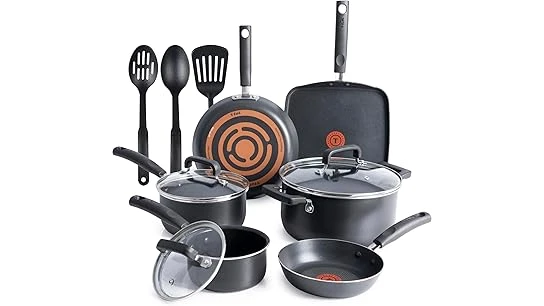
Leave a Reply