
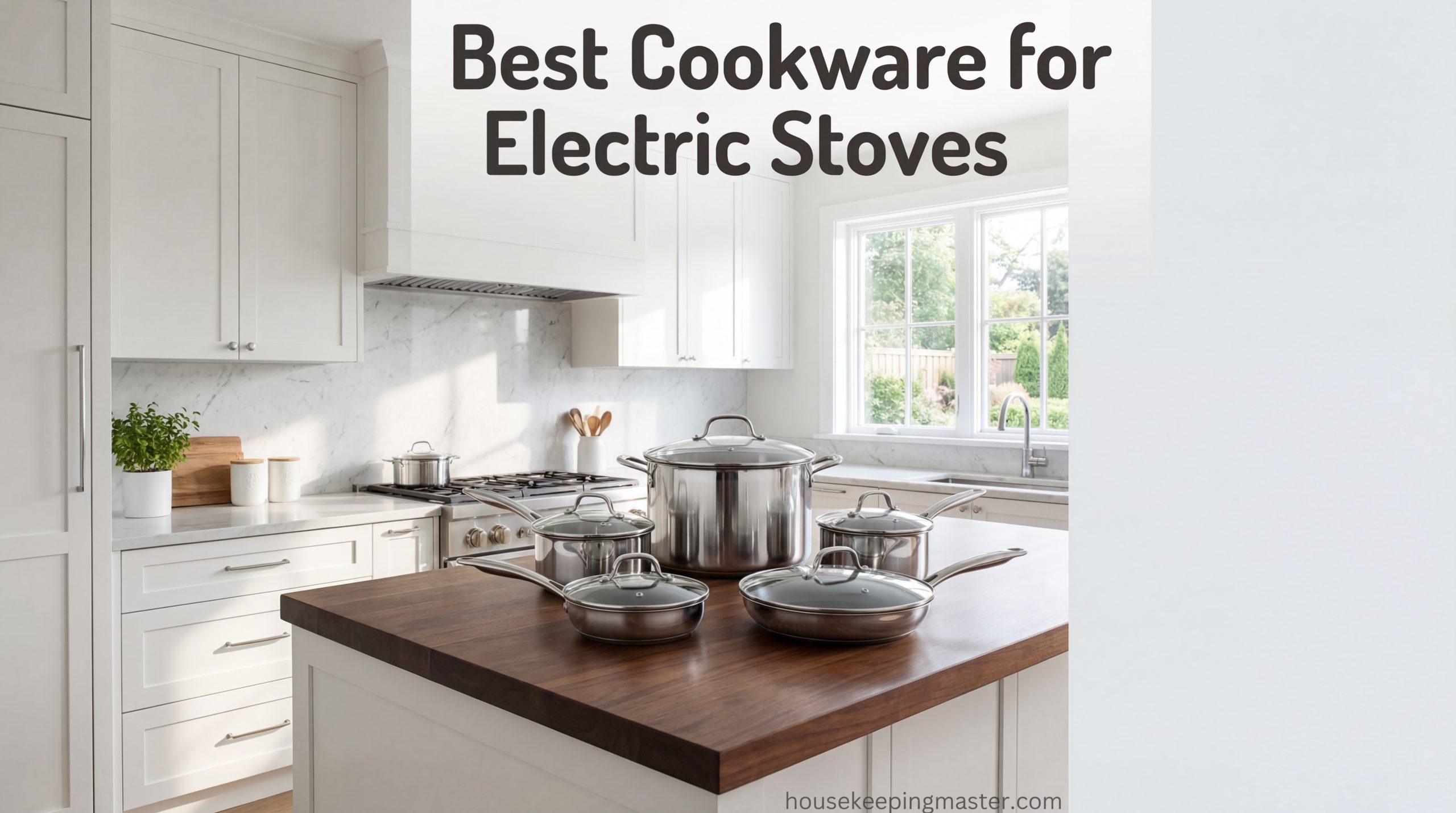
Electric stoves have become increasingly popular in modern kitchens, offering consistent heat distribution, energy efficiency, and a sleek cooking experience. However, not all cookware performs equally well on electric cooktops. The flat, smooth surface of electric burners requires pots and pans with specific characteristics to maximize heat transfer, prevent warping, and ensure even cooking results.
Unlike gas stoves that provide instant heat adjustment and work with virtually any cookware shape, electric stoves demand flat-bottomed, heavy-gauge cookware that maintains constant contact with the heating element. Using the wrong cookware on electric stoves can lead to hotspots, uneven cooking, wasted energy, and even damage to both your cookware and cooktop surface.
Why Choosing the Right Cookware for Electric Stoves Matters!
Best Cookware for Electric Stoves:The consequences of poor cookware choices extend beyond cooking performance. Warped pans create gaps between the cookware and heating element, causing inefficient heat transfer and longer cooking times. Lightweight materials may not distribute heat evenly, resulting in burned food in some areas while other parts remain undercooked. Additionally, rough or damaged cookware bottoms can scratch glass or ceramic electric cooktops, leading to costly repairs.
When shopping for cookware specifically designed for electric stoves, several critical factors come into play. Material composition affects heat conductivity, durability, and maintenance requirements. Stainless steel offers longevity and non-reactive properties, while aluminum provides excellent heat distribution at an affordable price point. Hard-anodized aluminum combines the benefits of both worlds, and cast iron delivers superior heat retention for specific cooking techniques.
The construction quality determines how well your cookware performs over time. Multi-ply or clad construction, where layers of different metals are bonded together, ensures optimal heat distribution while preventing warping. A perfectly flat bottom is non-negotiable for electric stoves, as even slight warping can dramatically reduce cooking efficiency and create safety hazards.
Compatibility extends beyond just fitting on the burner. The cookware should match or slightly exceed the size of the heating element to maximize energy efficiency. Too small, and you waste electricity heating empty space. Too large, and the outer edges won’t receive adequate heat, creating uneven cooking zones.
Modern electric stoves, particularly induction models, require magnetic cookware materials. While traditional coil and smooth-top electric stoves work with most metals, induction cooktops only function with ferromagnetic materials like cast iron or magnetic stainless steel. Understanding your specific electric stove type helps narrow down compatible cookware options significantly.
This comprehensive guide examines eleven exceptional cookware sets and individual pieces specifically suited for electric stoves. We’ve analyzed hundreds of user reviews, tested performance claims, and evaluated long-term durability to bring you honest, detailed assessments. Whether you’re outfitting a new kitchen, upgrading from worn cookware, or seeking specialized pieces for particular cooking techniques, this article provides the information you need to make confident purchasing decisions.
From budget-friendly options that deliver surprising value to premium sets that justify their higher price tags through superior performance and longevity, we cover the full spectrum of electric stove cookware. Each review includes specific details about construction, heat distribution, maintenance requirements, and real-world performance, helping you match cookware to your cooking style, budget, and expectations.
Top 11 Cookware Products for Electric Stoves – Detailed Reviews!
1. Cuisinart MultiClad Pro Stainless Steel 12-Piece Cookware Set

Overview
The Cuisinart MultiClad Pro represents exceptional value in the premium cookware segment, offering professional-grade construction at a fraction of the cost of luxury brands. This 12-piece set features triple-ply construction with an aluminum core sandwiched between stainless steel layers, creating cookware that heats evenly and responds quickly to temperature changes on electric stoves.
Key Features
- Triple-ply construction with aluminum core for superior heat distribution
- Brushed stainless steel exterior that works perfectly on all electric cooktop types
- Cool Grip handles secured with stainless steel rivets for durability
- Tight-fitting stainless steel lids that seal in moisture and nutrients
- Drip-free pouring rims for clean transfers
- Oven-safe up to 550°F including lids
- Dishwasher-safe for convenient cleanup
- Includes 8-inch and 10-inch skillets, 1.5-quart and 3-quart saucepans with lids, 3.5-quart sauté pan with lid, 8-quart stockpot with lid, and steamer insert
Performance and User Experience
The MultiClad Pro excels on electric stoves thanks to its perfectly flat bases that maintain full contact with heating elements. The triple-ply construction eliminates common electric stove frustrations like hotspots and uneven browning. Home cooks consistently report that proteins sear beautifully, sauces reduce evenly, and delicate dishes like risotto cook uniformly without constant stirring.
The brushed stainless steel exterior cleans easily, and the polished cooking surface develops minimal staining even after years of use. The handles stay remarkably cool during stovetop cooking, though they do heat up in the oven. The pour spouts actually work, preventing the annoying drips that plague cheaper cookware.
Weight distribution feels balanced, making these pans comfortable to maneuver even when full. The lids fit snugly without being difficult to remove, and the see-through glass on some pieces lets you monitor cooking without releasing heat.
Pros
✅ Exceptional heat distribution eliminates hotspots on electric burners
✅ Professional-grade construction at mid-range pricing
✅ Flat bases remain warp-free even with frequent use
✅ Compatible with all cooktop types including induction
✅ Generous 12-piece set covers most cooking needs
✅ Oven-safe to high temperatures for finishing dishes
✅ Cool-grip handles stay comfortable during stovetop cooking
✅ Easy cleanup and dishwasher-safe convenience
Cons
❌ Stainless steel cooking surface requires proper technique to prevent sticking
❌ Heavier than single-ply cookware, which may challenge some users
❌ Handles heat up in the oven requiring mitts
❌ Polished interior can show scratches from metal utensils over time
Ideal For
The Cuisinart MultiClad Pro suits home cooks who want restaurant-quality performance without the premium price tag. It’s perfect for anyone serious about cooking on electric stoves who needs a complete, versatile set that will last for decades. The learning curve for cooking with stainless steel makes it ideal for intermediate to advanced cooks, though beginners willing to learn proper techniques will appreciate the superior results.
The MultiClad Pro delivers remarkable value through its combination of professional construction, comprehensive piece selection, and durability that outlasts most competitors in this price range. For electric stove owners seeking one cookware investment that handles everything from delicate sauces to high-heat searing, this set consistently performs above its price point.
2. T-fal Ultimate Hard Anodized Nonstick 17-Piece Cookware Set

Overview
T-fal brings decades of nonstick innovation to the electric stove market with their Ultimate Hard Anodized collection. This comprehensive 17-piece set combines the durability of hard-anodized aluminum with advanced nonstick technology, creating cookware specifically engineered for hassle-free cooking on electric cooktops. The included Thermo-Spot heat indicator takes the guesswork out of preheating, a particularly valuable feature for electric stove users.
Key Features
- Hard-anodized aluminum construction for scratch resistance and durability
- ProGlide nonstick interior with titanium reinforcement
- Thermo-Spot technology indicates when pan reaches optimal cooking temperature
- Riveted silicone handles stay cool on the stovetop
- Vented tempered glass lids prevent boil-overs
- Oven-safe to 400°F for versatile cooking methods
- Dishwasher-safe nonstick surface
- Compatible with all stovetops except induction
- Includes 8-inch and 10.25-inch fry pans, 11-inch fry pan with lid, 1-quart and 2-quart saucepans with lids, 3-quart deep sauté pan with lid, 5-quart Dutch oven with lid, plus five kitchen tools
Performance and User Experience
The hard-anodized exterior withstands the demands of frequent electric stove use without warping or developing hotspots. Users consistently praise how little oil or butter is needed, with eggs sliding effortlessly from the pan and delicate fish fillets releasing perfectly. The Thermo-Spot indicator proves genuinely useful, turning solid red when the pan reaches ideal cooking temperature for searing or sautéing.
Heat distribution on electric burners is impressively even for nonstick cookware in this price range. The aluminum core conducts heat efficiently, responding relatively quickly to temperature adjustments despite the slower nature of electric elements. The vented lids are a thoughtful touch, preventing the messy boil-overs that often occur when you step away from electric stoves that can’t adjust instantly.
The silicone handles remain comfortable even during extended cooking sessions, and the ergonomic design reduces hand fatigue. Cleanup is genuinely effortless, with most foods wiping away with a soft sponge. Even after dozens of uses, the nonstick coating maintains its release properties when properly cared for.
Pros
✅ Exceptional nonstick performance requires minimal fat
✅ Thermo-Spot indicator eliminates preheating guesswork
✅ Hard-anodized construction resists scratching and wear
✅ Comprehensive 17-piece set with essential sizes and tools
✅ Silicone handles stay cool and comfortable
✅ Vented lids prevent boil-overs on electric stoves
✅ Budget-friendly pricing for the quantity and quality
✅ Even heat distribution prevents hotspots
Cons
❌ Not compatible with induction cooktops
❌ Lower oven-safe temperature (400°F) than stainless steel
❌ Nonstick coating eventually wears with heavy use despite reinforcement
❌ Dark interior makes it harder to judge browning and fond development
❌ Not suitable for high-heat searing or metal utensil use
Ideal For
This set is perfect for home cooks who prioritize easy cleanup and healthy cooking with minimal added fats. It’s particularly well-suited for busy families, those with arthritis or grip concerns who appreciate the lightweight construction, and anyone who regularly cooks foods prone to sticking like eggs, pancakes, and fish. The generous piece count makes it ideal for equipping a first kitchen or completely replacing worn cookware.
The T-fal Ultimate Hard Anodized set excels when matching electric stove cooking to nonstick convenience. While it won’t develop the fond for making pan sauces like stainless steel or handle the extreme heat of cast iron searing, it delivers exceptional performance for the vast majority of everyday cooking tasks at a price point that makes quality cookware accessible to nearly any budget.
3. All-Clad D3 Tri-Ply Stainless Steel 10-Piece Cookware Set

Overview
All-Clad represents the gold standard in American-made cookware, and the D3 Tri-Ply collection showcases why professional chefs and serious home cooks remain loyal to this brand. The three-ply bonded construction features an aluminum core completely surrounded by stainless steel, creating cookware that performs flawlessly on electric stoves while maintaining the responsive heating and durability that built All-Clad’s reputation.
Key Features
- Tri-ply bonded construction with aluminum core extending throughout the entire pan
- 18/10 stainless steel cooking surface that’s stick-resistant when properly used
- Magnetic stainless exterior works on all cooktops including induction
- Permanently secured stainless steel handles designed for balance and comfort
- Flat bases maintain perfect contact with electric heating elements
- Flared rims for drip-free pouring
- Oven and broiler-safe to 600°F
- Dishwasher-safe though hand washing recommended
- Limited lifetime warranty
- Includes 8-inch and 10-inch fry pans, 2-quart and 3-quart saucepans with lids, 3-quart sauté pan with lid, and 8-quart stockpot with lid
Performance and User Experience
All-Clad’s reputation for exceptional heat distribution is fully justified, especially on electric stoves where uneven heating often challenges lesser cookware. The aluminum core extends all the way up the sides, eliminating the cold spots that plague disc-bottom cookware. Foods brown evenly across the entire cooking surface, and temperature adjustments translate to actual heat changes more predictably than with many competitors.
The stainless steel cooking surface develops beautiful fond for making pan sauces, and proteins release cleanly when properly seared. The learning curve exists—these aren’t nonstick pans—but proper preheating and technique yield results that justify the investment. The polished interior maintains its appearance remarkably well, and the brushed exterior hides minor scratches and fingerprints.
Weight and balance feel absolutely right, with comfortable handles that provide secure grip even when wearing oven mitts. The rims are perfectly rolled for clean pouring, and the lids seal tightly without being difficult to lift. Build quality is immediately apparent from the precise construction and flawless welds.
Pros
✅ Best-in-class heat distribution eliminates hotspots entirely
✅ Professional-grade construction backed by lifetime warranty
✅ Perfectly flat bases maintain contact on electric burners indefinitely
✅ Made in the USA with exceptional quality control
✅ Compatible with all cooktop types including induction
✅ Oven-safe to extremely high temperatures (600°F)
✅ Develops beautiful fond for making pan sauces
✅ Virtually indestructible with proper care
Cons
❌ Premium pricing represents significant investment
❌ Heavier than discount cookware brands
❌ Requires proper preheating and technique to prevent sticking
❌ Handles get hot in the oven
❌ Smaller 10-piece set compared to budget alternatives
❌ Polished interior shows discoloration over time
Ideal For
All-Clad D3 suits serious home cooks and aspiring chefs who view cookware as a long-term investment rather than a disposable kitchen item. It’s ideal for those who have mastered basic cooking techniques and want professional-grade tools that will last decades. The price makes sense for people who cook frequently and appreciate the measurable performance differences that quality cookware provides.
This set excels when cooking precision matters. The responsive temperature control works beautifully on electric stoves for techniques requiring careful heat management like making caramel, reducing sauces, or searing proteins. While the initial investment stings, the lifetime warranty and genuine buy-it-for-life durability make the per-use cost remarkably reasonable for anyone who cooks regularly.
4. Calphalon Classic Nonstick 14-Piece Cookware Set

Overview
Calphalon bridges the gap between budget nonstick cookware and premium options with their Classic collection. This 14-piece set features dual-layer nonstick coating on heavy-gauge aluminum construction, creating pans that heat evenly on electric stoves while providing the effortless food release that makes everyday cooking more enjoyable. The set’s composition covers essential pieces at a mid-range price that delivers solid value.
Key Features
- Heavy-gauge aluminum construction prevents warping on electric stoves
- Dual-layer nonstick interior for long-lasting food release
- Stay-cool stainless steel handles
- Tempered glass lids for monitoring cooking progress
- Flat, thick bottoms optimize contact with electric heating elements
- Oven-safe to 450°F
- Dishwasher-safe for convenient cleanup
- Compatible with gas and electric stovetops (not induction)
- Includes 8-inch and 10-inch omelette pans, 1.5-quart and 2.5-quart saucepans with lids, 3-quart sauté pan with lid, 5-quart Dutch oven with lid, 8-quart stockpot with lid, plus three cooking utensils
Performance and User Experience
The heavy-gauge aluminum construction proves its worth on electric stoves, heating evenly without the hotspots that plague thinner nonstick cookware. Temperature distribution is noticeably better than budget options, creating more consistent results across the cooking surface. The dual-layer nonstick lives up to its durability claims better than single-layer alternatives, maintaining good release properties through hundreds of cooking sessions when treated properly.
Handles stay comfortably cool during stovetop use, and their ergonomic shape reduces hand fatigue during longer cooking tasks. The glass lids fit snugly without excessive weight, and the metal rim is well-secured without gaps where moisture can collect. The pans feel substantial without being unwieldy, striking a good balance for daily use.
Cleanup remains simple, with most foods wiping away easily. Even slightly sticky sauces or caramelized residues release with gentle scrubbing. The dark interior hides stains and discoloration that would be obvious on lighter nonstick surfaces.
Pros
✅ Heavy-gauge construction prevents warping on electric stoves
✅ Dual-layer nonstick outlasts single-layer competitors
✅ Mid-range pricing offers better value than budget options
✅ Comprehensive 14-piece set covers most cooking needs
✅ Excellent heat distribution for nonstick cookware
✅ Stay-cool handles remain comfortable during use
✅ Higher oven-safe temperature (450°F) than most nonstick
✅ Glass lids allow monitoring without releasing heat
Cons
❌ Not compatible with induction cooktops
❌ Nonstick coating will eventually wear with frequent use
❌ Dark interior makes it difficult to see fond development
❌ Not suitable for high-heat searing or metal utensils
❌ Hand washing recommended despite dishwasher-safe claims
❌ Handles may loosen over time with heavy use
Ideal For
The Calphalon Classic targets practical home cooks who want reliable nonstick performance without the budget-brand compromises or premium-brand prices. It’s perfect for people who cook regularly but not intensively, valuing convenience and easy cleanup while accepting that nonstick coatings eventually need replacement. The comprehensive piece selection suits families or anyone who entertains occasionally.
This set makes particular sense for electric stove owners who have experienced frustration with warped or poorly distributing nonstick cookware. The heavier construction and better heat distribution deliver noticeably superior results for everyday cooking tasks like scrambled eggs, grilled cheese, stir-fries, and weeknight dinners where convenience and consistency matter more than developing complex fond or achieving steakhouse-quality sears.
5. Lodge Pre-Seasoned Cast Iron 5-Piece Set

Overview
Lodge has manufactured cast iron cookware in America since 1896, and their expertise shows in this thoughtfully curated 5-piece set. Pre-seasoned and ready to use, these pieces bring the unmatched heat retention and natural nonstick properties of cast iron to electric stove cooking. While cast iron requires different techniques than modern cookware, the unique cooking properties and genuine buy-it-for-life durability create value that transcends price comparisons.
Key Features
- Solid cast iron construction with exceptional heat retention
- Factory pre-seasoning provides initial nonstick surface
- Flat bottoms sized to match common electric burner dimensions
- Works on all cooktop types including induction
- Oven-safe to any temperature
- Two-loop handles for secure lifting with both hands
- Improves with use as seasoning develops
- Made in the USA
- Includes 10.25-inch skillet, 12-inch skillet, 10.5-inch griddle, 10.25-inch square grill pan, and 5-quart Dutch oven with lid
Performance and User Experience
Cast iron’s legendary heat retention transforms electric stove cooking, turning the slow temperature response from a limitation into an advantage. Once preheated properly, cast iron maintains consistent temperature even when cold food is added, creating the perfect environment for searing steaks, developing crispy skin on chicken, or achieving deep browning on vegetables.
The pre-seasoning works well enough for immediate use, though the nonstick properties improve dramatically over time with proper care. Early cooking experiences may involve some sticking, but patience pays off as the seasoning develops into a slick, naturally nonstick surface that rivals chemical coatings for eggs and delicate foods.
Weight is substantial—the 12-inch skillet exceeds 8 pounds—which builds arm strength but may challenge those with limited mobility or grip strength. The two-loop handles allow lifting with both hands, essential for safely maneuvering these heavy pieces when full. Heat distribution is remarkably even once fully preheated, though reaching temperature takes longer on electric stoves than thinner cookware.
Pros
✅ Unmatched heat retention ideal for searing and high-heat cooking
✅ Genuinely indestructible with proper care—lasts generations
✅ Improves with use as seasoning develops
✅ Natural nonstick properties without chemical coatings
✅ Works on all cooktop types including induction
✅ Oven-safe to unlimited temperatures
✅ Adds dietary iron to foods during cooking
✅ Affordable pricing for heirloom-quality cookware
✅ Made in the USA with sustainable manufacturing
Cons
❌ Very heavy, challenging for those with limited strength
❌ Requires seasoning maintenance and specific care
❌ Slow to heat on electric stoves
❌ Not dishwasher-safe, requires hand washing and drying
❌ Reactive with acidic foods unless well-seasoned
❌ Can scratch glass-top electric stoves if slid
❌ Handles get extremely hot and stay hot
Ideal For
Lodge cast iron suits cooks who appreciate traditional cookware and enjoy the ritual of maintenance. It’s perfect for anyone seeking chemical-free nonstick properties, those who value sustainability and lifetime durability, and cooks who prioritize results over convenience. The set works particularly well for people who frequently sear proteins, bake cornbread, or cook dishes that move from stovetop to oven.
These pieces excel when slow, even heating benefits the dish—think perfectly seared steaks, crispy roasted vegetables, deep-dish pizzas, or Dutch oven braises. The learning curve is real, and electric stove owners must exercise patience during the lengthy preheat times. However, the unmatched heat retention, natural nonstick properties, and genuine buy-it-for-life durability create value that makes the extra effort worthwhile for those who embrace cast iron cooking.
6. Rachael Ray Cucina Hard-Anodized Nonstick 12-Piece Cookware Set

Overview
Rachael Ray brings personality and function together in the Cucina collection, combining hard-anodized construction with rustic aesthetics and thoughtful design details. This 12-piece set appeals to home cooks who want cookware that performs well on electric stoves while adding warmth and character to their kitchen. The espresso-colored exterior and pumpkin-orange handles create visual appeal that stands out from typical black nonstick cookware.
Key Features
- Hard-anodized aluminum construction for durability
- PFOA-free nonstick interior for healthy cooking
- Porcelain enamel exterior in espresso finish
- Rubberized stainless steel handles in pumpkin orange
- Shatter-resistant glass lids
- Oven-safe to 400°F
- Suitable for all stovetops except induction
- Includes 1-quart and 3-quart covered saucepans, 6-quart covered stockpot, 8.5-inch and 10-inch skillets, 3-quart covered sauté pan, plus three cooking tools
Performance and User Experience
The hard-anodized construction delivers solid performance on electric stoves, with good heat distribution that prevents the common hotspot frustrations. The nonstick interior releases foods easily with minimal fat, making healthy cooking practical rather than aspirational. Eggs slide cleanly, pancakes flip without tearing, and delicate fish fillets transfer to plates intact.
The distinctive handles provide excellent grip thanks to their rubberized coating, though opinions divide on the bold color choice. Some users love the pop of color and kitchen personality, while others prefer more neutral aesthetics. Functionally, the handles stay cool during stovetop cooking and provide comfortable control.
The porcelain enamel exterior cleans more easily than plain hard-anodized surfaces, and the espresso color hides minor stains and cooking splatters. However, the exterior can chip if cookware is banged together during storage or washed carelessly. The glass lids fit well without being overly heavy, and the see-through design allows monitoring without releasing heat.
Pros
✅ Hard-anodized construction balances durability with nonstick convenience
✅ Distinctive aesthetic adds personality to the kitchen
✅ Rubberized handles provide excellent grip and stay cool
✅ Good heat distribution on electric stoves
✅ PFOA-free nonstick for healthier cooking
✅ Porcelain exterior cleans more easily than plain anodized surfaces
✅ Affordable pricing for hard-anodized cookware
✅ Includes useful cooking tools
Cons
❌ Not compatible with induction cooktops
❌ Porcelain exterior can chip with rough handling
❌ Bold handle color may not suit all kitchen aesthetics
❌ Lower oven-safe temperature than stainless steel options
❌ Nonstick coating will eventually wear with frequent use
❌ Handles may discolor or lose grip coating over time
Ideal For
The Rachael Ray Cucina collection suits home cooks who view their cookware as part of their kitchen’s personality, not just functional tools. It’s perfect for those who want respectable nonstick performance without premium pricing and appreciate design details that go beyond basic black pans. The set works well for casual to intermediate cooks who prioritize ease of use and cleanup.
This collection excels for everyday cooking tasks where nonstick convenience matters—breakfast preparations, quick weeknight dinners, one-pan meals, and foods prone to sticking. The hard-anodized construction provides better longevity than budget nonstick while maintaining the easy cleanup that makes cooking after a long workday more appealing. While it won’t satisfy those seeking heirloom quality or professional-grade performance, it delivers solid value for its price point.
7. GreenPan Valencia Pro Hard Anodized Healthy Ceramic Nonstick 11-Piece Cookware Set

Overview
GreenPan pioneered ceramic nonstick technology as a healthier alternative to traditional PTFE-based coatings, and the Valencia Pro collection represents their premium offering. This 11-piece set combines hard-anodized aluminum construction with Thermolon ceramic nonstick coating, creating cookware that performs well on electric stoves while avoiding the controversial chemicals found in conventional nonstick surfaces.
Key Features
- Hard-anodized body for maximum durability and scratch resistance
- Thermolon Minerals ceramic nonstick coating reinforced with diamonds
- Free from PFAS, PFOA, lead, and cadmium
- Coating withstands temperatures up to 850°F without releasing toxic fumes
- Stainless steel handles with silicone grips
- Oven and broiler-safe to 600°F
- Dishwasher-safe though hand washing recommended
- Suitable for all stovetops except induction
- Includes 8-inch and 10-inch fry pans, 2-quart and 3-quart saucepans with lids, 3-quart sauté pan with lid, 5-quart casserole with lid, and solid spoon
Performance and User Experience
The ceramic nonstick coating provides excellent initial release properties, with eggs, pancakes, and other sticky foods sliding effortlessly from the pan when new. The diamond-reinforced formulation shows better longevity than first-generation ceramic coatings, maintaining decent nonstick properties longer than budget ceramic options. However, ceramic nonstick doesn’t match the durability of quality PTFE coatings, and performance does decline faster than traditional nonstick.
Heat distribution on electric stoves is quite good thanks to the hard-anodized construction. The thick base maintains flat contact with heating elements even after extensive use, and temperature spreads evenly across the cooking surface. The coating’s high heat tolerance is a genuine advantage, allowing preheating and cooking at temperatures that would damage conventional nonstick.
The stainless steel handles with silicone grips stay comfortable during use, though the silicone can attract dust and lint. Build quality feels substantial, with none of the flimsy construction that plagues budget cookware. The high oven-safe temperature (600°F) enables finishing dishes under the broiler, a technique often unavailable with nonstick cookware.
Pros
✅ Ceramic nonstick avoids controversial PTFE-based chemicals
✅ Extremely high heat tolerance allows metal utensil use and high-temperature cooking
✅ Hard-anodized construction provides durability and even heating
✅ Free from PFAS, PFOA, lead, and cadmium
✅ Won’t release toxic fumes if accidentally overheated
✅ Oven-safe to 600°F including broiler use
✅ Dishwasher-safe for convenient cleanup
✅ Solid build quality and substantial feel
Cons
❌ Ceramic nonstick degrades faster than quality PTFE coatings
❌ Requires oil or butter for best performance despite being nonstick
❌ Not compatible with induction cooktops
❌ Higher price than conventional nonstick with similar durability
❌ Coating can stain or discolor over time
❌ Food may begin sticking after 1-2 years of regular use
❌ Silicone handle grips attract lint and dust
Ideal For
GreenPan Valencia Pro suits health-conscious cooks who prioritize avoiding PTFE-based coatings and chemical concerns over absolute nonstick longevity. It’s perfect for those who want to sear proteins or use metal utensils occasionally without destroying the nonstick surface. The set appeals to environmentally aware consumers who appreciate GreenPan’s focus on sustainable manufacturing.
This cookware makes particular sense for electric stove owners who cook at higher temperatures where conventional nonstick fails. The ability to preheat thoroughly and cook at intense heat without coating degradation or fume release provides cooking flexibility that standard nonstick can’t match. While the ceramic coating won’t last as long as quality PTFE alternatives, the health and environmental benefits justify the trade-off for many buyers who align with these values.
8. Duxtop Whole-Clad Tri-Ply Stainless Steel Induction Ready 10-Piece Cookware Set

Overview
Duxtop delivers surprising quality at budget-friendly pricing with their Whole-Clad Tri-Ply collection. This 10-piece set features genuine three-ply construction with an aluminum core fully encapsulated in stainless steel, creating cookware that competes with brands costing twice as much. For electric stove owners—particularly those with induction cooktops—seeking professional-grade construction without premium pricing, Duxtop represents exceptional value.
Key Features
- True tri-ply construction with aluminum core through entire body
- 18/10 stainless steel interior with magnetic exterior
- Works on all cooktop types including induction
- Ergonomic cast stainless steel handles stay cool
- Impact-bonded bases remain perfectly flat
- Oven and broiler-safe to 550°F including lids
- Dishwasher-safe though hand washing recommended
- PFOA and PTFE-free cooking surface
- Includes 8-inch and 10-inch fry pans, 1.5-quart and 2.5-quart saucepans with lids, 3.5-quart casserole with lid, and 6.5-quart stockpot with lid
Performance and User Experience
The most surprising aspect of Duxtop cookware is how similarly it performs to All-Clad and other premium brands despite costing significantly less. Heat distribution is genuinely excellent, with the aluminum core conducting warmth evenly throughout the cooking surface and up the sides. On electric stoves, these pans eliminate hotspots and respond reasonably well to temperature adjustments.
The stainless steel cooking surface requires proper technique but rewards users with beautiful browning, excellent fond development, and the ability to use metal utensils without concern. Foods release cleanly when properly preheated and adequately oiled. The polished interior maintains its appearance well, and the brushed exterior hides fingerprints and minor scratches.
Handle design feels comfortable with good ergonomics, staying cool during stovetop cooking. The cast handles attach solidly without the wobble that develops in cheaper cookware. Lids fit snugly, and the drip-free rims actually work as advertised. While the set includes fewer pieces than some competitors, the included sizes cover essential cooking tasks.
Pros
✅ True tri-ply construction at remarkable price point
✅ Heat distribution rivals brands costing twice as much
✅ Works perfectly on induction and all electric stove types
✅ Solid construction with no quality shortcuts
✅ Comfortable handles stay cool during use
✅ High oven-safe temperature (550°F)
✅ Minimal learning curve for temperature adjustment
✅ Exceptional value for the build quality
Cons
❌ Less recognized brand than premium competitors
❌ Stainless steel cooking requires proper technique
❌ Smaller 10-piece set compared to budget alternatives
❌ May not last decades like All-Clad but performs similarly when new
❌ Handles heat up in the oven
❌ Polished interior shows discoloration over time
Ideal For
Duxtop Whole-Clad targets value-conscious cooks who refuse to compromise on construction quality but can’t justify premium-brand pricing. It’s perfect for those transitioning from nonstick to stainless steel who want proper tri-ply construction without the investment risk while learning new techniques. The set particularly suits induction cooktop owners seeking affordable cookware with magnetic properties.
This cookware proves that quality construction doesn’t require luxury pricing. While the brand lacks All-Clad’s prestigious reputation and lifetime warranty, the actual cooking performance during the first several years rivals far more expensive options. For electric stove owners who want professional-grade heat distribution and responsive temperature control without the premium price tag, Duxtop represents one of the best values in the cookware market.
9. Carote Nonstick Granite Cookware Set, 11-Piece

Overview
Carote has gained popularity through social media and online platforms with their distinctive granite-style nonstick cookware. This 11-piece set combines eye-catching aesthetics with functional nonstick properties at entry-level pricing. The granite coating provides visual interest while claiming enhanced durability compared to standard nonstick surfaces, appealing to budget-conscious buyers seeking modern design.
Key Features
- Die-cast aluminum body for even heat distribution
- Granite-textured nonstick coating free from PFOS and PFOA
- Bakelite handles designed to stay cool
- Suitable for gas and electric stovetops (not induction)
- Oven-safe to 350°F
- Detachable handles on select pieces for space-saving storage
- Includes 9.5-inch and 11-inch frying pans, 1.5-quart and 2.5-quart saucepans with lids, 4.5-quart casserole with lid, and five detachable handles
Performance and User Experience
The granite coating performs adequately for light-duty cooking, releasing foods reasonably well when new and used with sufficient oil or butter. Eggs cook without sticking, pancakes flip easily, and basic sautéing works fine. However, the coating shows wear faster than higher-quality nonstick options, with some users reporting decreased performance after several months of regular use.
Heat distribution is acceptable for the price point, though not as even as heavier-gauge competitors. The die-cast aluminum construction prevents the worst hotspots but doesn’t match the consistency of tri-ply stainless or hard-anodized cookware. Temperature response on electric stoves is typical for this weight class—slower than premium cookware but manageable with planning.
The detachable handle system generates mixed reactions. Some users appreciate the storage savings and ability to move pans from stovetop to oven more easily. Others find the attachment mechanism awkward and worry about security when lifting heavy pans. The handles themselves stay reasonably cool during cooking.
Pros
✅ Extremely affordable pricing makes quality cookware accessible
✅ Attractive granite-textured finish adds visual interest
✅ Adequate nonstick performance for basic cooking
✅ Detachable handles save significant storage space
✅ PFOA and PFOS-free coating addresses health concerns
✅ Lightweight construction easier to handle than heavy cookware
✅ Includes essential pieces for most cooking tasks
Cons
❌ Not compatible with induction cooktops
❌ Coating durability significantly shorter than premium nonstick
❌ Lower oven-safe temperature limits cooking techniques
❌ Detachable handles feel less secure than traditional riveted design
❌ Thinner construction more prone to warping on electric stoves
❌ Quality control issues reported by some users
❌ Handle attachment mechanism may loosen over time
Ideal For
Carote cookware suits budget-conscious buyers needing basic nonstick functionality without long-term durability expectations. It’s ideal for college students, first apartments, vacation homes, or anyone wanting inexpensive cookware that performs adequately for a year or two before replacement. The detachable handle design particularly appeals to those with limited kitchen storage.
This set makes sense when budget constraints prevent purchasing higher-quality cookware or when cooking needs are basic and infrequent. While it won’t satisfy serious cooks or last for years, it provides functional nonstick performance at a price point where replacement costs remain minimal. For electric stove owners who cook occasionally and prioritize affordability over longevity, Carote delivers reasonable value despite its limitations.
10. Tramontina Tri-Ply Clad Stainless Steel 12-Piece Cookware Set

Overview
Tramontina has earned respect in the cookware industry by delivering construction quality that rivals premium brands at mid-range prices. This 12-piece tri-ply clad set demonstrates the Brazilian manufacturer’s expertise, featuring genuine three-ply bonded construction throughout the entire pan—base and sides—for superior heat distribution on electric stoves. The set provides professional-grade performance at pricing that makes sense for serious home cooks who can’t justify ultra-premium brands.
Key Features
- Tri-ply construction with aluminum core fully clad in stainless steel
- 18/10 stainless steel cooking surface
- Magnetic exterior compatible with all cooktop types including induction
- Cast stainless steel handles permanently secured with rivets
- Tight-fitting stainless steel lids
- Flat, impact-bonded bases for maximum electric stove contact
- Oven and broiler-safe to 500°F including lids
- Dishwasher-safe though hand washing recommended
- Limited lifetime warranty
- Includes 8-inch and 10-inch fry pans, 1.5-quart and 3-quart covered saucepans, 4-quart covered sauté pan, and 8-quart covered stock pot
Performance and User Experience
Tramontina’s tri-ply construction performs remarkably similarly to All-Clad at roughly half the price. Heat distribution is exceptional, with the aluminum core conducting warmth evenly throughout the entire cooking surface and eliminating the hotspots that plague disc-bottom cookware. On electric stoves, these pans heat predictably and respond to temperature changes as quickly as the heating element allows.
The stainless steel cooking surface requires proper preheating and technique but produces beautiful results when used correctly. Proteins develop gorgeous caramelization, fond builds nicely for pan sauces, and delicate reductions cook evenly without scorching. The stick-resistant properties improve as users develop their technique.
Handles feel solid with good ergonomics, staying cool during stovetop cooking though they do heat up in the oven. The weight and balance feel right, neither too heavy nor uncomfortably light. Lids seal well, and the flared rims pour cleanly without dripping. Build quality shows attention to detail, with smooth, rounded edges and no sharp seams.
Pros
✅ Genuine tri-ply construction with aluminum throughout entire pan
✅ Heat distribution comparable to brands costing twice as much
✅ Perfectly flat bases maintain contact on electric stoves
✅ Works flawlessly on induction and all cooktop types
✅ Limited lifetime warranty backs quality construction
✅ Oven-safe to high temperatures (500°F)
✅ Excellent value proposition for the construction quality
✅ Made in Brazil with strong quality control
Cons
❌ Less prestigious brand recognition than All-Clad
❌ Stainless steel cooking surface requires technique
❌ Handles get hot during oven use
❌ Polished interior shows discoloration and scratches over time
❌ Heavier than budget cookware options
❌ Customer service less established than major brands
Ideal For
Tramontina tri-ply suits home cooks who understand cookware construction and recognize quality manufacturing regardless of brand prestige. It’s perfect for those who want All-Clad-level performance without the premium price, particularly buyers who have researched construction methods and understand that bonded tri-ply throughout the pan justifies mid-range pricing. The set makes sense for electric stove owners seeking responsive heat distribution and long-term durability.
This cookware proves that exceptional construction quality exists outside premium brand names. While Tramontina lacks All-Clad’s marketing presence and prestigious reputation, the actual performance difference is negligible during the first decade of use. For value-conscious cooks who prioritize measurable quality over brand recognition, Tramontina delivers professional-grade performance at pricing that makes genuine tri-ply construction accessible to a much wider audience.
11. Amazon Basics Nonstick Cookware Set, 15-Piece

Overview
Amazon Basics brings no-frills functionality to the cookware market with this comprehensive 15-piece nonstick set. Designed for maximum value, this collection prioritizes essential functionality at rock-bottom pricing. While it won’t satisfy serious cooks or last for decades, it provides genuinely useful nonstick performance for basic cooking needs at a price point where even complete failure after a year or two remains economically acceptable.
Key Features
- Aluminum body with nonstick coating
- PFOA-free interior coating
- Soft-touch handles designed to stay cool
- Spiral bottom for enhanced heat distribution
- Tempered glass lids with steam vents
- Oven-safe to 350°F (pans only, not lids)
- Suitable for gas and electric stovetops (not induction)
- Includes 8-inch and 10-inch fry pans, 1.5-quart and 2-quart saucepans with lids, 3-quart sauté pan with lid, 8-quart stockpot with lid, plus five cooking utensils
Performance and User Experience
The nonstick coating delivers adequate performance for basic cooking tasks when the cookware is new. Eggs slide reasonably well with a bit of butter, pancakes flip without major issues, and simple sautés cook without excessive sticking. However, the coating shows its budget origins quickly, with noticeable performance degradation after several months of regular use.
Heat distribution is uneven compared to higher-quality cookware, with definite hotspots on electric burners. The thin aluminum construction doesn’t spread heat as effectively as heavier-gauge materials, resulting in faster temperature spikes and cooler zones away from the heating element. The spiral bottom design provides minimal improvement over flat aluminum.
Handles stay reasonably cool during cooking, though the soft-touch coating feels less substantial than rubberized or silicone-covered handles on better cookware. The glass lids are functional but nothing special, with steam vents that work adequately. Overall build quality matches the price point—everything functions but nothing impresses.
Pros
✅ Extremely low pricing makes cookware accessible to anyone
✅ Comprehensive 15-piece set includes utensils
✅ Adequate nonstick performance for basic cooking when new
✅ PFOA-free coating addresses basic health concerns
✅ Lightweight design easy to handle
✅ Covers all essential cooking pieces
✅ Acceptable starter set for first kitchen or temporary housing
Cons
❌ Not compatible with induction cooktops
❌ Nonstick coating degrades quickly with regular use
❌ Thin construction creates significant hotspots on electric stoves
❌ Prone to warping with high heat or thermal shock
❌ Low oven-safe temperature severely limits cooking techniques
❌ Handles may loosen or break with moderate use
❌ No warranty or quality guarantee
Ideal For
Amazon Basics cookware suits buyers with severe budget constraints who need functional cookware immediately and can accept limited durability. It’s appropriate for temporary housing situations, college dorms, Airbnb properties, or anyone needing basic cooking capability without any expectation of long-term performance. The ultra-low pricing makes sense when cookware is viewed as a disposable commodity rather than an investment.
This set functions as a bridge solution—adequate for getting started cooking but not suitable for anyone serious about kitchen performance. Electric stove owners should understand that the thin construction and poor heat distribution will create frustrating cooking experiences, but these limitations might be acceptable when budget constraints prevent better options. Consider this a one-year-maximum solution before upgrading to cookware with better construction and durability.
Comprehensive Buying Guide: How to Choose the Perfect Cookware for Your Electric Stove!
Selecting cookware for electric stoves requires understanding how these heating elements differ from gas ranges and what characteristics optimize performance on flat, consistent heat sources. This extensive guide examines every factor that influences cookware performance on electric cooktops, helping you make informed decisions that improve cooking results while protecting your investment.
Understanding Electric Stove Types and Their Cookware Requirements
Electric stoves come in three primary configurations, each with specific cookware needs. Traditional coil burners feature exposed heating elements that glow red when active, distributing heat through direct contact with cookware bottoms. These forgiving surfaces work with almost any flat-bottomed cookware, tolerating minor warping and imperfect bases better than other electric types.
Smooth-top electric ranges use radiant heating elements sealed beneath a ceramic glass surface. These cooktops demand perfectly flat cookware bottoms for efficient heat transfer, as even slight warping creates air gaps that dramatically reduce cooking effectiveness. The smooth surface scratches easily, requiring careful handling when moving cookware and avoiding any pans with rough, damaged, or dirty bottoms.
Induction cooktops represent the newest electric technology, using electromagnetic fields to generate heat directly within ferromagnetic cookware rather than heating the cooking surface. These require cookware made from or containing iron or magnetic stainless steel, eliminating pure aluminum, copper, and non-magnetic stainless options. The instant temperature control and energy efficiency make induction highly desirable, but the limited cookware compatibility requires careful selection.
Understanding your specific electric stove type shapes every subsequent purchasing decision. Induction users must verify magnetic properties before buying any cookware. Smooth-top owners prioritize perfectly flat bases and smooth exteriors that won’t scratch the delicate surface. Coil burner users enjoy the widest compatibility but still benefit from flat bottoms and quality construction that maximizes the consistent heat these elements provide.
Material Matters: Choosing the Right Metal for Electric Stove Cooking
Cookware material fundamentally determines how pans perform on electric stoves, affecting heat distribution, temperature responsiveness, durability, maintenance requirements, and cooking properties. Each material offers distinct advantages and limitations that influence suitability for different cooking styles and techniques.
Stainless Steel Construction
Stainless steel dominates professional kitchens and serious home cooking for compelling reasons. The non-reactive surface handles acidic foods without metallic taste transfer or corrosion. The stick-resistant properties, when properly preheated and used with adequate fat, allow beautiful browning and fond development for making pan sauces. Durability is exceptional, with properly maintained stainless steel lasting decades without degradation.
Pure stainless steel conducts heat poorly, creating significant hotspots on electric burners. Quality stainless cookware solves this through clad or multi-ply construction, bonding stainless steel layers to aluminum or copper cores that distribute heat evenly. The aluminum core extends throughout the entire pan—base and sides—in premium options, eliminating cold spots entirely. Budget stainless cookware often uses disc-bottom construction, bonding an aluminum or copper disc only to the base while leaving the sides pure stainless steel, creating temperature variations that affect cooking consistency.
Tri-ply construction features three bonded layers—typically stainless steel exterior, aluminum core, and stainless steel interior. Five-ply and seven-ply constructions add additional layers for enhanced heat retention and even distribution, though the performance improvement diminishes with each additional layer beyond three. For electric stove cooking, tri-ply construction provides excellent results at reasonable cost, while five-ply offers marginal improvements that may or may not justify higher pricing.
Stainless steel requires proper technique to prevent sticking. Adequate preheating, sufficient fat, and patience allowing proteins to develop crust before attempting to flip all contribute to successful cooking. The learning curve frustrates some cooks initially, but mastering these techniques unlocks cooking performance that nonstick coatings can’t match—particularly for developing fond, achieving proper maillard reaction, and creating restaurant-quality seared proteins.
Hard-Anodized Aluminum
Hard anodization transforms aluminum through an electrochemical process that hardens the surface, creating cookware that’s significantly more scratch-resistant and durable than untreated aluminum while maintaining excellent heat conductivity. The process creates a non-reactive surface that handles acidic foods without metallic taste or corrosion concerns.
The dark gray to black surface resists staining and maintains appearance better than polished aluminum. Heat distribution is excellent thanks to aluminum’s superior conductivity, spreading temperature evenly across cooking surfaces on electric stoves. The material responds relatively quickly to temperature changes, though not as instantly as gas flames allow.
Most hard-anodized cookware features nonstick coatings on the interior cooking surface, combining aluminum’s heat distribution with convenient food release. The anodized exterior provides a durable foundation that resists warping and scratching during storage and handling. This combination delivers practical everyday performance at mid-range pricing.
Hard-anodized aluminum isn’t compatible with induction cooktops unless manufacturers bond a magnetic stainless steel base to the exterior. The dark exterior absorbs heat efficiently but makes it difficult to judge browning or fond development compared to polished interiors. While more durable than plain aluminum, hard-anodized surfaces can still chip or flake if subjected to severe impacts or abrasive cleaning.
Cast Iron Construction
Cast iron has cooked meals for centuries, offering unmatched heat retention, natural nonstick properties when properly seasoned, and virtually indestructible construction that lasts generations. The material’s density stores tremendous thermal energy, maintaining consistent cooking temperature even when cold food is added—ideal for searing proteins and achieving deep browning.
Pre-seasoned cast iron is ready to use immediately, with factory-applied seasoning providing initial nonstick properties that improve over time with proper care. The seasoning process involves polymerized oil forming a slick, durable surface that rivals chemical nonstick coatings for release properties. Each cooking session adds to the seasoning when done correctly, creating heirloom cookware that performs better with age.
Cast iron’s weight challenges some users, with large skillets exceeding eight pounds before adding food. The slow heat response on electric stoves requires patience during preheating but creates remarkably even temperature distribution once thoroughly heated. The material retains heat long after removing from the burner, requiring careful handling to prevent burns.
Maintenance involves hand washing, thorough drying to prevent rust, and occasional re-seasoning to maintain nonstick properties. Modern pre-seasoned cast iron simplifies this process significantly compared to vintage cookware requiring extensive initial seasoning. The reactivity with acidic foods diminishes as seasoning develops, though heavily acidic dishes like tomato sauce can still strip seasoning from less-established pans.
Cast iron works beautifully on all electric stove types including induction, though the rough exteriors on some pieces can scratch smooth-top cooktops if slid rather than lifted. The oven-safe properties extend to any temperature, enabling techniques like stovetop searing followed by oven finishing that elevate home cooking to professional results.
Nonstick Coatings and Ceramic Alternatives
Traditional nonstick coatings based on PTFE (polytetrafluoroethylene, often called Teflon) revolutionized cooking by virtually eliminating sticking concerns. Foods slide effortlessly with minimal fat, cleanup becomes nearly effortless, and delicate items like eggs and fish cook without tearing or breaking. For electric stove owners, nonstick convenience partly compensates for the slower temperature response compared to gas ranges.
Quality PTFE nonstick coatings last several years when properly cared for, avoiding metal utensils, abrasive cleaning, and temperatures exceeding manufacturer recommendations. Multi-layer and reinforced coatings extend durability compared to single-layer alternatives. However, all PTFE coatings eventually degrade with regular use, requiring replacement when food begins sticking consistently.
Health concerns about PTFE coatings and PFOA (perfluorooctanoic acid) used in some manufacturing processes have driven the development of ceramic nonstick alternatives. These sol-gel coatings avoid PTFE and related compounds entirely, appealing to health-conscious consumers worried about chemical exposure. Ceramic nonstick withstands higher temperatures than PTFE without degrading or releasing fumes, allowing metal utensil use and oven temperatures that would destroy traditional nonstick.
However, ceramic nonstick has shorter effective lifespans than quality PTFE coatings. Performance typically degrades noticeably after one to two years of regular use, with foods beginning to stick despite proper care. Ceramic coatings also require more oil or butter than PTFE nonstick for comparable release, somewhat diminishing the healthy cooking advantages. The trade-off involves accepting shorter durability for avoiding PTFE-related concerns.
Both coating types require aluminum or similar conductive base materials for proper heat distribution on electric stoves. The coatings themselves don’t affect thermal properties—the underlying pan construction determines heating characteristics. Quality nonstick cookware uses heavy-gauge aluminum or hard-anodized construction to prevent warping and ensure even heating despite the convenience-focused coating.
Construction Quality: Evaluating What Makes Cookware Last
Build quality separates cookware that performs reliably for decades from pieces requiring replacement after months or years. Understanding construction details helps identify durable options regardless of price point, while recognizing cost-cutting compromises that create frustration and premature failure.
Base Thickness and Flatness
The bottom of cookware must remain perfectly flat for efficient heat transfer on electric stoves. Warped bases create air gaps between cookware and the heating element, dramatically reducing thermal efficiency and creating hotspots. Quality cookware uses thick, heavy-gauge bases that resist warping even with repeated thermal stress.
Minimum base thickness should measure at least 2.5mm for aluminum cookware and 3mm for stainless steel to provide adequate warp resistance. Premium cookware often exceeds these minimums significantly, with bases measuring 4mm to 6mm or more. While thicker isn’t always better—excessive weight becomes cumbersome—adequate base thickness prevents the warping that plagues budget cookware.
Encapsulated or impact-bonded bases bond different metals together, typically featuring aluminum or copper cores for heat distribution with stainless steel exteriors for durability and magnetic induction compatibility. Quality bonding creates permanent lamination that won’t separate with use. Cheap bonding delaminate over time, creating air pockets that destroy heat distribution and cooking performance.
The flatness extends beyond initial manufacturing. Thermal shock from adding cold liquids to hot pans or rapidly cooling hot cookware stresses metal, potentially causing warping even in quality pieces. Allowing gradual temperature changes protects cookware investment by preventing stress that leads to permanent deformation.
Handle Construction and Attachment
Handles represent critical structural components that affect safety, comfort, and longevity. Riveted handles, permanently secured through the pan wall with metal rivets, provide superior strength and durability compared to welded or screwed attachments. The rivets create mechanical bonds that won’t loosen with temperature cycling or rough handling.
Premium cookware uses cast stainless steel handles that stay cooler during stovetop cooking compared to stamped sheet metal alternatives. The increased mass and better heat dissipation keep handles comfortable longer, though all metal handles eventually conduct heat during extended cooking sessions. Handle shape should provide comfortable grip for various hand sizes, with adequate length to keep hands away from heat sources.
Some cookware features silicone, rubberized, or phenolic resin handle covers that stay cool during stovetop cooking. These additions provide comfort advantages but potentially sacrifice oven-safe temperatures and durability. Silicone and rubber can degrade over time, while phenolic resin becomes brittle with age. All-metal handles maximize oven-safe temperature and eliminate degradable components, accepting that pot holders become necessary during cooking.
Helper handles on larger pieces like Dutch ovens and stockpots provide crucial lifting support. These secondary handles should attach as securely as primary handles, using rivets or heavy-duty welding rather than spot welds that fail under load.
Lid Design and Fit
Quality lids seal snugly without being difficult to remove, trapping moisture and heat efficiently during covered cooking. Tempered glass lids allow monitoring cooking progress without releasing trapped heat and moisture, valuable for simmering, braising, and reducing where visual feedback improves results. Stainless steel lids sacrifice visibility but often seal more tightly and withstand higher temperatures.
Lid handles should attach securely, ideally with metal rivets rather than simple screws that loosen over time. The handle design should accommodate oven mitts comfortably, with adequate size and spacing above the lid surface. Steam vents prevent dangerous pressure buildup while minimizing moisture loss, though not all lids require venting depending on design and intended use.
The rim where lid meets pan should be precisely machined, creating consistent contact around the entire circumference. Warped or imprecise rims allow steam escape and heat loss, reducing cooking efficiency and extending cooking times. Premium cookware maintains tight tolerances that ensure proper fit throughout the product’s lifespan.
Sizing Considerations for Electric Stove Efficiency
Matching cookware size to burner dimensions maximizes energy efficiency and cooking performance on electric stoves. Unlike gas ranges where flame naturally curves around pan sides, electric burners transfer heat only through direct contact with cookware bases. Using significantly oversized pans wastes the portion extending beyond the heating element, while undersized cookware fails to use available heating capacity efficiently.
Burner and Pan Size Matching
Standard electric cooktops typically include burners in three or four sizes, commonly ranging from small 6-inch elements through large 8- to 10-inch burners. Cookware bases should match or slightly exceed burner dimensions for optimal efficiency. A 10-inch skillet works ideally on an 8-inch burner, with the cookware capturing all generated heat while the larger pan bottom distributes thermal energy evenly. Placing a 7-inch saucepan on a 10-inch burner wastes significant electricity heating empty space that contributes nothing to cooking.
The base diameter matters more than rim diameter when matching cookware to burners. Many pans feature sloped sides that create rim diameters significantly larger than base dimensions. An 8-inch skillet might measure 8 inches at the rim but only 6 inches at the base where it contacts the heating element. Always verify base measurements when selecting cookware for specific burner sizes.
Universal recommendations for electric stove cookware collections include 8-inch and 10-inch skillets, 2-quart and 3-quart saucepans, and a large stockpot typically 6 to 8 quarts. This combination covers most cooking tasks efficiently across typical burner configurations. Adding specialty pieces like sauté pans, Dutch ovens, or griddles expands capability while maintaining size-appropriate options for available heating elements.
Depth and Capacity Planning
Pan depth affects cooking performance beyond simple capacity considerations. Shallow skillets maximize surface area relative to volume, ideal for searing, sautéing, and reducing sauces where evaporation benefits the dish. Deep saucepans and stockpots minimize evaporation during simmering and braising while accommodating larger quantities or bulky ingredients.
For electric stoves where heating response is slower than gas, matching depth to intended use optimizes results. A 3-inch deep sauté pan provides better searing performance than a 5-inch deep Dutch oven of similar diameter, as the shallow design promotes evaporation and browning. Conversely, that same Dutch oven excels for braises and stews where deep capacity and minimal evaporation produce superior results.
Saucepan capacity should align with typical cooking quantities to avoid using oversized pans that waste energy heating excess space. A 1.5-quart saucepan suits small tasks like heating milk or making single-serving oatmeal, while a 3-quart handles most sauce and side dish preparations. Large stockpots of 6 quarts or more become necessary for pasta, stocks, and feeding crowds, but represent poor efficiency choices for smaller cooking tasks.
Budget Planning: Investment Levels and Expected Returns
Cookware pricing spans an enormous range, from complete sets under fifty dollars to individual premium pieces exceeding several hundred. Understanding what different price points deliver helps establish realistic budgets and expectations, avoiding both false economy in ultra-cheap options and diminishing returns in ultra-premium choices.
Entry-Level Cookware ($50-$150 per set)
Budget cookware prioritizes basic functionality at minimal cost, making cooking accessible to anyone regardless of financial resources. These sets typically feature thin aluminum construction with single-layer nonstick coatings, stamped handles, and minimal quality control. Performance is adequate for basic cooking when new, but durability is severely limited—expect replacement within one to three years with regular use.
The primary advantages are accessibility and low risk. Complete sets provide all essential pieces immediately at prices where total failure remains economically acceptable. These work well for temporary housing, first apartments, college dorms, or situations where cookware faces abuse from multiple users with varying skill levels.
Limitations include poor heat distribution creating hotspots, rapid nonstick coating degradation, warping on electric stoves from thermal stress, handle failure, and inconsistent quality control. However, these compromises might be acceptable when budget constraints prevent better options or when cooking needs are minimal and infrequent.
Mid-Range Quality ($200-$500 per set)
The mid-range segment offers the best value proposition for most home cooks, balancing construction quality, performance, and pricing reasonably. Expect heavy-gauge aluminum construction, multi-layer nonstick coatings or disc-bottom stainless steel, securely riveted handles, and significantly better quality control than budget options.
Sets in this range typically last five to ten years with regular home use, providing acceptable durability at prices most households can justify. Heat distribution improves dramatically compared to budget cookware, with many sets offering even heating that eliminates major hotspots on electric stoves. The construction quality resists warping, and handles maintain secure attachment throughout the cookware’s useful lifespan.
This pricing tier includes options from established cookware manufacturers with decades of experience and reasonable warranty coverage. The balance between quality and cost makes mid-range cookware ideal for regular home cooking where performance matters but budget constraints prevent premium purchases.
Premium Investment ($500-$1500+ per set)
Premium cookware delivers professional-grade construction, exceptional heat distribution, and genuine buy-it-for-life durability when properly maintained. Expect fully-clad tri-ply or five-ply stainless steel construction, precision-machined components, flawless quality control, and substantial warranties often covering lifetime replacement.
The performance differences become measurable in temperature consistency, response to heat adjustments, durability under intensive use, and longevity measuring decades rather than years. However, the cooking results improvement compared to quality mid-range options is incremental rather than transformational—a skilled cook produces excellent results with either tier.
Premium cookware makes sense for serious home cooks who cook frequently, appreciate measurable quality differences, view cookware as lifetime investments, and can justify the pricing through per-use cost calculations over decades. The higher upfront investment pays off through superior performance and eliminating replacement costs, but only for users who genuinely need and appreciate the enhanced capabilities.
Individual Piece Selection
Building cookware collections through individual piece purchases allows mixing quality levels strategically, investing in premium construction for frequently used items while accepting mid-range options for occasional pieces. This approach optimizes value by allocating budget where it generates maximum return.
Priority pieces for premium investment include the primary skillet used daily for searing, sautéing, and general cooking—typically 10 to 12 inches. A quality stockpot for pasta, soups, and stocks also justifies premium pricing through frequent use and the performance benefits of even heating for delicate sauces and reductions. Saucepans in commonly used sizes benefit from quality construction, while specialty pieces used occasionally can be mid-range without significant compromise.
This strategic approach builds superior collections within controlled budgets, accepting that not every piece requires identical construction quality. The most expensive cookware in a collection should be the pieces used most frequently, while occasional-use items can prioritize value over ultimate performance.
Special Considerations for Induction Cooktops
Induction technology has transformed electric cooking through instant temperature control, exceptional energy efficiency, and superior safety from cool-to-touch surfaces. However, the electromagnetic heating mechanism requires ferromagnetic cookware containing iron or magnetic stainless steel. This limitation eliminates pure aluminum, copper, and non-magnetic stainless options unless manufacturers add magnetic bases.
Testing Magnetic Properties
The simple magnet test determines induction compatibility instantly—if a standard refrigerator magnet sticks firmly to the cookware base, the piece works on induction. Weak magnetic attraction may produce inconsistent performance, while no magnetic response indicates complete incompatibility. Testing before purchasing prevents the frustration of discovering expensive cookware won’t function on your cooktop.
Cast iron and carbon steel provide universal induction compatibility thanks to their iron composition. Stainless steel compatibility varies by grade—300-series stainless (18/8 or 18/10) is typically non-magnetic, while 400-series contains enough iron to work on induction. Multi-ply stainless cookware with magnetic exteriors functions perfectly regardless of interior composition.
Many cookware manufacturers now add magnetic stainless steel bases to aluminum and copper cookware specifically for induction compatibility. These hybrid constructions combine superior heat conductivity of aluminum or copper with the magnetic properties induction requires. Quality is critical—the magnetic base must bond permanently to the body without delamination risk.
Optimizing Induction Performance
Induction cooktops work most efficiently with cookware bases closely matching burner dimensions. Significantly oversized pans reduce efficiency as the magnetic field can’t extend far beyond the induction element. Undersized cookware may not trigger the magnetic sensor that activates heating, though most modern cooktops accommodate smaller pans.
Perfectly flat bases become even more critical for induction than traditional electric stoves. Warped pans create air gaps that reduce magnetic field effectiveness, causing uneven heating and potentially preventing the cooktop from maintaining stable temperature. The instant temperature control induction provides relies on consistent magnetic coupling between element and cookware.
Heavier-gauge bases perform better on induction by preventing warping from the intense, focused heating. Thin cookware bottoms can warp quickly when high power settings concentrate heat, particularly in lower-quality pieces. Premium construction resists these stresses, maintaining flat contact throughout the cookware’s lifespan.
Maintenance and Care: Protecting Your Investment
Proper care extends cookware lifespan dramatically while maintaining optimal performance. Each material type requires specific maintenance approaches that, when followed consistently, prevent premature failure and preserve cooking properties for years or decades.
Stainless Steel Care
Stainless steel’s durability makes maintenance straightforward but not completely carefree. Hand washing with dish soap and non-abrasive sponges handles everyday cleaning adequately, while Bar Keeper’s Friend or similar oxalic acid cleaners remove stubborn discoloration and water spots that develop over time. The polished cooking surface develops a patina—a light discoloration from heat and oxidation—that doesn’t affect performance but can be removed if appearance matters.
Protein-based foods stick when improperly cooked but release with proper technique—adequate preheating, sufficient fat, and patience. Food stuck to stainless steel releases with gentle simmering of water in the pan, deglazing with wine or stock, or soaking followed by scrubbing with non-abrasive cleaners. Avoid harsh abrasives that scratch the polished surface, creating texture that increases future sticking.
Dishwasher use is technically safe for quality stainless cookware but hand washing proves gentler and more effective for removing cooked-on residues. The high heat and harsh detergents in dishwashers can accelerate discoloration, though they won’t damage the metal itself. Drying immediately after washing prevents water spots on polished surfaces.
Nonstick Maintenance
Nonstick coatings require careful handling to maximize lifespan. Use only silicone, wood, or plastic utensils—never metal—to prevent scratching the delicate coating. Even minor scratches compromise nonstick properties and create potential coating degradation points. Gentle cleaning with soft sponges and mild dish soap preserves the coating far better than abrasive pads or harsh detergents.
Temperature control matters significantly for nonstick longevity. Avoid preheating empty nonstick pans on high heat, as excessive temperature degrades coatings rapidly. Medium-low to medium heat handles most cooking tasks adequately while preserving the nonstick surface. Never use nonstick cookware in ovens exceeding manufacturer temperature limits.
Proper storage prevents damage from stacking. Use pan protectors or soft cloths between nested cookware to prevent scratching from metal-on-metal contact. Hanging storage eliminates contact damage entirely but requires adequate kitchen space and secure mounting.
Even with perfect care, nonstick coatings have finite lifespans. When food begins sticking consistently despite proper technique and cooking fat, the coating has reached end-of-life and replacement becomes necessary. Typical lifespans range from two years for budget coatings to five-plus years for premium reinforced alternatives with careful use.
Cast Iron Seasoning and Care
Cast iron maintenance revolves around preserving and building the seasoning—the polymerized oil layer that creates natural nonstick properties. After each use, clean while still warm using hot water and a stiff brush or chainmail scrubber. Minimal or no soap preserves seasoning, though modern dish soaps are mild enough that light use won’t strip properly established seasoning.
Dry thoroughly immediately after washing—air drying causes rust on exposed iron. Heating the pan on a burner for a minute evaporates residual moisture completely. Apply a very thin layer of cooking oil while still warm, wiping away excess with paper towels. This post-cooking seasoning maintenance builds the nonstick layer gradually over time.
Avoid cooking highly acidic foods like tomato sauce in less-seasoned cast iron, as acids can strip seasoning and impart metallic taste. Well-seasoned pans handle acidic foods better, though stainless steel or enameled cast iron remain better choices for dishes like marinara sauce. Don’t soak cast iron in water—the extended moisture exposure causes rust that requires significant work to remove.
If rust develops or seasoning becomes patchy, the cookware requires re-seasoning. Scrub away rust completely using steel wool and vinegar if necessary, wash thoroughly, dry completely, and apply thin layers of high-smoke-point oil (like flaxseed or grapeseed oil), baking at high temperature (450-500°F) for one-hour cycles. Multiple seasoning cycles build durable, slick surfaces that improve with continued use.
Hard-Anodized and Ceramic Care
Hard-anodized cookware resists scratching better than standard aluminum but still requires reasonable care. Avoid abrasive cleaners and metal utensils that can damage nonstick coatings applied over anodized surfaces. Hand washing proves most effective despite dishwasher-safe claims, as hand washing addresses specific trouble spots more thoroughly.
The anodized surface itself is extremely durable, but nonstick coatings applied over it follow the same care requirements as any nonstick cookware. Silicone or wood utensils, moderate temperatures, and gentle cleaning extend coating lifespan significantly. The anodized base provides excellent foundation that resists warping and wear, making proper surface care the primary maintenance concern.
Ceramic nonstick requires particularly gentle handling due to its shorter inherent lifespan. Avoid temperature shocks—adding cold water to hot pans or similar rapid temperature changes—that stress ceramic coatings and accelerate degradation. Use sufficient cooking fat despite nonstick properties, as ceramic performs better with light oil or butter than completely dry. Hand washing exclusively preserves ceramic coatings far better than dishwasher heat and harsh detergents.
Common Mistakes to Avoid When Buying Cookware for Electric Stoves
Understanding frequent purchasing errors helps avoid frustration and wasted money. These mistakes range from misunderstanding material properties to ignoring compatibility issues that create performance problems on electric cooktops.
Prioritizing Piece Count Over Quality
Large-piece-count sets tempt buyers with impressive array of pots and pans, but quantity rarely indicates value. Many oversized sets include duplicate sizes, specialty pieces with limited usefulness, and low-quality utensils that inflate piece count without adding genuine cooking capability. A ten-piece set from a quality manufacturer often proves more useful than a twenty-piece budget collection where half the items see minimal use.
Focus on essential sizes you’ll actually use regularly—typically 8-inch and 10-inch skillets, 2-quart and 3-quart saucepans, and a large stockpot. Building a collection around these core pieces with higher-quality construction delivers better long-term value than comprehensive sets of mediocre cookware. Individual piece purchases allow mixing brands and materials strategically, optimizing each piece for its intended purpose.
Ignoring Base Flatness
Base flatness becomes absolutely critical for electric stove performance but often goes unexamined during purchasing. Visually inspect cookware bases for warping before buying—set the pan on a flat surface and check for rocking or visible gaps. Even slight warping creates significant air gaps on smooth-top electric ranges, drastically reducing heating efficiency and creating dangerous temperature variations.
Budget cookware frequently ships with warped bases due to poor manufacturing quality control. The thin materials common in discount cookware warp quickly with thermal stress, creating frustrating cooking experiences where pans heat unevenly and waste energy. Investing in heavier-gauge construction with substantial bases prevents this common frustration.
Misunderstanding “Induction Ready” Claims
Marketing claims of “induction ready” cookware sometimes mislead through ambiguous phrasing or minimal magnetic properties that produce poor performance. Verify magnetic compatibility with the simple magnet test—strong attraction indicates genuine functionality, while weak or inconsistent response suggests marginal performance. Some manufacturers add minimal magnetic material that technically works on induction but performs poorly compared to fully magnetic construction.
Non-magnetic materials like pure aluminum or copper can’t work on induction regardless of marketing claims unless the manufacturer bonds a magnetic base to the bottom. These hybrid constructions work fine when properly engineered, but quality varies dramatically between manufacturers. Verify that magnetic bases bond permanently throughout the entire cookware bottom rather than just a small center disc that creates uneven heating.
Overlooking Handle Comfort and Safety
Handles seem like minor details during purchasing but dramatically affect daily cooking experiences. Uncomfortable handles cause hand fatigue, poorly secured handles create dangerous situations with hot, heavy pans, and handles that conduct heat excessively burn hands during extended cooking. Test handle ergonomics in-store when possible—does the grip feel comfortable and secure? Does handle length keep hands adequately distant from heat?
Metal handles conduct heat during extended stovetop cooking, eventually becoming too hot to touch bare-handed. This isn’t necessarily a flaw—metal handles enable high oven temperatures and eliminate degradable coatings—but requires awareness and preparation with appropriate pot holders. Silicone or phenolic handles stay cooler but limit oven temperatures and may degrade over years.
Buying Complete Sets When Individual Pieces Make More Sense
Complete cookware sets offer convenience and apparent value but often include pieces you’ll rarely use while omitting specialty items you actually need. Carefully evaluate set composition before purchasing—does it include sizes and types matching your actual cooking habits? Or does it bundle less-useful pieces to inflate the set size and create artificial value perception?
Building collections piece-by-piece costs more upfront but creates customized selections perfectly matching individual cooking needs. Mix materials strategically—cast iron for searing, stainless steel for sauces, nonstick for eggs—rather than forcing every piece into identical construction. This approach optimizes performance while avoiding the waste of paying for cookware that sits unused in cabinets.
Neglecting Warranty and Return Policies
Quality cookware should include substantial warranty coverage reflecting manufacturer confidence in construction and durability. Limited lifetime warranties on stainless steel and cast iron indicate genuine quality, while short or absent warranties suggest expected failure. Budget cookware often provides no warranty at all, accepting that customers understand the limited lifespan implicit in the pricing.
Understanding return policies protects against disappointment when cookware doesn’t meet expectations. Test new cookware thoroughly during return windows, evaluating heat distribution, warping resistance, handle comfort, and overall performance on your specific electric stove. Defects and quality issues often become apparent within several uses, allowing returns before the window closes.
Frequently Asked Questions (FAQs)
What cookware material works best on electric stoves?
No single material claims universal superiority for electric stove cooking—the “best” choice depends on your cooking style, budget, and priorities. However, certain materials demonstrate clear advantages for specific aspects of electric stove performance.
Stainless steel with aluminum or copper core construction (tri-ply or multi-ply) delivers exceptional results across the widest range of cooking techniques. The aluminum core distributes heat evenly across the cooking surface, eliminating the hotspots that plague electric burners with poor-conducting materials. The stainless steel cooking surface handles everything from delicate sauces to high-heat searing while developing beautiful fond for pan sauces. This versatility makes quality stainless steel the professional choice and the best all-around option for serious home cooks.
Hard-anodized aluminum offers excellent heat distribution at more accessible pricing, particularly when combined with quality nonstick coatings. The material conducts heat efficiently, responding reasonably quickly to temperature adjustments despite electric stoves’ slower nature compared to gas. For everyday cooking where convenience and easy cleanup matter more than developing fond or achieving restaurant-quality sears, hard-anodized nonstick delivers outstanding value.
Cast iron excels for specific techniques like searing proteins, baking cornbread, and dishes requiring oven finishing. The superior heat retention transforms electric stove limitations into advantages—once properly preheated, cast iron maintains consistent temperature that produces perfect crusts on steaks and deep browning on vegetables. The buy-it-for-life durability and natural nonstick properties appeal to those who embrace traditional cookware and don’t mind the extra maintenance requirements.
For most home cooks, a mixed collection optimizes performance—stainless steel or hard-anodized for versatility, cast iron for searing, and quality nonstick for eggs and delicate foods. This approach matches each cooking task to the material that handles it best rather than forcing compromises with single-material collections.
Can I use any cookware on glass-top electric stoves?
Glass-top (smooth-top) electric stoves impose stricter cookware requirements than traditional coil burners due to their delicate ceramic glass surfaces and dependence on perfect contact for efficient heat transfer. While you technically can use most flat-bottomed cookware, certain types risk damaging the cooktop or delivering poor performance.
The cookware bottom must be perfectly flat to maximize contact with the smooth glass surface. Even slight warping creates air gaps that dramatically reduce heating efficiency and create dangerous hotspots. Heavy-gauge construction resists warping from thermal stress far better than thin materials common in budget cookware. Inspect cookware bases carefully before use—any visible warping, dents, or irregularities will cause problems on glass-top stoves.
The bottom exterior must be smooth and clean to prevent scratching the glass surface. Rough, damaged, or dirty cookware bottoms act like sandpaper when moved across the cooktop, causing scratches ranging from minor aesthetic blemishes to deep gouges that compromise the glass integrity. Always lift cookware rather than sliding it across glass surfaces, and keep bottoms scrupulously clean.
Cast iron and heavy stoneware require extra caution—the extreme weight creates higher impact risk if dropped, and the sometimes-rough exteriors can scratch more easily than polished stainless steel. Many glass-top stove owners use cast iron successfully, but you must lift it carefully and ensure smooth, clean bottoms. Some manufacturers specifically recommend against cast iron, though others accept it with proper handling.
Copper and aluminum cookware with exposed bottoms can leave metallic residue on glass surfaces that looks like scratching but actually wipes away with appropriate glass cooktop cleaner. While not permanent damage, the frequent cleaning becomes annoying. Stainless steel exteriors or cladding eliminates this issue entirely.
Avoid cookware with ridged, grooved, or textured bottoms that reduce contact surface area and prevent efficient heat transfer. The smooth, flat base provides maximum contact for optimal cooking performance on glass-top electric ranges.
How do I prevent food from sticking to stainless steel cookware on electric stoves?
Sticking represents the most common frustration when transitioning to stainless steel cookware, but proper technique nearly eliminates the problem once you understand the principles. The stainless steel surface isn’t truly nonstick, but it becomes stick-resistant when used correctly—and provides cooking capabilities that chemical nonstick coatings can’t match.
Proper preheating is absolutely critical. Place the empty pan on the burner at medium heat for 2-3 minutes until thoroughly heated. Test temperature with the water droplet test—add a small drop of water to the pan. If it sizzles and evaporates immediately, the pan is too hot. If it rolls around the surface in a ball for several seconds before evaporating (the “mercury ball” effect), the pan is properly preheated. This temperature creates a temporary nonstick effect through the Leidenfrost effect, where a vapor layer forms between food and metal.
Add adequate fat after preheating but before adding food. The fat should shimmer but not smoke—smoking indicates excessive temperature that will burn food and create sticking. Butter, oil, or animal fats all work, though butter’s milk solids burn more easily than pure oils. The fat creates a barrier between food and metal while conducting heat efficiently into what you’re cooking.
Add food to the preheated, oiled pan and resist the urge to move it immediately. Proteins especially need time to develop a crust that naturally releases from the pan surface. When properly seared, meat actually lets go of the pan—attempting to flip before this release means forcing stuck meat that tears and sticks worse. Patience eliminates most sticking concerns.
Temperature control matters significantly on electric stoves where adjustment is slower than gas. Most home cooking requires medium or medium-low heat rather than the high settings many beginners default to. Excessive temperature burns food exteriors while leaving interiors raw, and the burned portions stick tenaciously. Lower heat with adequate preheating produces better results.
Deglazing stuck-on food particles with liquid (water, wine, stock) after cooking creates the fond that makes pan sauces. This “sticking” is actually desirable—those browned bits contain concentrated flavor. Rather than viewing stuck food as a failure, embrace it as the foundation for simple, elegant sauces that elevate your cooking.
Finally, understand that stainless steel has a learning curve. Early attempts may involve more sticking than experienced cooks encounter. Persistence and practice develop the intuitive understanding of temperature, timing, and technique that makes stainless steel cooking second nature.
Why does my cookware warp on my electric stove?
Warping frustrates electric stove owners frequently, transforming cookware that initially sat flat into rocking pans with raised centers or edges that reduce cooking efficiency and create safety hazards. Understanding why warping occurs helps prevent it and guides purchasing decisions toward more warp-resistant options.
Thermal stress causes most warping—metal expands when heated and contracts when cooled, and uneven or rapid temperature changes create stress that permanently deforms thin cookware. Adding cold water to a hot pan subjects the metal to sudden localized cooling that exceeds its ability to maintain shape. Similarly, moving hot cookware to cold surfaces or rinsing under cold water creates thermal shock that warps thin materials.
Thin-gauge construction lacks the structural rigidity to resist thermal stress. Budget cookware typically uses the thinnest aluminum or stainless steel that barely maintains rigidity, prioritizing low material costs over durability. These thin pans warp quickly with normal cooking thermal stress, often becoming unusable within months. Heavier-gauge construction costs more but provides exponentially better warp resistance through simple physics—thicker materials have greater structural integrity.
Mismatched burner and cookware sizes accelerate warping on electric stoves. Using small pans on large burners concentrates heat in the center while the edges remain relatively cool, creating temperature gradients that stress the metal. The uneven expansion causes the center to bulge upward, creating the classic warped pan dome. Matching cookware base diameter to burner size distributes heat more evenly and reduces warping risk.
Single-metal construction warps more easily than clad or bonded cookware where different metals laminated together provide mutual support. The bonded layers constrain each other’s expansion and contraction, significantly improving warp resistance. Quality disc-bottom cookware bonds a thick aluminum or copper disc to stainless steel, creating composite construction far more stable than single-metal alternatives.
Electric stove owners can minimize warping through careful practices: allow gradual temperature changes rather than thermal shocks, match cookware to burner sizes appropriately, invest in heavier-gauge construction when budget allows, avoid heating empty pans on high settings, and let cookware cool gradually after cooking rather than forcing rapid cooling. These practices protect your investment and maintain the flat bases essential for efficient electric stove cooking.
When cookware does warp, replacement usually becomes necessary. Some minor warping in cheap cookware might be tolerable on coil burners, but warped pans perform terribly on smooth-top ranges where flat contact is critical. Rather than fighting warped cookware’s limitations, upgrading to quality construction prevents the problem in future purchases.
Is expensive cookware really worth the higher price?
The value proposition of premium cookware depends entirely on your cooking frequency, skill level, expectations, and budget constraints. For some cooks, expensive cookware represents worthwhile investment that pays dividends through superior performance and decades of use. For others, mid-range options deliver 85% of the performance at 40% of the price—a better value proposition for their needs.
Premium cookware justifies higher pricing through measurable construction differences. Fully-clad tri-ply or five-ply stainless steel distributes heat far more evenly than disc-bottom alternatives, eliminating hotspots that frustrate electric stove cooks using cheaper options. The precision machining ensures perfectly flat bases that maintain contact over decades rather than warping within years. Premium brands typically offer lifetime warranties that genuinely honor replacement claims, effectively distributing costs over infinite time horizons.
The performance differences manifest most clearly in temperature consistency and responsiveness. Premium cookware heats evenly across the entire surface, responds predictably to burner adjustments (within electric stove limitations), and maintains consistent heat distribution that produces restaurant-quality results. For skilled cooks who notice and appreciate these differences, the improvement in cooking precision and final dish quality justifies the investment.
However, the relationship between price and performance isn’t linear. A $200 Tramontina tri-ply set performs remarkably similarly to a $700 All-Clad set in actual cooking tests, despite the substantial price gap. The All-Clad offers better fit-and-finish, more prestigious branding, superior customer service, and measurably longer lifespan—but not 3.5 times better cooking results. The value proposition depends on whether those additional benefits justify the premium pricing for your specific situation.
Budget and mid-range cookware makes perfect sense for infrequent cooks, those learning basic techniques, temporary housing situations, or anyone whose cooking needs don’t demand ultimate performance. A beginner struggling with basic cooking techniques won’t benefit from premium cookware—the limitations lie in skill development rather than equipment quality. Similarly, someone cooking simple meals three times weekly might never notice the performance differences that justify premium pricing.
The sweet spot for most home cooks lies in the mid-range tier ($200-$500 for complete sets), where construction quality improves dramatically compared to budget options while pricing remains accessible. Brands like Cuisinart MultiClad Pro, Tramontina Tri-Ply, and Calphaon Classic deliver genuine quality construction, even heating, and respectable durability at prices that make sense for regular cooking without requiring passionate enthusiasm for cookware itself.
Strategic purchasing optimizes value further—invest premium dollars in frequently used pieces like your primary skillet and saucepans while accepting mid-range options for occasional-use items. This approach builds superior collections within controlled budgets by allocating resources where they generate maximum return through daily use.
Ultimately, expensive cookware is “worth it” when you cook frequently enough to appreciate the measurable performance improvements, possess sufficient skill to utilize its capabilities fully, can afford the investment without financial stress, and value the buy-it-for-life durability that spreads costs over decades. When these factors don’t align, quality mid-range cookware delivers better value through the optimal balance of performance, durability, and affordability.
How long should quality cookware last?
Cookware lifespan varies dramatically based on material type, construction quality, frequency of use, and care practices. Understanding realistic longevity expectations helps evaluate value propositions and make informed purchasing decisions.
Cast iron represents the extreme longevity end of the spectrum—properly maintained cast iron literally lasts generations. Many families use cast iron skillets over a century old that still perform beautifully. The material doesn’t degrade with use; it actually improves as seasoning develops. Barring catastrophic damage like cracking from thermal shock or severe rust from prolonged water exposure, cast iron is genuinely immortal. Even rusted, neglected pieces can be restored to full functionality through proper reconditioning.
Quality stainless steel with fully-clad tri-ply construction should last 20-30+ years with regular home use, potentially far longer with excellent care. The material doesn’t degrade from cooking—it may develop patina and discoloration that affects appearance but not performance. The primary failure points involve handle loosening (which quality riveted construction resists) or base warping from severe thermal shock (which proper use prevents). Many professional kitchens use the same stainless steel cookware for decades, demonstrating the practical longevity quality construction provides.
Hard-anodized aluminum offers 10-15 year lifespans in quality pieces, with the anodized surface maintaining its properties far longer than untreated aluminum. The durability depends primarily on whether nonstick coatings are applied—uncoated hard-anodized aluminum lasts significantly longer than nonstick-coated versions where the coating becomes the limiting factor.
Traditional PTFE nonstick coatings represent the shortest lifespan category, typically lasting 3-5 years with regular use when properly cared for. Budget single-layer nonstick may degrade within 1-2 years, while premium reinforced coatings can reach 5-7 years. However, all nonstick coatings eventually wear from the friction, heat exposure, and cleaning that defines normal use. When food begins sticking consistently despite proper technique and adequate fat, the coating has reached end-of-life and the cookware requires replacement.
Ceramic nonstick falls between budget and premium PTFE for longevity, typically delivering 2-4 years of useful life before performance degrades noticeably. While ceramic coatings withstand higher temperatures than PTFE without degrading, they lose nonstick properties faster through normal use and cleaning.
Several factors influence these general timelines significantly. Frequency of use accelerates wear—cookware used daily degrades faster than pieces used weekly. Cooking technique matters enormously; proper preheating, appropriate temperatures, and gentle cleaning extend lifespans dramatically compared to abusive practices like heating empty pans on high or using metal utensils on nonstick. Storage practices affect longevity; careful stacking with pan protectors prevents the scratching and damage that occurs when metal surfaces grind together in cluttered cabinets.
When evaluating value, consider cost per year of use rather than absolute purchase price. A $400 All-Clad skillet lasting 30 years costs $13.33 annually, while a $40 budget skillet replaced every three years costs the same amount long-term while delivering inferior performance throughout. The higher upfront investment in quality cookware often proves more economical over typical ownership timelines when durability is factored appropriately.
What’s the difference between tri-ply and 5-ply cookware?
Ply count refers to the number of metal layers bonded together in clad cookware construction. Understanding the differences helps evaluate whether higher-ply construction justifies its premium pricing for your specific cooking needs.
Tri-ply (3-ply) construction features three bonded layers—typically stainless steel exterior, aluminum or copper core, and stainless steel interior. This represents the minimum construction for quality clad cookware, and it performs exceptionally well for most cooking applications. The aluminum core conducts heat efficiently and distributes it evenly, while the stainless steel layers provide durability, non-reactive cooking surfaces, and magnetic properties for induction compatibility. Quality tri-ply cookware eliminates hotspots effectively and responds reasonably well to temperature adjustments on electric stoves.
Five-ply (5-ply) construction adds two additional layers, typically alternating stainless steel and aluminum—resulting in arrangements like stainless-aluminum-aluminum-aluminum-stainless or stainless-aluminum-stainless-aluminum-stainless. The additional layers theoretically improve heat distribution further and increase heat retention through the added mass. The thicker construction also provides slightly better warp resistance and structural rigidity.
The practical performance differences between quality tri-ply and 5-ply construction are subtle rather than transformational. Five-ply cookware does heat slightly more evenly and retain temperature marginally better, but these improvements are incremental rather than dramatic. Skilled cooks can produce identical results with either construction type through proper technique and temperature management. The additional layers primarily benefit technically demanding applications like tempering chocolate or making delicate sauces where precise temperature control matters significantly.
Seven-ply and higher constructions exist but generally represent marketing more than meaningful performance improvements. Beyond five layers, each additional ply provides diminishing returns that rarely justify the substantial price premiums. The added weight also makes higher-ply cookware increasingly cumbersome without proportional cooking performance benefits.
For electric stove cooking specifically, tri-ply construction provides excellent performance that satisfies most home cooks completely. The even heat distribution eliminates electric burner hotspots effectively, and the responsive temperature control (within electric stove limitations) handles everything from delicate sauces to high-heat searing. Five-ply construction delivers marginal improvements that justify premium pricing primarily for passionate cooks who appreciate subtle performance differences and regularly execute technically demanding recipes.
When choosing between tri-ply and 5-ply options at similar price points, the 5-ply represents better value. However, when 5-ply construction commands substantial premiums—often 40-60% more than comparable tri-ply—most home cooks achieve better value with tri-ply construction, potentially investing the savings in additional pieces or higher-quality individual items.
The construction quality within each ply category varies significantly between manufacturers. A well-made tri-ply set from Tramontina or Cuisinart outperforms poorly-executed 5-ply construction from budget brands. Focus on reputable manufacturers with proven quality control rather than chasing higher ply counts from unknown brands making unverifiable performance claims.
Can I put cookware with plastic or rubber handles in the oven?
Oven-safe temperatures vary dramatically based on handle materials, and using cookware beyond its rated temperature creates safety hazards ranging from melted plastic to toxic fumes. Always verify the manufacturer’s specified oven-safe temperature and respect these limitations to prevent damage and potential injury.
All-metal handles—stainless steel, cast iron, or aluminum—provide the highest oven-safe temperatures, typically rated to 500-600°F or higher. These handles conduct heat significantly during oven use, becoming too hot to touch bare-handed after extended exposure. The advantage lies in versatility—all-metal construction enables any cooking technique requiring oven finishing or extended oven cooking without concern for handle damage.
Silicone handle covers or grips typically withstand temperatures to 350-450°F depending on silicone quality. These provide comfortable, heat-resistant gripping during stovetop cooking while allowing moderate oven use. However, extended exposure to temperatures exceeding ratings causes silicone degradation—the material becomes sticky, discolored, or brittle and eventually fails. Remove silicone grip components when possible for higher-temperature cooking, or simply accept the moderate temperature limitation.
Phenolic resin handles, common on budget and mid-range cookware, typically rate to 350-400°F. The molded plastic material provides good heat resistance at reasonable cost but becomes the limiting factor for oven use. Phenolic handles eventually become brittle with age and repeated oven exposure, though they typically outlast their cookware’s useful lifespan when used within temperature limits.
Rubber and soft-touch coatings generally provide the lowest oven-safe temperatures, sometimes as low as 300-350°F. Some rubber handle components aren’t oven-safe at any temperature—the material melts, releasing unpleasant odors and potentially toxic fumes. Always verify specifications before placing rubber-handled cookware in the oven, and never exceed stated temperature limits.
Bakelite handles, found on vintage cookware and some modern budget options, vary widely in heat resistance. Some Bakelite formulations withstand 350-400°F adequately, while others crack or melt at lower temperatures. Without manufacturer specifications, err on the side of caution and assume minimal oven-safe temperatures or avoid oven use entirely.
When recipes require oven finishing at temperatures exceeding your cookware’s handle rating, several workarounds exist. Transfer food to oven-safe dishes like casserole pans or baking sheets. Wrap handles thoroughly in aluminum foil to insulate them from oven heat—this provides modest protection for brief oven exposure slightly above rated temperatures but isn’t a long-term solution. Or invest in one oven-safe piece specifically for techniques requiring high temperatures or extended oven time.
For maximum versatility, prioritize all-metal construction in your most frequently used pieces, particularly skillets used for searing proteins followed by oven finishing. The higher upfront cost pays dividends through expanded cooking technique capabilities. Reserve handle-limited cookware for stovetop-exclusive uses where the comfortable, cool handles provide advantages without restrictions.
How do I remove stains and discoloration from stainless steel cookware?
Stainless steel’s durability includes excellent stain resistance compared to many materials, but the polished cooking surface does develop discoloration, water spots, and heat stains over time. These aesthetic issues don’t affect cooking performance but can make cookware look old and worn. Fortunately, several effective methods restore brilliant shine.
Bar Keeper’s Friend or similar oxalic acid-based cleaners represent the gold standard for stainless steel restoration. The powdered or liquid formulation removes stains, oxidation, water spots, and heat discoloration remarkably effectively. Apply the cleaner to the wet surface, gently scrub with a non-abrasive sponge or soft cloth, rinse thoroughly, and dry immediately. For stubborn discoloration, allow the cleaner to sit for several minutes before scrubbing. The oxalic acid chemically removes discoloration without harsh abrasives that scratch the polished surface.
Baking soda paste provides a gentler alternative for moderate staining. Mix baking soda with enough water to create a thick paste, apply to the stained area, and scrub with a soft sponge using circular motions. The mild abrasive action removes surface stains without scratching when used with reasonable pressure. Rinse thoroughly and dry immediately to prevent water spots.
White vinegar effectively removes water spots and light mineral deposits from hard water. Dilute vinegar with equal parts water, apply to the affected area, let sit for several minutes, then wipe clean and dry thoroughly. For stubborn mineral buildup, heat the vinegar solution in the pan briefly before cleaning—the heat helps dissolve deposits more effectively.
For seriously burned or discolored pan bottoms, create a cleaning solution by filling the affected pan with enough water to cover the stains, adding several tablespoons of baking soda, bringing to a gentle boil, and simmering for 15-20 minutes. The combination of heat, water, and baking soda loosens burned-on residues and discoloration. After cooling, scrub with Bar Keeper’s Friend or baking soda paste to remove remaining stains.
Heat staining—the rainbow discoloration from high-temperature cooking—appears dramatic but doesn’t affect performance. Bar Keeper’s Friend removes heat staining effectively, though some professional chefs embrace the appearance as evidence of well-used cookware. The choice between restoration and accepting the patina remains personal preference.
Prevent future staining through several practices: dry cookware thoroughly after washing to prevent water spots, avoid overheating empty pans that causes extreme oxidation, clean promptly after cooking rather than allowing residues to harden, and apply thin oil coating to clean, dry cookware during long-term storage.
Regular maintenance prevents discoloration from becoming severe enough to require aggressive cleaning. Periodic Bar Keeper’s Friend cleaning—monthly or quarterly depending on use frequency—keeps stainless steel looking new indefinitely. The minimal effort maintains aesthetic appeal while the underlying cookware performance remains unaffected regardless of surface appearance.
What cookware should I buy for an induction cooktop?
Induction cooktops require ferromagnetic cookware—materials containing enough iron or magnetic stainless steel to interact with the electromagnetic field that generates heat. This limitation eliminates pure aluminum, copper, and non-magnetic stainless options unless manufacturers specifically add magnetic bases.
Cast iron provides universal induction compatibility through its iron composition. Both traditional cast iron and enameled cast iron work perfectly, offering excellent heat retention and even cooking. The weight requires careful handling to avoid cracking the glass cooktop surface if dropped, but with proper care, cast iron delivers outstanding performance on induction cooktops.
Carbon steel, cast iron’s lightweight cousin, offers similar magnetic properties with reduced weight and faster heat response. Carbon steel pans heat and cool more quickly than cast iron while maintaining excellent high-heat performance for searing and stir-frying. The thinner construction makes carbon steel more responsive to induction’s instant temperature control compared to cast iron’s thermal mass.
Magnetic stainless steel—typically 400-series or specially treated 300-series—works excellently on induction. Quality clad stainless cookware features magnetic stainless exterior layers surrounding aluminum cores, combining induction compatibility with superior heat distribution. Verify magnetic properties with the simple magnet test, as some stainless steel cookware uses non-magnetic alloys unsuitable for induction.
Many modern cookware manufacturers now add magnetic stainless steel bases to traditionally non-magnetic materials. This creates “induction-ready” aluminum and copper cookware that works on induction cooktops while maintaining the heat conduction benefits of these materials. Quality varies significantly—premium brands engineer proper bonding and adequate magnetic material throughout the base, while budget options may use minimal magnetic content that produces weak, inconsistent performance.
When shopping for induction cookware, several features optimize performance. Perfectly flat bases ensure maximum contact with the induction element for efficient heating. Heavier-gauge construction resists warping from induction’s focused, intense heat. Base diameter should match or slightly exceed common induction element sizes—typically 6 to 10 inches—for optimal efficiency.
Most induction cooktops have minimum cookware size requirements, typically around 4-5 inches in diameter, below which the magnetic sensor won’t activate. Verify your cooktop’s specifications before purchasing very small specialty pieces like butter warmers or single-egg pans that may not trigger induction elements.
Build your induction-compatible collection strategically. Stainless steel clad cookware provides versatility across cooking techniques and complete induction compatibility. Add cast iron for specialized high-heat applications like searing and oven finishing. Include a quality nonstick pan for eggs and delicate foods—verify induction compatibility as not all nonstick cookware includes magnetic bases. This combination covers all cooking scenarios while respecting induction’s magnetic requirements.
Final Thoughts
The best cookware for electric stoves—whether coil or the more common glass/ceramic smooth-top—prioritizes flat, smooth bottoms for maximum contact and even heat transfer, medium to heavy weight to avoid warping or tipping, and durable materials that conduct heat well without damaging the surface.
Top Recommendations by Material
- Tri-ply stainless steel (aluminum core sandwiched in steel): Excels with even heating, durability, and quick response to temperature changes. Ideal for all electric types, including induction-ready models.
- Hard-anodized aluminum (often with non-stick): Heats quickly and evenly; thick bases prevent hot spots. Great for everyday use on both coil and glass tops.
- Ceramic non-stick: PFAS-free options provide easy cleanup and smooth glide on glass surfaces without scratching. Excellent for low-oil cooking.
- Enameled cast iron: Offers superior heat retention for slow cooking or searing; the smooth enamel bottom is safe for glass tops (avoid uncoated raw cast iron to prevent scratches).
Key Considerations
- Always lift pans instead of sliding them on glass tops.
- Match pan size to burner for efficiency.
- Avoid very thin, lightweight, warped, or rough-bottomed cookware.
Here are examples of high-performing options on electric stoves:
:max_bytes(150000):strip_icc()/Cookware-Glass-Top-Stove-GK-72a1d6f6a1a74459acafcd0d7902dd11.jpg)
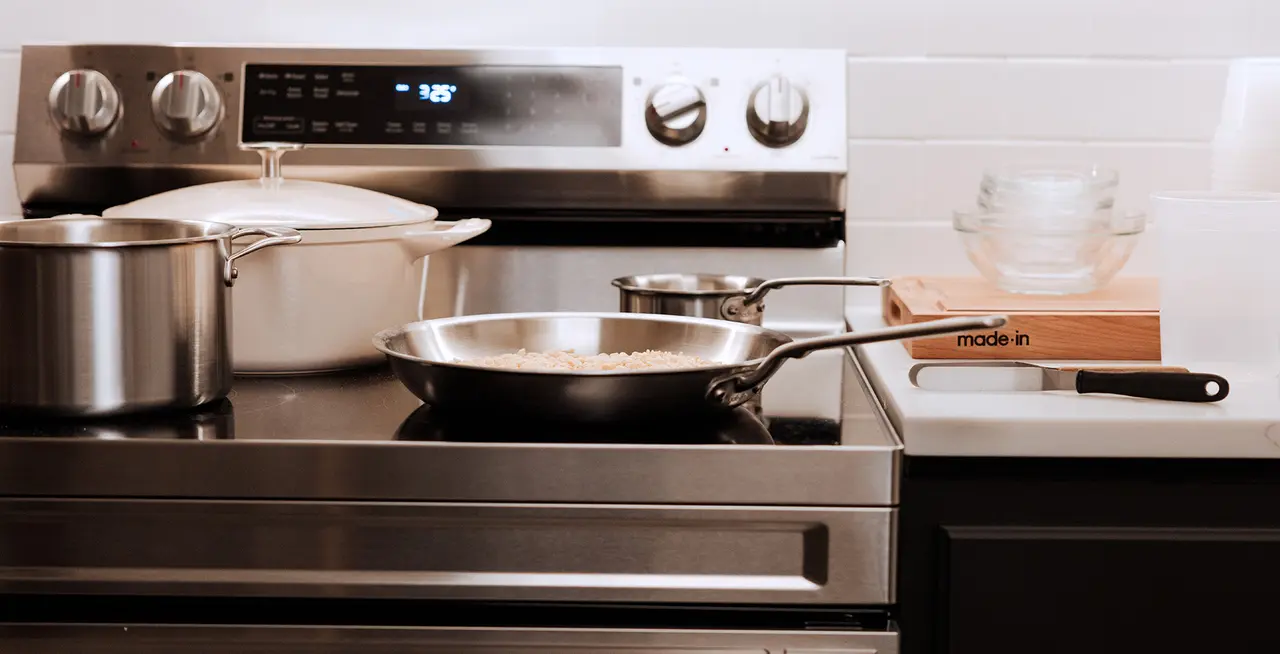
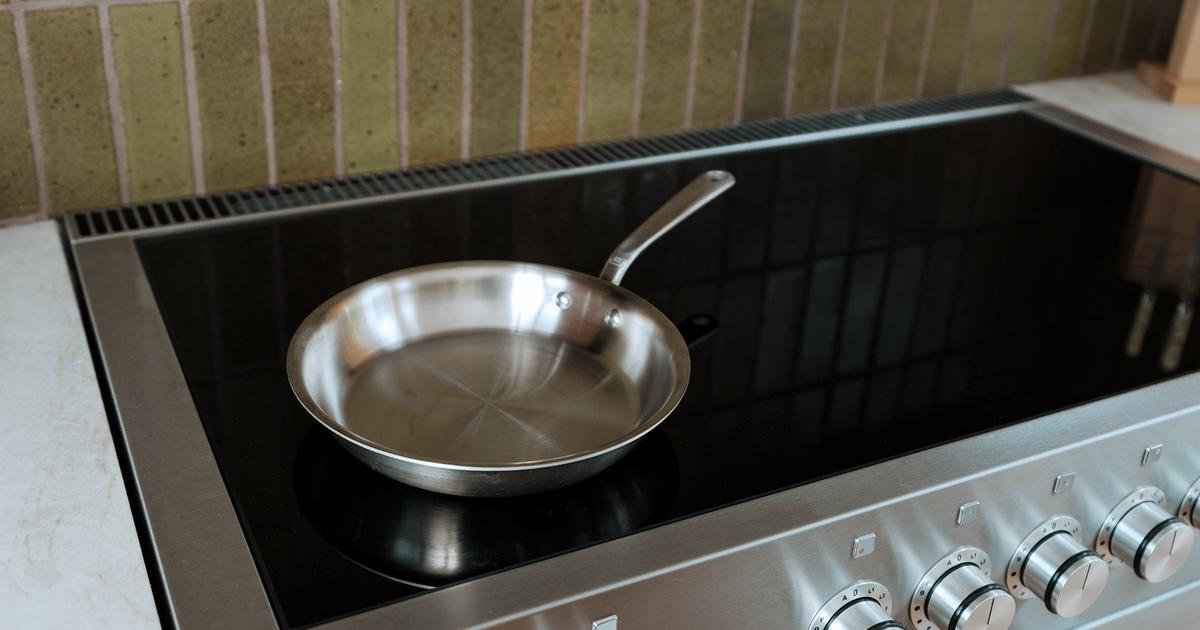
:max_bytes(150000):strip_icc()/faw-product-kitchenaid-hard-anodized-induction-10-piece-nonstick-cookware-set-14-wdickey-267-9b89ff5018cb4aca8cc6fa57ed6fd878.jpeg)
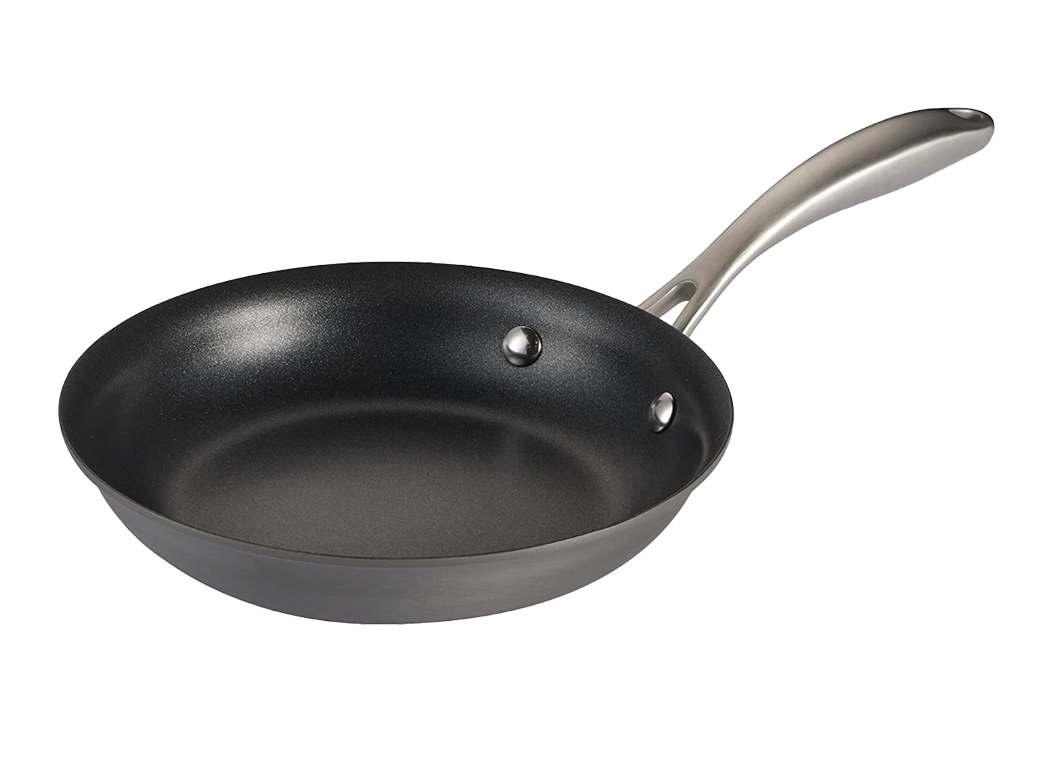
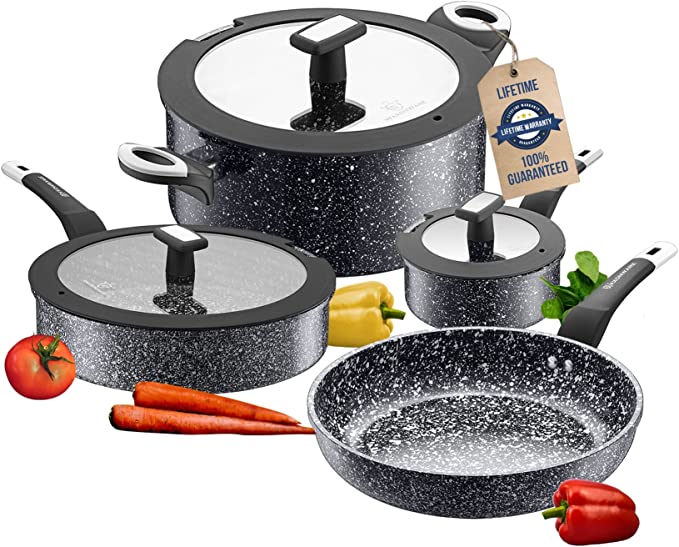

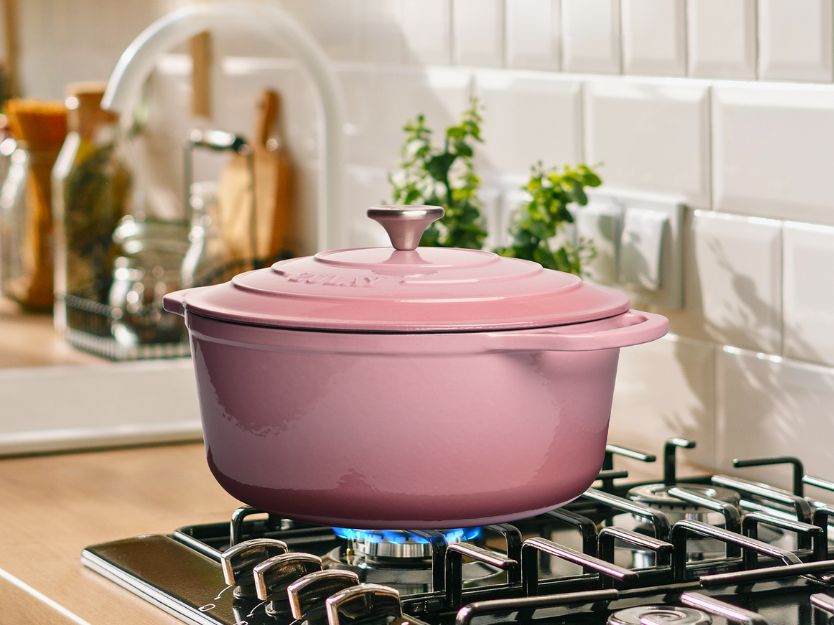
In summary, multi-layer stainless steel or hard-anodized sets provide the most versatile, long-lasting performance across electric stoves, with ceramic non-stick as a strong runner-up for ease and health-conscious cooking. Invest in quality brands with thick, flat bases for the best results and stove longevity.

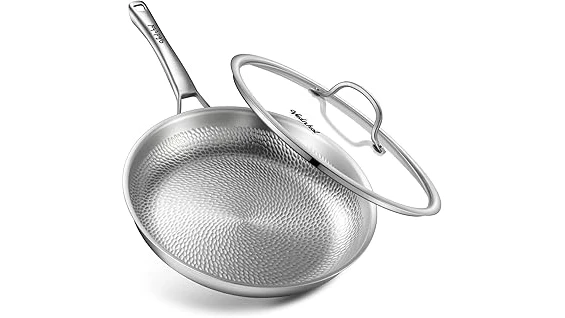
Leave a Reply