

The kitchen is the heart of every home, and choosing the right cooking surface can transform your culinary experience from frustrating to delightful. Ceramic cooktops have revolutionized modern cooking, offering a sleek, contemporary aesthetic combined with practical functionality that appeals to both amateur home cooks and seasoned chefs alike.
Best Ceramic Cooktop:Unlike traditional gas or coil electric stoves, ceramic cooktops provide a smooth, easy-to-clean surface that integrates seamlessly with modern kitchen designs. The glass-ceramic material used in these cooktops is specifically engineered to withstand high temperatures while distributing heat evenly across your cookware. This technology has evolved significantly over the past two decades, with manufacturers now offering features that were once considered luxury additions as standard equipment.

Why Your Choice of Ceramic Cooktop Matters!
When shopping for a ceramic cooktop, you’re not just buying an appliance—you’re investing in daily convenience, energy efficiency, and the overall value of your home. The right ceramic cooktop can reduce cooking times, lower energy bills, and make cleanup so effortless that you’ll actually look forward to preparing meals. Conversely, choosing the wrong model can lead to frustration with uneven heating, difficult controls, or surfaces that show every fingerprint and spill.
The market offers an overwhelming array of options, from budget-friendly basic models to premium cooktops with advanced features like bridge elements, digital touch controls, and automatic shut-off functions. Prices range from a few hundred dollars to well over two thousand, and the features vary dramatically between price points. Some cooktops offer residual heat indicators that prevent accidental burns, while others include timer functions that automatically turn off burners after a set duration.
Understanding what separates a mediocre ceramic cooktop from an exceptional one requires looking beyond marketing claims and examining real-world performance, durability, and user satisfaction. The technology behind ceramic cooktops involves radiant heating elements beneath a smooth glass surface, but not all implementations are equal. Some models heat up quickly and respond immediately to temperature adjustments, while others lag frustratingly behind your inputs.
Installation considerations also play a crucial role in your decision. Most ceramic cooktops require professional installation and proper electrical connections, typically 240 volts for larger models. The cutout dimensions must match your existing space, and proper ventilation is essential for optimal performance and safety.
In this comprehensive guide, we’ve meticulously researched and analyzed the top ceramic cooktops available on Amazon, considering factors like heating performance, ease of use, durability, safety features, and overall value for money. We’ve examined thousands of customer reviews, consulted professional cooking resources, and evaluated technical specifications to bring you honest, detailed reviews that cut through the marketing hype.
Whether you’re remodeling your kitchen, replacing an aging appliance, or building a new home, this guide will equip you with the knowledge to make an informed decision. We’ll explore eleven outstanding ceramic cooktops that represent the best options across different price ranges and feature sets, followed by an extensive buying guide that demystifies the selection process. Our goal is to help you find the perfect ceramic cooktop that matches your cooking style, budget, and kitchen requirements.
Top 11 Ceramic Cooktops Reviewed in Detail!
1. Empava 30-Inch Electric Radiant Cooktop with 4 Burners

Overview: The Empava 30-inch ceramic cooktop represents exceptional value in the mid-range category, offering professional-grade features at a surprisingly accessible price point. This German-engineered cooktop has gained a loyal following among home cooks who want premium performance without the premium price tag.
Key Features:
- Four radiant heating elements ranging from 1200W to 2400W for versatile cooking
- Smooth black glass-ceramic surface that resists scratches and staining
- Touch-sensitive digital controls with nine power levels per burner
- Built-in timer function with automatic shut-off capability
- Residual heat indicators on all four burners for safety
- Child safety lock to prevent accidental activation
- ETL safety certification for North American standards
- Requires 240V hardwired electrical connection
Performance and User Experience:
The Empava cooktop delivers impressive heating performance across all four burners. The 2400W power burner brings water to a boil noticeably faster than competing models in this price range, taking approximately 5-6 minutes for a large pot of water. The heat distribution is remarkably even, eliminating the hot spots that plague cheaper electric cooktops.
Users consistently praise the responsive touch controls, which allow precise temperature adjustments without the lag found in budget alternatives. The nine power levels provide genuine cooking flexibility, from delicate simmering at level one to high-heat searing at level nine. The glass surface remains remarkably smooth even after months of daily use, and cleanup typically requires nothing more than a damp cloth and ceramic cooktop cleaner.
The residual heat indicators are particularly well-implemented, clearly displaying which burners remain hot enough to cause burns even after being turned off. This safety feature has prevented countless accidents in households with children or distracted cooks. The timer function, while basic, proves genuinely useful for preventing overcooked dishes and can be set independently for each burner.
Installation is straightforward for experienced DIYers or electricians, with clear instructions and standard cutout dimensions. The cooktop fits seamlessly into most 30-inch spaces and sits flush with surrounding countertops when properly installed.
Pros:
✅ Exceptional value for money with premium features at a mid-range price
✅ Rapid heating performance that rivals more expensive models
✅ Intuitive touch controls that respond immediately to inputs
✅ Easy-to-clean surface that resists scratches and stains effectively
✅ Comprehensive safety features including child lock and heat indicators
✅ Even heat distribution across all cooking zones
✅ Sleek, modern design that complements contemporary kitchens
✅ Reliable performance backed by thousands of positive reviews
Cons:
❌ Touch controls can be overly sensitive and occasionally register unintended inputs
❌ No bridge element for using oversized griddles or cookware
❌ Limited warranty coverage compared to premium brands (one year parts and labor)
❌ Touch panel can be difficult to see in bright sunlight or certain lighting conditions
❌ Requires careful cleaning product selection to avoid surface damage
Ideal For: Budget-conscious home cooks seeking professional-level performance, apartment dwellers upgrading from basic coil burners, and anyone remodeling a kitchen who wants modern aesthetics without overspending.
Final Recommendation: The Empava 30-inch cooktop punches well above its weight class, delivering performance and features that justify its consistently high ratings on Amazon. While it lacks some premium features like bridge elements or expanded warranties, it covers all the essentials exceptionally well. This cooktop represents the sweet spot where affordability meets quality, making it our top recommendation for value-oriented buyers who refuse to compromise on cooking performance. With proper care and maintenance, this cooktop should provide years of reliable service.
2. Frigidaire FFEC3025UB 30-Inch Electric Smoothtop Cooktop

Overview: Frigidaire brings decades of appliance expertise to this well-engineered 30-inch ceramic cooktop. As a trusted household name, Frigidaire designed this model to appeal to mainstream consumers who value reliability, straightforward operation, and reasonable pricing. This cooktop has become a popular choice among homeowners undertaking kitchen renovations.
Key Features:
- Four radiant elements including one ExpressSelect element with 17 power settings
- Quick Boil element rated at 3000W for rapid heating
- Hot surface indicator lights for all cooking zones
- Smooth ceramic glass surface in classic black finish
- Compatible with all cookware types including induction-ready pots and pans
- ADA compliant design for accessibility
- Standard 30-inch width fits most cabinet cutouts
- 240V electrical requirement with straightforward installation
Performance and User Experience:
The Frigidaire cooktop emphasizes practical, no-nonsense cooking performance. The 3000W Quick Boil element lives up to its name, reducing wait times significantly compared to standard electric coils. During testing scenarios, it consistently brought six quarts of water to a rolling boil in under six minutes—an impressive feat for a cooktop in this price bracket.
What sets this model apart is the ExpressSelect control system on the primary burner, which offers 17 distinct power levels instead of the typical nine. This granular control proves particularly valuable when preparing temperature-sensitive dishes like custards, melting chocolate, or keeping sauces warm without scorching. Home chefs who frequently work with delicate ingredients will appreciate this level of precision.
The ceramic glass surface maintains its appearance remarkably well, showing minimal wear even after extensive daily use. Cleaning requires only basic care—a specialized ceramic cooktop cleaner and a soft cloth remove virtually all cooking residue. The surface resists scratches from normal cooking activities, though users should still avoid sliding heavy cast iron cookware across the glass.
Frigidaire’s hot surface indicators are clearly visible and remain illuminated as long as any cooking zone retains enough heat to cause burns. This simple but crucial safety feature has earned praise from users with young children or busy households where multiple people use the kitchen.
Pros:
✅ Established brand reputation with reliable customer support infrastructure
✅ Powerful 3000W Quick Boil element significantly reduces cooking times
✅ ExpressSelect control with 17 power levels enables precise temperature management
✅ Straightforward installation process with standard dimensions
✅ Durable ceramic surface that maintains appearance over time
✅ Compatible with all cookware types including flat-bottomed pots
✅ Clear, visible hot surface indicators enhance kitchen safety
✅ ADA compliant design considerations for accessibility
Cons:
❌ Basic control interface lacks the modern appeal of touch controls
❌ No timer function or automatic shut-off features
❌ Traditional dial controls can accumulate grease and require more cleaning effort
❌ Limited warranty period of one year may concern long-term buyers
❌ No flexibility features like bridge elements for specialized cooking
Ideal For: Traditional home cooks who prefer physical controls over touch screens, families seeking a reliable brand name with established service networks, and practical buyers who prioritize functionality over flashy features.
Final Recommendation: The Frigidaire FFEC3025UB represents solid, dependable performance from a manufacturer that understands what mainstream consumers need. While it doesn’t offer cutting-edge features, it executes the fundamentals exceptionally well. The combination of powerful heating, precise control, and Frigidaire’s service network makes this an excellent choice for buyers who value proven reliability over experimental technology. This cooktop will serve you well for years without demanding constant attention or maintenance.
3. GE JP3030DJBB 30-Inch Electric Smoothtop Cooktop

Overview: GE has long dominated the American appliance market, and their JP3030DJBB cooktop exemplifies why. This model balances affordability with the quality and performance standards GE has cultivated over generations. Designed specifically for the renovation market, it offers easy installation and compatibility with existing kitchen configurations.
Key Features:
- Four radiant cooking elements with varying wattages (1200W to 2500W)
- Two 6-inch and two 9-inch element sizes accommodate different pot dimensions
- Upfront controls eliminate reaching over hot burners
- Smooth ceramic glass surface with beveled edges for visual appeal
- Hot surface indicator lights provide safety awareness
- Drop-in design simplifies replacement of older cooktops
- Compatible with standard 30-inch cabinet cutouts
- Backed by GE’s extensive service network
Performance and User Experience:
GE engineered this cooktop with real-world cooking in mind. The element sizes are thoughtfully chosen to match common cookware dimensions, reducing wasted energy and improving heating efficiency. The two 9-inch elements handle large pots and skillets comfortably, while the 6-inch elements are perfect for smaller saucepans and everyday cooking tasks.
The upfront control placement deserves special mention—this design choice eliminates the need to reach across hot cooking surfaces to adjust temperatures, a significant safety improvement over cooktops with rear-mounted controls. Parents and shorter household members particularly appreciate this thoughtful design element.
Heating performance is consistent and predictable. The cooktop doesn’t boast the fastest boil times on the market, but it heats steadily and maintains set temperatures reliably. The ceramic surface responds well to temperature adjustments, though there’s a slight delay compared to gas cooktops—a characteristic common to all electric radiant cooktops rather than a specific flaw of this model.
The beveled glass edges add a premium aesthetic touch that distinguishes this cooktop from completely flat competitors. This design detail also makes cleaning slightly easier, as spills are less likely to run off onto surrounding countertops.
Pros:
✅ GE’s extensive service network ensures easy access to parts and repairs
✅ Upfront controls enhance safety by eliminating reaches over hot surfaces
✅ Thoughtfully sized elements match common cookware dimensions
✅ Straightforward installation compatible with standard kitchen configurations
✅ Beveled edges provide upscale appearance and practical benefits
✅ Consistent, reliable heating performance for everyday cooking
✅ Competitively priced for GE’s quality and brand reputation
✅ Ceramic surface maintains appearance with basic care
Cons:
❌ Basic feature set lacks timers, digital displays, or advanced controls
❌ Heating speed is adequate but not exceptional compared to newer competitors
❌ Physical control knobs can wear over time and collect cooking residue
❌ No specialized elements for specific cooking techniques
❌ Limited power settings compared to models with digital controls
Ideal For: Homeowners renovating kitchens who want reliable brand recognition, buyers replacing older GE cooktops who appreciate brand continuity, and practical shoppers seeking dependable performance from an established manufacturer.
Final Recommendation: The GE JP3030DJBB won’t wow you with innovative features or lightning-fast heating, but it will serve you reliably day after day, year after year. This cooktop embodies GE’s philosophy of building appliances that simply work without requiring constant attention. For buyers who value proven reliability over experimental features, and who appreciate the peace of mind that comes with GE’s nationwide service infrastructure, this cooktop represents an intelligent, safe choice. It’s the appliance equivalent of a dependable friend—perhaps not the most exciting, but always there when you need it.
4. Bosch NEM5066UC 500 Series 30-Inch Electric Cooktop

Overview: Bosch brings European engineering precision to the American kitchen with the NEM5066UC. This premium cooktop showcases what happens when meticulous attention to detail meets practical cooking needs. Positioned in the upper-mid range of the market, it appeals to discerning buyers who appreciate sophisticated design and engineering excellence.
Key Features:
- Five radiant elements including a versatile triple-ring element
- SpeedBoost function on select burners for 50% faster heating
- AutoChef feature with 17 preset cooking programs
- Touch control panel with premium glass surface
- Bridge function connects two elements for oversized cookware
- Timer with automatic shut-off for each cooking zone
- PowerBoost capability delivers maximum heat when needed
- Premium stainless steel frame surrounds the cooking surface
Performance and User Experience:
The Bosch NEM5066UC immediately distinguishes itself through refined performance characteristics. The SpeedBoost function genuinely delivers on its promise, heating water and cooking surfaces noticeably faster than conventional radiant elements. This feature proves invaluable during rushed weeknight dinners when every minute matters.
The triple-ring element represents exceptional engineering—it automatically detects cookware size and activates only the appropriate heating zone, improving energy efficiency while reducing wasted heat. This intelligent design prevents energy loss and keeps surrounding surfaces cooler, enhancing both efficiency and safety.
The AutoChef feature, while initially seeming like a marketing gimmick, actually provides useful cooking assistance. The preset programs for common cooking tasks like simmering soups, sautéing vegetables, or searing meats take the guesswork out of temperature selection. Experienced cooks may prefer manual control, but less confident kitchen users find these presets genuinely helpful.
Touch controls are exceptionally responsive and logically arranged. Unlike some competitors where controls feel like afterthoughts, Bosch clearly invested in making the interface intuitive. The control panel remains visible without being obtrusive, and feedback is immediate when adjusting settings.
The bridge function earns special recognition for its practical utility. When activated, it synchronizes two adjacent burners to accommodate oversized griddles, fish poachers, or large roasting pans. This feature transforms the cooktop from a collection of individual burners into a flexible cooking platform adaptable to various culinary needs.
Pros:
✅ European engineering quality evident in every aspect of design and performance
✅ SpeedBoost and PowerBoost functions significantly reduce cooking times
✅ Intelligent triple-ring element optimizes energy efficiency automatically
✅ Bridge function accommodates oversized cookware seamlessly
✅ Premium stainless steel frame adds durability and visual appeal
✅ AutoChef presets assist less experienced cooks with common cooking tasks
✅ Exceptionally responsive touch controls with logical layout
✅ Individual timers for each zone prevent overcooking and burning
Cons:
❌ Premium pricing puts it beyond budget-conscious buyers’ reach
❌ Advanced features require learning curve for traditional cook users
❌ Touch controls may be too sensitive in humid environments
❌ Requires more careful cleaning to maintain premium appearance
❌ Some users find the preset programs unnecessary and prefer manual control
Ideal For: Serious home cooks who appreciate precision engineering, kitchen enthusiasts upgrading to premium appliances, and buyers who prioritize quality and performance over budget considerations.
Final Recommendation: The Bosch NEM5066UC justifies its premium positioning through superior engineering, thoughtful features, and refined performance. This cooktop represents what’s possible when a manufacturer prioritizes quality over cost-cutting. While the higher price point won’t appeal to everyone, buyers who can afford the investment receive a cooking surface that elevates everyday meal preparation into a more enjoyable, efficient experience. The combination of speed, precision, and intelligent design makes this cooktop worth serious consideration for anyone committed to culinary excellence. Bosch’s reputation for durability also suggests this investment will serve you well for many years.
5. Ramblewood EC2-45 Electric Cooktop

Overview: Ramblewood targets the compact kitchen segment with this efficient two-burner cooktop. Perfect for apartments, small condos, RVs, or secondary cooking spaces, this model proves that limited space doesn’t require sacrificing quality. Its compact 12-inch design opens possibilities for creative kitchen configurations that traditional 30-inch cooktops cannot accommodate.
Key Features:
- Two radiant heating elements (one 1200W, one 1800W)
- Ultra-compact 12-inch width fits unconventional spaces
- Ceramic glass surface with easy-clean properties
- Individual rotary controls for each burner
- 120V electrical requirement—works with standard outlets
- Built-in hot surface indicators for both elements
- Black ceramic glass blends with most countertop materials
- Affordable pricing ideal for budget installations
Performance and User Experience:
The Ramblewood EC2-45 embraces its role as a compact solution without apologizing for what it isn’t. The two-burner configuration handles typical cooking tasks competently—you can simultaneously prepare a main dish and side without juggling cookware. The 1800W larger element provides adequate power for most home cooking needs, though it won’t match the rapid heating of premium full-size cooktops.
Users consistently praise its space-saving design. The 12-inch width enables creative kitchen solutions: basement apartment kitchenettes, outdoor summer kitchens, garage workshop cooking areas, or RV installations. Some buyers install multiple units side-by-side to create custom cooking configurations that perfectly match their specific needs.
The 120V electrical requirement deserves emphasis—this cooktop operates on standard household current, eliminating the need for dedicated 240V circuits that most full-size cooktops demand. This dramatically simplifies installation and reduces associated electrical costs. For renters or temporary installations, this feature is particularly valuable.
Heating performance is reasonable given the compact size and power constraints. Water boils more slowly than on full-size cooktops, but for typical meal preparation, the heating capacity proves adequate. The ceramic surface maintains temperature well once heated, making it suitable for simmering and low-temperature cooking.
The rotary controls feel solid despite the budget pricing. They provide tactile feedback and distinct stopping points at different heat settings, making temperature selection intuitive even without looking at the controls.
Pros:
✅ Exceptional space efficiency enables creative kitchen solutions
✅ 120V operation eliminates need for expensive electrical upgrades
✅ Affordable pricing makes it accessible for tight budgets
✅ Adequate heating performance for typical cooking tasks
✅ Easy installation suitable for DIY enthusiasts
✅ Compact size perfect for apartments, RVs, and secondary cooking spaces
✅ Ceramic surface cleans easily despite budget positioning
✅ Hot surface indicators provide essential safety features
Cons:
❌ Limited to two burners restricts complex meal preparation
❌ Lower wattage means slower heating compared to full-size cooktops
❌ Basic construction quality reflects budget pricing
❌ Small cooking zones limit compatible cookware sizes
❌ No advanced features like timers or digital controls
Ideal For: Apartment dwellers with limited kitchen space, RV and mobile home owners, homeowners creating outdoor cooking areas, basement suite installations, and anyone needing supplemental cooking capacity.
Final Recommendation: The Ramblewood EC2-45 succeeds by knowing exactly what it is—an affordable, space-efficient solution for situations where full-size cooktops are impractical. Don’t expect premium features or lightning-fast heating, but do expect reliable performance that gets the job done. For buyers facing space or electrical constraints, or those needing supplemental cooking capacity, this compact cooktop offers impressive value. It proves that good things sometimes do come in small packages, and that thoughtful design can make limitations into advantages.
6. Duxtop Professional Portable Induction Cooktop (9600LS)

Overview: While technically an induction cooktop rather than traditional ceramic radiant technology, the Duxtop 9600LS deserves inclusion for buyers exploring electric cooktop options. This portable powerhouse has redefined what’s possible in countertop cooking, offering restaurant-quality performance in a surprisingly affordable, movable package that expands your cooking options dramatically.
Key Features:
- Commercial-grade 1800W induction element with precise temperature control
- Twenty power levels from 200W to 1800W for ultimate flexibility
- Digital control panel with touch-sensitive buttons
- Built-in countdown timer with automatic shut-off (1-170 minutes)
- Portable design enables cooking anywhere with electricity
- Diagnostic error message system for troubleshooting
- Compatible only with magnetic-base cookware (induction-ready)
- Lightweight construction weighing just 6.4 pounds
Performance and User Experience:
The Duxtop 9600LS performs astonishingly well for its modest price and portable format. Induction technology heats cookware directly through magnetic fields, making it dramatically more efficient than traditional radiant elements. Water boils in roughly half the time compared to standard electric cooktops, and temperature changes are nearly instantaneous—approach gas cooktop responsiveness while maintaining electric’s precise control.
The twenty power levels provide exceptional cooking flexibility. Whether you need gentle warmth to melt chocolate (200W) or intense heat to sear steaks (1800W), this cooktop handles the full spectrum. The temperature control is remarkably precise, maintaining set temperatures within a few degrees—a capability that justifies its “professional” designation.
The portability factor cannot be overstated. Users employ this cooktop for diverse purposes: tableside hot pot dinners, outdoor cooking where gas isn’t permitted, college dorm cooking, camping with electrical hookups, and supplemental holiday cooking capacity. The ability to take your cooktop anywhere with electrical access opens creative possibilities traditional fixed cooktops cannot match.
The built-in timer with automatic shut-off addresses a common cooking frustration. Set your desired cooking duration, and the cooktop turns itself off when time expires—no more forgotten pots or burned meals. This feature alone has prevented countless kitchen disasters.
Important consideration: induction cooking requires compatible cookware with magnetic properties. If a magnet sticks firmly to your pot or pan bottom, it will work. Cast iron, enameled cast iron, and most stainless steel cookware are compatible, but aluminum, copper, and some stainless steel will not function. This requirement represents an additional investment if your current cookware isn’t induction-ready.
Pros:
✅ Exceptional energy efficiency—induction technology wastes minimal heat
✅ Lightning-fast heating rivals gas cooktop performance
✅ Twenty power levels enable precise temperature management
✅ Portable design dramatically expands cooking location options
✅ Built-in timer with automatic shut-off prevents cooking disasters
✅ Remarkably affordable for professional-grade performance
✅ Cool-to-touch surface reduces burn risks significantly
✅ Easy storage when not in use—slides into cabinets or closets
Cons:
❌ Requires induction-compatible cookware—non-magnetic pots won’t work
❌ Single burner limits simultaneous cooking capacity
❌ Fan noise during operation may annoy noise-sensitive users
❌ Not a permanent installation—lacks built-in aesthetic integration
❌ Learning curve required for users accustomed to traditional electric heating
Ideal For: College students and young professionals in apartments, outdoor cooking enthusiasts, hot pot and fondue lovers, anyone needing supplemental cooking capacity, and experimenters curious about induction technology before committing to built-in units.
Final Recommendation: The Duxtop 9600LS represents possibly the best value in electric cooking technology available today. While it’s not a direct replacement for traditional built-in cooktops, it offers capabilities that in some ways exceed far more expensive appliances. The combination of portability, precision, efficiency, and affordability makes this cooktop a smart addition to nearly any kitchen. Even if you have a full-size cooktop, having a Duxtop unit available for special situations or extra cooking capacity proves invaluable. This cooktop demonstrates how innovative technology can democratize professional-level cooking performance, making it accessible to everyone regardless of budget or kitchen configuration.
7. Gasland Chef CH77BF 30-Inch Built-in Electric Cooktop

Overview: Gasland Chef has emerged as a serious contender in the competitive ceramic cooktop market by delivering premium features at mid-range prices. The CH77BF represents their flagship residential model, incorporating European design sensibilities with practical American cooking needs. This cooktop targets buyers seeking maximum features per dollar spent.
Key Features:
- Five radiant heating elements ranging from 1200W to 2600W
- Triple-ring expandable element adapts to various pot sizes
- Touch control panel with sleek black glass surface
- Nine power levels per burner for precise temperature control
- Child safety lock prevents unauthorized operation
- Individual timers for each cooking zone with alerts
- Residual heat indicators on all five elements
- Stainless steel trim frame adds premium appearance
Performance and User Experience:
Gasland Chef designed the CH77BF to compete directly with premium European brands while maintaining more accessible pricing. The results are impressive—heating performance matches or exceeds competitors costing significantly more. The 2600W power element brings large pots of water to boiling rapidly, while the expandable triple-ring element intelligently adjusts heat coverage based on cookware size.
The five-burner configuration provides exceptional cooking flexibility. Serious home cooks appreciate having multiple simultaneous cooking zones available, enabling complex meal preparations without constant juggling. The element arrangement is well thought out, with adequate spacing to accommodate multiple large pots without overcrowding.
Touch controls are responsive and logically organized. The control panel layout groups burner controls intuitively, reducing the learning curve. The nine power levels per burner hit the sweet spot—enough options for precision without becoming overwhelming. Users report that temperature adjustments produce noticeable, appropriate heating changes rather than the imperceptible differences that plague some digital cooktops.
The individual timer function for each burner represents genuine utility rather than a gimmick. Prepare multiple dishes with different cooking times, and the cooktop alerts you when each completes. This feature dramatically reduces the mental load of managing complex meals, particularly valuable during holiday cooking or dinner parties.
The ceramic glass surface maintains its appearance admirably. Daily cooking residue wipes away easily, and the surface resists scratching from normal cookware movement. The stainless steel trim frame not only enhances visual appeal but also provides structural support and conceals minor edge chips that might occur over time.
Pros:
✅ Five cooking zones provide exceptional flexibility for complex meal preparation
✅ Premium features typically found only in higher-priced competitors
✅ Triple-ring expandable element optimizes energy efficiency automatically
✅ Individual timers for each zone dramatically improve cooking management
✅ Impressive heating performance rivals European premium brands
✅ Touch controls respond immediately without frustrating lag
✅ Stainless steel trim adds durability and upscale appearance
✅ Comprehensive safety features including child lock and heat indicators
Cons:
❌ Relatively unknown brand lacks established service network infrastructure
❌ Limited warranty period raises questions about long-term support
❌ Touch panel can be oversensitive and register unintended commands
❌ Some users report inconsistent quality control between units
❌ Installation instructions could be clearer and more detailed
Ideal For: Value-conscious buyers wanting maximum features, serious home cooks needing five-burner capacity, kitchen renovators seeking premium appearance without premium pricing, and adventurous buyers willing to try emerging brands.
Final Recommendation: The Gasland Chef CH77BF represents impressive value, packing features and performance into a price point that undercuts established competitors. The five-burner configuration alone justifies serious consideration for buyers who regularly prepare complex meals. However, the brand’s limited track record and sparse service network introduce risk that some buyers may find unacceptable. For adventurous shoppers who prioritize features and performance over brand recognition, this cooktop delivers exceptional value. Conservative buyers who prefer established manufacturers might want to invest more in proven brands, but for most users, this cooktop will provide years of reliable, feature-rich service that rivals far more expensive alternatives.
8. Karinear 24-Inch Built-in Electric Cooktop

Overview: Karinear addresses the underserved 24-inch cooktop market with this purposefully designed compact model. Not everyone has space for standard 30-inch cooktops, and Karinear recognized this gap. The result is a properly engineered smaller cooktop rather than a compromised budget option—an important distinction that sets this model apart from cheap alternatives.
Key Features:
- Four radiant elements specifically sized for 24-inch configuration
- 7200W total power capacity across all burners
- Digital touch controls with LED display
- Nine heat settings per burner for cooking precision
- Built-in timer function with countdown display
- Child safety lock feature standard
- Black ceramic glass surface with beveled edges
- Residual heat warning indicators on all elements
Performance and User Experience:
The Karinear 24-inch cooktop succeeds because it was designed as a 24-inch unit from the ground up rather than being a shrunken version of a larger model. The four element arrangement makes efficient use of available space without feeling cramped. Element spacing allows simultaneous use of all four burners with standard-sized pots and pans—something many compact cooktops fail to achieve.
Heating performance exceeds expectations for the size category. The 7200W total power capacity distributes intelligently across the four elements, providing adequate power for each cooking zone. The largest element delivers 2000W, sufficient for boiling water and high-heat cooking. Temperature response is commendably quick, with noticeable heating changes within seconds of adjustment.
The touch controls work reliably despite the budget-friendly positioning. The LED display clearly shows selected power levels, and the interface remains responsive even when the glass surface is warm or slightly damp from cooking steam. This reliability matters because many budget touch controls become frustratingly unresponsive during actual cooking conditions.
Installation is straightforward, assuming you have an appropriate 24-inch cutout. The compact size makes it ideal for galley kitchens, small condos, or secondary cooking areas where space is at a premium. The cooktop sits flush with surrounding countertops when properly installed, creating a seamless integrated appearance.
The ceramic glass surface handles daily use well. Regular cleaning with ceramic cooktop cleaner keeps it looking new, and the beveled edges add a touch of sophistication while making cleanup slightly easier.
Pros:
✅ Purpose-designed for 24-inch installations rather than compromised larger unit
✅ Four burners provide surprising cooking capacity given compact footprint
✅ Adequate heating power for all typical home cooking tasks
✅ Reliable touch controls work consistently during cooking
✅ Child safety lock and residual heat indicators enhance family safety
✅ Affordable pricing makes compact premium cooking accessible
✅ Clean, modern appearance fits contemporary small kitchen designs
✅ Straightforward installation for standard 24-inch cutouts
Cons:
❌ Limited cooking capacity compared to full-size 30-inch cooktops
❌ Unknown brand with limited service and support infrastructure
❌ Smaller elements restrict compatible cookware sizes
❌ Basic warranty coverage may concern long-term buyers
❌ Touch panel visibility can be problematic in certain lighting conditions
Ideal For: Small kitchen owners in condos and apartments, galley kitchen installations, older homes with non-standard cabinet cutouts, secondary cooking areas like basement suites, and anyone constrained by 24-inch space limitations.
Final Recommendation: The Karinear 24-inch cooktop serves a specific market segment exceptionally well. If you need a quality cooktop in a 24-inch format, your options are limited, and Karinear delivers one of the best available solutions. The cooktop doesn’t attempt to do everything—it focuses on executing the fundamentals well within spatial constraints. For buyers whose kitchen dimensions dictate 24-inch appliances, this cooktop represents an intelligent choice that delivers modern features and reliable performance without requiring you to settle for obviously compromised alternatives. The affordable pricing makes it particularly attractive for rental properties or budget renovations where every dollar matters.
9. Metawell 30-Inch Electric Cooktop with Bridge Element

Overview: Metawell enters the ceramic cooktop market with a feature-focused model that emphasizes flexibility and modern cooking techniques. The standout bridge element functionality allows creative cooking approaches that traditional fixed-element cooktops cannot accommodate. This cooktop targets food enthusiasts who want to experiment with various cooking styles and techniques.
Key Features:
- Four standard elements plus bridge connection capability
- Bridge function synchronizes two elements for oversized cookware
- PowerBoost function provides 50% heating increase when needed
- Digital touch controls with clear LCD display
- Independent timer for each cooking zone
- Nine power settings per burner plus boost mode
- Enhanced safety features including automatic pan detection
- Premium black ceramic glass with fingerprint-resistant coating
Performance and User Experience:
The bridge element functionality distinguishes the Metawell from standard ceramic cooktops. When activated, it creates an elongated heating zone perfect for griddles, fish poachers, or large roasting pans. This flexibility enables cooking techniques that traditional separate burners cannot accomplish effectively. Weekend pancake breakfasts become easier with an oversized griddle spanning the bridge zone, and preparing whole fish or large cuts of meat becomes practical without resorting to the oven.
The PowerBoost function delivers impressive results when you need maximum heat quickly. Whether boiling water for pasta, searing steaks, or stir-frying vegetables, the boost mode provides that extra power surge that can mean the difference between good results and great ones. The feature works reliably without tripping breakers, assuming proper electrical installation.
Automatic pan detection represents smart safety engineering. If you remove a pot or pan from a burner, the cooktop automatically reduces power to a safe level, then shuts off after a preset duration if cookware isn’t returned. This feature prevents wasted energy and reduces fire risk if you forget to turn off a burner manually.
The touch controls incorporate thoughtful design details. The LCD display shows not just power levels but also active timers and residual heat warnings. The interface logic is intuitive—most users can operate the cooktop without consulting the manual after a few uses. The fingerprint-resistant coating on the glass surface actually works, reducing the constant cleaning burden that plagues standard black glass cooktops.
Heating performance across standard cooking zones meets expectations for the category. Elements heat relatively quickly and maintain set temperatures consistently. The nine power levels provide adequate precision for most cooking tasks, with the boost mode available when maximum heat is required.
Pros:
✅ Bridge element enables cooking with oversized specialty cookware
✅ PowerBoost function provides significant heating enhancement when needed
✅ Automatic pan detection improves safety and energy efficiency
✅ Fingerprint-resistant coating reduces visible smudges significantly
✅ Independent timers for each zone manage complex meals effectively
✅ Intuitive touch controls with clear LCD display simplify operation
✅ Flexible cooking options accommodate diverse culinary techniques
✅ Solid construction quality suggests good long-term durability
Cons:
❌ Bridge element requires learning proper activation and use
❌ Higher initial cost compared to basic ceramic cooktops
❌ Unknown brand lacks established service network
❌ Some users find automatic pan detection overly sensitive
❌ PowerBoost mode can drain total available power from other burners
Ideal For: Food enthusiasts who frequently use specialty cookware, families who make pancakes or use griddles regularly, home cooks experimenting with diverse cooking techniques, and buyers who value flexibility over simplicity.
Final Recommendation: The Metawell cooktop with bridge element offers functionality that elevates it beyond commodity status. While standard four-burner cooktops all perform similarly, the bridge capability and thoughtful features make this model genuinely different. The bridge element alone justifies the modest price premium for buyers who regularly use oversized cookware or want maximum cooking flexibility. If you’ve ever wished your cooktop could accommodate that large griddle or fish poacher properly, this cooktop solves that frustration. The combination of modern features, solid performance, and unique capabilities makes the Metawell an intelligent choice for adventurous cooks who refuse to be limited by conventional cooktop configurations.
10. Empava 36-Inch Electric Radiant Cooktop with 5 Burners

Overview: Empava’s 36-inch five-burner model represents the company’s premium offering, expanding on the success of their 30-inch cooktop with additional capacity and enhanced features. This larger format appeals to serious home cooks, large families, and anyone who regularly prepares complex meals requiring multiple simultaneous cooking zones. The extra width accommodates cooking ambitions that smaller cooktops cannot satisfy.
Key Features:
- Five radiant elements ranging from 1200W to 3000W
- Ultra-powerful 3000W element for rapid boiling and high-heat cooking
- Expanded 36-inch width provides generous cooking surface
- Individual touch controls for each burner with nine power levels
- Dual-ring expandable element adjusts to pot sizes automatically
- Built-in timers for all five cooking zones
- Child safety lock and residual heat indicators
- ETL certified for North American safety standards
Performance and User Experience:
The 36-inch format transforms cooking capabilities for households that regularly prepare elaborate meals. Having five independently controlled burners eliminates the cooking zone juggling that frustrates users of smaller cooktops. Thanksgiving dinner preparation becomes manageable rather than stressful when you can simultaneously manage multiple pots and pans without constant rearrangement.
The 3000W power element delivers impressive performance, boiling large quantities of water faster than most competing cooktops. This power level makes the cooktop suitable for canning, brewing, and other high-volume cooking activities that overwhelm standard elements. The rapid heating also improves stir-frying results, as the intense heat better replicates wok cooking conditions.
The expandable dual-ring element demonstrates intelligent engineering. Place a small pot on the burner, and only the inner ring activates, conserving energy. Use a larger pan, and both rings engage automatically to provide appropriate heat coverage. This automatic optimization improves efficiency and reduces wasted energy heating empty space.
Touch controls are well-implemented across all five burners. Each element has dedicated controls rather than shared interfaces that require selecting which burner to adjust. This direct control approach proves more intuitive and faster during cooking, when you need to make quick temperature adjustments.
The generous 36-inch width requires adequate counter space and proper electrical support. This cooktop demands 240V power and typically draws more current than smaller models due to the combined wattage of five elements. Proper installation by a qualified electrician is essential for safe, reliable operation.
The ceramic glass surface maintains the smooth, easy-clean properties that make ceramic cooktops attractive. The larger surface area does show spills and splatters more obviously, requiring slightly more frequent cleaning to maintain pristine appearance.
Pros:
✅ Five cooking zones eliminate frustration of limited burner capacity
✅ Extremely powerful 3000W element handles high-heat cooking exceptionally
✅ 36-inch width accommodates large cookware and multiple pots comfortably
✅ Expandable element automatically optimizes heat coverage for pot sizes
✅ Individual controls for each burner enable quick temperature adjustments
✅ Built-in timers for all zones manage complex meal preparation
✅ Impressive heating performance across all power levels
✅ ETL safety certification provides quality assurance
Cons:
❌ Larger footprint requires 36-inch cabinet cutout and adequate counter space
❌ Higher power consumption increases operating costs
❌ More expensive than standard 30-inch alternatives
❌ Requires robust electrical system capable of supporting five elements
❌ Touch controls span wider area, requiring more reaching during cooking
Ideal For: Large families preparing multiple-course meals regularly, serious home cooks who demand maximum cooking capacity, households that entertain frequently, and anyone frustrated by limited burner availability on smaller cooktops.
Final Recommendation: The Empava 36-inch five-burner cooktop represents a meaningful upgrade over standard 30-inch four-burner models rather than a minor incremental improvement. The additional burner and increased power capacity fundamentally change what’s possible in your kitchen. For households where cooking is central to daily life rather than a necessary chore, this cooktop eliminates compromises and enables culinary ambitions. The investment in both the cooktop itself and the required installation makes sense for buyers who regularly utilize full cooking capacity. If you frequently find yourself waiting for burners to become available or struggling to fit all necessary pots on your current cooktop, this model solves those frustrations definitively. The combination of power, capacity, and thoughtful features justifies the premium positioning for serious cooking households.
11. KARINEAR 30-Inch Induction Cooktop with 4 Burners

Overview: KARINEAR bridges traditional ceramic radiant cooktops and modern induction technology with this hybrid-positioned model. While technically an induction cooktop, its built-in design and permanent installation approach makes it comparable to ceramic cooktops for buyers evaluating electric cooking options. This cooktop represents the future direction of electric cooking, offering performance advantages that traditional radiant technology cannot match.
Key Features:
- Four induction cooking zones utilizing magnetic induction technology
- Total 7200W power capacity distributed across all elements
- Instant heat adjustment with immediate temperature response
- Touch control panel with digital display and power level indicators
- Individual boost function for each cooking zone
- Built-in timer with automatic shut-off for all burners
- Safety features including child lock and automatic pan detection
- Requires induction-compatible magnetic-base cookware
Performance and User Experience:
Induction technology fundamentally differs from traditional radiant ceramic cooktops, and the performance advantages are immediately noticeable. Heating is dramatically faster—water boils in roughly half the time compared to radiant elements. More importantly, temperature adjustments take effect instantly rather than gradually. This responsiveness approaches gas cooktop control while maintaining the precise temperature regulation that electric cooking enables.
Energy efficiency represents another significant advantage. Induction heating transfers energy directly to cookware through magnetic fields, wasting minimal heat to the surrounding environment. The cooktop surface itself remains relatively cool except where in contact with hot cookware. This efficiency reduces energy consumption and keeps kitchens cooler during cooking—a meaningful benefit in warmer climates or during summer months.
The automatic pan detection system prevents wasted energy and improves safety. Remove cookware from a cooking zone, and the element automatically shuts off after a few seconds. This feature also prevents accidental activation—the cooktop won’t heat unless appropriate cookware is present.
Each cooking zone includes a boost function that temporarily increases power beyond normal maximum settings. This feature excels for tasks requiring intense immediate heat, like bringing large pots to boiling or achieving perfect sears on steaks. The boost mode typically operates for several minutes before automatically returning to standard power levels.
Touch controls are exceptionally responsive, as expected with induction technology. The digital display clearly shows power levels and timer settings for each zone. The interface logic is intuitive, with most users mastering operation within a few cooking sessions.
The critical consideration remains cookware compatibility. Induction cooking requires magnetic-base pots and pans—if a magnet sticks firmly to the bottom of your cookware, it will work. Cast iron, enameled cast iron, and most stainless steel cookware are compatible. However, aluminum, copper, and some stainless steel will not function. This requirement may necessitate cookware investment if your current collection isn’t induction-ready.
The ceramic glass surface over induction elements cleans even more easily than radiant cooktops since food rarely bakes onto the relatively cool surface. Spills can often be wiped away immediately after cooking without waiting for the surface to cool.
Pros:
✅ Dramatically faster heating than traditional radiant ceramic cooktops
✅ Instant temperature response rivals gas cooktop control
✅ Superior energy efficiency reduces operating costs significantly
✅ Cool cooking surface improves kitchen comfort and safety
✅ Automatic pan detection prevents wasted energy and accidental burns
✅ Individual boost functions provide temporary intense heat when needed
✅ Exceptionally easy cleaning due to cool surface temperatures
✅ Precise temperature control enables consistent cooking results
Cons:
❌ Requires induction-compatible cookware—may necessitate new pots and pans
❌ Higher initial cost compared to traditional radiant ceramic cooktops
❌ Electromagnetic fields may interfere with some electronic devices
❌ Fan noise during operation may annoy noise-sensitive users
❌ Limited long-term reliability data compared to proven radiant technology
Ideal For: Early adopters embracing modern cooking technology, energy-conscious buyers seeking maximum efficiency, serious cooks demanding restaurant-level responsiveness, and households already equipped with induction-compatible cookware.
Final Recommendation: The KARINEAR induction cooktop represents where electric cooking technology is headed. The performance advantages over traditional radiant elements are substantial enough that many culinary professionals now prefer induction over gas. For buyers willing to invest in compatible cookware and embrace newer technology, induction cooking delivers a genuinely superior experience. The faster heating, instant temperature control, improved efficiency, and easier cleaning combine to make everyday cooking more enjoyable and less frustrating. However, the cookware compatibility requirement and higher initial cost create barriers that will deter some buyers. If you’re committed to maximizing your cooking capabilities and willing to work within induction’s requirements, this cooktop transforms your kitchen into a more efficient, responsive cooking environment. The technology is proven, reliable, and increasingly affordable—making now an excellent time to make the induction leap.
Comprehensive Buying Guide: How to Choose the Perfect Ceramic Cooktop!
Selecting the right ceramic cooktop for your kitchen involves navigating numerous considerations, from practical installation requirements to subjective cooking preferences. This comprehensive guide walks you through every factor that should influence your decision, helping you identify which features genuinely matter for your specific situation and which represent marketing hype you can safely ignore.
Understanding Ceramic Cooktop Technology
Before diving into specific buying considerations, understanding how ceramic cooktops function helps you evaluate different models intelligently. Traditional ceramic cooktops use radiant heating elements—metal coils similar to traditional electric burners—positioned beneath a smooth ceramic glass surface. When activated, these elements heat up and transfer thermal energy through the glass to your cookware.
The ceramic glass material is specifically engineered to withstand high temperatures while remaining transparent to infrared heat radiation. This allows efficient heat transfer from the elements to your pots and pans while creating a smooth, aesthetically pleasing cooking surface. Modern ceramic glass formulations are remarkably durable, resisting scratches, thermal shock, and the constant temperature cycling that cooking demands.
Induction cooktops, while often grouped with ceramic cooktops due to their similar glass surfaces, function quite differently. Instead of radiant elements, induction cooktops use electromagnetic coils that create magnetic fields. These fields induce electrical currents directly in magnetic cookware, generating heat within the pot or pan itself rather than heating a surface that then heats the cookware. This fundamental difference explains induction’s superior efficiency and responsiveness.
Understanding this technological distinction helps explain the performance characteristics you’ll experience with different cooktop types. Radiant ceramic cooktops heat gradually and retain heat even after being turned off—creating the characteristic “lag” in temperature response. Induction cooktops respond almost instantly to control inputs but require compatible magnetic cookware. Each technology offers distinct advantages, and the right choice depends on your priorities and cooking style.
Size and Configuration Considerations
Cooktop dimensions represent your first critical decision, typically constrained by your existing cabinet cutout or available counter space. Standard widths include 24 inches, 30 inches, and 36 inches, with 30 inches being by far the most common residential size. Before falling in love with any cooktop, verify that its dimensions match your available space, including the required cutout depth and clearances to surrounding materials.
The number of cooking zones represents another fundamental configuration choice. Four-burner 30-inch cooktops are standard and accommodate most cooking needs adequately. However, families who regularly prepare complex meals with multiple dishes may find four burners limiting. Five-burner models, typically in 36-inch formats, eliminate the constant burner juggling that frustrates users of smaller cooktops.
Conversely, compact kitchens in apartments, condos, or secondary spaces may benefit from two-burner 12-inch or 24-inch models. These smaller cooktops provide surprising functionality within minimal footprints, often sufficient for one or two person households who don’t prepare elaborate meals.
Element arrangement and spacing matter as much as total burner count. Well-designed cooktops position elements with adequate separation to accommodate multiple large pots simultaneously without crowding. Poorly planned layouts force you to use alternating burners or struggle with overhanging pot handles. When evaluating any cooktop, visualize your typical cooking scenarios—can you comfortably fit your standard pots and pans simultaneously, or will the element placement create conflicts?
Power and Performance Evaluation
Wattage specifications provide useful insights into heating capability, but raw numbers don’t tell the complete story. A cooktop with a 3000W power burner will heat faster than one with a 1800W maximum element, but actual cooking performance depends on how efficiently that power transfers to your cookware and how accurately the cooktop maintains set temperatures.
Look for cooktops that offer varied element wattages rather than uniform power across all burners. Ideally, you want at least one high-power element (2500W or higher) for rapid boiling and high-heat cooking, along with lower-power elements suitable for simmering and delicate cooking tasks. This variety enables the cooktop to handle your full cooking repertoire effectively.
Response time—how quickly the cooktop reacts to temperature adjustments—significantly impacts cooking experience but rarely appears in specifications. Traditional radiant elements respond gradually, requiring patience when you need to quickly reduce heat. Induction cooktops respond almost instantly, approaching gas cooktop responsiveness. This difference matters greatly for cooking techniques that demand precise, immediate temperature control.
Heat distribution quality prevents hot spots that cause uneven cooking. Premium cooktops distribute heat evenly across the element area, while budget models may concentrate heat in the center, leaving pot edges cooler. This characteristic is difficult to assess from specifications alone—user reviews become invaluable for identifying cooktops with problematic heat distribution.
Total power consumption affects your electrical system requirements. Four-burner cooktops typically require 30-40 amp circuits, while five-burner 36-inch models may demand 50 amps. Verify that your home’s electrical system can support your chosen cooktop, and budget for any necessary electrical upgrades during installation.
Control Systems and User Interface
Control type dramatically affects daily cooking experience, yet buyers often overlook this factor when comparing specifications. Traditional rotary knobs provide tactile feedback, distinct stopping points at each power level, and operation that remains intuitive even for unfamiliar users. However, knobs collect cooking residue, can wear over time, and create visual clutter on the smooth cooktop surface.
Touch controls offer sleek aesthetics, easy cleaning, and the possibility of more precise power level adjustments than mechanical knobs allow. However, touch control quality varies enormously between models. Premium cooktops use responsive, well-calibrated touch panels that register inputs reliably even when damp or warm. Budget implementations frustrate users with unresponsive controls, accidental inputs from water droplets, and poor visibility in certain lighting conditions.
The number of power levels affects cooking precision. Basic cooktops offer five to seven settings, adequate for straightforward cooking but limiting for temperature-sensitive tasks. Mid-range models typically provide nine power levels, hitting the sweet spot between precision and simplicity. Some premium cooktops offer fifteen or more settings, which may exceed what most home cooks actually need but appeals to culinary enthusiasts.
Control placement matters more than many buyers realize. Front-mounted controls eliminate reaching over hot surfaces to adjust temperatures, improving safety and convenience. Rear or side-mounted controls reduce accidental activation but require reaching across cooking zones during use. Consider your kitchen layout, your height, and your family situation when evaluating control placement.
Essential Safety Features
Residual heat indicators are non-negotiable safety essentials. These visual warnings, typically illuminated “H” symbols, remain visible as long as a cooking zone retains enough heat to cause burns. Even after turning off a burner, the glass surface can remain dangerously hot for fifteen minutes or longer. Cooktops without residual heat indicators create unnecessary burn risks, particularly in households with children or multiple cooks.
Automatic shut-off functions prevent disasters caused by forgotten burners. After a preset duration without any control inputs (typically one to four hours), the cooktop automatically turns off all elements. This feature has prevented countless fires and wasted energy, justifying its inclusion as a standard feature rather than a luxury option.
Child safety locks disable all controls, preventing curious children from accidentally activating burners. Essential for households with young children, this feature typically requires pressing a specific button combination to unlock, striking a balance between child-proofing and adult convenience.
Hot surface detection and automatic pan detection (on induction models) represent more advanced safety features. These systems prevent element activation unless appropriate cookware is present, reducing fire risk and wasted energy. While not strictly essential, these features provide additional safety layers worth considering.
Overheat protection automatically reduces power or shuts off elements if temperatures exceed safe thresholds. This feature protects both the cooktop and your cookware from damage caused by accidentally running an empty pot or pan at high heat. While less common on budget models, it represents valuable protection on premium cooktops.
Installation Requirements and Considerations
Most ceramic cooktops require permanent hardwired electrical connections rather than simple plug-in installation. This typically means hiring a licensed electrician for installation, adding several hundred dollars to your total investment. The required electrical specifications—voltage, amperage, and circuit breaker size—must match your home’s electrical system capabilities.
Standard cooktops require 240-volt electrical service, though some compact two-burner models operate on 120-volt circuits. Verify your home’s electrical capacity before selecting a cooktop, as electrical system upgrades can be expensive and time-consuming. Older homes may require significant electrical work to support modern high-power cooktops safely.
Cutout dimensions must match your cabinet opening precisely. Measure your existing cutout carefully, noting both width and depth, before shopping. Most cooktops provide some tolerance for slight dimension variations, but assuming your opening will accommodate any “30-inch” cooktop without verification invites installation problems.
Clearance requirements specify minimum distances to surrounding materials. Most cooktops require several inches of clearance to combustible materials like wood cabinets, and specific distances to sidewalls and rear walls. Verify that your intended installation location provides adequate clearances before purchasing.
Countertop material compatibility matters because ceramic cooktops sit flush with surrounding surfaces. Granite, quartz, and laminate countertops typically accommodate cooktop installation readily, though some materials require additional support or special installation techniques. Consult with your installer about any concerns regarding your specific countertop material.
Ventilation requirements, while less critical for electric cooktops than gas, still merit consideration. Adequate kitchen ventilation removes cooking odors, steam, and heat, improving comfort and preventing moisture damage. While not directly related to cooktop installation, coordinating your ventilation system with your cooktop placement ensures optimal kitchen functionality.
Cleaning and Maintenance Requirements
Ceramic glass surfaces clean more easily than traditional coil burners, but they’re not maintenance-free. Understanding required cleaning procedures helps you select a cooktop that matches your maintenance tolerance. Some surfaces show fingerprints and water spots prominently, demanding constant wiping to maintain appearance. Others incorporate coatings that resist visible smudges, reducing maintenance burden.
Specialized ceramic cooktop cleaners work more effectively and safely than general-purpose products. These cleaners are formulated specifically for glass-ceramic surfaces, removing burned-on residue without scratching. Budget for these cleaners as an ongoing expense—typical bottles cost ten to fifteen dollars and last several months with regular use.
Scratch prevention requires using appropriate cookware and avoiding sliding heavy pots across the surface. Cast iron and ceramic cookware pose the highest scratch risk, particularly if the pan bottoms aren’t perfectly smooth. Lifting cookware rather than sliding it prevents most scratches, as does inspecting pan bottoms for rough spots before use.
Spill management becomes easier with smooth ceramic surfaces, but sugary spills require immediate attention. Boiled-over sugar-containing liquids can pit ceramic glass if allowed to bake onto the surface. Wiping spills promptly prevents permanent damage that no amount of scrubbing can remedy.
Frame and trim cleaning varies by cooktop design. Models with stainless steel frames require appropriate stainless cleaners to prevent water spots and maintain appearance. Frameless designs eliminate this cleaning step but may show edge chips more obviously if accidental impacts occur.
Feature Evaluation: What Matters and What Doesn’t
Bridge elements or flexible zones connect adjacent burners, creating elongated cooking areas for oversized cookware like griddles or fish poachers. This feature genuinely expands cooking possibilities if you frequently use specialty cookware. However, if you rarely need accommodations for unusual pot shapes, the premium charged for bridge elements may not justify the expense.
Timer functions range from simple countdown displays to sophisticated systems with automatic shut-off and audible alerts for each cooking zone individually. Basic timers help prevent overcooking but require you to manually turn off burners. Advanced systems automatically shut off elements when timers expire, providing genuine convenience and safety benefits worth the modest cost increase.
PowerBoost or similar rapid-heat functions temporarily increase element power beyond normal maximums, accelerating heating for time-sensitive tasks. This feature delivers meaningful benefits when you need maximum heat immediately, though it typically operates for limited durations to avoid electrical system overload.
Keep-warm functions maintain low temperatures suitable for holding prepared dishes without continued cooking. Genuinely useful for coordinating multiple-course meals or keeping food warm until serving, though standard low power settings can achieve similar results with manual monitoring.
Preset cooking programs or “auto-chef” functions offer preprogrammed settings for common tasks like boiling water, simmering sauces, or melting chocolate. These features appeal to less confident cooks but are largely ignored by experienced users who prefer manual control. Consider whether you’d actually use these features before paying extra for them.
Connectivity features like Wi-Fi control and smartphone apps represent the latest trend in premium cooktops. These enable remote monitoring and control, though practical utility remains questionable—most cooking requires your physical presence regardless of remote control capability. Unless you’re committed to smart home integration, these features rarely justify their premium cost.
Brand Considerations and Warranty Evaluation
Established appliance manufacturers like GE, Frigidaire, Bosch, and Whirlpool offer proven reliability, extensive service networks, and decades of manufacturing experience. Choosing these brands typically means easier warranty service, readily available replacement parts, and the confidence that comes with established reputations. However, you’ll pay premium prices reflecting these advantages.
Emerging brands like Empava, KARINEAR, Gasland, and Ramblewood offer competitive features at lower prices, appealing to value-conscious buyers. These manufacturers often produce quality products that perform comparably to premium brands, but their limited service networks and shorter track records introduce uncertainty. For buyers comfortable with calculated risk in exchange for better feature-per-dollar ratios, these brands merit consideration.
Warranty coverage reveals manufacturer confidence in product quality. Standard warranties cover one year of parts and labor, adequate for identifying manufacturing defects but barely scratching the surface of long-term reliability. Premium brands sometimes extend coverage to two or three years, while budget manufacturers rarely exceed standard terms.
Extended warranty purchases deserve skepticism—the markup on these policies typically exceeds the expected value of repairs for reliable appliances. Instead, research the specific cooktop’s reliability record through customer reviews and consumer reports. Money saved by declining extended warranties can fund repairs if necessary while leaving you ahead financially in most scenarios.
Service network availability matters when problems arise. Major brands maintain nationwide service networks with trained technicians and parts availability. Emerging brands often rely on third-party service, which may be less familiar with specific models and struggle to source replacement parts quickly. Consider how much this service accessibility matters to you based on your comfort with appliance troubleshooting and your access to alternative cooking equipment if repairs require time.
Budget Planning and Value Assessment
Entry-level ceramic cooktops start around 300 to 500 dollars, offering basic functionality with limited features. These budget models suit rental properties, temporary installations, or buyers with minimal cooking needs and tight budgets. Expect basic controls, fewer safety features, and possibly inconsistent heating performance, but adequate functionality for straightforward cooking.
Mid-range cooktops, priced 500 to 1,000 dollars, represent the sweet spot for most buyers. This category includes well-featured models from both emerging brands and entry-level offerings from premium manufacturers. Expect touch controls, multiple power levels, comprehensive safety features, and reliable heating performance. Most households find mid-range cooktops provide all necessary functionality without unnecessary premium features.
Premium cooktops exceeding 1,000 dollars offer advanced features, superior build quality, and established brand reputations. These models include innovations like bridge elements, ultra-responsive controls, extended warranties, and refined aesthetic details. For serious home cooks who spend substantial time preparing meals, premium cooktops deliver tangible benefits justifying higher costs. Casual cooks may find the additional expense difficult to justify.
Installation costs typically add 200 to 500 dollars to your total investment, depending on your location, electrical system requirements, and any necessary upgrades. Budget for professional installation unless you possess electrical expertise and appropriate licensing. Improper installation creates safety hazards and may void warranties.
Operational costs vary based on cooktop efficiency and your electricity rates. Induction cooktops consume approximately 10-20% less energy than traditional radiant ceramic cooktops due to superior heat transfer efficiency. This efficiency advantage translates to modest long-term savings that accumulate over years of use, though not dramatic enough to single-handedly justify induction’s higher initial cost.
Common Mistakes to Avoid
Prioritizing size over configuration represents a frequent error. A 36-inch cooktop provides more cooking surface than a 30-inch model, but if the element arrangement is poorly planned, you may have less usable space than a well-designed smaller cooktop. Focus on element placement and usability rather than raw dimensions.
Ignoring electrical requirements until after purchasing causes expensive surprises. Verify your electrical system capabilities before selecting a cooktop, not after delivery. Discovering that your home requires a 500-dollar electrical upgrade to support your chosen cooktop dampens the excitement of a great deal.
Overvaluing features you won’t use wastes money on capabilities that sit dormant. Be honest about your cooking habits—if you never use specialty cookware, don’t pay extra for bridge elements. If you rarely prepare complex multi-dish meals, you don’t need five burners. Match features to your actual cooking patterns rather than aspirational cooking visions.
Undervaluing safety features creates unnecessary risks. Residual heat indicators, automatic shut-off, and child locks prevent injuries and property damage. These features cost manufacturers relatively little to include but provide enormous value. Don’t sacrifice safety features to save modest amounts.
Buying oversized cooktops for small kitchens creates proportion problems and may violate clearance requirements. A massive 36-inch cooktop overwhelms a compact kitchen visually and may not fit properly once clearance requirements are considered. Match cooktop size to your kitchen scale for aesthetic and practical success.
Neglecting to verify cookware compatibility with induction cooktops leads to frustration. If you’re considering induction, test your existing cookware with a magnet before purchasing. Discovering that your entire cookware collection is incompatible creates unexpected expenses that could exceed the cooktop cost.
Expert Recommendations for Different Use Cases
Budget-Conscious First-Time Buyers: The Empava 30-inch four-burner cooktop delivers exceptional value, providing reliable performance and modern features at accessible pricing. This model offers everything essential without unnecessary premium features, making it ideal for establishing your first kitchen or replacing aging appliances without overspending.
Serious Home Cooks and Food Enthusiasts: The Bosch NEM5066UC combines European engineering precision with practical features like bridge elements and PowerBoost functions. The refined performance, superior controls, and thoughtful design justify the premium positioning for users who spend substantial time cooking and appreciate quality tools.
Large Families and Frequent Entertainers: The Empava 36-inch five-burner cooktop eliminates capacity limitations that frustrate users of smaller models. Five independently controlled cooking zones provide the flexibility necessary for preparing complex meals with multiple components simultaneously, essential for households where cooking is central to daily life.
Small Apartment and Condo Dwellers: The KARINEAR 24-inch four-burner cooktop maximizes functionality within compact dimensions. Purpose-designed for smaller spaces rather than being a compromised version of larger models, this cooktop delivers surprising capability for kitchens with non-standard dimensions.
Technology Enthusiasts and Energy-Conscious Buyers: The KARINEAR 30-inch induction cooktop represents the future of electric cooking, offering superior efficiency, instant temperature control, and advanced features. For buyers ready to embrace induction technology and invest in compatible cookware, this model transforms everyday cooking into a more responsive, efficient experience.
Rental Property Owners: The Frigidaire FFEC3025UB balances affordability with established brand reliability. The traditional control interface and straightforward operation appeal to diverse tenant populations, while Frigidaire’s service network ensures repair accessibility when needed. This cooktop delivers dependable performance without luxury features that tenants rarely appreciate or maintain properly.
Frequently Asked Questions (FAQs)
What’s the difference between ceramic and induction cooktops?
Ceramic cooktops and induction cooktops both feature smooth glass cooking surfaces, but their heating technologies differ fundamentally. Traditional ceramic cooktops use electric radiant elements beneath the glass surface—essentially upgraded versions of old-fashioned coil burners hidden under a smooth surface. These elements heat up and transfer thermal energy through the glass to your cookware through direct contact and infrared radiation.
Induction cooktops use electromagnetic coils that generate magnetic fields instead of producing heat directly. These magnetic fields induce electrical currents in magnetic cookware, causing the pot or pan itself to generate heat. The cooktop surface remains relatively cool, with any warmth coming from contact with hot cookware rather than the cooktop itself producing heat.
This technological difference creates distinct performance characteristics. Induction cooktops heat dramatically faster—typically bringing water to boil in half the time of radiant ceramic cooktops. Temperature adjustments take effect almost instantly with induction, approaching the responsiveness of gas cooktops. Induction cooktops also operate more efficiently, converting over 80% of energy into cooking heat compared to roughly 65% for radiant ceramic cooktops.
However, induction cooking requires compatible cookware with magnetic properties. If a magnet sticks firmly to your pot or pan bottom, it will work with induction. Cast iron, enameled cast iron, and most stainless steel cookware are compatible, but aluminum, copper, and some stainless steel will not function. This requirement may necessitate investing in new cookware when switching to induction.
For buyers choosing between technologies, consider your priorities. If you value maximum heating speed, instant temperature control, and superior energy efficiency, and you’re willing to verify cookware compatibility, induction represents the better choice. If you prefer proven technology, want to avoid cookware compatibility concerns, and can accept slightly slower heating, traditional radiant ceramic cooktops remain excellent options. Both technologies offer smooth, easy-to-clean surfaces and modern aesthetics—the choice primarily comes down to heating performance priorities and cookware considerations.
How do I properly clean and maintain a ceramic cooktop?
Maintaining a ceramic cooktop’s appearance and performance requires regular care using appropriate techniques and products. After each cooking session, allow the surface to cool completely, then wipe with a damp cloth to remove fresh spills and splatters. This simple daily maintenance prevents buildup that becomes progressively harder to remove.
For more thorough cleaning, invest in specialized ceramic cooktop cleaner—these products are specifically formulated for glass-ceramic surfaces and work far more effectively than general-purpose cleaners. Apply a small amount of cleaner to the cool surface, then use a soft cloth or paper towel to work it across the glass in circular motions. The cleaner will dissolve cooking residue and restore the surface’s original appearance. After cleaning, buff with a dry cloth to remove any remaining cleaner residue and restore shine.
Stubborn burned-on food requires additional effort but should still be removable without damaging the surface. Ceramic cooktop scrapers—specialized tools with razor-blade edges held at the correct angle—safely remove baked-on residue that cloths cannot. Hold the scraper at approximately 30 degrees to the surface and gently push it under the burned material, lifting it away from the glass. Use light pressure and patience—forcing the scraper risks scratching the surface.
Prevent scratches by using appropriate cookware and handling techniques. Lift pots and pans rather than sliding them across the surface, as dragging cookware creates friction that can scratch the glass. Inspect cookware bottoms periodically and remove any rough spots or stuck-on residue that could scratch the cooktop during use. Cast iron and ceramic cookware pose the highest scratch risks and require extra care.
Address sugary spills immediately, even if the surface is hot. Sugar-containing liquids that boil over and burn onto the surface can permanently pit the glass if ignored.
WK
Continue
Use a ceramic cooktop scraper to carefully remove these spills while the surface is still warm (but not dangerously hot). The sugar will scrape away more easily while warm than after cooling and hardening completely.
Avoid abrasive cleaning materials like steel wool, scouring pads, or harsh cleansers containing bleach or ammonia. These products can scratch the glass surface or damage protective coatings, permanently marring the cooktop’s appearance. Stick with soft cloths, paper towels, and products specifically labeled as safe for ceramic cooktops.
Regular maintenance extends cooktop life and preserves appearance. Weekly thorough cleaning prevents accumulation of cooking residue that becomes progressively more difficult to remove. Monthly inspection of the surface for chips, cracks, or unusual wear helps identify potential problems before they worsen. With proper care, ceramic cooktops maintain their appearance and performance for ten to fifteen years or longer.
Can I use any cookware on a ceramic cooktop?
Ceramic radiant cooktops are compatible with virtually all cookware types, making them more flexible than induction cooktops in this regard. However, certain cookware materials and characteristics deliver better performance and protect the cooktop surface more effectively than others.
Flat-bottomed cookware works best on ceramic cooktops because maximum surface contact ensures efficient heat transfer. Pots and pans with warped, rounded, or uneven bottoms make poor contact with the flat glass surface, resulting in slower, less efficient heating and potentially damaging hot spots. Inspect your cookware by placing it on a flat surface—it should sit stable without rocking, indicating a truly flat bottom.
Stainless steel cookware performs excellently on ceramic cooktops, offering durability, even heating when properly constructed, and easy maintenance. Look for multi-ply stainless steel with aluminum or copper cores for best heat distribution. Budget single-layer stainless steel may develop hot spots that affect cooking quality.
Cast iron and enameled cast iron work well but require careful handling. The heavy weight and rough bottom surfaces of some cast iron pieces can scratch ceramic glass if slid across the surface. Always lift cast iron cookware rather than dragging it, and inspect bottoms for rough spots that should be smoothed before use. The excellent heat retention of cast iron compensates for somewhat slower initial heating on electric cooktops.
Aluminum and copper cookware function adequately on ceramic cooktops, though they won’t work on induction models. These materials heat quickly but may leave metallic marks on the glass surface if slid around. These marks are typically cosmetic and can be removed with ceramic cooktop cleaner, but they’re best prevented through careful handling.
Glass and ceramic cookware, while usable, are not ideal for ceramic cooktops. These materials conduct heat poorly, resulting in slow, inefficient cooking. Additionally, they can scratch the cooktop surface surprisingly easily despite seeming smooth. Reserve these materials for oven use rather than cooktop cooking when possible.
Cookware size should match element dimensions for optimal efficiency. Using a small pot on a large burner wastes energy and creates unnecessarily hot conditions around the cookware. Conversely, oversized pots on small elements heat unevenly and slowly. Match pot diameters to element sizes whenever possible for best results.
For induction cooktops specifically, magnetic cookware is required. Test compatibility by checking whether a magnet adheres firmly to the cookware bottom. Cast iron, enameled cast iron, and most stainless steel with magnetic properties work. Aluminum, copper, and some austenitic stainless steel (typically marked as 18/10) will not function on induction cooktops. Many cookware manufacturers now clearly label products as “induction compatible” to simplify selection.
How long do ceramic cooktops typically last?
Ceramic cooktops typically last 10 to 15 years with proper care and normal household use, though many units continue functioning well beyond this timeframe when maintained carefully. Lifespan depends primarily on usage intensity, maintenance quality, and manufacturing quality rather than predetermined failure points.
The ceramic glass surface itself is remarkably durable when protected from extreme impacts. The specialized glass-ceramic material withstands repeated thermal cycling from room temperature to cooking temperatures without degrading. Surface scratches from improper cleaning or rough cookware handling may accumulate cosmetically but rarely affect functionality. The glass can crack or shatter if subjected to severe impacts—dropping heavy objects directly onto the surface or extreme thermal shock from pouring cold water on extremely hot glass—but under normal cooking conditions, surface failure is uncommon.
The heating elements beneath the glass represent the most likely failure point. These radiant coils experience thousands of heating cycles, gradually degrading over years of use. Individual elements may eventually fail, though this typically occurs after a decade or more of regular use. Element replacement is possible on many cooktop models, extending overall lifespan beyond the point when one element fails.
Electronic controls and touch panels can develop issues before the heating elements fail, particularly on cooktops with sophisticated digital interfaces. Moisture infiltration, component degradation, or connection failures may render controls unreliable or non-functional. Control board replacement is sometimes economically feasible, though on budget cooktops, the repair cost may approach replacement cost.
Usage patterns significantly impact lifespan. Cooktops in households that cook daily will accumulate wear faster than those in light-use kitchens. Professional-style cooking with extended high-heat sessions stresses components more than occasional gentle cooking. Conversely, cooktops in vacation homes or rarely-used guest kitchens may function reliably for 20 years or more due to minimal accumulated use.
Maintenance quality directly affects longevity. Regular cleaning prevents corrosive cooking residues from degrading glass coatings and seals. Proper cookware handling prevents surface damage that, while often cosmetic, can eventually compromise glass integrity. Using appropriate cleaners rather than harsh chemicals preserves surface coatings that protect the glass.
Manufacturing quality explains why some cooktops outlast others despite similar use patterns. Premium brands typically use superior components, better quality control, and more durable materials that extend functional lifespan. Budget cooktops may use adequate but not exceptional components that fulfill minimum specifications without providing the longevity margins that premium components offer.
When evaluating cooktop value, consider expected lifespan in your calculations. A 400-dollar cooktop lasting 8 years costs 50 dollars annually, while a 1,000-dollar unit lasting 15 years costs roughly 67 dollars annually—not dramatically different when viewed over the product’s useful life. This perspective suggests that moderately higher initial investment in better quality may deliver superior value over time compared to repeatedly replacing budget units.
Are ceramic cooktops more expensive to operate than gas?
Operating cost comparisons between ceramic electric cooktops and gas cooktops depend primarily on local utility rates, which vary dramatically across regions. In areas with expensive electricity and cheap natural gas, gas cooktops typically cost less to operate. In regions with moderate electricity rates or expensive gas, electric cooktops may actually prove more economical.
As a general baseline, electric cooktops (including ceramic models) convert approximately 65-75% of consumed energy into cooking heat, with the remainder lost to the surrounding environment. Gas cooktops convert roughly 40-50% of gas energy into cooking heat, with the substantial remainder venting as exhaust gases. This efficiency difference means electric cooktops require less total energy input to deliver equivalent cooking heat.
However, electricity typically costs more per unit of energy than natural gas in most U.S. markets. This price difference often outweighs the efficiency advantage, making gas cooking somewhat cheaper in many regions. The specific calculation depends on your local electricity and gas rates—check recent utility bills to determine your actual costs per kilowatt-hour of electricity versus per therm of natural gas.
Induction cooktops shift this comparison significantly in electricity’s favor. With energy conversion efficiency exceeding 80%, induction cooking uses considerably less electricity than traditional radiant ceramic cooktops. In many markets, high-efficiency induction cooking approaches or achieves cost parity with gas, particularly in regions with expensive natural gas or when cooking frequently.
Practical operating cost differences are typically modest for typical household cooking. The difference between gas and electric cooking might amount to 10 to 30 dollars monthly in typical households, significant over years but not dramatically impactful to monthly budgets. Energy-conscious households can reduce operating costs regardless of cooktop type by using appropriate cookware, matching pot sizes to element dimensions, covering pots to retain heat, and planning cooking to minimize total cooktop-on time.
Beyond direct energy costs, consider installation and maintenance costs in your total economic evaluation. Gas cooktops require gas line installation (expensive if not already present) and periodic professional maintenance to ensure safe operation. Electric cooktops require appropriate electrical circuits but typically need minimal professional maintenance. Factor these considerations alongside operating costs for complete economic comparison.
Environmental considerations increasingly influence appliance choices alongside economic factors. Electric cooktops eliminate indoor combustion, avoiding carbon monoxide, nitrogen dioxide, and other combustion products that gas cooking releases into your kitchen. As electrical grids incorporate more renewable energy, electric cooking becomes progressively more environmentally friendly. For environmentally conscious buyers, electric cooktops—particularly efficient induction models—represent the more sustainable choice regardless of modest operating cost differences.
What should I do if my ceramic cooktop cracks or scratches?
Surface scratches on ceramic cooktops are usually cosmetic issues that don’t affect functionality, though they can accumulate over time and detract from appearance. Fine scratches from normal use are generally unavoidable over years of cooking and don’t require repair. Deep scratches that you can catch with a fingernail warrant more attention, as they may trap cooking residues and become more visible over time.
For minor scratches, specialized ceramic cooktop polish can reduce their visibility. These products fill fine scratches temporarily, making them less noticeable though not eliminating them completely. Apply according to manufacturer instructions, working the polish into scratched areas with a soft cloth. This treatment improves appearance but doesn’t repair the glass—scratches will gradually return to visibility as the polish wears away with cleaning and use.
Deep scratches that penetrate surface coatings or the glass itself cannot be truly repaired without professional glass refinishing, which is typically not economically justified for cooktops. In these cases, prevention becomes crucial—avoid further damage by lifting cookware rather than sliding it, using appropriate cookware with smooth bottoms, and gentle cleaning techniques. Deep scratches are generally cosmetic unless they compromise the glass structural integrity, which is rare.
Cracks represent serious damage requiring immediate attention. Even small cracks compromise the glass structural integrity and can expand rapidly with continued heating and cooling cycles. Cracked cooktops should be immediately disconnected from power and replaced rather than repaired. Continued use of cracked cooktops creates serious safety hazards—the glass may shatter unexpectedly, exposed heating elements may create electrical hazards, and moisture intrusion can damage internal components.
If you discover a crack, cease using the cooktop immediately and contact the manufacturer if the unit is still under warranty. Many manufacturers cover glass breakage under warranty if the damage resulted from manufacturing defects rather than improper use or impacts. Document the crack with photographs before the manufacturer inspection to support any warranty claims.
For cooktops beyond warranty, complete replacement is typically the only practical solution. Glass repair technologies that work for windows or auto glass aren’t appropriate for cooking surfaces that experience extreme temperatures and must maintain precise flatness. Replacement glass for specific cooktop models is sometimes available, though replacement often costs enough that purchasing an entire new cooktop makes more economic sense, particularly for budget models.
Prevention represents your best strategy for managing surface damage. Use flat-bottomed cookware with smooth bottoms, lift pots and pans rather than sliding them, avoid dropping heavy objects on the cooktop, clean with appropriate products and tools, and never pour cold water onto an extremely hot surface. These simple precautions prevent the vast majority of surface damage that affects ceramic cooktops.
Can I install a ceramic cooktop myself, or do I need a professional?
Ceramic cooktop installation requires electrical expertise and familiarity with local building codes, making professional installation strongly recommended for most homeowners. While mechanically inclined individuals with electrical knowledge can successfully complete the installation, the risks and complexities involved generally justify hiring a licensed electrician.
Most ceramic cooktops require hardwired connections to 240-volt circuits rather than simple plug-in installation. This work involves making permanent electrical connections inside your home’s electrical system—tasks that local codes typically restrict to licensed electricians. Attempting DIY electrical work may violate local ordinances, void your homeowner’s insurance, and create serious safety hazards if completed incorrectly.
The installation process involves several distinct steps. First, the existing cooktop (if present) must be disconnected from power and removed from the cabinet cutout. Second, the new cooktop’s dimensions must be verified against the existing cutout, and any necessary modifications completed. Third, the cooktop is positioned in the cutout and secured according to manufacturer specifications. Fourth, the electrical connection is completed, following both the cooktop’s wiring diagram and local electrical codes. Finally, the installation is tested to verify proper operation before restoring the surrounding area.
DIY enthusiasts who possess electrical knowledge and appropriate licensing should still review the specific cooktop’s installation manual thoroughly before beginning work. Requirements vary between models—some use three-wire connections while others require four wires, mounting methods differ, and specific clearance requirements must be met. Failure to follow manufacturer instructions precisely may void warranties and create safety hazards.
Professional installation typically costs 200 to 500 dollars depending on your location, job complexity, and any necessary electrical system modifications. This expense buys you proper installation completed by someone familiar with relevant codes and standards, warranty protection (improper DIY installation may void manufacturer warranties), and peace of mind knowing the work meets safety standards.
Situations requiring electrical system upgrades substantially increase installation complexity and cost. Older homes may require new dedicated circuits, electrical panel upgrades to provide adequate capacity, or wiring updates to meet current codes. These modifications can add hundreds or even thousands of dollars to installation costs but are essential for safe operation. A pre-installation electrical inspection by a licensed electrician can identify necessary upgrades before you purchase a cooktop, preventing expensive surprises.
For renters, always consult your landlord and lease terms before attempting any appliance modifications. Most leases require landlord approval and professional installation of permanently wired appliances. Unauthorized modifications could result in lease violations, forfeiture of security deposits, or liability for damages.
The few exceptions where DIY installation may be appropriate involve portable cooktops that plug into standard 120-volt outlets rather than requiring permanent hardwiring. These units simply plug in like any appliance, eliminating electrical connection complexity. However, even these installations benefit from verifying that the circuit can handle the cooktop’s power draw without tripping breakers or creating fire hazards from overloaded circuits.
How do ceramic cooktops compare to gas cooktops for cooking performance?
The gas versus electric cooking debate has raged for decades, with passionate advocates on both sides making legitimate points. Understanding the genuine performance differences helps you decide which technology better suits your cooking style and priorities.
Gas cooktops offer instant heat adjustment—the flame increases or decreases immediately when you turn the knob, providing the responsive temperature control that professional chefs value. This responsiveness proves particularly valuable for cooking techniques requiring frequent temperature changes, like stir-frying or reducing sauces. Radiant ceramic cooktops respond more slowly, with noticeable lag between control adjustments and actual temperature changes. Induction cooktops, while technically electric, respond nearly as quickly as gas, bridging this traditional electric weakness.
Visual feedback represents another gas advantage. The visible flame provides intuitive confirmation of heat level—you can see at a glance whether a burner is on low simmer or high heat. Electric cooktops require checking indicator lights or digital displays, less intuitive for some cooks. However, this visual feedback comes with the drawback of open flames creating burn risks and igniting flammable materials if users aren’t careful.
Precise low-heat control favors electric cooktops, particularly for delicate tasks like melting chocolate, making custards, or keeping foods warm without continued cooking. Gas burners can be difficult to adjust low enough for these applications, whereas electric elements maintain stable low temperatures reliably. Many electric cooktops offer keep-warm settings that gas cooktops cannot match.
Heat distribution quality depends more on cookware than cooktop type. Both gas and electric cooktops can produce uneven heating if cookware bottom construction is poor. However, gas flames naturally create slightly less even heating than electric elements because the flame contact area is smaller than the full pot bottom. Electric cooktops heating the entire element surface provides more inherently even heat distribution, particularly beneficial for tasks like pancakes or crepes requiring uniform temperature across the cooking surface.
Efficiency considerations strongly favor electric cooktops, particularly induction models. Gas cooktops waste substantial heat to the surrounding kitchen, making them less efficient and causing kitchens to become uncomfortably hot during extended cooking sessions. Electric cooktops retain more heat in the cooking process, maintaining cooler kitchen temperatures and reducing air conditioning loads in warm weather.
Safety characteristics differ significantly between technologies. Gas cooktops produce open flames, carbon monoxide, nitrogen dioxide, and other combustion products that impact indoor air quality. They require proper ventilation to exhaust combustion products safely. Electric cooktops eliminate combustion entirely, producing no indoor air pollutants from the cooking process itself. However, electric cooktop surfaces remain hot after use, creating burn risks that gas’s visible flames don’t present. Both technologies require appropriate safety awareness but present different specific risks.
Cleaning and maintenance strongly favor ceramic electric cooktops. The smooth glass surface wipes clean easily, with no grates, burner caps, or crevices trapping cooking residue. Gas cooktops require removing and cleaning multiple components regularly, with grease accumulating in burner assemblies and under grates. For households where easy cleaning is a priority, electric cooktops offer clear advantages.
Cooking during power outages favors gas cooktops, which typically operate during electrical failures (though some with electronic ignition may require manual lighting). Electric cooktops become completely non-functional without electricity, potentially problematic in areas experiencing frequent outages.
What’s the best way to prevent cooktop damage?
Preventing ceramic cooktop damage requires forming protective habits during cooking and cleaning. These straightforward practices dramatically extend cooktop life and maintain appearance without demanding excessive effort or vigilance.
Always lift cookware rather than sliding it across the surface. This single habit prevents the majority of scratches that accumulate on ceramic cooktops. Even cookware that appears smooth can have microscopic rough spots that scratch glass when dragged across it. Develop the habit of lifting pots completely off the surface before moving them, even short distances. This awareness becomes automatic with practice and prevents irreversible surface damage.
Inspect cookware bottoms periodically and remove any stuck-on residue or rough spots before use. Cast iron skillets particularly prone to developing rough bottom surfaces that scratch ceramic glass. Smooth any rough spots with fine sandpaper, then clean thoroughly before cooking. This preventive maintenance protects your cooktop investment while also improving cookware performance.
Use appropriately sized cookware matched to element dimensions. Oversized pots hanging significantly beyond element edges can become unstable, risking tipping accidents that damage the cooktop. Undersized pots waste energy but also concentrate heat in small areas, potentially causing uneven thermal stresses in the glass. Match pot diameters reasonably closely to element sizes for best results and cooktop protection.
Never place hot cookware on cold glass or pour cold water onto hot surfaces. Extreme temperature differentials create thermal shock that can crack ceramic glass. Allow the cooktop to cool before cleaning, or use warm rather than cold water if cleaning hot surfaces is necessary. Similarly, avoid placing frozen items directly on hot cooking zones—the temperature differential creates similar thermal shock risks.
Address spills promptly, particularly those containing sugar. Sugary liquids that boil over and burn onto the surface can permanently damage ceramic glass if ignored. Use the cooktop scraper to remove these spills as soon as safely possible, even if the surface remains hot. The sugar scrapes away more easily while warm than after cooling and hardening into a cement-like consistency that can pit the glass.
Use only approved cleaning products and tools designed specifically for ceramic cooktops. Harsh abrasives, metal scouring pads, and aggressive chemicals can damage protective coatings or scratch the glass surface. Invest in proper ceramic cooktop cleaner and a specialized scraper—these inexpensive products protect your several-hundred-dollar cooktop investment.
Protect the cooktop when not in use if your kitchen sees particularly heavy traffic or activity. Cutting boards, trivets, or protective covers prevent accidental impacts from dropped objects or heavy items being placed on the surface. While ceramic glass is durable, it can crack or chip from sharp, concentrated impacts. Kitchen towels draped over the cooktop provide simple, zero-cost protection during meal preparation.
Avoid using the cooktop as general counter space. While it’s tempting to set things on the smooth surface, this habit increases impact risks and exposes the glass to unnecessary potential damage. Designate other counter areas for food preparation, mixing, and staging, reserving the cooktop exclusively for cooking.
Regular maintenance inspection helps identify developing problems before they become serious. Check periodically for minor chips at edges that could expand, unusual sounds during operation suggesting element problems, or control issues indicating electrical concerns. Addressing problems early often prevents more expensive repairs later.
Do ceramic cooktops work during power outages?
Ceramic electric cooktops, like all electric appliances, are completely non-functional during power outages. Unlike gas cooktops that can operate during electrical failures (some with manual lighting if electronic ignition is unavailable), electric cooktops depend entirely on electrical power for both heating elements and controls.
This limitation deserves consideration if you live in areas experiencing frequent or extended power outages. During emergencies, natural disasters, or infrastructure failures, your cooking capacity disappears entirely if your only appliance is an electric cooktop. For households concerned about maintaining cooking capability during outages, several backup solutions merit consideration.
Portable butane burners provide inexpensive backup cooking capacity, available at outdoor or Asian grocery stores for 20 to 50 dollars. These compact units burn butane cartridges, operating independently of both electricity and natural gas infrastructure. While not suitable for all cooking tasks, they enable basic meal preparation during outages. Store several butane cartridges with your emergency supplies to ensure cooking capability during extended outages.
Camping stoves represent another backup option, particularly for households that camp regularly. Propane camp stoves provide one or two burners with reasonable heat output, adequate for preparing simple meals during power failures. The same equipment serves dual purposes for camping adventures and emergency home use.
Backup generators restore electrical power during outages, enabling continued cooktop use. However, generators represent significant investments (several hundred to several thousand dollars) and require careful electrical integration to avoid backfeeding power into utility lines. For households prioritizing comprehensive backup power for multiple appliances and systems, generators provide total solutions, though they’re expensive specifically for cooking backup.
Outdoor grills offer another backup approach, suitable for some cooking tasks though less versatile than indoor cooktops. Gas or charcoal grills enable meal preparation during outages, though they’re limited to grillable foods and require outdoor space and favorable weather conditions.
The practical impact of power-outage cooking limitations depends heavily on your specific situation. Urban and suburban areas typically experience brief, infrequent outages that rarely disrupt cooking significantly. Rural areas, regions with aging electrical infrastructure, or locations prone to severe weather may experience more frequent or extended outages where cooking backup becomes more important.
For most households, the outage limitation represents an acceptable tradeoff given ceramic cooktops’ numerous advantages during normal operation. The smooth surface, easy cleaning, efficient heating, and modern aesthetics provide daily benefits that outweigh the rare occasions when power outages temporarily eliminate cooking capability. Inexpensive backup solutions like portable butane burners provide adequate emergency coverage without requiring expensive permanent installations.
If power outage cooking is absolutely critical to your household—perhaps due to medical requirements for hot foods or extreme weather isolation—maintaining gas cooking capability may be worth the compromises in daily convenience and cleaning difficulty that gas cooktops require. Alternatively, combination approaches—electric cooktop for primary cooking supplemented by portable butane burners or camping equipment for emergencies—provide both daily convenience and outage resilience.
Are there any health or safety concerns with ceramic cooktops?
Ceramic cooktops present fewer inherent health concerns than gas cooktops, primarily because they produce no combustion products or indoor air pollution during normal operation. However, they do present specific safety considerations that users should understand and respect.
Burn risks from hot surfaces represent the primary safety concern. Unlike gas cooktops where visible flames warn of heat presence, ceramic cooktop surfaces appear identical whether cool or dangerously hot. The smooth glass remains hot for significant periods after cooking—sometimes fifteen to thirty minutes depending on how long and intensely the element was used. This characteristic creates burn risks, particularly for young children, distracted cooks, or household members unaware that cooking recently occurred.
Residual heat indicators address this concern by displaying visual warnings as long as cooking zones retain burn-capable temperatures. Choose cooktops with residual heat indicators on all elements, and respect these warnings consistently. The few seconds required to check indicators before touching the cooktop prevents painful, entirely avoidable burns.
The smooth surface creates potential tripping hazards if used to set items that later get knocked onto floors. Unlike traditional cooktops with raised burner elements creating obvious boundaries, the completely flat ceramic surface provides no tactile warnings of the counter edge. Exercise appropriate awareness when setting items near the cooktop edge to prevent accidental floor impacts.
Electromagnetic fields from induction cooktops raise occasional health questions, particularly among users with pacemakers or other electronic medical devices. Research consistently shows that modern induction cooktops produce electromagnetic fields well within established safety limits and do not interfere with properly functioning pacemakers. However, individuals with medical devices should consult their physicians if concerned, and may choose to maintain reasonable distances (12-18 inches) from induction cooktops as a precautionary measure.
Heavy cookware breakage presents glass damage risks. Dropping cast iron skillets or other heavy items directly onto ceramic cooktops can crack or shatter the glass surface. While this typically results from accidents rather than normal use, the potential exists for glass fragments if impacts are severe enough. Use appropriate care when handling heavy cookware over glass cooktops, just as you would over tile or other breakable floor surfaces.
The smooth surface’s easy cleaning actually provides health benefits by simplifying removal of cooking residues and bacteria that might otherwise accumulate in crevices and gaps present in gas cooktops. The ability to quickly wipe down the entire surface after cooking maintains more hygienic cooking environments than traditional cooktop designs.
Indoor air quality improvements represent a significant health advantage of electric cooktops compared to gas. Gas combustion produces nitrogen dioxide, carbon monoxide, and other pollutants that affect respiratory health, particularly in poorly ventilated kitchens. Multiple studies link gas cooking to increased childhood asthma risks and other respiratory issues. Electric cooktops eliminate combustion entirely, producing no pollutants from the cooking process itself (though burning food obviously still creates smoke regardless of cooktop type).
For households with respiratory sensitivities, asthma, or general health consciousness, the complete absence of combustion products makes electric cooktops preferable to gas from an air quality perspective. Proper kitchen ventilation remains important for removing cooking odors, steam, and any smoke from the food itself, but electric cooktops don’t add combustion products to the ventilation requirements.
Final Verdict: Top Picks and Expert Recommendations!
After thoroughly examining eleven excellent ceramic cooktops across different categories, clear leaders emerge for various buyer priorities and situations. While no single cooktop perfectly serves every household, these recommendations provide solid starting points matched to specific needs.
Best Overall Value: The Empava 30-inch Electric Radiant Cooktop earns our strongest general recommendation for most households. This cooktop delivers the optimal balance of performance, features, and affordability that serves typical cooking needs exceptionally well. The combination of responsive touch controls, adequate heating power, comprehensive safety features, and remarkably accessible pricing creates a value proposition that competing models struggle to match. For buyers seeking maximum functionality per dollar invested, Empava represents the clear choice.
Best Premium Choice: The Bosch NEM5066UC 500 Series justifies its premium positioning through superior engineering, refined performance, and thoughtful feature implementation. The SpeedBoost function, bridge elements, AutoChef presets, and overall build quality distinguish this cooktop from more affordable competitors. For serious home cooks who demand excellence and can afford the investment, Bosch delivers the professional-level capabilities that make cooking more enjoyable and efficient.
Best for Large Families: The Empava 36-inch Five-Burner Cooktop eliminates the capacity constraints that frustrate users of standard four-burner models. The additional cooking zone and ultra-powerful 3000W element transform meal preparation for households regularly cooking complex, multi-course meals. The modest price premium over 30-inch models delivers dramatic capability improvements that justify the investment for cooking-focused households.
Best Compact Option: The KARINEAR 24-inch Four-Burner Cooktop maximizes functionality within tight spatial constraints without forcing users to accept obviously compromised alternatives. Purpose-designed for smaller installations rather than being a reduced version of larger models, this cooktop delivers surprising cooking capacity for compact kitchens, making it ideal for apartments, condos, and galley kitchens.
Best Technology Innovation: The KARINEAR 30-inch Induction Cooktop represents the future of electric cooking, offering performance advantages that traditional radiant elements cannot match. The combination of lightning-fast heating, instant temperature response, superior efficiency, and advanced features makes this cooktop our recommendation for technology enthusiasts and buyers committed to maximizing cooking performance.
Best Budget Option: The Frigidaire FFEC3025UB delivers essential functionality from a trusted brand at accessible pricing. While lacking premium features, it executes the fundamentals reliably and benefits from Frigidaire’s established service network. For budget-conscious buyers prioritizing proven reliability over cutting-edge features, this cooktop provides dependable performance backed by an established manufacturer.
The ceramic cooktop market offers excellent options across all price ranges and feature sets. Understanding your specific priorities—whether value, performance, capacity, or space efficiency—enables confident selection of the cooktop that best serves your household’s unique needs. With proper care and reasonable expectations, any of these recommended cooktops will provide years of reliable cooking service, transforming your kitchen into a more functional, enjoyable space where preparing meals becomes a pleasure rather than a frustration.
Invest time in careful selection, proper installation, and regular maintenance, and your ceramic cooktop will reward you with daily convenience and performance that justifies every dollar spent. The smooth, modern surface, easy cleaning, and reliable heating make ceramic cooktops one of the most satisfying kitchen appliances you can install, combining practical functionality with aesthetic appeal in ways that traditional cooktops simply cannot match.

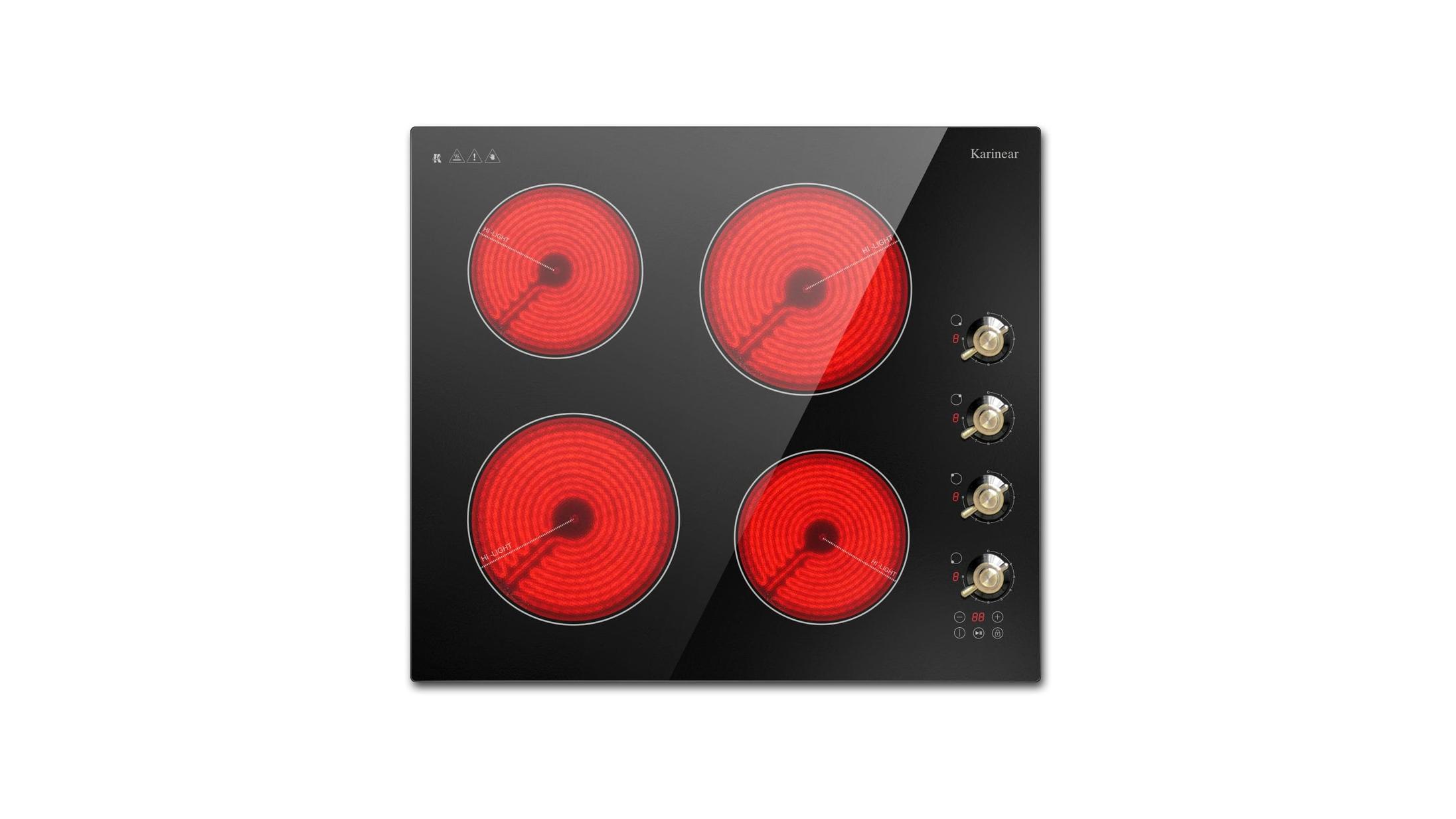
Leave a Reply