
Walking into a kitchen store or scrolling through endless cookware options online can feel overwhelming, especially when you’re trying to balance quality with budget constraints. Whether you’re furnishing your first apartment, upgrading worn-out pots and pans, or simply looking for reliable everyday cookware that won’t drain your savings account, finding the right affordable cookware set is more crucial than ever in today’s economy.
The good news? You don’t need to spend a fortune to cook like a professional. The cookware market has evolved dramatically over the past decade, with numerous brands delivering restaurant-quality performance at prices that won’t make your wallet weep. Gone are the days when “affordable” meant compromising on durability, heat distribution, or cooking performance. Modern manufacturing techniques and competitive markets have created a sweet spot where budget-conscious shoppers can access cookware that rivals premium sets costing three to four times more.
Affordable Cookware Set Review:This comprehensive review dives deep into the world of affordable cookware sets, examining what truly separates a smart budget purchase from a regrettable one. We’ll explore materials, construction quality, performance benchmarks, and real-world usage scenarios to help you make an informed decision. Whether you’re a college student learning to cook, a busy parent feeding a family, or anyone in between, this guide will help you navigate the cookware landscape with confidence and clarity.
Product Overview: Understanding the Affordable Cookware Landscape
When discussing affordable cookware sets, we’re typically looking at complete collections ranging from $100 to $300 that include essential pieces for everyday cooking. This price range has become increasingly competitive, with brands like T-fal, Cuisinart, Rachael Ray, Calphalon, Cook N Home, and Amazon Basics offering compelling options that deliver solid performance without premium price tags.
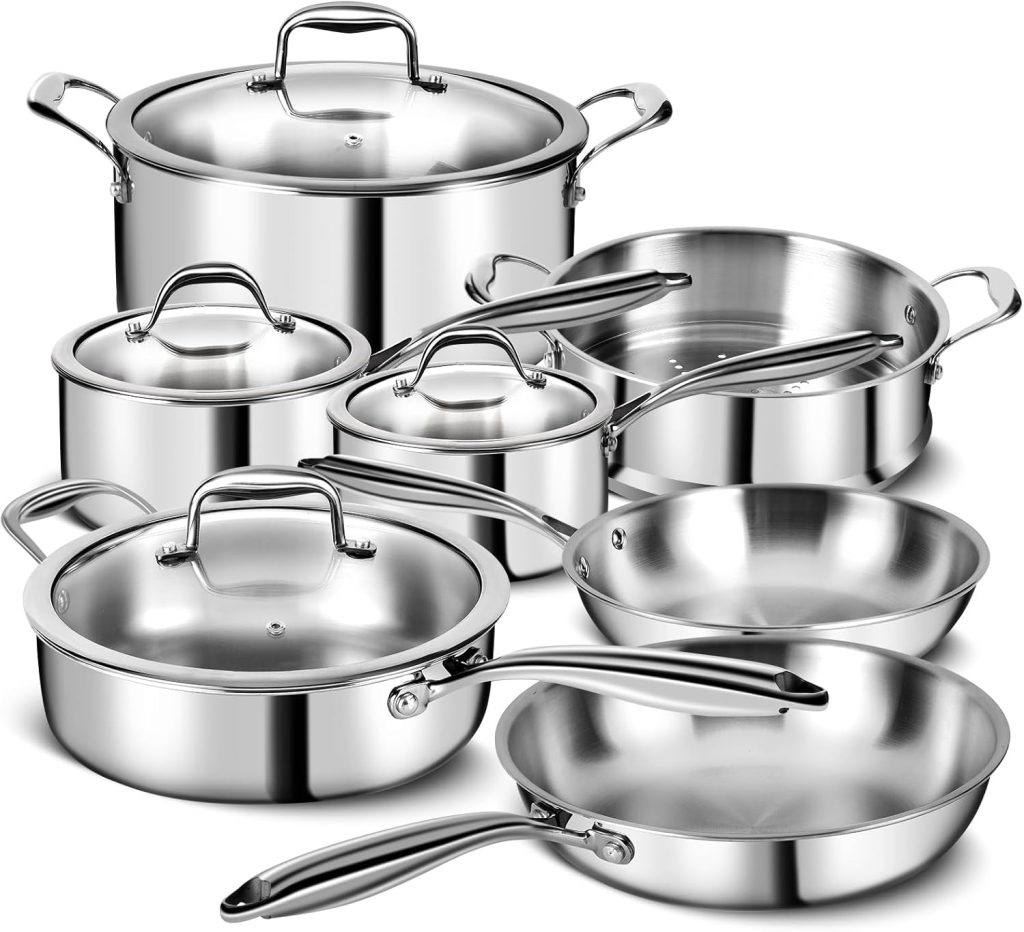
Most affordable cookware sets in this category include 10 to 14 pieces, which typically consist of various sized saucepans, a stockpot, frying pans or skillets, and corresponding lids. The actual number of “pieces” can be somewhat misleading, as manufacturers count lids separately, but a well-designed set should cover all your basic cooking needs from boiling pasta to sautéing vegetables and searing proteins.
Standard Specifications for Affordable Cookware Sets
| Feature | Typical Range/Details |
|---|---|
| Number of Pieces | 10-14 pieces (including lids) |
| Material Options | Aluminum, stainless steel, hard-anodized aluminum, or combination |
| Non-stick Coating | PFOA-free, ceramic, or traditional non-stick |
| Oven-Safe Temperature | 350°F to 500°F (varies by brand and line) |
| Dishwasher Safe | Many modern sets (check individual specifications) |
| Stovetop Compatibility | Gas, electric, glass; some induction-compatible |
| Warranty | Limited lifetime to 10 years (brand dependent) |
| Weight Range | 15-25 lbs for complete set |
| Handle Material | Silicone, stainless steel, or rubberized grips |
Key Features & Performance: What Makes Affordable Cookware Work
Heat Distribution and Conductivity
The foundation of any quality cookware set lies in its ability to distribute heat evenly across cooking surfaces. Affordable sets have made significant strides in this area, with many utilizing aluminum cores or bases that conduct heat efficiently. Aluminum heats quickly and distributes warmth uniformly, preventing hot spots that can burn food in certain areas while leaving other sections undercooked.
Many budget-friendly sets employ a disc base or encapsulated bottom design, where a layer of aluminum is sandwiched between stainless steel. This construction method provides the heat distribution benefits of aluminum while offering the durability and non-reactive properties of stainless steel. In real-world testing, these sets perform admirably when cooking eggs, sauces, and other temperature-sensitive dishes that quickly reveal poor heat distribution.
The thickness of the base matters tremendously. Quality affordable cookware typically features bases between 3mm and 5mm thick, which provides enough mass to maintain steady temperatures and prevent warping over time. Thinner cookware may heat faster initially but struggles with temperature consistency and is more prone to developing hot spots.
Non-Stick Technology and Coating Durability
Modern affordable cookware sets predominantly feature PFOA-free non-stick coatings, addressing health concerns while maintaining excellent release properties. The quality of non-stick surfaces has improved dramatically, with many budget options now using reinforced coatings that incorporate titanium or ceramic particles for enhanced durability.
These enhanced coatings resist scratching better than traditional non-stick surfaces, though they still require proper care. In practical cooking scenarios, quality affordable non-stick performs excellently for the first 12-24 months with proper use, allowing eggs to slide effortlessly and delicate fish fillets to release without tearing. The longevity of non-stick coatings in budget sets typically ranges from 2-5 years depending on usage frequency and care practices.
Ceramic non-stick alternatives have also entered the affordable market, offering completely PTFE-free options for health-conscious consumers. While ceramic coatings provide excellent initial performance, they generally have shorter lifespans than traditional reinforced non-stick, often showing diminished performance after 12-18 months of regular use.
Handle Design and Comfort
Comfortable, secure handles transform cooking from a chore into a pleasure. Affordable cookware sets now feature thoughtfully designed handles with heat-resistant materials and ergonomic shapes. Silicone-covered handles remain cool during stovetop cooking, while riveted stainless steel handles provide durability and oven safety at higher temperatures.
The handle attachment method significantly impacts longevity. Riveted handles, where metal rivets secure the handle through the pan wall, offer superior strength compared to welded or screwed attachments. Quality affordable sets use this construction method, ensuring handles remain secure even after years of use.
Handle length and balance matter for practical cooking. Longer handles provide better leverage when tossing food or lifting heavy pots, while shorter handles work better in crowded ovens. The best affordable sets strike a balance, offering comfortable grip positions without excessive weight or awkward angles.
Lid Quality and Fit
Tempered glass lids have become standard in affordable cookware sets, allowing cooks to monitor food without releasing heat and moisture. Quality lids feature tight-fitting rims that create effective seals, essential for simmering, braising, and steaming. Vent holes in lids prevent pressure buildup while minimizing moisture loss.
The rim construction on budget-friendly glass lids typically uses stainless steel rather than silicone, which provides durability but requires careful handling to prevent chipping. The knobs or handles on lids should remain cool enough to touch during stovetop cooking, though oven use may require pot holders depending on the knob material.
Induction Compatibility
As induction cooktops gain popularity for their energy efficiency and precise temperature control, induction-compatible cookware has become increasingly important. Many affordable cookware sets now incorporate magnetic stainless steel bases or layers that work with induction technology, though not all budget options include this feature.
Testing induction compatibility is simple—if a magnet sticks firmly to the bottom of the cookware, it will work on induction cooktops. Sets specifically marketed as induction-ready typically perform well across all heating methods, making them versatile choices for households that might upgrade their cooktops in the future.
Pros and Cons: An Honest Assessment
| Advantages | Drawbacks |
|---|---|
| Budget-Friendly: Complete sets under $200 make quality cooking accessible | Shorter Lifespan: Non-stick coatings may need replacement every 2-5 years |
| Complete Solutions: All essential pieces included for comprehensive cooking needs | Variable Quality: Significant performance differences between brands at similar prices |
| Easy Maintenance: Non-stick surfaces require minimal oil and clean effortlessly | Weight Variations: Some affordable sets feel lightweight compared to premium cookware |
| Modern Safety: PFOA-free coatings address health concerns | Limited Warranty: Often shorter warranty periods than luxury brands |
| Beginner-Friendly: Forgiving cooking surfaces ideal for developing skills | Oven Temperature Limits: Maximum oven-safe temperatures may restrict cooking techniques |
| Attractive Designs: Contemporary aesthetics that look good in modern kitchens | Handle Heat Transfer: Some models transfer more heat to handles than premium options |
| Wide Availability: Easy to purchase and replace individual pieces if needed | Non-Stick Limitations: Not ideal for high-heat searing or metal utensil use |
| Energy Efficient: Aluminum construction heats quickly, reducing cooking time | Dishwasher Impact: Frequent dishwasher use may shorten non-stick coating life |
Design & Build Quality: Form Meets Function
The visual appeal of cookware matters more than purely practical cooks might admit. After all, these pieces occupy prominent space in your kitchen and contribute to the overall aesthetic of your cooking environment. Affordable cookware sets have evolved beyond purely utilitarian appearances, now offering attractive designs with polished exteriors, colored accents, and professional-looking finishes.
Build quality in budget-friendly cookware reveals itself in subtle details. Examine the seam where handles attach to pans—quality construction shows clean, flush rivets without gaps or rough edges. The rim of pots and pans should be smooth and rolled, preventing drips and making pouring easier. Interior surfaces should appear uniform without waves, dimples, or irregularities that could indicate poor manufacturing quality.
The exterior finish varies across affordable sets, with options including polished stainless steel, brushed metal, colored enamel, or simple aluminum. Polished exteriors look impressive initially but show fingerprints and scratches more readily than brushed or colored finishes. Darker exteriors disguise wear better over time, maintaining a newer appearance with less maintenance.
Weight provides clues about construction quality without necessarily requiring heavy cookware. Pieces should feel substantial enough to sit firmly on burners without tipping easily, but not so heavy that they become cumbersome to maneuver. The balance point when lifting a pot should feel natural, without excessive weight in the handle or base that creates awkward handling.
Interior surfaces in quality affordable cookware appear smooth and consistent. Non-stick coatings should look uniform without thin spots, bubbles, or rough patches. Stainless steel interiors should show consistent polishing without visible manufacturing marks. These details indicate careful production processes that contribute to better performance and longevity.
Ease of Use: Cooking Made Simple
One of the greatest advantages of affordable non-stick cookware is the dramatically reduced learning curve for inexperienced cooks. The forgiving nature of quality non-stick surfaces means fewer burned meals and easier cleanup, building confidence in the kitchen. This accessibility makes these sets particularly valuable for young adults living independently for the first time, busy professionals with limited cooking experience, or anyone looking to reduce kitchen stress.
The no-stick properties mean significantly less oil or butter is needed for cooking, supporting healthier meal preparation while reducing calories and fat. A light spray of cooking oil or small pat of butter provides adequate lubrication for most cooking tasks, allowing food to release cleanly and preventing the frustration of stuck-on messes.
Pouring from pots and pans demonstrates design thoughtfulness. Quality affordable cookware features rolled rims or pour spouts that direct liquids cleanly into containers without dribbling down the exterior. This seemingly minor detail dramatically improves the cooking experience, preventing messes and reducing cleanup time.
The weight and balance of individual pieces affects daily usability more than buyers often anticipate. Lighter cookware offers easier handling and storage but may slide on smooth cooktops. Heavier pieces provide stability and better heat retention but can strain wrists during extended cooking sessions. The best affordable sets find a middle ground, offering enough weight for stability without becoming burdensome.
Temperature response speed benefits busy cooks who need meals ready quickly. Aluminum-core cookware heats rapidly, bringing water to boil and pans to cooking temperature faster than cast iron or heavy-gauge stainless steel. This responsiveness also means quicker temperature adjustments when reducing heat, providing better cooking control.
Performance: Real-World Cooking Tests
Testing affordable cookware under actual cooking conditions reveals performance characteristics that specifications alone cannot convey. Preparing a variety of dishes across different cooking techniques provides comprehensive performance assessment.
Scrambled eggs offer an excellent first test of non-stick performance and heat distribution. Quality affordable cookware allows eggs to cook gently across the entire pan surface without burning in hot spots. The eggs should slide easily when ready to serve, requiring minimal scraping or scrubbing afterward. Sets that pass this test demonstrate adequate heat distribution and effective non-stick coatings.
Searing proteins reveals heat retention and recovery capabilities. When placing a room-temperature chicken breast or steak in a preheated pan, the cookware should maintain enough heat to create proper browning without temperature dropping dramatically. Affordable sets with adequate base thickness perform reasonably well, though they may not match the heat retention of premium cookware with thicker, multi-layer construction.
Sauce preparation tests temperature control and prevention of scorching. Making a béchamel sauce or reducing tomato sauce shows whether cookware distributes heat evenly enough to prevent bottom burning while allowing gradual, controlled reduction. Quality affordable cookware handles these tasks well at medium heat, though very high heat may still create hot spots in thinner construction.
Boiling water and pasta cooking demonstrates capacity and heat efficiency. Larger pots should bring water to boil relatively quickly and maintain rolling boils without difficulty. The handles should remain comfortable to touch when lifting to drain, and the rim should pour cleanly into colanders without excessive splashing.
Oven performance expands cooking possibilities. Baking a frittata or finishing a pan-roasted chicken allows testing of oven-safe capabilities and handle heat resistance. Affordable sets typically handle moderate oven temperatures well, though they may have lower maximum temperature ratings than premium cookware.
Durability & Maintenance: Long-Term Considerations
The longevity of affordable cookware depends heavily on usage patterns and care practices. With proper maintenance, quality budget-friendly sets provide 3-7 years of excellent service, with stainless steel pieces potentially lasting decades while non-stick items require more frequent replacement.
Non-stick coating degradation represents the primary wear factor in affordable cookware. Early signs include food beginning to stick in certain areas, visible scratches or thin spots in the coating, or discoloration. These symptoms typically emerge after 2-3 years of daily use or 5+ years of occasional use. The quality of the non-stick coating and care taken during use significantly impacts longevity.
Hand washing extends non-stick coating life significantly compared to dishwasher cleaning, despite many sets claiming dishwasher safety. The harsh detergents and high heat in dishwashers gradually degrade non-stick surfaces faster than gentle hand washing with mild soap. Taking a few extra minutes for hand washing can add 1-2 years to coating lifespan.
Proper utensil selection prevents premature coating damage. Silicone, wood, or heat-resistant nylon utensils protect non-stick surfaces, while metal spatulas and spoons can scratch coatings even when using them carefully. Affordable sets typically use less-robust coatings than premium options, making proper utensil choice even more critical.
Heat management protects both cookware and non-stick coatings. Avoid heating empty pans, which can damage coatings and warp bases. Medium heat handles most cooking tasks effectively, with high heat reserved for boiling water or achieving quick sears. Overheating non-stick cookware can release coating particles and create permanent damage.
Storage practices affect longevity by preventing scratches and dents. Nesting pans saves space but can damage surfaces unless pan protectors or soft cloths separate pieces. Hanging cookware or storing with adequate spacing preserves finishes better, though this requires more storage space.
Warping prevention requires attention during cooking and cleaning. Avoid placing hot cookware directly in cold water, which creates thermal shock that can warp bases. Allow pieces to cool naturally before washing, maintaining flat cooking surfaces that make full contact with heating elements.
Customer Experience: What Buyers Are Saying
Analyzing verified purchase reviews across multiple platforms reveals consistent patterns in customer satisfaction with affordable cookware sets. Understanding these experiences helps set realistic expectations and identifies potential issues before purchasing.
First-time buyers consistently express pleasant surprise at the quality and performance of budget-friendly cookware. Many reviews mention expectations of cheap, flimsy pans being exceeded by solid construction and effective cooking performance. This satisfaction particularly applies to college students, newlyweds, and first apartment owners who initially worried about compromising quality for affordability.
The ease of cleaning receives overwhelmingly positive feedback, with countless reviews highlighting how the non-stick surfaces transform cleanup from a dreaded chore into a quick rinse. Busy parents, working professionals, and anyone who values time savings particularly appreciate this benefit, often mentioning it as their favorite feature.
Non-stick coating longevity generates mixed feedback, with experiences varying based on usage intensity and care practices. Users who hand wash and use proper utensils report coatings lasting 3-5 years, while those who regularly dishwasher clean or use metal utensils see degradation within 12-24 months. This variance underscores the importance of following care instructions.
Heat distribution receives generally positive reviews, with most users noting even cooking and absence of hot spots during normal use. However, some reviews mention uneven heating at very high temperatures or when using oversized burners, suggesting limitations in extreme conditions.
Handle comfort and security earn praise from most reviewers, with particular appreciation for cool-touch handles during stovetop cooking. Occasional complaints mention handles loosening over time or becoming too hot during extended cooking sessions, though these represent minority experiences.
Weight and maneuverability opinions split based on user preferences and physical capabilities. Younger, stronger users sometimes describe sets as feeling lightweight or insubstantial, while older users or those with limited hand strength appreciate the easy handling. This subjective aspect highlights the importance of considering personal needs when selecting cookware.
Value for money receives nearly universal acclaim, with reviewers consistently stating the sets deliver performance well beyond their modest price points. Many compare their affordable cookware favorably to premium sets costing several times more, expressing satisfaction with their purchases and recommending the sets to friends and family.
Price & Value for Money: Investment Analysis
Affordable cookware sets typically range from $80 to $250, with the sweet spot for quality options falling between $120 and $180. This price range provides access to well-constructed sets from reputable brands without entering premium territory where diminishing returns begin affecting value propositions.
Breaking down the cost per piece reveals the exceptional value these sets offer. A 12-piece set at $150 costs approximately $12.50 per piece, dramatically less than purchasing individual pots and pans. Even accounting for lids being counted as separate pieces, the per-pan cost remains remarkably low compared to individual purchases.
Comparing affordable sets to premium alternatives costing $300-$800 requires honest assessment of performance differences. Premium cookware typically offers thicker construction, more durable non-stick coatings, better heat retention, and longer warranties. However, for many home cooks, the performance gap during normal cooking doesn’t justify triple or quadruple the investment, especially considering non-stick coatings eventually require replacement regardless of price point.
The replacement cycle affects long-term value calculations. If an affordable set lasts 4-5 years before needing replacement, purchasing two or three sets over 15 years still costs less than one premium set. For cooks who enjoy refreshing their kitchen equipment periodically or who aren’t certain about their long-term cooking interests, this flexibility provides financial advantages.
Opportunity cost considerations factor into value assessment. The money saved buying affordable cookware instead of premium options could purchase quality knives, small appliances, or ingredients that may impact cooking success and enjoyment more significantly than marginally better pots and pans.
Sales and promotions frequently reduce affordable cookware prices by 20-40%, particularly during Black Friday, holiday seasons, and back-to-school periods. Patience and timing can stretch budgets further, potentially allowing purchase of higher-quality affordable options for the price of basic sets.
Comparison Table: Affordable Cookware Sets
| Feature | Budget Non-Stick Set | Mid-Range Hard-Anodized | Entry-Level Stainless Steel |
|---|---|---|---|
| Price Range | $80-$120 | $150-$200 | $100-$150 |
| Material | Aluminum with non-stick | Hard-anodized aluminum | Stainless steel with aluminum core |
| Durability | 2-4 years typical | 4-6 years typical | 10+ years (replace when dented) |
| Heat Distribution | Good | Excellent | Very Good |
| Maintenance | Easy, hand wash preferred | Moderate, hand wash recommended | Moderate, dishwasher safe |
| Oven-Safe Temp | 350°F-400°F | 400°F-500°F | 500°F+ |
| Best For | Beginners, easy cleanup fans | Intermediate cooks, durability seekers | Experienced cooks, versatility lovers |
| Learning Curve | Very Easy | Easy | Moderate |
| Induction Compatible | Sometimes | Usually | Yes |
Who Should Buy This Product: Finding Your Match
Affordable cookware sets serve specific audiences exceptionally well while potentially disappointing others with different needs or expectations. Understanding whether you fall into the ideal buyer category helps ensure satisfaction with your purchase.
College Students and Recent Graduates: If you’re setting up your first independent living space with limited funds, affordable cookware sets represent perfect starting points. The complete nature of these sets means one purchase equips your entire kitchen, and the forgiving non-stick surfaces support skill development without punishment for mistakes.
Young Families on Budgets: Parents feeding children while managing tight household budgets find tremendous value in affordable cookware. The easy cleanup saves time during hectic schedules, and the non-stick surfaces require less oil, supporting healthier meals. The complete sets ensure you have appropriate pans for every family meal, from morning eggs to evening pasta.
Casual Cooks: If you cook a few times weekly without intensive culinary ambitions, affordable cookware provides everything needed without excessive investment in rarely-used premium features. The performance easily handles everyday cooking tasks, and the modest price point doesn’t create guilt if pieces sit unused for days.
Apartment Dwellers: Renters who move frequently appreciate the lighter weight and modest investment of affordable cookware. If moving means potentially replacing scratched or damaged pieces, losing a $150 set stings less than a $600 premium collection. The compact storage of many affordable sets also suits smaller apartment kitchens.
Gift Buyers: Affordable cookware sets make excellent wedding gifts, housewarming presents, or graduation gifts. The complete nature ensures recipients have everything needed, and the modest price point fits most gift budgets while still providing genuinely useful items.
First-Time Non-Stick Users: Cooks transitioning from cast iron or stainless steel who want to experience non-stick convenience can explore the category without significant financial risk. If the cooking style doesn’t suit you, the modest investment won’t feel wasteful.
Health-Conscious Cooks: People reducing oil and fat intake benefit from non-stick surfaces that require minimal added fats. The modern PFOA-free coatings address health concerns while enabling healthier cooking methods.
Who Should Consider Alternatives: Professional cooks, culinary enthusiasts who frequently use high heat, those who prefer cooking with metal utensils, and anyone seeking truly lifetime cookware should explore premium options. Cast iron and carbon steel alternatives suit high-heat cooking better, while high-quality stainless steel provides unmatched versatility and longevity for serious cooks.
Buying Guide: Expert Advice for Smart Purchases
Navigating the crowded affordable cookware market requires understanding key features, common pitfalls, and smart evaluation strategies. This comprehensive guide helps you make informed decisions that match your specific needs and cooking style.
Understanding Material Options
Aluminum with Non-Stick Coating: The most common affordable option combines excellent heat conductivity with easy-release cooking surfaces. Aluminum heats quickly and distributes warmth evenly, while non-stick coatings prevent food adhesion. Look for reinforced or titanium-enhanced coatings for better durability. These sets excel for everyday cooking but have temperature limitations and require careful maintenance.
Hard-Anodized Aluminum: This electrochemical process creates harder, more durable surfaces than standard aluminum while maintaining heat conduction benefits. Hard-anodized cookware resists scratching better and often features more robust non-stick coatings. These sets represent the upper end of affordable options, offering excellent value for cooks seeking durability without premium prices.
Stainless Steel: Entry-level stainless steel sets with aluminum or copper cores provide versatility and longevity. These sets handle high heat better, work with all utensil types, and last decades with proper care. However, they require learning to cook with less-forgiving surfaces and need more oil to prevent sticking. The additional maintenance and learning curve may not suit beginners.
Ceramic Non-Stick: PTFE-free ceramic coatings appeal to health-conscious buyers concerned about traditional non-stick materials. These surfaces provide excellent initial performance and attractive appearances. However, ceramic coatings generally wear faster than reinforced PTFE non-stick, often losing effectiveness within 12-18 months of regular use.
Evaluating Set Composition
Piece Count Reality: Marketing emphasizes piece counts, but focus on actual pan assortment rather than total numbers. A 14-piece set might include 7 pans and 7 lids, while a 10-piece set could offer better variety with different pan sizes. Consider your cooking habits—do you need three saucepans, or would you prefer one saucepan and an extra skillet?
Essential Pieces Checklist: Quality affordable sets should include at minimum: one 8-inch frying pan, one 10-inch frying pan, one 2-quart saucepan with lid, one 3-quart saucepan with lid, and one 6-8 quart stockpot with lid. Additional pieces like 1-quart saucepans or 12-inch skillets add value but aren’t absolutely necessary for most home cooks.
Specialty Items: Some sets include steamers, pasta inserts, or specialty pans. Evaluate whether you’ll actually use these pieces or if they’re simply inflating piece counts. Unused items don’t add value and consume storage space.
Construction Quality Indicators
Base Thickness: Quality cookware features bases at least 3mm thick, preferably 4-5mm. Thicker bases distribute heat better, resist warping, and provide more even cooking. Check product specifications or physically examine display models when possible.
Rivet Quality: Handles should attach with flush, smooth rivets that don’t create food traps or rough spots. Poor riveting may loosen over time, creating safety hazards. Examine rivet placement and finish carefully.
Rim Finishing: Rolled rims that are smooth and uniform indicate careful manufacturing. Rough or sharp edges suggest lower quality control and can make pouring difficult.
Weight Balance: Pick up individual pieces to assess balance. Handles shouldn’t feel disproportionately heavy or light compared to the pan body. Well-balanced cookware reduces wrist strain during cooking.
Handle Considerations
Heat Resistance: Silicone and some rubberized handles stay cooler during stovetop cooking, while metal handles transfer heat more readily but offer higher oven-safe temperatures. Consider your typical cooking methods—do you frequently finish dishes in the oven?
Grip Comfort: Handles should feel comfortable in your hand without sharp edges or awkward angles. Consider your hand size—larger hands need longer, thicker handles for comfortable control.
Attachment Security: Riveted handles provide the most secure attachment and longest life. Welded or screwed handles may loosen over time, requiring tightening or replacement.
Coating Types and Quality
PFOA-Free Verification: All modern non-stick coatings should be PFOA-free. This toxic chemical was phased out years ago, but verify this feature is specifically mentioned in product descriptions.
Reinforced Coatings: Look for coatings described as reinforced, titanium-enhanced, or multi-layer. These treatments improve durability and scratch resistance compared to basic non-stick surfaces.
Interior Texture: Some non-stick surfaces feature slightly textured interiors that promote browning and provide additional durability. Completely smooth surfaces release food more easily but may show wear patterns sooner.
Oven-Safe Temperatures
Handle Limitations: The oven-safe temperature typically depends on handle materials rather than pan construction. Silicone handles often limit temperatures to 350-400°F, while metal handles may allow 500°F or higher.
Cooking Technique Impact: If you regularly finish pan-roasted meats or bake frittatas, prioritize higher oven-safe temperatures. Cooks who rarely use ovens can accept lower temperature ratings without practical limitations.
Lid Compatibility: Verify whether lids share the same oven-safe rating as pans. Some glass lids with plastic knobs have lower temperature tolerances than the pans themselves.
Stovetop Compatibility
Induction Requirements: If you use or plan to use induction cooking, verify magnetic base construction. Test with a magnet if purchasing in stores—it should stick firmly to the bottom.
Glass-Top Considerations: Glass or ceramic cooktops benefit from smooth, flat-bottomed cookware without ridges or warping. Inspect bases carefully for uniformity.
Gas Cooktop Features: Gas cooking generates higher localized heat, making sturdy construction and heat-resistant handles more important. Lighter cookware may shift when stirring on gas burners.
Common Buying Mistakes to Avoid
Piece Count Obsession: Don’t select sets based solely on piece counts. Fewer well-chosen pieces often provide better value than numerous items you’ll rarely use.
Brand Ignorance: Unknown brands offering suspiciously low prices may use inferior materials and coatings. Stick with established cookware manufacturers with track records and customer service.
Coating Confusion: “Ceramic” marketing can be misleading—some products use ceramic non-stick coatings while others feature ceramic exteriors over traditional interiors. Read descriptions carefully.
Size Miscalculation: Verify actual pan dimensions, not just names. One brand’s “10-inch skillet” might measure differently than another’s based on whether they measure top diameter or cooking surface.
Warranty Neglect: Compare warranty terms carefully. “Limited lifetime” warranties often exclude normal wear like non-stick coating degradation, offering less protection than buyers assume.
Storage Planning
Space Assessment: Measure available storage before purchasing. Large sets require significant cabinet space, and nesting capabilities vary between brands.
Access Frequency: Store most-used pieces in easily accessible locations. Consider whether your storage setup accommodates the set’s specific nesting or stacking design.
Pan Protectors: Budget for felt or fabric pan protectors if storing pieces nested. This small investment significantly extends finish life and prevents scratching.
Warranty and Return Policies
Warranty Coverage: Understand what warranties actually cover. Many exclude non-stick coating wear, the most common failure point. Limited lifetime warranties often mean manufacturer’s lifetime, not yours.
Return Windows: Purchase from retailers with generous return policies, allowing time to test cookware in your kitchen. Some performance issues only become apparent after cooking multiple meals.
Customer Service Access: Research brand reputations for customer service. Companies that stand behind products and resolve issues quickly provide better value than those with poor support.
Frequently Asked Questions
Q: How long does non-stick coating last on affordable cookware?
A: With proper care, quality non-stick coatings on affordable cookware typically last 2-5 years. Hand washing, using silicone or wooden utensils, cooking at medium heat, and avoiding dishwashers significantly extends coating life. Daily use wears coatings faster than occasional use, and care practices matter more than initial coating quality in determining longevity. When food begins sticking consistently or you notice visible coating damage, it’s time to replace those pieces.
Q: Can I use metal utensils with affordable non-stick cookware?
A: Most manufacturers strongly recommend against metal utensils with non-stick cookware, regardless of price point. Metal spatulas, spoons, and whisks can scratch coatings, reducing their effectiveness and potentially releasing coating particles into food. Affordable cookware typically uses less robust coatings than premium options, making them especially vulnerable to metal utensil damage. Silicone, wooden, or heat-resistant nylon utensils protect your investment and extend cookware life significantly.
Q: Is it safe to put affordable non-stick cookware in the dishwasher?
A: While many affordable cookware sets claim dishwasher safety, hand washing extends non-stick coating life considerably. Dishwasher detergents contain harsh chemicals and abrasives that gradually degrade coatings, and high heat accelerates this process. If you choose dishwasher cleaning for convenience, expect shorter coating lifespan—potentially 1-2 years less than hand-washed cookware. For maximum durability, hand wash with mild soap and soft sponges.
Q: What’s the maximum temperature I can use with non-stick cookware?
A: Stovetop cooking should stay at medium heat for most tasks, with high heat reserved only for boiling water. Non-stick coatings begin degrading at temperatures above 500°F, and empty pans can reach these temperatures within 2-3 minutes on high heat. For oven use, check your specific set’s oven-safe rating, which typically ranges from 350°F to 450°F depending on handle materials. Exceeding recommended temperatures can damage coatings and release fumes.
Q: How do I prevent food from sticking to stainless steel affordable cookware?
A: Stainless steel requires different techniques than non-stick. Preheat pans properly (water droplets should dance across the surface), use adequate fat or oil, and allow food to develop a crust before attempting to flip—properly seared protein releases naturally. The “hot pan, cold oil” method works well: heat the pan thoroughly, add oil, swirl to coat, then immediately add food. Deglazing with wine or broth also releases stuck-on bits, turning them into flavorful pan sauces.
Q: Are affordable cookware sets good for high-heat cooking techniques like searing?
A: Affordable non-stick cookware has limitations for high-heat searing due to coating temperature restrictions. Preheating non-stick pans slowly at medium heat works for most proteins, but you won’t achieve the intense crust restaurant-style searing produces. For serious searing, consider supplementing affordable non-stick sets with a cast iron or carbon steel pan specifically for high-heat applications. Stainless steel affordable sets handle high heat better than non-stick but require proper technique to prevent sticking.
Q: How do I clean burnt-on food from affordable cookware?
A: For non-stick cookware, make a paste of baking soda and water, apply to affected areas, and let sit for 15-30 minutes before gently scrubbing with a soft sponge. For stubborn residue, simmer water with a few tablespoons of baking soda in the pan for 10 minutes, then wash normally. Avoid abrasive scrubbers that damage coatings. For stainless steel, Bar Keeper’s Friend or a paste of baking soda and hydrogen per oxide effectively removes burnt food without scratching.
Q: Can affordable cookware work on induction cooktops?
A: Many but not all affordable cookware sets feature induction-compatible bases. Look for sets specifically marketed as induction-ready, or test with a magnet—if it sticks firmly to the bottom, the cookware works on induction. Aluminum and standard stainless steel aren’t magnetic and won’t work, but many affordable sets now include magnetic stainless steel bases or discs specifically for induction compatibility. This feature doesn’t significantly increase cost, making it worthwhile even if you don’t currently have induction cooking.
Q: Should I season affordable non-stick cookware like cast iron?
A: No, non-stick cookware doesn’t require seasoning like cast iron. In fact, applying oil and heating it (the seasoning process) can actually damage non-stick coatings. Simply wash new non-stick cookware with soap and water before first use. Some manufacturers recommend lightly oiling the cooking surface before initial use, but this isn’t creating a seasoning layer—it’s just conditioning the pan. Always follow manufacturer instructions for your specific cookware.
Q: How do I know when it’s time to replace affordable cookware?
A: Replace cookware when you notice: food consistently sticking despite proper technique and adequate oil; visible coating damage including scratches, flaking, or thin spots; warped bases that rock on flat surfaces; loose or damaged handles; or discoloration that doesn’t clean away. For non-stick cookware, if eggs no longer slide easily or require significant oil to prevent sticking, coating effectiveness has diminished enough to warrant replacement. Stainless steel lasts much longer and only requires replacement when physically damaged.
Q: Are there health concerns with affordable non-stick cookware?
A: Modern affordable non-stick cookware uses PFOA-free coatings addressing previous health concerns. When used properly at appropriate temperatures (avoiding overheating), these coatings are considered safe by regulatory agencies. However, overheating non-stick pans above 500°F can release fumes that cause flu-like symptoms in humans and can be dangerous to pet birds. Always use adequate ventilation, avoid high heat, and replace cookware when coatings show damage. Ceramic non-stick alternatives are completely PTFE-free for those with ongoing concerns.
Q: Can I repair scratched non-stick coating?
A: Unfortunately, no practical repair method exists for damaged non-stick coatings. Once scratched or worn, the coating continues degrading and should be replaced. While minor scratches don’t immediately render cookware unusable, they accelerate further coating breakdown and can release coating particles into food. Some companies offer re-coating services, but the cost often exceeds purchasing new affordable cookware. Focus on prevention through proper utensils and care rather than attempting repairs.
Q: What’s the difference between hard-anodized and regular aluminum cookware?
A: Hard-anodized aluminum undergoes an electrochemical process creating a harder, non-reactive surface layer. This process makes the cookware more scratch-resistant, durable, and prevents aluminum from leaching into acidic foods. Hard-anodized cookware typically lasts longer than standard aluminum and accepts more durable non-stick coatings. The additional manufacturing cost makes hard-anodized options slightly more expensive but still affordable, typically representing the high end of budget-friendly cookware with excellent value for durability-focused buyers.
Q: Should I buy affordable cookware open stock or as a set?
A: Sets offer significant cost savings—typically 40-60% less than purchasing equivalent pieces individually. However, sets may include pieces you rarely use while lacking sizes you need. For most home cooks, especially those setting up first kitchens, sets provide better value despite potential unused pieces. Experienced cooks with established preferences might prefer building customized collections open stock, accepting higher costs for exactly desired pieces. Consider purchasing a starter set, then supplementing with individual specialized pieces as needs become clear.
Q: How important is the weight of affordable cookware?
A: Weight indicates construction quality and materials used but doesn’t universally determine performance. Heavier cookware generally features thicker bases providing better heat distribution and retention, but lighter cookware heats faster and offers easier handling. Very lightweight cookware may warp or develop hot spots, while excessively heavy pieces strain wrists during cooking. Quality affordable cookware strikes a balance—substantial enough for stability and even heating without becoming cumbersome. Pick up display models when possible to assess whether the weight suits your preferences and physical capabilities.
Final Verdict: Making the Right Choice!
Affordable cookware sets represent one of the best values in modern kitchen equipment, providing excellent performance and versatility at prices that won’t devastate household budgets. The cookware industry has evolved dramatically, making quality accessible to everyone regardless of financial circumstances. You no longer need to choose between eating well and staying within budget—today’s affordable cookware delivers both.
The democratization of quality cookware means beginners can learn cooking skills without expensive mistakes, families can prepare healthy meals without financial stress, and casual cooks can enjoy properly equipped kitchens without guilt over rarely-used premium equipment. The easy-care nature of modern non-stick coatings removes barriers to home cooking, while thoughtful design features make meal preparation more enjoyable than ever.
However, realistic expectations ensure satisfaction. Affordable cookware won’t last forever—non-stick coatings will eventually wear, requiring replacement every few years. These sets work beautifully for everyday cooking but have limitations for advanced techniques requiring extreme heat or metal utensils. Understanding these boundaries prevents disappointment and helps you make informed decisions.
The ideal affordable cookware buyer is someone who cooks regularly but not professionally, values convenience and easy cleanup, works within budget constraints, and appreciates having complete equipment sets without individual piece hunting. If this describes your situation, affordable cookware sets will likely exceed your expectations, delivering years of reliable service and countless satisfying meals.
For those seeking absolute maximum durability or planning to use truly extreme cooking methods, supplementing affordable sets with specialized pieces makes sense. A cast iron skillet for searing, a Dutch oven for braising, or a carbon steel wok for high-heat stir-frying can complement affordable cookware sets, creating comprehensive kitchen capability without complete premium investment.
The environmental consideration of replacing cookware every 3-5 years deserves acknowledgment. Premium cookware lasting decades reduces waste and resource consumption. However, many affordable sets now use recycled materials and more sustainable manufacturing processes, partially mitigating environmental impact. Proper care extends lifespan, and many components like stainless steel pots remain functional long after non-stick pans require replacement.
Ultimately, affordable cookware sets empower people to cook at home more frequently, potentially improving health, reducing food waste, and building valuable life skills. The modest financial investment creates disproportionate value through better eating, reduced restaurant expenses, and the satisfaction of creating delicious meals. Whether you’re a college student making your first home-cooked meal or a busy parent juggling work and family, quality affordable cookware makes the journey easier, more enjoyable, and absolutely achievable.
The cookware you choose matters less than actually using it. Perfect becomes the enemy of good when equipment concerns prevent people from cooking. An affordable set used regularly provides infinitely more value than premium cookware gathering dust. Start with quality affordable options, develop your skills and preferences, and upgrade specific pieces as your cooking journey evolves. This practical approach builds culinary confidence without financial stress, creating sustainable home cooking habits that last a lifetime.
Your kitchen deserves cookware that works reliably, looks attractive, and doesn’t drain savings accounts. Modern affordable cookware sets deliver this combination beautifully, offering exceptional value for money and empowering everyone to create delicious, healthy meals at home. The investment pays dividends with every meal prepared, making affordable cookware one of the smartest purchases for any household.

Leave a Reply