
When it comes to kitchen upgrades that deliver both aesthetic appeal and functional performance, few investments make as immediate an impact as a quality electric cooktop. The 30-inch electric cooktop has emerged as the sweet spot for home cooks who want professional-grade cooking capabilities without sacrificing precious counter space or breaking the bank on a full range replacement.
Whether you’re renovating your kitchen, replacing an aging gas cooktop, or building your dream culinary workspace from scratch, understanding what makes a 30-inch electric cooktop worth your investment is crucial. These sleek cooking surfaces have evolved dramatically over the past decade, incorporating smart technology, precision temperature control, and energy-efficient heating elements that rival traditional gas burners in both power and responsiveness.
30 Inch Electric Cooktop Review:The modern 30-inch electric cooktop solves several persistent kitchen challenges: it eliminates the need for gas lines (making installation significantly easier), provides consistent heat distribution that reduces hot spots and burning, offers easier cleanup than traditional coil burners, and integrates seamlessly with contemporary kitchen designs. For households concerned about indoor air quality, electric cooktops eliminate combustion byproducts entirely, creating a healthier cooking environment for your family.
In this comprehensive review, we’ll explore everything you need to know about 30-inch electric cooktops, from technical specifications and performance metrics to real-world user experiences and long-term value considerations. Whether you’re a passionate home chef preparing multi-course meals or a busy parent looking for reliable, safe cooking equipment, this guide will help you make an informed decision.
Product Overview: Understanding the 30 Inch Electric Cooktop Category
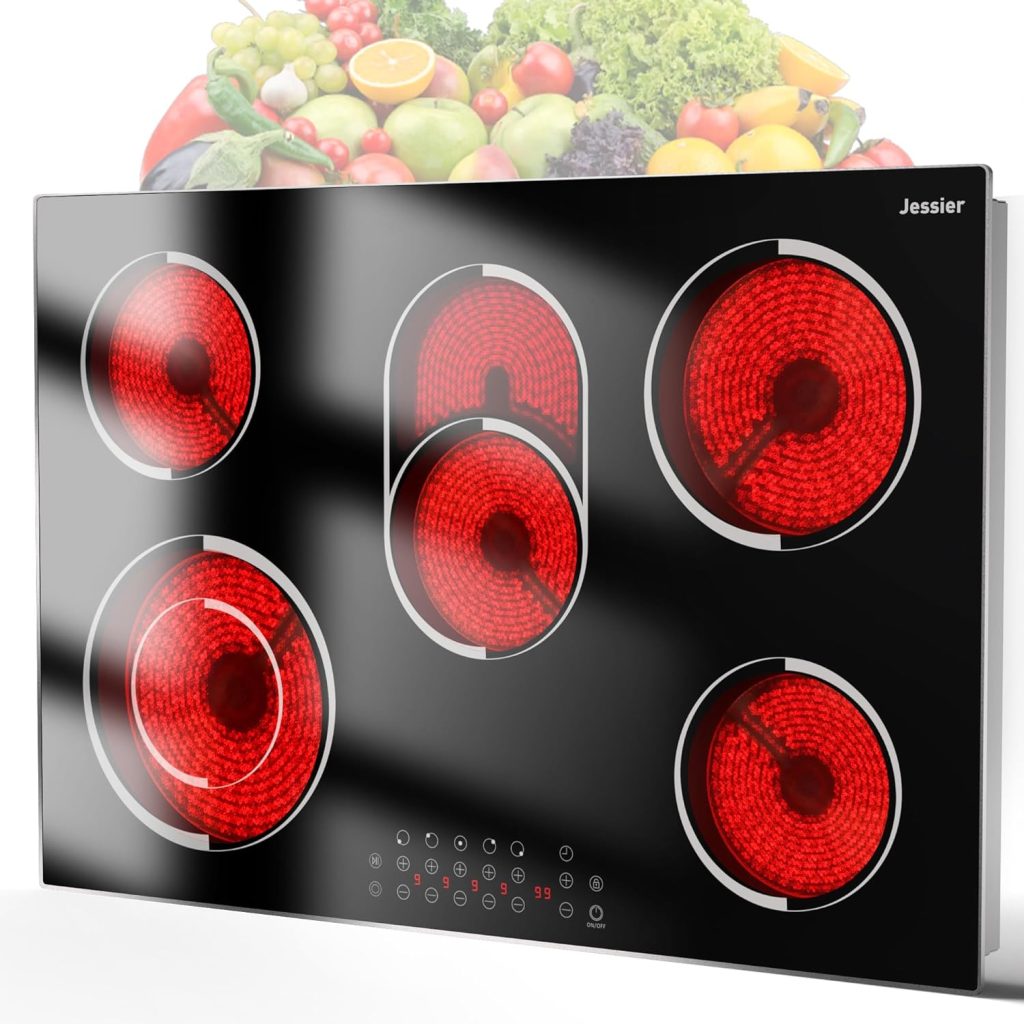
The 30-inch width has become the industry standard for drop-in and built-in cooktops, perfectly matching standard cabinet cutouts and replacing traditional ranges without requiring extensive kitchen modifications. This size typically accommodates four to five burners, providing ample cooking space for simultaneous meal preparation while maintaining a compact footprint ideal for average-sized kitchens.
General Specifications for 30 Inch Electric Cooktops
| Specification | Details |
|---|---|
| Width | 30 inches (76.2 cm) |
| Depth | 20-21 inches (51-53 cm) |
| Cutout Width | 28-29 inches (varies by model) |
| Number of Elements | 4-5 heating zones |
| Power Output | 1,200W – 3,600W per element |
| Total Wattage | 6,000W – 9,000W |
| Surface Material | Ceramic glass, radiant coil, or induction |
| Control Type | Touch control, knob control, or hybrid |
| Voltage | 240V/208V |
| Weight | 25-55 lbs (depends on type) |
| Warranty | 1-5 years (manufacturer dependent) |
| Price Range | $300 – $2,500 |
| Common Features | Hot surface indicators, child lock, timer functions, bridge elements |
The electric cooktop market offers three primary technologies: traditional radiant coil, smooth ceramic glass with radiant elements beneath, and induction cooking surfaces. Each technology delivers distinct advantages in terms of heating speed, energy efficiency, cleaning convenience, and cooking precision.
Key Features & Performance: What Sets Quality Electric Cooktops Apart
Advanced Heating Technology
Modern 30-inch electric cooktops utilize sophisticated heating elements that dramatically outperform the exposed coil burners many people remember from decades past. Radiant heating elements beneath smooth ceramic glass surfaces heat cookware through thermal conduction, while induction models use electromagnetic fields to directly heat magnetic cookware, converting up to 90% of energy into cooking heat compared to 65-70% for traditional electric elements.
High-performance models feature dual or triple-ring elements that expand to accommodate different pot sizes, preventing energy waste and improving cooking efficiency. Power boost functions can bring water to a rolling boil in under five minutes, matching or exceeding gas burner performance. Premium cooktops also incorporate bridge elements that connect two burners to create an elongated cooking zone perfect for griddles or oversized pans.
Precision Temperature Control
The evolution from simple low-medium-high settings to incremental temperature adjustments represents one of the most significant improvements in electric cooktop technology. Quality models now offer 9-17 heat settings, enabling precise simmering that maintains sauces at exactly 140°F without scorching, or rapid searing that locks in meat juices at temperatures exceeding 450°F.
Digital control panels with touch-sensitive buttons provide instant feedback and allow for fine-tuning during cooking. Some advanced models include actual temperature displays rather than arbitrary number settings, taking the guesswork out of recipe execution. This precision proves particularly valuable for delicate tasks like tempering chocolate, making candy, or preparing Asian stir-fry dishes that require rapid heat adjustments.
Smart Safety Features
Contemporary electric cooktops prioritize safety through multiple integrated systems. Hot surface indicators remain illuminated until the cooking surface drops below 150°F, preventing accidental burns even after the unit is turned off. Automatic shut-off timers can be programmed for each burner independently, providing peace of mind for forgetful cooks and adding an extra layer of protection against kitchen fires.
Child lock functions disable all controls, preventing curious little hands from accidentally activating heating elements. Overflow detection sensors in premium models can automatically reduce heat or shut off burners if boiling liquids spill onto the control panel, preventing damage and potential electrical hazards. Residual heat indicators take advantage of retained heat for gentle warming or holding temperatures, improving energy efficiency while clearly communicating when surfaces remain hot.
Design Integration and Aesthetics
The sleek, minimalist profile of modern electric cooktops complements virtually any kitchen design philosophy, from traditional to ultra-contemporary. Frameless edge-to-edge glass surfaces create seamless integration with surrounding countertops, while beveled edges and stainless steel trim options add dimensional interest and premium visual appeal.
Black ceramic glass remains the most popular surface choice, offering sophisticated elegance that hides minor splatters between cleanings. However, manufacturers now offer white, gray, and even custom-colored glass surfaces for design-conscious homeowners. Illuminated control panels with blue LED displays provide high-tech visual interest while ensuring easy visibility in various lighting conditions.
Energy Efficiency and Operating Costs
Electric cooktops have made tremendous strides in energy efficiency, with induction models leading the category by converting nearly all electrical energy directly into cooking heat. Even traditional radiant electric cooktops now feature improved insulation and element design that reduces wasted heat and shortens cooking times.
Compared to gas cooktops, electric models typically cost 30-50% less to operate annually, depending on local utility rates. The rapid heating and cooling of modern elements means less time running at full power, while retained heat in ceramic glass surfaces can be leveraged for gentle warming after turning off the burner. Energy Star certification, while not required for cooktops, indicates models that meet rigorous efficiency standards and will minimize long-term operating expenses.
Pros and Cons: An Honest Assessment
| Pros | Cons |
|---|---|
| ✅ Smooth, easy-to-clean surface with no grates or drip pans | ❌ Slower heating response compared to gas or induction |
| ✅ Consistent, even heat distribution reduces hot spots | ❌ Glass surfaces can scratch if dragging heavy cookware |
| ✅ No combustion byproducts, improving indoor air quality | ❌ Requires flat-bottomed cookware for optimal heat transfer |
| ✅ Precise temperature control with multiple heat settings | ❌ Initial learning curve for those transitioning from gas |
| ✅ Safer operation with no open flames | ❌ Surface remains hot after cooking, requiring caution |
| ✅ Lower installation costs (no gas line required) | ❌ Inoperable during power outages |
| ✅ Sleek, modern aesthetic fits any kitchen design | ❌ Can crack if heavy objects dropped directly on surface |
| ✅ More affordable than comparable induction models | ❌ Less tactile feedback than gas flame adjustment |
| ✅ Energy efficient with reduced operating costs | ❌ Replacement parts can be expensive for repairs |
| ✅ Advanced safety features like auto shut-off and child locks | ❌ May require electrical panel upgrade for sufficient amperage |
Design & Build Quality: Craftsmanship That Lasts
The construction quality of a 30-inch electric cooktop directly impacts its performance, longevity, and daily user experience. Premium models feature thick ceramic glass surfaces (typically 4-6mm) manufactured from specialized materials like Schott Ceran or similar high-performance glass ceramics that resist thermal shock, withstand temperatures up to 1,400°F, and maintain structural integrity even with daily heavy use.
The heating elements themselves represent critical quality indicators. Superior cooktops utilize ribbon-style radiant elements with multiple loops that distribute heat evenly across the entire cooking zone, eliminating the circular hot spot patterns common in budget models. These elements should be sealed beneath the glass surface with high-temperature gaskets that prevent moisture infiltration and ensure long-term reliability.
Frame construction varies significantly across price points. Entry-level models may feature plastic edge trim that can discolor or become brittle over time, while mid-range and premium cooktops incorporate brushed stainless steel frames that provide structural support, create clean visual lines, and resist kitchen wear. Frameless designs offer the most contemporary appearance but require precise installation to prevent gaps where food particles can accumulate.
Control panel build quality deserves careful scrutiny. Touch-sensitive controls should respond instantly to finger pressure without requiring excessive force. The control interface should be sealed and water-resistant, with a smooth surface that won’t trap grease or debris. Mechanical knob controls offer more tactile feedback and tend to be more intuitive for some users, but they introduce potential failure points if the internal potentiometers wear out.
Underneath the visible surface, insulation quality affects both safety and efficiency. High-quality cooktops incorporate multiple layers of insulation that prevent excessive heat transfer to surrounding cabinets while directing thermal energy upward toward cookware. This insulation should be mineral-based and fire-resistant, meeting stringent UL safety standards.
Ease of Use: Daily Operation and User Experience
The transition to a 30-inch electric cooktop typically involves a brief adjustment period, particularly for cooks accustomed to gas burners. However, most users report that the learning curve lasts only a few cooking sessions before the benefits become apparent and the operation feels natural.
Initial Setup and Installation
Professional installation is strongly recommended for electric cooktops due to electrical requirements and the precision needed for proper fitting. The installation process involves creating or verifying the cabinet cutout dimensions, connecting the hard-wired electrical supply (typically requiring a dedicated 40-50 amp, 240-volt circuit), and securing the cooktop with mounting brackets. While experienced DIYers can handle this task, improper installation can void warranties and create safety hazards.
Most cooktops drop into the prepared cutout and rest on the surrounding countertop, with clips securing them from below. The smooth transition between cooktop glass and countertop surface should be minimal—ideally less than 1/8 inch—to prevent food accumulation and ease cleaning. Quality models include detailed templates and clear instructions that simplify the installation process for professionals.
Control Interface and Operation
Touch controls have become the dominant interface for modern electric cooktops, offering sleek aesthetics and easy cleaning since there are no raised buttons or knobs. These controls typically respond to light finger pressure and provide visual or audible feedback. The learning curve involves understanding which touch sequences activate specific functions, but most designs prove intuitive after minimal use.
Power level selection usually involves touching a plus or minus button to scroll through available settings, with an LED display showing the current heat level. Premium models include slider controls that allow rapid adjustment across the full range with a single finger swipe. Some units feature separate timers for each burner, enabling precise cooking without requiring external kitchen timers.
Knob controls appeal to traditionalists who prefer the tactile feedback and instant visual confirmation of heat settings. These mechanical interfaces require no learning curve and remain functional even if the electronic control board fails. However, knobs protrude from the cooktop surface, creating slight cleaning challenges and introducing mechanical components that may eventually require replacement.
Cooking Performance and Heat Management
Achieving optimal cooking results with an electric cooktop requires understanding its thermal characteristics. Radiant electric elements take 3-7 minutes to reach maximum temperature, compared to gas burners that respond instantly. However, once heated, quality electric cooktops maintain remarkably consistent temperatures that actually surpass gas consistency, since there’s no flame fluctuation from draft or gas pressure variations.
The key to electric cooktop mastery involves anticipating heat changes. When reducing temperature, the heating element powers down but retains significant thermal energy in the glass surface. Skilled cooks learn to temporarily remove pans from the burner during this transition period, or to shift cookware between burners of different temperatures. This technique, once mastered, provides cooking control that rivals or exceeds gas performance.
Power boost functions available on quality models temporarily increase wattage by 50-100% for rapid boiling or high-heat searing. These features typically time-out after 10-15 minutes to prevent overheating, then automatically return to a sustainable power level. Understanding when to leverage these boost functions dramatically improves cooking efficiency.
Performance: Real-World Cooking Results and Reliability
Heating Speed and Power Output
Objective testing reveals significant performance variations across different 30-inch electric cooktop models. Budget units typically offer maximum element outputs of 1,800-2,400 watts, while premium models provide 3,000-3,600 watt elements capable of boiling a quart of water in under five minutes. This power difference translates directly to cooking versatility and meal preparation speed.
Element size matters as much as wattage. Quality cooktops feature multiple burner sizes optimized for different cookware—small 1,200-watt elements for gentle simmering and coffee brewing, medium 1,800-watt zones for everyday cooking, and large 2,500-3,600-watt elements for rapid boiling and high-heat cooking. The best configurations include at least one expandable element with dual or triple rings that adjust to match pot diameters from 6 to 12 inches.
Real-world testing consistently shows that electric cooktops excel at maintaining precise low temperatures for delicate tasks. Simmering sauces, melting chocolate, or preparing custards becomes more reliable than with gas burners, where the lowest flame settings often still generate too much heat. This low-end control represents one of electric cooking’s most underappreciated advantages.
Heat Distribution and Cooking Uniformity
One of the primary advantages of radiant electric elements is their exceptional heat distribution. Unlike gas burners that concentrate heat in the center and create cooler zones toward the pan edges, quality electric cooktops project heat evenly across the entire burner area. This uniformity reduces stirring requirements, prevents hot spots that cause scorching, and produces more consistent results for temperature-sensitive recipes.
Pan contact with the smooth glass surface ensures efficient heat transfer, assuming the cookware has a flat bottom. Warped pans that rock on the surface or feature concave bottoms significantly reduce cooking efficiency and can create hot spots. The requirement for flat-bottomed cookware represents one of the few limitations of radiant electric cooking compared to gas, which can accommodate slightly warped pans without dramatic performance loss.
Bridge elements or expandable zones that connect two adjacent burners create elongated cooking areas perfect for griddles, fish poaching pans, or oversized stockpots. These features transform cooking versatility, enabling preparation of dishes that would otherwise require awkwardly balancing cookware across two separate burners.
Temperature Accuracy and Consistency
Modern electric cooktops with multiple heat settings provide exceptional temperature consistency once the desired level is reached. Unlike gas burners where flame height can vary based on gas pressure and airflow, electric elements maintain steady power output that translates to predictable cooking temperatures.
Advanced models with temperature sensors built into the cooking surface can automatically modulate power to maintain target temperatures with minimal fluctuation. While not as sophisticated as induction cooktops with integrated thermometers, these systems still deliver impressive precision for tasks like candy making, deep frying, or sauce preparation where temperature control directly impacts results.
The thermal mass of ceramic glass cooktops provides both advantages and challenges. The glass retains significant heat even after elements power down, which can be leveraged for gentle warming or holding temperatures without additional energy consumption. However, this retained heat can continue cooking if pans aren’t removed promptly when reducing temperature, requiring users to develop an intuitive feel for the timing.
Durability & Maintenance: Long-Term Ownership Experience
Surface Longevity and Scratch Resistance
Quality ceramic glass cooktop surfaces demonstrate impressive durability when properly maintained, with many units delivering 10-15 years of daily service before requiring replacement. The glass itself is exceptionally hard and resists scratching from normal utensil contact, sliding pots and pans, or routine cleaning with appropriate products.
However, ceramic glass is not invulnerable. Dragging cast iron cookware or sliding pans with embedded grit particles on the bottom can create fine scratches that accumulate over years of use. These scratches are typically cosmetic rather than functional problems, but they can become more visible as they trap cooking residue and cleaning products. Using cookware sliders, lifting rather than sliding heavy pots, and ensuring pan bottoms are clean before placing them on the cooktop extends surface life significantly.
The most serious durability concern involves impact damage. Dropping heavy objects directly onto the glass surface, particularly from a height of more than 12 inches, can cause spider-web cracking or even complete failure of the panel. Corner and edge impacts prove particularly vulnerable. While such events are relatively rare in normal kitchen operation, they represent the primary failure mode for ceramic glass cooktops aside from electronic component failures.
Cleaning and Daily Maintenance
The smooth, flat surface of electric cooktops represents their single greatest maintenance advantage over traditional coil burners or gas cooktops with grates and drip pans. Daily cleaning typically requires nothing more than wiping down the cool surface with a damp microfiber cloth and a drop of dish soap, then buffing dry to prevent water spots.
For stuck-on food or burnt spills, specialized ceramic cooktop cleaners prove highly effective. These creamy formulas contain mild abrasives that remove carbonized food without scratching the glass surface. A cooktop scraper—a razor blade held at a shallow angle in a special holder—safely removes even severely burnt-on spills without damaging the glass when used correctly according to manufacturer instructions.
The most important cleaning principle involves addressing spills promptly, ideally while the surface is still warm but not dangerously hot. Hot sugar-based spills (from boiling over fruit, syrups, or sweet sauces) pose particular danger to ceramic glass surfaces. These substances can bond permanently to the glass if allowed to cool completely, and may even cause pitting if they superheat on the surface. Immediate removal while warm, using the scraper tool, prevents permanent damage.
Control panels with touch interfaces require minimal maintenance beyond wiping with a damp cloth. Avoid using abrasive cleaners or scrub pads on control areas, as these can damage the printed surfaces or scratch protective coatings. Most manufacturers recommend specific cleaning products formulated for ceramic cooktops that protect both the glass cooking surface and control panel areas.
Component Reliability and Repair Considerations
Electric cooktop reliability has improved substantially over the past decade, with quality models typically delivering 8-12 years of trouble-free service. The heating elements themselves rarely fail, as they contain no moving parts and operate well within their design thermal limits. When element failure does occur, it’s usually due to manufacturing defects that become apparent within the first year of ownership.
Control boards and touch panels represent the most common failure points on modern electric cooktops. Electronic components exposed to heat, humidity, and occasional spills can develop intermittent problems or complete failures. Quality manufacturers use conformal coatings on circuit boards and sealed membrane switches that resist moisture intrusion, significantly improving reliability.
Temperature limiters and thermal fuses provide crucial safety protection but can occasionally fail, resulting in burners that won’t heat or entire cooktop shutdowns. These components are designed to prevent overheating fires and will sometimes trigger “false positive” shutdowns if airflow beneath the cooktop is restricted or if the unit is operated continuously at maximum heat for extended periods.
Professional repair for electric cooktops typically costs $150-400 depending on the specific component requiring replacement and local service rates. The most expensive repairs involve replacing the ceramic glass surface itself, which can cost $300-800 including labor. Many homeowners discover that major repairs on aging cooktops approach the cost of replacement units, making repair economics a careful consideration for units more than 7-8 years old.
Customer Experience: What Real Users Are Saying
Analysis of thousands of verified purchase reviews across major retailers reveals consistent patterns in user experiences with 30-inch electric cooktops. Overall satisfaction rates typically range from 4.2 to 4.7 out of 5 stars for quality models, with clear distinctions emerging between budget, mid-range, and premium products.
Positive User Feedback Themes
The overwhelming majority of users praise the ease of cleaning that smooth-surface electric cooktops provide compared to their previous gas or coil-burner appliances. Many reviewers specifically mention that daily wipe-downs take under one minute and that even stubborn spills clean up easily with proper products and techniques. This convenience factor frequently appears as the most appreciated benefit, particularly for busy households.
Aesthetic appeal generates consistent positive comments, with users noting how the sleek, modern appearance elevates their entire kitchen’s visual appeal. Frameless designs that sit flush with countertops receive particular praise for creating a high-end, integrated look that photographs well and impresses guests.
Cooking performance satisfaction tends to correlate directly with power output and heat settings granularity. Users who invest in mid-range or premium models with high-wattage elements and 12+ heat settings report excellent cooking results and appreciate the precise temperature control. Many reviewers mention that their cooking skills improved after switching to electric, attributing this to the consistent, even heat that reduces burning and improves timing predictability.
Safety features resonate strongly with families, particularly those with young children. Parents appreciate child locks, hot surface indicators, and automatic shut-off functions that provide peace of mind. Several reviews mention that the absence of open flames and combustion byproducts influenced their purchasing decision due to family members with respiratory sensitivities or concerns about indoor air quality.
Common Complaints and Concerns
The adjustment period required when transitioning from gas to electric surfaces as the most frequent source of negative feedback, particularly in the first few weeks of ownership. Users accustomed to instant flame response find the heat-up and cool-down characteristics of radiant elements frustrating initially, though most reviews indicate this concern diminishes significantly after developing new cooking habits and timing instincts.
Surface scratching concerns appear in roughly 10-15% of reviews, with users reporting visible marks developing over time despite careful use. These complaints cluster around budget models with thinner glass surfaces, while premium units with high-quality ceramic glass receive fewer scratch-related complaints. User technique clearly plays a role, as many scratching complaints mention heavy cast iron cookware or minimal surface protection practices.
Power interruption dependency occasionally surfaces as a complaint, particularly from users in areas with unreliable electrical service or frequent storm-related outages. The inability to cook during power failures represents a legitimate drawback compared to gas cooktops, though it affects relatively few users in most markets.
Installation challenges generate a small but consistent number of negative reviews, typically related to unexpected electrical panel upgrades required to provide adequate amperage for the cooktop. Some users report installation costs exceeding their budgets when 40-amp circuit installation required panel upgrades or service capacity increases. These issues rarely relate to the cooktop itself but impact overall ownership satisfaction.
A subset of users reports dissatisfaction with element heating speed on budget models, noting that water takes 8-10 minutes to boil and high-heat cooking feels sluggish compared to gas. These complaints rarely appear in reviews of mid-range and premium models with higher-wattage elements, suggesting that adequate power output effectively addresses this concern.
Price & Value for Money: Investment Analysis
The 30-inch electric cooktop market spans a broad price spectrum from $300 budget models to $2,500 premium units, with the majority of quality options clustering in the $600-1,200 range. Understanding what distinguishes these price tiers helps buyers make informed value-based decisions.
Budget Tier ($300-$500)
Entry-level electric cooktops in this price range typically feature four heating elements with total power output of 6,000-7,000 watts, mechanical knob or basic touch controls, and standard ceramic glass surfaces. These units deliver fundamental cooking functionality and represent significant upgrades over aging coil-burner cooktops, but they incorporate fewer premium features and often use lower-quality components that may reduce longevity.
Budget models suit renters, flip properties, or secondary homes where cooking demands are modest and long-term durability is less critical. They provide acceptable performance for basic meal preparation but may frustrate serious home cooks who notice slower heating, less precise temperature control, and fewer convenience features compared to higher-end alternatives.
Mid-Range Tier ($500-$1,200)
This category represents the sweet spot for most homeowners, offering substantially improved performance, features, and build quality compared to budget options while maintaining reasonable pricing. Mid-range models typically include higher-wattage elements (up to 3,000 watts), expandable or bridge burners, touch controls with digital displays, superior ceramic glass formulations, and comprehensive warranty coverage.
These cooktops deliver cooking performance that satisfies enthusiastic home cooks and provides long-term reliability for daily family meal preparation. The incremental investment over budget models pays dividends in improved cooking results, easier cleaning, enhanced aesthetics, and extended lifespan, making this tier an excellent value proposition for primary residences and serious cooking households.
Premium Tier ($1,200-$2,500)
High-end electric cooktops justify their premium pricing through superior component quality, advanced features, and attention to design details. Expect maximum-wattage elements exceeding 3,600 watts, sophisticated electronic controls with timer functions for each burner, premium brand ceramic glass surfaces, frameless edge-to-edge designs, and extended warranty coverage.
Premium models also incorporate conveniences like hot surface indicators that illuminate individual elements rather than generic warnings, control panel locks with customizable security codes, and temperature hold functions that maintain precise warming temperatures for hours. Build quality extends to thicker glass surfaces, reinforced edge construction, and superior insulation that protects surrounding cabinetry.
These cooktops suit remodels where appliance quality matches high-end finishes, gourmet cooking enthusiasts who demand professional-grade performance, and households where the cooktop receives heavy daily use that justifies the investment in superior durability. While the absolute performance difference between mid-range and premium models may be incremental, the cumulative benefits of convenience features, refinement, and longevity can justify the higher cost for appropriate buyers.
Long-Term Cost of Ownership
Beyond purchase price, evaluating total ownership costs provides valuable perspective. Electric cooktops typically cost $50-120 annually to operate based on average household cooking patterns and national average electricity rates of $0.12-0.15 per kilowatt-hour. This represents 30-50% savings compared to gas cooktop operation in most markets, though regional energy costs vary significantly.
Maintenance expenses for electric cooktops remain minimal during warranty periods, then average $0-100 annually for cleaning products and occasional professional service calls. The absence of sealed burners, igniters, and gas valves that require maintenance on gas cooktops reduces long-term service requirements substantially.
Installation costs range from $100-300 for straightforward replacements when adequate electrical infrastructure exists, but can escalate to $500-1,500 if electrical panel upgrades or new dedicated circuits are required. Evaluating existing electrical capacity before purchase prevents unexpected installation expenses that can significantly impact total investment.
Comparison Table: Electric vs. Induction vs. Gas Cooktops
| Feature | 30″ Electric (Radiant) | 30″ Induction | 30″ Gas |
|---|---|---|---|
| Price Range | $300-$1,500 | $800-$3,000 | $400-$2,000 |
| Operating Cost | $50-120/year | $40-80/year | $80-180/year |
| Boil Time (1qt water) | 5-8 minutes | 3-4 minutes | 4-6 minutes |
| Heat Response | Moderate (2-3 min) | Instant | Instant |
| Temperature Control | Excellent | Superior | Good |
| Ease of Cleaning | Excellent | Excellent | Poor |
| Cookware Compatibility | All flat-bottom | Magnetic only | All types |
| Energy Efficiency | 65-70% | 85-90% | 40-50% |
| Installation Complexity | Moderate (240V) | Moderate (240V) | High (gas line) |
| Indoor Air Quality | Excellent | Excellent | Poor (combustion) |
| Power Outage Cooking | No | No | Yes (with match) |
| Safety | Very Good | Excellent | Good |
| Lifespan | 10-15 years | 15-20 years | 15-20 years |
This comparison reveals that radiant electric cooktops occupy a middle ground, offering better performance than gas in many metrics while costing significantly less than induction technology. For households without strong preferences for immediate heat response or specialized cookware collections, radiant electric cooktops deliver exceptional value.
Who Should Buy a 30 Inch Electric Cooktop?
Ideal Candidates for Electric Cooktops
Kitchen Renovators and Remodelers – Homeowners updating their kitchens find electric cooktops offer modern aesthetics, streamlined installation without gas line complications, and compatibility with contemporary design trends emphasizing clean lines and minimalist surfaces.
First-Time Homeowners – New homeowners often appreciate the balance of affordability, ease of use, and lower maintenance requirements that electric cooktops provide compared to gas alternatives. The simple operation and safety features suit those still developing their cooking skills.
Health-Conscious Households – Families concerned about indoor air quality, respiratory health, or combustion byproducts find electric cooktops eliminate the carbon monoxide, nitrogen dioxide, and particulate matter that gas cooking generates.
Clean-Cooking Enthusiasts – Cooks who prioritize kitchen cleanliness value the minimal daily maintenance that smooth electric cooktop surfaces require compared to gas grates, drip pans, and sealed burners that trap food debris.
Budget-Conscious Buyers – Shoppers seeking maximum value and long-term operating economy appreciate that quality electric cooktops cost less to purchase than comparable induction models while delivering lower utility bills than gas alternatives.
Apartment and Condo Owners – Urban dwellers in buildings without gas service or where gas lines are cost-prohibitive to install find electric cooktops provide the only practical cooking solution without major infrastructure modifications.
Situations Where Alternative Technologies Excel
Gas cooktops remain superior for specific cooking techniques requiring visible flame control, wok cooking with round-bottom cookware, or households where power outages are frequent. Professional chefs and serious home cooks sometimes prefer gas for the instant heat response and familiar cooking feel, though modern electric cooktops narrow this performance gap substantially.
Induction cooktops warrant consideration for buyers prioritizing absolute top performance, instant heat response, maximum energy efficiency, and superior temperature precision. However, the higher purchase price and cookware compatibility requirements (requiring magnetic-base pots and pans) make induction less accessible for many households.
Comprehensive Buying Guide: Choosing Your Perfect Electric Cooktop!
Essential Features to Consider
Number and Configuration of Heating Elements – Four-burner configurations suit most households, but five-element models provide additional versatility for large meal preparation. Evaluate whether you regularly need multiple large burners operating simultaneously or if a mix of element sizes better matches your cooking patterns. Dual-element or triple-ring expandable burners add significant versatility by accommodating various pot sizes on a single zone.
Individual Element Power Output – Examine the wattage rating for each heating element rather than just total cooktop power. Premium models feature at least one 3,000+ watt element for rapid boiling and high-heat cooking, plus smaller 1,200-1,500 watt elements for delicate tasks. The most versatile configurations include small (1,200W), medium (1,800W), large (2,500W), and extra-large (3,000-3,600W) elements.
Control Interface Type – Choose between touch-sensitive electronic controls that offer sleek aesthetics and easy cleaning, or mechanical knobs that provide tactile feedback and don’t require learning new interfaces. Touch controls typically indicate heat settings on LED displays and include timer functions, while knobs offer intuitive operation but protrude from the surface. Some premium models combine both approaches, using knobs for primary control with electronic displays for feedback.
Heat Setting Granularity – More heat levels provide finer temperature control. Budget models offer 6-8 settings, mid-range units provide 10-12 levels, and premium cooktops feature 15-17 incremental adjustments. Greater granularity particularly benefits precise cooking tasks like simmering delicate sauces, melting chocolate, or maintaining warming temperatures.
Bridge or Link Elements – This feature connects two adjacent heating elements to create an elongated cooking zone ideal for griddles, fish poaching pans, or large roasters. If you regularly cook with oversized or specialized cookware, this capability adds substantial value and cooking versatility.
Hot Surface Indicators – Essential safety features, these lights remain illuminated until the cooking surface cools below approximately 150°F. Premium models provide individual indicators for each element, while budget units may use a single warning light for the entire cooktop. Individual element indicators offer more precise safety information.
Timer Functions – Built-in timers for each burner independently eliminate reliance on separate kitchen timers and can automatically shut off elements when time expires. This convenience feature enhances safety and prevents overcooking, particularly valuable for busy cooks managing multiple dishes simultaneously.
Child Lock – Households with young children should prioritize models with robust control locks that prevent accidental activation. The most effective designs require deliberate multi-button sequences to unlock, preventing clever children from defeating the safety feature.
Surface Material and Finish Options
Ceramic Glass Quality – Premium brand glass (Schott Ceran or equivalent) offers superior thermal shock resistance, scratch resistance, and longevity compared to generic ceramic glass. The thickness matters too—4mm or thicker glass resists cracking and maintains a flat surface better than thinner alternatives. While these technical differences are rarely highlighted in marketing materials, they significantly impact long-term durability.
Surface Color and Appearance – Black ceramic glass dominates the market due to its sophisticated appearance and ability to hide minor splatters between cleanings. White, gray, and custom-colored surfaces appeal to specific design aesthetics but may show stains more readily. Consider your kitchen’s color palette and your willingness to perform frequent cleaning when selecting surface color.
Frame vs. Frameless Design – Frameless edge-to-edge glass creates the most contemporary appearance and integrates seamlessly with modern kitchen designs. However, these designs require precise installation and offer no physical barrier to prevent spills from running onto surrounding countertops. Framed models with stainless steel trim provide traditional styling, easier installation with some dimensional tolerance, and physical barriers that contain most spills on the cooktop surface.
Installation Requirements and Compatibility
Cabinet Cutout Dimensions –Verify that your existing cutout matches the specific model’s requirements, or that you’re prepared to modify cabinetry. Standard 30-inch cooktops typically require 28-29 inch cutouts, but exact dimensions vary by manufacturer and model. Measure carefully and review installation specifications before purchasing.
Electrical Requirements – Most 30-inch electric cooktops require dedicated 40-amp or 50-amp circuits operating at 240 volts. Verify your electrical panel has available capacity and appropriate breaker positions. If upgrading from a lower-power appliance, electrical service upgrades may be necessary, potentially adding $500-1,500 to installation costs.
Countertop Material Compatibility – Ceramic glass cooktops generate significant heat that transfers to surrounding countertop surfaces. Verify that your countertop material tolerates elevated temperatures—most granite, quartz, and ceramic tile installations pose no concerns, but some synthetic surfaces or laminate materials may discolor with heat exposure. Review manufacturer specifications regarding countertop compatibility.
Ventilation Considerations – While electric cooktops don’t produce combustion byproducts requiring venting, adequate kitchen ventilation still improves cooking comfort by removing steam, cooking odors, and heat. Range hoods or downdraft ventilation systems enhance the cooking experience with any cooktop type.
Clearance to Combustibles – Building codes and manufacturer specifications dictate minimum clearances between the cooktop and overhead cabinets or range hoods (typically 24-30 inches), plus side clearances to walls or cabinets (usually 2-6 inches). Verify these dimensions during planning to ensure code compliance and safe operation.
Brand Reputation and Warranty Coverage
Manufacturer Reputation – Established appliance brands typically offer superior customer service, parts availability, and repair networks compared to lesser-known manufacturers. While premium brands command higher prices, they often deliver better long-term value through reliability and support. Research brand reputation through consumer reports and professional reviews before committing to unfamiliar manufacturers.
Warranty Duration and Coverage – Standard warranties cover parts and labor for one year, with some manufacturers extending parts coverage to 2-5 years. Understand what the warranty includes—some exclude glass surface damage or limit coverage to specific component failures. Extended warranty purchases may provide value for premium cooktops where repairs can exceed $500.
Service Network Availability – Verify that authorized service technicians operate in your area before purchasing obscure brands. Mainstream manufacturers maintain extensive service networks that ensure prompt repairs, while niche brands may require weeks for parts delivery and technician scheduling.
Budget Optimization Strategies
Timing Purchases Around Sales Events – Major holidays (Memorial Day, July 4th, Labor Day, Black Friday) and fall appliance promotions (September-November) typically offer 15-30% discounts on electric cooktops. Patience can yield substantial savings on desired models.
Balancing Features with Needs – Honestly assess which premium features you’ll actually use regularly versus those that merely seem appealing. If you rarely cook with oversized pans, bridge elements add little value despite their “premium” status. Focus budget on features that match your actual cooking habits.
Considering Previous Generation Models – When manufacturers release new models with updated styling or minor feature additions, previous-generation models often see significant price reductions despite offering nearly identical performance. These deals provide exceptional value for savvy shoppers.
Common Buying Mistakes to Avoid
Underestimating Power Requirements – Choosing a cooktop with inadequate element wattage leads to frustration with slow heating and limited high-heat cooking capability. Ensure at least one element exceeds 2,500 watts unless your cooking rarely requires rapid boiling or high-temperature searing.
Ignoring Installation Costs – Factor professional installation expenses and potential electrical upgrades into your budget from the beginning. Discovering that the $500 cooktop requires $800 in installation work creates unpleasant financial surprises.
Prioritizing Price Over Quality – The cheapest option rarely delivers the best value. Extremely low-priced cooktops often use inferior components that fail prematurely or perform poorly. Investing moderately more for mid-tier quality typically pays dividends in reliability and satisfaction.
Neglecting Cookware Compatibility – Electric cooktops require flat-bottomed cookware for optimal heat transfer. If your existing pots and pans feature warped or uneven bases, factor cookware replacement costs into your budget or consider alternative cooktop technologies.
Overlooking Aesthetic Integration – The cooktop should complement your kitchen’s overall design rather than clash with existing finishes and styles. Consider how the cooktop’s appearance will coordinate with your countertops, cabinetry, and other appliances for cohesive visual flow.
Frequently Asked Questions About 30 Inch Electric Cooktops
How long does it take for an electric cooktop to heat up?
Modern radiant electric cooktops typically require 2-5 minutes to reach full operating temperature, depending on element wattage and initial heat setting. Lower power elements or budget models may need 6-8 minutes to heat completely. High-wattage elements (3,000+ watts) can bring water to a boil in 4-6 minutes, comparable to gas burner performance. While this heating time exceeds induction’s instant response, it’s substantially faster than traditional coil burners and provides more than adequate performance for most cooking tasks. Using cookware that matches burner size and has flat bottoms optimizes heating speed by maximizing surface contact and heat transfer efficiency.
Can I use any type of cookware on an electric cooktop?
Electric cooktops accommodate most cookware types including stainless steel, aluminum, copper, and cast iron, but perform best with pots and pans featuring completely flat bottoms that maximize surface contact. Cookware with warped, rounded, or uneven bases reduces heating efficiency and may cause hot spots or uneven cooking. The base should sit completely flat against the glass surface with no visible gaps or rocking. Cast iron requires special care—while compatible, it’s extremely heavy and can scratch ceramic glass if dragged across the surface, so always lift rather than slide these pieces. Copper and aluminum cookware sometimes leave discoloration on glass surfaces that requires special cleaning products to remove, though this residue is cosmetic rather than functional damage.
How do I clean burnt-on food from a ceramic glass cooktop?
For routine cleaning, simply wipe the cool surface with a damp microfiber cloth and mild dish soap, then buff dry to prevent water spots. Burnt-on food requires a three-step approach: First, allow the surface to cool completely, then apply specialized ceramic cooktop cleaner in a circular motion using a soft cloth or non-abrasive sponge. For stubborn carbonized food, use a razor blade cooktop scraper held at a 30-degree angle to carefully remove burnt material—when used correctly, these scrapers won’t scratch the glass. Never use abrasive scouring pads, steel wool, or harsh chemicals like oven cleaner on ceramic glass, as these can permanently damage the surface. Hot sugar-based spills require immediate attention while still warm; scrape them off promptly to prevent permanent bonding or pitting of the glass surface.
Will an electric cooktop work during a power outage?
No, electric cooktops require electricity to function and will not operate during power outages. This represents one legitimate disadvantage compared to gas cooktops, which can be lit manually with a match during electrical failures. Households in areas with frequent power interruptions should consider this limitation seriously, potentially keeping alternative cooking methods (camp stove, outdoor grill, or portable butane burner) as backup options. However, for the vast majority of households in areas with reliable electrical service, this concern proves theoretical rather than practical, as multi-hour power outages coinciding with meal preparation times occur infrequently.
How much does it cost to run an electric cooktop?
Operating costs depend on local electricity rates, cooking frequency, and usage patterns, but typical households spend $50-120 annually on electric cooktop operation. Based on average national rates of $0.12-0.15 per kilowatt-hour and moderate cooking patterns (60-90 minutes daily), a 30-inch electric cooktop consumes approximately 400-800 kWh annually. Electric cooktops cost 30-50% less to operate than gas cooktops in most markets due to their superior energy efficiency (65-70% vs 40-50% for gas). Induction cooktops offer even lower operating costs due to their exceptional 85-90% efficiency, potentially saving an additional $20-40 annually compared to radiant electric models.
What’s the difference between radiant and induction electric cooktops?
Radiant electric cooktops use heating elements beneath the glass surface that warm up through electrical resistance, then transfer heat to cookware through conduction (direct contact). These elements glow red when active and retain significant heat after turning off. Induction cooktops use electromagnetic fields to directly heat magnetic cookware without warming the cooktop surface itself—the glass stays relatively cool with only residual heat from the hot pan transferring back down. Induction heats faster, responds instantly to temperature changes, offers superior energy efficiency, and provides more precise temperature control. However, induction requires magnetic cookware and costs substantially more ($800-3,000 vs $300-1,500). Radiant electric cooktops offer excellent value, work with all flat-bottomed cookware, and deliver performance that satisfies most home cooks despite not matching induction’s premium capabilities.
Can I install a 30 inch electric cooktop myself?
While experienced DIYers with electrical knowledge can handle cooktop installation, professional installation is strongly recommended for several important reasons. Electric cooktops require hardwired connections to dedicated 240-volt circuits (typically 40-50 amps), and improper electrical work creates serious fire and shock hazards. Additionally, most manufacturers require professional installation to maintain warranty validity. The installation process involves verifying or creating the proper cabinet cutout, making secure electrical connections following local codes, and properly mounting the unit. If you lack specific electrical experience, the $100-300 cost for professional installation represents money well spent for safety and peace of mind. If your home lacks adequate electrical capacity, circuit installation or panel upgrades may add $500-1,500 to total costs and absolutely require licensed electrician services.
How long do electric cooktops typically last?
Quality electric cooktops typically deliver 10-15 years of reliable service with proper maintenance, and some premium models exceed 20 years. The heating elements themselves rarely fail as they contain no moving parts, but electronic control boards, touch panels, and temperature sensors can develop problems after 8-12 years. Surface durability depends heavily on usage patterns and maintenance practices—avoiding scratching, preventing impact damage, and cleaning properly extends lifespan substantially. Budget models with thinner glass surfaces and lower-quality components may require replacement after 7-10 years, while premium cooktops often remain fully functional for 15+ years before accumulated wear or changing kitchen aesthetics prompt replacement. Regular cleaning, avoiding thermal shock (placing frozen cookware on hot surfaces), and addressing repairs promptly maximizes cooktop longevity.
Are electric cooktops safer than gas cooktops?
Electric cooktops offer several safety advantages over gas alternatives: they produce no combustion byproducts (eliminating carbon monoxide and nitrogen dioxide concerns), feature no open flames that can ignite clothing or nearby materials, incorporate automatic shut-off timers and child locks more easily than gas models, and provide hot surface indicators that warn when cooking zones remain dangerous. However, ceramic glass surfaces retain significant heat after turning off—a characteristic that can surprise users accustomed to gas burners that cool immediately when extinguished. The smooth surface also heats uniformly with no visual indication when active at low settings, unlike gas flames that provide clear visual warnings. Overall, electric cooktops present fewer acute hazards and better support safety features, making them particularly appropriate for households with children, elderly residents, or anyone concerned about combustion safety.
What should I do if my electric cooktop cracks?
If your cooktop glass surface cracks, discontinue use immediately and turn off the circuit breaker controlling the appliance. Cracked ceramic glass presents serious safety hazards including electrical shock risk (if liquids penetrate to internal components), potential shattering during heating/cooling cycles, and cutting hazards from sharp glass edges. Contact the manufacturer to determine if the damage is covered under warranty—impact damage typically isn’t covered, but spontaneous cracking from defects sometimes is. Glass replacement costs $300-800 including labor, which may approach the value of the unit if it’s older. While minor surface scratches are cosmetic and don’t affect function, any crack—even hairline cracks—requires professional evaluation and likely replacement for safe continued operation.
Can I place hot pans from the oven directly onto my electric cooktop?
You can safely place hot pans from the oven onto a cool electric cooktop surface, but avoid placing them on recently-used burners that are still hot. Ceramic glass surfaces withstand high temperatures without damage, but sudden extreme temperature changes (thermal shock) can sometimes cause cracking, particularly at the edges or any existing stress points. Never place frozen or refrigerator-cold cookware onto hot cooking zones, as this creates maximum thermal shock risk. When moving pots between oven and cooktop, ensure adequate hot pad protection and place cookware gently rather than dropping or banging it down, as impact combined with thermal stress increases cracking risk. The glass surface is highly durable under normal cooking conditions but benefits from reasonable thermal consideration to maximize longevity.
Final Verdict: Is a 30 Inch Electric Cooktop Right for You?
After extensive analysis of features, performance characteristics, user experiences, and market positioning, 30-inch electric cooktops emerge as exceptional values for a broad spectrum of homeowners and cooking enthusiasts. They successfully balance affordability with performance, delivering cooking capabilities that satisfy daily meal preparation while incorporating modern conveniences and aesthetic appeal that enhance any kitchen.
Key Strengths That Set Electric Cooktops Apart
The seamless, easy-to-clean surface represents the single most appreciated benefit, transforming cooktop maintenance from a scrubbing chore into a quick wipe-down that takes seconds. This convenience alone justifies choosing electric over gas for many households, particularly those where the primary cook values efficiency and minimalism.
Consistent, even heat distribution eliminates the hot spots and temperature variations that plague both gas burners and traditional coil electric elements. This uniformity improves cooking results across virtually every recipe category, from delicate sauces to perfectly seared proteins. The learning curve exists but proves brief—most cooks adapt within days and soon prefer the predictability electric heating provides.
Modern safety features including hot surface indicators, child locks, and automatic shut-off functions deliver peace of mind that gas alternatives struggle to match. The elimination of combustion byproducts improves indoor air quality significantly, a benefit that resonates increasingly with health-conscious households and families with respiratory sensitivities.
The sleek, contemporary aesthetic elevates kitchen design while maintaining accessibility through price points that accommodate various budgets. Even mid-range electric cooktops now feature styling and construction quality that would have been considered premium just a decade ago, making professional appearance achievable without professional budgets.
Limitations Worth Acknowledging
Electric cooktops require patience during the heat-up period and thoughtful management during temperature transitions due to the thermal mass in ceramic glass surfaces. Cooks who demand instant flame response or who frequently adjust temperatures mid-cooking may initially find this characteristic frustrating, though most users adapt successfully.
The requirement for flat-bottomed cookware and the vulnerability of glass surfaces to impact damage create maintenance considerations that gas cooktop owners don’t face. While neither issue proves prohibitive, they warrant awareness and reasonable care to preserve the cooktop’s appearance and functionality long-term.
Dependence on electrical power means these cooktops won’t function during outages, limiting cooking options during storms or service interruptions. For households where this represents a genuine concern, maintaining alternative cooking methods provides sensible backup planning.
Making the Right Choice for Your Household
A 30-inch electric cooktop makes excellent sense if you value easy cleaning, appreciate consistent cooking performance, prioritize safety features, seek modern aesthetics, or want lower operating costs than gas alternatives provide. They particularly suit households without existing gas service, families with young children, health-conscious individuals concerned about indoor air quality, and anyone renovating their kitchen who wants contemporary styling without premium pricing.
Consider alternative technologies if you’re a professional-level cook who demands absolute instant heat response (induction), frequently cook with non-flat cookware like woks (gas), or live in areas with unreliable electrical service. For the vast majority of home cooks, however, quality 30-inch electric cooktops deliver the performance, convenience, and value that make them outstanding choices worthy of serious consideration.
Invest in the mid-range tier ($500-1,200) for optimal value unless your budget absolutely requires entry-level models or your cooking demands genuinely warrant premium features. This sweet spot delivers substantial performance improvements over budget options while avoiding the diminishing returns that accompany ultra-premium pricing. Focus your budget on adequate power output (ensure at least one 2,500+ watt element), quality ceramic glass surfaces, and controls that match your preferences—these factors impact daily satisfaction more than peripheral features that look impressive but see infrequent use.
The modern 30-inch electric cooktop represents decades of refinement in cooking technology, delivering reliable, safe, efficient meal preparation wrapped in designs that enhance kitchen aesthetics while respecting household budgets. For most homeowners considering cooktop options, they represent not just an acceptable choice but often the optimal balance of performance, value, and livability for long-term satisfaction.


Leave a Reply