
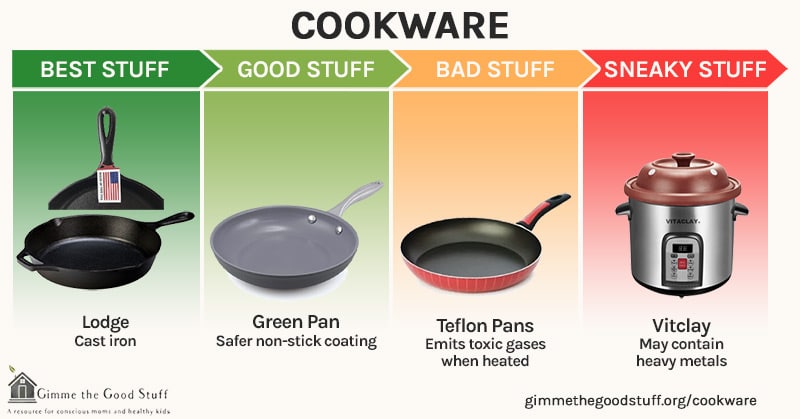
Choosing the right cookware material is important for your health. Different materials can affect the food we eat.
Some cookware can release harmful substances when heated, while others may not conduct heat well. This blog will explore popular cookware materials like stainless steel, cast iron, non-stick, and ceramic. Each has its pros and cons. Understanding these options helps you make better choices for your kitchen.
Are you worried about safety and health? Knowing which materials are safe can lead to healthier cooking habits. We will dive into the best options for your health and give you tips on how to use them safely. Let’s find out which cookware is best for a healthy kitchen.
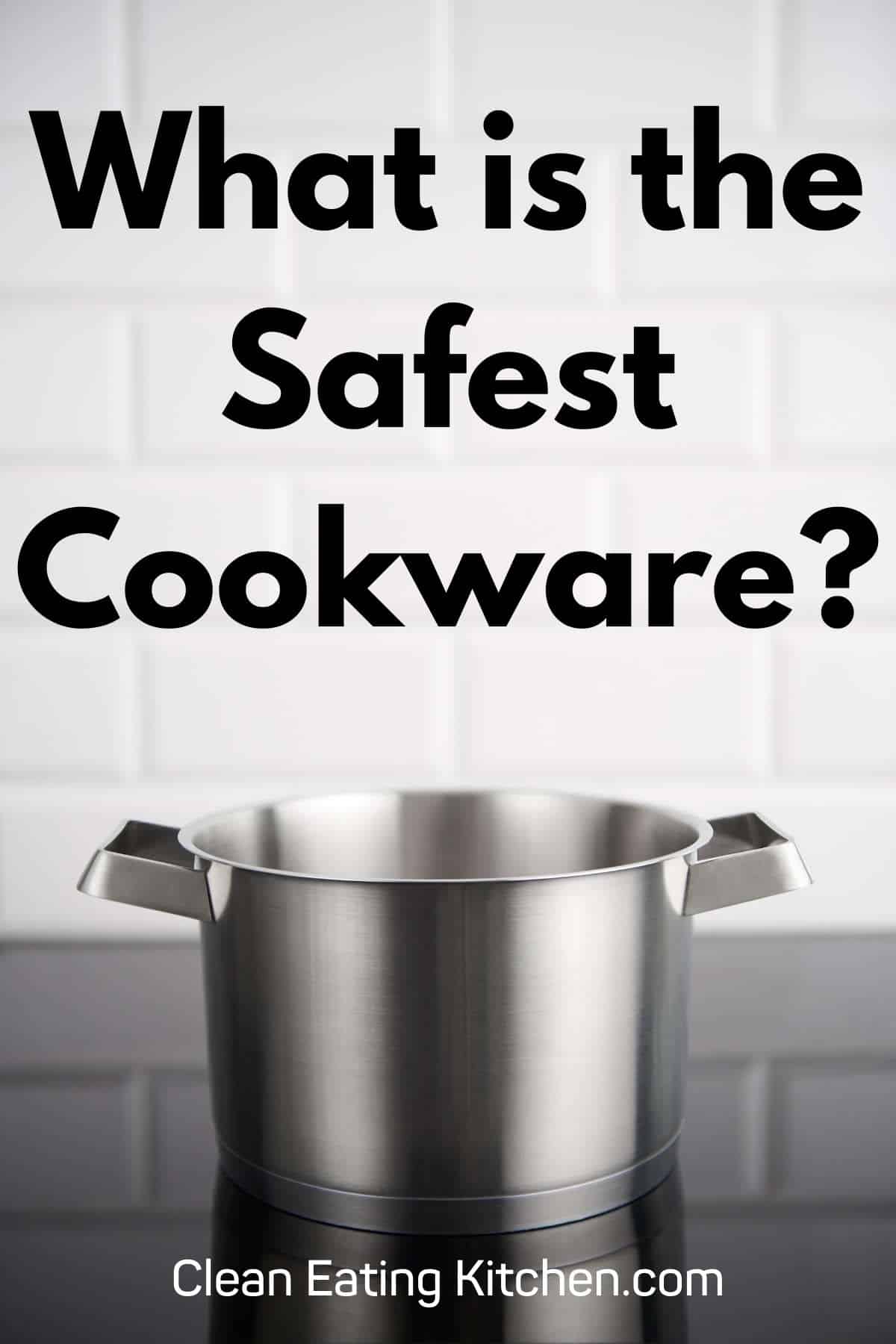
Credit: www.cleaneatingkitchen.com
Introduction To Healthy Cookware Materials
Choosing the right cookware matters. Different materials affect your food and health. Safe cookware helps prevent harmful chemicals. Understanding cookware materials can lead to better cooking choices. Here, we explore healthy cookware options.
The Importance Of Choosing Safe Cookware
Cookware can impact your meals and well-being. Some materials release toxins when heated. Others can react with food. This can change the flavor and quality of your dishes.
Here are some reasons to pick safe cookware:
- Health Risks: Avoid materials that leach harmful substances.
- Food Quality: Safe cookware preserves the taste and nutrients.
- Longevity: High-quality materials last longer and save money.
The Connection Between Cookware And Health
Cookware materials can affect your health in several ways. For instance, non-stick pans may contain harmful chemicals. These chemicals can enter your food when heated.
Here’s a quick look at common cookware materials:
| Material | Health Impact | Durability |
|---|---|---|
| Stainless Steel | Safe, no leaching | Very durable |
| Cast Iron | Can add iron to food | Very durable |
| Non-Stick | Can release toxins | Less durable |
| Aluminum | Can react with acidic foods | Moderate durability |
Choosing the right cookware is essential. It helps keep your food healthy. Always check materials for safety.
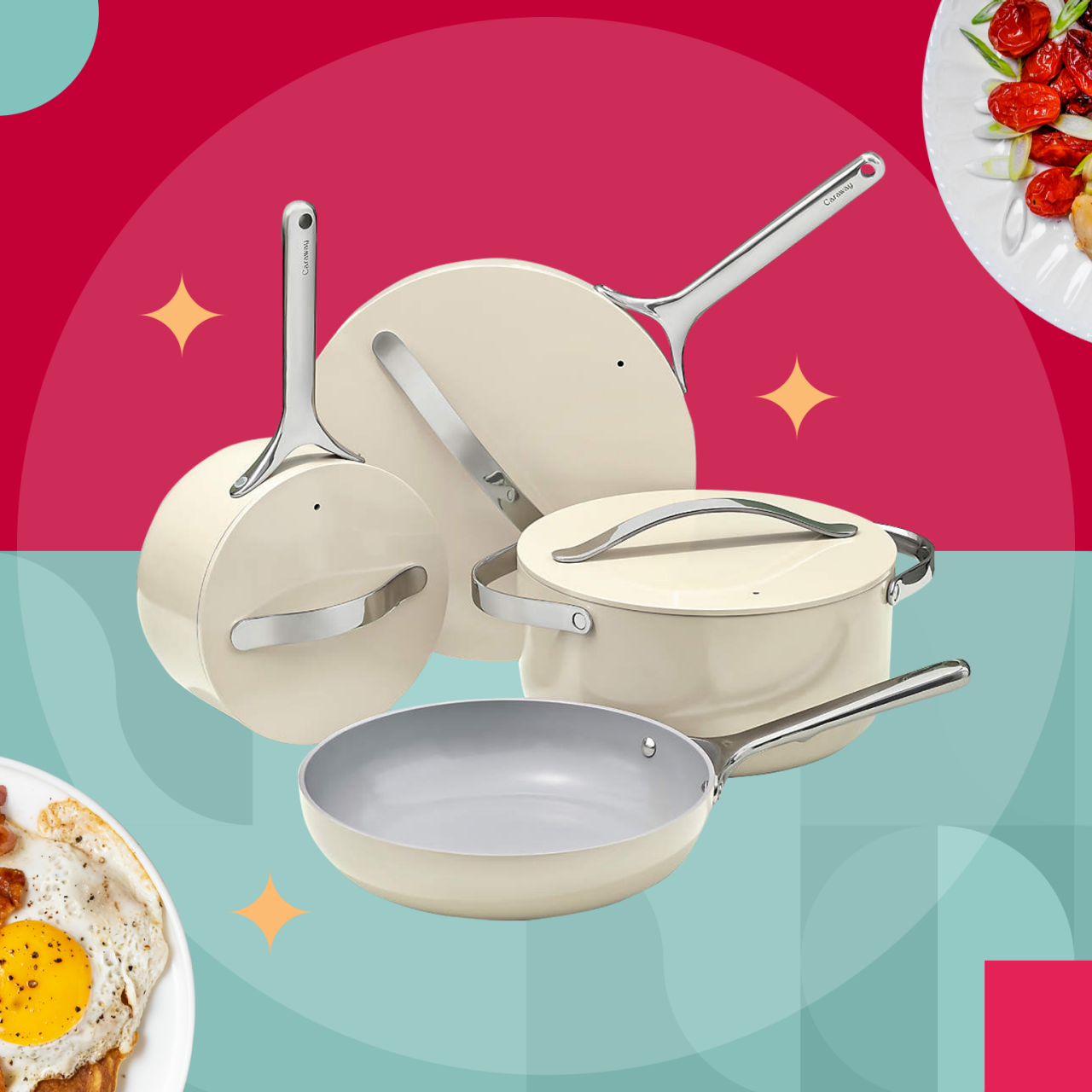
Credit: www.foodnetwork.com
Stainless Steel: Timeless And Trustworthy
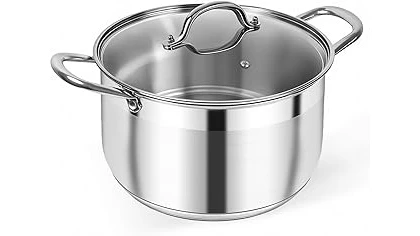
Stainless steel cookware has been a popular choice for many years. It combines durability and elegance. People trust it for healthy cooking. This material is resistant to rust and corrosion. It does not react with food. Let’s explore its benefits and drawbacks.
Pros Of Using Stainless Steel
- Durable: Stainless steel lasts a long time. It can withstand high temperatures.
- Non-reactive: It does not change the taste of food. No metallic flavor.
- Easy to Clean: It is dishwasher safe. Stains can be removed easily.
- Versatile: Suitable for all cooking methods. Works on stovetops and ovens.
- Healthier Option: No harmful chemicals leach into food.
Cons To Consider
- Heat Conductivity: Not as good as copper or aluminum. Can lead to uneven cooking.
- Weight: Some stainless steel pots are heavy. Difficult for some people to handle.
- Price: Higher quality stainless steel can be expensive. Look for budget-friendly options.
- Sticking Issues: Food may stick without proper preheating. Use enough oil or butter.
Stainless steel cookware is a great choice for many. It is timeless and trustworthy. Weigh the pros and cons before you buy. This way, you can make the right choice for your kitchen.
Cast Iron: The Rustic Favorite
Cast iron cookware has been a kitchen staple for generations. Its rustic charm and durability make it a popular choice. Many cooks prefer it for its ability to retain heat and distribute it evenly. Beyond its cooking qualities, cast iron offers several health benefits.
Health Benefits Of Cast Iron
Cooking with cast iron can boost your health in surprising ways. Here are some key benefits:
- Iron Supplementation: Cast iron cookware can release small amounts of iron into food. This can help increase iron intake, especially beneficial for those with iron deficiencies.
- Natural Non-Stick Surface: When well-seasoned, cast iron provides a natural non-stick surface. This reduces the need for unhealthy oils and fats.
- Durability: Cast iron lasts for decades. It withstands high heat and can go from stove to oven seamlessly.
- Versatility: Use it for frying, baking, or slow cooking. Its versatility makes it suitable for various recipes.
Maintenance And Care Tips
Proper care ensures your cast iron cookware lasts a lifetime. Follow these maintenance tips:
- Season Regularly: Season your cast iron after every few uses. This builds a protective layer and enhances its non-stick properties.
- Avoid Soap: Do not use soap for cleaning. Hot water and a scrub brush are enough.
- Dry Immediately: Prevent rust by drying the cookware right after washing. Use a towel or heat it on the stove.
- Store Properly: Store in a dry place. Place a paper towel inside to absorb moisture.
Cast iron cookware combines health benefits and easy maintenance. It stands out as a reliable kitchen companion.
Ceramic Coated Cookware: Non-toxic And Non-stick
Ceramic coated cookware is popular for its non-toxic and non-stick properties. It offers an easy way to cook healthy meals without added chemicals. Many people enjoy using this type of cookware for its convenience and safety.
Advantages Of Ceramic Coatings
Ceramic coatings have several benefits:
- Non-Toxic: No harmful chemicals are used in the coating.
- Non-Stick: Food releases easily, reducing the need for oil.
- Easy to Clean: Just wipe with a damp cloth or sponge.
- Even Heat Distribution: Cooks food evenly, preventing hot spots.
- Versatile: Safe for use on stovetops and in ovens.
Potential Downsides
Despite the advantages, there are some downsides:
- Durability: Ceramic coatings can chip or scratch easily.
- Temperature Limitations: High heat can damage the coating.
- Not Indestructible: Use wooden or silicone utensils to protect the surface.
- Replacement Costs: May need to be replaced more often than other cookware.
Choosing the right cookware is vital for your health. Ceramic coated cookware provides a safe and effective option for everyday cooking. Balance the pros and cons before making a choice.
Glass Cookware: The Clear Contender
Glass cookware is gaining popularity for its health benefits. It is a safe choice for cooking and baking. Many people prefer it over metal or plastic options. But what makes glass cookware stand out? Let’s explore its advantages and limitations.
Why Glass Is A Healthy Option
Glass cookware offers many health benefits. Here are some reasons to consider it:
- Non-Toxic: Glass is free from harmful chemicals. It does not leach substances into food.
- Safe for High Temperatures: Glass can withstand high heat. It won’t warp or release toxins.
- Easy to Clean: Glass is dishwasher safe. It resists stains and odors, making it hygienic.
- Visual Appeal: You can see your food while cooking. This helps avoid overcooking.
Glass cookware is suitable for various cooking methods. You can use it in the oven, microwave, or refrigerator. It is versatile and practical for many recipes.
Limitations Of Glass Cookware
Despite its benefits, glass cookware has some downsides:
- Fragility: Glass can break easily. Handle it with care.
- Heat Conductivity: Glass heats slowly. It may not be suitable for quick cooking.
- Limited Use on Stovetops: Glass is not ideal for stovetop cooking. It can crack under direct heat.
- Weight: Glass cookware is heavier than metal options. This can make handling difficult.
Consider these limitations before choosing glass cookware. It is essential to balance health benefits with practical use.
Titanium Cookware: Lightweight And Durable
Titanium cookware stands out for its lightweight and durable features. It is a popular choice among health-conscious cooks. This cookware is known for its strength and resistance to scratches. It makes cooking easier and safer.
The Health Perks Of Titanium
Titanium cookware offers several health benefits:
- Non-reactive: It does not react with acidic foods.
- Safe: It is free from harmful chemicals.
- Durable: It lasts longer than many other materials.
- Lightweight: Easy to handle, reducing fatigue.
Cooking in titanium cookware means less risk of toxins. It helps retain the natural flavors of food. This cookware promotes healthier meal preparation.
Comparing Price And Performance
When choosing cookware, price and performance matter. Below is a quick comparison:
| Material | Price Range | Durability | Health Safety |
|---|---|---|---|
| Titanium | High | Very High | Excellent |
| Stainless Steel | Medium | High | Good |
| Non-stick | Low | Medium | Variable |
Titanium cookware may cost more upfront. Its longevity and health benefits make it a wise choice. Investing in titanium can save money over time.
Anodized Aluminum: A Modern Take
Anodized aluminum cookware offers a sleek and durable option. This material is treated to improve its resistance to corrosion and wear. It also provides a non-reactive surface for cooking. Many chefs and home cooks prefer anodized aluminum for its performance and safety.
Safety Profile Of Anodized Aluminum
Anodized aluminum is generally safe for cooking. The anodization process creates a hard, protective layer. This layer prevents aluminum from leaching into food. It ensures that your meals remain pure and healthy.
Key safety features include:
- Non-reactive surface: Food does not react with the cookware.
- Durable coating: Resists scratches and stains.
- Easy to clean: Non-stick properties make cleaning simple.
Weighing The Pros And Cons
Like any material, anodized aluminum has advantages and disadvantages. Here’s a quick overview:
| Pros | Cons |
|---|---|
| Lightweight and easy to handle | Can be more expensive than regular aluminum |
| Good heat distribution | May require careful handling to prevent scratches |
| Resistant to corrosion | Not all brands are dishwasher safe |
Choose anodized aluminum for a reliable cooking experience. Weigh the pros and cons based on your cooking needs.
Copper Cookware: Conductive And Classy
Copper cookware stands out in the kitchen. It is known for its excellent heat conduction. This means food cooks evenly. Many chefs love it for its beauty and performance. However, using copper cookware comes with some important points to consider.
Copper’s Role In A Healthy Kitchen
Copper is not just pretty. It has health benefits too. Here are some reasons why copper cookware is a great choice:
- Fast heating: Copper heats quickly and evenly. Food cooks well.
- Durable: Good quality copper lasts long. It can handle high temperatures.
- Natural antibacterial: Copper fights bacteria. It helps keep food safe.
- Beautiful look: Copper adds style to the kitchen. It can make cooking feel special.
Points Of Caution With Copper
Using copper cookware needs care. Here are some points to remember:
- Reactivity: Copper can react with acidic foods. This can change the taste.
- Coating: Some copper pots have a lining. This protects food from copper.
- Cleaning: Copper needs special cleaning. Avoid harsh chemicals.
- Cost: Quality copper cookware can be expensive. It is an investment.
Consider these factors before choosing copper cookware. It is beautiful and functional. Make sure it fits your cooking style.
The Verdict On Non-stick Teflon
Non-stick Teflon cookware is popular for many home cooks. It makes cooking and cleaning easy. But is it safe for your health? This section dives deep into the safety of Teflon and explores better options.
Examining Teflon’s Safety
Teflon is made from a chemical called PTFE. For many years, it was thought to be safe. However, concerns have arisen about its safety over time. Here are some key points:
- Heat Concerns: Teflon can release harmful fumes when overheated.
- Chemicals: Older Teflon cookware contained PFOA. This chemical is linked to health issues.
- Current Standards: Newer products are PFOA-free. This is a safer option.
Research shows that cooking with Teflon is generally safe if used correctly. Avoid high heat to prevent the release of fumes. Always use utensils that won’t scratch the surface.
Alternatives To Traditional Non-stick
If you are still worried about Teflon, many alternatives exist. These options offer safety and durability. Here are some popular choices:
| Material | Benefits | Drawbacks |
|---|---|---|
| Cast Iron | Durable, non-toxic, excellent heat retention | Heavy, requires seasoning |
| Stainless Steel | Non-reactive, long-lasting, dishwasher safe | Poor non-stick properties |
| Ceramic | Non-toxic, easy to clean, good heat distribution | Can chip, less durable than metal |
| Hard-Anodized Aluminum | Scratch-resistant, even heating | May not be suitable for high heat |
Choosing the right cookware is essential for health. Each material has its pros and cons. Consider your cooking style and health needs when selecting.
How To Choose The Right Cookware
Choosing the right cookware is essential for healthy cooking. Different materials can affect your food’s safety and taste. It’s important to understand your options. This section will help you make an informed choice.
Assessing Your Cooking Needs
Start by considering your cooking habits. Think about what you cook most often. Do you fry, bake, or boil? Here are a few questions to guide you:
- What type of cuisine do you enjoy?
- How often do you cook?
- Do you have specific dietary needs?
Next, evaluate the types of cookware that suit your cooking style. Here are common materials:
| Material | Pros | Cons |
|---|---|---|
| Stainless Steel | Durable, non-reactive | Poor heat conductivity |
| Cast Iron | Excellent heat retention | Heavy, requires maintenance |
| Ceramic | Non-toxic, easy to clean | Can chip easily |
| Teflon (Non-stick) | Easy to use, less oil needed | Can scratch, chemicals may leach |
Balancing Health, Budget, And Lifestyle
Health is vital when choosing cookware. Some materials may release harmful chemicals. Look for options that are safe for you and your family. Consider these points:
- Choose non-toxic materials.
- Check for durability to save money over time.
- Pick cookware that matches your lifestyle.
Budget matters too. Quality cookware can be an investment. Look for sales and discounts. Remember, safety and health should not be compromised.
Finally, think about your cooking space. If you have limited storage, choose stackable or multi-use cookware. Prioritize what fits your kitchen and lifestyle best.
Caring For Your Cookware
Caring for your cookware is crucial for health and safety. The right care keeps your pots and pans in good shape. Proper maintenance also helps prevent harmful chemicals from leaching into your food. Let’s explore how to preserve the life of your cookware and ensure safety while cooking.
Preserving The Life Of Your Cookware
Each type of cookware needs specific care. Here are some tips to help you maintain your pots and pans:
- Cast Iron: Season regularly. Avoid soap.
- Stainless Steel: Use gentle cleaners. Avoid steel wool.
- Non-stick: Use silicone or wooden utensils. Never use metal.
- Glass: Avoid sudden temperature changes. Handle with care.
Store cookware properly. Stack pots with soft cloths in between. This prevents scratches. Regularly inspect for damage. Replace any cookware that shows wear. Damaged cookware can be unsafe.
Best Practices For Cookware Safety
Safety is important when using cookware. Follow these best practices:
- Always read the manufacturer’s instructions.
- Use cookware on the correct heat setting.
- Do not use scratched non-stick pans.
- Check for any loose handles before cooking.
Pay attention to cleaning methods. Avoid harsh chemicals. Use natural cleaners like vinegar and baking soda. This protects the surface and your health.
| Cookware Type | Care Tips | Safety Tips |
|---|---|---|
| Cast Iron | Season regularly | Don’t soak in water |
| Stainless Steel | Use gentle cleaners | Preheat before adding food |
| Non-stick | Use silicone utensils | Replace if scratched |
| Glass | Avoid thermal shock | Check for cracks |
Conclusion: Making Informed Decisions
Choosing the right cookware impacts your health. Different materials affect your food. Understanding these options helps you make better choices.
Summing Up The Healthiest Options
| Cookware Material | Health Benefits | Considerations |
|---|---|---|
| Stainless Steel | Durable and non-reactive | May require oil to prevent sticking |
| Cast Iron | Provides iron to food | Heavy and requires seasoning |
| Glass | No chemicals leach into food | Can break easily |
| Non-Stick (Ceramic) | Easy to clean and low-fat cooking | Check for PFOA-free options |
| Bamboo | Natural and sustainable | Not for stovetop use |
Personalizing Your Cookware Collection
Your cooking style matters. Choose cookware that fits your needs. Consider these factors:
- Type of Cooking: Do you bake, fry, or stew?
- Health Goals: Are you reducing fat or adding iron?
- Maintenance: Do you prefer easy-to-clean options?
Mix and match materials for best results. Use cast iron for frying and glass for baking. Your cookware should help you cook healthier meals.
Remember, the right cookware supports your health journey. Make choices that suit your lifestyle.
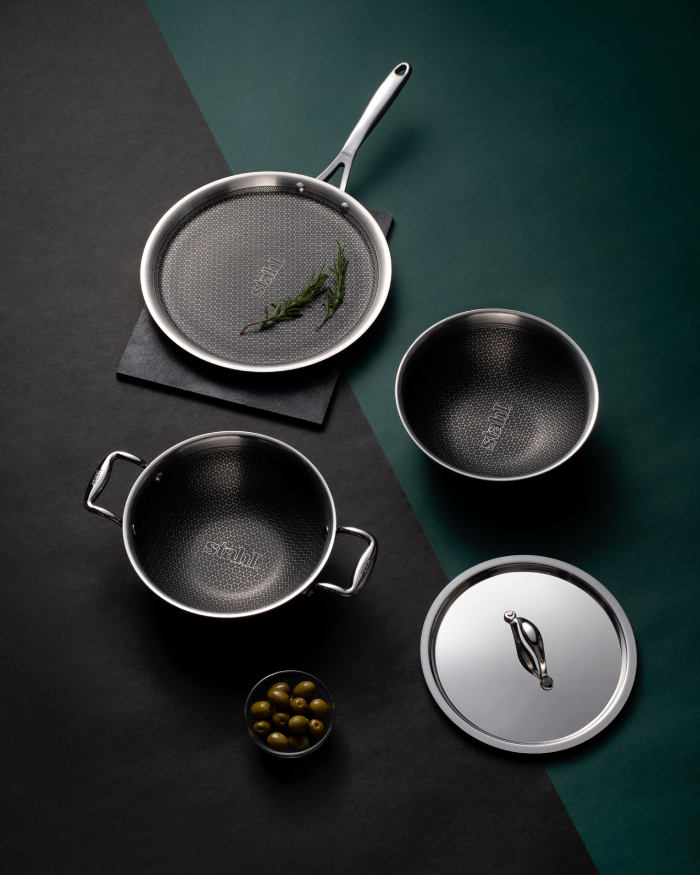
Credit: stahlkitchens.com
Frequently Asked Questions
What Cookware Materials Are Safe For Health?
Cookware materials like stainless steel, cast iron, and ceramic are considered safe for health. They do not leach harmful chemicals into food. Additionally, they are durable and easy to maintain. Avoid non-stick pans with harmful coatings, as they can release toxic substances when overheated.
Is Stainless Steel Cookware Safe To Use?
Yes, stainless steel cookware is safe for cooking. It is non-reactive and does not leach chemicals into food. This material is also durable and resistant to scratches and dents. Opt for high-quality stainless steel to ensure better heat distribution and longevity in your kitchen.
Are Non-stick Pans Harmful To Health?
Non-stick pans can be harmful if they contain PFOA or PTFE. These chemicals can release toxins when heated. However, newer non-stick coatings are often PFOA-free and safer for cooking. Always choose high-quality brands to minimize health risks associated with non-stick cookware.
Is Cast Iron Cookware Healthy?
Cast iron cookware is a healthy option for many cooks. It is durable and can improve iron levels in your diet. Seasoned cast iron provides a natural non-stick surface without harmful chemicals. Regular maintenance is essential to prevent rust and ensure its longevity.
Conclusion
Choosing the right cookware matters for your health. Each material has pros and cons. Stainless steel is durable and safe. Cast iron adds iron to food. Non-stick is easy to clean but may have chemicals. Glass and ceramic are good choices too.
Think about your cooking habits and needs. Always prioritize safety and health. Your cookware affects your meals and overall well-being. Make informed choices for a healthier kitchen. Happy cooking!

Leave a Reply