
Imagine coming home after a long day, tired and hungry, only to find a perfectly cooked meal waiting for you. No last-minute scrambling or burning. This dream is now a reality for many thanks to innovations in kitchen appliances.
One such innovation is the slow cooker with auto stir function. This remarkable device takes the guesswork out of cooking, ensuring your dishes are evenly cooked and consistently delicious. In this post, you’ll discover how this smart appliance works, its benefits, and why it’s a must-have for busy households, helping you save time and reduce kitchen stress.
Exploring the Auto Stir Slow Cooker
The slow cooker with auto stir function represents a significant leap forward in convenient home cooking. This appliance is designed to automate one of the more labor-intensive aspects of slow cooking: the stirring. Traditional slow cooking involves setting ingredients in a pot and letting them simmer for hours. While this method is effective, certain recipes, like stews, chilis, and risottos, benefit greatly from regular stirring to prevent sticking, burning, and to ensure even cooking and flavor distribution. The auto stir function addresses this need directly.
This innovative technology typically involves a paddle or stirring mechanism built into the slow cooker’s insert. This mechanism is programmed to move at set intervals, gently stirring the contents of the pot. This ensures that food at the bottom is not constantly exposed to direct heat, preventing scorching. It also helps to meld flavors together more effectively, creating a richer, more consistent taste in the final dish. The result is a more hands-off cooking experience that still yields impressive culinary results.
Many of these advanced slow cookers offer programmable settings that allow users to customize the stirring frequency and duration. This level of control ensures that the appliance can be adapted to a wide variety of recipes. From delicate sauces that need a gentle swirl to hearty braises that require more vigorous mixing, the auto stir function can be adjusted to suit the dish. This versatility makes it an invaluable tool for anyone looking to simplify their cooking routine without sacrificing quality.
The Mechanics Behind Auto Stirring
Understanding how the auto stir mechanism works can demystify this seemingly complex feature. At its core, the auto stir function relies on a motor and a stirring implement. The motor, usually located in the base of the slow cooker, powers the stirring action. This motor is connected to a paddle or whisk-like attachment that sits inside the cooking pot.
The stirring implement is often designed to reach most areas of the pot, ensuring thorough mixing. Some models feature a removable paddle, making them easier to clean. The motor is controlled by a program or timer, which dictates when and how long the stirring occurs. This programming is the key to its effectiveness, allowing it to operate autonomously.
The technology behind the motor and programming is what enables the consistent and automated stirring. Sensors may also be incorporated in some advanced models to detect the consistency of the food or the temperature, adjusting the stirring action accordingly. This intelligent design minimizes the need for manual intervention, allowing users to step away and attend to other tasks. The goal is to replicate the attention a cook would give to a dish on the stovetop but with the set-and-forget convenience of a slow cooker.
Stirring Mechanisms Explained
The design of the stirring mechanism itself varies between different models and brands. Some employ a simple paddle that rotates in a circular motion. Others might have a more sophisticated whisk attachment that agitates the food in a way that mimics manual stirring more closely. The material of the stirring implement is also important, usually made from food-grade silicone or durable plastic to prevent scratching the non-stick coating of the inner pot and to withstand prolonged heat exposure.
The orientation and coverage of the stirring implement are critical for effective mixing. A well-designed paddle will reach the edges of the pot as well as the center, ensuring that no ingredients are left unstirred. Some mechanisms are designed to lift and fold ingredients, preventing them from settling at the bottom. This thoroughness is what sets these appliances apart from standard slow cookers.
The power source for the motor is typically integrated into the slow cooker’s electrical system. The controls for the auto stir function are usually part of the digital interface on the appliance, allowing users to select pre-set stirring patterns or customize them. This attention to detail in the mechanical design ensures that the auto stir function performs its intended task efficiently and effectively, enhancing the overall cooking experience.
Benefits of Using an Auto Stir Slow Cooker
The advantages of incorporating a slow cooker with auto stir function into your kitchen are numerous and directly address common cooking challenges. For busy individuals and families, the most significant benefit is the substantial saving of time and effort. Instead of standing over a stove, constantly stirring a pot, you can simply load your ingredients into the slow cooker, set the program, and walk away. This frees up your schedule for other activities, whether it’s work, family time, or relaxation.
Another key benefit is the improved quality of the cooked food. For dishes like risotto, where constant stirring is essential to achieve a creamy texture and prevent sticking, the auto stir function is invaluable. It ensures that the starch from the rice is released evenly, creating that signature smooth consistency. Similarly, in chilis and stews, it prevents ingredients from clumping together or settling at the bottom, leading to a more uniform flavor and texture throughout the dish.
Food safety is also enhanced. By continuously mixing, the auto stir function helps to maintain an even cooking temperature throughout the pot, reducing the risk of hot spots where bacteria could potentially multiply. This consistent heating also minimizes the chances of burning or scorching, which can not only ruin a meal but also create unhealthy compounds. The appliance takes the guesswork out of maintaining the ideal cooking environment.
Furthermore, these appliances reduce kitchen stress. The worry of food sticking or burning is eliminated, allowing home cooks to be more experimental and confident in the kitchen. This can lead to a more enjoyable cooking experience overall. The ability to prepare complex dishes with minimal supervision makes gourmet cooking more accessible to everyone, regardless of their culinary expertise or available time.
- Reduced Cooking Supervision: The primary benefit is the elimination of constant manual stirring. This means you can leave the appliance unattended for longer periods, knowing your food is being stirred automatically.
- Even Cooking and Flavor Distribution: The automatic stirring ensures ingredients are evenly heated and mixed. This leads to consistent flavor throughout the dish and prevents hot spots or burnt patches.
- Improved Food Texture: For dishes like risotto, polenta, or creamy sauces, the auto stir function is crucial for achieving the desired smooth and lump-free texture. It releases starches effectively without manual effort.
- Time and Energy Savings: By automating the stirring process, you save valuable time that would otherwise be spent in the kitchen. This also reduces the mental load associated with monitoring the cooking process.
- Less Food Waste and Cleaner Kitchen: Preventing food from sticking or burning means less wasted food and fewer burnt pots to scrub. This contributes to a cleaner, more efficient kitchen environment.
Preventing Food Sticking and Burning
One of the most significant advantages of an auto stir slow cooker is its ability to prevent food from sticking to the bottom of the pot. In traditional slow cooking, especially with thicker dishes like sauces, gravies, or creamy soups, the ingredients at the very bottom can be subjected to prolonged direct heat. This can cause them to caramelize excessively, burn, and then stick firmly to the inner surface of the pot. This not only ruins the texture and flavor of the dish but also makes cleaning the pot a chore.
The gentle, consistent motion of the auto stir mechanism actively combats this issue. By continuously moving the contents, it ensures that no single portion of the food remains in direct contact with the heat source for too long. This constant agitation helps to distribute the heat more evenly throughout the contents of the pot. It effectively creates a barrier between the food and the hot surface, preventing the initial stages of sticking.
This is particularly beneficial for recipes that contain starches, such as rice or pasta, or dairy products like milk or cream. These ingredients have a higher tendency to stick and burn if not stirred regularly. The auto stir function acts like a diligent chef, ensuring these ingredients are incorporated smoothly into the dish, yielding a superior result without any burning on the bottom. This is a game-changer for dishes that are typically challenging to make in a standard slow cooker.
Real-Life Scenarios and Examples
Consider the scenario of preparing a creamy tomato soup for a weeknight dinner. Traditionally, you would need to monitor it closely, stirring every 15-20 minutes to prevent the milk or cream from curdling or sticking. With an auto stir slow cooker, you can add all your ingredients, set the desired cooking time and temperature, and activate the stir function. The appliance will then gently stir the soup periodically, ensuring it cooks evenly and remains smooth and creamy without any manual intervention.
Another example is making a rich, slow-cooked risotto. This dish is notorious for requiring constant attention on the stovetop, stirring until the rice is tender and the risotto is creamy. An auto stir slow cooker can handle this task. You add the rice, broth, and other ingredients, and the stirring mechanism works tirelessly to release the starches from the rice, creating that characteristic velvety texture. You can go about your evening, and the risotto will be ready without you having to stand by the pot.
A third practical application is making homemade jams or preserves. These often involve simmering fruit with sugar for an extended period, and the risk of scorching is high. An auto stir function can ensure the fruit and sugar mixture is evenly heated and mixed, preventing the bottom layers from burning and resulting in a perfectly set jam. This automation transforms a potentially tedious process into a simple, hands-off activity.
Versatility in Culinary Applications
The slow cooker with an auto stir function is not limited to just a few specific types of dishes; its versatility makes it suitable for a wide array of culinary creations. This adaptability means it can become a go-to appliance for many different meal preparations, from appetizers to main courses and even desserts. Its ability to handle various textures and cooking needs makes it a powerful tool in any kitchen.
For instance, thick sauces and gravies, often made on the stovetop with constant stirring to achieve the perfect consistency and prevent lumps, can be effortlessly prepared. Similarly, custards and puddings, which are highly susceptible to scorching and require gentle, continuous heat, benefit immensely from the automated stirring. This allows for smoother, richer desserts with less fuss.
Even baking can see some innovative uses. While not a direct
Recipes Optimized for Auto Stirring
Certain recipes are particularly well-suited to benefit from the auto stir feature, transforming them from moderately difficult to effortlessly achievable. These are typically dishes where constant stirring is the key to success on the stovetop, and replicating that manually for hours is impractical.
Risotto Variations: Beyond the classic, many regional risotto variations with different vegetables, cheeses, and broths can be made. The auto stir function ensures the rice releases its starch evenly, creating a creamy texture.
Creamy Soups and Stews: Soups containing dairy, like cream of mushroom or butternut squash soup, or hearty stews with thickeners, benefit from stirring to prevent separation and scorching.
Polenta and Grits: Achieving smooth, lump-free polenta or grits requires continuous stirring. The auto stir function mimics this perfectly, offering perfectly cooked sides with minimal effort.
Custards and Puddings: Delicate desserts like rice pudding or crème brûlée base require gentle, consistent heat and stirring to avoid curdling or a rubbery texture. The auto stir function provides this controlled environment.
Homemade Sauces and Dips: Cheesy dips, caramels, or complex pasta sauces that need to simmer and thicken without burning can be made with ease.
These examples showcase how the auto stir function elevates the slow cooker from a simple braising tool to a more advanced cooking assistant, capable of handling a wider spectrum of culinary tasks with precision and convenience.
Technical Considerations and Features
When looking at a slow cooker with an auto stir function, several technical aspects and features are worth considering to ensure you get the most out of your appliance. The motor driving the stir mechanism is a key component. Its power and durability will affect how effectively it can stir thicker mixtures. Look for models with a robust motor that can handle dense ingredients without strain.
The design of the stirring paddle or whisk is also important. It should be shaped to effectively reach all parts of the inner pot, ensuring comprehensive stirring. Removable and dishwasher-safe paddles are a significant convenience for cleaning. Some models offer adjustable stirring speeds or patterns, allowing you to fine-tune the action based on the recipe. This programmability adds a layer of control that can be very beneficial.
Digital interfaces and programmable timers are standard on most modern auto stir slow cookers. These allow you to set cooking times, temperatures, and the duration and frequency of the stirring cycles. Some advanced models may even include preset cooking programs for specific dishes, taking the guesswork out of setting parameters. Features like keep-warm functions and delayed start times add further utility to the appliance.
Consider the capacity of the slow cooker. These are available in various sizes, from small, personal units to large family-sized pots. Choose a size that best suits your household’s needs. The material of the inner pot, typically ceramic or stoneware, is also a factor. Both materials offer excellent heat retention, but ceramic is generally lighter and more durable.
Programmable Settings and Control Options
The true power of an auto stir slow cooker lies in its programmable settings and control options. These features allow users to customize the cooking process to precisely match the needs of their recipe. Without this flexibility, the auto stir function might be too general for certain dishes.
Most models feature a digital display where you can select cooking modes like ‘Low’, ‘High’, and ‘Warm’. Beyond these basic settings, the auto stir function itself will have its own controls. These might include options to turn the stirring on or off, set the interval between stirs (e.g., every 15 minutes, every 30 minutes), and the duration of each stir (e.g., 1 minute, 2 minutes).
Some advanced units offer pre-programmed cycles. For example, a ‘Risotto’ setting might automatically stir every 20 minutes for a set duration. Others may allow for custom programming, where you can manually create your own stirring schedule. This level of control is invaluable for experimenting with new recipes or for achieving specific textural results.
Furthermore, some slow cookers come with smartphone app integration. These apps can provide remote control over the appliance, allowing you to adjust settings, monitor cooking progress, and even receive notifications. This connectivity adds another layer of convenience, especially for those who are frequently away from home. The ability to precisely control the auto stir function ensures that each dish is cooked to perfection.
Maintenance and Cleaning Tips
Proper maintenance and cleaning of your auto stir slow cooker will ensure its longevity and optimal performance. The most critical part to clean is the inner pot and the stirring mechanism. Most inner pots are made of ceramic or stoneware and are designed to be dishwasher-safe. However, it is always advisable to check your appliance’s manual for specific cleaning instructions. Handwashing with warm, soapy water is often recommended to preserve the non-stick coating and the integrity of the pot.
The stirring paddle or whisk should also be cleaned thoroughly after each use. If it is removable, it can usually be washed by hand or in the dishwasher. Ensure it is completely dry before reassembling or storing it to prevent any moisture buildup that could lead to mold or corrosion. Some models might have the motor housing located beneath the inner pot; this area should be kept dry and cleaned with a damp cloth. Never immerse the main body of the slow cooker in water, as this can damage the electronic components.
Regularly inspect the stirring mechanism for any signs of wear or damage. If the paddle seems loose, chipped, or bent, it may need to be
- Inner Pot Care: Always allow the inner pot to cool before washing. Use non-abrasive sponges or cloths to avoid scratching the surface. If food is stuck, soak the pot in warm, soapy water before scrubbing.
- Stirring Implement Cleaning: Ensure the stirring paddle or whisk is removed and cleaned according to the manufacturer’s instructions. Check for any food residue that might be trapped in crevices.
- Exterior Maintenance: Wipe down the exterior of the slow cooker with a soft, damp cloth. Avoid using harsh chemicals or abrasive cleaners, which can damage the finish.
- Motor and Electrical Components: Never immerse the main unit in water. Clean any spills around the heating element or control panel with a dry or slightly damp cloth.
- Storage: Ensure all parts are completely dry before storing the slow cooker to prevent mildew or rust. Store the inner pot and lid separately or with a protective cloth between them to avoid chips or scratches.
Troubleshooting Common Issues
While auto stir slow cookers are designed for ease of use, occasional issues might arise. One common problem is the stirring mechanism not moving. This could be due to a loose connection, a mechanical obstruction, or a power issue. First, ensure the appliance is properly plugged in and the correct settings are selected. Check if the stirring paddle is correctly seated and not obstructed by food.
If the stirring is inconsistent, it might be because the paddle is not designed to reach all areas of the pot, or the mixture is too thick for the motor to handle effectively. In such cases, you might need to manually stir the food a few times during the cooking process, especially if dealing with very dense ingredients. Some thicker mixtures may require starting the auto stir function only after the initial cooking stages have softened the ingredients.
Another issue could be a burning smell or food sticking despite the auto stir function. This might indicate that the stirring frequency or duration is not sufficient for the specific recipe. Reviewing the recipe and the slow cooker’s capabilities is important. For recipes known to be prone to sticking, consider increasing the stirring frequency or duration if your model allows for it. Always consult your appliance’s user manual for specific troubleshooting steps related to your model.
The Future of Automated Cooking
The slow cooker with an auto stir function is a clear indicator of the direction home cooking technology is heading. As kitchens become smarter and appliances more integrated, the demand for automated solutions that save time and effort will only grow. This appliance exemplifies how technology can simplify complex culinary tasks, making them accessible to a wider audience. The trend towards greater convenience and efficiency in the kitchen is undeniable.
Looking ahead, we can anticipate further advancements in automated cooking. This might include slow cookers with more sophisticated sensing technologies that can adjust stirring based on the food’s consistency or temperature, or even appliances that can automatically adjust cooking times and temperatures based on the type of ingredients added. The integration with smart home ecosystems will likely become more prevalent, allowing for even greater control and customization through voice commands or mobile apps.
The goal is to create a cooking experience that is not only convenient but also educational, helping users to perfect a wide range of dishes. As artificial intelligence and machine learning become more integrated into kitchen appliances, we may see devices that can suggest recipes, automatically adjust cooking parameters based on user preferences, and even provide real-time feedback on the cooking process. The auto stir slow cooker is just the beginning of this exciting evolution in home culinary technology.
Innovations in Smart Kitchen Appliances
The evolution of kitchen appliances towards greater automation and connectivity is a significant trend. Smart kitchen appliances are no longer just a novelty; they are becoming increasingly practical tools that enhance the cooking experience. The auto stir slow cooker is a prime example of this innovation, taking a beloved kitchen appliance and adding a layer of intelligent functionality.
Beyond slow cookers, we see smart ovens that can recognize food items and adjust cooking settings, refrigerators that track inventory and suggest recipes, and coffee makers that can be programmed remotely. This interconnectedness aims to streamline kitchen tasks, reduce the mental load on home cooks, and improve the overall efficiency of meal preparation. The focus is on creating a seamless and intuitive cooking environment.
These smart appliances often leverage Wi-Fi connectivity and companion mobile apps, allowing users to control and monitor their devices from anywhere. This remote access is particularly beneficial for busy individuals who may not always be home to tend to their cooking. The data gathered from these appliances can also be used to personalize the cooking experience, offering tailored recommendations and cooking tips. The ongoing development in this area promises even more exciting possibilities for the home kitchen.
Examples of Advanced Kitchen Technology
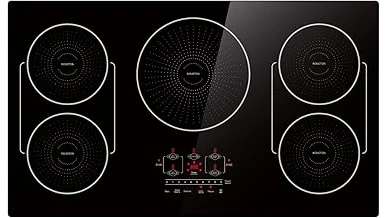
Several advanced kitchen technologies are already making waves, with many more on the horizon. Induction cooktops, for example, offer precise temperature control and energy efficiency, often paired with smart features that allow for remote monitoring and adjustment. Smart ovens are becoming increasingly capable, featuring built-in cameras that allow users to check on their food without opening the oven door, or even AI-powered cooking programs that can identify the dish and set the optimal cooking parameters.
Smart refrigerators can help manage food inventory, send expiry alerts, and even suggest recipes based on the ingredients available. Connected blenders and food processors can follow pre-programmed recipes for consistent results. There are even smart scales that integrate with recipe apps to ensure precise ingredient measurement. These technologies are designed to simplify tasks, reduce errors, and enhance the overall enjoyment of cooking.
The integration of voice assistants like Amazon Alexa or Google Assistant further enhances the smart kitchen experience. Users can control various appliances with voice commands, making it easier to multitask in the kitchen. This convergence of connectivity, AI, and intuitive design is paving the way for a truly automated and personalized future of home cooking. The slow cooker with an auto stir function is a testament to this innovative direction.
Making Informed Purchasing Decisions
When considering the purchase of a slow cooker with an auto stir function, it’s essential to weigh various factors to ensure you choose a model that best fits your needs and budget. Start by identifying your primary use cases. If you plan to make a lot of risottos or creamy soups, look for models with strong stirring power and adjustable stirring intervals. If you’re primarily looking for convenience in stews and chilis, a more basic auto stir function might suffice.
Research different brands and models, paying close attention to user reviews. Reviews can provide valuable insights into the real-world performance of the appliance, its durability, and any potential quirks or issues. Look for common themes regarding the effectiveness of the auto stir mechanism, ease of cleaning, and the reliability of the programmable settings.
Compare the features offered by different models. Some may include additional functionalities like multiple cooking presets, slow cooker-to-sear capabilities, or digital displays with advanced timers. Consider the capacity of the slow cooker – do you need a small unit for one or two people, or a larger one for family meals? The material of the inner pot (ceramic vs. stoneware) and its removability for cleaning are also important considerations.
Finally, compare prices across different retailers and look for any ongoing sales or promotions. While an auto stir slow cooker may have a higher initial cost than a standard model, the convenience and improved cooking results it offers can make it a worthwhile investment for busy households. Don’t hesitate to spend a little more for a model with good build quality and a reputable brand, as this often translates to better performance and longer lifespan.
- Assess Your Needs: Determine which types of dishes you cook most often and how much time you want to save. This will guide your decision on required features.
- Read Reviews: Seek out genuine user feedback on performance, durability, and ease of use. Pay attention to comments specifically about the auto stir function.
- Compare Features and Capacity: Evaluate the programmable options, stirring settings, and the size of the slow cooker against your household requirements.
- Consider Cleaning and Maintenance: Look for models with removable, dishwasher-safe parts for easier cleanup.
- Budget and Brand Reputation: Balance your budget with the reputation of the brand for quality and customer service. A higher price can sometimes mean better performance and longevity.
Frequently Asked Questions
Question: How often does the auto stir function activate
Answer: The frequency of the auto stir function varies by model. Some allow you to set intervals from every 15 to 60 minutes, while others have pre-programmed cycles that are optimized for specific dishes.
Question: Can I use metal utensils with an auto stir slow cooker
Answer: Generally, it is not recommended to use metal utensils, as they can scratch the non-stick coating of the inner pot and potentially damage the stirring mechanism. It’s best to use silicone, wood, or heat-resistant plastic utensils.
Question: Is the stirring paddle removable for cleaning
Answer: Most auto stir slow cookers have removable stirring paddles, making them much easier to clean. You should check the product specifications or user manual for confirmation.
Question: Will the auto stir function work with very thick mixtures
Answer: The motor strength varies between models. Some are powerful enough for very thick mixtures, while others might struggle. For extremely dense recipes, you might still need to manually stir a few times or ensure ingredients are softened before starting the auto stir function.
Question: Can I turn off the auto stir function if I don’t need it
Answer: Yes, most auto stir slow cookers allow you to turn the stirring function on or off independently of the cooking settings, giving you the flexibility to use it as a standard slow cooker when desired.
Summary
The slow cooker with an auto stir function offers significant advantages for home cooks seeking convenience and consistent results. It automates the tedious task of stirring, preventing food from sticking and burning while ensuring even cooking and flavor distribution. This innovative appliance is versatile, suitable for a wide range of recipes from creamy risottos to hearty stews and delicate desserts. By understanding its technical features and making an informed purchase decision, you can significantly simplify your meal preparation and enjoy delicious, perfectly cooked food with minimal effort.

Leave a Reply