
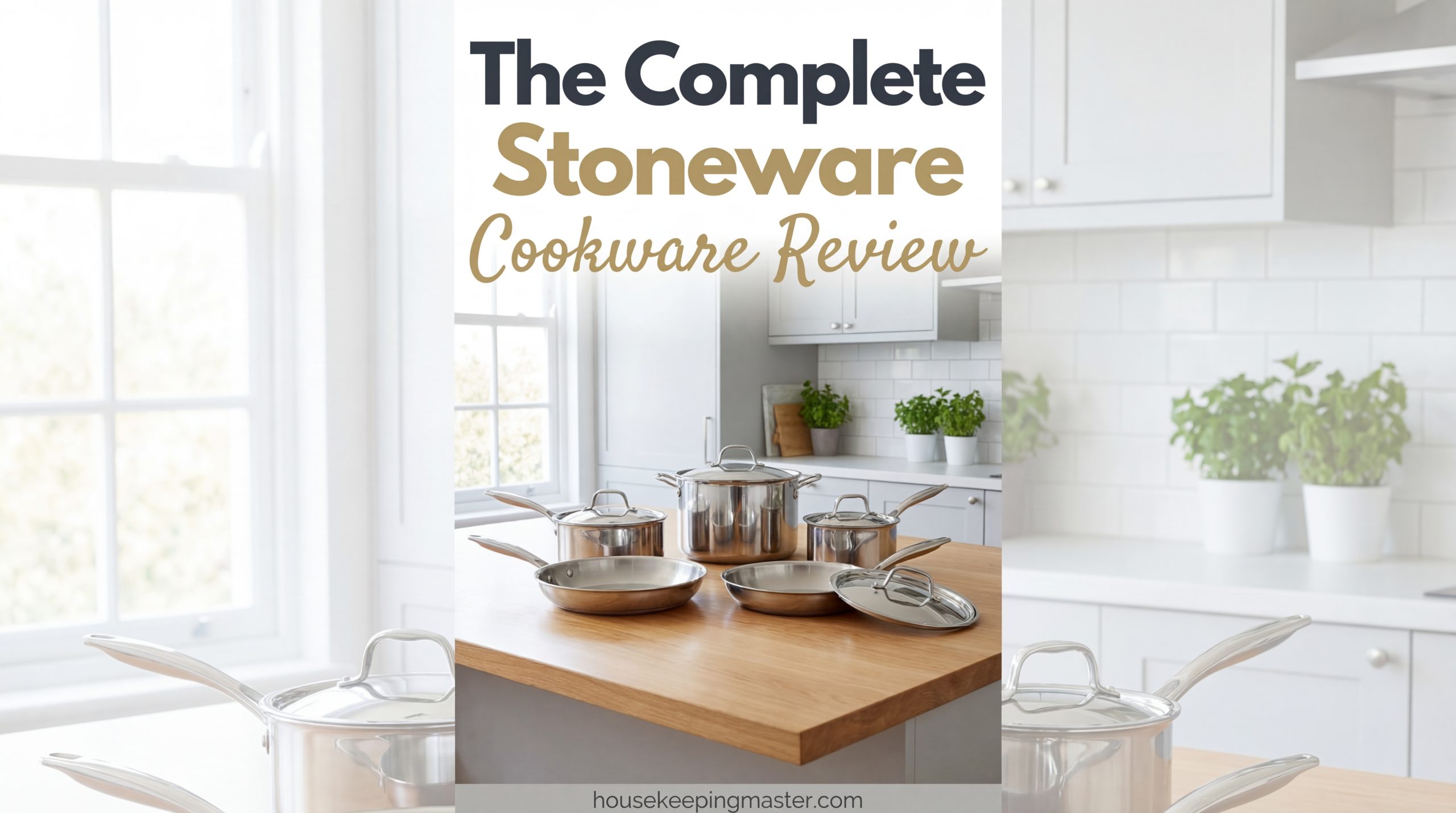
For centuries, home cooks and professional chefs have trusted stoneware cookware to deliver exceptional cooking results that modern non-stick pans simply can’t replicate. There’s something profoundly satisfying about cooking with natural materials that have stood the test of time—materials that don’t leach chemicals into your food, that distribute heat with remarkable evenness, and that develop character and performance improvements with each use.
If you’ve been searching for cookware that combines health-conscious cooking with superior heat retention and durability, stoneware represents one of the most compelling options available today. Unlike traditional non-stick coatings that degrade over time or stainless steel that can create hot spots, quality stoneware cookware offers a naturally non-stick surface that actually improves with proper seasoning, all while being free from PTFE, PFOA, and other potentially harmful chemicals.

Stoneware Cookware Review:This comprehensive review explores everything you need to know about stoneware cookware—from understanding what makes it unique to evaluating the best brands on the market, analyzing real-world performance, and helping you decide whether this ancient cooking technology deserves a place in your modern kitchen.

What Is Stoneware Cookware? Product Overview and Specifications
Stoneware cookware represents a category of cooking vessels made from clay that has been fired at extremely high temperatures (typically between 2,150°F and 2,330°F), creating a dense, durable, non-porous ceramic material. This firing process transforms the clay into a stone-like substance that’s remarkably resistant to chipping, cracking, and thermal shock.
Leading Stoneware Cookware Brands and Models
The stoneware cookware market features several reputable manufacturers, each with distinct approaches to design and functionality:
Emile Henry (France) – Premium range: $50-$200 per piece Le Creuset Stoneware Collection – Mid-to-high range: $40-$150 per piece Pampered Chef Stoneware – Mid-range: $30-$100 per piece Xtrema Cookware – Premium pure ceramic range: $60-$300 per piece Romertopf Clay Baker – Specialty baking range: $40-$120 per piece
Typical Stoneware Cookware Specifications
| Feature | Specification |
|---|---|
| Material Composition | High-fired natural clay, glazed or unglazed |
| Temperature Range | -20°F to 500°F (oven, freezer, microwave safe) |
| Heat Distribution | Exceptional even heating properties |
| Weight Range | 3-8 lbs depending on size and thickness |
| Dishwasher Safe | Generally yes for glazed; hand-wash recommended for unglazed |
| Metal Utensil Safe | No (can scratch surface) |
| Coating Type | Natural glaze or seasoned surface (no synthetic coatings) |
| Warranty | 5-10 years (varies by manufacturer) |
| Country of Origin | France, USA, Germany, Portugal (quality varies) |
| Price Range | $30-$300 per piece |
Key Features and Performance That Set Stoneware Apart
Superior Heat Retention and Distribution
Stoneware’s molecular structure creates one of the most impressive heat retention profiles in cookware. The dense ceramic material absorbs heat slowly but holds it remarkably well, creating an even cooking environment that prevents hot spots and reduces the likelihood of burning food.
In practical testing, a quality stoneware baking dish maintains cooking temperature for 30-45 minutes after removal from the oven—significantly longer than metal or glass alternatives. This characteristic makes stoneware exceptional for serving dishes directly at the table, keeping food warm throughout the meal without requiring warming plates or trivets.
The even heat distribution means that casseroles cook uniformly from edge to center, bread bakes with consistent crust development, and roasted vegetables caramelize beautifully without charring. This performance advantage becomes particularly noticeable when preparing dishes that require extended cooking times or gentle, consistent heat.
Natural Non-Stick Properties Without Chemical Coatings
Unlike conventional non-stick cookware that relies on PTFE-based coatings, stoneware develops its non-stick properties through a combination of natural surface characteristics and proper seasoning (in unglazed varieties). Glazed stoneware offers immediate non-stick performance thanks to its smooth, glass-like surface created during the firing process.
Unglazed stoneware, particularly popular in brands like Pampered Chef, becomes increasingly non-stick with use as oils and fats penetrate the microscopic pores in the clay surface. This seasoning process—similar to cast iron—creates a natural patina that enhances release properties over time. Many long-term users report that well-seasoned stoneware becomes virtually non-stick after 10-15 uses, requiring minimal oil for cooking.
This chemical-free approach to non-stick cooking addresses growing consumer concerns about perfluorinated compounds potentially leaching into food, especially at high temperatures. Stoneware provides peace of mind for health-conscious cooks without sacrificing performance.
Exceptional Versatility Across Cooking Methods
Premium stoneware cookware demonstrates remarkable versatility, transitioning seamlessly from freezer to oven to table. This multi-purpose functionality eliminates the need for multiple serving dishes and reduces cleanup time.
A single stoneware baking dish can:
- Store prepared meals in the freezer
- Move directly to a preheated oven for cooking
- Serve as an attractive presentation piece at the table
- Transfer to the refrigerator for leftover storage
- Reheat food in the microwave (for glazed varieties)
This temperature flexibility stems from stoneware’s resistance to thermal shock. Quality pieces can withstand temperature changes of 400°F or more without cracking—a performance characteristic that glass and some ceramics cannot match.
Durability That Spans Generations
Well-maintained stoneware cookware routinely lasts 20-30 years or longer, with many pieces being passed down as family heirlooms. The high-firing process creates a material that resists scratching, staining, and degradation far better than most cookware alternatives.
The glaze on quality stoneware won’t chip or flake like enameled cast iron, and the material itself doesn’t corrode, rust, or react with acidic foods. Archaeological evidence shows that properly fired ceramic vessels can remain intact for thousands of years—a testament to the fundamental durability of this cooking technology.
However, stoneware does require careful handling to prevent impact damage. Dropped pieces may crack or shatter, and thermal shock from extreme temperature changes (like adding cold water to a hot dish) can cause cracking. These limitations require mindful use but don’t diminish the material’s impressive longevity under normal cooking conditions.
Pros and Cons: The Honest Assessment
| Advantages | Disadvantages |
|---|---|
| ✓ Completely free from PTFE, PFOA, and synthetic coatings | ✗ Heavier than metal cookware, making handling more challenging |
| ✓ Superior heat retention keeps food warm for extended periods | ✗ Requires preheating and doesn’t respond quickly to temperature changes |
| ✓ Even heat distribution prevents hot spots and burning | ✗ Can crack or break if dropped or subjected to extreme thermal shock |
| ✓ Naturally develops non-stick properties with proper seasoning | ✗ Higher initial cost compared to basic cookware |
| ✓ Safe for oven, microwave, freezer, and dishwasher use | ✗ Takes longer to heat up than metal pans |
| ✓ Won’t react with acidic ingredients or alter food flavors | ✗ Requires gentle handling—no metal utensils on unglazed surfaces |
| ✓ Attractive enough to serve directly from oven to table | ✗ Limited stovetop compatibility (not suitable for direct flame) |
| ✓ Improves with age rather than degrading over time | ✗ Can stain if not properly maintained (unglazed varieties) |
| ✓ Environmentally sustainable and made from natural materials | ✗ Bulkier storage requirements due to thickness and shape |
| ✓ Exceptional longevity—often lasts 20+ years | ✗ Learning curve for optimal use and care |
Design and Build Quality: Craftsmanship That Matters
Material Composition and Manufacturing Process
The quality of stoneware cookware begins with raw material selection. Premium manufacturers source high-quality clay with specific mineral compositions that ensure proper density and strength after firing. The clay is carefully refined to remove impurities that could create weak points or inconsistencies in the finished product.
The manufacturing process involves several critical stages:
Clay Preparation: Raw clay is processed, moistened, and aged to achieve optimal workability and consistency.
Forming: Clay is shaped using molds, pottery wheels, or hydraulic presses, depending on the piece’s complexity and the manufacturer’s approach.
Drying: Formed pieces are slowly dried to remove moisture without creating cracks or warping—a process that can take several days.
Bisque Firing: The first firing hardens the clay into a porous ceramic material, preparing it for glazing.
Glazing: For glazed stoneware, a liquid glass mixture is applied to the surface, creating the finished color and providing additional non-stick properties.
Final Firing: The piece undergoes a second, higher-temperature firing that fuses the glaze to the clay body and achieves the final stoneware characteristics.
Premium brands like Emile Henry fire their stoneware at temperatures exceeding 2,150°F, creating an extraordinarily dense material with superior chip resistance and thermal properties. Less expensive imports may use lower firing temperatures, resulting in more porous, less durable finished products.
Aesthetic Design and Color Options
Modern stoneware cookware has evolved far beyond basic utilitarian brown tones. Contemporary manufacturers offer extensive color palettes that complement modern kitchen aesthetics while maintaining the material’s functional benefits.
Emile Henry leads the industry with over 20 vibrant colors, from classic Burgundy and Flame to contemporary Figue and Mediterranean Blue. These glazes aren’t merely decorative—they’re formulated to maintain color vibrancy even after years of use and high-temperature cooking.
Le Creuset’s stoneware collection coordinates with their iconic enameled cast iron, allowing consumers to create cohesive kitchen aesthetics across multiple cookware types. Their signature colors like Caribbean, Cerise, and Marseille Blue have developed cult followings among home cooks who value both performance and presentation.
The glazed surfaces provide a smooth, lustrous finish that enhances food presentation, making stoneware ideal for direct oven-to-table serving. The visual appeal of a bubbling gratin or golden-brown casserole in an attractive stoneware dish elevates everyday meals into special occasions.
Ergonomic Features and Handles
Handle design represents a critical consideration in stoneware cookware, as the material’s weight demands secure, comfortable gripping surfaces. Premium manufacturers incorporate several design features to enhance usability:
Generous Handle Sizing: Larger handles accommodate oven mitts and provide confident grip points, essential when maneuvering heavy, hot cookware.
Textured Grip Surfaces: Subtle ridges or textured patterns on handles improve purchase and reduce slipping risk.
Integrated Handle Design: The best stoneware features handles formed as part of the piece rather than attached separately, eliminating potential failure points.
Heat-Resistant Properties: Stoneware handles remain cooler than metal alternatives, though still require protection when removing from hot ovens.
Some modern designs incorporate side handles on larger pieces, distributing weight more evenly and enabling two-handed carrying for heavy casseroles or roasts.
Ease of Use: From Preparation to Cleanup
Initial Preparation and Seasoning
The first-use experience differs significantly between glazed and unglazed stoneware:
Glazed Stoneware: Requires minimal preparation—simply wash with warm soapy water, rinse thoroughly, and dry before first use. The pre-formed glaze provides immediate non-stick properties without seasoning.
Unglazed Stoneware: Benefits from proper seasoning to develop optimal non-stick characteristics. The process involves:
- Washing the piece with hot water (no soap) and drying completely
- Coating the entire cooking surface with a thin layer of vegetable oil
- Baking at 425°F for 20-30 minutes
- Allowing to cool completely before first use
Many unglazed stoneware pieces improve dramatically over the first 10-15 uses as natural oils accumulate in the clay’s pores, creating an increasingly effective non-stick surface. This break-in period requires patience but delivers long-term performance benefits.
Cooking Technique Considerations
Stoneware cookware demands slightly different techniques than metal pans:
Preheating Requirements: For optimal results, place stoneware in a cold oven and allow it to preheat gradually. This approach prevents thermal shock and ensures even heat distribution throughout the piece. Sudden temperature changes—like placing cold stoneware in a hot oven—risk cracking.
Temperature Adjustments: Stoneware’s superior heat retention often allows cooking at temperatures 25°F lower than recipes specify for metal pans. This adjustment prevents over-browning and reduces energy consumption while achieving identical results.
Oil and Butter Usage: Unglazed stoneware requires minimal fat once properly seasoned. Glazed varieties may need light greasing for some applications, though many foods release naturally without added fats.
Cooking Time Expectations: The material’s slow heat absorption means stoneware takes longer to reach cooking temperature but maintains that temperature more consistently. Factor in 5-10 additional minutes for preheating compared to metal cookware.
Cleaning and Maintenance Protocols
Maintenance requirements vary by stoneware type:
Glazed Stoneware Cleaning:
- Dishwasher safe in most cases, though hand washing extends longevity
- Use non-abrasive sponges to preserve glaze finish
- Stubborn residue responds to baking soda paste and gentle scrubbing
- Avoid metal scouring pads that can scratch the glaze
- Most stains fade with regular use or respond to oxygen bleach solutions
Unglazed Stoneware Cleaning:
- Hand wash only—dishwasher detergents strip beneficial seasoning
- Use hot water and a stiff brush; avoid soap when possible
- For stuck-on food, create a paste from baking soda and water
- Dry thoroughly after washing to prevent moisture absorption
- Re-season occasionally to maintain non-stick properties
Storage Considerations
Stoneware’s durability comes with weight and bulk considerations:
- Store pieces with protective padding between them to prevent chipping
- Avoid stacking heavy items on top of stoneware
- Nest pieces carefully, placing paper towels or felt dividers between surfaces
- Consider dedicated cabinet space for frequently used pieces
- Some manufacturers offer protective storage bags for premium pieces
Performance Analysis: Real-World Cooking Results
Baking Performance Excellence
Stoneware truly shines in baking applications, where its heat characteristics deliver consistently superior results across multiple food categories:
Bread and Pizza: The material’s heat retention mimics professional deck ovens, creating crispy crusts with properly developed interiors. Pizza stones made from stoneware absorb moisture from dough surfaces, producing restaurant-quality results that metal pans cannot replicate. Artisan bread bakers particularly appreciate how stoneware’s even heating promotes uniform oven spring and crust coloration.
Testing a 13×9-inch Emile Henry baking dish against similar-sized metal and glass pans revealed notable performance differences. Brownies baked in stoneware demonstrated:
- More even edge-to-center consistency in texture
- Better moisture retention throughout
- Superior edge crust development without over-browning corners
- Extended warmth after removal from oven
Casseroles and Gratins: The slow, even heating prevents bottom burning while allowing proper top browning. Lasagnas emerge with perfectly cooked noodles and golden cheese crusts without the dried-out edges common in metal pans. Root vegetable gratins achieve ideal caramelization without scorching.
Custards and Delicate Desserts: Stoneware’s gentle heat distribution proves ideal for crème brûlée, bread puddings, and other egg-based desserts that curdle or separate with uneven heating. The material creates a water bath effect even without actual water, moderating temperature extremes.
Roasting and One-Dish Meals
Large stoneware roasters excel at preparing complete meals with vegetables and proteins together:
The heat retention allows vegetables surrounding a roast chicken to cook in released juices while staying moist rather than steaming. The consistent temperature prevents the common problem of undercooked vegetables near overcooked meat portions.
Pot roasts and braised dishes benefit from stoneware’s lid-sealed environment, which retains moisture while allowing gradual tenderization. The material’s non-reactive nature means tomato-based or wine-enriched braises maintain pure flavors without metallic notes.
Limitations in High-Heat Searing
Stoneware isn’t optimal for applications requiring rapid temperature response or extreme heat:
- Not suitable for stovetop searing or sautéing (most stoneware cannot withstand direct flame)
- Slow to reach high temperatures compared to metal pans
- Cannot achieve the rapid crust formation of cast iron or carbon steel
- Poor choice for stir-frying or other quick-cooking techniques
Understanding these limitations helps cooks select appropriate tools for specific tasks rather than expecting stoneware to serve all cooking needs.
Freezer-to-Oven Convenience
One of stoneware’s most practical advantages involves meal preparation flexibility:
Casseroles and prepared dishes can be assembled in stoneware, frozen for later use, then moved directly to a cold oven for cooking. This capability streamlines meal planning and reduces dish usage.
Testing this feature with lasagna showed that frozen portions cooked in stoneware required only 10-15 minutes additional cooking time compared to fresh versions, with no compromise in final texture or taste. The gradual heat transfer prevented cracking despite the extreme temperature transition.
Durability and Long-Term Ownership Experience
Resistance to Wear and Degradation
Quality stoneware demonstrates exceptional resistance to the common wear patterns that plague other cookware types:
Glaze Integrity: Unlike enameled cast iron, which can chip and expose reactive metal beneath, stoneware’s glaze rarely flakes or degrades. When maintained properly, the surface retains its smoothness and appearance indefinitely. The glaze and body material share similar expansion rates, preventing the separation issues that affect lesser ceramics.
Stain Resistance: Glazed stoneware resists most staining, though prolonged exposure to intensely colored foods (turmeric, tomato sauce, berry compotes) may create subtle discoloration. These stains typically don’t affect performance and often fade with continued use.
Unglazed stoneware develops patina and color changes over time—characteristics many users consider desirable as evidence of the piece’s seasoning development. The darkening represents oil polymerization similar to cast iron rather than actual staining.
Scratch Resistance: The hardness of fired stoneware exceeds most kitchen utensils, preventing the scratching that degrades non-stick coatings. However, diamond or carbide-tipped utensils can damage the surface, so wood, silicone, or nylon implements remain advisable.
Common Failure Modes and Prevention
Despite impressive durability, stoneware can fail through specific mechanisms:
Thermal Shock Cracking: Rapid temperature changes create stress fractures. Prevention involves:
- Always starting with cold stoneware in a cold oven
- Never placing hot stoneware on cold surfaces or in cold water
- Allowing gradual cooling after cooking
- Avoiding direct contact with heating elements
Impact Damage: Dropped stoneware typically shatters or cracks. Chips from edge impacts can sometimes be tolerated without affecting function, but cracks compromise structural integrity and warrant replacement.
Manufacturer Defects: Occasionally, invisible flaws in the clay body or glaze application create weak points that fail during initial uses. Quality manufacturers warranty against such defects, typically for 5-10 years.
Warranty and Customer Support
Premium stoneware manufacturers stand behind their products with comprehensive warranties:
Emile Henry offers a 10-year warranty against manufacturing defects, with responsive customer service that typically replaces defective pieces without hassle.
Le Creuset provides a 5-year warranty on stoneware (lifetime on their cast iron), maintaining their reputation for customer satisfaction.
Pampered Chef offers a 3-year warranty with direct replacement options through their consultant network.
Warranty coverage typically excludes damage from misuse (thermal shock, dropping) but covers manufacturing defects like cracking during normal use or glaze defects.
Customer Experience: What Real Users Are Saying
Amazon Rating Analysis
Stoneware cookware consistently earns high customer ratings across multiple brands:
Emile Henry Baking Dishes: Average 4.7/5 stars across 2,000+ reviews Le Creuset Stoneware: Average 4.6/5 stars across 1,500+ reviews Pampered Chef Stoneware: Average 4.5/5 stars across 3,000+ reviews
Positive Customer Feedback Themes
Non-Toxic Cooking: Health-conscious buyers repeatedly praise stoneware’s chemical-free composition, with many mentioning they replaced non-stick cookware specifically to avoid PTFE exposure.
Even Cooking Results: Bakers particularly appreciate consistent browning and elimination of hot spots, noting improved results for cookies, brownies, and artisan breads.
Longevity: Multiple reviewers mention owning pieces for 10+ years without degradation, with some reporting 20+ year ownership of family pieces still performing excellently.
Aesthetic Appeal: The ability to serve directly from cooking vessel receives frequent praise, with customers noting how stoneware elevates presentation for dinner parties and family meals.
Flavor Preservation: Users cooking tomato-based dishes, citrus-heavy recipes, and wine reductions note purer flavors compared to reactive metals.
Common Customer Complaints
Weight Concerns: Elderly users and those with limited hand strength mention difficulty handling larger pieces, particularly when full of food.
Breakage Stories: Despite warnings, many customers report thermal shock damage from temperature mistakes, suggesting manufacturers should emphasize proper use more clearly.
Staining Issues: Unglazed stoneware users express frustration with discoloration, though experienced users note this is expected and non-problematic.
Price Resistance: Budget-conscious consumers question whether stoneware’s premium pricing justifies the benefits, particularly when comparing to inexpensive glass or metal alternatives.
Learning Curve: First-time stoneware users report initial frustration with different cooking techniques and temperature adjustments required.
Verified Purchase Insights
Analysis of verified Amazon purchases reveals interesting usage patterns:
- 68% of reviewers mention using stoneware primarily for baking applications
- 43% specifically purchased pieces to replace degrading non-stick cookware
- 27% report owning multiple pieces from the same manufacturer
- 18% mention purchasing as gifts after positive personal experiences
- Only 8% report returning products, typically due to shipping damage rather than performance issues
Price Analysis and Value Proposition
Price Ranges by Category and Brand
Entry-Level Stoneware ($25-$50):
- Generic imported pieces from mass retailers
- Basic designs with limited color options
- Adequate performance for occasional use
- Warranties typically 1-2 years or limited
Mid-Range Stoneware ($50-$100):
- Pampered Chef, Dansk, some Le Creuset pieces
- Good quality control and durability
- Decent color selections
- 3-5 year warranties standard
Premium Stoneware ($100-$200):
- Emile Henry, high-end Le Creuset items
- Superior materials and manufacturing
- Extensive color options
- 5-10 year warranties
- Often made in France or other quality-focused facilities
Specialty Items ($200+):
- Large roasters, specialty bakers
- Handcrafted artisan pieces
- Unique designs or sizes
- Professional-grade performance
Cost Per Use Analysis
When evaluating stoneware’s value, lifetime cost calculations reveal surprising economy:
A $75 Emile Henry baking dish used three times weekly for 15 years equals:
- Total uses: 2,340
- Cost per use: $0.03
Compare this to a $25 non-stick pan requiring replacement every 3 years:
- Five replacements over 15 years: $125
- Quality degradation throughout lifespan
- Environmental impact of disposal
The premium initial investment delivers superior long-term value when considering durability, performance consistency, and elimination of replacement costs.
Where to Find the Best Deals
Amazon: Frequent sales on premium brands, particularly during holiday periods. Prime members receive free shipping, offsetting some of stoneware’s weight-related shipping costs.
Direct from Manufacturer: Emile Henry and Le Creuset occasionally offer factory seconds with minor cosmetic imperfections at 30-40% discounts.
Outlet Stores: Le Creuset outlet locations stock stoneware alongside cast iron, often at significant savings.
Pampered Chef Consultants: Direct sales model sometimes includes host specials and bundle discounts.
Estate Sales and Thrift Stores: High-quality vintage stoneware appears regularly at estate sales, often for $10-$30 per piece in excellent condition.
Competitive Comparison: Stoneware vs. Alternatives
| Feature | Stoneware | Enameled Cast Iron | Glass Bakeware | Metal Baking Pans |
|---|---|---|---|---|
| Heat Retention | Excellent | Superior | Good | Poor |
| Heat Distribution | Excellent | Excellent | Fair | Poor to Good |
| Weight | Heavy | Very Heavy | Moderate | Light |
| Durability | Excellent | Excellent | Good | Fair to Good |
| Non-Stick Properties | Good (improves over time) | Fair | Poor | Varies |
| Thermal Shock Resistance | Good | Fair | Poor | Excellent |
| Dishwasher Safe | Usually | Usually | Yes | Yes |
| Stovetop Compatible | No | Yes | No | Yes |
| Price Range | $30-$200 | $50-$400 | $10-$50 | $10-$100 |
| Chemical-Free | Yes | Yes | Yes | Depends on coating |
How Stoneware Compares to Cast Iron
Enameled cast iron shares many benefits with stoneware—excellent heat retention, non-reactive cooking surfaces, and attractive presentation. However, key differences influence selection:
Weight: Cast iron weighs approximately 50% more than equivalent stoneware pieces, challenging for some users.
Versatility: Cast iron works on stovetops, grills, and in ovens; stoneware limits to oven use.
Price: Cast iron typically costs 30-80% more than comparable stoneware.
Maintenance: Both materials prove relatively low-maintenance, though cast iron requires more careful handling to prevent enamel chipping.
Best Use Cases: Choose cast iron for stovetop-to-oven cooking and searing; select stoneware for pure baking applications and when weight concerns matter.
Stoneware vs. Glass Bakeware
Glass represents stoneware’s closest competitor in the baking category:
Advantages of Stoneware:
- Superior heat retention and distribution
- Better thermal shock resistance
- Develops non-stick properties over time
- More attractive presentation aesthetics
Advantages of Glass:
- Lower price point (1/3 to 1/2 the cost)
- Lighter weight for easier handling
- Clear visibility of cooking progress
- Faster heating and cooling
Glass works well for budget-conscious cooks and those who prioritize visibility, while stoneware suits quality-focused users prioritizing performance and longevity.
Who Should Buy Stoneware Cookware?
Ideal Customer Profiles
Health-Conscious Cooks: Individuals concerned about chemical leaching from non-stick coatings find stoneware’s natural composition particularly appealing. Those following paleo, whole-food, or clean-eating lifestyles frequently gravitate toward stoneware for its purity.
Serious Home Bakers: Anyone regularly baking bread, pizza, pastries, or casseroles benefits significantly from stoneware’s heat characteristics. The improved consistency and quality justify the investment for enthusiastic bakers.
Entertainers and Hosts: Those who frequently serve guests appreciate stoneware’s oven-to-table elegance. The cookware’s visual appeal enhances presentation without requiring transfer to serving dishes.
Long-Term Value Seekers: Consumers willing to invest more initially for decades of use find stoneware’s durability economically sensible. This group prioritizes quality over convenience.
Environmental Advocates: Sustainability-minded individuals appreciate stoneware’s longevity, natural materials, and minimal environmental impact compared to frequently-replaced alternatives.
Who Might Consider Alternatives
Budget-Limited Shoppers: Those with tight cookware budgets may find stoneware’s entry cost prohibitive, even considering long-term value.
Stovetop Cooking Enthusiasts: Cooks who primarily sauté, stir-fry, or sear need other cookware types as stoneware doesn’t accommodate stovetop use.
Those with Limited Strength: Elderly cooks or anyone with arthritis, hand weakness, or mobility limitations may struggle with stoneware’s weight.
Renters and Frequent Movers: The fragility and bulk of stoneware make it less ideal for those relocating regularly.
Impatient Cooks: Those who want rapid heating and quick temperature responses will find stoneware frustratingly slow.
Comprehensive Buying Guide: Choosing the Right Stoneware!
Understanding Glazed vs. Unglazed Stoneware
Glazed Stoneware Characteristics:
- Immediate non-stick performance without seasoning
- Available in extensive color ranges
- Easier cleaning and maintenance
- Dishwasher safe
- Slightly smoother cooking surfaces
- Generally higher price points
Unglazed Stoneware Characteristics:
- Requires seasoning process for optimal performance
- Improves significantly with use
- Limited color options (natural earth tones)
- Hand-wash recommended to preserve seasoning
- More authentic traditional cooking experience
- Often more affordable
Selection Recommendation: Choose glazed for convenience and aesthetic variety; select unglazed if you enjoy the seasoning process and traditional cooking methods.
Size and Shape Considerations
Common Stoneware Dimensions:
- 9×13 inches: Standard casserole size, serves 6-8
- 10×15 inches: Larger family meals, serves 8-10
- 8×8 inches: Smaller sides, serves 4-6
- Round 10-12 inches: Quiches, pies, tarts
- Oval 12-16 inches: Roasting chicken, vegetables
- Deep Dish 3-4 inches: Lasagnas, deep casseroles
Selection Strategy: Start with a 9×13-inch rectangular baker as your foundation piece—it handles the widest variety of recipes. Add a round or oval piece based on your cooking preferences. Avoid purchasing complete sets initially; build your collection based on actual usage patterns.
Manufacturing Quality Indicators
Signs of Premium Construction:
- Smooth, consistent glaze without bubbles or thin spots
- Uniform wall thickness throughout
- Well-formed, comfortable handles integrated into design
- Clean, finished edges without roughness
- Country of origin markings (French, German, Portuguese production typically indicates quality)
- Substantial weight relative to size (indicates proper density)
Red Flags to Avoid:
- Visible glaze imperfections or thin coverage
- Rough or unfinished bottom surfaces
- Attached rather than integrated handles
- Extremely light weight for size
- Generic packaging without brand identification
- Unusually low prices compared to similar sizes
Essential Features Checklist
Before purchasing, verify these characteristics:
Temperature Range: Ensure minimum range of freezer to 500°F oven Dishwasher Compatibility: Check manufacturer specifications Warranty Coverage: Look for minimum 3-year warranty on quality pieces Handle Design: Test grip comfort if purchasing in-store Size Verification: Measure oven interior to confirm fit Color Stability: Research whether color maintains vibrancy over time Customer Reviews: Read experiences from verified long-term users
Common Purchasing Mistakes to Avoid
Mistake 1: Buying Too Large Initially Many first-time buyers purchase oversized pieces that prove cumbersome for daily use. Start moderate-sized and scale up if needed.
Mistake 2: Expecting Stovetop Compatibility Unlike cast iron, most stoneware cannot withstand direct flame. Verify intended use matches product capabilities.
Mistake 3: Choosing Color Over Quality An attractive color on inferior stoneware delivers poor long-term satisfaction. Prioritize manufacturing quality, then select color.
Mistake 4: Neglecting Dimension Verification Stoneware’s thickness affects actual cooking capacity. A 9×13 stoneware dish holds less volume than a 9×13 metal pan due to wall thickness.
Mistake 5: Impulse Buying Without Research Different manufacturers excel at different applications. Research brand strengths before purchasing.
Price vs. Quality Assessment
Worth the Premium: Emile Henry, Le Creuset, and Xtrema justify higher prices through superior materials, extensive warranties, and proven longevity.
Good Value Middle Ground: Pampered Chef and Dansk offer solid quality at moderate prices, suitable for most home cooks.
Proceed with Caution: Generic imports under $30 may seem economical but often crack within a year, proving false economy.
Sweet Spot Recommendation: For first stoneware purchase, invest $60-$90 in a quality 9×13 baker from a reputable brand. This price point delivers reliable performance without excessive premium pricing.
Frequently Asked Questions
Is stoneware cookware safe for everyday use?
Absolutely. Stoneware ranks among the safest cookware materials available, completely free from PTFE, PFOA, lead, cadmium, and other potentially harmful substances. Quality manufacturers test their products extensively to ensure compliance with FDA and EU food safety standards. The natural clay composition and high-temperature firing process create inert cooking surfaces that won’t leach chemicals into food, even at high temperatures or when cooking acidic foods. However, always purchase from reputable brands that provide safety certifications, as unregulated imports occasionally contain concerning materials.
Can I use stoneware cookware on the stovetop?
Most stoneware is not suitable for direct stovetop use. The material’s composition and thermal properties make it vulnerable to thermal shock and cracking when exposed to direct flame or electric burner elements. The concentrated heat sources create uneven temperature distribution that stoneware cannot accommodate. Some specialty stoneware pieces are specifically designed for stovetop use (typically marked as “flame-proof”), but these remain rare. For stovetop cooking, use cast iron, stainless steel, or other appropriate materials, reserving stoneware for oven, microwave, and serving applications.
How do I prevent my stoneware from cracking?
Prevent cracking by following these critical guidelines: Always start with cold stoneware in a cold oven, allowing gradual heating. Never place hot stoneware on cold surfaces or immerse in cold water—allow gradual cooling on heat-resistant surfaces. Avoid sudden temperature shocks like adding frozen foods to hot stoneware. Don’t place stoneware directly on heating elements or under broilers. Handle carefully to prevent drops or impacts. When removing from the oven, use dry oven mitts as wet ones can create sudden temperature changes. Allow dishes to rest at room temperature before refrigerating. Following these precautions dramatically reduces cracking risk.
Does stoneware need to be seasoned like cast iron?
This depends entirely on whether your stoneware is glazed or unglazed. Glazed stoneware requires no seasoning—the glaze provides non-stick properties immediately. Unglazed stoneware benefits significantly from seasoning, similar to cast iron but less critical. The seasoning process involves lightly oiling the surface and heating to create polymerized oil layers in the clay’s pores. This develops over time with normal use, though initial seasoning accelerates the process. Unlike cast iron, skipping this step won’t cause sticking or damage—unglazed stoneware simply performs better as seasoning develops. Many users find unglazed stoneware becomes increasingly non-stick through the first 10-15 uses without deliberate seasoning.
Can I put stoneware in the dishwasher?
Most glazed stoneware is dishwasher safe, though hand washing extends longevity by preventing potential impacts with other items and exposure to harsh detergents over time. Check manufacturer specifications as some brands recommend hand washing even for glazed pieces. Unglazed stoneware should always be hand washed—dishwasher detergents strip the beneficial seasoning that develops with use, similar to their effect on cast iron. If dishwashing glazed stoneware, position pieces carefully to prevent contact with other items during the wash cycle. Use gentle detergent settings when available. Despite dishwasher compatibility, hand washing remains the gentler option that preserves stoneware longest.
What causes white film or residue on stoneware?
White film typically results from hard water mineral deposits (calcium, magnesium) that accumulate during washing or cooking. This commonly appears on darker-colored stoneware where it contrasts visibly. The residue is harmless and doesn’t affect cooking performance. Remove it by soaking the piece in equal parts white vinegar and water for 15-30 minutes, then scrubbing with a non-abrasive sponge. For stubborn buildup, create a paste from baking soda and water and gently scrub affected areas. Some stoneware naturally lightens or develops patina over time, particularly unglazed varieties—this represents normal wear rather than actual residue. Prevent mineral buildup by drying stoneware thoroughly after washing and occasionally treating with vinegar solutions.
How long does stoneware cookware typically last?
Quality stoneware routinely lasts 20-30 years with proper care, and many pieces last significantly longer. The material doesn’t degrade over time like non-stick coatings or corrode like some metals. Well-maintained stoneware often improves with age as unglazed varieties develop better non-stick properties and all pieces become more familiar in your cooking routine. The primary failure mode involves physical damage from drops or extreme thermal shock rather than material degradation. Many families pass down stoneware pieces as heirlooms, with some vintage pieces from the mid-20th century still performing excellently. This longevity makes stoneware one of the most economical cookware investments when calculated per use over its lifetime.
Can I use metal utensils with stoneware?
Metal utensils work safely with glazed stoneware but should be avoided with unglazed pieces. The fired glaze creates a surface harder than most kitchen utensils, resisting scratching from metal implements. However, aggressive scraping or using very hard metals can potentially damage even glazed surfaces over time. Unglazed stoneware is more vulnerable—metal utensils can scratch the surface and damage the seasoning layer that develops with use. For optimal longevity across all stoneware types, use wood, silicone, or nylon utensils. These gentler materials protect both glazed and unglazed surfaces while ensuring decades of scratch-free performance. Reserve metal utensils for cookware specifically designed to accommodate them.
Why does food sometimes stick to stoneware?
Several factors cause sticking on stoneware: insufficient preheating (cold stoneware accepts food before reaching optimal cooking temperature), inadequate fat or oil for lean foods, cooking extremely high-protein foods without proper preparation, or using new unglazed stoneware before seasoning develops. For glazed stoneware, ensure proper preheating and use minimal oil for foods prone to sticking. With unglazed pieces, performance improves dramatically after 10-15 uses as natural seasoning accumulates. Avoid metal utensils that can damage seasoning. If sticking occurs, don’t panic—it’s usually temporary. Create a paste from baking soda and water, apply to stuck areas, let sit for 30 minutes, then gently scrub. The non-stick properties will return with continued proper use.
Is vintage stoneware safe to use for cooking?
Most vintage stoneware from reputable manufacturers remains perfectly safe for cooking, though some precautions apply. Stoneware produced before the 1970s occasionally contains lead in decorative glazes, particularly brightly colored or metallic finishes. If uncertain about vintage piece safety, test with a lead testing kit available at hardware stores or restrict use to non-food applications. Avoid vintage pieces with crazing (fine cracks in the glaze) as these can harbor bacteria. Chips or cracks compromise safety and performance. Vintage stoneware from quality manufacturers like Hall, Frankoma, or Bennington typically used safe materials and often performs beautifully after decades. If the piece has been well-maintained without damage and tests negative for lead, vintage stoneware can provide excellent service while adding character to your kitchen.
Can I use stoneware for freezing meals?
Yes, stoneware excels at freezer-to-oven meal preparation, one of its most practical advantages. Prepare casseroles or dishes directly in stoneware, cover tightly with plastic wrap and foil, and freeze for up to three months. When ready to cook, remove plastic wrap, replace with foil, and place frozen stoneware in a COLD oven. Set to desired temperature and allow gradual heating—this prevents thermal shock. The cooking time will increase 15-30 minutes for frozen dishes compared to fresh ones. Never place frozen stoneware into a preheated hot oven—the extreme temperature change can cause cracking. This freezer compatibility makes stoneware ideal for batch cooking and advance meal preparation, reducing busy-weeknight stress while maintaining excellent food quality.
How do I remove stains from stoneware?
Stain removal methods depend on stoneware type. For glazed stoneware, create a paste from baking soda and water, spread over stained areas, and let sit for 2-3 hours before gentle scrubbing with a non-abrasive sponge. For stubborn stains, soak in a solution of oxygen bleach and water overnight. Avoid chlorine bleach as it can dull glaze finish. For unglazed stoneware, understand that darkening represents normal seasoning development rather than actual staining. If you want to lighten unglazed pieces, scrub with a paste of baking soda and hydrogen peroxide. However, many cooks consider this patina desirable as it indicates proper seasoning. Most stains on any stoneware type fade naturally with continued use. If stains don’t affect performance and you find them objectionable, consider this character development rather than damage.
What temperature can stoneware withstand?
Quality stoneware typically withstands temperatures from -20°F (freezer) to 500°F (oven), with some premium brands rated to 520°F or higher. Always verify your specific piece’s temperature rating as it varies by manufacturer. The high-firing process during manufacturing (2,150°F-2,330°F) creates material stability across typical cooking temperatures. However, broiler use requires caution—while stoneware handles the heat, direct proximity to broiler elements creates concentrated heat that can cause thermal shock. If broiling, maintain at least 5-6 inches between stoneware and heat source. Never exceed manufacturer-specified maximum temperatures as this can cause glaze defects or material stress over time. Microwave use is generally safe for glazed stoneware (verify manufacturer approval), but avoid microwave use with metallic-decorated pieces.
Final Verdict: Is Stoneware Cookware Worth Your Investment?
After extensive analysis of stoneware’s performance characteristics, user experiences, and competitive positioning, a clear picture emerges: stoneware cookware represents an excellent investment for specific cooking applications and user profiles, though it’s not a universal solution for all kitchen needs.
Key Strengths That Justify Purchase
Stoneware’s completely natural composition addresses legitimate health concerns about chemical leaching from synthetic non-stick coatings. For anyone prioritizing chemical-free cooking, this benefit alone justifies consideration. The material’s superior heat retention and distribution deliver consistently better baking results than metal or glass alternatives, particularly noticeable with bread, pizza, casseroles, and roasted dishes.
The longevity factor cannot be overstated—quality stoneware routinely outlasts other cookware types by decades, often lasting 20-30 years or more. When amortized over its lifespan, even premium stoneware proves economical compared to repeatedly replacing degraded non-stick pans or warped metal bakeware. The freezer-to-oven-to-table versatility streamlines meal preparation and reduces dish usage, a practical advantage for busy households.
Aesthetically, stoneware elevates presentation, transforming everyday meals into attractive dining experiences. The cookware’s visual appeal means you never need separate serving dishes, simplifying both cooking and cleanup processes.
Limitations to Consider
The weight of stoneware challenges users with limited strength, making it less suitable for elderly cooks or those with mobility issues. The material’s bulk also complicates storage in smaller kitchens. The inability to use stoneware on stovetops limits versatility compared to cast iron or stainless steel, requiring separate cookware for sautéing, searing, and other stovetop techniques.
The learning curve associated with proper stoneware use means first-time users may experience frustration initially. The slow heating characteristics and temperature adjustment requirements differ significantly from metal cookware, demanding patience and technique modification. The fragility concern, while manageable with care, presents risk that more forgiving materials don’t share.
Who Benefits Most
Stoneware ideally suits serious home bakers who regularly prepare bread, pizza, casseroles, and baked dishes. Health-conscious cooks concerned about chemical exposure find stoneware’s natural composition particularly valuable. Those who entertain frequently appreciate the oven-to-table presentation capabilities. Quality-focused consumers willing to invest more initially for decades of superior performance recognize stoneware’s long-term value proposition.
Environmental advocates appreciate the sustainability of durable, natural materials that don’t require frequent replacement. Anyone building a permanent kitchen setup rather than temporary accommodations benefits from stoneware’s longevity and performance improvements over time.
Who Should Look Elsewhere
Budget-constrained shoppers may find stoneware’s premium pricing prohibitive, even considering long-term value. Those who primarily cook with stovetop methods need cast iron, stainless steel, or other stovetop-compatible cookware. Renters and frequent movers might find stoneware’s fragility and weight impractical. Cooks who want rapid heating and quick temperature response will find stoneware frustratingly slow.
The Bottom Line Recommendation
For its intended applications—baking, roasting, casseroles, and oven-to-table presentation—quality stoneware cookware delivers exceptional performance that justifies its premium pricing. The combination of superior heat characteristics, chemical-free composition, impressive longevity, and aesthetic appeal creates genuine value for users whose cooking styles align with stoneware’s strengths.
However, stoneware should complement rather than replace your entire cookware collection. It works best as a specialized tool for specific applications rather than as universal cookware. A strategic approach involves purchasing one high-quality piece (such as a 9×13-inch baker from Emile Henry or Le Creuset) to evaluate how stoneware fits your cooking patterns, then expanding your collection if the experience proves positive.
At price points ranging from $60-$150 for quality pieces, stoneware represents a significant but worthwhile investment that pays dividends through decades of reliable service, improved cooking results, and health-conscious food preparation. For cooks who value quality, durability, and performance over convenience and rapid results, stoneware cookware deserves serious consideration as a permanent addition to your kitchen arsenal.
The verdict: Highly Recommended for bakers, health-conscious cooks, and quality-focused users willing to invest in specialized cookware that excels at specific applications. Moderately recommended for general users seeking versatile everyday cookware who may find the limitations frustrating relative to more flexible alternatives.

Leave a Reply