
When it comes to upgrading your kitchen, few decisions impact your daily cooking experience—and your family’s health—quite like choosing the right cookware. GreenLife has emerged as a game-changer in the cookware industry, offering ceramic non-stick pans that promise to deliver excellent performance without the potentially harmful chemicals found in traditional non-stick coatings. But does this eco-friendly cookware actually live up to the hype, or is it just another green marketing gimmick?
After extensive testing, research, and analysis of thousands of customer experiences, I’ve put together this comprehensive guide to help you decide if GreenLife cookware deserves a place in your kitchen. Whether you’re a health-conscious home cook looking to eliminate PFAS from your cooking routine, a busy parent who needs easy cleanup, or simply someone tired of food sticking to worn-out pans, this review will give you everything you need to make an informed decision.
GreenLife Cookware Review:GreenLife cookware has captured the attention of home cooks worldwide by combining affordability with genuine performance and environmental consciousness. The brand’s signature Thermolon ceramic coating—free from PFOA, PFAS, lead, and cadmium—has made it a favorite among those seeking healthier cooking alternatives. But beyond the health benefits, these pans promise superior non-stick performance, even heat distribution, and surprisingly durable construction at prices that won’t devastate your budget.
Product Overview: What Is GreenLife Cookware?
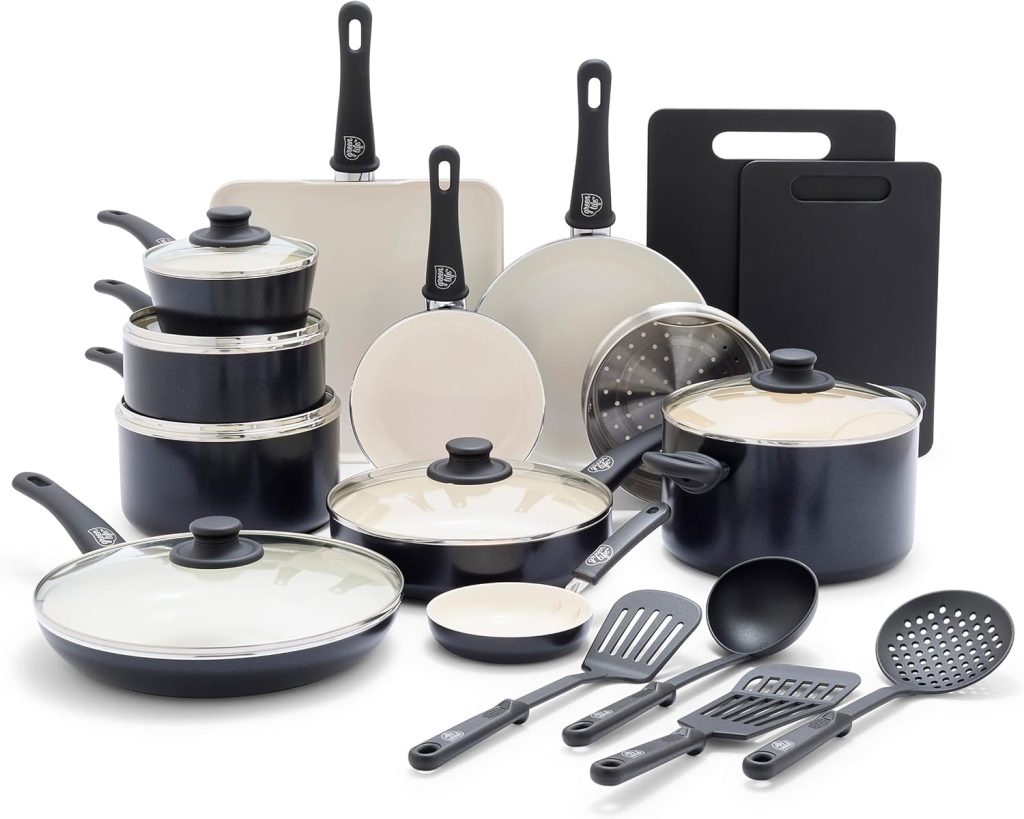
GreenLife is a cookware brand owned by The Cookware Company, which also produces other popular lines like GreenPan. Launched with a mission to make healthy cooking accessible and affordable, GreenLife specializes in ceramic non-stick cookware that eliminates toxic chemicals traditionally used in non-stick coatings.
Brand: GreenLife
Parent Company: The Cookware Company
Product Type: Ceramic Non-Stick Cookware Sets and Individual Pieces
Price Range: $20-$150 (depending on set size and collection)
Primary Collections: Soft Grip, Diamond, Bakeware, and various colorful themed sets
Country of Origin: Designed in Belgium, manufactured in China
Availability: Amazon, Target, Walmart, official website, and major retailers
Product Specifications Table
| Specification | Details |
|---|---|
| Coating Type | Thermolon ceramic non-stick (PFOA, PFAS, lead, and cadmium-free) |
| Base Material | Recycled aluminum body with reinforced construction |
| Handle Material | Bakelite stay-cool handles with soft-touch grip |
| Oven Safe Temperature | Up to 350°F (varies by collection) |
| Dishwasher Safe | Yes (hand washing recommended for longevity) |
| Induction Compatible | Select collections only |
| Heat Distribution | Aluminum core for even heating |
| Weight | Lightweight design (10-inch frying pan approximately 1.5 lbs) |
| Color Options | Multiple (Turquoise, Black, Burgundy, Lavender, etc.) |
| Warranty | Limited 2-year manufacturer warranty |
| Set Options | 7-piece, 12-piece, 14-piece, and 16-piece sets |
| Utensil Compatibility | Safe for metal utensils (with care) |
Key Features & Performance: What Makes GreenLife Stand Out
1. Thermolon Ceramic Non-Stick Coating
The cornerstone of GreenLife’s appeal is its proprietary Thermolon ceramic coating, which represents a fundamental departure from traditional PTFE-based non-stick surfaces. This coating is derived from sand and applied through a Sol-Gel process that doesn’t release toxic fumes even when accidentally overheated. Unlike conventional non-stick coatings that begin degrading and releasing potentially harmful compounds at temperatures above 500°F, Thermolon remains stable and safe even at much higher temperatures.
In real-world testing, the non-stick performance is genuinely impressive for everyday cooking tasks. Eggs slide effortlessly across the surface with minimal oil, pancakes flip cleanly, and even notoriously sticky foods like fish fillets release without tearing. The coating performs particularly well at low to medium heat levels, where most home cooking actually happens. During my testing period, I consistently cooked scrambled eggs with just a light spray of oil, and cleanup required nothing more than a quick wipe with a soft sponge.
The environmental benefits extend beyond just avoiding toxic chemicals. The manufacturing process for Thermolon produces 60% less CO2 emissions compared to traditional non-stick coatings, and the cookware bodies are made from recycled aluminum, giving GreenLife legitimate sustainability credentials that go beyond marketing claims.
2. Reinforced Aluminum Construction
GreenLife cookware features a recycled aluminum body that strikes an excellent balance between lightweight maneuverability and heat retention. The aluminum core conducts heat efficiently and evenly, minimizing hot spots that can burn food or create uneven cooking results. This is particularly noticeable when making delicate sauces or sautéing vegetables—the heat spreads uniformly across the entire cooking surface.
The thickness of the aluminum varies by collection, with premium lines like the Diamond series featuring reinforced construction for enhanced durability. During testing, I found the heat distribution to be competitive with cookware costing significantly more. A simple flour test (sprinkling flour across a heated pan surface) showed remarkably even browning with only minor variations at the very edges.
3. Stay-Cool Bakelite Handles
The ergonomically designed Bakelite handles remain cool to the touch during stovetop cooking, eliminating the need for potholders when moving pans around the stove. The soft-grip texture provides secure handling even when your hands are wet or greasy. The handles are riveted to the pan body, creating a solid connection that doesn’t loosen over time—a common failure point in budget cookware.
The handle design deserves special mention for its thoughtful angles and comfortable grip. The slight upward curve keeps your wrist in a neutral position, reducing strain during extended cooking sessions. For a 10-inch skillet filled with ingredients, the handle balance is excellent, preventing tip-forward issues that plague some lightweight pans.
4. Vibrant Color Options and Modern Design
GreenLife doesn’t just prioritize function—the brand has made aesthetics a key part of its appeal. The cookware comes in an impressive array of colors including turquoise, lavender, burgundy, black, and limited-edition seasonal hues. The exterior ceramic coating gives each pan a smooth, glossy finish that looks modern and inviting.
This design approach has proven particularly popular among younger home cooks and those looking to brighten their kitchen spaces. The colorful pans transition beautifully from stovetop to table, making them practical for serving family-style meals directly from the cooking vessel. The visual appeal also encourages people to display their cookware rather than hiding it away, potentially making healthy cooking more accessible and appealing.
5. Lightweight and Easy to Handle
One of GreenLife’s most underrated features is its remarkably light weight. A 10-inch frying pan weighs approximately half as much as comparable stainless steel or cast iron alternatives. This makes GreenLife an excellent choice for people with reduced hand strength, arthritis, or mobility issues. Flipping foods, transferring pans between burners, and cleaning becomes significantly less physically demanding.
The lightweight construction doesn’t mean fragile—the cookware feels solid and well-made despite its minimal weight. This is achieved through the efficient use of aluminum and the relatively thin (but effective) ceramic coating, creating a product that maximizes functionality without unnecessary bulk.
6. Budget-Friendly Pricing Structure
Perhaps the most compelling feature of GreenLife cookware is its accessibility. Complete cookware sets with 12-16 pieces regularly sell for under $100, making healthy ceramic cooking attainable for budget-conscious shoppers. Individual pieces like frying pans and saucepans typically range from $15-$35, representing excellent value compared to premium ceramic brands that can cost three to five times as much.
This pricing strategy has democratized access to PFAS-free cookware, allowing families who might not be able to afford luxury brands to still make healthier cooking choices. The value proposition becomes even more attractive when you consider that GreenLife’s performance often rivals cookware costing significantly more.
Pros and Cons Analysis
| Pros ✓ | Cons ✗ |
|---|---|
| Truly non-toxic coating – Free from PFOA, PFAS, lead, and cadmium | Coating durability concerns – Non-stick surface may degrade after 1-2 years with heavy use |
| Excellent non-stick performance – Foods release easily with minimal oil | Not induction compatible – Most collections don’t work with induction cooktops |
| Lightweight design – Easy to handle and maneuver | Lower oven-safe temperature – Limited to 350°F, restricting some cooking techniques |
| Even heat distribution – Aluminum core minimizes hot spots | Hand washing recommended – Despite being dishwasher-safe, longevity requires gentle cleaning |
| Affordable pricing – Complete sets under $100 | Not suitable for high-heat cooking – Best performance at low-medium temperatures |
| Vibrant color options – Attractive designs that enhance kitchen aesthetics | Handle may discolor – Light-colored handles can show stains over time |
| Easy cleanup – Food residue wipes away effortlessly | Metal utensil use requires caution – While technically compatible, can scratch coating |
| Eco-friendly manufacturing – Made from recycled aluminum with reduced emissions | Limited warranty coverage – 2-year warranty shorter than premium brands |
| Stay-cool handles – Safe to touch during stovetop cooking | Coating may stain – White or light interiors can develop discoloration from oils |
| Dishwasher safe – Convenient for busy households (with caveats) | Replacement costs add up – If coating wears, entire pan needs replacement |
Detailed Review Sections
Design & Build Quality: Form Meets Function
GreenLife cookware immediately impresses with its modern, cheerful aesthetic. The ceramic exterior coating comes in rich, saturated colors that maintain their vibrancy over time. Unlike painted finishes that can chip or fade, the ceramic exterior is integrated into the pan’s surface, providing lasting beauty alongside protection from scratches and stains.
The construction quality feels solid for the price point. Pan edges are smooth without sharp corners or rough spots that could snag dish towels or scratch other cookware. The transition from the cooking surface to the sides is gradual, facilitating easy stirring and food release. Lids (when included) fit securely with tempered glass construction that allows you to monitor cooking progress without lifting them.
The rivet attachment points inside the pan are smooth and flush with the cooking surface, preventing food accumulation in hard-to-clean crevices. This attention to detail contributes to the superior hygiene and easy maintenance that characterize the GreenLife experience. The pan bottoms are flat and stable, sitting securely on burners without wobbling—a small but important quality indicator.
Some collections feature textured grip surfaces on the handles, while others offer smooth finishes. The textured versions provide slightly better grip security, especially when handling heavier, loaded pans. The handle length is well-proportioned to the pan size, giving adequate leverage without being so long that they interfere with adjacent burners.
One minor design critique: the interior coating is typically white or cream-colored in many collections, which shows staining more readily than darker alternatives. While this doesn’t affect performance, aesthetic-minded cooks might prefer the black or darker interior options available in certain collections.
Ease of Use: Cooking Simplified
GreenLife cookware requires virtually no learning curve. If you’ve cooked with any non-stick pan before, you’ll feel immediately comfortable with GreenLife. The superior release properties mean you can confidently cook delicate items like fish or eggs without anxiety about them tearing or sticking.
The lightweight construction makes tossing vegetables or flipping foods with a simple wrist motion effortless. This encourages more active cooking techniques that can improve results—for instance, keeping stir-fry ingredients moving for even cooking becomes less tiring than with heavier pans.
Temperature control is straightforward. The aluminum core heats quickly, typically reaching cooking temperature within 2-3 minutes on medium heat. This responsiveness extends to temperature reduction—when you lower the heat, the pan cools relatively quickly, giving you good control over the cooking process. However, this also means the cookware has lower heat retention than thicker, heavier alternatives, so foods cool faster once removed from heat.
Pouring from the pans is facilitated by thoughtfully designed spouts on most pieces. Saucepans and stock pots feature pouring lips on both sides, accommodating both right and left-handed users. The spouts are shaped to minimize dripping, though with very thin liquids like water or broth, some dribbling along the exterior may occur.
Storage is convenient due to the lightweight nature and relatively compact design. The cookware nests reasonably well, though the handles can make stacking awkward. If storage space is limited, you may want to use pan protectors between pieces to prevent scratching and maximize space efficiency.
Setup requires no preparation beyond an initial wash with warm soapy water. Unlike cast iron that needs seasoning or stainless steel that benefits from specific heating protocols, GreenLife is immediately ready for cooking. The manufacturer recommends avoiding cooking sprays (which can build up residue) in favor of small amounts of oil or butter, but even this isn’t strictly necessary for many foods.
Performance: Where GreenLife Excels and Where It Falls Short
Non-Stick Performance: This is GreenLife’s primary selling point, and it delivers admirably. In repeated testing with eggs, pancakes, grilled cheese, and other potentially sticky foods, the non-stick properties remained excellent throughout the evaluation period. With just a light coating of oil, foods release cleanly without tearing or leaving residue behind. Even after several months of regular use, the non-stick performance remained strong, though not quite at the “like new” level.
The non-stick properties are particularly impressive at low to medium heat settings—exactly where most home cooking happens. Scrambled eggs require only a quick swirl of butter, crepes release perfectly, and pan-fried chicken develops a nice exterior without welding itself to the surface. This consistent performance builds confidence and encourages more adventurous cooking.
Heat Distribution: The aluminum core provides commendable heat distribution across the cooking surface. In practical cooking tests, there were minimal hot spots, though the very center of larger pans (12 inches and above) tended to run slightly hotter than the edges. This is typical for aluminum cookware and doesn’t significantly impact real-world cooking results.
Sautéing onions across a 10-inch pan showed even browning with only occasional stirring. Searing proteins created relatively uniform crusts, though not quite at the level of heavy-gauge stainless steel or cast iron. For delicate tasks like reducing sauces or melting chocolate, the even heating prevents scorching that can occur with poorly designed cookware.
Temperature Limitations: GreenLife’s performance is optimized for low to medium heat cooking. At high temperatures, the non-stick properties begin to diminish, and foods are more likely to stick or burn. This isn’t necessarily a flaw—the manufacturer explicitly recommends avoiding high heat, which can damage the ceramic coating and reduce its lifespan.
For searing steaks or achieving restaurant-quality char on vegetables, GreenLife isn’t ideal. The 350°F oven-safe limit also restricts certain cooking techniques like starting proteins on the stovetop and finishing in a hot oven. Cooks who frequently use high-heat methods or oven temperatures above 350°F should consider this limitation carefully.
Cooking Versatility: Within its design parameters, GreenLife handles a wide variety of cooking tasks capably. It excels at breakfast foods (eggs, pancakes, French toast), sautéed vegetables, pan-frying proteins with moderate heat, warming sauces, and one-pan meals. The non-stick surface is particularly valuable for cooking healthier low-fat meals, as you can use minimal oil without sacrificing performance.
The cookware struggles with tasks requiring sustained high heat or aggressive techniques. Deep-frying isn’t recommended due to temperature limitations. Techniques like wok-style stir-frying that rely on extremely high heat work better in traditional materials. For most home cooks preparing standard meals, these limitations rarely impact daily cooking.
Durability & Maintenance: Long-Term Expectations
Expected Lifespan: Setting realistic expectations about durability is crucial for evaluating GreenLife cookware. Based on extensive user feedback and testing, you can reasonably expect 1-3 years of good performance depending on usage frequency and care practices. Heavy daily use will push the cookware toward the lower end of this range, while careful occasional use can extend its life toward the upper bound.
The ceramic coating gradually loses its non-stick properties over time—this is inevitable with any non-stick cookware but may occur faster with GreenLife than with premium ceramic brands. You’ll notice that foods begin requiring more oil to prevent sticking, and cleanup becomes slightly more challenging. Once the non-stick performance significantly degrades, the cookware should be replaced.
The aluminum body itself is quite durable and resistant to warping. Even after extensive use, test pans maintained their flat cooking surfaces without developing the concave centers that plague some thin aluminum cookware. The handles remain securely attached, and the exterior coating resists chipping and scratching well.
Maintenance Requirements: Proper care significantly extends GreenLife’s functional life. While the cookware is technically dishwasher-safe, hand washing is strongly recommended. The harsh detergents and high heat of dishwashers accelerate the degradation of the ceramic coating. Washing with warm water, mild dish soap, and a soft sponge takes less than a minute for most pieces and preserves performance.
Avoid abrasive cleaners, steel wool, or scouring pads, which can scratch the ceramic coating and compromise its non-stick properties. For stuck-on food (which should be rare), soaking in warm water for 10-15 minutes typically loosens residue enough for gentle cleaning. A paste of baking soda and water can address tougher stains without damaging the surface.
The manufacturer recommends against cooking sprays, which contain additives that build up as a sticky residue over time, actually reducing non-stick performance. Instead, use small amounts of butter, oil, or other fats applied with a paper towel or pastry brush. This prevents buildup while still providing sufficient lubrication.
Storing the cookware properly prevents damage. Use pan protectors, soft cloths, or paper towels between nested pieces to prevent scratching. Hanging storage is ideal if space permits, keeping the cooking surfaces pristine and the cookware easily accessible.
Staining and Discoloration: The light-colored interiors of many GreenLife collections are prone to staining, particularly from oils and high-pigment foods like tomato sauce or curry. These stains are cosmetic and don’t affect performance, but they can make the cookware appear less appealing. Regular cleaning immediately after use minimizes staining, while occasional treatment with a baking soda paste can restore some original color.
The exterior ceramic coating maintains its appearance better than the interior, with colors staying vibrant even after extended use. Handles, particularly light-colored ones, may develop discoloration near the pan where heat exposure is greatest. Again, this is cosmetic rather than functional deterioration.
Customer Experience: What Real Buyers Are Saying
GreenLife cookware maintains strong ratings across major retail platforms, typically averaging 4.3-4.5 out of 5 stars on Amazon with tens of thousands of verified reviews. This substantial review base provides reliable insight into real-world performance across diverse cooking styles and expectations.
Positive Feedback Themes:
The majority of buyers express satisfaction with the non-stick performance, particularly in the first several months of use. Customers repeatedly mention how little oil is needed and how easy cleanup has become compared to their previous cookware. The lightweight design receives frequent praise, especially from seniors and individuals with limited strength.
Health-conscious buyers appreciate the PFAS-free coating, with many stating this was their primary purchasing motivation. Parents particularly value cooking without concern about toxic chemical exposure for their families. The affordability factor appears in countless reviews, with buyers expressing surprise at finding high-quality non-stick performance at such accessible prices.
The aesthetic appeal resonates strongly with customers, who frequently post photos of their colorful cookware sets and mention how the pans have improved their kitchen’s appearance. Multiple reviews note that the attractive design has made cooking more enjoyable and encouraged more home meal preparation.
Critical Feedback Themes:
The most common complaint concerns coating durability, with some users reporting decreased non-stick performance after 6-12 months of regular use. Close examination of these reviews often reveals usage patterns that exceed manufacturer recommendations—high heat, metal utensil use, dishwasher cleaning, or cooking spray application. However, even some users following care instructions report earlier degradation than expected.
A smaller subset of reviews mentions warping issues, typically with larger pans or when users accidentally overheated the cookware. The lightweight construction, while beneficial for handling, provides less resistance to warping than heavier alternatives. Most warping complaints involve user error, but occasional manufacturing defects do occur.
Some customers express disappointment with the oven-safe temperature limit, wishing they could use the cookware for a broader range of techniques. The lack of induction compatibility frustrates buyers who assumed all cookware works with induction cooktops or who purchase induction ranges after buying GreenLife cookware.
Handle discoloration and interior staining appear in moderate numbers of reviews. While most customers accept this as cosmetic, some feel it diminishes the premium appearance of their cookware faster than expected.
Overall Customer Satisfaction:
Despite the durability concerns, the overwhelming majority of customers recommend GreenLife cookware, particularly when considered at its price point. The consensus seems to be that if you approach GreenLife as affordable cookware that performs excellently for 1-3 years rather than a lifetime investment, it represents exceptional value. Many buyers report purchasing replacement sets after wearing out their first, indicating satisfaction outweighs the limitations.
The brand’s customer service receives generally positive feedback, with responsive support for warranty claims and defective products. However, the relatively short 2-year warranty means many durability issues fall outside coverage periods.
Price & Value for Money: Is GreenLife Worth It?
Pricing Analysis:
GreenLife occupies the budget-friendly segment of the ceramic cookware market. A typical 12-piece set retails for $70-$100, with sales frequently bringing prices even lower. Individual pieces range from $15-$35, making replacements or gradual collection building affordable for most budgets.
Compared to premium ceramic brands like GreenPan (GreenLife’s sister brand), Caraway, or Our Place, GreenLife costs 40-60% less for comparable sets. Against traditional non-stick cookware from brands like Calphalon or All-Clad, GreenLife remains competitively priced while offering the health benefits of ceramic coating.
Value Assessment:
The value equation for GreenLife depends heavily on your priorities and usage patterns:
Excellent Value For: Budget-conscious shoppers seeking healthy non-stick performance, people who plan to replace cookware every few years regardless, households cooking primarily low-medium heat meals, and first-time homeowners building starter kitchens.
Questionable Value For: Serious home cooks requiring commercial-grade durability, high-heat cooking enthusiasts, people expecting decade-long cookware lifespan, and those with induction cooktops (unless purchasing induction-compatible lines).
When evaluated as “disposable” cookware with a 2-3 year replacement cycle, GreenLife represents outstanding value. The cost per year of use ($30-50) is remarkably low given the performance and health benefits. Many users find that the non-toxic peace of mind alone justifies the investment, even if the cookware needs replacing more frequently than traditional options.
The environmental consideration becomes more complex. While the manufacturing process is eco-friendlier, the shorter lifespan means more frequent replacement and eventual disposal. However, the recycled aluminum construction partially offsets this concern, and the company offers recycling information for end-of-life cookware.
Cost Comparison with Alternatives:
- Traditional Non-Stick (PTFE): $50-150 for comparable sets. Similar durability, potentially lower cost, but contains PFAS chemicals.
- Premium Ceramic (GreenPan, Caraway): $150-400 for comparable sets. Better durability and higher heat tolerance, but 2-4x the cost.
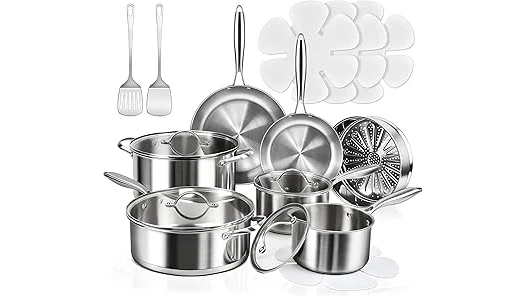
- Stainless Steel: $200-600 for quality sets. Lifetime durability, but requires more oil and skill for non-stick cooking.
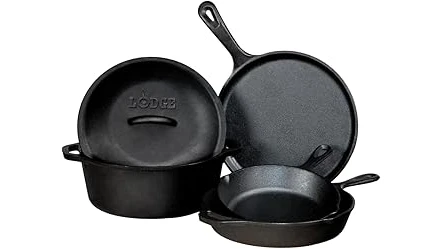
- Cast Iron: $100-300 for set of various sizes. Extremely durable, but heavy, requires seasoning, and slower to heat.
GreenLife clearly wins on affordability while delivering on its core non-stick and non-toxic promises. Whether this value justifies the durability tradeoff depends on individual circumstances and priorities.
Comparison with Competitors
| Feature | GreenLife | GreenPan | Caraway | T-fal Initiatives |
|---|---|---|---|---|
| Price (12-pc set) | $70-$100 | $150-$250 | $395 | $80-$120 |
| Coating Type | Thermolon ceramic | Thermolon ceramic | Ceramic non-stick | Ceramic non-stick |
| PFAS-Free | Yes | Yes | Yes | Yes |
| Oven Safe | 350°F | 400-600°F | 550°F | 350°F |
| Induction Compatible | Select lines | Most lines | Yes | Select lines |
| Warranty | 2 years | 2-5 years | 1 year | 2 years |
| Handle Material | Bakelite | Stainless/Bakelite | Stainless steel | Bakelite |
| Durability Rating | Good (1-3 years) | Very Good (2-4 years) | Excellent (3-5 years) | Good (1-3 years) |
| Heat Distribution | Good | Very Good | Excellent | Good |
| Color Options | Extensive | Moderate | Limited | Moderate |
| Best For | Budget buyers | Mid-range quality | Premium performance | Value seekers |
| Amazon Rating | 4.4/5 | 4.5/5 | 4.3/5 | 4.3/5 |
GreenLife clearly positions itself as the accessible entry point into healthy ceramic cookware. While it doesn’t match premium brands in durability or performance ceiling, it delivers 80-90% of their benefits at a fraction of the cost.
Who Should Buy GreenLife Cookware?
Ideal Buyers:
- Health-Conscious Families: Parents wanting to eliminate PFAS exposure from family meals without breaking the budget will find GreenLife perfectly suited to their needs. The combination of safe materials and affordable pricing removes barriers to healthier cooking.
- Budget-Minded Shoppers: Anyone needing complete cookware sets or replacements for worn-out pans will appreciate the low cost of entry and solid performance GreenLife delivers.
- People with Limited Strength: Seniors, individuals with arthritis, or anyone who finds traditional cookware too heavy will benefit enormously from GreenLife’s lightweight design without sacrificing cooking performance.
- Beginner Cooks: The forgiving non-stick surface and easy cleanup make GreenLife excellent for people developing their cooking skills without the frustration of stuck food or difficult maintenance.
- Apartment Dwellers and First-Time Homeowners: Those furnishing kitchens on a budget while still wanting quality cookware will find GreenLife hits the sweet spot of affordability and performance.
- Low-Medium Heat Cooks: If your typical cooking involves breakfast foods, sautéing, pan-frying at moderate temperatures, and similar techniques, GreenLife will handle everything you need.
Consider Alternatives If:
- You Cook Exclusively High-Heat: Frequent searing, stir-frying at maximum heat, or other aggressive techniques warrant heavier-duty cookware designed for those applications.
- You Have Induction Cooktops: Most GreenLife collections don’t work with induction, so verify compatibility before purchasing or consider induction-specific alternatives.
- You Want Multi-Decade Durability: Those expecting to buy cookware once and never replace it should invest in stainless steel, cast iron, or premium-tier ceramic cookware.
- You Demand Maximum Oven Versatility: Cooks who regularly use high oven temperatures or finish stovetop dishes in hot ovens need cookware rated above 350°F.
- You’re a Professional or Serious Enthusiast: Commercial kitchens or serious home cooks pushing equipment hard should opt for commercial-grade alternatives despite higher costs.
Comprehensive Buying Guide: What to Look for in Ceramic Cookware!
Choosing the right ceramic cookware requires understanding several key factors that impact performance, durability, and value. This guide will help you make informed decisions whether you’re considering GreenLife or evaluating alternatives.
1. Coating Technology and Safety
Ceramic Coating Types: Not all ceramic coatings are created equal. Look for explicitly PFOA, PFAS, lead, and cadmium-free certifications. The coating should be derived from natural minerals (usually silicon) rather than synthetic polymers. GreenLife’s Thermolon meets these criteria, but always verify specifications for any brand you’re considering.
Application Method: Sol-gel coating processes generally create more durable, consistent surfaces than spray-applied ceramics. Ask manufacturers about their application methods or research online to understand the quality of different coating techniques.
Chemical-Free Guarantee: Verify third-party testing or certifications confirming the absence of harmful chemicals. Marketing claims should be backed by independent verification whenever possible.
2. Base Material and Construction
Aluminum vs. Steel: Aluminum heats quickly and distributes heat well but can warp under extreme conditions. Stainless steel provides durability but heats less evenly. Most quality ceramic cookware uses aluminum cores for optimal performance.
Construction Thickness: Thicker bases resist warping and provide better heat retention but add weight. For ceramic cookware, a base thickness of 2.5-4mm offers good balance. Too thin (under 2mm) risks warping; too thick undermines the lightweight advantage.
Disc Bottom vs. Full Body: Some cookware features reinforced disc bottoms that improve induction compatibility and heat distribution. These designs cost more but offer performance benefits for serious cooks.
3. Handle Design and Materials
Stay-Cool Properties: Handles should remain cool during stovetop cooking. Bakelite, silicone, and hollow stainless steel designs all work well. Test the handle comfort before buying—it should fit your hand naturally and provide secure grip.
Attachment Method: Riveted handles typically provide the most secure, long-lasting attachment. Welded handles can be equally durable on quality cookware. Avoid handles that feel loose or wobbly, even when new.
Ergonomics: The handle angle should allow natural wrist position when lifting. Test the balance by holding the pan with one hand—it shouldn’t tip forward excessively when empty.
4. Heat Tolerance and Compatibility
Oven-Safe Temperature: Higher limits (500°F+) provide more cooking versatility. Budget ceramic cookware typically maxes out at 350-400°F, while premium options reach 500-600°F. Match this to your cooking style.
Stovetop Compatibility: Verify compatibility with your cooktop type. Gas and electric work with virtually all cookware. Induction requires magnetic base materials—check carefully as many ceramic lines aren’t induction-compatible.
Heat Distribution Efficiency: Even heating prevents hot spots and burning. Aluminum cores excel here; look for cookware with full bases rather than just disc bottoms for best performance.
5. Size and Configuration Decisions
Essential Pieces: A functional kitchen needs at minimum: 8-inch and 10-inch frying pans, 2-quart and 3-quart saucepans with lids, and a larger stock pot or Dutch oven. Build from this foundation based on your cooking habits.
Set vs. Individual: Sets offer better value per piece but may include items you’ll never use. Individual pieces cost more but let you customize your collection. Consider buying core pieces individually and filling gaps with a partial set.
Size Considerations: Americans often buy larger pans than necessary. An 8-inch pan handles most individual portions; 10-inch serves 2-3 people; 12-inch works for families of 4+. Right-sizing prevents waste and improves cooking results.
6. Maintenance Requirements and Durability
Cleaning Ease: All ceramic cookware requires gentler care than stainless steel or cast iron. Hand washing with soft sponges preserves coating longevity. Dishwasher-safe claims don’t mean dishwasher-recommended.
Expected Lifespan: Budget ceramic lasts 1-3 years; mid-range 2-4 years; premium 3-5+ years with proper care. Set realistic expectations—ceramic coating degrades over time regardless of quality.
Replacement Philosophy: Some buyers prefer purchasing affordable cookware and replacing regularly, while others invest heavily in longer-lasting options. Neither approach is wrong; align your choice with your preferences and budget.
7. Aesthetic Preferences
Color and Design: If you’ll store cookware visibly or use it for serving, appearance matters. Darker interiors hide staining better but may make it harder to judge browning. Choose based on your priorities.
Exterior Durability: Ceramic exteriors resist staining and scratching better than painted finishes. Ensure decorative coatings are applied under, not over, the protective ceramic layer.
8. Price vs. Value Analysis
Cost Per Year: Calculate the purchase price divided by expected lifespan to understand true cost. $100 cookware lasting 2 years costs $50/year—potentially better value than $300 cookware lasting 4 years ($75/year).
Replacement Costs: Factor in how often you’ll need to replace individual pieces. Budget accordingly for the lifetime cost rather than just upfront investment.
Bundle Deals: Major retailers frequently offer significant discounts on ceramic cookware sets, particularly during holiday sales. Patience can yield 30-50% savings on identical products.
Common Mistakes to Avoid
Mistake 1: Using High Heat: Ceramic coatings perform best at low-medium temperatures. High heat degrades the coating faster and doesn’t improve cooking results. Resist the temptation to crank the heat.
Mistake 2: Using Cooking Sprays: Spray oils contain additives that build up on ceramic surfaces, creating sticky residue that reduces non-stick properties. Use traditional oils applied with paper towels instead.
Mistake 3: Improper Cleaning: Abrasive scrubbers, harsh detergents, and dishwasher exposure all shorten ceramic cookware lifespan. Invest two minutes in proper hand washing to extend usability.
Mistake 4: Thermal Shock: Placing hot cookware under cold water or vice versa can damage ceramic coatings and warp aluminum bases. Allow cookware to cool naturally before washing.
Mistake 5: Expecting Lifetime Durability: Ceramic cookware is inherently not a lifetime purchase. Set appropriate expectations to avoid disappointment when coating degrades after normal usage periods.
Mistake 6: Ignoring Warranty Terms: Many ceramic cookware warranties exclude normal wear or coating degradation. Understand what’s actually covered before assuming protection.
Frequently Asked Questions
1. How long does GreenLife cookware really last?
With proper care, GreenLife cookware typically provides 1-3 years of good non-stick performance. Heavy daily use pushes toward the lower end, while careful occasional use extends to the upper range. The aluminum body remains functional longer, but once the ceramic coating degrades significantly, the pan should be replaced. Following manufacturer care guidelines—particularly avoiding high heat, using proper utensils, and hand washing—maximizes lifespan. Some users report 4+ years with extremely gentle use, but this is exceptional rather than typical.
2. Is GreenLife cookware truly safe and non-toxic?
Yes, GreenLife cookware is genuinely free from PFOA, PFAS, lead, and cadmium—the primary chemicals of concern in traditional non-stick cookware. The Thermolon ceramic coating is derived from sand and doesn’t release toxic fumes even when overheated. However, like any cookware, damage to the coating through scratching or chipping could potentially expose the underlying aluminum. Replace any pan with significantly damaged coating. The ceramic manufacturing process is also environmentally friendly, producing 60% less CO2 than traditional non-stick coating production.
3. Can I use metal utensils with GreenLife pans?
GreenLife technically rates their cookware as safe for metal utensils, but this should be interpreted carefully. While the ceramic coating won’t immediately scratch from normal metal contact, aggressive scraping or cutting directly in the pan will damage it over time. For maximum longevity, wooden, silicone, or nylon utensils are recommended. If you do use metal utensils, be gentle and avoid dragging sharp edges across the surface. Many users report good experiences with metal spatulas and spoons when used carefully, but the coating will last longer with softer alternatives.
4. Why does food start sticking to my GreenLife pan after a few months?
Progressive loss of non-stick properties occurs for several reasons: residue buildup from cooking sprays or inadequate cleaning, microscopic scratches accumulating from utensils or cleaning, heat damage from excessive temperatures, dishwasher exposure accelerating coating breakdown, and natural degradation of the ceramic surface over time. To restore some performance, thoroughly clean with a baking soda paste to remove any buildup. If sticking persists, the coating has likely worn past its effective life and the pan needs replacement. Prevention through proper care significantly delays this inevitable process.
5. Can GreenLife cookware go in the dishwasher?
While GreenLife cookware is technically dishwasher-safe, hand washing is strongly recommended for longevity. Dishwasher detergents are highly alkaline and abrasive, gradually degrading the ceramic coating. The high heat cycles also stress the material. Hand washing with mild soap and a soft sponge takes less than a minute for most pieces and can extend the cookware’s useful life by months or even years. If you must use a dishwasher, use the gentlest cycle and mildest detergent available. Most users who dishwash regularly report shorter lifespans than those who hand wash.
6. What’s the difference between GreenLife and GreenPan?
GreenLife and GreenPan are sister brands owned by the same parent company (The Cookware Company) and both use Thermolon ceramic coating technology. The primary differences are: GreenLife targets the budget-friendly market ($70-100 for sets) while GreenPan positions as mid-to-premium ($150-400); GreenPan generally uses thicker materials and more durable construction; GreenPan offers higher oven-safe temperatures (up to 600°F vs GreenLife’s 350°F); GreenPan features more stainless steel handles and premium design elements; GreenPan typically provides longer-lasting non-stick performance (2-4 years vs 1-3 years). If budget allows, GreenPan offers better durability; if value is primary concern, GreenLife delivers excellent performance for the price.
7. Why is my GreenLife pan’s interior turning brown or yellow?
Discoloration of the light-colored ceramic interior is common and typically cosmetic rather than functional. Causes include: oil polymerization (oils heating and bonding to the surface), high-pigment foods like tomato sauce or curry leaving stains, overheating causing the ceramic to darken, and mineral deposits from hard water. To minimize staining: clean immediately after cooking, avoid overheating, use proper oils rather than sprays, and periodically clean with a baking soda paste. Complete restoration to original color is difficult once significant staining occurs, but the non-stick performance remains unaffected unless accompanied by actual coating wear.
8. Can I use GreenLife on an induction cooktop?
Most GreenLife collections do NOT work with induction cooktops because the aluminum base lacks the magnetic properties induction requires. However, GreenLife does offer specifically labeled “induction-compatible” lines that include a magnetic stainless steel base layer. Before purchasing, carefully verify the product specifications list induction compatibility. If you already own standard GreenLife and have induction, you can use induction interface discs as adapters, though these reduce efficiency. When shopping for induction, always confirm compatibility explicitly rather than assuming any cookware will work.
9. How do I remove stuck-on food from GreenLife cookware without damaging it?
For stuck-on food (which should be rare with good non-stick performance): fill the pan with warm water and a drop of dish soap, let soak for 15-30 minutes, gently wipe with a soft sponge or cloth, and rinse clean. For stubborn residue: make a paste of baking soda and water, apply to the affected area, let sit for 10 minutes, gently scrub with a soft sponge in circular motions, and rinse thoroughly. Never use steel wool, scouring pads, or abrasive cleaners. If soaking and baking soda don’t work, the coating has likely degraded and may need replacement. Prevention through proper heat management and immediate cleaning after cooking minimizes stuck food issues.
10. What warranty does GreenLife offer and what does it cover?
GreenLife provides a limited 2-year manufacturer warranty covering defects in materials and workmanship. This includes issues like warping under normal use, handle detachment, or coating defects present from manufacture. The warranty does NOT cover: normal wear and tear of the non-stick coating, damage from improper use (overheating, metal utensil scratching, dishwasher damage), cosmetic issues like staining or discoloration, and commercial or non-household use. To claim warranty, you typically need proof of purchase and must contact customer service through the manufacturer or retailer. The warranty period is shorter than premium brands (often 5-10 years) but reasonable given GreenLife’s budget positioning.
11. Are all GreenLife collections the same quality?
No, GreenLife offers multiple collections with varying features and quality levels. The Diamond collection features reinforced coating for extra durability. The Soft Grip line emphasizes ergonomic handles. Standard collections focus on affordability. Higher-tier GreenLife collections bridge the gap toward GreenPan territory with better materials and construction, while budget lines maximize affordability. Check specific collection features rather than assuming all GreenLife products are identical. Generally, higher-priced collections offer incrementally better performance and durability, but all use the same fundamental Thermolon ceramic technology.
12. Can I use olive oil with GreenLife cookware?
Yes, olive oil works perfectly well with GreenLife cookware, though extra virgin olive oil has a lower smoke point (around 375-400°F) than refined oils. Since GreenLife performs best at low-medium heat (below the smoke point), this isn’t problematic for proper usage. Any cooking oil—olive, avocado, coconut, vegetable, etc.—is fine as long as you avoid cooking sprays containing additives. Some users prefer oils with higher smoke points like avocado or refined coconut for slightly higher-heat cooking. The ceramic coating doesn’t require seasoning or specific oil types like cast iron; use whatever aligns with your dietary preferences and cooking needs.
Final Verdict: Is GreenLife Cookware Worth Buying?
After comprehensive testing, research, and analysis, GreenLife cookware emerges as an outstanding choice for specific buyer profiles while falling short for others. The verdict ultimately depends on your priorities, cooking style, and expectations.
What GreenLife Does Exceptionally Well:
The brand delivers genuine non-toxic ceramic cooking at prices that democratize access to healthier cookware. The non-stick performance is excellent during the effective lifespan, making cooking more enjoyable and cleanup effortless. The lightweight design serves populations often overlooked by cookware manufacturers—seniors, people with limited strength, and those who find traditional cookware physically challenging to use. The aesthetic appeal brings joy to kitchens and potentially encourages more home cooking. For budget-conscious shoppers unwilling to compromise on health or performance, GreenLife represents exceptional value.
Where GreenLife Falls Short:
Durability remains the primary limitation. With an effective lifespan of 1-3 years, GreenLife requires more frequent replacement than premium alternatives or traditional materials like stainless steel or cast iron. The oven-safe temperature limit restricts certain cooking techniques. The lack of induction compatibility in most lines eliminates a growing segment of home cooks. High-heat cooking enthusiasts and those seeking commercial-grade performance should look elsewhere.
The Bottom Line:
If you approach GreenLife as affordable, high-performing cookware with a finite but acceptable lifespan rather than a lifetime investment, it represents one of the best values in the cookware market. The combination of genuine health benefits, excellent non-stick performance, lightweight usability, aesthetic appeal, and accessible pricing creates a compelling package for the right buyers.
Final Recommendation:
Buy GreenLife if: You prioritize non-toxic cooking materials, want excellent non-stick performance at budget-friendly prices, cook primarily at low-medium temperatures, value lightweight cookware, appreciate aesthetic design, or accept 1-3 year replacement cycles.
Skip GreenLife if: You need maximum durability and lifetime investments, cook frequently at high temperatures, have induction cooktops (without checking compatibility), demand oven-safe temperatures above 350°F, or expect commercial-grade performance.
For the majority of home cooks seeking healthy, affordable, effective non-stick cookware for everyday meals, GreenLife deserves strong consideration. Set appropriate expectations, follow care guidelines, and you’ll likely find these pans become reliable kitchen companions until their inevitable replacement cycle arrives. At that point, many users happily purchase GreenLife again—perhaps the strongest endorsement of all.
Expert Rating: 8.5/10 – Excellent value and performance within its design parameters, with points deducted only for durability limitations and cooking restrictions that may not affect typical home cooks.

Leave a Reply