
Starting in the kitchen can feel a bit overwhelming, especially when you look at all the options for a cookware kitchen set. It seems like everyone has their own favorite pans, and figuring out what you really need can be tricky. But don’t worry!
We’re here to make it super simple. We’ll guide you through what makes a good set and help you find one that fits just right for you. Get ready to cook with confidence.
What Is A Cookware Kitchen Set
A cookware kitchen set is simply a collection of pots and pans sold together. Think of it like a starter pack for your cooking adventures. These sets are designed to give you a variety of tools for different cooking tasks.
You usually get things like frying pans, saucepans, and stockpots. The idea is that by buying them as a set, you save money and get a good range of useful items right away. It’s a convenient way to get your kitchen equipped.
Why Buy A Cookware Kitchen Set
Buying a cookware kitchen set makes sense for several reasons. It’s often more affordable than buying each piece separately. Manufacturers bundle popular items together to offer a better price.
This also saves you time. Instead of researching and picking out each pot and pan individually, you have a pre-selected group of essentials. For people just starting out, moving into a new home, or wanting to upgrade their current kitchen, a set provides a solid foundation.
It ensures you have the basic tools needed for everyday cooking right from the start. This convenience and cost-effectiveness are big pluses for many home cooks.
Types Of Cookware Materials
The material a pot or pan is made from makes a big difference in how it cooks, how it lasts, and how you care for it. Different materials have their own pros and cons.
Stainless Steel Cookware
Stainless steel is a very popular choice because it’s durable, non-reactive, and easy to clean. It doesn’t easily scratch or rust. Many stainless steel pans have a core of aluminum or copper sandwiched between the steel layers.
This helps them heat up evenly, which is great for consistent cooking. They are also safe for use with metal utensils. Stainless steel cookware is a good all-around option for most kitchens.
It works on various stovetops, including induction. It’s a workhorse that can handle daily use.
Nonstick Cookware
Nonstick cookware has a special coating that prevents food from sticking. This makes cooking things like eggs or fish much easier, and cleanup is a breeze. You usually need less oil or butter when cooking with nonstick pans.
However, the nonstick coating can wear out over time, especially if scratched or exposed to very high heat. It’s best to use non-metal utensils with nonstick pans to protect the coating. If you love making delicate foods or hate scrubbing stuck-on messes, nonstick is a great addition to your kitchen.
Cast Iron Cookware
Cast iron is known for its incredible durability and ability to retain heat. It gets better with age and proper care. Cast iron pans can be used on the stovetop, in the oven, and even over a campfire.
They are fantastic for searing meats and getting a great crust. Because they heat so evenly and hold that heat, they are perfect for slow cooking. However, cast iron is heavy and requires seasoning to prevent rust and maintain its nonstick properties.
It can also react with acidic foods, changing their flavor.
Enameled Cast Iron Cookware
Enameled cast iron is cast iron coated with a layer of enamel. This coating makes it non-reactive, so it won’t interact with acidic foods. It also means you don’t need to season it like regular cast iron, and it’s easier to clean.
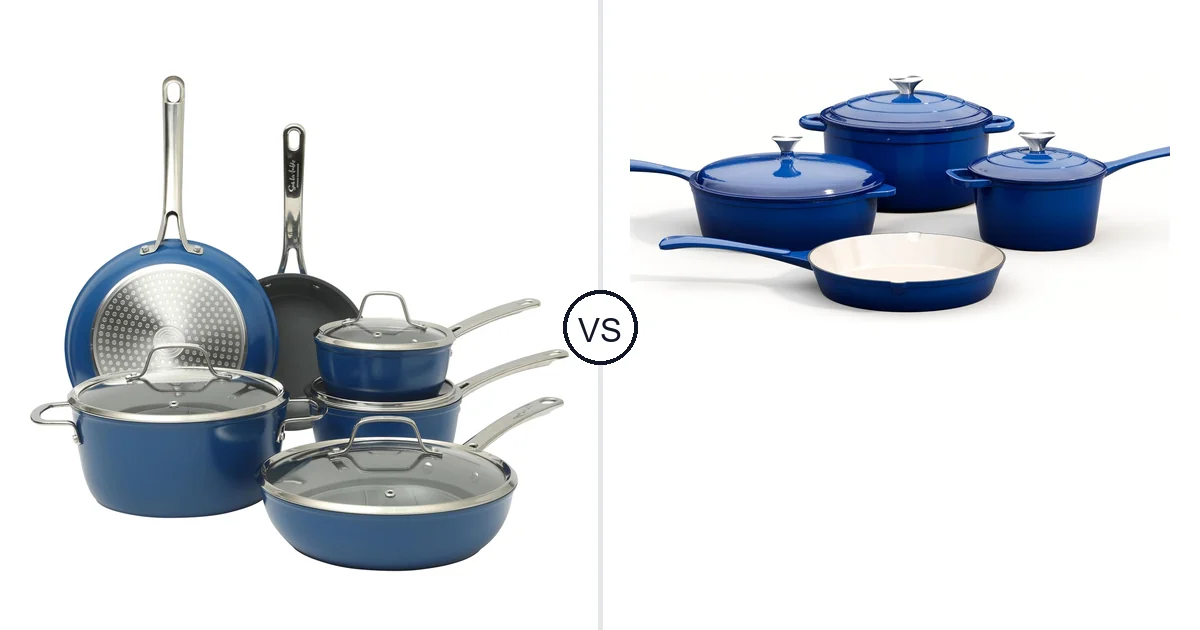
It still retains excellent heat. Enameled cast iron is often used for braising, stewing, and baking. It looks beautiful on the stovetop and can go from the oven to the table.
The enamel can chip if dropped, so gentle handling is important.
Copper Cookware
Copper cookware is highly valued for its exceptional heat conductivity. It heats up very quickly and evenly, and it cools down just as fast. This level of control is ideal for professional chefs.
Copper pans usually have a stainless steel interior for a non-reactive cooking surface. They are beautiful to look at. However, copper is expensive and requires regular polishing to keep its shine.
It can also react with certain foods if the lining is compromised.
Aluminum Cookware
Aluminum is a good heat conductor and is lightweight. It’s often used in budget-friendly cookware. Anodized aluminum is treated to make it harder and more durable.
It’s less likely to react with food than plain aluminum. Aluminum cookware heats up quickly. However, it can sometimes heat unevenly, leading to hot spots.
It’s a good option for general cooking if you’re on a tighter budget.
What To Look For In A Cookware Kitchen Set
When picking out a cookware kitchen set, think about what you cook most often. A good set should offer a variety of sizes and types of pots and pans to suit your needs. Consider the materials, handles, and lids.
These features all impact your cooking experience and the longevity of the set.
Number Of Pieces
Sets come with different numbers of pieces, from a few essential items to large collections. A common set might have 8 to 12 pieces. This usually includes saucepans, frying pans, a stockpot, and maybe a sauté pan.
For beginners, a smaller set of 5-7 pieces might be enough. If you cook a lot or entertain often, a larger set could be more useful. Don’t get too caught up in the number of pieces; focus on the quality and usefulness of what’s included.
Handle Comfort And Durability
The handles on your cookware are very important. They should feel comfortable in your hand, even when the pan is full and heavy. Look for handles that are securely attached and made of materials that stay cool on the stovetop, like silicone or phenolic plastic.
Riveted handles are usually stronger and more durable than those that are screwed on or welded. They are less likely to loosen over time.
Lid Fit And Material
Lids help trap heat and moisture, which is important for simmering, steaming, and boiling. A well-fitting lid will sit snugly on the pot or pan, preventing steam from escaping too quickly. Some lids are made of glass, which lets you see your food as it cooks.
Others are metal. Glass lids can sometimes be heavier and are more prone to breaking. Metal lids are lighter and more durable.
If your set includes lids, make sure they feel sturdy and fit well.
Oven-Safe Temperature
Many recipes require moving from the stovetop to the oven. Check the maximum oven-safe temperature for your cookware set. This information is usually provided by the manufacturer.
Most stainless steel and cast iron sets can handle high oven temperatures. Nonstick cookware often has lower limits to protect the coating. Knowing this helps you choose pans that can handle your favorite recipes, whether it’s finishing a dish in the oven or baking.
Stovetop Compatibility
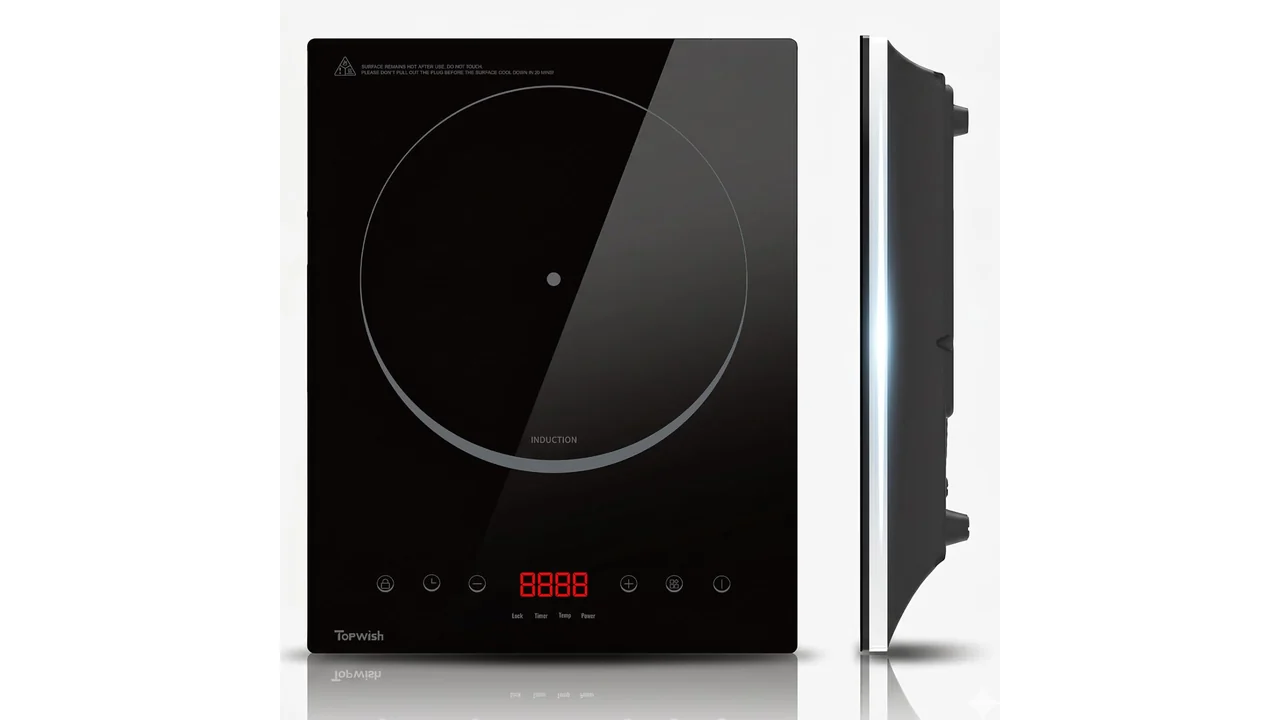
Make sure the cookware set you choose works with your stovetop. Most modern cookware is compatible with gas and electric stovetops. If you have an induction cooktop, you’ll need cookware with a magnetic base, usually made of stainless steel or cast iron.
Aluminum and copper alone are not magnetic. Always check the product description or packaging to confirm compatibility, especially for induction users.
Popular Cookware Set Materials Explained
Let’s break down some of the most common materials you’ll find in cookware sets and what makes them good choices.
Hard-Anodized Aluminum
Hard-anodized aluminum cookware is a great option for many home cooks. Aluminum is treated to make it stronger and more durable. This process creates a surface that is harder than stainless steel and is non-reactive.
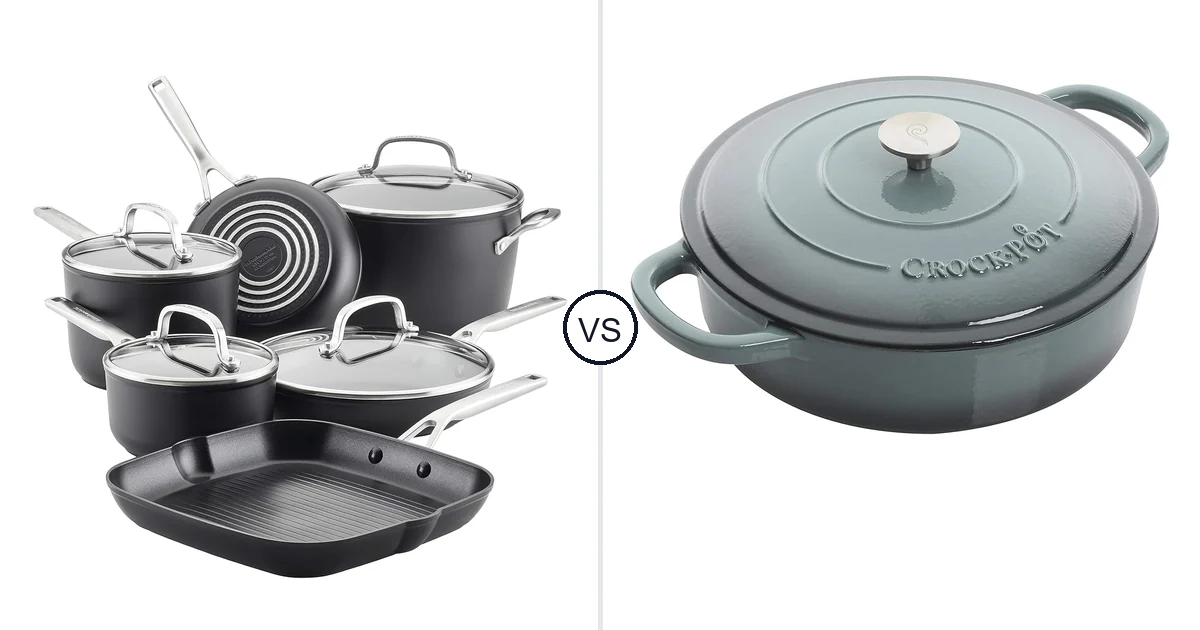
It means your food won’t pick up any metallic taste. Hard-anodized aluminum heats very evenly and quickly, providing excellent cooking results. Many hard-anodized sets also feature a nonstick coating, making them even easier to use and clean.
They are often oven-safe to moderate temperatures.
Tri-Ply Cookware
Tri-ply cookware has three layers of metal bonded together. This is typically a layer of stainless steel on the outside, aluminum in the middle, and another layer of stainless steel on the inside. The aluminum core ensures quick and even heating across the entire pan, preventing hot spots.
The stainless steel exterior is durable, non-reactive, and looks good. Tri-ply construction is a hallmark of high-quality cookware and offers excellent performance for a wide range of cooking tasks.
Cast Iron With Enamel Coating
As mentioned before, enameled cast iron offers the best of both worlds. You get the superior heat retention and distribution of cast iron, combined with the ease of use and non-reactive properties of enamel. This type of cookware is perfect for dishes that require long, slow cooking, like stews, roasts, and braises.
It’s also attractive enough to be served directly from the pot to the table. Be mindful of its weight and avoid using abrasive cleaners that could damage the enamel.
Tips For Using And Caring For Your Cookware
Taking good care of your cookware will make it last longer and perform better. Simple steps can make a big difference.
- Always read the manufacturer’s instructions before first use.
- Preheat your pans gradually over medium heat before adding oil or food.
- Use the right amount of heat. High heat is rarely needed for most cooking.
- Allow pans to cool down before washing.
- Avoid abrasive scrubbers or harsh detergents, especially on nonstick surfaces.
- For cast iron, dry thoroughly after washing and apply a thin layer of oil to prevent rust.
- Store your cookware carefully to avoid scratching. Use pan protectors if stacking.
Are Cookware Sets Worth It For Beginners
For beginners, a cookware kitchen set can be very worthwhile. It takes the guesswork out of buying essential pieces. You get a variety of pots and pans that work well together, providing a good starting point for learning new recipes and techniques.
It’s an economical way to equip your kitchen. Instead of buying individual items that might not complement each other, a set offers a cohesive collection. This allows you to focus on developing your cooking skills rather than worrying about having the right tools.
FAQ Frequently Asked Questions
Question: What is the best material for everyday cooking
Answer: Stainless steel is a fantastic choice for everyday cooking because it’s durable, non-reactive, heats evenly, and is easy to clean. Many sets feature a core of aluminum or copper for better heat distribution.
Question: How many pieces should a beginner’s cookware set have
Answer: For beginners, a set of 5 to 7 pieces is usually sufficient. This typically includes a few saucepans, a frying pan, and a stockpot to cover most basic cooking needs.
Question: Can I use metal utensils with any cookware
Answer: You can use metal utensils with stainless steel and cast iron cookware. However, avoid using metal utensils with nonstick or enameled cookware, as they can scratch the surface.
Question: Is induction cookware different from other cookware
Answer: Yes, induction cookware must have a magnetic base to work on an induction cooktop. Most stainless steel and cast iron cookware is induction-compatible, but aluminum and copper are not unless they have a magnetic layer.
Question: How do I clean my nonstick pans
Answer: Clean nonstick pans with a soft sponge or cloth and mild dish soap. Avoid abrasive scrubbers, steel wool, or harsh chemicals, as these can damage the nonstick coating. Let them cool before washing.
Final Thoughts
Finding the right cookware kitchen set makes cooking more enjoyable. Focus on materials that suit your cooking style and budget, like durable stainless steel or easy-to-use nonstick. Good handles and lids make a difference.
A well-chosen set provides the tools you need to create delicious meals. Start with a set that feels right for you, and you’ll be cooking up a storm in no time. Happy cooking!

Leave a Reply