
When you’re new to cooking, figuring out what cookware is best can seem tricky. You hear a lot about what to use and what to avoid, and it’s easy to feel a little lost. But finding cookware that is safe doesn’t have to be hard.
We’ll break it down simply so you can cook with confidence. Let’s look at what makes cookware good for you and your meals.
What Makes Cookware That Is Safe The Best Choice
Choosing cookware that is safe is important for everyone, especially for those just starting out in the kitchen. You want to make sure the pots and pans you use don’t add anything harmful to your food. This means looking at the materials they are made from and how they are produced.
When cookware is made with care and from good materials, it helps your cooking go smoothly and keeps your family healthy.
Many beginners worry about chemicals leaching into their food from cookware. Some older types of pans can have coatings that wear off over time. This can be a real concern because you want your food to taste great without any strange additions.
The good news is that there are many excellent options available today that are designed with your health in mind. These are built to last and are easy to care for.
Understanding Different Safe Cookware Materials
When you look for cookware that is safe, you’ll see different materials. Each has its own good points. Knowing these can help you pick the right pans for your cooking style and needs.
It’s not about finding one perfect material for everything, but about knowing what works best for different tasks.
Stainless Steel Cookware
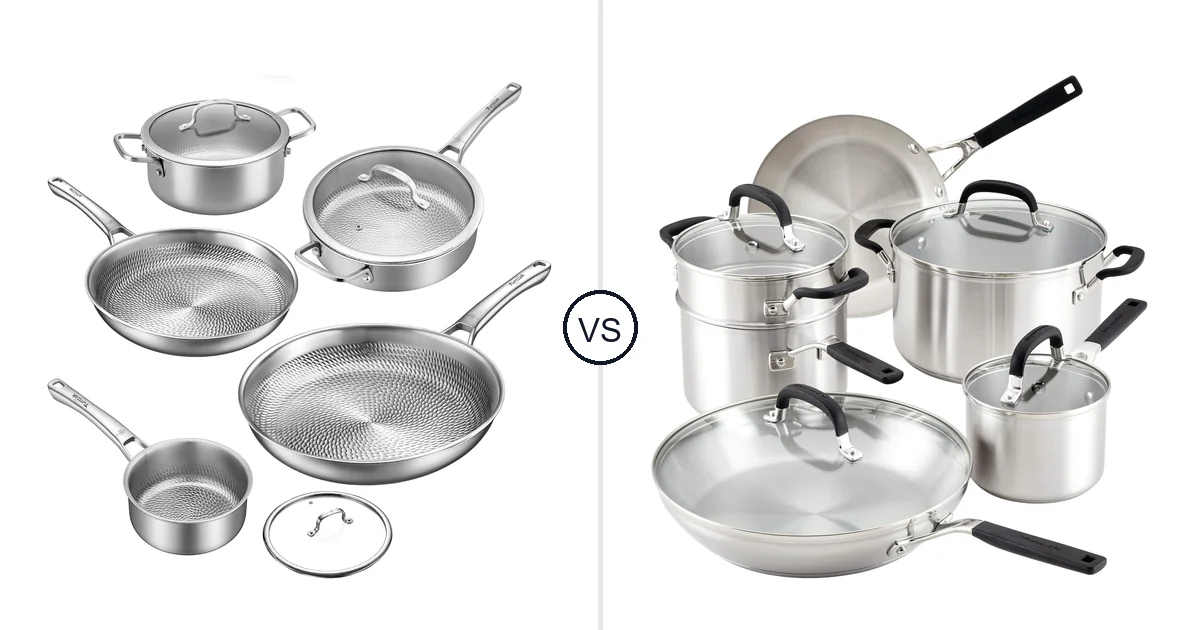
Stainless steel is a very popular choice for cookware that is safe. It’s made from iron and chromium, which makes it strong and resistant to rust and stains.
- Durability: Stainless steel pans last a very long time. They don’t easily bend or scratch.
- Non-Reactive: It doesn’t react with acidic foods like tomatoes or lemon juice. This means your food will taste like it should.
- Easy to Clean: Most of the time, you can just wash it with soap and water. It can also often go in the dishwasher.
- Even Heating: Many stainless steel pans have a core of aluminum or copper. This helps them heat food evenly, so you don’t get hot spots.
When buying stainless steel, look for “clad” cookware. This means it has layers of different metals bonded together, usually with a core of aluminum or copper. This helps with heating much better than plain stainless steel.
It’s a great, safe option for everyday cooking.
Cast Iron Cookware
Cast iron is a classic material for cookware that is safe. It’s known for being very sturdy and for its ability to hold heat.
- Excellent Heat Retention: Cast iron gets very hot and stays hot. This is great for searing meats or cooking things that need consistent heat.
- Naturally Nonstick: When seasoned properly, cast iron can become quite nonstick over time. Seasoning is a process of baking oil onto the pan.
- Long Lasting: A well-cared-for cast iron pan can last for generations.
- Adds Iron to Food: Cooking in cast iron can add small amounts of iron to your meals. This can be good for people who need more iron in their diet.
Newer cast iron often comes pre-seasoned. You still need to maintain it by washing it carefully without harsh soap and oiling it after drying. It’s a bit more work, but many people find its cooking qualities well worth it.
It’s a fantastic, safe choice for a variety of cooking methods.
Enameled Cast Iron Cookware
This is cast iron that has been coated with a layer of enamel. This makes it look colorful and shiny.
- Non-Reactive Surface: The enamel coating is smooth and non-reactive. It won’t change the taste of your food.
- Easy to Clean: Enamel is much easier to clean than plain cast iron. You can usually use soap and water without worrying about damaging the surface.
- No Seasoning Needed: Unlike regular cast iron, enameled cast iron doesn’t need to be seasoned.
- Good Heat Distribution: It offers the great heat retention of cast iron with a more user-friendly surface.
This type of cookware is excellent for stews, braises, and one-pot meals. It’s a beautiful and safe option for slow cooking and oven use.
Ceramic Cookware
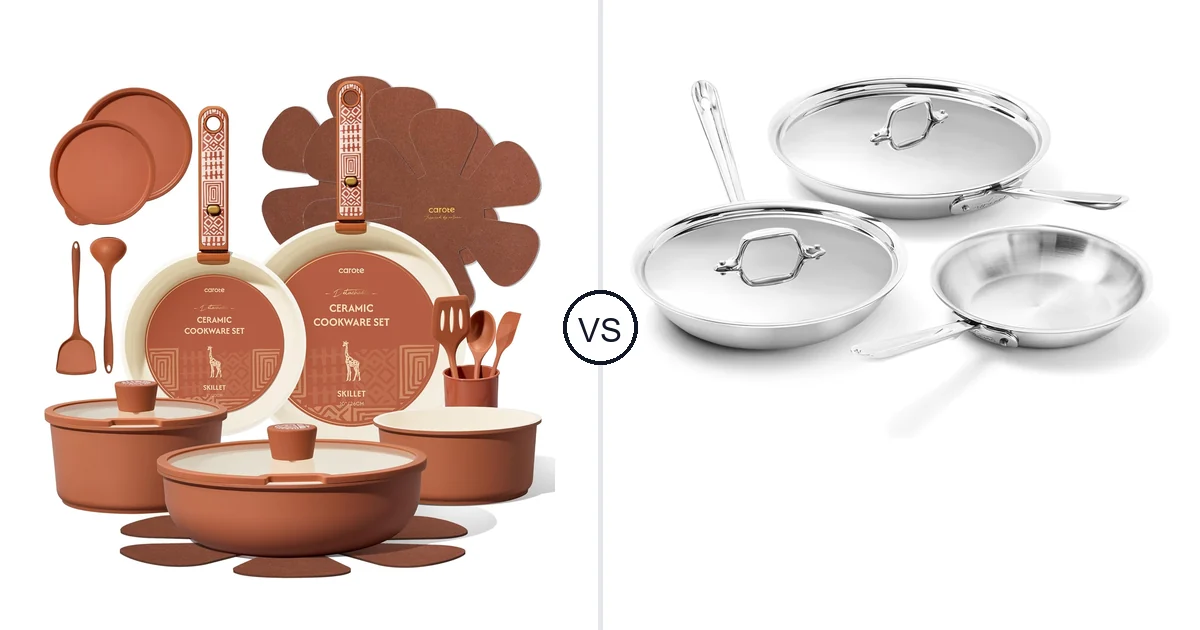
Ceramic cookware is often marketed as a natural and safe option. It typically has a base of aluminum or stainless steel with a ceramic coating.
- Nonstick Properties: Ceramic coatings are designed to be nonstick, making cooking and cleanup easier.
- Chemical-Free Coatings: Many ceramic coatings are advertised as being free from PFOA and PTFE, which are chemicals found in some older nonstick pans.
- Even Heating: The metal base helps to distribute heat well.
It’s important to note that “ceramic” can mean different things. Some ceramic coatings are very durable, while others can wear down more quickly. For a long-lasting, safe option, look for well-regarded brands and follow care instructions closely to maintain the nonstick surface.
Glass Cookware
Glass cookware, like Pyrex or Anchor Hocking, is made from tempered glass. It’s a very safe choice for oven use and baking.
- Inert Material: Glass does not react with food at all. It won’t change the flavor of your ingredients.
- Non-Porous: It doesn’t absorb odors or flavors from food, making it hygienic.
- Oven Safe: Most glass cookware is designed for use in the oven.
- Easy to See Food: You can easily monitor your food as it cooks because you can see through the pan.
Glass cookware is not typically used on the stovetop, as it can be brittle and may crack if heated too quickly or unevenly. It’s best for baking, roasting, and storing food.
Carbon Steel Cookware
Carbon steel is similar to cast iron but is lighter and heats up faster. It’s a favorite among many professional chefs.
- Lightweight: It’s easier to handle than cast iron, especially for tossing or flipping food.
- Responsive Heating: Carbon steel heats up quickly and adjusts to temperature changes fast, giving you more control.
- Develops Natural Nonstick: Like cast iron, carbon steel develops a natural nonstick surface with seasoning.
- Durable: It’s a very strong material that can last for a long time.
Carbon steel requires seasoning and careful cleaning, much like cast iron. It’s an excellent choice for searing, frying, and sautéing. It is definitely a cookware that is safe when cared for properly.
Cookware To Be Cautious About
While many options are safe, some cookware materials require more attention or might be better to avoid if you’re concerned about potential risks.
Nonstick Cookware with PFOA and PTFE
Traditional nonstick pans often use coatings like PTFE (polytetrafluoroethylene), commonly known as Teflon. When heated to very high temperatures, these coatings can break down and release fumes. Older nonstick pans were also made using PFOA (perfluorooctanoic acid), which has been linked to health concerns.
- High Heat Concerns: PTFE can start to break down and release fumes above 500°F (260°C). This can be harmful if inhaled.
- Scratching Issues: These coatings can be scratched by metal utensils, releasing small flakes into your food.
- Limited Lifespan: Nonstick coatings wear out over time, and when they no longer work well, it’s time to replace them.
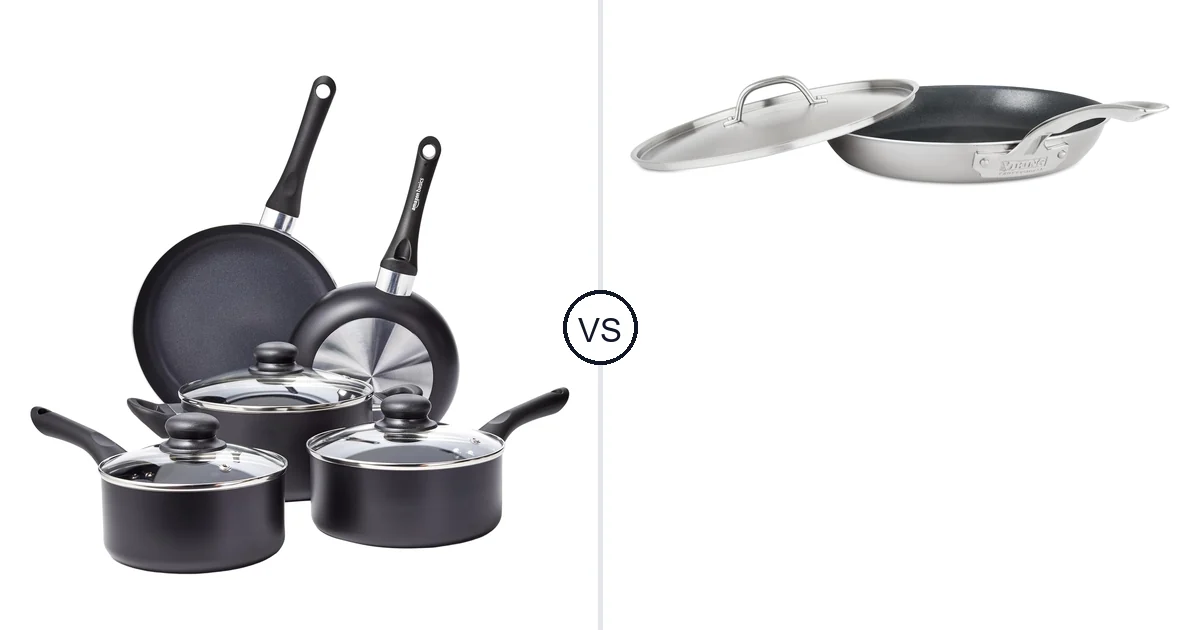
Newer nonstick cookware often avoids PFOA. Many brands now offer PTFE-free options or ceramic-based nonstick surfaces. If you choose nonstick, use it on lower heat, avoid metal utensils, and replace it when the surface starts to look worn.
Aluminum Cookware (Uncoated)
Plain aluminum cookware is lightweight and heats quickly. However, it can react with acidic foods, which may cause small amounts of aluminum to get into your food.
- Reactivity: Acidic foods can cause aluminum to leach into your meal, potentially affecting taste and health.
- Scratching: Aluminum can scratch easily, leading to uneven cooking surfaces and potential leaching.
Many aluminum pans are now anodized. This process hardens the aluminum and creates a non-reactive surface, making them a much safer and more durable choice. If you use uncoated aluminum, it’s best for cooking things that are not acidic.
How To Care For Your Safe Cookware
Taking good care of your cookware is key to making it last and ensuring it remains safe. Different materials need different kinds of attention.
Cleaning Your Cookware
Always check the manufacturer’s instructions for specific cleaning advice.
- Stainless Steel: Usually dishwasher safe, but hand washing with a soft sponge and mild detergent can help it look its best longer. For tough spots, a paste of baking soda and water can work wonders.
- Cast Iron and Carbon Steel: Never use harsh soap or put them in the dishwasher. Wash with hot water and a stiff brush or scraper. Dry immediately and thoroughly, then apply a thin layer of cooking oil to prevent rust.
- Enameled Cast Iron: Generally safe for dishwashers, but hand washing is recommended to protect the enamel. Avoid abrasive scrubbers.
- Ceramic and Nonstick: Use soft sponges or cloths. Avoid steel wool or harsh chemicals that can damage the coating.
- Glass: Usually dishwasher safe. For baked-on food, soak in warm water before cleaning.
Storage Matters
When you store your cookware, try to avoid scratching the surfaces.
- Place a soft cloth or paper towel between pans if you stack them.
- Hang pots and pans if you have the space; this also helps them dry completely.
Avoiding Damage
Treat your cookware with respect.
- Don’t use metal utensils on nonstick or ceramic surfaces. Stick to wood, silicone, or plastic.
- Avoid extreme temperature changes, like putting a very hot pan into cold water, as this can cause warping or cracking.
- For cast iron and carbon steel, always re-season them if the nonstick surface seems to be fading or if rust appears.
By following these simple care tips, you help ensure your cookware stays in great shape and continues to be a safe and reliable part of your kitchen for years to come.
Frequently Asked Questions
Question: What is the safest material for cookware?
Answer: Many materials are considered safe. Stainless steel, cast iron, enameled cast iron, glass, and properly seasoned carbon steel are excellent, safe choices. Ceramic cookware can also be safe if made with good, non-toxic coatings.
Question: Is Teflon cookware safe to use?
Answer: Modern Teflon (PTFE) cookware is generally safe when used as directed at normal cooking temperatures. Avoid overheating it to over 500°F (260°C) and replace pans that are scratched or peeling.
Question: Should I worry about aluminum cookware?
Answer: Uncoated aluminum can react with acidic foods. If you use aluminum, look for anodized aluminum, which is much safer and more durable, or use it only for non-acidic foods.
Question: How do I know if my cookware is healthy?
Answer: Look for cookware made from inert materials like stainless steel, glass, or ceramic coatings that are free from PFOA and PTFE. Cast iron and carbon steel are also healthy choices when seasoned correctly.
Question: What is the best cookware for everyday use that is safe?
Answer: High-quality stainless steel cookware with a clad base is a fantastic, safe option for everyday cooking. It’s durable, easy to clean, and doesn’t react with food.
Final Thoughts
Choosing cookware that is safe means picking materials that won’t harm your food. Stainless steel, cast iron, and glass are excellent, reliable options. They are tough, easy to clean, and won’t add unwanted chemicals to your meals.
By understanding these materials and taking simple care of your pans, you can cook with peace of mind. Enjoy making delicious and healthy meals.

Leave a Reply