
Planning a kitchen remodel often sparks excitement about new appliances. Imagine sleek surfaces and smart technology making cooking a breeze. But with so many choices, finding the perfect cooktop can feel overwhelming.
You want something that looks great, works well, and fits your cooking style.
This guide will help you pick the ideal cooktop for modern kitchen spaces. We’ll explore different types, explain their features, and offer practical tips. By the end, you’ll feel confident selecting a cooktop that elevates your kitchen’s design and functionality, making your cooking experience smoother and more enjoyable.
Types Of Cooktops For Your Modern Kitchen
Cooktops are the heart of your kitchen, where culinary magic happens. Modern kitchens demand appliances that blend form and function seamlessly. Choosing the right type of cooktop is a significant decision, impacting everything from cooking performance to energy use and overall aesthetics.
Each type offers unique advantages, and understanding these differences is key to making an informed choice. This section explores the primary cooktop technologies available today, helping you visualize how each might fit into your dream kitchen design.
Electric Smooth Top Cooktops
Electric smooth top cooktops use a radiant heating element beneath a flat ceramic glass surface. This design offers a sleek, easy-to-clean finish that complements contemporary kitchen aesthetics. Heat is generated by coils or halogen lamps under the glass, which then transfers to your cookware.
The smooth surface is a major draw, eliminating the grates and crevices found on traditional electric coil cooktops. This makes wiping up spills and grease incredibly simple, saving significant cleaning time. Many models feature digital controls, touch-sensitive buttons, and even dual or triple heating elements that can expand or contract to match the size of your pots and pans.
Safety features like hot surface indicators are also standard, alerting you when the cooktop is still warm after use.
While they offer a clean look, electric smooth tops can take longer to heat up and cool down compared to gas or induction. They also require specific cookware, ideally flat-bottomed, to ensure efficient heat transfer. Scratches can occur if abrasive cleaners or sharp utensils are used, so care is essential to maintain their pristine appearance over time.
Gas Cooktops
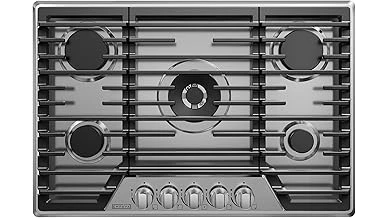
Gas cooktops are a long-standing favorite for many home cooks due to their instant, precise heat control. They feature burners that ignite a visible flame, allowing for immediate adjustments to cooking temperature. This responsiveness is invaluable for techniques requiring rapid changes in heat, like searing or simmering.
The visual cue of the flame provides a clear indication of the heat level, a feature many chefs appreciate. Gas cooktops are also generally more forgiving with cookware types; they work well with almost any pot or pan material and shape. The availability of various burner sizes, from high-output burners for rapid boiling to low-simmer burners for delicate sauces, adds to their versatility.
However, gas cooktops require a natural gas line or propane tank connection, which might not be available in all homes. Cleaning can be more involved due to the grates and burner caps that need to be removed and cleaned separately. There’s also a slightly higher risk of gas leaks, though modern safety features have significantly reduced this concern.
For those with strict ventilation requirements, managing the heat and steam produced by gas burners is also a consideration.
Induction Cooktops
Induction cooktops represent the cutting edge of cooking technology. They use electromagnetic fields to directly heat the cookware, rather than heating the cooktop surface itself. This means the cooktop surface stays relatively cool, which enhances safety and makes cleanup incredibly easy.
The efficiency and speed of induction are remarkable. When you turn on an induction burner, the magnetic field causes the metal in the cookware to vibrate, generating heat almost instantly. This rapid heating is faster than both gas and electric smooth tops.
Because the heat is generated within the pot or pan, very little energy is lost to the surrounding air, making induction highly energy-efficient.
Precise temperature control is another hallmark of induction. Many models offer granular settings that allow you to maintain exact temperatures, perfect for delicate tasks like melting chocolate or tempering eggs. The cooktop surface itself only gets hot from residual heat transferred back from the cookware, so spills are less likely to burn on, making cleanup exceptionally simple.
A key requirement for induction cooktops is the use of magnetic cookware. This means pots and pans made of cast iron, carbon steel, or certain types of stainless steel will work. Aluminum, copper, and glass cookware will not work unless they have a magnetic layer added.
While the initial investment for an induction cooktop and compatible cookware might be higher, the energy savings and cooking performance often make it a worthwhile upgrade.
Halogen Cooktops
Halogen cooktops are a type of electric smooth top that uses halogen lamps as the heating element. These lamps provide a quick burst of heat, offering faster preheating and responsiveness than traditional radiant electric elements. They are also known for providing a more even heat distribution across the cooking surface.
The advantage of halogen is its speed. When you turn on a halogen burner, the lamp heats up very quickly, and this heat is transferred to the ceramic glass and then to your cookware. This makes them feel more responsive than standard electric smooth tops, bridging some of the gap between electric and gas in terms of immediate temperature changes.
However, halogen cooktops can sometimes be less energy-efficient than induction or even modern radiant electric elements. The heat generated by the lamps can also heat the cooktop surface more than induction, potentially leading to more cooked-on spills if not wiped up promptly. While they offer an improvement in responsiveness over older electric models, they haven’t gained the same popularity as induction due to induction’s superior efficiency and safety features.
Key Features To Consider For Your Cooktop
Selecting a cooktop for your modern kitchen involves looking beyond just the type of heating. Several features can significantly enhance your cooking experience, safety, and the overall integration of the appliance into your home. These elements range from user interface design to advanced technological capabilities, all contributing to a more efficient and enjoyable time spent in the kitchen.
Considering these details upfront helps ensure your new cooktop meets all your needs.
Control Types And User Interface
The way you interact with your cooktop is crucial for ease of use. Modern kitchens often feature sleek, integrated control panels. These can range from simple knob controls to sophisticated touch-sensitive panels or even voice-activated systems.
Knobs are intuitive and familiar, providing tactile feedback. They are often preferred by those who like a more traditional feel or for users who may have difficulty with touch screens, especially with wet hands.
Touch controls offer a very modern and streamlined look, contributing to the smooth, uncluttered aesthetic of contemporary kitchens. They are easy to clean because there are no crevices for food to get trapped in. However, they can sometimes be less responsive if your fingers are wet or greasy.
Digital displays often accompany touch controls, providing precise temperature settings and timers. Some high-end models even incorporate Wi-Fi connectivity, allowing you to monitor or adjust cooking settings remotely via a smartphone app. This smart technology adds convenience and can be a key selling point for tech-savvy homeowners.
Burner Configuration And Power Levels
The arrangement and power of burners are central to a cooktop’s performance. Different cooking tasks require different heat outputs and burner sizes. A well-designed cooktop will offer a variety of options to suit diverse culinary needs.
Most cooktops come with multiple burners, typically ranging from two to five. The sizes vary significantly, from small burners suitable for simmering sauces to large, powerful burners designed for quickly boiling water or searing meats. It’s important to consider the types of pots and pans you use most often and ensure the burner configuration can accommodate them effectively.
Power levels are often measured in watts or BTUs (British Thermal Units) for gas. Higher numbers indicate more powerful burners capable of delivering intense heat rapidly. Conversely, lower power levels are essential for gentle simmering and maintaining low temperatures without scorching.
Look for cooktops with a good range of power settings to ensure versatility.
Some advanced cooktops feature bridge elements or flexible zones that can be combined to create a larger cooking area for oversized pans or griddles. This adaptability is a significant advantage for those who enjoy cooking a variety of dishes or entertaining guests.
Safety Features
Safety is paramount in any kitchen, and modern cooktops incorporate numerous features to prevent accidents. These features are designed to protect users from burns, fires, and other potential hazards.
Hot surface indicators are common on electric and induction cooktops. These lights illuminate to warn you when the cooktop surface is still hot, even after the burner has been turned off. This simple yet effective feature helps prevent accidental burns.
Child lock functions are invaluable for households with young children. When activated, they prevent the cooktop from being turned on or adjusted accidentally, providing peace of mind for parents.
Automatic shut-off is another important safety mechanism. If a burner is left on for an extended period without any interaction, the cooktop will automatically turn itself off. This helps prevent fires and conserves energy.
For gas cooktops, flame failure safety devices are crucial. If the flame is accidentally extinguished, these devices will automatically shut off the gas supply, preventing gas leaks.
Ease Of Cleaning And Maintenance
A cooktop’s design heavily influences how easy it is to keep clean. Modern aesthetics often prioritize smooth surfaces and minimal crevices to simplify maintenance.
Smooth top electric and induction cooktops are generally the easiest to clean. A quick wipe-down with a damp cloth and a suitable cleaner is often all that’s needed for everyday messes. Their seamless surfaces prevent food particles and grease from accumulating in hard-to-reach places.
Gas cooktops require a bit more effort. The grates and burner caps must be removed for thorough cleaning. Many grates are now dishwasher-safe, which can help reduce the workload.
Some modern gas cooktops also feature specialized coatings on the burner heads and grates that resist staining and make cleaning easier.
For all types of cooktops, it’s important to address spills promptly. Letting food residue sit and bake on can make cleaning much more difficult, regardless of the material. Using the right cleaning products – avoiding abrasive materials that can scratch surfaces – is also key to maintaining the appearance and longevity of your cooktop.
Integrating Your Cooktop Into A Modern Kitchen Design
A cooktop is more than just a cooking appliance; it’s a central design element in a modern kitchen. Its appearance, size, and how it integrates with countertops and cabinetry can significantly impact the overall look and feel of the space. Achieving a seamless, stylish, and functional design requires careful consideration of these integration aspects.
Countertop Compatibility And Installation
The material and thickness of your countertops play a vital role in cooktop installation. Different cooktop types have specific installation requirements and may need particular types of countertop support.
For built-in cooktops, the countertop must be cut precisely to the manufacturer’s specifications. This ensures a flush fit and proper ventilation. Materials like granite, quartz, and solid surface are popular choices for modern kitchens and are generally compatible with most cooktop installations.
Some induction and electric smooth top cooktops are designed for seamless integration, sitting almost flush with the countertop surface. This creates an ultra-modern, minimalist look. Gas cooktops might require a bit more depth beneath the countertop for their gas lines and burner components.
It is crucial to consult the cooktop manufacturer’s installation manual and potentially work with a professional installer. They can ensure the countertop can support the weight of the appliance and that all necessary clearances for ventilation and safety are met. Improper installation can affect performance and void warranties.
Ventilation Solutions For Modern Kitchens
Effective ventilation is essential for any kitchen, but it’s particularly important in modern, often open-plan layouts. It removes cooking odors, smoke, grease, and excess moisture, keeping the air fresh and preventing grease buildup on cabinets and surfaces.
Range hoods are the most common ventilation solution. They come in various styles, including under-cabinet, wall-mount, and island hoods, each designed to complement different kitchen layouts. Modern hoods often feature sleek designs, quiet operation, and powerful extraction capabilities.
Downdraft ventilation systems are another option, often integrated directly into the cooktop itself or the countertop behind it. These systems pull air down and away from the cooking surface, offering a discreet solution that doesn’t obstruct views or interrupt cabinetry. They are a popular choice for minimalist modern kitchens where a traditional hood might detract from the aesthetic.
The effectiveness of a ventilation system is measured by its CFM (cubic feet per minute) rating, which indicates how much air it can move. For most standard kitchens, a hood with 400-600 CFM is sufficient. High-output gas cooktops might require higher CFM ratings.
Ensuring proper ducting for exhaust hoods is also critical for optimal performance, directing the air outside the home.
Aesthetic Integration And Style Matching
The visual appeal of your cooktop is paramount in a modern kitchen. It should harmonize with your overall design scheme, countertops, cabinetry, and other appliances.
Stainless steel is a classic choice for modern kitchens, offering a durable and professional look. However, black ceramic glass or matte finishes are increasingly popular, providing a sophisticated and understated elegance, especially with induction and smooth-top electric models.
Consider the overall kitchen style. If you’re aiming for a minimalist look, a flush-mounted induction cooktop with hidden controls might be ideal. For a more industrial modern aesthetic, a robust gas cooktop with professional-grade grates could be a better fit.
Think about how the cooktop will appear in relation to your backsplash and countertop. Some cooktops have integrated backsplashes, while others require careful measurement to ensure they fit perfectly within the surrounding surfaces. The goal is a cohesive look where the cooktop feels like an intentional part of the design, not an afterthought.
Smart Technology And Connectivity
Smart technology is transforming kitchens, and cooktops are no exception. Connected appliances offer enhanced convenience, control, and even learning capabilities.
Many induction and some high-end electric cooktops now feature Wi-Fi connectivity. This allows users to control the cooktop remotely via a smartphone app. You might be able to preheat the cooktop, adjust burner settings, or set timers from another room or even while you’re away from home.
Voice control integration is also becoming more common. You can often pair your smart cooktop with virtual assistants like Google Assistant or Amazon Alexa to manage cooking functions using voice commands. This is particularly useful when your hands are messy or full.
Some smart cooktops can even learn your cooking habits and suggest optimal settings or cooking times. They may also provide diagnostic information, alerting you to potential issues or maintenance needs before they become major problems. These connected features add a layer of convenience and sophistication to the modern cooking experience.
Comparing Cooktop Technologies For Your Kitchen
Choosing between electric smooth top, gas, and induction cooktops can be challenging as each offers distinct advantages and disadvantages. Understanding these differences side-by-side helps clarify which technology best aligns with your cooking habits, budget, and kitchen design preferences. This comparison focuses on practical aspects like performance, efficiency, and cost.
Performance And Responsiveness
When it comes to performance, particularly responsiveness, gas cooktops generally lead. The visible flame allows for instant heat adjustments. If you frequently engage in cooking techniques that require rapid temperature changes, like stir-frying or searing, gas offers immediate control.
Induction cooktops come in a very close second for responsiveness. While they don’t have a visible flame, the electromagnetic heating is incredibly fast. Turning an induction burner off or down results in an almost immediate cessation of heat transfer to the cookware.
This speed and precision are highly valued by many home cooks.
Electric smooth tops, particularly those with radiant elements, are the slowest to respond. It takes time for the element to heat up and then cool down. This means you often have to anticipate temperature changes and adjust settings a few minutes in advance.
Halogen elements within electric smooth tops offer a faster response time than traditional radiant ones, but they still don’t quite match the immediacy of gas or induction.
Energy Efficiency And Cost Of Operation
Energy efficiency is a significant factor, impacting both environmental footprint and long-term operating costs. Induction cooktops are the undisputed champions in this category. Because they heat the cookware directly, very little energy is lost to the surrounding environment.
Studies show induction can be up to 90% efficient, compared to about 75% for electric and around 40% for gas.
Gas cooktops, while offering great control, are generally the least energy-efficient. A substantial amount of heat escapes around the cookware, especially with inefficient pots. Electric smooth tops fall in the middle, being more efficient than gas but less so than induction.
The cost of operation also depends on local utility rates for electricity and gas. In areas where electricity is cheaper than gas, induction and electric might be more economical to run. Conversely, if gas is significantly cheaper, a gas cooktop might have lower running costs despite its lower efficiency.
Cookware Requirements
The type of cookware you use is a critical consideration, especially when choosing between gas, electric smooth top, and induction.
Gas cooktops are the most forgiving. They work with virtually any type of cookware, including cast iron, stainless steel, copper, aluminum, and glass. The shape of the pot or pan base matters less due to the open flame.
Electric smooth tops also work with a wide variety of cookware, but flat-bottomed pots and pans are recommended for optimal heat transfer. Wavy or warped bottoms can lead to uneven heating. Heavy-bottomed cookware is best to prevent warping over time.
Induction cooktops have the most stringent cookware requirements. They only work with cookware that is magnetic. This includes most cast iron, carbon steel, and specific types of stainless steel designed for induction.
To test if a pan is induction-compatible, place a magnet on its base; if it sticks, it will work. Aluminum, copper, and glass cookware will not work unless they have a ferromagnetic base layer.
Initial Purchase Price And Installation Costs
The initial cost of purchasing a cooktop varies considerably by type and brand. Generally, gas cooktops and standard electric smooth tops tend to have the lowest upfront purchase prices. They are widely available and come in a broad range of models from budget-friendly to high-end.
Induction cooktops typically have the highest initial purchase price. The advanced technology and manufacturing processes contribute to this higher cost. However, prices have been steadily decreasing, making them more accessible than ever before.
Installation costs can also differ. Gas cooktops require a gas line connection, which may involve significant plumbing work if one is not already present. Electric cooktops require a dedicated electrical circuit, which is standard in most modern homes.
Induction cooktops, especially higher-powered models, may also require specialized electrical circuits.
It’s important to balance the initial cost with long-term operating costs and benefits. While induction might have a higher upfront price, its energy efficiency can lead to savings over time.
| Feature | Gas Cooktop | Electric Smooth Top | Induction Cooktop |
|---|---|---|---|
| Responsiveness | Excellent (immediate flame) | Fair (slow to heat/cool) | Excellent (very fast heating/cooling) |
| Energy Efficiency | Low (~40%) | Medium (~75%) | High (~90%) |
| Cookware | All types | Flat-bottomed recommended | Magnetic only |
| Cleaning Ease | Moderate (grates/caps) | Easy (smooth surface) | Very Easy (cool surface) |
| Initial Cost | Low to High | Low to Medium | Medium to Very High |
Maintenance And Care For Your Cooktop
Keeping your cooktop in excellent condition ensures it performs well and maintains its aesthetic appeal for years to come. Proper maintenance involves regular cleaning and attention to specific care instructions based on the cooktop’s type. Neglecting care can lead to permanent damage, reduced efficiency, and a diminished look.
Daily Cleaning Practices
Daily cleaning is key to preventing build-up and making deeper cleaning less frequent and easier. After each use, allow the cooktop to cool down completely.
For electric smooth tops and induction cooktops, use a soft, damp cloth with a mild dish soap or a specialized ceramic cooktop cleaner. Wipe away any food residue, grease, or splatters. For stubborn spots, you might need a cooktop scraper designed for glass surfaces.
Use it at a shallow angle to avoid scratching.
For gas cooktops, remove burner grates and caps (if they’ve cooled sufficiently). Wipe down the surface around the burners with a damp cloth. It’s good practice to remove any loose debris from the burner area.
Always ensure the cooktop is dry before its next use, especially for electric and induction types, as moisture can sometimes interfere with their sensors or heating elements.
Deep Cleaning And Stain Removal
For deeper cleaning or to tackle tough stains, specific methods are recommended for each cooktop type.
For electric smooth tops and induction, a paste made from baking soda and water can be effective for tough spots. Apply the paste, let it sit for 10-15 minutes, then gently scrub with a soft cloth or sponge. Specialized cooktop cleaners are also available and often provide excellent results for burnt-on food or mineral deposits.
For gas cooktops, the grates and burner caps can usually be soaked in hot, soapy water to loosen grime. For very stubborn burnt-on food, a non-abrasive scrubbing pad might be needed. Ensure all parts are completely dry before reassembling.
Avoid abrasive cleaners, steel wool, or scouring pads on any cooktop surface, as these can cause permanent scratches. Always refer to your cooktop’s user manual for specific cleaning recommendations from the manufacturer.
Preventing Scratches And Damage
Scratches can quickly detract from the sleek appearance of a modern cooktop. Taking preventative measures is crucial.
Always lift pots and pans rather than sliding them across the surface. This is especially important for cast iron and ceramic cookware, which can easily scratch glass or ceramic tops.
Be mindful of the items you place on the cooktop when it’s not in use. Avoid leaving heavy appliances, utensils with rough edges, or abrasive cleaning tools on the surface.
Clean up spills immediately. Sugary spills, in particular, can create a glassy residue if allowed to cool and harden on a hot surface, making them very difficult to remove without damaging the glass.
When using specialized tools like cooktop scrapers, hold them at a very low angle (almost parallel to the surface) and apply gentle pressure. This minimizes the risk of scratching the glass.
When To Call A Professional
While most cooktop maintenance can be handled at home, there are times when professional help is necessary.
If you notice electrical issues, such as flickering lights, burners not heating consistently, or error codes appearing on digital displays, it’s best to contact a qualified appliance technician. These problems could indicate internal electrical faults that require expert diagnosis and repair.
For gas cooktops, any signs of gas leaks, such as a persistent smell of rotten eggs, should be addressed immediately by a professional gas fitter or appliance repair service. Never attempt to fix gas line issues yourself.
If the cooktop surface itself is severely cracked or damaged, it may need to be replaced entirely. A professional can advise on whether a repair is feasible or if a new unit is the better option. Ignoring significant damage can lead to safety hazards.
Frequently Asked Questions
Question: Which type of cooktop is best for a modern kitchen
Answer: Induction cooktops are often considered the best for modern kitchens due to their sleek design, speed, efficiency, and safety features. However, gas cooktops are also popular for their precise heat control and can fit a modern aesthetic with the right design.
Question: Do I need special cookware for a modern cooktop
Answer: If you choose an induction cooktop, you will need magnetic cookware. Electric smooth tops and gas cooktops are more flexible and work with most types of pots and pans, though flat-bottomed cookware is recommended for best performance.
Question: Are induction cooktops safe for families
Answer: Yes, induction cooktops are very safe. The surface only heats up from the cookware, not the element itself, reducing burn risks. They also typically include child lock features and automatic shut-off.
Question: How do I clean a glass cooktop
Answer: To clean a glass cooktop, use a soft cloth with mild dish soap or a specialized ceramic cooktop cleaner. For tougher stains, a baking soda paste or a cooktop scraper can be used gently. Always ensure the surface is cool first.
Question: What is the most energy-efficient cooktop
Answer: Induction cooktops are the most energy-efficient type available, as they transfer heat directly to the cookware with minimal energy loss to the surrounding environment.
Summary
Choosing the right cooktop for your modern kitchen involves weighing technology, design, and your cooking habits. Induction offers speed, efficiency, and safety with a sleek look. Gas provides precise control and works with all cookware.
Electric smooth tops offer a balance of style and affordability. Consider cleaning ease, safety features, and how well the cooktop integrates with your countertops. Investing time in this decision ensures a beautiful, functional centerpiece for your culinary space.

Leave a Reply