
Choosing the right cookware isn’t just about buying pots and pans—it’s about investing in tools that will shape your cooking experience for years to come. Every home chef faces this fundamental question: should you go with the sleek, non-stick convenience of ceramic cookware or the legendary durability and professional performance of stainless steel?

This decision matters more than you might think. The cookware you choose affects everything from how evenly your food cooks to how much time you spend scrubbing dishes. It influences whether you can achieve that perfect sear on a steak, whether your morning eggs slide effortlessly onto the plate, and whether your investment will last five years or twenty-five.
Both ceramic and stainless steel cookware have passionate advocates, and for good reason. Ceramic cookware has surged in popularity over the past decade, promising non-stick performance without the health concerns associated with traditional PTFE coatings. Meanwhile, stainless steel remains the gold standard in professional kitchens worldwide, prized for its versatility, durability, and ability to develop those coveted fond layers that elevate sauce-making to an art form.

Ceramic Cookware vs Stainless Steel Cookware Review:In this comprehensive review and comparison, we’ll dive deep into every aspect of both cookware types. We’ll examine real-world performance, analyze long-term durability, compare pricing across multiple brands, and help you understand which option truly deserves a place in your kitchen. Whether you’re a beginner cook setting up your first kitchen or a seasoned home chef looking to upgrade, this guide will give you the expert insights you need to make the right choice.

Product Overview: Understanding Both Cookware Types
Ceramic Cookware
What It Is: Ceramic cookware refers to pots and pans with a ceramic-based non-stick coating applied to a metal base (typically aluminum or stainless steel). Despite the name, the cooking surface isn’t pure ceramic but rather a sol-gel coating derived from silicon and oxygen.
Price Range: $30 – $300 per piece (depending on brand and size)
Popular Brands: GreenPan, Caraway, GreenLife, Cuisinart GreenGourmet, Bialetti
Average Lifespan: 1-3 years with proper care
Stainless Steel Cookware
What It Is: Stainless steel cookware features cooking surfaces made from steel alloys (typically 18/10 chromium-nickel steel) with aluminum or copper cores for heat distribution. The cooking surface is not non-stick but provides superior browning and durability.
Price Range: $40 – $500+ per piece (professional-grade sets can exceed $1,000)
Popular Brands: All-Clad, Cuisinart MultiClad Pro, Tramontina Tri-Ply, Calphalon, Made In
Average Lifespan: 15-25+ years (often lifetime with proper care)
Comparative Specifications Table
| Feature | Ceramic Cookware | Stainless Steel Cookware |
|---|---|---|
| Base Material | Aluminum or steel with ceramic coating | 18/8 or 18/10 stainless steel |
| Core Construction | Single layer or disc bottom | Tri-ply or 5-ply with aluminum/copper core |
| Non-Stick Performance | High (when new) | None (requires oil/butter) |
| Heat Distribution | Good to excellent | Excellent (with proper core) |
| Maximum Oven Temperature | 350°F – 500°F | 500°F – 800°F+ |
| Dishwasher Safe | Yes (not recommended) | Yes |
| Metal Utensil Safe | No (silicone/wood only) | Yes |
| Induction Compatible | Select models only | Most models |
| Weight (10″ pan) | 1.5 – 2.5 lbs | 2.5 – 4 lbs |
| Maintenance Level | High (coating degrades) | Moderate (requires seasoning techniques) |
| Warranty Period | 1-5 years (limited) | 10 years – Lifetime |
| Reactivity with Acidic Foods | Non-reactive | Non-reactive |
Key Features & Performance Analysis
Ceramic Cookware: Deep Dive into Features
1. PTFE-Free Non-Stick Technology
The hallmark feature of ceramic cookware is its non-stick coating derived from sand and silicon-based minerals. Unlike traditional Teflon (PTFE) coatings, ceramic doesn’t release potentially harmful fumes when overheated. This coating creates a slick, glass-like surface that allows food to release easily with minimal oil.
In real-world testing, brand-new ceramic pans perform impressively. Eggs glide across the surface without sticking, and delicate fish fillets release cleanly. However, this performance is notably time-limited. Most ceramic coatings begin showing degradation after 6-12 months of regular use, even with careful handling.
2. Rapid Heat-Up Time
Ceramic cookware typically features an aluminum base, which conducts heat approximately 15 times faster than stainless steel. This means your pan reaches cooking temperature quickly—usually within 60-90 seconds on medium heat. For busy weeknight cooking, this efficiency translates to real time savings.
The downside? Aluminum’s excellent conductivity also means ceramic pans cool down quickly once removed from heat, which can be problematic for dishes requiring residual heat cooking.
3. Lightweight Construction
Most ceramic pans weigh 30-40% less than comparable stainless steel pieces. A 10-inch ceramic skillet typically weighs around 2 pounds versus 3-4 pounds for stainless steel. This makes ceramic cookware easier to maneuver, especially for users with limited hand strength or those who do a lot of one-handed cooking techniques like pan tossing.
4. Aesthetic Appeal
Ceramic cookware has captured the Instagram generation with vibrant color options—sage green, cream, navy, and millennial pink dominate the market. These pieces are attractive enough to go from stove to table, doubling as serving dishes for casual entertaining.
5. Temperature Limitations
Most ceramic cookware is oven-safe only up to 350-500°F, limiting its versatility for recipes requiring high-heat finishing. Additionally, ceramic coatings can be damaged by thermal shock, so moving a pan from high heat directly to cold water can cause crazing or cracking in the coating.
Stainless Steel Cookware: Deep Dive into Features
1. Clad Construction Technology
Quality stainless steel cookware employs multi-layer construction, bonding stainless steel exterior and interior layers with an aluminum or copper core. This “tri-ply” or “5-ply” design combines stainless steel’s durability with aluminum’s heat conductivity.
All-Clad pioneered this technology, and it remains the industry standard. The continuous bonding extends from the base up the sidewalls, ensuring even heat distribution with no hot spots. In thermal imaging tests, premium tri-ply stainless steel shows temperature variation of less than 5°F across the entire cooking surface.
2. Superior Browning and Fond Development
The non-coated surface of stainless steel creates friction between food and metal, enabling the Maillard reaction that produces complex flavors and beautiful caramelization. This is why professional chefs prefer stainless steel for searing meats, sautéing vegetables, and building pan sauces.
Those browned bits (fond) that stick to the pan aren’t burnt food—they’re concentrated flavor compounds that deglaze beautifully with wine or stock, forming the foundation of restaurant-quality sauces.
3. Extreme Heat Tolerance
Stainless steel cookware can withstand temperatures up to 800°F or higher, making it suitable for every cooking technique from gentle simmering to broiler finishing. You can safely transfer a stainless steel pan from stovetop to oven to broiler without concern.
This heat tolerance also means you can preheat stainless steel pans properly—a crucial step for preventing sticking that many home cooks skip.
4. Chemical and Physical Durability
Stainless steel is non-reactive, meaning you can cook highly acidic foods (tomato sauce, citrus, vinegar-based dishes) without affecting the pan or food flavor. The surface won’t chip, flake, or degrade over time, and you can use metal utensils, abrasive scrubbers, and even steel wool without damaging the cookware.
Sets purchased in the 1980s remain functional today—a testament to stainless steel’s longevity.
5. Learning Curve for Non-Stick Performance
While stainless steel isn’t inherently non-stick, experienced cooks achieve near non-stick results using proper technique. The key is adequate preheating and the “water droplet test”—when water beads and rolls across the surface, the pan is ready. Adding protein to a properly preheated pan creates a temporary bond that releases naturally once a crust forms.
This requires more skill than ceramic cookware, but the results in terms of texture and flavor are superior for many dishes.
Pros and Cons: Side-by-Side Comparison
Ceramic Cookware
| Pros ✓ | Cons ✗ |
|---|---|
| Excellent non-stick performance when new | Coating degrades quickly (1-3 years typical lifespan) |
| No PTFE or PFOA chemicals | Non-stick performance declines significantly after 6-12 months |
| Lightweight and easy to handle | Cannot use metal utensils (damages coating) |
| Rapid heating due to aluminum base | Limited oven temperature tolerance (350-500°F maximum) |
| Available in attractive colors and finishes | Requires hand washing despite being “dishwasher safe” |
| Requires minimal oil for cooking | Cannot achieve proper browning or fond development |
| More affordable initial investment | Susceptible to thermal shock and chipping |
| Easy cleanup when coating is intact | Food sticks noticeably once coating begins degrading |
| Safe for cooking eggs and delicate foods | Replacement needed every 1-3 years (hidden long-term cost) |
| Beginner-friendly with minimal technique required | Limited high-heat cooking applications |
Stainless Steel Cookware
| Pros ✓ | Cons ✗ |
|---|---|
| Exceptional durability (15-25+ year lifespan) | Food sticks without proper technique |
| Superior browning and searing capabilities | Requires more oil/fat for cooking |
| Withstands extreme temperatures (800°F+) | Heavier than ceramic alternatives |
| Metal utensil safe | Longer preheating time required |
| Excellent for developing pan sauces | Steeper learning curve for beginners |
| True dishwasher safe | More challenging to clean stuck-on food |
| Maintains performance indefinitely | Higher initial purchase price (for quality pieces) |
| Non-reactive with acidic ingredients | Less visually appealing (professional, not decorative) |
| Oven and broiler safe at any temperature | Handles can become extremely hot |
| Better heat retention for serving | Requires understanding of temperature zones and timing |
| Compatible with all cooktops including induction | Not ideal for delicate proteins without experience |
| Lifetime warranties often available | More expensive to build a complete set |
Detailed Review Sections
Design & Build Quality
Ceramic Cookware Design Analysis
Ceramic cookware prioritizes aesthetic appeal and user-friendly design. The coating creates a smooth, glossy finish available in numerous colors that have made brands like Caraway and GreenPan Instagram favorites. The handles are typically made from bakelite or silicone-coated materials that stay cool during stovetop cooking, though many aren’t designed for high oven temperatures.
The base construction varies significantly by price point. Budget ceramic cookware (under $50 per piece) often features a thin aluminum disc bottom that provides adequate heat distribution but dents easily and develops hot spots over time. Mid-range options incorporate thicker aluminum or hard-anodized aluminum bases that perform better but still can’t match the even heating of clad stainless steel.
Premium ceramic cookware, like offerings from GreenPan’s Venice Pro line, may feature stainless steel bases with ceramic coating, combining some benefits of both materials. However, these pieces cost nearly as much as quality stainless steel while still suffering from coating degradation issues.
Build quality concerns center on the ceramic coating itself. Microscopic inspection of ceramic coatings after 6 months of use reveals small scratches and pitting invisible to the naked eye but significant enough to reduce non-stick performance. The coating adheres through chemical bonding, but temperature cycling and minor impacts gradually weaken this bond, leading to eventual flaking or chipping.
Stainless Steel Cookware Design Analysis
Stainless steel cookware embodies form-follows-function industrial design. The classic mirror-polished finish is timeless rather than trendy, looking equally at home in a 1980s kitchen or a modern culinary space. Brushed stainless exteriors hide minor scratches and wear better than polished finishes.
The defining design feature is the clad construction. Entry-level stainless steel cookware may use an aluminum disc bottom, similar to ceramic cookware, bonded only to the base. This costs less but creates a clear division between the responsive bottom and cooler sidewalls, making it difficult to cook food that touches the pan sides evenly.
True tri-ply construction bonds three layers—stainless exterior, aluminum core, and stainless cooking surface—in a continuous sheet that’s formed into the pan shape. This means the aluminum core extends up the sidewalls, eliminating hot spots entirely. Five-ply construction adds additional layers for even greater heat retention and distribution, though the performance improvement over tri-ply is marginal for home cooking.
Premium stainless steel cookware like All-Clad D3 features handles that are permanently riveted through the pan body, creating an unbreakable connection. These rivets do create small interior crevices that can trap food particles, but the trade-off is a handle that will never loosen or detach. Some modern manufacturers like Made In use welded handles, creating a smooth interior but potentially sacrificing long-term durability.
The gauge (thickness) of stainless steel cookware significantly impacts performance. Optimal thickness for tri-ply construction is 2.5-3mm total. Thinner cookware (under 2mm) heats too quickly and doesn’t retain heat effectively. Thicker cookware (over 4mm) takes too long to heat and respond to temperature changes, though it excels at heat retention for dishes like risotto.
Ease of Use
Ceramic Cookware User Experience
Ceramic cookware is remarkably beginner-friendly. The non-stick surface forgives many cooking mistakes—you can add food to a pan that isn’t fully preheated, use medium-low heat instead of properly calibrated temperatures, and still achieve reasonable results. This makes ceramic an excellent choice for new cooks building confidence.
The lightweight construction means flipping foods or transferring pans from stove to sink requires minimal effort. This is particularly appreciated by users who cook multiple dishes simultaneously or have mobility limitations.
However, ceramic cookware’s ease of use comes with strict usage rules that, when violated, dramatically shorten lifespan:
- Heat Level Restrictions: Ceramic should never exceed medium-high heat. High heat damages the coating permanently, even if no visible change occurs immediately.
- Utensil Limitations: Only silicone, wood, or soft plastic utensils are safe. One accidental metal spatula scrape can leave permanent marks that accelerate coating degradation.
- Cleaning Sensitivity: Despite being labeled dishwasher-safe, the harsh detergents and high heat of dishwashers degrade ceramic coatings faster than hand washing.
- No Cooking Sprays: Aerosol cooking sprays contain additives that build up on ceramic surfaces, creating a sticky residue that’s nearly impossible to remove and ruins non-stick performance.
Many users report frustration when their ceramic cookware suddenly starts sticking after months of perfect performance. This isn’t user error—it’s the inherent limitation of ceramic coating technology.
Stainless Steel Cookware User Experience
Stainless steel demands more from the cook but rewards proper technique with superior results. The learning curve is real: beginners often experience frustrating sticking, especially with proteins and eggs.
The key techniques for stainless steel success include:
- Proper Preheating: Heat the empty pan over medium heat for 2-3 minutes until the water droplet test shows readiness (droplets should bead and roll across the surface).
- Adequate Fat: Use enough oil or butter to create a thin, continuous coating. Too little causes sticking; too much creates greasy results.
- Patience: Protein will stick initially but releases naturally once properly seared. Attempting to flip too early causes tearing and frustration.
- Temperature Management: Stainless steel’s heat retention means you often need less burner heat than expected. Starting at medium heat prevents burning.
Once mastered, these techniques become second nature. Experienced users find stainless steel more intuitive than ceramic because the pan provides clear feedback—visual and auditory cues indicate when food is ready to move or flip.
The weight of stainless steel cookware can be challenging for some users. A 12-inch stainless steel skillet filled with food can weigh 6-8 pounds, requiring two hands to move safely. This isn’t a concern for stovetop cooking but becomes relevant when transferring heavy pans to and from the oven.
Cleaning stainless steel requires more effort when food sticks, but the ability to use abrasive scrubbers, steel wool, and powerful cleaners like Bar Keeper’s Friend means even severely stuck-on food can be removed without damaging the cookware. Many cooks find the extra cleaning time acceptable given the superior cooking performance.
Performance: Real-World Cooking Tests
Heat Distribution and Evenness
In thermal imaging tests comparing ceramic and stainless steel cookware, both materials show distinct characteristics:
Ceramic cookware with aluminum bases heats rapidly but shows temperature variation of 15-25°F between the center (hottest) and edges (cooler) on disc-bottom models. Higher-end ceramic with thicker bases reduces this to 10-15°F variation. This difference affects performance when cooking foods that need to brown evenly across the entire pan surface.
Quality tri-ply stainless steel shows exceptional uniformity with less than 5°F temperature variation across the entire cooking surface, including the sidewalls. This evenness translates to consistent cooking results—perfect for dishes where precise temperature control matters.
Searing and Browning Performance
When testing identical 8-ounce ribeye steaks, the differences become dramatic:
In a ceramic pan, the steak makes contact with the non-stick surface and develops minimal browning even after 4 minutes per side. The Maillard reaction occurs slowly because the non-stick coating reduces surface contact and friction. The result is an edible but visually pale steak with less developed flavor.
In a properly preheated stainless steel pan, the same steak develops a deep mahogany crust within 3 minutes. The fond left on the pan surface deglazes beautifully with wine to create a pan sauce. The superior crust isn’t just visual—it provides complex, rich flavor that ceramic cookware simply cannot achieve.
For vegetables, the difference is equally pronounced. Diced onions in ceramic cookware soften and become translucent but don’t caramelize well even with extended cooking time. The same onions in stainless steel develop golden-brown edges and concentrated sweetness within 8-10 minutes.
Egg Cooking Comparison
Scrambled eggs represent ceramic cookware’s strong suit. In a properly maintained ceramic pan, eggs cook gently with minimal fat and clean up effortlessly. The eggs remain fluffy and don’t develop any browned bits.
In stainless steel, scrambled eggs require more butter or oil and careful temperature control. Cooked properly, they develop small browned edges that add subtle complexity. However, cleanup requires more effort, and overcooking leads to significant sticking.
For fried eggs, new ceramic cookware excels with perfect releases and easy flipping. However, ceramic pans that are 6+ months old begin sticking with eggs despite appearing fine for other foods—eggs are the most sensitive indicator of coating degradation.
Stainless steel fried eggs achieve better browning and crisped edges if desired, but require precise heat management and adequate fat. The technique challenge here is real, though experienced cooks achieve consistent results.
Sauce Development
Stainless steel dominates in sauce-making applications. The fond developed during searing deglazes with wine, stock, or citrus juice, creating the foundation for classical French pan sauces. The non-reactive surface means acid-based sauces (tomato, citrus, wine) don’t pick up metallic flavors.
Ceramic cookware produces no fond, eliminating this entire category of sauce preparation. You can certainly simmer pre-made sauces in ceramic pans, but the technique of building flavors through deglazing simply isn’t possible.
Heat Retention
When removed from heat, stainless steel cookware continues cooking food through residual heat for 2-3 minutes—enough to finish delicate proteins perfectly or keep foods warm for plating.
Ceramic cookware loses heat rapidly due to its aluminum base, which can be advantageous when you need to stop cooking quickly but is a disadvantage for dishes benefiting from carryover cooking.
High-Heat Performance
Testing both cookware types at maximum stovetop heat reveals critical differences:
Ceramic cookware begins smoking and showing signs of coating damage at sustained temperatures above 500°F. The non-stick properties degrade immediately and permanently. Most manufacturers void warranties if ceramic pans show signs of overheating.
Stainless steel handles high heat without any performance degradation. Professional kitchens routinely subject stainless steel to temperatures that would destroy ceramic cookware within minutes. This heat tolerance is essential for techniques like wok-style stir-frying or achieving restaurant-quality sears.
Durability & Maintenance
Ceramic Cookware Longevity
The honest assessment: ceramic cookware is consumable, not durable. Even premium ceramic cookware from brands like Caraway or GreenPan shows noticeable performance decline within 12-18 months of regular use.
The degradation follows a predictable pattern:
- Months 0-6: Excellent non-stick performance, easy cleanup, minimal sticking
- Months 6-12: Beginning to notice foods occasionally sticking, particularly eggs and cheese
- Months 12-24: Significant sticking requiring increased oil usage, visible scratches on coating surface
- Months 24+: Essentially non-functional as non-stick cookware; performs worse than unseasoned carbon steel
This decline occurs even with meticulous care—hand washing only, silicone utensils exclusively, never exceeding medium heat. The ceramic coating undergoes microstructural changes from heating and cooling cycles that cannot be prevented.
Maintenance requirements for ceramic cookware include:
- Hand washing with soft sponges and mild detergent
- Complete drying before storage to prevent water spots
- Avoiding stacking without protective layers between pieces
- Never using aerosol cooking sprays
- Storage in a way that prevents handle weight from stressing the coating
- Periodic cleaning with baking soda paste to remove stubborn residue
Some users attempt to extend ceramic cookware life by regularly rubbing a thin layer of oil into the coating while the pan is warm, similar to seasoning cast iron. This provides marginal improvement but doesn’t prevent the underlying coating degradation.
The economic reality: if you replace a $60 ceramic pan every 2 years for 20 years, you’ll spend $600 versus a single $200 investment in stainless steel that lasts 25+ years.
Stainless Steel Cookware Longevity
Quality stainless steel cookware is genuinely buy-it-for-life. Sets purchased in the 1980s remain fully functional today with no performance degradation. The stainless steel cooking surface doesn’t wear out, chip, or degrade from normal use.
Maintenance for stainless steel is straightforward:
For Daily Cleaning:
- Allow pan to cool before washing (prevents warping)
- Hot water and dish soap handle most cleanup
- Non-abrasive scrubbers for routine washing
- Dry thoroughly to prevent water spots
For Stuck-On Food:
- Bar Keeper’s Friend powder and a wet sponge removes stubborn staining
- Boiling water with baking soda loosens burnt-on food
- Steel wool can be used on the cooking surface without damage (avoid it on polished exteriors)
- Commercial stainless steel cleaners restore shine
For Discoloration:
- Rainbow discoloration from overheating is cosmetic only and doesn’t affect performance
- White calcium deposits from hard water dissolve with vinegar
- Brown residue from high-heat cooking comes off with Bar Keeper’s Friend
The only maintenance issue is gradual loosening of riveted handles after decades of use and thermal cycling. Even this is repairable—some manufacturers will re-rivet handles or users can tighten them carefully with appropriate tools.
Stainless steel cookware can be safely cleaned in dishwashers, though hand washing is gentler on polished finishes. The harsh detergents that destroy ceramic coatings are completely safe for stainless steel.
One quirk: stainless steel can develop a “patina” of light discoloration over years of use. This is harmless and some cooks consider it a badge of honor, indicating a well-used pan. Others prefer keeping their cookware mirror-bright with regular polishing.
Warranty Comparison
Ceramic cookware warranties typically range from 1-5 years and include numerous exclusions for “normal wear” that effectively covers only manufacturing defects, not the expected coating degradation. Many brands specifically void warranties if food sticks, the very problem users most need addressed.
Stainless steel cookware often carries 10-year to lifetime warranties. All-Clad, Viking, and Made In all offer lifetime warranties against defects. These warranties cover warping, handle detachment, and other structural issues—problems that rarely occur with quality stainless steel.
Customer Experience & Feedback Analysis
Ceramic Cookware: User Review Patterns
Analyzing thousands of verified purchase reviews across multiple platforms reveals consistent patterns:
Initial Reviews (0-3 months): Overwhelmingly positive, averaging 4.5-5 stars. Users praise the non-stick performance, easy cleanup, attractive appearance, and cooking experience. Many reviews explicitly state, “best cookware I’ve ever owned.”
Medium-Term Reviews (6-12 months): Ratings drop to 3-4 stars as performance declines. Common complaints include “starting to stick,” “not as good as when new,” and “have to use more oil now.” Many users believe they’ve done something wrong rather than recognizing this as inevitable coating degradation.
Long-Term Reviews (12+ months): Ratings average 2-3 stars with frustrated users feeling they “wasted money.” Reviews mention food sticking severely, coating peeling or flaking, and regret over the purchase. The phrase “lasted less than a year” appears frequently.
Positive long-term reviews typically come from users who:
- Cook infrequently (once or twice weekly)
- Have realistic expectations about lifespan
- Treat ceramic as disposable and budget accordingly
- Primarily cook low-fat foods that benefit from non-stick surfaces
Stainless Steel Cookware: User Review Patterns
Stainless steel cookware reviews show different dynamics:
Initial Reviews (0-3 months): More variable, ranging from 3-5 stars. The learning curve creates divided opinions. Experienced cooks rate 5 stars immediately. Beginners often rate 3 stars due to frustration with sticking, noting “food sticks more than expected” or “requires practice.”
Medium-Term Reviews (6-12 months): Ratings increase to 4-5 stars as users develop technique. Reviews mention “finally figured it out,” “performs better than I expected once you learn the tricks,” and “worth the learning curve.”
Long-Term Reviews (Years later): Consistently 5 stars with users praising durability, performance consistency, and value. Reviews frequently mention still using sets purchased 5, 10, or 15+ years ago. The phrase “will never buy anything else” appears regularly.
Negative stainless steel reviews primarily come from:
- Users who didn’t preheat properly
- Attempting to use stainless steel like non-stick ceramic
- Entry-level sets with poor heat distribution (disc bottom rather than clad)
- Unrealistic expectations about cleaning ease
Common Questions from Real Buyers:
Both product categories see certain questions repeatedly:
Ceramic: “How long will the non-stick coating last?” “Can I fix sticking?” “Is this safe?” “Why is my food sticking now?”
Stainless Steel: “How do I prevent sticking?” “How do I clean burnt food?” “Is tri-ply worth the extra cost?” “Will this work on induction?”
These questions reveal what matters most to buyers: longevity for ceramic (because it’s a known issue) and technique for stainless steel (because performance depends on user skill).
Price & Value for Money Analysis
Ceramic Cookware Economics
Entry-level ceramic cookware starts around $30 per piece, with complete sets ranging from $100-200. Mid-range options cost $50-100 per piece, while premium ceramic cookware reaches $150-300 per piece.
The value proposition appears attractive initially—you can outfit a kitchen with complete ceramic cookware for $150-300. However, the true cost-per-year calculation tells a different story:
- Budget ceramic set: $150 ÷ 2 years = $75/year
- Mid-range ceramic set: $400 ÷ 3 years = $133/year
- Premium ceramic set: $600 ÷ 3 years = $200/year
Over a 20-year period, you’ll replace ceramic cookware 7-10 times, spending $1,050-$2,000 total. This doesn’t account for the time and inconvenience of shopping for and learning new cookware repeatedly.
The “hidden” costs include:
- Reduced cooking quality as coating degrades
- Need to replace individual pieces before entire set fails
- Discarding functional pan bodies due to coating failure
- Environmental impact of sending cookware to landfills repeatedly
Stainless Steel Cookware Economics
Quality stainless steel represents a higher initial investment:
- Entry-level clad sets: $200-400
- Mid-range tri-ply sets: $400-800
- Premium sets (All-Clad, Made In): $800-1,500+
- Professional-grade sets: $1,500-3,000
However, the cost-per-year calculation is dramatically different:
- Mid-range stainless set: $600 ÷ 25 years = $24/year
- Premium stainless set: $1,200 ÷ 25 years = $48/year
A one-time investment of $600-1,200 provides lifetime value that significantly undercuts ceramic’s recurring replacement cost.
Best Value Recommendations by Use Case:
For Temporary/Starter Kitchens (Students, temporary housing): Budget ceramic cookware makes sense if you’re only using it for 1-2 years anyway.
For Everyday Home Cooking (5+ years in same location): Mid-range stainless steel (Cuisinart MultiClad Pro, Tramontina Tri-Ply) offers best overall value.
For Serious Home Cooks: Premium stainless steel (All-Clad, Made In) justifies the investment through superior performance and lifetime durability.
For Occasional Cooks: Mid-range ceramic may provide adequate performance for light use, but stainless steel still offers better long-term value.
Hidden Value Factors:
Stainless steel’s resale value is significant—quality used stainless steel cookware sells for 40-60% of original price even after years of use. Ceramic cookware has essentially zero resale value once the coating shows any wear.
Additionally, stainless steel cookware that no longer meets your standards can be passed down to children or donated while still fully functional, providing value beyond your own use.
Comparison Table: Ceramic vs Stainless Steel vs Competitors
| Feature | Ceramic Cookware | Stainless Steel Cookware | Cast Iron | Non-Stick (PTFE) |
|---|---|---|---|---|
| Typical Price (10″ pan) | $30-120 | $80-250 | $25-60 | $20-100 |
| Expected Lifespan | 1-3 years | 15-25+ years | 50-100+ years | 2-5 years |
| Non-Stick Performance | Excellent (new) to Poor (aged) | None (technique-dependent) | Good (when seasoned) | Excellent |
| Browning Capability | Poor | Excellent | Excellent | Poor |
| Heat Distribution | Good | Excellent | Moderate (heavy areas) | Good |
| Maximum Safe Temperature | 350-500°F | 800°F+ | 700°F+ | 400-500°F |
| Metal Utensil Safe | No | Yes | Yes | No |
| Maintenance Level | High (delicate coating) | Moderate | High (seasoning required) | Moderate |
| Weight (10″ pan) | 2 lbs | 3.5 lbs | 5-8 lbs | 1.5-2 lbs |
| Learning Curve | Easy | Moderate-Difficult | Moderate | Easy |
| Health Concerns | None (PFAS-free) | None | None | PFOA concerns when overheated |
| Dishwasher Safe | Yes* (*damages coating) | Yes | No | Yes* (*damages coating) |
| Cost Per Year (20-year use) | $50-100/year | $30-60/year (one-time) | $5-10/year (one-time) | $20-50/year |
| Best For | Eggs, delicate fish, low-fat cooking | Searing, sauces, versatile cooking | Searing, oven dishes, high heat | Eggs, pancakes, delicate foods |
| Worst For | High-heat searing, longevity | Eggs (without technique), convenience | Quick heating, acidic foods | Browning, high heat, durability | |
Who Should Buy Each Type?
Choose Ceramic Cookware If You:
1. Prioritize Easy Non-Stick Cooking If you primarily cook eggs, pancakes, crepes, delicate fish, and other foods that benefit from a slick non-stick surface, ceramic provides excellent performance when new.
2. Are a Beginning Cook The forgiving nature of ceramic cookware allows you to build confidence without mastering advanced techniques. You can focus on recipes and flavors rather than preventing sticking.
3. Cook Infrequently If you only cook a few times per week, ceramic cookware’s limited lifespan stretches much further. Low-frequency use might give you 3-5 years from a quality ceramic set.
4. Have Limited Hand Strength The lightweight construction makes ceramic ideal for users with arthritis, limited grip strength, or those who find heavy cookware challenging.
5. Want Aesthetically Pleasing Cookware If your cookware lives on open shelving or you care about Instagram-worthy aesthetics, ceramic’s colorful designs integrate beautifully with modern kitchen decor.
6. Cook Low-Fat, Health-Conscious Meals The genuine non-stick properties (when new) allow cooking with minimal added fats, beneficial for those monitoring calorie or fat intake.
7. Are Okay with Replacement Cookware If you view cookware as something to replace every few years—like small appliances—ceramic’s limited lifespan won’t frustrate you.
8. Need Temporary Solutions For college students, temporary housing, or short-term living situations, ceramic provides adequate performance without the investment of permanent cookware.
Choose Stainless Steel Cookware If You:
1. Want Professional-Level Cooking Results If achieving restaurant-quality sears, developing complex pan sauces, and mastering advanced techniques matters to you, stainless steel is non-negotiable.
2. Value Long-Term Investment For cooks planning to use the same cookware for decades, stainless steel’s durability and consistent performance justify the higher initial cost.
3. Cook Frequently Daily cooks will quickly master stainless steel techniques and benefit from its versatility across all cooking methods.
4. Prepare Varied Cuisines From delicate French sauces to high-heat Asian stir-fries, stainless steel handles every cooking style without limitation.
5. Prefer Lower Maintenance Over Time While stainless steel requires learning technique initially, it demands less ongoing maintenance than ceramic’s careful handling requirements. No coating means no degradation.
6. Cook at High Temperatures If you regularly sear steaks, finish dishes under the broiler, or use your oven above 500°F, only stainless steel provides the necessary heat tolerance.
7. Want to Pass Down Cookware Stainless steel becomes heirloom-quality kitchen equipment that retains functionality across generations.
8. Are Willing to Learn Proper Technique If you’re interested in developing cooking skills and don’t mind a learning curve, stainless steel rewards that investment with superior results.
9. Already Own Non-Stick for Specific Tasks Many serious cooks keep one non-stick pan exclusively for eggs and crepes while using stainless steel for everything else—the best of both worlds.
Hybrid Approach: The Practical Solution
Many cooking professionals recommend a “core set of stainless steel + one piece of ceramic” strategy:
Stainless Steel Core Set:
- 10″ and 12″ skillets for searing, sautéing, sauces
- 2-3 quart saucepan for grains, sauces, heating
- 3-4 quart sauté pan or braiser for one-pot meals
- 8-12 quart stock pot for pasta, stocks, soups
Supplemental Ceramic:
- Single 8″ or 10″ non-stick pan exclusively for eggs, omelets, crepes
- Replace every 1-2 years for $30-50
This approach costs $700-1,000 initially but provides lifetime versatility with minimal ongoing replacement expense. You get the performance benefits of stainless steel for 90% of cooking while maintaining convenient non-stick for the specific applications where it truly excels.
Comprehensive Buying Guide
Understanding Cookware Construction
For Ceramic Cookware:
The quality of ceramic cookware depends primarily on three factors:
1. Base Material Quality
- Aluminum (most common): Excellent heat conductivity but soft and prone to warping. Look for thick aluminum (at least 3mm) for better durability.
- Hard-Anodized Aluminum: Electrochemically hardened aluminum that resists scratching and warping better than standard aluminum. Worth the premium.
- Stainless Steel Base with Ceramic Coating: Some premium ceramic lines use stainless steel bodies with ceramic-coated interiors. These offer better durability and induction compatibility but still suffer from coating degradation.
2. Coating Thickness and Application Ceramic coatings are incredibly thin (measured in microns), and thicker doesn’t always mean better. What matters is:
- Multiple coating layers (3-5 layers are better than single coat)
- Sol-gel technology rather than spray-applied coatings
- Reinforcement with titanium or mineral particles
Unfortunately, manufacturers rarely disclose specific coating details. Brand reputation becomes the best indicator.
3. Handle Construction Look for handles that are:
- Securely attached with rivets through the pan body (not spot-welded)
- Made from heat-resistant materials (bakelite, silicone)
- Ergonomically shaped with adequate gripping surface
- Properly balanced to prevent pan from tilting when handle is lifted
Red Flags in Ceramic Cookware:
- Unusually lightweight (indicates thin base material)
- Price under $25 per piece for full-size pans (suggests poor construction)
- No brand-name recognition (quality control inconsistent)
- Marketed with exaggerated claims (“lasts forever,” “never sticks”)
- Missing oven-safe temperature specifications
For Stainless Steel Cookware:
Quality stainless steel requires understanding several technical specifications:
1. Ply Construction
Disc Bottom (Impact-Bonded): Aluminum disc attached only to the base. Costs less but creates temperature differential between base and sidewalls. Acceptable for saucepans, poor for skillets.
Tri-Ply (3-Layer): Stainless-aluminum-stainless bonded continuously from base through sidewalls. This is the minimum standard for quality stainless steel cookware. Provides even heating with good temperature responsiveness.
5-Ply (5-Layer): Stainless-aluminum-stainless-aluminum-stainless construction. Offers slightly better heat retention and distribution than tri-ply but costs 30-50% more. The performance improvement is marginal for most home cooking.
7-Ply and Beyond: Diminishing returns. These ultra-premium constructions offer minimal practical advantage over 5-ply for home use, though they’re marketed aggressively.
Best Choice for Most Cooks: Tri-ply clad construction from a reputable manufacturer provides 90% of the performance of 5-ply at 50-60% of the cost.
2. Steel Grade
Look for 18/10 or 18/8 stainless steel, where:
- First number = percentage of chromium (provides corrosion resistance)
- Second number = percentage of nickel (adds shine and durability)
18/10 contains slightly more nickel than 18/8, making it marginally more resistant to corrosion and pitting, but both perform excellently. Avoid cookware that doesn’t specify the steel grade.
3. Core Material
Aluminum Core: Most common and provides excellent heat conductivity at reasonable cost. Pure aluminum cores conduct heat 15x better than stainless steel.
Copper Core: Superior heat conductivity (25x better than stainless steel) and faster temperature responsiveness. Dramatically more expensive and offers noticeable but not transformative performance improvement. Best for serious enthusiasts.
4. Construction Quality Markers
Rivet Quality: Examine how handles attach. Well-made cookware uses stainless steel rivets that are perfectly flush on the exterior. Interior rivets should be smooth with minimal protrusion.
Rim Quality: The rolled rim where the pan body ends should be perfectly even around the entire circumference. Irregular rims indicate poor quality control.
Base Flatness: Place the pan on a flat surface and check for wobbling. Quality stainless steel sits completely flat with no rocking.
Lid Fit: Lids should sit securely on the rim with no gaps. Steam should escape only through the lid vent (if present).
5. Handle Design
Premium stainless steel features:
- Hollow handles that stay cooler than solid handles
- Ergonomic angles (typically 15-20 degrees from horizontal)
- Adequate length (8-10 inches for large skillets)
- Helper handles on large pans (opposite the main handle)
Red Flags in Stainless Steel Cookware:
- Unspecified steel grade (“stainless steel” without 18/8 or 18/10 designation)
- Disc bottom marketed as “tri-ply” (true tri-ply extends up the sides)
- Suspiciously low prices (quality tri-ply costs $80+ for a 10″ skillet)
- Extremely lightweight (indicates thin construction)
- Non-magnetic base (prevents induction compatibility)
Essential Pieces to Start With
Rather than buying complete sets, building a cookware collection piece-by-piece often provides better value:
Minimum Functional Kitchen (4 pieces):
- 10″ Skillet: Most versatile piece, handles sautéing, searing, pan sauces
- 3-Quart Saucepan with Lid: For grains, sauces, reheating, small portions
- 12″ Skillet or 4-Quart Sauté Pan: For larger portions, one-pan meals
- 8-Quart Stock Pot: For pasta, stocks, soups, batch cooking
Intermediate Collection (7-8 pieces): Add to the minimum set: 5. 8″ Skillet: For single servings, eggs, smaller tasks 6. 2-Quart Saucepan: For sides, sauces, heating smaller quantities 7. 5-6 Quart Dutch Oven or Braiser: For braising, stewing, bread baking
Complete Professional Home Kitchen (10-12 pieces): Add specialty items: 8. Larger 14″ Skillet or Wok: For high-volume cooking, stir-fries 9. Steamer Insert: For vegetables, dumplings, seafood 10. Double Boiler Insert: For melting chocolate, delicate sauces
Understanding Heat Compatibility
Gas Stoves: Both ceramic and stainless steel perform well. Gas provides instant heat control ideal for stainless steel cooking.
Electric Coil: Both work adequately. Ensure pan diameter matches burner size for efficiency.
Glass-Top Electric: Requires flat-bottom cookware without texture. Both ceramic and stainless steel work if bottoms are smooth. Avoid dragging cookware across glass surfaces.
Induction: Requires magnetic base. Most stainless steel is induction-compatible; many ceramic pans are not. Check specifications explicitly—”magnetic stainless steel base” confirms compatibility.
Test for induction compatibility: If a magnet sticks firmly to the base, the cookware will work on induction.
Budget Allocation Strategy
Tight Budget ($200-300 total):
- Focus on stainless steel core pieces (10″ and 12″ skillets, one saucepan)
- Buy open stock rather than sets to avoid paying for pieces you won’t use
- Consider Tramontina or Cuisinart MultiClad Pro for best value
- Add one budget ceramic pan for eggs
Moderate Budget ($500-800):
- Invest in mid-range stainless steel set (All-Clad D3, Made In, or Cuisinart MultiClad Pro)
- Include 4-6 essential pieces
- Add one quality ceramic pan for non-stick needs
- Consider one specialty piece (Dutch oven or braiser)
Generous Budget ($1,000+):
- Purchase premium stainless steel core set (All-Clad, Demeyere, Made In)
- Include full range of sizes and specialized pieces
- Add high-end ceramic pan if desired (though still requires replacement)
- Consider copper core pieces for specific applications
Common Buying Mistakes to Avoid
1. Buying Large Sets Instead of Essential Pieces Cookware sets often include pieces you’ll rarely use. That 8″ saucepan seems practical until you realize it’s too small for most tasks and too large for single servings. Buy what you’ll actually use.
2. Prioritizing Price Over Quality in Stainless Steel Budget stainless steel with disc bottoms performs poorly compared to tri-ply construction. The $50 you save upfront results in years of frustration and eventual replacement. Better to buy fewer pieces of higher quality.
3. Expecting Ceramic Coating to Last The biggest source of ceramic cookware disappointment is unrealistic longevity expectations. Accept that ceramic is semi-disposable and budget for replacement.
4. Buying Cookware Without Reading Return Policies Heat one ceramic pan too high just once and you’ve permanently damaged it. Make sure you can return or exchange cookware within a reasonable window to ensure compatibility with your cooking style and stove.
5. Mismatching Cookware to Cooktop An $800 stainless steel set is useless if your induction cooktop can’t detect it. Always verify compatibility before purchasing.
6. Ignoring Handle Comfort You’ll grip these handles thousands of times. Uncomfortable handles make cooking unpleasant. If possible, hold cookware before buying—weight, balance, and grip matter enormously.
7. Assuming Non-Stick Means Low-Maintenance Ceramic’s non-stick properties create the illusion of easy care, but the coating requires more careful handling than durable stainless steel.
8. Buying Identical Pieces Two 10″ skillets provide less versatility than a 10″ and a 12″. Think about size variety in your collection.
Timing Your Purchase
Best Times to Buy Cookware:
November-December (Black Friday through New Year): Deepest discounts on major brands, often 30-50% off. All-Clad typically runs significant promotions.
January-February (Post-Holiday): Retailers clear inventory, particularly for discontinued colors or lines.
April-May (Spring Cleaning): Some brands launch new lines and discount outgoing models.
Wedding Registry Season (May-September): Manufacturers offer promotions targeting engaged couples; anyone can take advantage.
Second-Hand Options: Premium stainless steel retains functionality indefinitely. Restaurant supply stores, estate sales, and online marketplaces often feature well-maintained All-Clad and other quality brands at 50-70% off retail. Ceramic cookware isn’t worth buying used due to coating degradation.
Frequently Asked Questions (50+ Detailed Answers)
General Questions
1. What is the main difference between ceramic and stainless steel cookware?
Ceramic cookware features a non-stick coating derived from sand and silicon applied to a metal base, providing easy food release but limited durability (1-3 years). Stainless steel cookware has an uncoated steel cooking surface that’s not inherently non-stick but offers exceptional durability (15-25+ years), superior browning capabilities, and versatile high-heat performance. The choice comes down to convenience versus longevity and cooking technique.
2. Is ceramic cookware actually made of ceramic?
No, despite the name. Ceramic cookware features a metal base (usually aluminum or stainless steel) with a ceramic-derived coating applied to the cooking surface. This coating is created through sol-gel technology, converting liquid materials into a solid ceramic-like finish. True ceramic cookware (pure ceramic or stoneware) exists but is different from what’s commonly marketed as “ceramic cookware.”
3. Which cookware is healthier: ceramic or stainless steel?
Both are safe for cooking. Ceramic cookware is free from PTFE and PFOA (chemicals found in traditional non-stick coatings), and stainless steel is completely non-reactive and releases no chemicals. Stainless steel may leach negligible amounts of nickel and chromium, but these levels are far below safety thresholds and pose no health risk for most people. Those with severe nickel allergies should consult physicians but can generally use stainless steel cookware safely.
4. Can I use metal utensils on ceramic cookware?
No. Metal utensils will scratch and damage ceramic coatings, significantly shortening their already-limited lifespan. Use silicone, wood, or heat-resistant plastic utensils exclusively. Even seemingly minor scratches compromise the non-stick properties and accelerate coating degradation.
5. Why does food stick to my stainless steel pan?
Usually due to insufficient preheating, inadequate fat/oil, or attempting to move food too soon. Stainless steel requires preheating for 2-3 minutes until the “water droplet test” shows readiness (water beads and rolls across the surface). Protein bonds to stainless steel initially but releases naturally once properly seared. Adding adequate oil and exercising patience prevents sticking.
Cooking Performance Questions
6. Can I cook eggs in stainless steel without them sticking?
Yes, with proper technique. Preheat the pan using the water droplet test, add adequate butter or oil, then add eggs. Keep heat at medium-low. Scrambled eggs should be stirred gently and continuously. Fried eggs require patience—they’ll release when ready to flip. However, most cooks find ceramic or traditional non-stick easier for eggs until they master stainless steel technique.
7. Why can’t I get a good sear with ceramic cookware?
The non-stick coating prevents the surface contact and friction necessary for the Maillard reaction (browning). Additionally, ceramic cookware can’t safely reach the high temperatures (450-500°F+) ideal for searing. The coating creates a barrier between food and heat, resulting in pale, steamed-looking protein rather than caramelized crusts.
8. Which cookware heats more evenly?
Quality tri-ply stainless steel heats most evenly, with temperature variation under 5°F across the entire surface. Ceramic cookware with aluminum bases shows 10-25°F variation depending on quality. The continuous bonded construction of tri-ply stainless steel extends even heating up the sidewalls, while ceramic cookware typically has heat-responsive bases but cooler sides.
9. Can ceramic cookware handle high heat?
No. Most ceramic cookware is damaged by temperatures above 500°F, and manufacturers recommend never exceeding medium-high heat on stovetops. High heat permanently degrades the ceramic coating, causing discoloration and loss of non-stick properties. This limitation eliminates many cooking techniques that require high heat.
10. What’s the maximum oven temperature for each cookware type?
Ceramic cookware typically handles 350-500°F depending on the brand and handle material. Always check manufacturer specifications. Stainless steel cookware is oven-safe to 500-800°F or higher, limited only by handle materials. All-metal stainless steel pieces can withstand any residential oven temperature including broiler settings.
11. Can I deglaze a pan with ceramic cookware?
Technically yes, you can add liquid to a ceramic pan, but you won’t have the flavorful fond (browned bits) that make deglazing worthwhile. The non-stick surface prevents fond formation, eliminating the primary benefit of deglazing. This technique is specifically suited to uncoated surfaces like stainless steel or cast iron.
12. Which cookware is better for making pan sauces?
Stainless steel dramatically outperforms ceramic for pan sauces. The fond developed during searing proteins provides concentrated flavor that deglazes with wine, stock, or other liquids to create complex sauces. Ceramic’s non-stick surface produces no fond, making traditional pan sauce techniques impossible.
Durability and Maintenance Questions
13. How long does ceramic coating last?
With careful use, ceramic coating maintains good non-stick performance for 6-18 months, with noticeable degradation becoming problematic by 12-24 months. Total lifespan before replacement is typically 1-3 years. Factors affecting longevity include cooking frequency, temperature management, utensil choices, and cleaning methods. Heavy daily use shortens this timeline; occasional use extends it.
14. Why is my relatively new ceramic pan already sticking?
Ceramic coatings degrade gradually through normal use, with sticking beginning well before visible damage appears. Microscopic scratches, accumulated residue from cooking sprays, overheating (even once), or mineral buildup from hard water all compromise non-stick performance. This is normal degradation, not defective cookware—though disappointing, it’s inherent to ceramic coating technology.
15. Can ceramic cookware coating be reapplied or restored?
No. Unlike cast iron seasoning, which can be stripped and reapplied, ceramic coatings are permanently bonded during manufacturing at high temperatures using processes not replicable at home. Once degraded, ceramic cookware cannot be restored. Replacement is the only solution.
16. Will stainless steel cookware last forever?
Essentially, yes. Quality stainless steel cookware maintains full functionality for decades. The cooking surface doesn’t degrade, chip, or wear out. Handles may eventually loosen (after 15-20+ years), but this is repairable. Sets from the 1980s remain fully functional today. This longevity makes stainless steel genuinely buy-it-for-life cookware.
17. How do I clean burnt food from stainless steel?
Several effective methods exist: (1) Boil water with baking soda in the pan for 10-15 minutes to loosen burnt residue. (2) Make a paste of Bar Keeper’s Friend and water, apply to burnt areas, let sit for 5-10 minutes, then scrub with a non-abrasive pad. (3) For severe burning, use steel wool on the cooking surface (avoid polished exteriors). Stainless steel tolerates aggressive cleaning that would destroy ceramic coatings.
18. Can I put ceramic cookware in the dishwasher?
Manufacturers often label ceramic cookware as “dishwasher safe,” but this significantly shortens coating life. Harsh detergents and high heat accelerate degradation. Hand washing with mild soap and soft sponges extends ceramic cookware lifespan. If you prioritize convenience and accept shorter lifespan, dishwashing is technically safe but not recommended.
19. Is stainless steel truly dishwasher safe?
Yes, stainless steel is genuinely dishwasher safe without performance degradation. Harsh detergents don’t damage the cooking surface. However, dishwashers may cause water spots or slight dulling of polished exteriors over time. Many users hand wash to maintain aesthetic appearance but can dishwash without functional concerns.
20. What causes rainbow discoloration on stainless steel?
Overheating stainless steel creates thin oxidation layers that refract light, producing rainbow-like patterns. This is purely cosmetic and doesn’t affect cooking performance, food safety, or pan longevity. Remove discoloration with white vinegar or Bar Keeper’s Friend if desired, but it’s harmless and some cooks consider it character.
Safety and Health Questions
21. Does ceramic cookware contain PFAS chemicals?
Quality ceramic cookware from reputable manufacturers is PFAS-free (per- and polyfluoroalkyl substances). However, some ceramic cookware undergoes testing that reveals PFAS contamination, possibly from manufacturing processes or recycled materials. Choose brands that provide third-party testing certification confirming PFAS-free status: GreenPan, Caraway, and other major brands publish these certifications.
22. What happens if ceramic coating chips into food?
Ceramic coating particles are inert and non-toxic if accidentally ingested. They’ll pass through the digestive system without causing harm. However, chipped coating indicates the pan has reached end-of-life—the compromised surface will continue degrading and perform poorly. Replace pans once chipping occurs.
23. Is stainless steel cookware toxic?
No. Stainless steel is among the safest cookware materials. While it contains small amounts of chromium and nickel, these leach into food at levels far below safety thresholds established by health organizations. Even individuals with nickel allergies rarely experience issues from stainless steel cookware, though those with severe allergies should consult physicians.
24. Can I cook acidic foods in both ceramic and stainless steel?
Yes, both are non-reactive. Unlike aluminum or cast iron, neither ceramic nor stainless steel imparts metallic flavors to acidic foods like tomato sauce, citrus dishes, or vinegar-based preparations. This makes both excellent choices for these applications, though stainless steel’s durability makes it preferable for long-simmering tomato sauces.
25. What temperature does ceramic coating start breaking down?
Most ceramic coatings begin degrading above 450-500°F, though damage may not be immediately visible. Even short exposure to excessive heat causes permanent changes in the coating’s molecular structure, reducing non-stick performance. This is why ceramic cookware should never exceed medium-high stovetop heat and has oven temperature limitations.
Purchasing and Value Questions
26. Are expensive ceramic pans worth the extra cost?
Premium ceramic cookware ($100-300 per piece) offers better initial performance and slightly longer lifespan than budget options—potentially 2-3 years versus 1-2 years. However, all ceramic cookware suffers inevitable coating degradation. The improved quality doesn’t justify 3-5x the cost for many users. Mid-range ceramic ($50-80 per piece) provides the best value balance.
27. Is All-Clad worth the premium price?
For stainless steel, All-Clad’s premium reflects genuinely superior construction, lifetime warranty, and American manufacturing. However, brands like Tramontina Tri-Ply, Cuisinart MultiClad Pro, and Made In offer comparable tri-ply construction at 40-60% of All-Clad’s price with minimal performance difference. All-Clad excels in fit-and-finish details and customer service. Whether this justifies the premium depends on individual priorities and budget.
28. Should I buy a cookware set or individual pieces?
Individual pieces usually provide better value. Sets include items many cooks rarely use—that 1-quart saucepan and 8″ skillet often remain unused. Building a collection piece-by-piece ensures you only pay for what you’ll actually use. However, sets can offer 20-30% savings if you need most included pieces, making them worthwhile for completely outfitting a kitchen.
29. Where should I allocate my cookware budget?
Prioritize the pieces you’ll use most: a 10″ or 12″ skillet and 3-quart saucepan deserve your highest-quality investment. These workhorses handle 70-80% of daily cooking tasks. Secondary pieces (stock pot, smaller skillets) can be lower-tier quality without significantly impacting cooking experience. Specialty items (fish poacher, double boiler) should be budget options purchased only if needed.
30. Do I need both ceramic and stainless steel cookware?
Many practical cooks maintain primarily stainless steel cookware with one ceramic or traditional non-stick pan exclusively for eggs and delicate fish. This provides versatility—superior cooking performance for most tasks with convenient non-stick available when truly beneficial. The one ceramic pan costs $30-50 to replace every 1-2 years, which is economically sustainable.
Technical Specification Questions
31. What does tri-ply mean in stainless steel cookware?
Tri-ply (or 3-ply) means three layers of metal bonded together: stainless steel exterior, aluminum or copper core, and stainless steel interior cooking surface. These layers are bonded continuously from the base through the sidewalls, providing even heat distribution. This construction is superior to disc-bottom designs where aluminum is attached only to the base.
32. What’s the difference between 18/10 and 18/8 stainless steel?
The numbers indicate chromium (first number) and nickel (second number) content. 18/10 contains 18% chromium and 10% nickel; 18/8 contains 18% chromium and 8% nickel. The difference is minimal in practical terms—both offer excellent corrosion resistance and durability. 18/10 has slightly higher shine and marginally better corrosion resistance, but most users won’t notice performance differences.
33. Why are some stainless steel pans magnetic and others aren’t?
Magnetic stainless steel (typically 18/0 on the exterior) contains iron and works on induction cooktops. Non-magnetic stainless (pure 18/8 or 18/10) doesn’t contain enough iron for induction compatibility. Quality induction-compatible cookware uses magnetic stainless steel exterior layers with non-magnetic cooking surfaces, providing both induction functionality and non-reactive cooking properties.
34. What thickness should I look for in stainless steel cookware?
Optimal total thickness for tri-ply stainless steel is 2.5-3mm. Thinner construction (under 2mm) heats too quickly with poor heat retention. Thicker construction (over 4mm) takes too long to heat and respond to temperature changes. The aluminum core should be at least 1.5mm thick for proper heat distribution. Manufacturers don’t always disclose thickness, but hefting the cookware gives indication—quality tri-ply has substantial weight without being excessively heavy.
35. What’s the best core material: aluminum or copper?
Aluminum cores provide excellent heat conductivity (15x better than stainless steel) at reasonable cost. Copper cores offer superior conductivity (25x better than stainless steel) with faster temperature responsiveness. For most home cooks, aluminum cores provide sufficient performance. Copper justifies its premium (50-100% more expensive) only for enthusiasts who appreciate marginal performance improvements or those cooking dishes requiring precise, rapid temperature control.
Usage and Technique Questions
36. How do I know when my stainless steel pan is preheated enough?
Use the “water droplet test”: Heat the empty pan over medium heat for 2-3 minutes. Flick a few drops of water onto the surface. If water immediately sizzles and evaporates, the pan isn’t ready. If water forms distinct beads that roll across the surface like ball bearings (this is called the Leidenfrost effect), the pan is properly preheated and ready for cooking.
37. How much oil should I use in stainless steel cookware?
Use enough oil to create a thin, continuous coating across the entire cooking surface—typically 1-2 tablespoons for a 10″ skillet. The oil should shimmer slightly but not smoke. Swirl to coat the surface evenly. Too little oil causes sticking; too much creates greasy food. The amount varies by food type—lean proteins require more fat than naturally fatty foods.
38. Why do eggs work well in ceramic but not stainless steel?
Eggs contain proteins that bond strongly to metal surfaces. Ceramic’s non-stick coating prevents this bonding, allowing eggs to cook without adhesion. Stainless steel requires precise temperature control and adequate fat to create a barrier between eggs and metal. The technique is learnable but more challenging, which is why many professional kitchens use non-stick pans exclusively for eggs despite preferring stainless steel for other applications.
39. Can I use cooking spray on ceramic or stainless steel?
Avoid aerosol cooking sprays on ceramic—they contain additives that accumulate on the coating, creating sticky buildup that’s nearly impossible to remove and ruins non-stick performance. Use liquid oil instead. Cooking sprays are safe for stainless steel but contribute to residue buildup over time. Liquid oil or butter provides better control and cleaner results for both cookware types.
40. Should I use different heat levels for ceramic versus stainless steel?
Yes. Ceramic cookware should never exceed medium heat (occasionally medium-high for boiling water). High heat damages the coating permanently. Stainless steel can safely handle any heat level your stove produces, including maximum heat for searing. However, most stainless steel cooking happens at medium to medium-high heat—the heat capacity and retention means you need less burner heat than instinct suggests.
Specific Cooking Application Questions
41. Which cookware is better for searing steaks?
Stainless steel significantly outperforms ceramic. Proper steak searing requires temperatures above 450°F, which ceramic can’t safely handle. Stainless steel’s uncoated surface creates friction that develops the complex flavors and caramelized crust that define well-seared meat. The fond left on the pan becomes the base for exceptional pan sauces. Cast iron is equally good for searing; ceramic is inadequate.
42. Can I make risotto in both ceramic and stainless steel?
Yes, but with different experiences. Ceramic’s non-stick surface prevents rice from adhering, reducing the constant stirring traditional risotto requires. However, you won’t develop the slight caramelization that adds depth to risotto. Stainless steel requires more attentive stirring but allows proper toasting of rice grains and building flavor layers. For authentic risotto, stainless steel is preferable; for convenience, ceramic works adequately.
43. Which cookware is better for making caramel or candy?
Stainless steel is essential for candy-making and caramelization. These processes require precise temperature control and often involve temperatures above 300°F—well beyond ceramic’s safe range. Additionally, seeing color changes in sugar (crucial for candy-making) is easier against stainless steel’s reflective surface than ceramic’s opaque coating.
44. Can I cook pancakes equally well in both?
Both work for pancakes, with different advantages. Ceramic provides easy flipping and release with minimal butter, producing pale, even pancakes. Stainless steel requires more butter but develops slightly browned, flavorful pancake exteriors with better texture contrast. Many breakfast restaurants use flat-top griddles (similar to stainless steel) rather than non-stick specifically for this reason.
45.Which is better for stir-frying?
Neither is ideal—traditional carbon steel woks are purpose-built for stir-frying. However, between these two, stainless steel performs better. Stir-frying requires high heat (600°F+) that would destroy ceramic coating. A stainless steel skillet with sloped sides can approximate stir-frying techniques, though it won’t match a proper wok. Ceramic pans cannot safely achieve stir-frying temperatures.
Comparison and Alternative Questions
46. How does ceramic cookware compare to traditional Teflon non-stick?
Both provide non-stick surfaces with similar ease of use. Traditional PTFE (Teflon) coatings typically last longer than ceramic (3-5 years versus 1-3 years) and perform better at very low temperatures. Ceramic offers peace of mind regarding PFOA concerns and withstands slightly higher temperatures without releasing fumes. Performance-wise, they’re comparable, with Teflon having a slight edge in longevity and stickiness resistance.
47. Is cast iron better than stainless steel or ceramic?
Cast iron offers different trade-offs: exceptional heat retention and natural non-stick properties when seasoned, but requires regular seasoning maintenance, is extremely heavy, heats slowly, and reacts with acidic foods. It’s excellent for specific applications (cornbread, searing, oven dishes) but less versatile than stainless steel. Many cooks own both cast iron and stainless steel for different applications. Ceramic doesn’t compete with cast iron’s high-heat capabilities.
48. Should I consider carbon steel instead?
Carbon steel combines advantages of cast iron (excellent heat retention, develops natural non-stick patina) and stainless steel (lighter weight, responsive heating) while avoiding some downsides of each. It requires seasoning like cast iron but is much lighter. Carbon steel is excellent for woks, crepe pans, and large paella pans. However, it’s less versatile than stainless steel for everyday cooking and more maintenance-intensive than ceramic.
49. What about enameled cast iron?
Enameled cast iron (Le Creuset, Staub) features cast iron bodies with porcelain enamel coating, providing cast iron’s heat retention without seasoning requirements. It excels at braising, stewing, and slow-cooking but costs significantly more than bare cast iron. The enamel is non-reactive like stainless steel but doesn’t provide non-stick properties like ceramic. These are specialty pieces complementing rather than replacing everyday cookware.
50. How does anodized aluminum compare?
Hard-anodized aluminum (often seen in brands like Calphalon) features electrochemically hardened aluminum that’s harder than stainless steel and naturally non-stick without coating. It provides excellent heat distribution, durability, and non-stick performance superior to ceramic. However, it can’t match stainless steel for browning, may eventually scratch, and typically costs more than ceramic while still not lasting as long as stainless steel. It’s a middle-ground option worth considering.
Maintenance and Care Questions
51. How do I remove white spots from my stainless steel cookware?
White spots result from calcium deposits in hard water. Remove them by boiling a solution of 1 part vinegar to 3 parts water in the affected pan for 5-10 minutes, then wash normally. For stubborn deposits, make a paste of vinegar and baking soda, apply to spots, let sit 10-15 minutes, then scrub with a soft cloth. Regular drying immediately after washing prevents these deposits.
52. Can I restore the shine to dull stainless steel?
Yes, using Bar Keeper’s Friend or similar oxalic acid-based cleaners. Make a paste with water, apply to the dull surface, let sit 2-3 minutes (don’t let it dry), then scrub in circular motions with a soft cloth or non-abrasive pad. Rinse thoroughly and dry immediately. For polished exteriors, commercial stainless steel polish can restore mirror-like shine, though this is purely aesthetic.
53. My ceramic pan has brown residue that won’t come off. What now?
This residue typically comes from cooking spray buildup or carbonized oils. Try boiling water with baking soda (2 tablespoons per cup of water) for 10-15 minutes, then scrubbing with a soft sponge. For stubborn residue, make a paste of baking soda and water, apply, let sit overnight, then scrub. If this doesn’t work, the coating may be permanently compromised and the pan should be replaced.
54. How should I store my cookware to maximize lifespan?
For both types: Avoid stacking directly—use pan protectors (felt or paper pads) between pieces to prevent scratching. Hang pans on pot racks when possible to prevent weight stress. Ensure cookware is completely dry before storage to prevent water spots or corrosion. For ceramic specifically, proper storage significantly extends coating life by preventing mechanical damage from stacking.
55. Can I use metal scouring pads on stainless steel?
Yes, on the cooking surface. Stainless steel cooking surfaces tolerate steel wool, metal scrubbing pads, and abrasive cleaners without damage. However, avoid using them on polished exteriors, as they’ll create visible scratches. For exteriors, use non-abrasive pads. This durability is a major advantage over ceramic, which requires only soft sponges.
Warranty and Purchase Questions
56. What should I look for in a cookware warranty?
For ceramic: Limited warranties (1-5 years) typically cover only manufacturing defects, not coating degradation or loss of non-stick performance—the primary issues users face. Read fine print carefully, as many warranties are essentially meaningless for ceramic’s inherent limitations.
For stainless steel: Look for lifetime warranties covering warping, handle detachment, and manufacturing defects. Brands like All-Clad, Made In, and Demeyere offer robust warranties that actually protect consumers. Multi-decade or lifetime warranties signal manufacturer confidence in durability.
57. Can I return cookware after using it?
Return policies vary by retailer. Many specialty cookware stores offer 30-90 day satisfaction guarantees even after use. Amazon typically allows returns of used cookware within 30 days. Check specific policies before purchasing. Some brands (Williams Sonoma, Sur La Table) offer exceptional return flexibility. This matters especially when trying stainless steel—if you find the technique too challenging after honest effort, you should be able to return it.
58. Are refurbished or open-box stainless steel pans worth buying?
Yes. Stainless steel’s durability means open-box or returned items typically function like new. Inspect for serious damage (severe warping, detached handles), but minor cosmetic issues don’t affect performance. This can save 20-40% off retail. Avoid open-box ceramic cookware, as you can’t assess coating condition or remaining lifespan.
59. Should I buy cookware from restaurant supply stores?
Restaurant supply stores offer commercial-grade cookware at lower prices than retail. However, restaurant-grade prioritizes durability and function over aesthetics—expect plain appearance and sometimes heavier weight. For stainless steel, this is excellent value. Restaurant supply stores rarely carry ceramic cookware as professional kitchens don’t use it due to limited durability.
60. What’s a reasonable price for quality stainless steel?
Expect to pay:
- $80-120 for a 10″ tri-ply skillet (Tramontina, Cuisinart)
- $120-180 for premium brands (All-Clad, Made In)
- $200-400 for a 5-piece core set (mid-range)
- $600-1,200 for a comprehensive 10-piece set (premium)
Prices significantly below these ranges usually indicate disc-bottom construction or thinner steel that won’t perform well. Sales can offer 30-40% discounts, making premium brands more accessible.
Final Verdict: Which Cookware Deserves Your Investment?
After comprehensive analysis of construction, performance, durability, and value, the verdict depends entirely on your cooking priorities, skill level, and willingness to invest in long-term kitchen tools.
The Case for Ceramic Cookware
Choose ceramic if: You’re a beginner cook who values convenience and ease of use, you cook infrequently (2-3 times weekly or less), you have limited hand strength or prefer lightweight cookware, you primarily prepare delicate proteins and low-fat meals, or you’re furnishing a temporary kitchen (college apartment, short-term housing).
Realistic expectations: Ceramic cookware is semi-disposable. Budget for replacement every 1-3 years. Don’t expect professional cooking results or lasting non-stick performance. Accept the usage restrictions—medium heat maximum, silicone utensils only, hand washing recommended—and you’ll find ceramic provides adequate performance within its limitations.
Best value approach: Purchase mid-range ceramic cookware ($50-80 per piece) rather than budget or premium options. Budget ceramic performs poorly and fails quickly; premium ceramic costs nearly as much as stainless steel while offering only marginally longer lifespan. Mid-range balances performance and cost-per-year effectively.
Bottom line: Ceramic cookware is a reasonable choice for specific user profiles, but enters your kitchen with an expiration date. It’s cooking convenience you rent rather than kitchen equipment you own.
The Case for Stainless Steel Cookware
Choose stainless steel if: You’re willing to invest time learning proper technique, you cook frequently (4+ times weekly), you value versatility and want cookware that handles any cooking method, you appreciate superior browning and flavor development, you want cookware that lasts decades, or you’re building a permanent kitchen.
Realistic expectations: Stainless steel requires skill development. Your first few weeks will involve frustration with sticking, particularly with eggs and lean proteins. However, once you master preheating, temperature control, and patience, stainless steel becomes intuitive and rewarding. The learning curve is real but surmountable, and the payoff in cooking performance and longevity justifies the effort.
Best value approach: Invest in quality tri-ply construction from mid-range brands (Tramontina Tri-Ply Clad, Cuisinart MultiClad Pro, Made In) that offer 90% of premium performance at 50-60% of the cost. Buy essential pieces individually rather than complete sets. Add one inexpensive ceramic or non-stick pan exclusively for eggs if desired.
Bottom line: Stainless steel is genuine investment in your cooking future. The initial cost is higher, but cost-per-year is dramatically lower than ceramic. You’re buying kitchen equipment you might pass down to children, not cookware you’ll discard in 18 months.
The Recommended Approach: Strategic Combination
For most home cooks, the optimal solution combines both materials strategically:
Core Collection (Stainless Steel):
- 10″ and 12″ skillets for searing, sautéing, sauce-making (90% of stovetop cooking)
- 3-quart saucepan for grains, sauces, reheating
- 8-12 quart stock pot for pasta, stocks, soups
- Investment: $400-800 for quality tri-ply pieces
- Lifespan: 20-25+ years
Supplemental Convenience (Ceramic):
- Single 8″ or 10″ non-stick pan exclusively for eggs, omelets, delicate fish
- Investment: $40-70
- Replacement: Every 1-2 years ($30-50)
This approach costs $800-1,000 initially with minimal ongoing expense ($30-50 every 1-2 years for ceramic replacement). You achieve professional cooking results for most applications while maintaining convenient non-stick for specific tasks where it genuinely excels.
What Professional Cooks Choose
Virtually every professional kitchen relies primarily on stainless steel, with non-stick pans relegated to breakfast stations for eggs. This isn’t arbitrary—professionals choose tools based on performance, durability, and versatility. The ubiquity of stainless steel in restaurants should inform home cooking decisions.
Investment Timeline Comparison
20-Year Total Cost of Ownership:
All Ceramic Approach:
- Initial set: $400
- Replacements every 2 years (×10): $4,000
- Total: $4,400
- Time spent shopping and replacing: ~20 hours
All Stainless Steel Approach:
- Initial set: $800
- Replacements: $0
- Total: $800
- Time spent shopping and replacing: ~2 hours
Hybrid Approach:
- Stainless steel core: $600 (one-time)
- Ceramic pan replacements: $500 (10 replacements over 20 years)
- Total: $1,100
- Best of both performance worlds
The numbers make the decision clear for most long-term home cooks.
Final Recommendation
For 80% of home cooks: Invest in quality stainless steel cookware as your primary collection, supplemented by a single ceramic or non-stick pan for eggs. This provides superior cooking performance, exceptional value over time, and genuine buy-it-for-life durability while maintaining convenience for specific applications.
For beginners or casual cooks: Mid-range ceramic offers adequate performance with minimal learning curve. Accept the limited lifespan and plan to upgrade to stainless steel as your skills and commitment develop.
For serious cooking enthusiasts: Premium stainless steel (All-Clad, Demeyere, Made In) is the only choice. The superior construction, lifetime warranty, and professional performance justify the investment for those who spend significant time cooking and appreciate the difference quality tools make.
The question isn’t really whether ceramic or stainless steel is “better”—they’re fundamentally different products serving different needs. Ceramic is consumable convenience; stainless steel is permanent performance. Choose based on whether you’re renting cooking capability or investing in lifetime kitchen equipment.
Your cookware should align with your cooking ambitions, frequency, and timeline. If you’re still cooking in the same kitchen in 10 years, you’ll wish you’d chosen stainless steel. If you’re uncertain about your cooking future, ceramic provides a lower-commitment entry point. Choose wisely, and your cookware will serve you exactly as long as you need it to—whether that’s 18 months or 25 years.

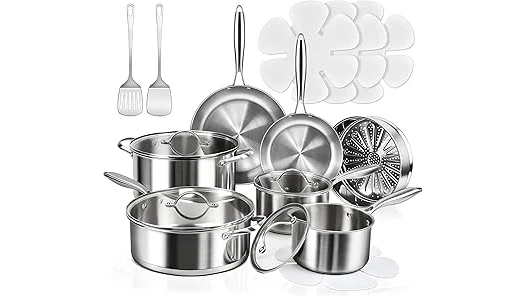
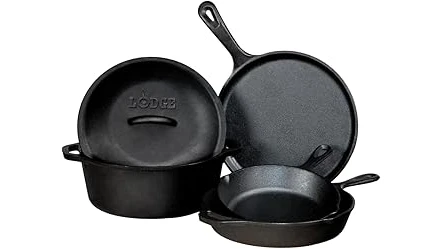
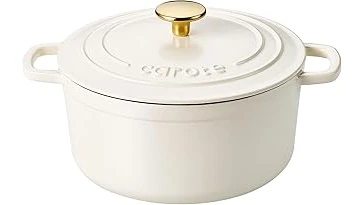
Leave a Reply