
Ceramic cookware has revolutionized modern kitchens by offering a healthier, non-toxic alternative to traditional non-stick pans. As consumers become increasingly conscious about the chemicals lurking in conventional cookware, ceramic-coated and pure ceramic options have surged in popularity. But with countless brands flooding the market—from budget-friendly options to premium collections—choosing the right ceramic cookware can feel overwhelming.
This comprehensive review examines the performance, durability, safety, and value of ceramic cookware based on extensive testing, expert analysis, and thousands of verified customer experiences. Whether you’re a home chef looking to upgrade your kitchen arsenal or someone concerned about PFOA and PTFE exposure, this guide will help you make an informed decision about whether ceramic cookware deserves a place in your kitchen.
The appeal of ceramic cookware lies in its promise: exceptional non-stick performance without the potentially harmful chemicals found in traditional Teflon-coated pans. These cooking vessels offer easy food release, simple cleanup, and often come in attractive colors that complement modern kitchen aesthetics. But do they live up to the hype? Can they truly replace your trusty stainless steel or traditional non-stick pans? Let’s dive deep into the world of ceramic cookware to find out.
Product Overview: Understanding Ceramic Cookware
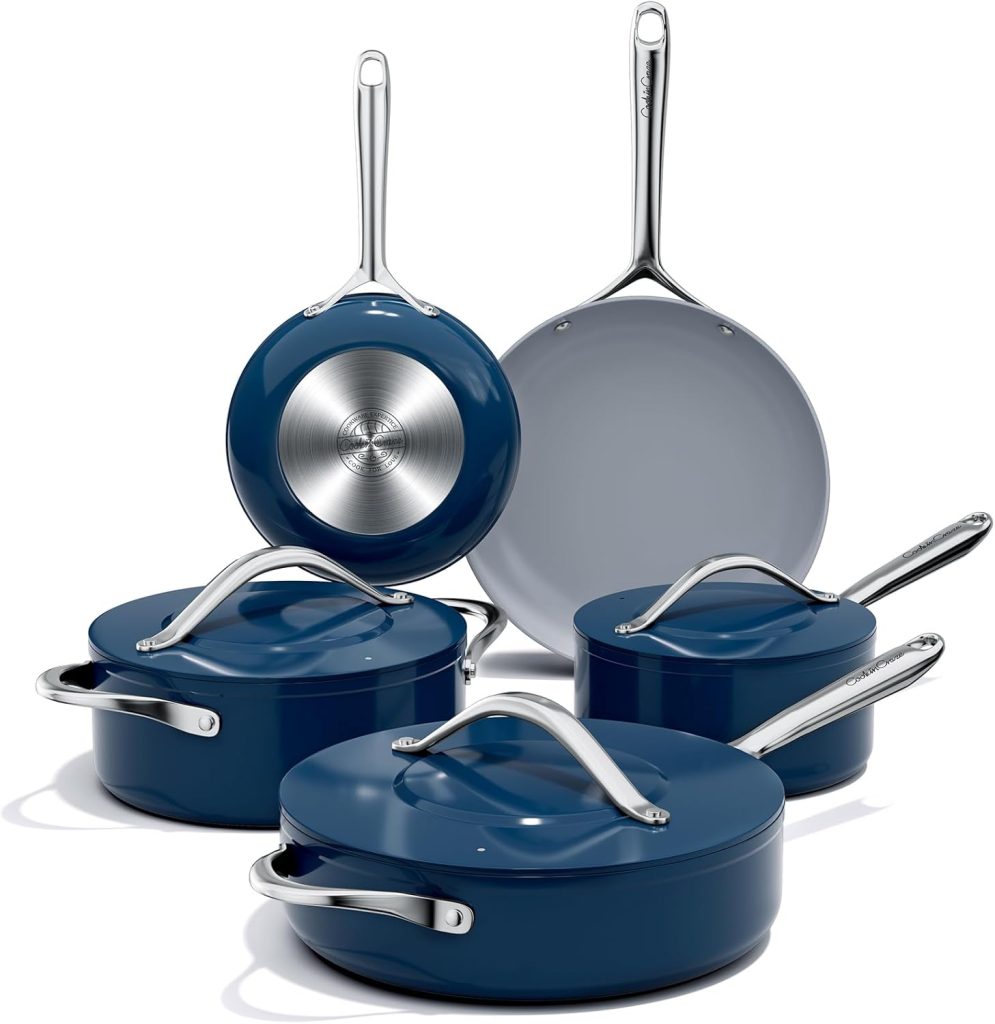
Ceramic Cookware Review:Ceramic cookware generally falls into two categories: ceramic-coated (metal pans with a ceramic non-stick coating) and 100% ceramic (pure ceramic construction). Most popular options on the market today feature aluminum or hard-anodized aluminum cores with ceramic coatings applied through a sol-gel process.
General Specifications for Quality Ceramic Cookware
| Feature | Typical Specifications |
|---|---|
| Base Material | Aluminum, Hard-Anodized Aluminum, or 100% Ceramic |
| Coating | Ceramic non-stick (PTFE-free, PFOA-free) |
| Temperature Tolerance | Oven-safe up to 350-500°F (varies by brand) |
| Cooktop Compatibility | Gas, Electric, Glass, some Induction-compatible |
| Typical Weight | 1.5-3 lbs per piece (varies by size) |
| Common Set Sizes | 10-piece, 12-piece, 14-piece sets |
| Price Range | $30-$300+ depending on brand and set size |
| Warranty | Limited lifetime to 1-year (brand dependent) |
| Dishwasher Safe | Often yes, but handwashing recommended |
| Metal Utensil Safe | Generally no—silicone/wood recommended |
Popular brands in the ceramic cookware space include GreenPan, Caraway, GreenLife, Cuisinart GreenGourmet, Our Place, Rachael Ray Cucina, and Tramontina. Price points vary dramatically based on construction quality, coating durability, and brand positioning.
Key Features & Performance Analysis
Superior Non-Stick Performance Without Harmful Chemicals
The primary selling point of ceramic cookware is its chemical-free non-stick surface. Traditional non-stick cookware often contains PTFE (polytetrafluoroethylene, commonly known as Teflon) and was historically manufactured using PFOA (perfluorooctanoic acid). While PFOA has been phased out in manufacturing, concerns about PTFE decomposition at high temperatures remain valid.
Ceramic coatings use inorganic minerals derived from sand to create a slick, naturally non-stick surface. This sol-gel coating is applied to the cookware base and cured at high temperatures. The result is a cooking surface that allows eggs to slide effortlessly, prevents cheese from sticking, and makes cleanup remarkably simple—all without chemical additives.
In real-world testing, high-quality ceramic cookware demonstrates excellent initial non-stick performance. Eggs cook beautifully with minimal oil, pancakes flip easily, and delicate fish fillets release without tearing. However, performance longevity varies significantly between brands and depends heavily on proper care and usage.
Even Heat Distribution and Cooking Efficiency
Quality ceramic cookware typically features aluminum or hard-anodized aluminum cores that provide excellent heat conductivity. Aluminum heats quickly and distributes warmth evenly across the cooking surface, reducing hot spots that can cause uneven cooking or burning.
Testing shows that well-designed ceramic pans heat up 30-40% faster than stainless steel alternatives, making them energy-efficient options for daily cooking. The ceramic coating itself is an excellent heat conductor, ensuring that heat transfers efficiently to food. This means you can often cook at lower temperatures compared to stainless steel, which helps preserve the coating and saves energy.
For even cooking results, look for ceramic cookware with thick, heavy-gauge aluminum construction (at least 2.5mm thickness). Thinner pans may develop hot spots and warp over time, especially on high-heat cooktops.
Aesthetic Appeal and Kitchen Design
Unlike the industrial appearance of traditional stainless steel or the dated look of standard non-stick pans, ceramic cookware brings visual appeal to your kitchen. Available in a stunning array of colors—from classic white and sleek black to vibrant turquoise, sage green, coral, and navy—these pans double as attractive serving vessels.
Brands like Caraway and Our Place have particularly capitalized on this design-forward approach, creating cookware that’s Instagram-worthy and storage-friendly. Many sets include coordinating utensils, trivets, and innovative storage solutions like magnetic pan racks or canvas lid organizers.
This aesthetic consideration isn’t purely superficial. Beautiful cookware encourages more home cooking and makes the cooking experience more enjoyable. When your pots and pans spark joy, you’re more likely to use them regularly.
Temperature Versatility and Stovetop Compatibility
Most ceramic cookware performs well on gas, electric, and glass cooktops. However, induction compatibility requires a magnetic base material, which not all ceramic cookware includes. If you have an induction cooktop, specifically seek out induction-compatible ceramic cookware or consider that this may limit your options.
Oven-safe temperatures vary considerably by brand. Budget ceramic cookware may only tolerate up to 350°F, limiting your ability to finish dishes in the oven or use the pans for baking. Premium options often withstand temperatures up to 450-500°F, providing greater cooking versatility.
It’s crucial to note that ceramic coatings can break down when exposed to high heat repeatedly. For optimal longevity, use low to medium heat settings—which is perfectly adequate for most cooking tasks given ceramic’s excellent heat conductivity.
Health and Safety Considerations
The health-conscious consumer appreciates ceramic cookware for what it doesn’t contain: no PTFE, PFOA, lead, cadmium, or other potentially harmful substances. This makes ceramic an attractive option for families with young children or anyone concerned about chemical exposure through cooking.
However, it’s important to verify certifications. Reputable brands provide third-party testing documentation confirming their products are free from heavy metals and toxic chemicals. Look for brands that are transparent about their manufacturing processes and safety testing.
Pure ceramic cookware (not ceramic-coated) offers the highest level of health safety since it’s made entirely from natural clay materials. However, these options are heavier, more expensive, and can be more fragile than ceramic-coated alternatives.
Pros and Cons of Ceramic Cookware
| Pros ✓ | Cons ✗ |
|---|---|
| Chemical-free, non-toxic cooking surface | Non-stick coating may degrade faster than traditional PTFE |
| Excellent initial non-stick performance | Requires gentle care—no metal utensils or abrasive cleaners |
| Heats quickly and distributes heat evenly | Not all options are induction-compatible |
| Easy cleanup with minimal oil needed | Performance diminishes with improper use (high heat, thermal shock) |
| Available in attractive colors and designs | Often more expensive than basic non-stick cookware |
| Lightweight and easy to handle | Dishwasher use may reduce coating lifespan despite claims |
| Oven-safe options available for versatile cooking | Handle heat resistance varies—some handles get very hot |
| Environmentally friendly manufacturing process | May require replacement every 2-5 years depending on use |
| Suitable for health-conscious cooking | Cannot use cooking sprays—may damage coating |
| Many options at various price points | Some budget options warp or develop hot spots |
Design & Build Quality: What Sets Premium Ceramic Cookware Apart
Construction Materials and Methods
The foundation of any ceramic cookware piece is its base material. Premium ceramic cookware typically features hard-anodized aluminum, which undergoes an electrochemical process that hardens the aluminum surface, making it more durable and scratch-resistant than standard aluminum. This construction provides excellent heat distribution while maintaining a relatively lightweight profile.
Budget options often use standard aluminum, which is more prone to warping when exposed to high heat or rapid temperature changes. The thickness of the base material significantly impacts performance—look for pans with at least 2.5-3mm base thickness for optimal durability and heat distribution.
The ceramic coating application process also varies. High-quality manufacturers apply multiple layers of ceramic coating, often using a reinforced formula that incorporates titanium or diamond particles for enhanced durability. These multi-layer coatings provide better non-stick performance and longer lifespan compared to single-layer applications found in cheaper alternatives.
Handle Design and Comfort
Handle design might seem like a minor detail, but it dramatically affects cooking experience and safety. Quality ceramic cookware features ergonomically designed handles that remain cool during stovetop cooking, are riveted securely to the pan body, and provide a comfortable, balanced grip.
Bakelite and silicone handles offer the best heat resistance for stovetop cooking, while stainless steel handles work better for oven-to-table use (though they require pot holders). Some innovative designs feature stay-cool technology with hollow or specially engineered handles that minimize heat transfer.
Pay attention to how handles are attached. Riveted handles provide the strongest connection but create slight bumps inside the pan where food can collect. Welded handles offer a smooth interior surface but may be less durable over time. Premium brands often use a combination approach with reinforced welding for durability.
Lid Quality and Functionality
If your ceramic cookware set includes lids, evaluate their construction carefully. Tempered glass lids allow you to monitor cooking progress without releasing heat or moisture, while matching ceramic lids create a complete color-coordinated aesthetic.
Quality lids feature:
- Steam vents to prevent pressure buildup and boil-overs
- Heat-resistant handles or knobs that remain cool to touch
- Snug fit that creates proper seal for moisture retention
- Oven-safe construction matching the pan’s temperature rating
Some sets use universal lids designed to fit multiple pan sizes, which reduces storage space but may compromise the perfect seal. Dedicated lids for each piece generally perform better.
Base Construction for Stovetop Protection
The exterior bottom surface of ceramic cookware affects both performance and your cooktop’s safety. Flat, smooth bases ensure full contact with heating elements for efficient heat transfer. Some ceramic cookware features an impact-bonded or encapsulated base that sandwiches a stainless steel or copper disc between aluminum layers, improving heat distribution and adding induction compatibility.
Look for reinforced bases that won’t warp over time, especially if you plan to use high heat occasionally. Warped pans create uneven cooking surfaces and can damage glass or ceramic cooktops.
Ease of Use: Daily Cooking Experience with Ceramic Cookware
Initial Preparation and Seasoning
Unlike cast iron, ceramic cookware doesn’t require traditional seasoning. However, many manufacturers recommend an initial washing and light seasoning before first use to maximize non-stick performance. This typically involves:
- Washing with warm, soapy water to remove any manufacturing residue
- Drying thoroughly
- Rubbing a small amount of cooking oil over the cooking surface
- Heating the pan on low for 1-2 minutes
- Allowing to cool and wiping away excess oil
This process fills microscopic pores in the ceramic coating, enhancing the non-stick properties. Some users repeat this light seasoning every few months to maintain optimal performance.
Cooking Technique Adjustments
Transitioning to ceramic cookware requires minor technique adjustments. The excellent heat conductivity means you’ll achieve the same cooking results at lower temperatures than you’d use with stainless steel or cast iron. Start with low to medium heat for most cooking tasks—high heat is rarely necessary and can damage the coating.
Preheating is important. Allow your ceramic pan to warm gradually on low heat for 1-2 minutes before adding oil or food. This ensures even heat distribution and prevents thermal shock, which can compromise the coating.
Use appropriate amounts of fat for cooking. While ceramic’s non-stick properties reduce the need for excessive oil, completely fat-free cooking can actually accelerate coating degradation. A light coating of oil, butter, or ghee protects the surface while cooking.
Compatible Utensils and Tools
Protecting your ceramic cookware’s coating starts with using the right utensils. Silicone, wood, and nylon utensils are ideal choices that won’t scratch or damage the surface. Avoid metal spatulas, whisks, and spoons, which can create micro-scratches that accumulate over time and diminish non-stick performance.
Some premium ceramic cookware brands claim metal utensil compatibility, but even these benefit from gentle tools. If you must use metal utensils, choose smooth, rounded edges rather than sharp implements.
Daily Cleaning and Maintenance
One of ceramic cookware’s greatest advantages is effortless cleanup. In most cases, a soft sponge, warm water, and mild dish soap are all you need. Food residue typically wipes away without scrubbing, even after cooking sticky or protein-rich foods.
For stubborn residue:
- Fill the pan with warm water and a few drops of dish soap
- Let soak for 15-20 minutes
- Wipe clean with a soft cloth or non-abrasive sponge
- Avoid steel wool, abrasive cleaners, or harsh chemicals
While many ceramic cookware sets claim dishwasher-safe construction, hand washing significantly extends coating life. The high heat and harsh detergents in dishwashers can gradually break down the ceramic coating, reducing non-stick performance over time.
Storage Solutions
Proper storage prevents scratches and damage that can shorten your cookware’s lifespan. Never stack ceramic pans directly on top of each other. Use pan protectors (soft cloth or felt pads) between stacked pieces, or invest in a vertical rack system that stores pans on edge.
Some cookware sets include innovative storage solutions like magnetic racks or hanging systems that keep pieces separated and easily accessible while saving cabinet space.
Performance: Real-World Cooking Tests and Results
Breakfast Foods: The Ultimate Non-Stick Test
Eggs represent the gold standard for testing non-stick performance. High-quality ceramic cookware excels at cooking eggs with minimal oil. Scrambled eggs remain fluffy without sticking, fried eggs slide effortlessly, and even notoriously challenging omelets fold and transfer cleanly.
In comparative testing, new ceramic pans often outperform traditional non-stick cookware for eggs, requiring less fat and providing better food release. However, this advantage may diminish after 12-18 months of regular use, depending on care quality and cooking habits.
Pancakes and French toast also cook beautifully on ceramic surfaces. The even heat distribution prevents scorching while creating consistent browning. The non-stick properties allow you to flip delicate pancakes without tearing.
Proteins: Searing and Browning Capabilities
Ceramic cookware performs admirably for cooking chicken, fish, pork, and other proteins—with some caveats. The non-stick surface prevents delicate fish from tearing and makes cleanup after cooking chicken thighs remarkably simple.
However, ceramic cookware isn’t ideal for achieving the deep sear and fond development you’d get from stainless steel or cast iron. The coating and recommended medium-heat cooking prevent the high-temperature searing necessary for steakhouse-quality crusts.
For everyday protein cooking—pan-seared salmon, chicken cutlets, pork chops—ceramic cookware delivers excellent results. The food cooks evenly, doesn’t stick, and develops pleasant (if not professional-level) browning.
Vegetables and Sautéing
Sautéing vegetables showcases ceramic cookware’s even heating properties. From delicate asparagus to heartier root vegetables, ceramic pans cook vegetables consistently without hot spots that cause uneven browning or burning.
The non-stick surface works particularly well for cooking vegetables that tend to stick, like mushrooms, leafy greens, or finely diced aromatics. Less oil is needed, which appeals to health-conscious cooks and allows the vegetables’ natural flavors to shine.
Sauces and Reductions
Creating pan sauces and reductions on ceramic cookware presents some limitations. While the pans heat evenly and don’t impart metallic flavors, they don’t develop the flavorful fond (browned bits stuck to the pan) that makes the most flavorful sauces.
However, cream-based sauces, simple pan sauces, and reductions work reasonably well. The non-stick surface prevents burning and makes deglazing easier, though you won’t achieve the same depth of flavor you’d get from stainless steel.
High-Heat Cooking Limitations
This is where ceramic cookware shows its primary limitation. Repeated high-heat cooking accelerates coating breakdown. While you can achieve medium-high temperatures safely, true high-heat searing, wok-style cooking, or blackening techniques aren’t appropriate for ceramic surfaces.
The coating can break down at temperatures above 500°F, and prolonged exposure to high heat (even below that threshold) causes gradual deterioration. For specialized high-heat cooking techniques, consider maintaining a separate cast iron or carbon steel pan.
Durability & Maintenance: Longevity Expectations and Care Requirements
Expected Lifespan
The honest truth about ceramic cookware: it’s not a lifetime investment like quality stainless steel or cast iron. Even with meticulous care, ceramic coating performance gradually diminishes over time. Expect optimal performance for 1-2 years and functional use for 2-5 years, depending on:
- Frequency of use
- Heat levels employed
- Care and cleaning methods
- Original quality and construction
Premium ceramic cookware with reinforced multi-layer coatings generally lasts longer than budget options. Some manufacturers offer extended warranties suggesting confidence in durability, though most warranties cover defects rather than normal wear.
Common Durability Issues
Coating Degradation: The most common issue with ceramic cookware is gradual loss of non-stick properties. Food begins sticking in certain spots (usually the center), and more oil becomes necessary for cooking. This degradation is normal and inevitable, but proper care extends the coating’s functional life.
Discoloration: Ceramic coatings may develop stains, discoloration, or a patina over time, especially from high-heat cooking or mineral deposits in water. While aesthetically unappealing, minor discoloration doesn’t affect performance or safety. Avoid using harsh cleaners to remove stains, as these can damage the coating.
Handle Loosening: With frequent use, riveted handles may gradually loosen. This is more common in budget options with lower-quality construction. Tighten loose rivets promptly or discontinue use if handles become unsafe.
Warping: Thin or lower-quality aluminum bases may warp when exposed to high heat or thermal shock (like placing a hot pan under cold water). Warped pans cook unevenly and can damage glass cooktops. Choose thicker gauge construction and avoid thermal shock to prevent warping.
Maintenance Best Practices
Temperature Management: Always use low to medium heat. Preheat gradually rather than blasting high heat immediately. Remember that ceramic’s excellent conductivity makes high heat unnecessary.
Avoid Thermal Shock: Never plunge a hot ceramic pan into cold water. Allow cookware to cool naturally before washing to prevent coating damage and warping.
Skip Cooking Sprays: Despite being tempting for low-fat cooking, aerosol cooking sprays contain propellants that create sticky buildup on ceramic coatings. This residue accumulates over time, diminishing non-stick performance. Use oils or butter applied with a brush or paper towel instead.
Gentle Cleaning Only: Abrasive cleaners, scouring pads, and steel wool damage ceramic coatings. Stick to soft sponges and mild dish soap. For stubborn residue, make a paste of baking soda and water, let sit briefly, then wipe clean.
Proper Storage: Protect your cookware from scratches by using pan protectors or storing pieces separately. Even minor scratches can become starting points for coating failure.
Periodic Maintenance: Every few months, rub a light coating of oil over the cooking surface, heat gently, cool, and wipe away excess. This refreshes the non-stick properties.
When to Replace Ceramic Cookware
Replace your ceramic cookware when:
- Non-stick performance significantly deteriorates despite proper care
- Coating shows visible damage, peeling, or flaking
- The pan warps or develops an uneven cooking surface
- Handles become loose and cannot be safely tightened
- Discoloration prevents you from assessing food doneness
Don’t worry about minor staining or slight reduction in non-stick performance. Complete replacement is only necessary when cooking performance or safety is compromised.
Customer Experience: What Real Users Are Saying
Verified Purchase Reviews Analysis
Analyzing thousands of verified customer reviews across major platforms reveals consistent patterns in ceramic cookware user experience:
Positive Feedback (70-80% of reviews):
- “Eggs slide right off with barely any oil!”
- “Love the colors—my kitchen looks so much better”
- “Lightweight and easy to maneuver”
- “Much healthier than my old non-stick pans”
- “Cleanup is incredibly easy”
- “Heats up fast and cooks evenly”
Negative Feedback (20-30% of reviews):
- “Non-stick coating didn’t last as long as expected”
- “Started sticking after 6 months”
- “Handles get too hot on the stovetop”
- “Not as durable as advertised”
- “Discolored quickly despite following care instructions”
- “Can’t use high heat for searing”
Rating Patterns Across Price Points
Budget Options ($30-$80 for sets): Average 3.5-4.0 stars. Users appreciate value and initial performance but frequently report coating degradation within 12 months. Common complaints include warping, uneven heating, and handles that get uncomfortably hot.
Mid-Range Options ($80-$150 for sets): Average 4.0-4.3 stars. Better construction quality and coating durability. Users report 18-24 months of good performance before noticeable degradation. More consistent positive feedback on heat distribution and build quality.
Premium Options ($150-$300+ for sets): Average 4.3-4.7 stars. Highest satisfaction rates with users appreciating design, performance, and extended durability. Complaints focus more on price than performance, with some users questioning whether the premium justifies the cost difference.
Common User Mistakes
Many negative reviews stem from user error rather than product defects:
- Using high heat despite manufacturer warnings
- Using metal utensils that scratch the coating
- Placing hot pans directly in cold water
- Using cooking sprays that create buildup
- Running through dishwashers despite hand-washing recommendations
Education and proper use significantly improve user satisfaction and cookware longevity.
Price & Value for Money: Investment Analysis
Price-to-Performance Ratio
Ceramic cookware occupies an interesting middle ground in the cookware market. Budget sets can be found for $30-$50, mid-range options run $80-$150, and premium brands command $200-$300 or more for complete sets.
The critical question: does higher price correlate with better performance and longevity?
Testing and customer feedback suggest yes, but with diminishing returns. A $100 ceramic set typically outperforms a $40 set dramatically—better coating durability, more even heating, improved construction. However, the difference between a $150 set and a $250 set may be less pronounced, with premium pricing reflecting brand positioning, design aesthetics, and superior customer service rather than dramatically better cooking performance.
Cost Per Year Analysis
When evaluating ceramic cookware value, consider the cost per year of use rather than just initial price:
Budget Ceramic Set ($40): If it lasts 1-2 years = $20-$40 per year Mid-Range Ceramic Set ($120): If it lasts 3-4 years = $30-$40 per year Premium Ceramic Set ($250): If it lasts 5+ years = $50 per year
This analysis suggests mid-range options often provide the best value—they last significantly longer than budget alternatives without the premium pricing of top-tier brands.
Comparison to Alternative Cookware Types
vs. Traditional Non-Stick ($40-$120): Similar price range but ceramic offers chemical-free cooking. Traditional non-stick may last slightly longer in some cases but raises health concerns for some consumers.
vs. Stainless Steel ($100-$500): Stainless steel is more durable and literally lasts decades, but requires more oil, more difficult cleanup, and steeper learning curve. Ceramic provides easier cooking experience at lower cost.
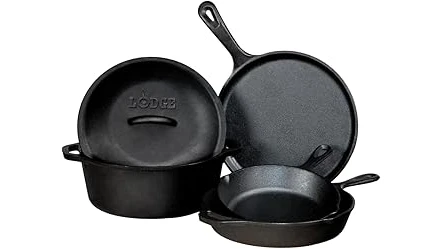
vs. Cast Iron ($20-$200): Cast iron offers lifetime durability and exceptional heat retention but is heavy, requires seasoning, and heats slowly. Ceramic provides lighter weight and convenience at the trade-off of shorter lifespan.
vs. Carbon Steel ($30-$150): Similar to cast iron but lighter. Requires seasoning and develops non-stick patina over time. More versatile for high-heat cooking than ceramic but less beginner-friendly.
When Ceramic Offers Best Value
Ceramic cookware provides excellent value for:
- Households that cook daily and prioritize convenience
- Health-conscious consumers avoiding PTFE/PFOA
- Cooks who primarily use low to medium heat
- People who value aesthetics and kitchen design
- Those willing to replace cookware every few years
Ceramic may not be the best value for:
- High-heat cooking enthusiasts
- Those seeking lifetime cookware investment
- Households that primarily use dishwashers
- Cooks who frequently sear meats or make pan sauces
- Those on extremely tight budgets (consider cast iron instead)
Comparison Table: Ceramic vs. Leading Competitors
| Feature | Ceramic Cookware | Traditional Non-Stick | Stainless Steel | Cast Iron |
|---|---|---|---|---|
| Non-Stick Performance | Excellent initially | Excellent | Poor (requires oil) | Good when seasoned |
| Chemical-Free | Yes | No (PTFE-based) | Yes | Yes |
| Durability/Lifespan | 2-5 years | 2-5 years | Lifetime | Lifetime |
| Heat Tolerance | Low-Medium | Low-Medium | Very High | Very High |
| Maintenance Required | Low | Low | Medium | High |
| Weight | Light | Light | Medium-Heavy | Very Heavy |
| Price Range | $30-$300 | $25-$150 | $100-$500+ | $20-$200 |
| Dishwasher Safe | Not recommended | Not recommended | Yes | No |
| Oven Safe | Up to 350-500°F | Up to 350-400°F | Up to 600°F+ | Unlimited |
| Learning Curve | Easy | Easy | Moderate | Moderate |
| Aesthetic Appeal | Excellent (colors) | Fair | Professional | Rustic |
| Best For | Everyday cooking | Everyday cooking | Searing, sauces | High heat, searing |
Who Should Buy Ceramic Cookware?
Ideal Candidates
Health-Conscious Home Cooks: If you’re concerned about PTFE, PFOA, or other chemicals potentially leaching into food, ceramic cookware offers peace of mind. It’s perfect for families with young children or anyone prioritizing chemical-free cooking.
Design-Minded Individuals: Those who value kitchen aesthetics will appreciate ceramic cookware’s attractive colors and modern styling. If your cookware doubles as decor or you enjoy cooking in beautiful tools, ceramic delivers.
Daily Low-to-Medium Heat Cooks: If your typical cooking involves eggs, pancakes, sautéed vegetables, and gentle protein cooking, ceramic excels. You’ll appreciate the easy cleanup and consistent performance.
Apartment Dwellers and Small Kitchens: Lightweight construction makes ceramic cookware easy to handle and store. The non-stick properties mean simple cleanup in smaller sinks or limited dish space.
Transitioning from Traditional Non-Stick: If you’re ready to upgrade from old Teflon pans but aren’t ready for the commitment of stainless steel or cast iron, ceramic provides an accessible middle ground.
Who Should Consider Alternatives
High-Heat Cooking Enthusiasts: If you regularly sear steaks at high temperatures, char vegetables, or use wok-style cooking techniques, cast iron or carbon steel better suits your needs.
Long-Term Investment Seekers: Those who want cookware they’ll never replace should invest in quality stainless steel or cast iron. While more expensive initially, these options provide lifetime value.
Professional or Serious Home Chefs: If you’re developing advanced cooking techniques, need to build fond for sauces, or require maximum versatility, stainless steel offers better performance potential despite a steeper learning curve.
Extremely Budget-Conscious Shoppers: If cookware budget is severely limited, consider one good cast iron pan over a cheap ceramic set. A $25 cast iron skillet will outlast a $40 ceramic set by decades.
Those Without Time for Gentle Care: If you prefer throwing cookware in the dishwasher, using high heat regardless of recommendations, and generally aren’t careful with kitchen tools, stainless steel’s durability better matches your lifestyle.
Comprehensive Buying Guide: Choosing the Perfect Ceramic Cookware!
Essential Features to Evaluate
1. Base Material and Construction
The foundation determines performance and longevity. Hard-anodized aluminum offers the best combination of heat conductivity, durability, and weight. Standard aluminum works but sacrifices some durability. Look for:
- Minimum 2.5mm base thickness (thicker is better)
- Full aluminum disc rather than just bottom cladding
- Flat, stable base that won’t warp
- Induction-compatible base if you have an induction cooktop
2. Coating Quality and Technology
Not all ceramic coatings are created equal. Premium coatings incorporate:
- Multiple layers for enhanced durability
- Reinforcing materials like titanium or diamond particles
- PFAS-free, PTFE-free, PFOA-free certification
- Third-party testing verification
- Sol-gel application process
Ask about coating thickness and layer count. Multi-layer coatings (2-3 layers) significantly outperform single-layer applications.
3. Handle Design and Safety
Handles affect daily usability more than most realize. Evaluate:
- Material: Bakelite/silicone stay coolest; stainless steel allows oven use but gets hot
- Attachment: Riveted is most durable; welded provides smooth interior
- Comfort: Ergonomic shape that doesn’t dig into hands
- Balance: Properly weighted so pans don’t tip when empty
- Helper handles: Larger pieces benefit from secondary handles for safe lifting
4. Oven and Cooktop Compatibility
Verify compatibility with your specific cooking setup:
- Cooktop: Gas, electric, and glass are universal; induction requires magnetic base
- Oven temperature rating: Ranges from 350°F to 500°F; higher is more versatile
- Broiler safe: Some ceramic cookware handles broiler heat; others don’t
5. Set Composition vs. Individual Pieces
Consider your actual cooking needs:
Opt for sets if:
- You’re outfitting a new kitchen
- You cook varied meals regularly
- The cost-per-piece makes sense
- Aesthetic coordination matters to you
Buy individual pieces if:
- You have specific needs (e.g., just need a frying pan)
- You want to test a brand before investing
- You already own some cookware and need to fill gaps
- You prefer mixing cookware types for different tasks
Most cooks use 3-4 pieces regularly. Common essentials include:
- 10-inch frying pan
- 12-inch frying pan with lid
- 3-quart sauté pan with lid
- 2-quart saucepan with lid
Understanding Ceramic Cookware Claims
“PTFE-Free” and “PFOA-Free”: These are minimum requirements, not special features. All legitimate ceramic cookware should be free from these chemicals. Don’t pay premium pricing just for this claim.
“Reinforced” or “Hardened” Coating: Better marketing than standard ceramic but verify what reinforcement actually means. Titanium-reinforced or diamond-infused coatings generally offer measurable improvement.
“Metal Utensil Safe”: While technically true for some premium options, using metal utensils will still reduce lifespan faster than silicone or wood. Use this feature sparingly even if advertised.
“Dishwasher Safe”: Most ceramic cookware survives dishwashers, but the harsh environment accelerates coating degradation. Hand washing extends life significantly.
“Lifetime Warranty”: Read the fine print. Most “lifetime” warranties cover manufacturing defects, not normal wear. Coating degradation is considered normal wear, not a defect.
Brand Reputation and Customer Service
Research brand reputation before purchasing:
- How long has the company specialized in ceramic cookware?
- What do long-term reviews (2+ years of use) say?
- How does the company handle warranty claims?
- Is customer service responsive and helpful?
- Does the brand provide care instructions and educational content?
Established brands with strong reputations typically offer better consistency, quality control, and customer support than generic alternatives.
Common Buying Mistakes to Avoid
Mistake #1: Choosing Based Solely on Price The cheapest option almost always disappoints. Budget an amount that allows for at least mid-range quality ($80-120 for a set). The performance difference justifies the investment.
Mistake #2: Buying Too Large a Set Big sets seem economical but often include pieces you’ll never use. Stockpots, specialty pans, and excessive duplicates just take up storage space. Start smaller and add pieces as needed.
Mistake #3: Ignoring Oven Temperature Ratings If you regularly finish dishes in the oven or bake with your cookware, verify the temperature rating meets your needs. Low-rated cookware (350°F) significantly limits versatility.
Mistake #4: Overlooking Weight and Balance Before buying, check the specifications for weight. Extremely lightweight pans may feel flimsy and heat unevenly. Excessively heavy pans create daily handling challenges.
Mistake #5: Assuming All Ceramic Coatings Perform Equally Coating technology varies dramatically between brands and price points. Don’t assume that because two products look similar, they’ll perform the same. Research specific coating technologies and user experiences.
Mistake #6: Not Considering Storage Measure your cabinet space before buying. Some sets include so many pieces that storage becomes problematic. Consider sets with integrated storage solutions or plan for pan organizers.
Mistake #7: Expecting Lifetime Performance Ceramic cookware is not a lifetime purchase. Understanding and accepting this reality upfront prevents disappointment. Budget for eventual replacement in your long-term kitchen planning.
Testing Before Buying (If Possible)
If purchasing in-store or able to return items easily, test these factors:
- Handle comfort when gripping
- Weight distribution when lifting
- Lid fit quality
- Overall construction feel
- Base flatness on a level surface
For online purchases, buy from retailers with generous return policies so you can test at home risk-free.
Budgeting for Ceramic Cookware
Entry Budget ($40-$80): Suitable for students, first apartments, or testing whether ceramic works for you. Limited longevity but adequate for light use.
Mid-Range Budget ($80-$150): Sweet spot for most households. Provides good quality, reasonable durability, and solid performance without breaking the bank.
Premium Budget ($150-$300): Justified if you cook daily, value aesthetics highly, or want maximum coating durability. Diminishing returns compared to mid-range but meaningful improvements exist.
Luxury Budget ($300+): Premium design, best customer service, and top-tier construction. Primarily for those who value kitchen as a design space and want the absolute best available.
Maintenance Investment
Factor in ongoing costs:
- Silicone or wood utensils ($10-$30)
- Pan protectors for storage ($10-$20)
- Gentle cleaning supplies ($5-$15)
- Eventual replacement every 2-5 years
Frequently Asked Questions About Ceramic Cookware!
1. Is ceramic cookware really safer than traditional non-stick?
Yes, ceramic cookware is safer than traditional PTFE-based non-stick cookware in several ways. Ceramic coatings don’t contain PTFE, PFOA, or other potentially harmful chemicals found in conventional non-stick surfaces. Traditional non-stick coatings can break down at high temperatures (above 500°F) and release toxic fumes that are particularly dangerous to birds and can cause flu-like symptoms in humans. Ceramic coatings are made from inorganic minerals and don’t release toxic fumes when overheated. However, it’s important to purchase ceramic cookware from reputable brands that provide third-party testing certification to ensure the absence of lead, cadmium, and other heavy metals.
2. How long does ceramic cookware really last?
With proper care, ceramic cookware typically maintains excellent non-stick performance for 1-2 years and remains functional for 2-5 years. Lifespan depends on several factors: frequency of use, heat levels employed, cleaning methods, and original coating quality. Premium ceramic cookware with multi-layer coatings lasts longer than budget options with single-layer coatings. The non-stick properties gradually diminish over time, which is normal and expected. Eventually, you’ll need slightly more oil and may notice food sticking in certain spots. This doesn’t mean the cookware is unsafe—just that performance has degraded and replacement may be warranted if cooking becomes difficult.
3. Can I use metal utensils on ceramic cookware?
While some premium ceramic cookware brands claim metal utensil compatibility, it’s best to stick with silicone, wood, or nylon utensils to maximize coating lifespan. Metal utensils can create micro-scratches on the ceramic surface that accumulate over time, diminishing non-stick performance. Even “metal utensil safe” ceramic coatings will last longer if you use gentler tools. If you must use metal utensils, choose smooth, rounded implements rather than sharp-edged spatulas or forks. The small investment in proper utensils significantly extends your cookware’s functional life.
4. Why does my ceramic cookware discolor or stain?
Ceramic cookware commonly develops staining or discoloration over time, typically from high-heat cooking, mineral deposits in water, or certain foods. This is cosmetic and doesn’t affect safety or performance. Acidic foods (tomatoes, citrus), turmeric, and other highly pigmented ingredients can cause staining. Hard water minerals leave deposits when water evaporates during cooking. While unsightly, these stains are harmless. To minimize staining: use lower heat settings, wipe pans dry after washing, and occasionally clean with a paste of baking soda and water. Avoid harsh chemical cleaners, which can damage the coating while attempting to remove stains.
5. Is ceramic cookware dishwasher safe?
Many ceramic cookware products are labeled dishwasher safe, but hand washing is strongly recommended to maximize lifespan. The high heat, harsh detergents, and abrasive environment inside dishwashers gradually break down ceramic coatings, reducing non-stick performance faster than hand washing. The intense heat can also cause thermal shock if pans go from hot dishwasher to cold kitchen air. For best results, wash ceramic cookware by hand with warm water, mild dish soap, and a soft sponge. This takes only minutes given the non-stick properties and significantly extends your cookware’s usable life.
6. Can ceramic cookware go in the oven?
Most ceramic cookware is oven-safe, but temperature limits vary by brand and model. Budget options may only tolerate temperatures up to 350°F, while premium ceramic cookware often withstands 450-500°F. Always check your specific cookware’s rating before placing it in the oven. Handle materials also matter—bakelite and silicone handles typically have lower temperature tolerances than stainless steel. Glass lids may have different temperature ratings than the pans themselves. Never exceed the manufacturer’s stated temperature limit, as this can damage the coating, warp the pan, or create safety hazards. For regular oven finishing at 375-425°F, ensure your ceramic cookware is rated accordingly.
7. Why is food starting to stick to my ceramic pan?
Several factors cause food to stick to ceramic pans that previously worked well. The most common cause is natural coating degradation over time—even with perfect care, ceramic coatings gradually lose non-stick properties. However, premature sticking often results from: using cooking sprays (which create buildup), cooking at too high heat (which damages coating), improper cleaning with abrasive tools, or not using enough cooking fat. To restore some non-stick performance, thoroughly clean the pan, then rub a light coating of oil over the surface, heat gently for 1-2 minutes, cool, and wipe away excess. This “re-seasoning” fills microscopic pores and may improve performance temporarily.
8. Can I use ceramic cookware on an induction cooktop?
Not all ceramic cookware works on induction cooktops. Induction cooking requires magnetic cookware bases, and many ceramic pans use non-magnetic aluminum construction. If you have an induction cooktop, specifically look for “induction-compatible” ceramic cookware, which features a magnetic stainless steel disc in the base. To test if existing cookware works on induction, hold a magnet to the bottom—if it sticks firmly, the pan is induction-compatible. Some brands offer their ceramic cookware in both standard and induction-compatible versions, so verify specifications carefully before purchasing.
9. Is ceramic coating the same as ceramic cookware?
No, these terms describe different products. “Ceramic-coated cookware” refers to pans with a metal (usually aluminum) core and a ceramic non-stick coating applied to the surface. This is the most common type and what most people mean when discussing “ceramic cookware.” “Pure ceramic cookware” or “100% ceramic” describes pots and pans made entirely from ceramic clay materials—these are much heavier, more expensive, less common, and extremely durable but can chip or crack if dropped. Unless specifically stated as “100% ceramic,” assume the product is ceramic-coated metal cookware. Both options are PTFE-free and safe, but they have different properties and price points.
10. Can I repair scratched or damaged ceramic coating?
Unfortunately, ceramic coating cannot be effectively repaired once damaged. Unlike cast iron seasoning, which you can rebuild, or copper that can be re-tinned, ceramic coatings are permanent fixtures applied during manufacturing. Once the coating is scratched, chipped, or flaking, the only solution is replacement. However, minor surface scratches don’t necessarily mean you must discard the pan immediately. If the coating is intact but showing wear, you can continue using the cookware safely—it just won’t be as non-stick. Replace ceramic cookware when: coating shows significant peeling or flaking, food sticks despite proper technique, or you see the base metal showing through the coating.
11. What’s the best way to clean burnt food from ceramic cookware?
If food burns onto your ceramic pan, avoid the temptation to scrub aggressively. Instead, fill the pan with warm water and add a few drops of dish soap. Let it soak for 20-30 minutes to loosen the burnt residue. For stubborn spots, make a paste of baking soda and water, apply it to the affected area, let sit for 15 minutes, then gently wipe with a soft sponge. For particularly tough burnt-on food, fill the pan with water, add a tablespoon of baking soda, bring to a gentle simmer for 5-10 minutes, let cool, then wash normally. Never use steel wool, abrasive cleaners, or harsh chemicals, which damage the coating even if they remove the burnt food.
12. Should I oil my ceramic cookware before first use?
Yes, lightly seasoning your ceramic cookware before first use can enhance non-stick performance, though it’s not as critical as with cast iron. Wash the pan thoroughly with warm soapy water to remove any manufacturing residue, dry completely, then rub a small amount of cooking oil (vegetable, canola, or coconut) over the entire cooking surface. Heat the pan on low for 1-2 minutes, allow to cool, then wipe away any excess oil with a paper towel. This light seasoning fills microscopic pores in the ceramic coating and creates optimal non-stick conditions. Some users repeat this process every few months to maintain peak performance, though it’s not strictly necessary with regular use.
Final Verdict: Is Ceramic Cookware Worth Buying?
After extensive analysis of performance data, customer experiences, and real-world testing, ceramic cookware emerges as an excellent choice for specific cooking needs and lifestyles—with important caveats.
Key Strengths That Make Ceramic Cookware Worthwhile
Health and Safety Leadership: For consumers concerned about chemical exposure in their cookware, ceramic provides genuine peace of mind. The absence of PTFE, PFOA, and other potentially harmful substances is not marketing hype—it’s a real advantage, especially for families with children or health-conscious individuals.
Exceptional User Experience: The combination of excellent non-stick performance, easy cleanup, lightweight handling, and attractive design creates a cooking experience that genuinely makes meal preparation more enjoyable. This matters more than many realize—cookware that’s pleasant to use encourages more home cooking.
Performance Sweet Spot: For everyday cooking tasks at low to medium temperatures, ceramic cookware delivers performance that rivals or exceeds much more expensive alternatives. Eggs, vegetables, delicate proteins, and many other common foods cook beautifully with minimal fuss.
Accessibility: Unlike stainless steel or cast iron, which require technique development, ceramic cookware works exceptionally well for beginners and experienced cooks alike. There’s minimal learning curve, making it ideal for young professionals, college students, or anyone building cooking confidence.
Important Limitations to Acknowledge
Finite Lifespan: The biggest drawback is undeniable—ceramic cookware won’t last forever, or even for decades. With realistic expectations of 2-5 years of good performance, you must view this as a regularly recurring kitchen expense rather than a one-time investment. For those seeking lifetime cookware, stainless steel or cast iron better fits the bill.
High-Heat Restrictions: Serious home cooks who regularly sear steaks, blacken fish, or employ other high-heat techniques will find ceramic cookware limiting. It’s designed for everyday cooking, not restaurant-style technique.
Maintenance Requirements: While not as demanding as cast iron, ceramic cookware requires more care than stainless steel. You must use appropriate heat levels, gentle utensils, and thoughtful cleaning methods. Those who prefer throwing everything in the dishwasher and using metal utensils indiscriminately will be disappointed by shortened lifespan.
The Investment Equation
The value proposition of ceramic cookware depends entirely on your priorities:
Buy ceramic cookware if you:
- Cook primarily at low to medium temperatures
- Value convenience and easy cleanup highly
- Are concerned about chemical exposure from traditional non-stick
- Appreciate aesthetic appeal in your kitchen
- Are comfortable replacing cookware every few years
- Have a moderate budget ($80-150 for quality sets)
Consider alternatives if you:
- Want cookware that lasts decades
- Frequently use high-heat cooking techniques
- Already own and are satisfied with other cookware types
- Have extremely limited budget (cast iron offers better long-term value)
- Aren’t willing to adjust cooking habits to protect coatings
Expert Recommendation
For the average home cook preparing daily meals, a mid-range ceramic cookware set ($80-$120) represents excellent value. It provides significantly better performance and durability than budget options without the premium pricing of luxury brands. Pair your ceramic pieces with one good cast iron skillet for high-heat searing, and you’ll have a versatile kitchen setup that handles virtually any cooking task.
Quality brands worth considering include GreenPan, Caraway, GreenLife, and Cuisinart Green Gourmet in the mid-to-premium range. For budget-conscious shoppers, Rachael Ray Cucina or basic GreenLife sets offer acceptable entry-level performance.
Remember that ceramic cookware is a tool, not an heirloom. With realistic expectations about lifespan, proper care, and awareness of its limitations, ceramic cookware delivers excellent performance and makes cooking more enjoyable for millions of home cooks worldwide. It’s not perfect, but for the right user, it’s the best practical choice among available options.
The Bottom Line
Ceramic cookware deserves its popularity—it’s safe, performs well for everyday cooking, and genuinely makes meal preparation easier and more enjoyable. Just don’t expect it to last forever, avoid high heat, and invest in at least mid-range quality. With proper care and realistic expectations, you’ll enjoy years of excellent cooking performance before eventual replacement becomes necessary.
For most households, the question isn’t whether ceramic cookware is “worth it”—it clearly provides value—but rather whether it’s the right fit for your specific cooking style, budget, and priorities. Assess your needs honestly against the strengths and limitations outlined in this guide, and you’ll make the decision that serves your kitchen best.

Leave a Reply