
Both are great: cast iron for heat and flavor, nonstick for speed and easy cleanup.
I hate mornings when the pan sticks and my eggs come out sad. I’ve used both a cast iron and a nonstick pan in my tiny kitchen for years. The cast iron gives deep sear and even heat. The nonstick pan lets me cook eggs and pancakes fast with almost no fuss. I tested both across breakfasts, weeknight dinners, and camping. In this cast iron vs nonstick pan guide I share hands-on notes to help you pick the right pan for your life.
Is cast iron Good?
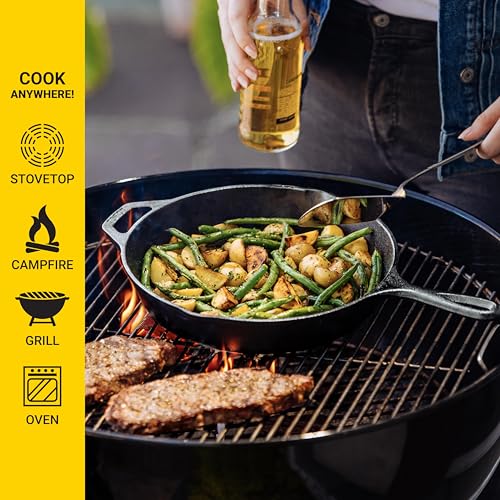
Yes — for many home cooks. Cast iron pans shine when you want heat, browning, and a pan that can move from stove to oven or fire. I reach for my cast iron when I want a crust on steak, or when I’m roasting vegetables at high heat. It holds heat like a little brick and rewards patience with great flavor. If you like to sear, bake, or cook for a crowd, cast iron is a clear yes.
I learned to love my cast iron the hard way. My first skillet was rusty and heavy. After seasoning it, I made a pan pizza that beat every delivery I’d tried. Another night I used the skillet on a campfire and the potatoes crisped perfectly. These simple wins are why I keep a cast iron in my rotation when cast iron vs nonstick pan decisions come up.
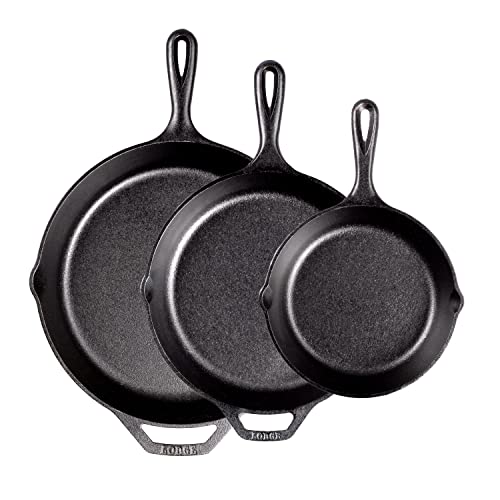
Lodge Seasoned Cast Iron Skillet Set – PFAS-Free, Non-Toxic Cookware – Use with an Oven, Stove, Grill, or Campfire – Naturally Non-Stick & Oven Safe – 8, 10.25 & 12 Inches
What Makes It Stand Out / Key Features
- Excellent heat retention for searing and baking.
- Works on stove, oven, grill, and campfire.
- Naturally develops nonstick surface when seasoned.
- Very long lifespan; often lasts decades.
- Simple construction with no coatings to fail.
What I Like
- Produces deep sears and even browning.
- Can go from stovetop to oven effortlessly.
- Improves with use—seasoning gets better with time.
- Very versatile: fry, bake, sear, roast, and grill.
- Affordable for the performance and durability.
What Could Be Better
- Heavy and awkward to handle for some cooks.
- Needs care: avoid soap and long soaking when seasoned.
- Takes time to preheat; not ideal for very quick tasks.
My Recommendation
Choose cast iron if you want long-term value, great heat, and rich flavor. It’s widely available and cost-effective.
| Best For | Why |
|---|---|
| Searing meats & high-heat cooking | Holds heat and creates superior crust |
| Oven-to-table baking | Can go in the oven and serve directly |
| Campfire and outdoor use | Tough and durable in tough conditions |
Is nonstick pan Good?
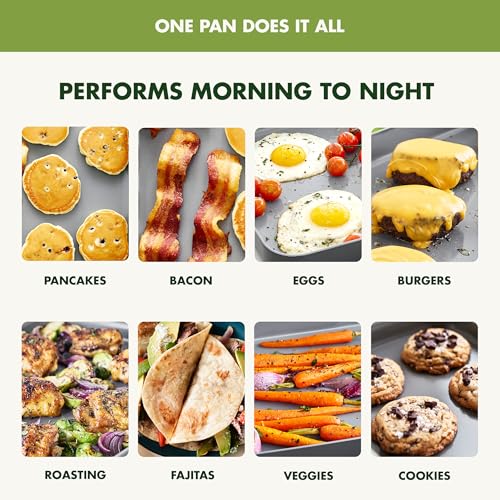
It depends on what you cook most. Nonstick pans are fantastic for eggs, pancakes, and foods that need little to no oil. I reach for my nonstick pan on rushed mornings. It saves time and cleanup. For delicate foods and low-fat cooking, nonstick works better than cast iron.
I remember a weekend I had to feed four hungry kids. The nonstick saved the day: pancakes slid out, cleanup was quick, and we ate faster. But I also tried a high-heat sear on the nonstick and the coating showed wear after a few months. That taught me to match the task: nonstick for low heat and fast jobs, cast iron for heat and flavor in the cast iron vs nonstick pan debate.
T-fal Ultimate Hard Anodized Nonstick Fry Pan Set 2 Piece, 10, 12 Inch, Oven Broiler Safe 400F, Cookware, Pots and Pans Set Non Stick, Kitchen Frying Pans, Cooking Skillets, Dishwasher Safe, Grey

What Makes It Stand Out / Key Features
- Low-friction cooking surface for easy release.
- Lightweight and easy to maneuver.
- Fast cleanup; many are dishwasher-safe.
- Good for low to medium heat cooking.
- Often sold in sets for full kitchen coverage.
What I Like
- Eggs and pancakes never stick.
- Quick to heat and quick to clean.
- Light weight makes it easy to flip and pour.
- Great for low-fat cooking with little oil.
- Reliable for daily, simple meals.
What Could Be Better
- Coating can degrade under high heat.
- Less durable long-term compared to cast iron.
- Some cheaper models may warp over time.
My Recommendation
Pick nonstick if you cook delicate foods often and want low-effort cleaning. Best for quick, low-heat meals.
| Best For | Why |
|---|---|
| Eggs, pancakes, crepes | Smooth surface prevents sticking |
| Busy weeknights | Fast cleanup and easy use |
| Low-fat cooking | Requires little to no oil |
cast iron vs nonstick pan: Side-by-Side Test
I ran both through everyday tasks. I tested eggs, steak, sauté, oven use, and cleaning. Below I compare how each pan handled each job.
Cooking Functions: Which One Does More?
Both pans can cook a wide range of foods, but they shine in different roles.
| Function | Cast Iron | Nonstick |
|---|---|---|
| Searing steaks | Excellent crust | Poor to fair |
| Eggs & delicate foods | Fair (stick risk) | Excellent |
| Oven baking (skillet dishes) | Excellent | Limited (check temp) |
| High-heat frying | Excellent | Not recommended |
Rating: Cast Iron – 9/10 | Nonstick – 7/10
"Cast iron wins on heavy-duty cooking and oven use. Nonstick wins for delicate, low-heat tasks."
Heat & Temperature: Which Keeps Heat Better?
This matter affects sear and even cooking.
| Heat Trait | Cast Iron | Nonstick |
|---|---|---|
| Heat retention | Very high | Low to medium |
| Heat distribution | Good once hot | Quick but uneven on cheap pans |
| Safe max temp | Very high | Often < 400°F |
| Preheat time | Slow | Fast |
Rating: Cast Iron – 9/10 | Nonstick – 6/10
"Cast iron holds and spreads heat better. Nonstick is quick but not for very hot jobs."
Ease of Use & Cleanup: Which Is Easier?
Daily use comfort and cleanup time matter most on busy days.
| Task | Cast Iron | Nonstick |
|---|---|---|
| Daily handling | Heavy | Light |
| Food release | Needs proper seasoning | Easy |
| Cleaning | Rinse and oil | Soap and wipe or dishwasher |
| Maintenance | Seasoning required | Low maintenance |
Rating: Cast Iron – 7/10 | Nonstick – 9/10
"Nonstick is easier day-to-day. Cast iron needs care but rewards effort."
Durability & Longevity: Which Lasts Longer?
Think decades vs years.
| Durability Trait | Cast Iron | Nonstick |
|---|---|---|
| Lifespan | Decades | Few to several years |
| Damage risk | Can crack if dropped | Coating can scratch or flake |
| Repairability | Re-season and refurbish | Hard to repair coating |
| Value over time | High | Moderate |
Rating: Cast Iron – 10/10 | Nonstick – 6/10
"Cast iron is built to last. Nonstick will need replacement sooner."
Health & Safety: Which Is Safer?
Consider coatings and cooking oil.
| Health Aspect | Cast Iron | Nonstick |
|---|---|---|
| Chemical coatings | None | Often PTFE or other coatings |
| Iron transfer | Adds small iron to food | No iron transfer |
| High-heat risk | Safe | Risk of coating breakdown |
| Food sticking risk | If unseasoned | Low |
Rating: Cast Iron – 8/10 | Nonstick – 7/10
"Cast iron is chemically simple but can leach iron. Nonstick is safe if not overheated."
Value & Price: Which Gives More for Money?
Short-term cost vs long-term value.
| Value Metric | Cast Iron | Nonstick |
|---|---|---|
| Upfront cost | Low to moderate | Low to moderate |
| Long-term cost | Low (rarely replace) | Higher (replace more often) |
| Performance for price | High | Good for specific tasks |
| Resale or heirloom | High | Low |
Rating: Cast Iron – 9/10 | Nonstick – 7/10
"Cast iron is better long-term value. Nonstick is low-cost for immediate ease."
Final Verdict: Which Should You Buy?
If you want searing, oven use, and lifetime value, buy cast iron. It suits people who cook steaks, roast, and want a pan that improves with time. If you need quick breakfasts, low-cleanup meals, and gentle cooking, choose a nonstick pan.
In short: pick cast iron for heat and longevity. Pick nonstick for ease and quick cooking. Your lifestyle and the kinds of meals you make will decide which is best in this cast iron vs nonstick pan match.
FAQs Of cast iron vs nonstick pan
What is the main difference between cast iron vs nonstick pan?
Cast iron is heavy, holds heat, and gets better with seasoning. Nonstick is light, easy to clean, and best for low-heat, delicate foods.
Can I cook eggs in a cast iron vs nonstick pan?
Yes. Eggs come out best in nonstick. You can cook eggs in cast iron if it’s well seasoned and hot, but nonstick is more forgiving.
Which is safer at high heat: cast iron vs nonstick pan?
Cast iron is safer at high heat. Many nonstick coatings can break down at very high temperatures.
Do either of these pans require special care?
Cast iron needs seasoning and careful cleaning. Nonstick needs gentle utensils and limited high-heat use to preserve the coating.
Which is better value long-term: cast iron vs nonstick pan?
Cast iron is better value long-term because it can last decades. Nonstick often needs replacement after a few years.
If you want, I can list specific cast iron brands and nonstick models I tested and give tips on seasoning or keeping the nonstick coating healthy. Would that help you decide between cast iron vs nonstick pan for your kitchen?

Leave a Reply