
Glass cookware has revolutionized modern kitchens by offering a unique combination of functionality, safety, and aesthetic appeal. Unlike traditional metal cookware, glass options provide unparalleled visibility into your cooking process, allowing you to monitor food preparation without lifting lids or disturbing the cooking environment. This transparency feature, combined with excellent heat distribution and non-reactive properties, makes glass cookware an increasingly popular choice among home cooks and professional chefs alike.
Best Glass Cookware for Stovetop:The appeal of glass cookware extends beyond mere functionality. These pieces often serve dual purposes, transitioning seamlessly from stovetop to oven to dining table, making them ideal for entertaining and everyday cooking. The non-porous nature of glass ensures that flavors don’t transfer between dishes, and the easy-to-clean surface maintains its pristine appearance even after years of use.
However, not all glass cookware is created equal, particularly when it comes to stovetop compatibility. The key lies in understanding which types of glass can withstand direct heat and thermal shock, ensuring both safety and longevity. Borosilicate glass, for instance, offers superior thermal resistance compared to regular soda-lime glass, making it the preferred choice for stovetop applications.
Understanding Glass Cookware Types
Borosilicate Glass
Borosilicate glass represents the gold standard in glass cookware technology. Originally developed in the late 19th century, this type of glass contains boron trioxide, which gives it exceptional thermal shock resistance. The coefficient of thermal expansion in borosilicate glass is significantly lower than regular glass, meaning it can withstand rapid temperature changes without cracking or shattering.
This superior thermal stability makes borosilicate glass ideal for stovetop cooking, where sudden temperature fluctuations are common. Whether you’re searing ingredients at high heat or gently simmering sauces, borosilicate glass maintains its structural integrity throughout the cooking process. Additionally, this type of glass is completely non-reactive, ensuring that acidic ingredients like tomatoes or wine won’t affect the glass or impart unwanted flavors to your food.
Tempered Glass
Tempered glass undergoes a special heat treatment process that increases its strength significantly compared to regular glass. While not as thermally resistant as borosilicate glass, high-quality tempered glass can still be suitable for certain stovetop applications, particularly on electric and induction cooktops where heat distribution is more even.
The tempering process involves heating the glass to extremely high temperatures and then rapidly cooling it, creating internal stresses that make the glass much stronger. If tempered glass does break, it shatters into small, relatively harmless pieces rather than dangerous shards, providing an additional safety feature.
Ceramic Glass
Ceramic glass, also known as glass-ceramic, combines the best properties of both glass and ceramic materials. This hybrid material offers exceptional thermal shock resistance and can withstand extreme temperature changes. Many modern cooktops use ceramic glass surfaces, and cookware made from similar materials can perform excellently on various heat sources.
Ceramic glass cookware often features a crystalline structure that provides superior heat retention and even cooking. The material is also highly resistant to scratching and staining, maintaining its appearance even with frequent use.
Top 11+ Glass Cookware Products for Stovetop Use
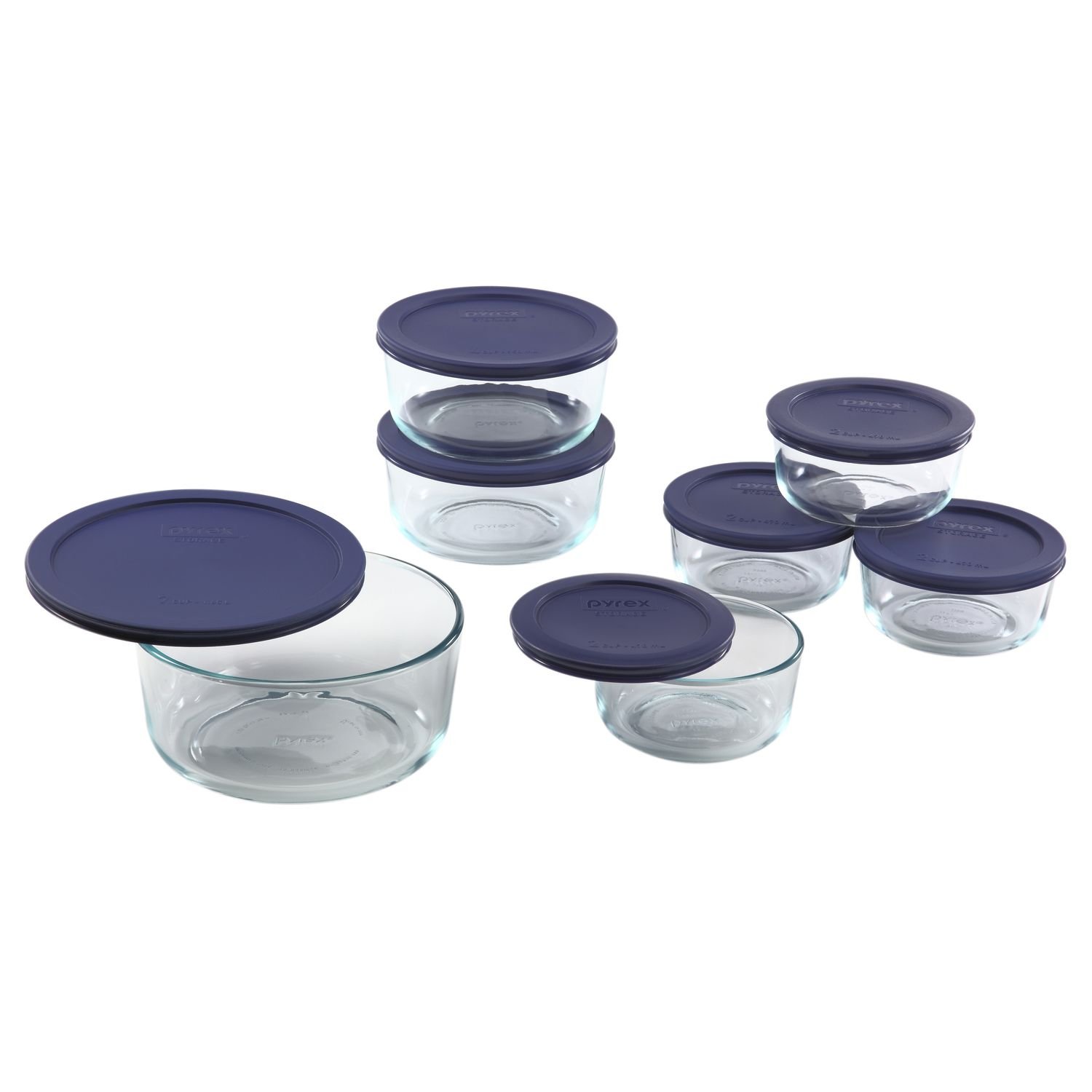
1. Pyrex Simply Store Glass Round Food Storage Set with Stovetop Compatibility

The Pyrex Simply Store collection represents decades of glass cookware innovation, offering home cooks reliable performance and versatile functionality. This comprehensive set includes multiple sizes suitable for various cooking needs, from small sauce preparation to large family meals. The borosilicate glass construction ensures excellent thermal shock resistance, making these pieces safe for direct stovetop use on gas, electric, and induction cooktops when used with appropriate heat diffusers.
What sets this Pyrex collection apart is its seamless transition from stovetop to refrigerator to microwave. The tight-fitting lids create an airtight seal, making these pieces excellent for food storage as well as cooking. The clear glass allows for easy monitoring of cooking progress, while the measurement markings molded into the glass provide convenient portion control.
The ergonomic design features comfortable handles that remain cool during cooking, and the wide rim design makes pouring liquids effortless. The non-porous glass surface resists stains and odors, ensuring that your cookware maintains its pristine appearance even after preparing strong-flavored dishes. Cleanup is remarkably easy, as food rarely sticks to the smooth glass surface.
Pros:
- Exceptional thermal shock resistance
- Versatile stovetop to storage functionality
- Clear visibility for monitoring cooking
- Easy cleanup and maintenance
- Microwave and dishwasher safe
- Measurement markings for convenience
Cons:
- Requires heat diffuser for induction cooking
- Can be heavy when fully loaded
- Glass handles may become hot with extended cooking
Rating: 4.7/5
2. Vision Visions Cookware 1.5-Quart Covered Saucepan

The Vision Visions cookware line revolutionized glass cooking with its proprietary amber-tinted glass that offers superior heat absorption and distribution. This 1.5-quart saucepan represents the perfect size for sauce preparation, reheating leftovers, and small-batch cooking. The unique amber coloring isn’t just aesthetic; it actually enhances the cookware’s ability to absorb and distribute heat evenly across the bottom surface.
The distinctive ribbed bottom design serves multiple purposes, increasing the surface area for better heat transfer while also providing additional strength to the cookware base. This innovative design feature helps prevent hot spots and ensures consistent cooking results across the entire cooking surface. The tight-fitting lid creates a steam-lock seal that enhances moisture retention and speeds cooking times.
One of the most impressive features of Vision cookware is its ability to go from freezer to stovetop without thermal shock concerns. This versatility makes meal planning and preparation incredibly convenient, as you can prepare dishes in advance and cook them directly from frozen storage. The see-through construction allows for constant monitoring without removing the lid, preserving heat and moisture during cooking.
Pros:
- Superior heat absorption with amber glass
- Ribbed bottom for enhanced heat distribution
- Freezer to stovetop capability
- Steam-lock lid for efficient cooking
- Excellent for sauce preparation
- Dishwasher safe construction
Cons:
- Limited size options in some markets
- Amber tint may affect food color perception
- Handles can become warm during extended cooking
Rating: 4.6/5
3. Anchor Hocking 8-Cup Glass Measuring Cup with Pour Spout

While primarily designed as a measuring tool, this large-capacity glass vessel doubles as excellent cookware for stovetop applications. The generous 8-cup capacity makes it ideal for preparing large batches of sauces, soups, or beverages directly on the stovetop. The clear measurement markings are permanently fired into the glass, ensuring they won’t fade or wear off with repeated use and washing.
The wide pour spout design facilitates mess-free transfers, whether you’re adding ingredients during cooking or serving the finished product. The handle design provides a secure grip while remaining relatively cool during stovetop use. The borosilicate glass construction offers excellent thermal shock resistance, making it safe for rapid temperature changes common in stovetop cooking.
This versatile piece shines in applications where precise measurement and cooking combine, such as candy making, custard preparation, or reduction sauces where volume monitoring is crucial. The microwave-safe design adds another layer of functionality, allowing for quick reheating or initial warming before stovetop finishing.
Pros:
- Large capacity for batch cooking
- Precise measurement markings
- Excellent pour spout design
- Versatile measurement and cooking functions
- Microwave and stovetop compatible
- Easy to clean and maintain
Cons:
- Handle design may not suit all preferences
- Large size may be cumbersome for some users
- No lid included for covered cooking
Rating: 4.5/5
4. CorningWare French White 2.5-Quart Oval Casserole with Glass Cover

The CorningWare French White collection represents the evolution of ceramic glass technology, offering exceptional performance for both stovetop and oven use. This 2.5-quart oval casserole provides the perfect size for family meals while offering the elegant presentation suitable for direct table service. The proprietary Pyroceram glass-ceramic material withstands extreme temperature variations, making it ideal for dishes that start on the stovetop and finish in the oven.
The oval shape maximizes cooking surface area while fitting comfortably on most stovetop burners. The tight-fitting glass lid traps moisture and heat efficiently, reducing cooking times and preserving flavors. The white exterior with blue cornflower design has become iconic in American kitchens, offering timeless style that complements any kitchen décor.
What distinguishes this CorningWare piece is its exceptional heat retention properties. Once heated, the ceramic glass material holds temperature remarkably well, making it excellent for slow-cooking applications and keeping food warm during extended meal service. The non-porous surface resists staining and flavor absorption, ensuring that each dish tastes exactly as intended.
Pros:
- Exceptional heat retention properties
- Stovetop to oven versatility
- Elegant presentation for table service
- Non-porous surface resists stains
- Iconic design with lasting appeal
- Excellent for slow-cooking applications
Cons:
- Heavier than traditional glass cookware
- May require lower heat settings initially
- Replacement lids can be expensive
Rating: 4.8/5
5. Simax Glassware Clear Borosilicate Glass Cookware Set

The Simax brand brings European glass craftsmanship to the American market with this comprehensive cookware set featuring premium borosilicate glass construction. Each piece in this collection undergoes rigorous quality testing to ensure thermal shock resistance and durability. The clear, crystal-like appearance showcases food beautifully while providing complete visibility during cooking processes.
This set typically includes multiple saucepans, a stockpot, and various lids, providing complete cooking solutions for most kitchen needs. The handles are designed with ergonomic considerations, featuring heat-resistant properties and comfortable grip surfaces. The pouring spouts are precision-formed to eliminate drips and ensure controlled pouring for sauces and liquids.
The borosilicate glass used in Simax cookware offers superior chemical resistance, making it ideal for cooking acidic foods without any reaction or flavor transfer. The thermal properties allow for direct flame cooking on gas stovetops, while the flat bottoms ensure even heating on electric surfaces. The cookware transitions seamlessly from stovetop to oven, refrigerator, or microwave without thermal shock concerns.
Pros:
- Premium European borosilicate glass
- Complete cookware set solution
- Excellent thermal shock resistance
- Precision-formed pouring spouts
- Direct flame compatible
- Beautiful clear appearance
Cons:
- Higher price point than domestic brands
- May require gentle handling initially
- Limited availability in some regions
Rating: 4.7/5
6. Emile Henry Ceramic Flame Top Stewpot

While technically ceramic rather than traditional glass, the Emile Henry Flame Top represents advanced ceramic technology that offers glass-like transparency with enhanced durability. This French-made cookware combines traditional craftsmanship with modern materials science to create pieces that excel on all stovetop surfaces, including high-heat gas flames.
The ceramic construction provides exceptional heat retention and even distribution, eliminating hot spots that can cause food to burn or cook unevenly. The transparent lid allows for constant monitoring while the tight seal preserves moisture and concentrates flavors. The wide, shallow design promotes even browning and is particularly excellent for braising and slow-cooking applications.
The Flame Top technology enables this ceramic cookware to withstand direct flame contact, making it suitable for techniques typically reserved for metal cookware. The thermal mass of the ceramic provides steady, consistent heat that’s ideal for recipes requiring long, slow cooking. The elegant design makes it suitable for stovetop-to-table presentation, eliminating the need for transferring food to serving dishes.
Pros:
- Advanced Flame Top ceramic technology
- Exceptional heat retention and distribution
- Direct flame compatibility
- Elegant stovetop-to-table presentation
- Even browning capabilities
- Traditional French craftsmanship
Cons:
- Higher investment than glass alternatives
- Heavier than traditional glass cookware
- Requires careful handling to prevent chipping
Rating: 4.6/5
7. Duralex Picardie Glass Cookware Collection

Duralex brings French glass manufacturing expertise to the cookware market with their Picardie collection, featuring tempered glass construction that offers enhanced safety and durability. The unique tempering process creates glass that’s up to five times stronger than regular glass while maintaining excellent optical clarity. This collection includes various sizes suitable for different cooking applications, from individual portions to family-sized meals.
The distinctive ribbed exterior design isn’t just aesthetic; it provides additional structural strength while creating a non-slip grip surface. The ribs also increase surface area for better heat distribution, helping to eliminate hot spots during cooking. The clear glass construction allows for easy monitoring of cooking progress, while the smooth interior surface facilitates easy food release and cleanup.
Duralex glass is renowned for its resistance to thermal shock, making it suitable for rapid temperature changes common in stovetop cooking. The non-porous surface doesn’t retain odors or flavors, ensuring that each dish tastes exactly as intended. The stackable design saves storage space, while the dishwasher-safe construction makes cleanup effortless.
Pros:
- Five times stronger than regular glass
- Distinctive ribbed design for better grip
- Excellent thermal shock resistance
- Non-porous surface prevents flavor retention
- Stackable design saves storage space
- French manufacturing quality
Cons:
- Limited lid options for some pieces
- May require heat diffuser for some applications
- Ribbed exterior can trap food particles
Rating: 4.4/5
8. Luminarc Vitro Blooming Clear Glass Cookware Set

The Luminarc Vitro Blooming collection represents affordable luxury in glass cookware, offering restaurant-quality performance at consumer-friendly prices. This comprehensive set includes multiple pieces designed to handle various cooking tasks, from simple reheating to complex recipe preparation. The clear glass construction provides unobstructed views of cooking food, while the smooth surfaces ensure easy cleanup and maintenance.
Each piece features reinforced construction at stress points, particularly around handles and rim areas where thermal expansion and contraction can cause failure in lesser-quality glass cookware. The ergonomic handle design remains comfortable during extended cooking sessions while providing secure grip even when wearing oven mitts. The wide rim design facilitates easy pouring and professional-looking presentation.
The Vitro Blooming line excels in versatility, with each piece capable of stovetop, oven, microwave, and refrigerator use. This multi-environment capability makes meal planning and preparation more convenient, as you can cook, store, and reheat in the same vessel. The thermal properties ensure even heat distribution while preventing hot spots that can cause food to stick or burn.
Pros:
- Affordable luxury quality
- Comprehensive set coverage
- Reinforced construction at stress points
- Multi-environment versatility
- Ergonomic handle design
- Restaurant-quality performance
Cons:
- May not be suitable for very high heat
- Limited warranty compared to premium brands
- Handles may warm during extended cooking
Rating: 4.3/5
9. Borosil Vision Glass Cookware Range

Borosil brings Indian glass manufacturing innovation to the global market with their Vision range, featuring advanced borosilicate glass technology optimized for diverse cooking styles. This cookware excels in applications requiring precise temperature control and even heat distribution. The crystal-clear construction allows for perfect monitoring of cooking processes, while the robust design ensures longevity even with frequent use.
The Vision range includes specialized pieces designed for specific cooking techniques, including deep saucepans for curry preparation, wide skillets for stir-frying, and covered casseroles for slow-cooking applications. Each piece features carefully designed proportions that optimize heat transfer and cooking efficiency. The lids fit precisely to create effective steam seals while allowing easy monitoring through the clear glass.
What sets Borosil apart is their focus on thermal efficiency, with glass formulations designed to respond quickly to heat changes while maintaining stable cooking temperatures. This responsiveness makes the cookware excellent for techniques requiring precise temperature control, such as tempering spices or preparing delicate sauces. The non-reactive surface ensures that strong spices and acidic ingredients don’t affect the glass or alter food flavors.
Pros:
- Advanced borosilicate glass formulation
- Optimized for diverse cooking styles
- Excellent thermal responsiveness
- Specialized pieces for specific techniques
- Crystal-clear visibility
- Non-reactive surface for all ingredients
Cons:
- Limited availability outside certain markets
- May require adaptation for Western cooking styles
- Handles designed for different grip preferences
Rating: 4.5/5
10. Marinex Glass Bakeware with Stovetop Compatibility

Marinex represents Brazilian glass manufacturing excellence, creating cookware that performs exceptionally well in both baking and stovetop applications. The borosilicate glass construction offers superior thermal shock resistance, making it safe for direct stovetop use on gas, electric, and ceramic surfaces. The clear construction provides excellent visibility while cooking, and the smooth surfaces ensure easy food release and cleanup.
This collection includes round and rectangular pieces suitable for various cooking and baking needs. The reinforced edges provide additional strength and durability, while the flat bottoms ensure even contact with stovetop surfaces for optimal heat transfer. The pieces transition seamlessly from stovetop cooking to oven finishing, making them ideal for dishes that require multiple cooking methods.
The Marinex line excels in applications where visual monitoring is crucial, such as candy making, custard preparation, or sauce reduction where consistency and color changes indicate doneness. The thermal properties provide steady, even heating that prevents scorching while ensuring thorough cooking. The elegant appearance makes these pieces suitable for direct table service.
Pros:
- Superior Brazilian borosilicate glass
- Excellent stovetop and oven versatility
- Reinforced edges for added durability
- Ideal for visual cooking applications
- Elegant appearance for table service
- Flat bottoms ensure even heating
Cons:
- Limited size variety in some markets
- May require lower initial heat settings
- International shipping may affect availability
Rating: 4.4/5
11. Schott Duran Laboratory Glass Cookware Adapted for Kitchen Use

Schott Duran represents the ultimate in borosilicate glass technology, originally developed for laboratory use but adapted for demanding kitchen applications. This German-engineered glass offers unparalleled thermal shock resistance and chemical inertness, making it ideal for cooking applications involving extreme temperature changes or acidic ingredients. The crystal-clear appearance provides perfect visibility while maintaining absolute neutrality in flavor and odor.
The laboratory heritage ensures exceptional quality control and consistency in manufacturing, resulting in cookware that performs predictably under all conditions. The glass formulation withstands thermal shock that would destroy conventional glass, making it safe for techniques like deglazing hot pans with cold liquids or moving pieces directly from refrigerator to high-heat stovetop.
While originally designed for scientific applications, the kitchen-adapted versions include ergonomic features like comfortable handles and precision-formed pouring spouts. The non-porous surface resists staining and doesn’t retain flavors, ensuring that each use produces pure, uncontaminated results. The exceptional durability makes this cookware a long-term investment for serious cooking enthusiasts.
Pros:
- Ultimate borosilicate glass technology
- Exceptional thermal shock resistance
- Laboratory-grade quality control
- Perfect chemical inertness
- Crystal-clear visibility
- Long-term durability investment
Cons:
- Premium pricing reflects quality
- May be over-engineered for casual cooking
- Limited decorative options
Rating: 4.9/5
12. Glassbake Clear Glass Mixing Bowl Set with Stovetop Safety

The Glassbake collection offers practical solutions for cooks who need versatile pieces that can handle both preparation and cooking tasks. These clear glass mixing bowls feature reinforced construction that makes them suitable for stovetop use when proper precautions are taken. The various sizes accommodate different cooking needs, from small sauce preparation to large-batch cooking.
The nested design saves valuable storage space while providing a complete range of cooking and serving options. Each bowl features a comfortable rim design that facilitates easy handling and pouring, while the clear glass construction allows for easy monitoring of mixing and cooking processes. The non-porous surface resists stains and odors, maintaining pristine appearance even after repeated use.
These bowls excel in applications where ingredients need to be combined and then cooked, such as custard preparation, sauce making, or mixing batters that require gentle heating. The thermal properties provide even heat distribution while the clear construction allows for precise monitoring of color changes and consistency development during cooking.
Pros:
- Versatile mixing and cooking functionality
- Space-saving nested design
- Reinforced construction for durability
- Clear visibility for process monitoring
- Multiple sizes for various applications
- Non-porous surface maintenance
Cons:
- Requires careful heat management
- May not be suitable for high-heat applications
- Limited to gentle cooking techniques
Rating: 4.2/5
13. Fire-King Anchor Hocking Vintage-Style Glass Cookware

Fire-King represents American glass cookware heritage, offering modern reproductions of classic designs that combine nostalgic appeal with contemporary performance standards. These pieces feature the distinctive milk glass appearance that made Fire-King famous, while incorporating modern safety features and thermal shock resistance. The collection includes various sizes suitable for different cooking applications.
The heat-treated glass construction provides enhanced durability and thermal shock resistance compared to regular glass, making these pieces suitable for stovetop use with proper care. The opaque construction offers a different aesthetic appeal while still providing the non-reactive cooking surface that makes glass cookware so desirable. The vintage styling adds character to any kitchen while delivering reliable performance.
These pieces excel in comfort food preparation and home-style cooking where traditional appearance enhances the cooking experience. The thermal properties provide steady, even heating ideal for milk-based sauces, gravies, and other dishes where temperature control is crucial. The easy-to-clean surface maintains its appearance even with frequent use.
Pros:
- Classic American cookware heritage
- Distinctive vintage styling appeal
- Heat-treated for enhanced durability
- Non-reactive cooking surface
- Ideal for traditional comfort foods
- Easy maintenance and cleanup
Cons:
- Opaque construction limits visual monitoring
- May not appeal to modern aesthetic preferences
- Limited thermal shock resistance compared to borosilicate
Rating: 4.1/5
Comprehensive Buying Guide for Glass Stovetop Cookware
Material Considerations and Glass Types
When selecting glass cookware for stovetop use, understanding the different types of glass and their properties is crucial for both safety and performance. The primary consideration is thermal shock resistance, which determines how well the glass can handle rapid temperature changes without cracking or shattering.
Borosilicate glass stands as the premier choice for stovetop applications due to its exceptional thermal properties. The addition of boron trioxide to the glass formulation significantly reduces the coefficient of thermal expansion, meaning the glass expands and contracts much less when heated or cooled. This characteristic makes borosilicate glass capable of withstanding temperature differentials that would destroy regular soda-lime glass.
The manufacturing process for borosilicate glass involves higher temperatures and more precise controls, resulting in a more uniform molecular structure. This uniformity contributes to better heat distribution and reduces the likelihood of stress concentrations that could lead to failure. Additionally, borosilicate glass maintains its strength at elevated temperatures, making it safe for high-heat cooking applications.
Tempered glass offers another option for stovetop cookware, though with some limitations. The tempering process involves heating glass to near its softening point and then rapidly cooling it, creating internal stresses that increase strength. While tempered glass is much stronger than regular glass, it’s not as thermally shock-resistant as borosilicate glass. However, high-quality tempered glass can perform well on electric and induction cooktops where heat application is more gradual and even.
Heat Source Compatibility
Different cooktop types interact with glass cookware in various ways, and understanding these interactions is essential for safe and effective cooking. Gas cooktops present unique challenges and opportunities for glass cookware use. The direct flame provides rapid, responsive heating but can create hot spots if the flame isn’t properly distributed. High-quality borosilicate glass can handle direct flame contact, but it’s important to ensure that flames don’t extend beyond the cookware bottom, which could create dangerous thermal stress.
Electric coil cooktops work well with glass cookware because they provide relatively even heat distribution across the bottom surface. The thermal mass of electric coils helps prevent rapid temperature changes that could shock the glass. However, it’s important to ensure good contact between the coil and cookware bottom for efficient heat transfer and even cooking.
Smooth-top electric and ceramic cooktops are excellent for glass cookware use. The flat surface provides maximum contact area for even heat distribution, while the thermal properties of the cooktop surface help moderate temperature changes. Most glass cookware performs exceptionally well on these surfaces, though it’s important to avoid sliding pieces across the smooth surface to prevent scratching.
Induction cooktops present a special consideration for glass cookware. Since induction heating works by creating magnetic fields that heat ferrous metals, traditional glass cookware won’t work on induction surfaces. However, some manufacturers produce glass cookware with magnetic bases specifically designed for induction use, or you can use an induction adapter disk to make any glass cookware induction-compatible.
Size and Capacity Planning
Selecting the right sizes and capacities for your glass cookware collection requires careful consideration of your cooking habits, family size, and kitchen storage capabilities. Unlike metal cookware, glass pieces tend to be bulkier and require more careful handling, making it important to choose sizes that you’ll actually use regularly rather than accumulating pieces that sit unused.
Small saucepans in the 1-2 quart range are essential for sauce preparation, reheating leftovers, and small-batch cooking. These sizes are perfect for melting butter, warming milk, or preparing single-serving portions. The clear glass construction makes them ideal for applications where visual monitoring is crucial, such as tempering chocolate or preparing custard bases.
Medium-sized pieces in the 2-4 quart range provide versatility for most family cooking needs. These sizes accommodate soup preparation, pasta cooking, and one-pot meals for 2-4 people. The thermal mass of glass in these sizes provides excellent heat retention, making them ideal for slow-cooking applications and keeping food warm during extended meal service.
Large capacity pieces of 4 quarts and above are excellent for batch cooking, entertaining, and family-sized meal preparation. However, consider the weight factor when selecting large glass pieces, as they become quite heavy when fully loaded. The thermal properties of large glass pieces provide excellent heat retention but may require longer preheating times compared to metal alternatives.
Handle and Lid Design Features
The design of handles and lids significantly impacts the usability and safety of glass cookware. Handle materials and attachment methods vary considerably between manufacturers, and these differences can greatly affect your cooking experience. Glass handles provide aesthetic continuity and are completely non-reactive, but they can become quite hot during extended cooking. Some users prefer glass handles for their clean appearance and easy cleaning, while others find them less comfortable to grip.
Metal handles offer better heat resistance and more comfortable gripping, but they can create thermal stress points where they attach to the glass body. High-quality manufacturers use specialized attachment methods that accommodate thermal expansion differences between metal and glass, preventing stress fractures at connection points.
Ergonomic considerations become particularly important with glass cookware because the pieces tend to be heavier than metal alternatives. Handles should provide secure grip surfaces that remain comfortable even when wearing oven mitts. The handle design should also position your hand away from heat sources and hot surfaces to prevent burns during cooking.
Lid design affects both cooking performance and safety. Glass lids provide complete visibility while creating effective seals for moisture retention. The thermal properties of glass lids help maintain even temperatures while allowing you to monitor cooking progress without removing the lid. However, glass lids can be heavy and require careful handling to prevent dropping or thermal shock from rapid temperature changes.
Safety Considerations and Best Practices
Glass cookware safety begins with understanding thermal shock and how to prevent it. Thermal shock occurs when different parts of a glass vessel experience different temperatures simultaneously, creating internal stresses that can cause cracking or shattering. Even high-quality borosilicate glass has limits to the thermal stress it can withstand.
Preheating glass cookware gradually helps prevent thermal shock by allowing the entire piece to reach temperature uniformly. Start with low heat and gradually increase to the desired cooking temperature, allowing several minutes for the glass to adjust at each level. This practice is particularly important when moving from cold storage to stovetop cooking.
Avoid placing hot glass cookware on cold surfaces or adding cold liquids to very hot glass. Allow pieces to cool gradually, preferably on heat-resistant surfaces like wooden cutting boards or heat-resistant trivets. Never place hot glass cookware directly on cold countertops, in cold water, or in refrigerators immediately after cooking.
Inspect glass cookware regularly for signs of stress or damage. Small chips, cracks, or scratches can become failure points under thermal stress. Any damaged piece should be removed from service immediately to prevent potential safety hazards. While minor scratches on the exterior may not affect safety, any damage to cooking surfaces or structural areas requires careful evaluation.
Maintenance and Longevity
Proper maintenance significantly extends the life of glass cookware while ensuring optimal performance throughout its service life. The non-porous nature of glass makes it naturally resistant to staining and odor retention, but proper cleaning techniques help maintain both appearance and functionality.
Daily cleaning should involve gentle methods that preserve the glass surface while removing food residues and cooking oils. Avoid abrasive cleaners or scrubbers that could create microscopic scratches that may become stress concentration points. Most glass cookware is dishwasher safe, but hand washing with mild detergents often provides better results while allowing you to inspect pieces for any developing issues.
For stubborn stains or burned-on food, soaking in warm water with gentle detergents usually provides effective cleaning without damaging the glass surface. Baking soda paste can help remove persistent stains without scratching, while white vinegar solutions can eliminate mineral deposits from hard water areas.
Storage considerations become important for maintaining glass cookware condition. Avoid stacking pieces directly on top of each other without protective padding, as this can cause chipping or scratching. Soft cloth or felt separators help protect surfaces while maximizing storage efficiency. Store lids separately or with protective padding to prevent contact damage.
Frequently Asked Questions (FAQs)
Can all glass cookware be used on stovetops?
Not all glass cookware is suitable for stovetop use. Regular soda-lime glass, which is used in most drinking glasses and some bakeware, cannot withstand the thermal shock of direct stovetop heating and will likely crack or shatter. Only specially formulated glasses designed for cookware applications should be used on stovetops.
Borosilicate glass offers the best performance for stovetop cooking due to its superior thermal shock resistance. This type of glass can handle rapid temperature changes and direct flame contact that would destroy regular glass. Some high-quality tempered glass can also be used on stovetops, particularly on electric and ceramic surfaces where heat application is more gradual.
Always check manufacturer specifications before using any glass piece on a stovetop. Look for explicit statements about stovetop compatibility and recommended heat source types. When in doubt, contact the manufacturer directly for clarification, as using inappropriate glass on stovetops can result in dangerous breakage and potential injury.
What’s the difference between borosilicate and regular glass for cooking?
Borosilicate glass differs from regular soda-lime glass primarily in its thermal expansion properties and chemical composition. Regular glass contains high levels of sodium carbonate and lime, which create a relatively high coefficient of thermal expansion. This means regular glass expands and contracts significantly when heated or cooled, making it prone to thermal shock and breakage.
Borosilicate glass incorporates boron trioxide into its formulation, which dramatically reduces thermal expansion. This glass can withstand temperature differentials of several hundred degrees without cracking, making it ideal for applications involving rapid temperature changes. Additionally, borosilicate glass maintains its strength at higher temperatures, providing safety margins that regular glass cannot match.
The manufacturing process for borosilicate glass involves higher temperatures and more precise controls, resulting in a more uniform molecular structure. This uniformity contributes to better heat distribution and more predictable thermal behavior. While borosilicate glass typically costs more than regular glass, its superior performance and safety characteristics make it the preferred choice for serious cooking applications.
Is glass cookware safe for high-heat cooking?
High-quality borosilicate glass cookware can safely handle high-heat cooking applications, but there are important considerations and limitations to understand. The key factor is thermal shock resistance rather than absolute temperature limits. Even excellent borosilicate glass can fail if subjected to extreme temperature differentials, such as placing a hot piece directly into cold water.
For gas stovetop cooking, borosilicate glass can handle direct flame contact as long as flames don’t extend beyond the cookware bottom. Electric and ceramic cooktops work well with glass cookware because they provide more even heat distribution. However, it’s generally recommended to start with medium heat and adjust upward as needed rather than immediately applying maximum heat.
The thermal mass of glass means it takes longer to heat up than metal cookware but also retains heat longer once heated. This characteristic makes glass excellent for applications requiring steady, consistent heat but less ideal for techniques requiring rapid temperature changes. Understanding these properties helps you use glass cookware safely and effectively for high-heat applications.
How do I prevent thermal shock in glass cookware?
Preventing thermal shock requires understanding how temperature differentials create stress in glass and taking steps to minimize these differentials. The most important practice is gradual temperature changes that allow the entire piece to adjust uniformly. When starting to cook, begin with low heat and gradually increase to your desired temperature over several minutes.
Avoid placing hot glass cookware on cold surfaces, as this creates an extreme temperature differential between the bottom and sides of the piece. Instead, use heat-resistant trivets, wooden cutting boards, or cooling racks that allow air circulation around the entire piece. Similarly, avoid adding very cold ingredients to hot glass cookware; instead, allow ingredients to approach room temperature before adding them.
When cleaning, allow glass cookware to cool naturally before washing. Never place hot glass pieces in cold water or cold refrigerators immediately after cooking. If you need to speed cooling, place the piece on a heat-resistant surface in a room-temperature environment and allow natural air circulation to gradually reduce the temperature.
Can glass cookware go from stovetop to oven?
Most high-quality glass cookware designed for stovetop use can also go directly into the oven, making it excellent for dishes that require multiple cooking methods. However, it’s important to verify oven safety ratings with the manufacturer, as temperature limits and thermal shock considerations apply to oven use as well.
Borosilicate glass cookware typically handles oven temperatures up to 450-500°F (230-260°C) without issues, though some pieces may be rated for higher temperatures. The key consideration is avoiding rapid temperature changes when transferring from stovetop to oven. Allow the piece to stabilize at stovetop temperature before placing it in a preheated oven.
When moving glass cookware from oven to stovetop, similar precautions apply. Avoid placing hot oven-heated glass directly on cold stovetop surfaces. Instead, use a heat-resistant trivet or allow the cooktop to warm slightly before making contact. This stovetop-to-oven versatility makes glass cookware excellent for braising, casseroles, and dishes that require browning on the stovetop followed by slow cooking in the oven.
How do I clean stubborn stains from glass cookware?
Glass cookware’s non-porous surface generally resists staining, but certain foods and cooking methods can create persistent marks that require special attention. The key is using gentle methods that remove stains without creating scratches that could become stress points.
For burned-on food or caramelized sugars, create a paste using baking soda and water. Apply this paste to the affected areas and allow it to sit for 15-20 minutes before gently scrubbing with a soft sponge or cloth. The mild abrasive action of baking soda removes stains without scratching the glass surface.
White vinegar solutions work excellently for mineral deposits and water spots common in hard water areas. Fill the cookware with equal parts water and white vinegar, bring to a gentle simmer on the stovetop, then allow to cool and soak for several hours. The acid in vinegar dissolves mineral deposits while the heat helps penetrate stubborn residues.
For extremely stubborn stains, commercial glass cleaners designed for cookware applications can be effective. Avoid household glass cleaners that may contain ammonia or other chemicals not intended for food contact surfaces. Always rinse thoroughly after using any cleaning products and inspect the surface for any signs of etching or damage.
What should I do if my glass cookware cracks?
Any crack in glass cookware, regardless of size, requires immediate removal from service to prevent potential safety hazards. Even hairline cracks can propagate rapidly under thermal stress, leading to complete failure that could cause burns or injuries from flying glass fragments.
Small chips on exterior surfaces may not immediately compromise safety, but they should be carefully evaluated. Any damage that penetrates more than surface deep or affects cooking surfaces should result in immediate retirement of the piece. Chips or cracks near handles or other stress concentration points are particularly dangerous and require immediate disposal.
If a crack develops during cooking, turn off heat immediately and allow the piece to cool naturally without moving it. Do not add cold liquids or attempt to transfer food to another container while the glass is hot. Once cooled, carefully dispose of the damaged piece in a way that prevents injury to others, such as wrapping in newspaper or cardboard before placing in trash.
Prevention remains the best strategy for avoiding cracks. Regular inspection of your glass cookware helps identify developing stress points before they become dangerous. Look for any changes in surface appearance, small chips, or areas where the glass appears cloudy or stressed.
How does glass cookware compare to metal for heat distribution?
Glass cookware provides different heat distribution characteristics compared to metal, with advantages and disadvantages depending on the cooking application. Glass heats more slowly than metal but provides more even heat distribution once heated. This thermal behavior makes glass excellent for applications requiring steady, consistent heat but less ideal for techniques requiring rapid temperature changes.
The thermal mass of glass means it acts as a heat reservoir, maintaining cooking temperatures longer than thin metal cookware. This characteristic is excellent for slow-cooking applications, braising, and keeping food warm during extended meal service. However, it also means glass cookware takes longer to respond to heat adjustments, requiring more planning and patience compared to metal alternatives.
Glass provides superior heat retention compared to most metals, making it excellent for dishes that benefit from residual cooking heat. Sauces, custards, and slow-cooked dishes continue cooking gently even after removing from heat source. This retained heat can be an advantage for energy efficiency and extended cooking processes.
The transparent nature of glass allows for visual monitoring that’s impossible with metal cookware. You can observe browning, bubbling, and other visual cues that indicate doneness without lifting lids or disturbing the cooking process. This visibility is particularly valuable for temperature-sensitive preparations like custards or candy making.
Can I use glass cookware on induction cooktops?
Traditional glass cookware cannot be used on induction cooktops because glass is not ferromagnetic and won’t interact with the magnetic fields that create heat in induction cooking. The induction process requires ferrous metals like iron or steel to generate heat through electromagnetic induction.
However, several solutions exist for using glass cookware on induction surfaces. Some manufacturers produce glass cookware with ferromagnetic bases specifically designed for induction compatibility. These pieces feature steel or iron discs embedded in or attached to the bottom of the glass vessel, allowing them to work on induction cooktops while maintaining the benefits of glass cooking surfaces.
Induction adapter discs provide another solution for using existing glass cookware on induction surfaces. These flat metal discs sit between the induction cooktop and the glass cookware, converting the electromagnetic energy to heat that transfers to the glass. While this method works, it introduces an additional thermal interface that may affect heat distribution and cooking performance.
When using glass cookware on induction surfaces with adapters, start with lower power settings and allow extra time for heating. The additional thermal interface between the induction surface and glass cookware requires adjustment of cooking techniques and timing compared to direct induction cooking with compatible metal cookware.
What are the weight considerations for glass cookware?
Glass cookware is significantly heavier than most metal alternatives, which affects both handling during cooking and storage considerations. A large glass stockpot or casserole dish can weigh several pounds even when empty, and this weight increases substantially when filled with food and liquids.
The weight factor becomes particularly important when handling hot cookware. Ensure you have secure grips and clear paths when moving hot glass pieces to prevent accidents. Oven mitts should provide adequate protection and grip security for heavier pieces. Consider using both hands and proper lifting techniques when handling large, loaded glass cookware.
Storage requirements increase with glass cookware due to both weight and fragility considerations. Shelving must be sturdy enough to support the additional weight, and pieces should be stored where they won’t be accidentally knocked over or dropped. The weight factor also makes glass cookware less suitable for overhead storage locations where frequent retrieval might be difficult or dangerous.
For users with limited upper body strength or mobility issues, the weight of glass cookware may present challenges that outweigh its benefits. Consider starting with smaller pieces to evaluate comfort levels before investing in larger glass cookware sets.
How long does quality glass cookware typically last?
High-quality glass cookware, particularly borosilicate glass pieces from reputable manufacturers, can last for decades with proper care and handling. Unlike metal cookware that may wear out, warp, or develop coating issues over time, glass maintains its properties indefinitely under normal use conditions.
The primary factors affecting glass cookware longevity are thermal shock damage and physical impact damage. Pieces that are handled carefully and used within their thermal limits can remain functional for 20-30 years or more. Many users report using vintage glass cookware pieces that are several decades old and still perform like new.
Signs of aging in glass cookware are usually related to minor surface scratches or chips rather than fundamental performance degradation. The cooking properties of glass don’t change over time, so an old piece will perform identically to a new one assuming no damage has occurred.
Investment in quality glass cookware often proves cost-effective over time due to this longevity. While initial costs may be higher than basic metal alternatives, the lifetime value proposition is often favorable, particularly when considering the versatility and multi-environment use capabilities of glass pieces.
Are there foods that shouldn’t be cooked in glass cookware?
Glass cookware is remarkably versatile and suitable for most cooking applications, but there are some considerations for specific foods and techniques. The non-reactive nature of glass makes it excellent for acidic foods that might react with metal cookware, including tomato-based sauces, citrus preparations, and wine reductions.
Foods requiring extremely high heat for proper texture development may be challenging in glass cookware. While glass can handle high temperatures, the thermal mass means it takes longer to reach peak temperatures and doesn’t provide the rapid heat response needed for certain stir-frying or searing techniques.
Very sticky foods like caramel or certain candy preparations may be more challenging in glass cookware compared to heavy-bottomed metal pans that provide more even heat distribution and easier temperature control. However, the visibility benefits of glass can outweigh these challenges for many candy-making applications.
Delicate proteins that require precise temperature control may be easier to manage in metal cookware that responds more quickly to heat adjustments. However, experienced cooks often prefer glass for these applications once they understand the thermal characteristics and adjust their techniques accordingly.
Advanced Glass Cookware Techniques
Temperature Management Strategies
Mastering temperature management with glass cookware requires understanding its unique thermal characteristics and adjusting traditional cooking techniques accordingly. Glass cookware operates on different principles than metal, with slower heat uptake but superior heat retention and more even distribution once heated.
The preheating phase becomes crucial with glass cookware. Unlike metal pans that can be heated quickly to cooking temperature, glass benefits from gradual temperature increases that allow the entire piece to heat uniformly. Start with low heat for the first few minutes, then gradually increase to medium or medium-high as needed. This approach prevents thermal shock while ensuring even heat distribution throughout the cooking process.
Understanding heat retention helps optimize cooking results with glass cookware. Once heated, glass maintains temperature much longer than metal, meaning you can often reduce heat settings partway through cooking and rely on retained heat to complete the process. This characteristic is particularly valuable for energy efficiency and preventing overcooking of delicate ingredients.
The thermal mass of glass provides excellent temperature stability for applications requiring consistent heat. Slow-cooking techniques, braising, and sauce preparation benefit from the steady heat that glass provides. However, techniques requiring rapid temperature changes may require adaptation or may be better suited to metal cookware.
Visual Cooking Advantages
The transparency of glass cookware opens up cooking techniques that are difficult or impossible with opaque metal alternatives. Visual cues become primary indicators of doneness and cooking progress, allowing for more precise control over final results.
Caramelization processes become much easier to monitor in glass cookware, as you can observe color development throughout the cooking process. Sugar work, onion caramelization, and browning reactions can be monitored continuously without disturbing the cooking process by lifting lids or stirring unnecessarily.
Sauce preparation benefits tremendously from visual monitoring capabilities. Emulsion formation, reduction progress, and consistency development are all clearly visible in glass cookware. This visibility allows for more precise timing and better final results, particularly for temperature-sensitive preparations like hollandaise or custard bases.
Layered cooking techniques, such as gratins or casseroles, allow for monitoring of bubbling and browning patterns that indicate doneness. The ability to see steam patterns and liquid levels helps prevent overcooking or burning while ensuring thorough cooking throughout the dish.
Maintenance and Seasoning Considerations
Unlike cast iron or carbon steel cookware, glass requires no seasoning and maintains its non-stick properties through its inherently smooth, non-porous surface. However, proper maintenance techniques help preserve both performance and appearance throughout the cookware’s lifetime.
Regular inspection should focus on stress points where thermal or physical damage is most likely to occur. Check handle attachment points, rim areas, and the bottom surface for any signs of chips, cracks, or stress patterns. Early detection of potential problems prevents safety hazards and extends cookware life.
Cleaning techniques should emphasize gentleness while ensuring complete removal of food residues and cooking oils. Avoid temperature shock during cleaning by allowing hot cookware to cool gradually before washing. Use warm, soapy water with soft cleaning tools to preserve the surface finish and prevent microscopic scratches.
Storage considerations become important for maintaining glass cookware condition over time. Avoid stacking pieces without protection, and ensure storage areas provide adequate support for the additional weight of glass pieces. Proper storage prevents chips and cracks while maximizing kitchen organization efficiency.
Economic Considerations and Value Analysis
Initial Investment vs. Long-term Value
Glass cookware typically requires a higher initial investment compared to basic metal alternatives, but the long-term value proposition often favors glass for several reasons. The durability and longevity of quality glass pieces mean they rarely need replacement due to wear or performance degradation, unlike metal cookware that may warp, scratch, or lose coating integrity over time.
The versatility of glass cookware provides additional value through reduced need for specialized pieces. A single glass casserole dish can function for stovetop cooking, oven baking, microwave reheating, refrigerator storage, and table service. This multi-functionality reduces the total number of pieces needed in a well-equipped kitchen.
Energy efficiency considerations favor glass cookware for certain applications. The excellent heat retention means cooking can often continue with reduced or eliminated heat input, saving energy costs over time. The even heat distribution also reduces the likelihood of hot spots that waste energy and can damage food.
Maintenance costs remain minimal throughout the life of glass cookware. No special cleaners, seasoning products, or replacement parts are typically required. The non-reactive surface means no coating renewals or special care requirements that add ongoing costs to cookware ownership.
Comparing Brands and Quality Levels
The glass cookware market includes options ranging from budget-friendly basic pieces to premium laboratory-grade products. Understanding the differences helps make informed purchasing decisions that balance performance requirements with budget constraints.
Entry-level glass cookware often uses tempered soda-lime glass that provides basic functionality at lower cost. These pieces may be suitable for occasional use or specific applications but typically lack the thermal shock resistance needed for demanding cooking applications. They may also have less precise manufacturing tolerances that affect performance and durability.
Mid-range options typically feature borosilicate glass construction with better thermal shock resistance and more consistent manufacturing quality. These pieces often provide excellent performance for most home cooking applications while remaining reasonably priced. Brand reputation and warranty terms become important factors at this level.
Premium glass cookware often features laboratory-grade borosilicate glass with exceptional thermal shock resistance and precise manufacturing tolerances. These pieces command higher prices but provide superior performance and longevity. The investment may be justified for serious cooks or those planning to use glass cookware extensively.
Cost-Benefit Analysis for Different Users
Casual cooks who use glass cookware occasionally may find basic tempered glass pieces adequate for their needs. The lower initial investment makes sense when usage frequency is low, though even casual users should prioritize safety features like thermal shock resistance.
Regular home cooks benefit most from mid-range borosilicate glass cookware that provides good performance without premium pricing. The versatility and durability of quality glass pieces often provide excellent value for cooks who appreciate the visual monitoring capabilities and multi-environment use options.
Professional or serious amateur cooks may justify premium glass cookware investments through intensive use and demanding applications. The superior performance characteristics and extended longevity of top-tier pieces often provide favorable long-term economics for heavy users.
Specialized applications like candy making, custard preparation, or scientific cooking may require specific performance characteristics that justify premium investments regardless of overall usage frequency. The precision and reliability of laboratory-grade glass can be essential for these applications.
Conclusion and Final Recommendations
Glass cookware represents a unique category of kitchen equipment that offers distinct advantages for specific cooking applications and user preferences. The transparency, non-reactive properties, and thermal characteristics of quality glass pieces provide cooking capabilities that complement traditional metal cookware rather than simply replacing it.
The key to successful glass cookware use lies in understanding its thermal properties and adapting cooking techniques accordingly. The slower heat response and excellent heat retention require different approaches compared to metal cookware, but these characteristics become advantages once proper techniques are mastered.
Safety considerations remain paramount when selecting and using glass cookware. Investing in quality pieces with proven thermal shock resistance provides both better performance and greater safety margins. Proper handling techniques and gradual temperature changes help ensure safe operation throughout the cookware’s lifetime.
For most users, a selective approach to glass cookware provides the best value and functionality. Choose glass pieces for applications where its unique properties provide clear advantages, such as sauce preparation, slow cooking, visual monitoring requirements, or multi-environment use needs. Complement these glass pieces with metal cookware for applications requiring rapid heat response or extreme temperature capabilities.
The investment in quality glass cookware often proves worthwhile for cooks who appreciate its unique characteristics and are willing to adapt their techniques to maximize its benefits. The longevity, versatility, and performance of premium glass pieces provide lasting value that justifies the initial investment for many users.
When building a glass cookware collection, start with versatile pieces that serve multiple functions and gradually add specialized pieces as your experience and needs develop. Focus on reputable manufacturers with proven track records in glass cookware production, and prioritize safety features like thermal shock resistance and ergonomic design.
The future of glass cookware continues to evolve with advances in glass technology and manufacturing techniques. New formulations and designs promise even better performance characteristics while maintaining the fundamental advantages that make glass cookware valuable for discerning cooks. Understanding these fundamentals provides the foundation for making informed decisions about glass cookware selection and use throughout your culinary journey.

Leave a Reply