

Choosing the right gas cooktop isn’t just about finding a surface to heat your pans—it’s about transforming how you cook, enhancing your kitchen’s functionality, and potentially increasing your home’s value. Whether you’re a passionate home chef who needs precise temperature control for delicate sauces or a busy parent juggling multiple pots during weeknight dinners, the 30-inch gas cooktop has become the gold standard for residential kitchens.

Best 30-Inch Gas Cooktops:The 30-inch width isn’t arbitrary. This dimension fits perfectly into standard kitchen configurations while providing enough burner space for serious cooking without overwhelming smaller spaces. Unlike their electric counterparts, gas cooktops offer instant heat adjustment, visual flame indicators, and the ability to work during power outages—advantages that professional chefs have relied on for generations.
Today’s market offers an overwhelming array of options, from budget-friendly models under $300 to professional-grade units exceeding $2,000. You’ll encounter various burner configurations, BTU outputs ranging from gentle 5,000 BTU simmer burners to powerful 18,000 BTU rapid boilers, and materials from standard stainless steel to sleek tempered glass surfaces.
Why Your Gas Cooktop Choice Matters More Than You Think!
The stakes are higher than many homeowners realize. A poorly chosen cooktop can lead to uneven heating, difficult cleaning, safety concerns, and buyer’s remorse that lasts for years. Conversely, the right choice delivers daily cooking pleasure, energy efficiency, and durability that justifies the investment.
This comprehensive guide examines eleven standout gas cooktops currently available on Amazon, representing different price points, feature sets, and design philosophies. We’ve analyzed thousands of user reviews, compared specifications, and evaluated real-world performance to help you make an informed decision. Whether you prioritize raw cooking power, easy maintenance, smart connectivity, or aesthetic appeal, you’ll find options that align with your needs and budget.
Beyond individual reviews, we’ll equip you with the knowledge to evaluate any gas cooktop confidently. You’ll learn about critical factors like burner configuration, ignition systems, grate materials, safety features, and installation requirements. We’ll also address common questions about conversion kits, ventilation needs, and long-term maintenance.
Let’s dive into the detailed reviews that will help you discover the perfect cooking companion for your kitchen.
Top 11 Gas Cooktops Reviewed!
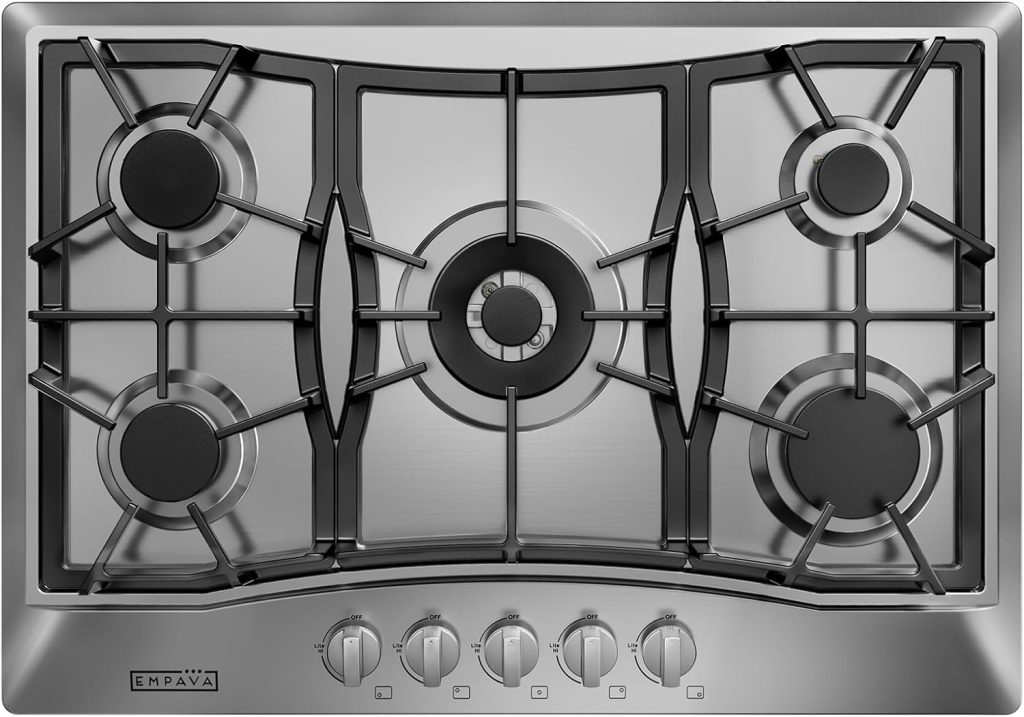
1. Empava 30-inch Gas Stove Cooktop with 5 Italy Sabaf Burners
Overview:
The Empava 30-inch cooktop has captured attention for delivering European-quality components at a surprisingly accessible price point. Featuring genuine Italy Sabaf burners—the same components found in premium appliances—this tempered glass surface cooktop combines aesthetic appeal with functional reliability. It’s designed for homeowners who want professional-grade performance without the luxury price tag.
Key Features:
- Five Italy Sabaf sealed burners with outputs ranging from 3,300 BTU to 12,000 BTU
- Black tempered glass surface with heavy-duty cast iron grates
- Thermocouple flame failure safety device on all burners
- Easy-to-clean smooth glass surface
- LPG/NG convertible with included conversion kit
- Pulse ignition system powered by batteries (no electrical connection required)
Performance and User Experience:
What immediately stands out about the Empava is its heat distribution. The Sabaf burners deliver remarkably even flames, eliminating the frustrating hot spots that plague cheaper models. Users consistently praise the 12,000 BTU primary burner for bringing large pots to boil quickly, while the smaller burners provide gentle heat perfect for simmering delicate sauces without scorching.
The tempered-glass surface elevates kitchen aesthetics considerably. Unlike traditional stainless steel cooktops that show every fingerprint and grease splatter, this surface maintains its sleek appearance with minimal maintenance. The black glass does require some care to avoid scratches, but most users find the trade-off worthwhile for the modern look.
Installation proves straightforward for those with basic DIY skills, though professional installation remains recommended for gas connections. The included LPG conversion kit adds flexibility for homes without natural gas lines. The battery-powered ignition system means you won’t need electrical work, simplifying installation further.
One notable consideration is the grate design. While the cast iron grates are sturdy and stable, they’re not continuous—meaning smaller pots can wobble slightly if positioned between burners. However, the individual grate sections are easier to remove and clean than single-piece alternatives.
Pros:
✅ Authentic Italy Sabaf burners provide professional-grade performance
✅ Stunning tempered glass surface enhances kitchen aesthetics
✅ Comprehensive safety features, including flame failure protection
✅ Excellent value proposition for the quality delivered
✅ Simple battery-powered ignition requires no electrical hookup
✅ Included conversion kit works with both natural gas and propane
Cons:
❌ Glass surface requires careful cleaning to avoid scratches
❌ Individual grate sections may cause smaller pots to wobble
❌ Customer service can be slow to respond to warranty issues
❌ Knobs feel slightly lightweight compared to premium models
Ideal For:
This cooktop suits homeowners seeking European quality on a mid-range budget, design-conscious cooks who prioritize aesthetics, and anyone installing in locations without easy electrical access for ignition systems.
Final Verdict:
The Empava 30-inch delivers exceptional value by incorporating premium Sabaf burners into an attractive package. While it lacks some refinements of thousand-dollar competitors, it outperforms most cooktops in its price category. The combination of reliable ignition, safety features, and beautiful design makes this a smart choice for kitchen renovations where both form and function matter.
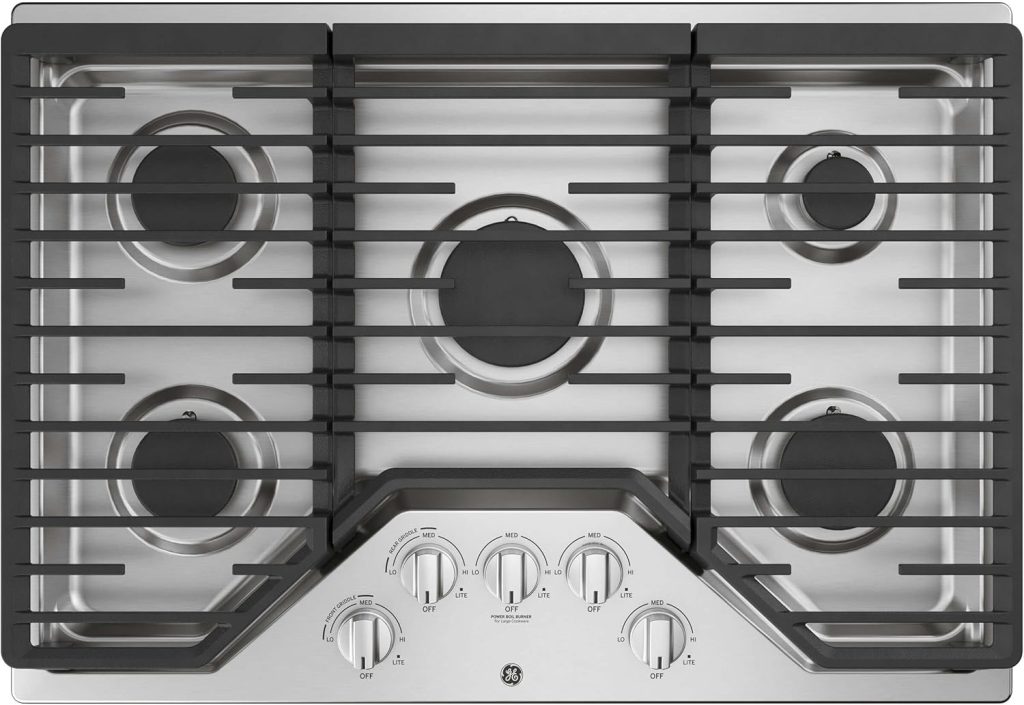
2. GE JGP5030SLSS 30-inch Built-In Gas Cooktop
Overview:
GE’s reputation for dependable appliances extends to this straightforward gas cooktop. The JGP5030SLSS represents traditional American manufacturing values: solid construction, intuitive operation, and widespread parts availability. It’s the cooktop equivalent of a reliable workhorse—not flashy, but consistently competent.
Key Features:
- Four sealed burners with power ranging from 5,000 BTU to 11,500 BTU
- Stainless steel surface with continuous cast iron grates
- Precise simmer burner for delicate cooking tasks
- Electronic ignition system with automatic reignition
- Dishwasher-safe grates and burner caps
- ADA compliant design with accessible controls
Performance and User Experience:
The GE cooktop emphasizes practical functionality over bells and whistles. Its four-burner configuration suits most home cooking scenarios, from weeknight dinners to holiday meal preparation. The 11,500 BTU burner provides adequate power for high-heat tasks like stir-frying or rapidly boiling water, though serious power users might find it limiting compared to 15,000+ BTU alternatives.
Where this model truly shines is consistency and ease of use. The electronic ignition works reliably, clicking until each burner lights—a feature that prevents gas buildup and enhances safety. The automatic reignition means if a flame accidentally extinguishes, the system immediately attempts to relight it.
The continuous cast-iron grates deserve special mention. Unlike segmented grates, this design allows you to slide heavy pots across the surface without lifting, reducing strain and spillage risk. This feature particularly benefits those who frequently cook with large stockpots or canning equipment.
Cleaning proves refreshingly simple. The sealed burners prevent spills from reaching internal components, while the dishwasher-safe grates eliminate tedious hand-scrubbing. The stainless steel surface resists staining better than many alternatives, though it does show fingerprints that require regular wiping.
Some users note the knobs protrude more than European-style cooktops, which can interfere with backsplash installations. However, this traditional design also makes them easier to grip and adjust, particularly for those with arthritis or reduced hand strength.
Pros:
✅ GE’s established reputation ensures reliable performance and parts availability
✅ Continuous cast iron grates allow easy movement of cookware
✅ Electronic ignition with automatic reignition enhances safety
✅ Dishwasher-safe components simplify maintenance
✅ ADA-compliant design improves accessibility
✅ Reasonable price point for a major brand appliance
Cons:
❌ Maximum BTU output lower than some competitors
❌ Stainless steel surfaces show fingerprints readily
❌ Protruding knobs may conflict with certain backsplash designs
❌ Lacks premium features like dual-flame or power burners
Ideal For:
This cooktop suits homeowners who value brand reliability over cutting-edge features, those seeking straightforward operation without complexity, and buyers who prioritize easy cleaning and maintenance accessibility.
Final Verdict:
The GE JGP5030SLSS won’t win awards for innovation, but that’s not its purpose. It excels at being exactly what most home cooks need: a dependable, easy-to-use gas cooktop that performs consistently for years. The continuous grates and simple maintenance make daily cooking more pleasant, while GE’s support network provides peace of mind. For those who want appliance shopping to be uncomplicated, this represents a safe, sensible choice.
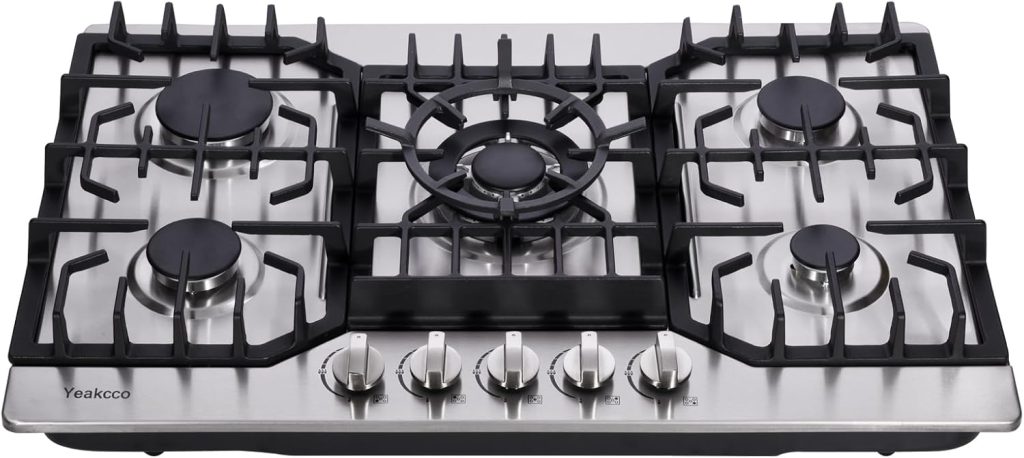
3. Frigidaire FGGC3047QS 30-inch Gas Cooktop
Overview:
Frigidaire targets the sweet spot between budget and premium with this well-appointed cooktop. The FGGC3047QS incorporates thoughtful design elements that address common cooking frustrations, wrapped in a professional-looking stainless steel package. It’s engineered for cooks who want restaurant-inspired aesthetics without commercial-grade pricing.
Key Features:
- Four sealed burners including one 17,000 BTU power burner
- Low-profile design for sleek, integrated appearance
- Continuous cast iron grates with porcelain finish
- Electronic spark ignition system
- Compatible with both natural gas and liquid propane (conversion kit sold separately)
- Industry-standard 30-inch cutout dimensions
Performance and User Experience:
The standout feature is undoubtedly the 17,000 BTU power burner. This high-output flame brings large quantities of water to boil dramatically faster than standard burners, making it invaluable for pasta cooking, corn boiling, or seafood preparation. Users report boiling a gallon of water in roughly half the time compared to typical 10,000 BTU burners.
The remaining burners provide good versatility, including a proper simmer burner that maintains low, steady heat without extinguishing—a common problem with cheaper models. This makes the cooktop genuinely useful for the full spectrum of cooking techniques, from gentle melting of chocolate to high-heat searing.
The low-profile design merits attention. By minimizing the distance between cooktop surface and countertop, Frigidaire creates a more integrated, custom-built appearance. This also slightly reduces the effort needed to stir pots or flip ingredients, though the difference is subtle rather than transformative.
Installation experiences vary considerably. The cooktop itself fits standard cutouts, but some users report the included mounting brackets as flimsy. Professional installers typically reinforce or replace these, adding to installation costs. The lack of an included LPG conversion kit also frustrates propane users, though aftermarket kits are readily available.
Cleaning presents a mixed picture. The sealed burners and removable grates facilitate basic maintenance, but the porcelain finish on the grates chips more easily than bare cast iron. Once chipped, these areas become harder to clean and can rust over time.
Pros:
✅ Powerful 17,000 BTU burner excels at high-heat cooking tasks
✅ Low-profile design creates sleek, integrated appearance
✅ Continuous grates enable easy cookware repositioning
✅ Electronic ignition provides reliable lighting
✅ Good range of BTU outputs for cooking versatility
✅ Stainless steel construction suits modern kitchen aesthetics
Cons:
❌ LPG conversion kit not included despite advertised compatibility
❌ Mounting brackets feel inadequate and may require reinforcement
❌ Porcelain coating on grates chips relatively easily
❌ Customer service responsiveness inconsistent according to reviews
❌ Slightly higher price than comparable models
Ideal For:
This cooktop works well for enthusiastic home cooks who need high-heat capability, households that frequently cook large batches, and those renovating kitchens who want professional styling without commercial appliance costs.
Final Verdict:
The Frigidaire FGGC3047QS delivers where it counts most—cooking performance. The powerful burner configuration handles demanding recipes confidently, while the low-profile design looks expensive. The mounting and coating durability issues represent real concerns, but most users find these manageable trade-offs for the price-to-performance ratio. If you need serious cooking power and can overlook some quality-control inconsistencies, this cooktop merits strong consideration.
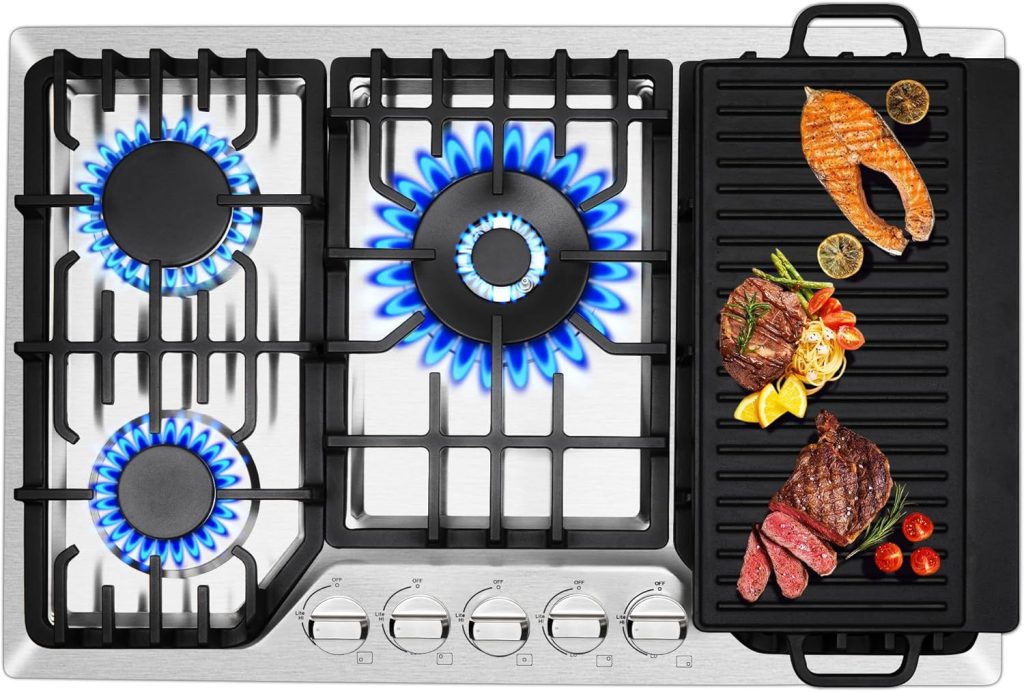
4. Bosch NGM5055UC 500 Series 30-inch Gas Cooktop
Overview:
Bosch brings German engineering precision to this refined gas cooktop. The NGM5055UC embodies European design philosophy: clean lines, intuitive controls, and thoughtful details that enhance daily use. It occupies the premium segment without reaching luxury-brand pricing, appealing to discerning buyers who appreciate quality construction.
Key Features:
- Five burners with outputs from 3,700 BTU to 18,000 BTU
- Center oval burner accommodates griddles and large cookware
- Continuous cast iron grates for stable, flexible cooking surface
- Dual electronic ignition system
- Stainless steel surface with integrated spill trays
- FlameSelect technology with nine precision flame settings
Performance and User Experience:
The Bosch cooktop’s signature feature is FlameSelect technology, which provides nine distinct flame settings per burner. Rather than guessing with infinite turn knobs, you feel tactile clicks at each level, enabling repeatable temperature control. This proves particularly valuable when executing recipes that specify precise heat levels or when you’ve discovered the perfect setting for your morning coffee.
The 18,000 BTU burner ranks among the most powerful in residential cooktops, generating restaurant-quality heat for searing steaks or achieving proper wok hei in stir-fries. Even more impressive is how the lowest setting maintains a true simmer without flickering or extinguishing—a balance difficult to achieve.
The center oval burner addresses a common limitation of standard circular burners. It distributes heat evenly under oblong cookware like fish poachers, griddles, or double burners, eliminating cold spots at the ends. This thoughtful addition expands your cooking capabilities without requiring additional equipment.
Build quality surpasses most competitors. The stainless steel feels substantively thicker, the knobs operate with satisfying precision, and the grates sit absolutely level without wobbling. These details don’t show in specifications but become apparent in daily use.
The integrated spill trays represent both strength and weakness. They catch boil-overs effectively, preventing messes from spreading across the entire cooktop. However, they’re somewhat difficult to remove for deep cleaning, and their shape allows liquid to pool in corners.
Installation requires more precision than budget models. The fit tolerances are tighter, which creates a cleaner installed appearance but demands more careful cutout preparation. Most professional installers appreciate these standards; DIY installers sometimes struggle.
Pros:
✅ Flame select technology enables precise, repeatable temperature control
✅ Exceptional BTU range handles everything from delicate to high-heat cooking
✅ Center oval burner accommodates specialized cookware effectively
✅ Superior build quality evident in materials and construction
✅ Continuous grates provide maximum cooking flexibility
✅ Dual ignition system enhances reliability
Cons:
❌ Premium pricing places it above many competitors
❌ Integrated spill trays difficult to remove for thorough cleaning
❌ Requires precise cutout dimensions for proper installation
❌ Knob placement may interfere with some backsplash configurations
Ideal For:
This cooktop suits serious home cooks who value precision control, those upgrading from builder-grade appliances seeking noticeable quality improvements, and buyers willing to invest in long-term durability and performance.
Final Verdict:
The Bosch NGM5055UC justifies its premium positioning through superior engineering and thoughtful design. The Flame select technology alone transforms how you interact with your cooktop, while the power range and build quality ensure this appliance will serve you well for many years. If your budget accommodates the higher price and you cook regularly, this investment pays dividends in cooking performance and user satisfaction.
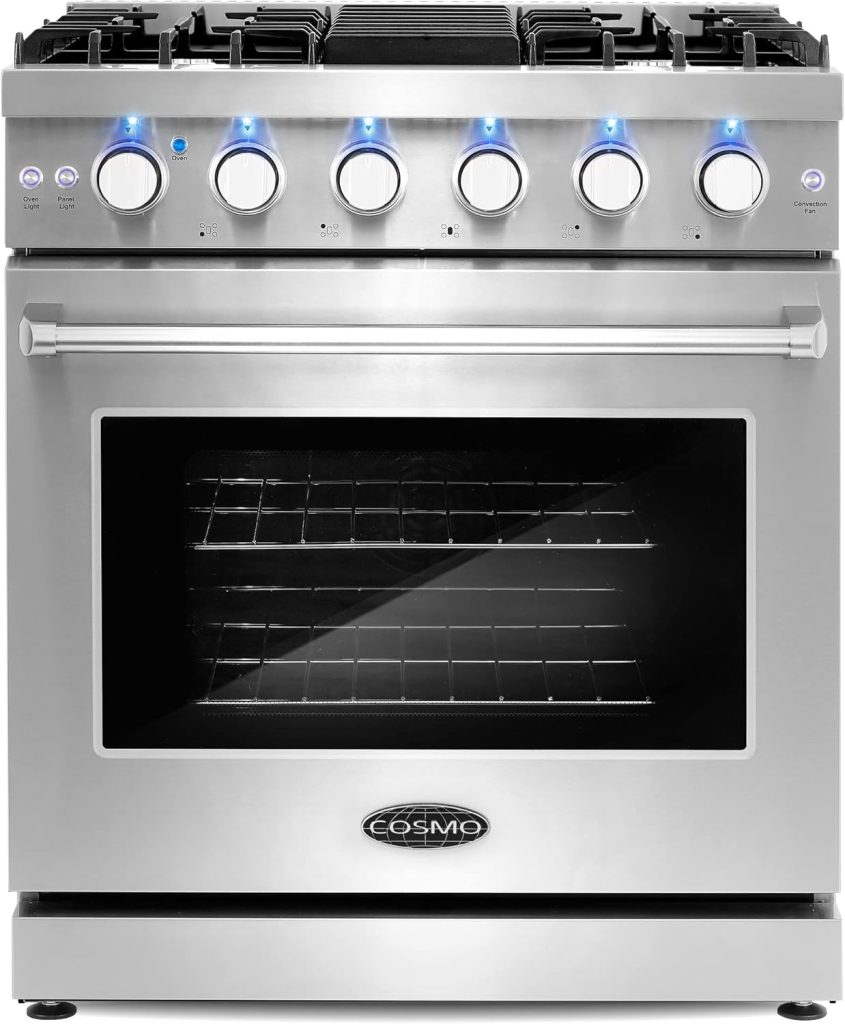
5. Cosmo COS-EPGR304 30-inch Pro-Style Gas Cooktop
Overview:
Cosmo has carved out a niche by offering professional-style features at accessible prices. The EPGR304 targets aspiring home chefs who want the aesthetic and some capabilities of commercial equipment without the associated costs. It’s an ambitious product that largely succeeds in its mission, though with some compromises.
Key Features:
- Four sealed burners with a 12,000 BTU maximum output
- Heavy-duty cast iron grates with matte finish
- Stainless steel surface with contemporary design
- Thermocouple safety system on all burners
- Re-ignition failure protection
- Natural gas operation with LPG conversion kit included
Performance and User Experience:
The Cosmo cooktop delivers solid, no-nonsense cooking performance. While the 12,000 BTU maximum falls short of true professional outputs, it provides adequate power for home cooking scenarios. The heat distribution across burners is commendably even, avoiding the ringed heating patterns that plague inferior models.
The cast iron grates feel substantial and stable, supporting heavy cookware without flexing. The matte finish resists showing stains and wear better than glossy alternatives, maintaining a cleaner appearance over time. However, these grates are heavy—excellent for stability, challenging for those with limited strength during cleaning.
Safety features exceed expectations for this price category. The thermocouple system cuts gas flow if flames extinguish, preventing dangerous gas accumulation. The re-ignition protection adds another layer, automatically attempting to relight burners that go out. These features are often reserved for premium models.
The stainless steel surface strikes a good balance between durability and aesthetics. It’s thicker than budget models, resisting denting and warping, but not so premium that it commands luxury pricing. Standard household cleaners maintain its appearance adequately, though abrasive scrubbing should be avoided.
Installation proves straightforward for professionals but presents challenges for DIY enthusiasts. The instruction manual could be more detailed, and the included hardware sometimes requires supplementation. The LPG conversion kit is included, but the conversion process isn’t as clearly documented as major brand alternatives.
Customer service represents the most significant weakness. While the product itself performs reliably, obtaining support for questions or warranty claims can be frustrating. Response times are slow, and replacement parts availability is inconsistent.
Pros:
✅ Professional styling at a fraction of luxury brand prices
✅ Comprehensive safety features including thermocouple protection
✅ Heavy-duty grates provide excellent stability
✅ LPG conversion kit included for propane installations
✅ Even heat distribution across all burners
✅ Solid construction quality for the price point
Cons:
❌ Customer service quality and responsiveness below major brands
❌ Installation instructions lack detail and clarity
❌ Heavy grates difficult for some users to handle during cleaning
❌ Replacement parts challenging to source
❌ Maximum BTU output lower than true professional models
Ideal For:
This cooktop suits budget-conscious buyers who want professional aesthetics, first-time gas cooktop owners seeking good value, and those prioritizing safety features in mid-range products.
Final Verdict:
The Cosmo COS-EPGR304 represents remarkable value if you’re willing to accept some trade-offs. The cooking performance and safety features exceed its price point, while the professional styling enhances kitchen aesthetics. The customer service concerns are real but affect relatively few buyers. If you’re confident in your installation abilities or using a professional installer, and don’t anticipate needing extensive manufacturer support, this cooktop delivers impressive bang for your buck.
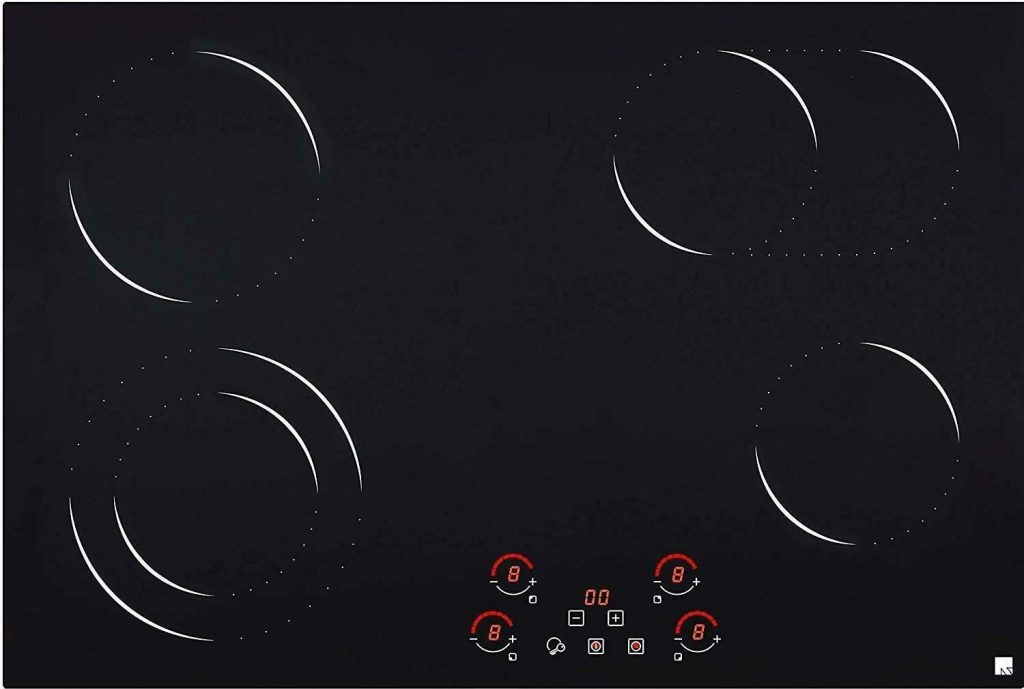
6. Ramblewood GC4-48P 30-inch Gas Cooktop
Overview:
Ramblewood has built a following by focusing exclusively on cooktops and doing them well. The GC4-48P represents their philosophy of delivering essential features reliably while eliminating unnecessary complexity. It’s engineered for practical homeowners who prioritize function over flash.
Key Features:
- Four sealed burners with 12,000 BTU maximum output
- Tempered glass surface in black finish
- Automatic electric ignition system
- Flame failure safety device
- ETL certified for safety standards
- Cast iron grates with enamel coating
Performance and User Experience:
The Ramblewood cooktop emphasizes dependability and ease of use. The four-burner configuration covers standard cooking needs competently without overwhelming the cooktop surface. The burners light consistently on the first try, and the flame pattern remains stable across different settings—basic expectations that some cheaper models fail to meet.
The tempered glass surface creates a surprisingly upscale appearance for a budget-friendly appliance. The black finish hides minor stains and water spots better than stainless steel, maintaining a cleaner look between thorough cleanings. This surface does require gentle care; abrasive cleaners or metal scrapers can cause permanent damage.
Heat adjustment feels smooth and predictable. The knobs turn easily without being loose, and flame response to adjustments is immediate. This responsiveness makes cooking more intuitive, particularly for those transitioning from electric cooktops who need to adapt to gas’s quicker temperature changes.
The included safety features provide peace of mind. The flame failure device cuts gas supply if burners extinguish unexpectedly—crucial protection that prevents gas accumulation and potential hazards. This safety mechanism works reliably according to user reports, though it occasionally causes false triggers on windy days if installed near open windows.
Installation simplicity is a major selling point. The cutout requirements align with industry standards, making replacement installations straightforward. The included template and clear instructions enable confident DIY installation for those comfortable with basic tools, though professional gas connection remains recommended for safety.
The primary limitation is power. While 12,000 BTU suffices for most home cooking, those who regularly prepare large meals or use high-heat techniques might find it constraining. There’s also no especially low simmer burner, so delicate tasks like melting chocolate require attention to prevent scorching.
Pros:
✅ Excellent value proposition for budget-conscious buyers
✅ Tempered glass surface provides upscale appearance
✅ Reliable ignition system works consistently
✅ Flame failure safety device enhances protection
✅ Straightforward installation with clear instructions
✅ ETL safety certification provides third-party validation
Cons:
❌ Limited maximum BTU compared to power-user models
❌ No dedicated ultra-low simmer burner
❌ Glass surface requires careful cleaning to avoid damage
❌ Enamel coating on grates can chip with rough handling
❌ Limited brand recognition compared to major manufacturers
Ideal For:
This cooktop works well for first-time homebuyers furnishing kitchens on a budget, apartment or condo owners seeking reliable basics, and anyone prioritizing value and safety over premium features.
Final Verdict:
The Ramblewood GC4-48P proves that budget-friendly doesn’t mean cheaply made. It executes fundamental cooking tasks reliably while incorporating important safety features often missing from bargain-basement alternatives. The glass surface adds aesthetic appeal that makes your kitchen look more expensive than the cooktop actually cost. If your cooking needs are straightforward and your budget is tight, this represents one of the smartest values on the market.
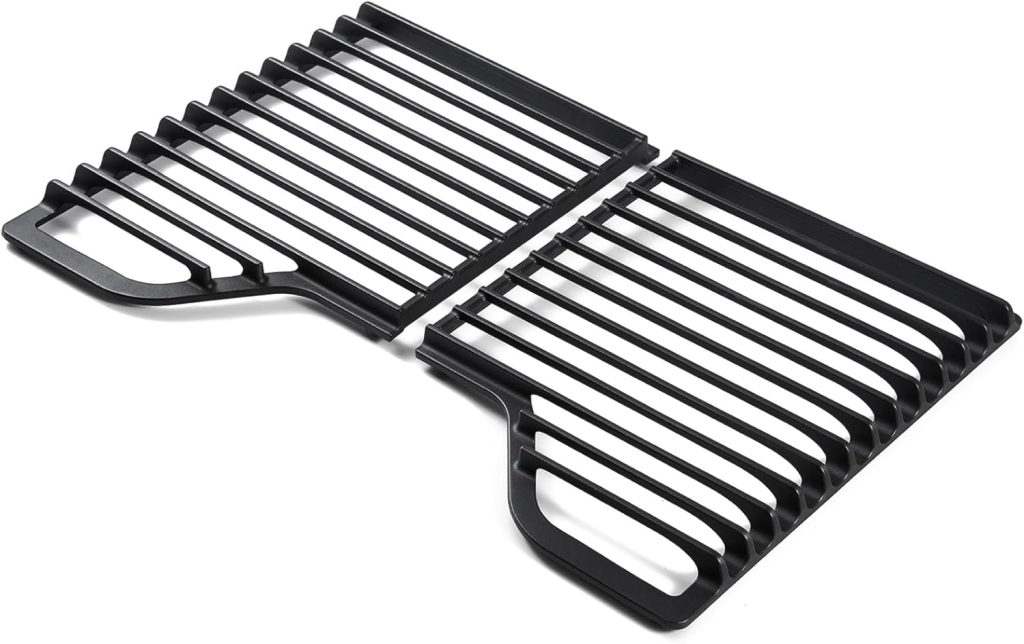
7. Whirlpool WCG55US0HS 30-inch Gas Cooktop
Overview:
Whirlpool’s contribution combines trusted American brand heritage with modern design sensibilities. The WCG55US0HS targets mainstream buyers seeking reliable performance from a name they recognize, backed by accessible customer service and parts availability. It’s the appliance equivalent of a comfortable daily driver—competent, predictable, and dependable.
Key Features:
- Five burners including a 15,000 BTU power burner
- SpillGuard upswept edge helps contain spills
- EZ-2-Lift cast iron grates with dishwasher-safe removability
- AccuSimmer burner for low-temperature cooking
- Electronic ignition with integrated spark module
- Stainless steel construction with fingerprint-resistant coating
Performance and User Experience:
The Whirlpool cooktop delivers the consistency you’d expect from a major appliance manufacturer. The five-burner layout provides excellent cooking flexibility, with the 15,000 BTU burner handling high-heat tasks admirably. This burner brings large pots to boil quickly and generates enough heat for proper searing, though it doesn’t quite match the intensity of 18,000+ BTU professional units.
The Accu Simmer burner deserves special recognition. This specialized burner maintains steady low heat that prevents delicate sauces from breaking or rice from scorching. Many users specifically cite this feature as their favorite, enabling cooking techniques that were previously frustrating or impossible on their old cooktops.
The Spill Guard up swept edge represents thoughtful design. This raised perimeter contains minor boil-overs and drips, preventing them from running onto your countertops or down into cabinets. It’s not foolproof—major spills still overflow—but it catches everyday cooking mishaps effectively.
The EZ-2-Lift grate system simplifies one of cooking’s most tedious chores: cleaning. The grates lift off easily and fit in most dishwashers, though hand washing often proves faster for light cleaning. The cast iron construction provides durability while the configuration allows stable placement of various cookware sizes.
The fingerprint-resistant coating on the stainless steel actually works reasonably well. You’ll still see some smudges, but not the constant fingerprint showcase common with standard stainless. A quick wipe with a microfiber cloth restores the clean appearance, making maintenance less demanding.
Some users note the knobs feel somewhat plasticky compared to premium models. They function perfectly well and haven’t shown durability issues, but the tactile experience doesn’t match the cooktop’s overall quality. This is aesthetic rather than functional criticism, but worth mentioning for those sensitive to such details.
Pros:
✅ Whirlpool brand recognition ensures widespread service availability
✅ Accu simmer burner excels at low-temperature cooking control
✅ Spill Guard design contains minor cooking accidents effectively
✅ Dishwasher-safe grates simplify cleaning routines
✅ Fingerprint-resistant coating reduces maintenance demands
✅ Five-burner configuration offers cooking flexibility
Cons:
❌ Knobs feel less premium than overall cooktop quality suggests
❌ 15,000 BTU maximum falls short of highest-output competitors
❌ Slightly higher price than comparable generic brands
❌ Fingerprint resistance good but not perfect
Ideal For:
This cooktop suits homeowners who value brand reliability and service access, cooks who frequently prepare delicate dishes requiring precise low heat, and buyers seeking a balance between features and price from a trusted manufacturer.
Final Verdict:
The Whirlpool WCG55US0HS represents solid mainstream appliance design—no revolutionary features, but comprehensive capabilities executed well. The Accu simmer burner and Spill guard edge address real cooking frustrations, while Whirlpool’s established service network provides security for the long term. It’s an especially smart choice for those who appreciate having a major brand standing behind their purchase, even if that means paying slightly more than off-brand alternatives.
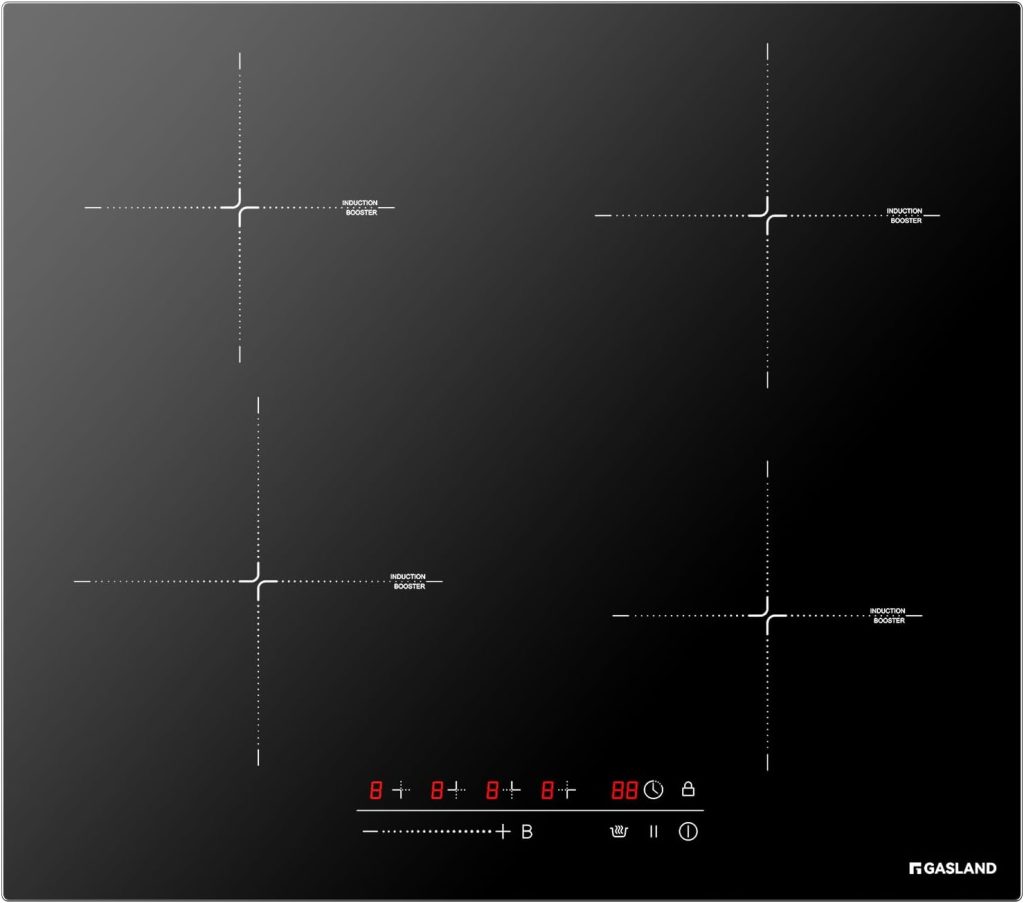
8. Gasland Chef GH60BF 24-inch Built-in Gas Stove Top
Overview:
While most of this guide focuses on 30-inch models, the Gasland Chef GH60BF addresses an important niche: compact spaces that need full cooking capability. This 24-inch cooktop proves that downsizing doesn’t require sacrificing performance, making it ideal for apartments, small kitchens, or supplementary cooking areas.
Key Features:
- Four burners despite compact 24-inch width
- Tempered glass surface in black finish
- 12,000 BTU maximum burner output
- Thermocouple flame failure protection
- Cast iron grates with enamel coating
- LPG conversion kit included
Performance and User Experience:
The impressive aspect of this Gasland cooktop is how much capability it packs into limited space. Four burners in 24 inches means less space between each, but the layout still accommodates standard cookware without excessive crowding. You can comfortably use three burners simultaneously; four becomes tight but manageable for smaller pots and pans.
The 12,000 BTU primary burner delivers heat output matching many full-size cooktops, proving that compact doesn’t mean compromised power. This burner handles everyday high-heat tasks—boiling pasta water, searing proteins, stir-frying vegetables—as effectively as larger units. The remaining burners provide adequate range for simmering and moderate-heat cooking.
The tempered glass surface contributes to space efficiency by creating a sleek, modern appearance that makes small kitchens feel less cramped. The smooth surface also simplifies cleaning, an important consideration in tight quarters where countertop space for removed grates is limited.
Installation in small spaces requires careful planning. The compact size is the point, but you’ll need to ensure adequate clearance on all sides per code requirements. The cutout dimensions are standard for 24-inch cooktops, facilitating replacement installations in existing openings.
The thermocouple safety system provides crucial protection, especially in smaller living spaces where gas accumulation poses greater risks. This feature automatically shuts off gas if flames extinguish, preventing dangerous buildup in confined areas.
The main limitation is obvious: cooking capacity. Large holiday meals or extensive meal prep sessions become challenging. If you regularly cook with large stockpots, roasting pans, or multiple full-size skillets simultaneously, this cooktop’s compact nature will feel restrictive.
Pros:
✅ Maximizes cooking capability in compact 24-inch footprint
✅ Full 12,000 BTU power matches many larger cooktops
✅ Tempered glass surface enhances small kitchen aesthetics
✅ Thermocouple safety crucial for smaller living spaces
✅ Significantly lower price than most 30-inch alternatives
✅ LPG conversion kit expands installation options
Cons:
❌ Limited cooking capacity for large meals or batch cooking
❌ Four burners become crowded when all in use
❌ Brand recognition and service network limited
❌ Glass surface shows water spots readily in hard water areas
Ideal For:
This cooktop suits apartment dwellers with space constraints, secondary kitchens in guest houses or basement apartments, RV or tiny home installations, and anyone prioritizing space efficiency without eliminating cooking capability.
Final Verdict:
The Gasland Chef GH60BF succeeds admirably at its specific mission: delivering real cooking performance in minimal space. If you’re working with limited kitchen dimensions or supplementing a primary cooking area, this cooktop provides genuine value. The safety features and power output exceed expectations for the compact category and budget price point. Just ensure your cooking patterns align with the space constraints before committing.
9. Deli-kit DK245-A01 24-inch LPG/NG Gas Cooktop
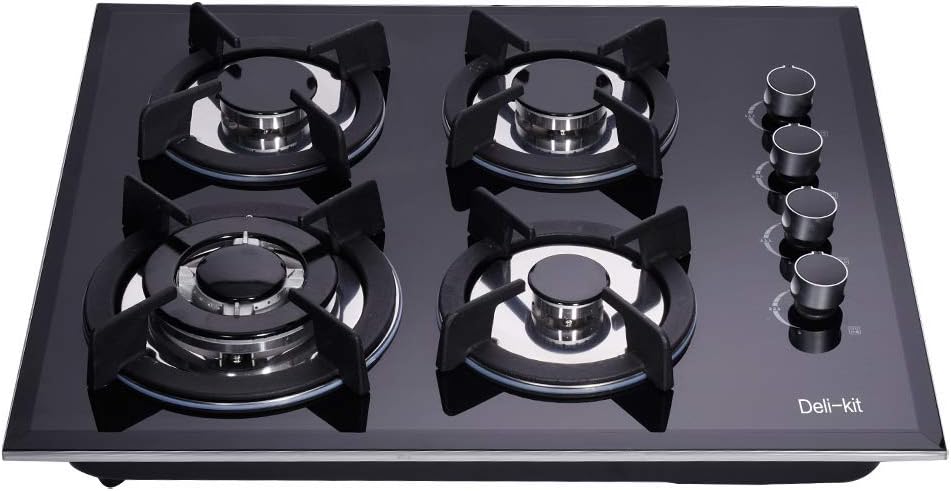
Overview:
Deli-kit focuses on practical functionality with straightforward design. The DK245-A01 represents their approach: essential features executed competently at competitive pricing. This cooktop won’t inspire poetry, but it will cook dinner reliably, which is ultimately what matters most to pragmatic buyers.
Key Features:
- Four sealed burners in 24-inch configuration
- Stainless steel surface with brushed finish
- 10,000 BTU maximum burner output
- Cast iron pan supports
- Dual fuel capability with included LPG jets
- Thermocouple flame failure protection
Performance and User Experience:
The Deli-kit cooktop prioritizes reliability over flash. The four burners provide adequate cooking capability for everyday meals, with the 10,000 BTU primary burner handling most tasks competently, if not spectacularly. This represents a step down from more powerful alternatives, but remains sufficient for standard home cooking.
The stainless steel construction feels solid without being premium. The brushed finish helps hide minor scratches and fingerprints better than polished alternatives, maintaining a cleaner appearance with less effort. This practical consideration matters more in daily use than showroom aesthetics.
The sealed burner design facilitates easier cleaning by preventing spills from reaching internal components. Combined with removable cast iron supports, routine maintenance becomes straightforward. The burner caps lift off easily for thorough cleaning when needed.
The dual fuel capability with included LPG jets adds flexibility without additional cost. The conversion process requires some mechanical aptitude but is well within DIY capability for those comfortable with basic tools. Clear instructions guide the process adequately.
Ignition reliability receives mixed reviews. While most users report consistent lighting, some note occasional failures requiring multiple attempts. This appears related to installation variables like gas pressure rather than inherent product defects, but it’s worth monitoring during the initial break-in period.
The compact 24-inch size suits smaller kitchens or secondary cooking areas well. However, the burner spacing is tight—using all four simultaneously requires careful cookware selection to avoid interference. Three burners work comfortably; four pushes capacity limits.
The thermocouple safety system functions as intended, shutting off gas flow if flames extinguish. This crucial safety feature operates reliably according to most user experiences, providing important protection against gas accumulation.
Pros:
✅ Budget-friendly pricing for dual-fuel compact cooktop
✅ Brushed stainless steel hides wear better than polished finishes
✅ Sealed burners simplify cleaning and maintenance
✅ LPG conversion jets included at no additional cost
✅ Adequate power for standard home cooking needs
✅ Thermocouple safety protection on all burners
Cons:
❌ 10,000 BTU maximum limits high-heat cooking capability
❌ Ignition system less reliable than premium competitors
❌ Tight burner spacing when using all four simultaneously
❌ Limited brand support and service network
❌ Cast iron supports lack enamel coating for easier cleaning
Ideal For:
This cooktop works for budget-conscious buyers prioritizing value, compact kitchen installations where space dictates the 24-inch format, and secondary cooking areas like guest houses or outdoor kitchens where premium features aren’t justified.
Final Verdict:
The Deli-kit DK245-A01 occupies the economy tier honestly. It delivers basic gas cooking capability without pretense or premium features. If your budget is tight and your cooking needs are straightforward, this cooktop performs adequately. The dual-fuel capability and safety features provide value beyond the low price. However, those who cook frequently or need reliable high-heat performance should consider investing more in a better-equipped model.
10. Empava 36-inch Gas Cooktop with 5 Italy Sabaf Burners
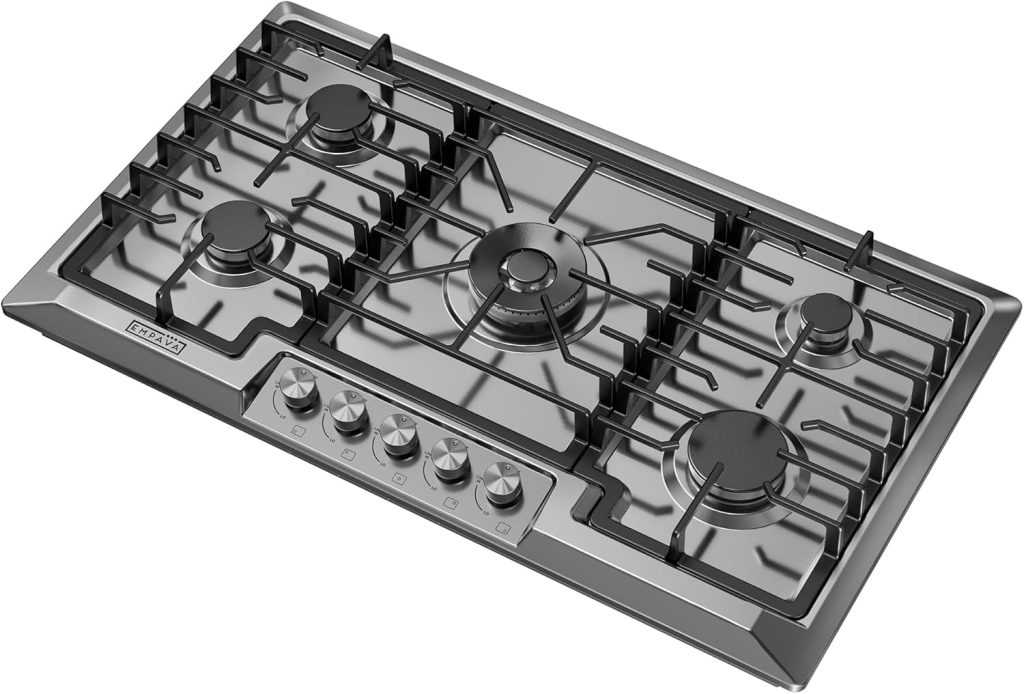
Overview:
Empava extends their successful formula to this wider 36-inch format, accommodating serious home cooks who need more burner capacity. While slightly outside the 30-inch focus, this model merits inclusion for those with flexibility in their cutout dimensions and appetite for enhanced cooking capability.
Key Features:
- Five Italy Sabaf burners with 3,300 to 12,000 BTU range
- Black tempered glass surface with premium appearance
- Heavy-duty cast iron grates with professional styling
- Thermocouple flame failure safety on all burners
- Battery-powered pulse ignition (no electrical hookup required)
- Dual-fuel capable with included LPG conversion kit
Performance and User Experience:
The additional six inches provide meaningful cooking capacity improvements. Five burners with generous spacing mean you can simultaneously prepare complex meals without constant cookware juggling. Large pots, griddles, and multiple skillets coexist comfortably, transforming meal preparation efficiency.
The Italy Sabaf burners deliver the same reliable, even heating that distinguishes Empava’s 30-inch model. The flame distribution across these professional-grade components eliminates frustrating hot spots while providing responsive heat adjustment. These burners represent genuine quality that justifies choosing this brand over competitors.
The tempered glass surface creates a stunning visual impact in 36-inch width. This cooktop becomes a kitchen focal point, especially when installed with upscale surroundings. The smooth surface also provides a continuous work area when burners aren’t in use—a subtle benefit appreciated during food prep.
The battery-powered ignition system eliminates electrical work during installation, simplifying the process considerably. This feature proves especially valuable in kitchen islands where running electrical connections becomes complicated. Fresh batteries provide months of reliable ignition.
The expanded width does introduce some considerations. You’ll need adequate countertop space and appropriate ventilation for the larger cooking area. The additional burners generate more heat and cooking emissions, potentially requiring upgraded range hood capacity. Building codes may mandate specific clearances that affect installation feasibility.
The cast iron grates maintain stability even with the expanded coverage area. Their weight provides substantial support for heavy cookware without flexing. However, this same weight makes grate removal and cleaning more physically demanding, particularly for those with strength limitations.
Pros:
✅ Expanded 36-inch width provides superior cooking capacity
✅ Italy Sabaf burners deliver professional-grade performance
✅ Stunning tempered glass surface makes visual statement
✅ Five-burner configuration handles complex meal preparation
✅ Battery ignition eliminates electrical installation requirements
✅ Generous burner spacing reduces cookware interference
Cons:
❌ Requires larger cutout than standard 30-inch installations
❌ Higher price reflects expanded size and capabilities
❌ May require upgraded ventilation for additional burners
❌ Heavy grates challenging for some users to handle
❌ Glass surface maintenance demands increase with larger area
Ideal For:
This cooktop suits serious home cooks who prepare elaborate meals regularly, larger households where multiple cooks work simultaneously, and kitchen designs where the 36-inch format fits without compromising adjacent workspace.
Final Verdict:
The Empava 36-inch represents a strategic upgrade for those who can accommodate the larger footprint. The cooking capacity improvements justify the additional cost and installation complexity for active cooks who regularly max out standard 30-inch cooktops. The Italy Sabaf burners and beautiful glass surface deliver quality that rivals much more expensive alternatives. If your kitchen layout permits and your cooking ambitions demand more capacity, this expanded format merits serious consideration despite falling slightly outside the 30-inch standard.
11. Summit GC527SS 30-inch Gas Cooktop
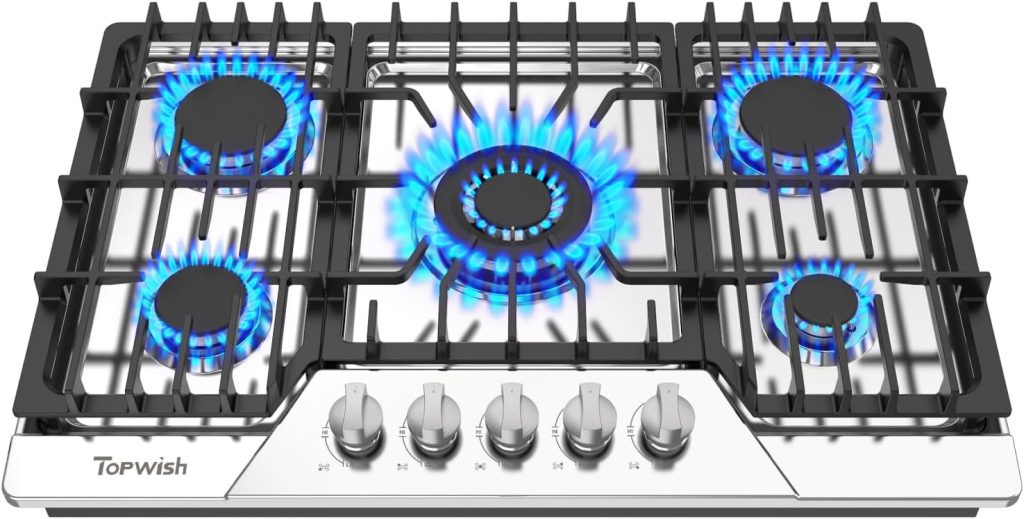
Overview:
Summit specializes in appliances for challenging installations and specific use cases. The GC527SS addresses scenarios where standard cooktops don’t fit: unique dimensions, replacement situations, or installations with specific ventilation constraints. It’s engineered for problem-solving rather than showcasing cutting-edge features.
Key Features:
- Four sealed burners with 9,100 BTU maximum output
- Stainless steel construction throughout
- Slim 2-inch height accommodates tight clearances
- Electronic ignition with battery backup
- Removable drip trays for simplified cleaning
- UL and NSF certified for safety and sanitation
Performance and User Experience:
The Summit cooktop’s defining characteristic is its exceptionally slim profile. At just 2 inches tall, it fits installations where standard cooktops physically cannot, such as certain countertop replacement scenarios or marine/RV applications. This specialization means accepting some performance trade-offs.
The 9,100 BTU maximum output qualifies as the lowest among reviewed cooktops. This limitation becomes apparent during high-heat cooking tasks—water takes noticeably longer to boil, searing generates less intense browning, and rapid temperature changes lag behind more powerful alternatives. For gentle cooking and moderate heat applications, performance proves adequate.
The sealed burner design with removable drip trays facilitates thorough cleaning. Spills stay contained and accessible, preventing the buildup that plagues traditional cooktop designs. This thoughtful engineering simplifies maintenance considerably, particularly valuable in installations where the cooktop gets heavy use.
The electronic ignition includes battery backup, ensuring operation during power outages—a crucial feature for remote installations, backup cooking areas, or regions with unreliable electrical service. This redundancy enhances reliability beyond single-mode ignition systems.
Build quality aligns with Summit’s reputation for durable specialized appliances. The stainless steel construction feels substantial, connections are well-engineered, and components show attention to longevity over flash. This cooktop is built to survive demanding environments.
The certification credentials (UL and NSF) provide assurance for installations requiring documented compliance, such as rental properties, commercial applications, or jurisdictions with strict building codes. These third-party validations simplify permitting and inspections.
The primary consideration is use case alignment. This cooktop excels in specific scenarios where its slim profile or certifications provide unique value. For standard residential installations without dimensional constraints, alternatives with higher heat output typically serve better.
Pros:
✅ Ultra-slim 2-inch profile fits unique installation challenges
✅ UL and NSF certifications simplify regulatory compliance
✅ Electronic ignition with battery backup ensures reliability
✅ Removable drip trays facilitate thorough cleaning
✅ Durable construction suited for demanding environments
✅ Sealed burners prevent internal contamination
Cons:
❌ 9,100 BTU maximum significantly limits high-heat cooking
❌ Higher price than standard residential cooktops with more power
❌ Limited aesthetic appeal compared to contemporary designs
❌ Smaller brand means limited service network availability
Ideal For:
This cooktop suits replacement installations with restrictive clearances, RV and marine applications, rental properties requiring specific certifications, and backup cooking areas where maximum power isn’t prioritized.
Final Verdict:
The Summit GC527SS serves a specific niche exceptionally well. If you face installation challenges that its slim profile solves, or need documented certifications for regulatory compliance, this cooktop provides valuable solutions. The durability and reliability justify the investment for challenging applications. However, for standard residential installations without special constraints, the limited heat output makes this a poor choice despite its quality construction. Match the tool to the task: where Summit’s specialization fits your needs, few alternatives compete; where it doesn’t, better options abound.
Comprehensive Buying Guide: How to Choose the Perfect Gas Cooktop!
Selecting the right gas cooktop involves balancing multiple factors that affect both immediate satisfaction and long-term value. This guide breaks down the critical considerations to ensure your purchase aligns with your cooking style, kitchen design, and budget.
Understanding BTU Output and Heat Distribution
British Thermal Units (BTUs) measure burner heat output, but higher numbers don’t automatically mean better cooking. A 15,000 BTU burner boils water faster than a 9,000 BTU alternative, but what matters more is having the right range of outputs for different cooking techniques.
An ideal configuration includes at least one high-output burner (15,000+ BTU) for rapid boiling and high-heat searing, one or two medium burners (9,000-12,000 BTU) for everyday cooking, and crucially, one low-output burner (5,000 BTU or less) for simmering delicate sauces without scorching. Many cheaper cooktops skimp on the low end, making gentle cooking frustratingly difficult.
Heat distribution quality matters as much as raw power. Premium burners create even flame patterns that heat cookware uniformly, eliminating hot spots that cause uneven cooking. Cheaper burners often produce ring-shaped flames that heat cookware edges while leaving centers cooler. This explains why two cooktops with identical BTU ratings can perform quite differently in real cooking.
Burner Configuration: Finding Your Ideal Layout
Standard 30-inch cooktops typically accommodate four or five burners. Four-burner models provide more space for each cooking zone, reducing interference between adjacent pots and pans. This layout suits cooks who use larger cookware or prefer less cramped cooking surfaces.
Five-burner configurations maximize cooking capacity, essential for those who frequently prepare elaborate meals or cook for large groups. The trade-off is tighter spacing that requires careful cookware selection to avoid interference. Center burners in five-burner layouts sometimes accommodate oval or griddle attachments, expanding cooking versatility.
Consider your typical cooking patterns honestly. If you rarely use more than two burners simultaneously, paying extra for a fifth burner provides minimal value. Conversely, if you regularly find yourself waiting for burner availability, the additional cooking zone justifies any spacing compromises.
Surface Material: Balancing Aesthetics and Practicality
Stainless steel remains the most common surface material, offering durability, heat resistance, and compatibility with most kitchen designs. Brushed finishes hide fingerprints and minor scratches better than polished alternatives, reducing visible maintenance demands. However, all stainless steel shows some wear over time and requires regular cleaning to maintain appearance.
Tempered glass surfaces create striking visual impact with smooth, contemporary aesthetics. Black glass particularly suits modern kitchen designs, while the non-porous surface resists staining effectively. The downsides include susceptibility to scratching from abrasive cleaners or metal scrapers, and tendency to show water spots in hard water areas. Despite manufacturer claims, glass surfaces do require more careful treatment than stainless steel.
Porcelain-coated surfaces appear primarily on budget models, offering basic functionality at the lowest cost. While adequate for light use, these surfaces chip relatively easily and stain more readily than alternatives. They suit temporary installations or rental properties better than long-term home use.
Grate Design and Material Considerations
Continuous cast iron grates enable sliding heavy cookware across the cooking surface without lifting, reducing strain and spill risk. This design particularly benefits those who cook with large stockpots or have physical limitations affecting lifting ability. The uninterrupted surface also provides flexible cookware positioning beyond fixed burner locations.
Individual grate sections cost less to manufacture and allow independent removal for cleaning. However, they create gaps where smaller pots may wobble, and prevent sliding cookware between burners. This design works adequately but lacks the convenience and stability of continuous alternatives.
Cast iron provides superior heat tolerance and longevity compared to lighter materials. Enamel or porcelain coatings on cast iron grates facilitate cleaning but chip over time, especially with rough handling. Uncoated cast iron resists chipping but may rust if not dried thoroughly after washing. Heavy-duty grates inspire confidence but challenge users with limited strength during cleaning.
Ignition Systems: Reliability and Convenience
Electronic ignition systems use electric spark to light burners, operating via household electrical connection or batteries. These systems generally prove more reliable than pilot lights, eliminate continuous gas consumption, and enhance safety by preventing unlit gas flow. Electronic systems with automatic re-ignition offer added protection by attempting to relight extinguished flames before gas accumulates.
Battery-powered ignition eliminates electrical installation requirements, simplifying installations in locations without convenient power access—particularly valuable for island cooktops. The trade-off is battery maintenance; forgotten battery replacement can leave you without ignition capability at inconvenient moments. Most battery systems provide months of use per battery set, making this a minor consideration.
Pilot light systems, now rare in residential cooktops, provide ignition independence from electricity but consume gas continuously and require periodic relighting. Modern safety standards and efficiency concerns have largely phased out this technology in favor of electronic alternatives.
Safety Features Worth Prioritizing
Flame failure devices (thermocouple systems) automatically shut off gas flow if burner flames extinguish unexpectedly. This crucial safety feature prevents dangerous gas accumulation that could cause explosions or carbon monoxide poisoning. Quality implementations work reliably without nuisance trips, while cheaper versions occasionally shut off unnecessarily in drafty conditions.
Automatic re-ignition systems detect extinguished flames and immediately attempt relighting before significant gas escapes. This feature enhances both safety and convenience, eliminating the frustration of manually relighting burners that blow out during cooking.
Child safety locks prevent burner activation by unauthorized users, particularly valuable in households with young children. While not universally included, this feature provides important protection for families. Some models also offer control lockout that prevents accidental setting changes during cleaning.
Installation Requirements and Professional vs. DIY
Gas cooktop installation involves both gas connections and potentially electrical work for ignition systems. Most jurisdictions require licensed professionals for gas line connections due to safety risks from improper installation. Attempting DIY gas work violates building codes in many areas and can void manufacturer warranties while creating dangerous leak potential.
Cutout preparation sometimes falls within DIY capability for those with woodworking skills and appropriate tools. Precise measurements and clean cuts are essential for proper fit and appearance. However, countertop materials like granite or quartz typically require professional cutting to avoid expensive damage.
Ventilation requirements vary by jurisdiction but generally mandate range hoods or other extraction systems that remove cooking emissions. Inadequate ventilation causes grease buildup, odor problems, and potential air quality issues. Verify local code requirements before installation to ensure compliance and avoid expensive corrections later.
Dual Fuel Capability and Conversion Considerations
Dual-fuel cooktops operate with either natural gas or liquid propane (LPG), providing installation flexibility for homes with different fuel supplies. Conversion typically involves replacing burner orifices with different-sized jets that accommodate varying gas pressures and combustion characteristics.
Some manufacturers include LPG conversion kits with purchase, while others sell them separately. The conversion process ranges from straightforward (for those with mechanical aptitude) to complex enough to warrant professional service. Factor conversion kit costs and installation into your budget if you don’t have natural gas service.
Pre-converted models eliminate conversion hassles but require knowing your fuel type at purchase. Ordering the wrong configuration necessitates either conversion (if kits are available) or potentially returning the unit—an expensive and time-consuming mistake.
Understanding Warranty Coverage and Support
Warranty terms vary dramatically between manufacturers. Premium brands often provide comprehensive coverage lasting several years, including both parts and labor. Budget brands may offer limited warranties with exclusions that minimize actual coverage.
Read warranty terms carefully before purchase, noting what’s covered, how long coverage lasts, and whether labor is included or only parts. Some warranties require professional installation for validity—another reason to use qualified installers even if DIY appears feasible.
Customer service quality and parts availability matter significantly for long-term satisfaction. Major brands maintain extensive service networks and stock parts for discontinued models for years. Smaller brands may struggle to provide timely support or replacement parts, potentially leaving you with an expensive paperweight if components fail.
Budget Considerations: Where to Invest and Where to Save
Entry-level cooktops ($200-$400) provide basic cooking capability with limited features. Expect adequate performance for simple cooking but fewer safety features, lower build quality, and less durable components. These suit temporary housing, rental properties, or very limited budgets but rarely satisfy long-term.
Mid-range options ($400-$800) offer the best value for most buyers. This category includes models with comprehensive safety features, decent build quality, adequate power ranges, and recognizable brand support. The sweet spot for homeowners seeking long-term satisfaction without luxury pricing sits here.
Premium cooktops ($800-$1,500+) deliver superior build quality, advanced features like precision flame control, higher maximum BTU outputs, and refined aesthetics. These investments make sense for serious home cooks, those prioritizing kitchen aesthetics, or buyers who cook frequently enough to appreciate the performance differences.
Luxury options exceeding $2,000 typically offer professional-grade components, exceptional build quality, and prestige branding. Unless you cook extensively or prioritize top-tier aesthetics, the performance improvements rarely justify the dramatic price premium over well-chosen mid-range alternatives.
Common Purchasing Mistakes to Avoid
Overlooking BTU range in favor of maximum output creates frustration when you can’t achieve gentle simmers without constant flame adjustment. Ensure cooktops include genuinely low-output burners for delicate cooking, not just high-power options.
Ignoring grate weight seems minor until you’re struggling to remove heavy cast iron sections for cleaning. Consider physical capability honestly, especially if strength limitations or arthritis affect your household.
Failing to verify exact cutout dimensions before purchase causes expensive problems. Measure your existing opening (or planned cutout) precisely and confirm compatibility with your chosen model’s specifications. A quarter-inch discrepancy can necessitate costly countertop modification.
Underestimating ventilation requirements leads to code violations, installation delays, and potential rejection during home sales inspections. Verify local ventilation mandates and ensure adequate range hood capacity for your cooktop’s total BTU output.
Skipping professional installation to save money often costs more long-term through improper connections, gas leaks, or voided warranties. The modest installation cost provides crucial safety assurance and manufacturer warranty protection.
Matching Cooktops to Cooking Styles
Casual cooks preparing simple meals several times weekly need reliable basics: adequate power range, easy cleaning, and solid safety features. Mid-range four-burner models from established brands satisfy these requirements without unnecessary complexity or cost.
Enthusiastic home cooks tackling complex recipes regularly benefit from five-burner configurations, higher maximum BTU outputs, and precision control features. The expanded capability and refined control enhance cooking experiences enough to justify premium pricing.
Professional-style cooks working with advanced techniques need maximum power, exceptional low-end control, and commercial-grade durability. Top-tier models with 18,000+ BTU burners, true simmer capability, and heavy-duty construction suit these demanding requirements.
Large household cooks frequently preparing meals for many people prioritize cooking capacity over other factors. Five-burner configurations with generous spacing and continuous grates facilitate the simultaneous multi-pot cooking these situations demand.
Environmental and Efficiency Considerations
Gas cooktops generally operate more efficiently than electric alternatives, delivering heat directly to cookware with minimal energy waste. However, they do produce combustion byproducts requiring adequate ventilation for indoor air quality.
Sealed burner designs improve efficiency by directing more heat to cookware rather than warming surrounding air. This design also prevents spills from reaching burner mechanisms, extending component life while simplifying cleaning.
Electronic ignition systems eliminate continuous pilot light gas consumption, reducing fuel use and operating costs modestly over time. While savings per unit are small, they accumulate over years of use.
Consider total lifecycle costs including installation, fuel consumption, maintenance, and expected lifespan when comparing options. The cheapest purchase price often conceals higher long-term costs through inefficiency, frequent repairs, or premature replacement.
Frequently Asked Questions!
Q1: What’s the actual difference between natural gas and propane (LPG) cooktops?
Natural gas and propane burn at different pressures and have distinct combustion characteristics, requiring different burner orifices (jets) to function properly. Natural gas operates at lower pressure and requires larger orifice openings, while propane’s higher pressure needs smaller openings to achieve proper flame characteristics.
Most cooktops can operate with either fuel using conversion kits that replace these orifices. The cooking performance remains essentially identical once properly converted—you won’t notice differences in heat output or control. The primary consideration is which fuel type your home supplies; converting between them afterward is straightforward but requires the appropriate kit and careful installation.
Some manufacturers include conversion kits with purchase, while others charge separately—sometimes $50-$100. Factor this cost into your budget if you need conversion capability. If you’re unsure which fuel type you have, check your other gas appliances (furnace, water heater) or consult your utility provider before ordering.
Q2: Do I really need a range hood, or can I get by without ventilation?
While some jurisdictions don’t legally mandate range hoods for gas cooktops, installing adequate ventilation is strongly recommended for several compelling reasons. Gas combustion produces carbon monoxide, nitrogen dioxide, and water vapor—emissions that degrade indoor air quality and create potential health concerns with prolonged exposure.
Proper ventilation also removes cooking odors, grease particles, and excess heat that otherwise distribute throughout your home. The accumulated grease from unvented cooking settles on cabinets, walls, and ceilings, causing difficult-to-remove buildup and potential fire hazards.
Most building codes require ventilation systems capable of removing a specific volume of air per minute based on the cooktop’s total BTU output. A typical 30-inch cooktop with 50,000-60,000 total BTUs generally needs a range hood rated for at least 400-600 CFM (cubic feet per minute) to provide adequate ventilation.
If you’re replacing an existing cooktop and already have ventilation, ensure the existing hood provides sufficient capacity for your new unit. Upgrading to a more powerful cooktop without corresponding ventilation improvements creates inadequate air exchange that defeats the upgrade’s purpose while introducing air quality concerns.
Q3: How difficult is it to clean and maintain a gas cooktop compared to electric or induction?
Gas cooktops require more cleaning effort than induction models but generally prove easier than traditional electric coil cooktops. The primary maintenance involves regularly cleaning burner components, grates, and the cooking surface itself.
Sealed burner designs simplify cleaning considerably by preventing spills from reaching internal mechanisms. When spills occur, they stay on the surface where you can wipe them away rather than baking onto heating elements or dripping into unreachable areas. Removable grates and burner caps allow thorough cleaning in sinks or dishwashers (if dishwasher-safe).
The actual cleaning frequency depends on your cooking habits and spill frequency. Light cooking might require only weekly attention, while heavy use with frequent splatters demands daily wiping. The surface material affects cleaning difficulty—smooth tempered glass cleans faster than textured stainless steel, though glass requires gentler cleaning products to avoid scratching.
Regular maintenance includes checking burner ports for food debris blockages that cause uneven flames. A straightforward pin or toothpick clearing usually resolves this issue. Occasionally checking ignition systems and cleaning igniter electrodes ensures reliable lighting without expensive service calls.
Compared to induction cooktops’ perfectly smooth surfaces that wipe clean in seconds, gas requires more effort. However, gas avoids induction’s susceptibility to scratching from sliding cookware and the need for specialized magnetic cookware.
Q4: What should I do if my cooktop’s flames are yellow or orange instead of blue?
Properly functioning gas burners produce predominantly blue flames with minimal yellow tipping. Yellow or orange flames indicate incomplete combustion, signaling potential problems requiring attention.
Common causes include blocked burner ports preventing adequate air mixture with gas. Food debris, grease buildup, or cleaning product residue can obstruct these small openings. Remove burner caps and use a thin wire, pin, or toothpick to clear any blockages from the ports. Clean thoroughly with mild detergent and ensure complete dryness before reassembling.
Incorrect gas type for the installed orifices also causes yellow flames. If you’ve recently converted between natural gas and propane, verify you installed the correct conversion kit components. Using natural gas orifices with propane (or vice versa) creates improper air-fuel mixtures producing yellow flames and potential carbon monoxide.
Poor ventilation or insufficient air supply to the burner can affect flame color. Ensure adequate airflow around the cooktop and verify that ventilation systems aren’t creating excessive negative pressure that starves burners of combustion air.
If clearing ports and verifying proper gas type doesn’t resolve yellow flames, contact a qualified technician. Persistent incomplete combustion produces carbon monoxide and indicates problems beyond simple DIY maintenance.
Q5: Can I install a gas cooktop in a kitchen island, and what special considerations apply?
Installing gas cooktops in kitchen islands is completely feasible and increasingly popular in open-concept kitchen designs. However, this installation presents unique challenges compared to wall-installation locations.
Gas supply lines must route to the island location, which may require running lines under floors or through crawlspaces depending on your home’s construction. This work typically costs more than wall installations where gas lines already exist nearby. Ensure qualified professionals perform this work to meet code requirements and safety standards.
Electrical connections for electronic ignition systems pose similar challenges in island installations. Battery-powered ignition models eliminate this concern, making them particularly attractive for island locations where running electrical circuits proves complicated.
Ventilation requirements become more complex with island cooktops. Traditional wall-mounted range hoods don’t work; you’ll need either a downdraft ventilation system integrated into the cooktop or countertop, or an island-mounted hood that descends from the ceiling. Both options cost significantly more than standard hoods and may affect kitchen aesthetics and clearances.
Building codes often mandate specific clearances around island cooktops to prevent accidental contact and fire hazards. Verify local requirements regarding distances to combustible materials, seating areas, and traffic patterns before finalizing your island cooktop plans.
Q6: How long should a quality gas cooktop last, and what factors affect lifespan?
Well-manufactured gas cooktops typically last 10-15 years with proper maintenance, though premium models sometimes exceed 20 years. This longevity varies considerably based on usage frequency, maintenance quality, and component durability.
Usage intensity significantly impacts lifespan. Cooktops used lightly for occasional meals naturally outlast those seeing heavy daily use preparing multiple meals. Professional-grade components tolerate frequent use better than budget alternatives, justifying higher initial costs for active cooks.
Regular maintenance extends lifespan considerably. Keeping burner ports clear, cleaning spills promptly, and protecting surfaces from damage prevents many common failure modes. Neglected cooktops accumulate problems that accelerate deterioration and component failure.
Component quality varies dramatically between price tiers. Premium cooktops use superior materials, better engineering, and more durable parts that withstand years of thermal cycling and cleaning. Budget models often feature components that fail within 5-7 years even with careful maintenance.
Sealed burner designs generally last longer than open burner alternatives by protecting internal components from spill damage. Stainless steel surfaces typically outlast porcelain-coated options that chip and wear more readily. Cast iron grates prove more durable than lightweight alternatives.
When cooktops do fail, problems often concentrate in ignition systems, control valves, or surface damage rather than burner components themselves. Many failures prove repairable if parts remain available, though labor costs sometimes approach replacement cooktop prices for older units.
Q7: What’s the real value of premium features like dual-flame burners or simmer plates?
Premium features like dual-flame burners justify their cost for specific cooking styles while providing minimal value for others. Understanding what these features actually do helps determine if they’re worth paying extra.
Dual-flame burners feature inner and outer flame rings that operate independently or together, providing exceptional range from extremely gentle simmers to maximum heat output. The inner ring alone creates genuinely low temperatures perfect for melting chocolate or making delicate sauces. Combined with the outer ring, you get maximum power for rapid boiling. This versatility proves valuable for cooks who regularly work across the full temperature spectrum.
Simmer plates are metal discs placed over burners to diffuse heat for ultra-gentle cooking. While effective, they’re inexpensive accessories purchasable separately for any cooktop. Paying premium prices for included simmer plates makes little sense when $15 aftermarket versions work identically.
Precision flame control with multiple distinct settings (like Bosch’s FlameSelect) enhances cooking repeatability by providing consistent, defined temperature levels. If you enjoy perfecting recipes and appreciate being able to return to exact temperature settings, this feature adds genuine value. Casual cooks who eyeball heat levels may never use this capability.
Griddle burners or oval center burners accommodate specialized cookware that standard circular burners heat unevenly. If you regularly use griddles, fish poachers, or similar elongated cookware, this feature transforms otherwise frustrating cooking tasks. Without that specific cookware, it provides no advantage over standard round burners.
Evaluate premium features against your actual cooking patterns. Features you’ll use regularly justify higher costs; features that sound appealing but won’t see use represent poor value regardless of how impressive they seem.
Q8: Should I worry about BTU ratings when comparing different models?
BTU ratings matter, but understanding what they actually mean prevents overemphasis on maximum numbers while ignoring more important factors. A burner’s BTU rating indicates heat output per hour—higher numbers generate more heat faster.
What matters more than maximum BTU is the range of outputs across all burners. The ideal cooktop offers high-output burners for rapid boiling and searing (15,000+ BTU), medium burners for everyday cooking (9,000-12,000 BTU), and crucially, low-output burners or true simmer capability (5,000 BTU or less) for gentle cooking. Many budget cooktops boast high maximum BTU while lacking adequate low-end control.
Total BTU across all burners affects ventilation requirements and heat generation in your kitchen. A cooktop with 60,000 total BTU produces more heat and cooking emissions than one with 40,000 BTU, potentially requiring more powerful ventilation and making your kitchen warmer during cooking. In hot climates or poorly ventilated kitchens, moderate total BTU might actually prove preferable.
Burner quality affects how effectively BTUs translate to actual cooking performance. A well-engineered 12,000 BTU burner with even flame distribution often outperforms a poorly designed 15,000 BTU burner that concentrates heat in rings and creates hot spots. This explains why premium cooktops sometimes feature lower BTU numbers than budget alternatives yet deliver superior cooking results.
Rather than fixating on maximum BTU, evaluate the complete burner configuration. Does it offer the range you need? Do reviews confirm even heating? Does the power distribution align with your cooking style? These questions matter more than impressive-sounding maximum numbers.
Q9: What’s the truth about those “Italy Sabaf burners” I keep seeing in product descriptions?
Sabaf S.p.A. is a respected Italian manufacturer specializing in gas burner components used by many appliance brands worldwide. Their burners appear in both premium European appliances and increasingly in mid-priced cooktops seeking quality associations.
Genuine Sabaf burners offer several advantages: superior flame distribution through precisely engineered port configurations, better materials that resist corrosion and thermal stress, and more consistent manufacturing tolerances that ensure even heating. These benefits are real, not just marketing.
However, “Italy Sabaf burners” claims require verification. Some manufacturers use authentic Sabaf components and prominently advertise this fact with proper branding and certifications. Others make vague references to “Italian burners” or “Sabaf-style” components that may not actually source from Sabaf. Legitimate Sabaf usage typically includes specific branding on burner components themselves.
The presence of Sabaf burners doesn’t automatically guarantee overall cooktop quality. A cooktop might feature excellent Sabaf burners while cutting costs on ignition systems, surface materials, or control valves. Evaluate the complete package rather than assuming Sabaf burners make everything else premium.
For budget-conscious buyers, cooktops with authentic Sabaf burners often deliver exceptional value by incorporating professional-grade heating components while economizing elsewhere. This strategy provides genuine cooking performance improvements where they matter most—heat delivery—while accepting compromises in less critical areas.
Verify Sabaf burner claims through reviews and product documentation. Authentic Sabaf components genuinely improve performance, but unsubstantiated claims might represent marketing rather than meaningful differentiation.
Q10: Is it worth paying more for a cooktop with better warranty coverage?
Warranty value depends on both coverage terms and manufacturer reliability. A comprehensive warranty from a manufacturer with excellent customer service and parts availability provides genuine value. The same coverage from a company with poor support proves worthless when you can’t get timely service.
Evaluate warranty terms carefully: what’s covered (parts only or including labor?), duration of coverage, and exclusions. Some warranties cover parts for years but exclude labor costs that often exceed parts prices. Others provide comprehensive coverage but only for the first year, reverting to parts-only afterward.
Professional installation requirements appear in many warranties. Manufacturers sometimes void coverage if non-certified technicians install cooktops, even if installation work meets all codes and standards. This protects manufacturers from improper installation claims but adds costs if you planned DIY installation.
Extended warranty purchases rarely justify costs for gas cooktops. These appliances feature relatively simple, durable components with low failure rates compared to complex electronics or appliances with moving parts. The statistical likelihood of failures exceeding warranty costs remains low, making extended coverage a poor value for most buyers.
Manufacturer reputation matters more than warranty length. Established brands with extensive service networks honor warranties reliably and stock parts for discontinued models for years. Smaller brands might offer impressive warranty terms but struggle to provide actual support when needed.
If choosing between similar cooktops where one offers notably better warranty coverage from a reputable manufacturer, that coverage provides genuine value. If the warranty advantage comes from an unknown brand or features problematic terms (parts-only, short duration, excessive exclusions), don’t let it drive your decision.
Final Verdict: Finding Your Perfect Match!
Selecting from these eleven gas cooktops depends entirely on aligning features with your specific needs, budget, and cooking style. There’s no universally “best” option—only the best choice for your unique situation.
For Budget-Conscious Buyers: The Ramblewood GC4-48P delivers remarkable value with essential features executed competently. If funds are tight but you refuse to compromise on safety features and decent performance, this represents the smartest entry point.
For Serious Home Cooks: The Bosch NGM5055UC justifies its premium positioning through superior engineering, FlameSelect precision control, and exceptional build quality. The investment pays daily dividends for those who cook frequently and appreciate refined performance.
For Best Overall Value: The Empava 30-inch with Italy Sabaf burners strikes an ideal balance between quality and affordability. Genuine European components deliver professional-grade performance at mid-range pricing, making this a smart choice for the majority of homeowners.
For Power Users: The Frigidaire FGGC3047QS provides that critical 17,000 BTU burner for serious high-heat cooking while maintaining competitive pricing. If maximum heat output ranks among your priorities, this delivers without luxury pricing.
For Compact Spaces: The Gasland Chef GH60BF (24-inch) proves that downsizing doesn’t require sacrificing capability. It’s the clear choice for apartment dwellers or supplementary cooking areas where space dictates dimensions.
For Brand Reliability: The GE JGP5030SLSS and Whirlpool WCG55US0HS represent safe choices backed by established manufacturers with extensive service networks. If long-term support access matters more than cutting-edge features, these dependable options won’t disappoint.
For Expanded Capacity: The Empava 36-inch provides meaningful cooking capability improvements for those who can accommodate the wider format. Active cooks who regularly max out standard 30-inch cooktops will appreciate the additional burner and workspace.
Remember that installation quality matters as much as cooktop selection. Even premium models underperform with improper installation, while budget options exceed expectations when installed correctly. Invest in qualified professional installation to ensure safety, optimize performance, and protect manufacturer warranties.
Consider your cooktop choice within the broader kitchen context. The perfect cooktop complements your ventilation, fits your countertop aesthetically, aligns with your skill level, and most importantly, makes daily cooking more enjoyable. Take time to evaluate options thoroughly—this decision affects your kitchen experience for the next decade or more.
Whatever you choose, prioritize safety features, verify compatibility with your home’s gas supply, and ensure adequate ventilation. These fundamentals matter more than any premium feature. With the information in this guide, you’re equipped to make a confident, informed decision that enhances your cooking experience for years to come.

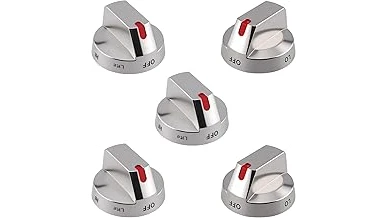

Leave a Reply