
Picking out new pots and pans might seem a little tricky when you’re just starting out. There are so many types and things to think about! But don’t worry, it’s not as hard as it looks.
We’ll make it simple. We’ll walk through the basics of what makes good cookware so you can feel confident. Let’s get your kitchen ready for delicious meals.
What Is Cookware
Cookware refers to the kitchen utensils used to cook food. This includes pots, pans, skillets, saucepans, woks, and baking dishes. The material, size, and design of cookware can greatly affect how food is cooked and how easily it’s prepared.
Choosing the right cookware can make cooking more enjoyable and lead to better results, whether you’re a beginner or a seasoned cook.
Types Of Cookware Materials
The material of your cookware is one of the most important factors to consider. Different materials have unique properties that affect heat distribution, durability, and ease of use. Understanding these differences will help you choose the best options for your cooking style and budget.
Stainless Steel Cookware
Stainless steel is a very popular choice for cookware. It’s known for being durable, non-reactive, and easy to clean. It doesn’t easily scratch or chip, making it a good long-term investment.
Many stainless steel pots and pans have a core made of aluminum or copper sandwiched between layers of steel. This core helps distribute heat more evenly, preventing hot spots.
Pros of Stainless Steel:
- Durable and long-lasting
- Non-reactive, so it won’t alter the taste of food
- Resistant to rust and staining
- Easy to clean
- Dishwasher safe (check manufacturer instructions)
Cons of Stainless Steel:
- Can sometimes stick if not preheated properly
- Heat distribution can vary based on the quality and construction
- Lighter colors might show discoloration over time
Cast Iron Cookware
Cast iron cookware is a classic choice, loved for its incredible heat retention and even heating once it’s warmed up. It’s very durable and can last for generations if cared for properly. Cast iron is excellent for searing meats and can be used on the stovetop, in the oven, and even over a campfire.
It’s important to season cast iron regularly to maintain its non-stick surface and prevent rust.
Pros of Cast Iron:
- Excellent heat retention
- Can be used on stovetop, in oven, and outdoors
- Naturally develops a non-stick surface with seasoning
- Very durable, can last a lifetime
- Adds a small amount of dietary iron to food
Cons of Cast Iron:
- Heavy
- Requires seasoning and specific cleaning to prevent rust
- Not good for acidic foods as it can react and affect flavor
- Not typically dishwasher safe
Nonstick Cookware
Nonstick cookware is a favorite for everyday cooking, especially for delicate foods like eggs and fish. The surface is coated with materials like PTFE (Teflon) or ceramic, which prevent food from sticking. This makes cooking and cleaning very easy.
However, nonstick coatings can be scratched or damaged, so it’s important to use the right utensils and avoid high heat.
Pros of Nonstick:
- Food releases easily, requires less oil for cooking
- Very easy to clean
- Great for delicate foods
- Often lightweight
Cons of Nonstick:
- Coatings can be scratched or damaged, reducing effectiveness
- Cannot use metal utensils
- May not last as long as other materials
- Some older nonstick coatings could release fumes at very high temperatures (modern ones are safer)
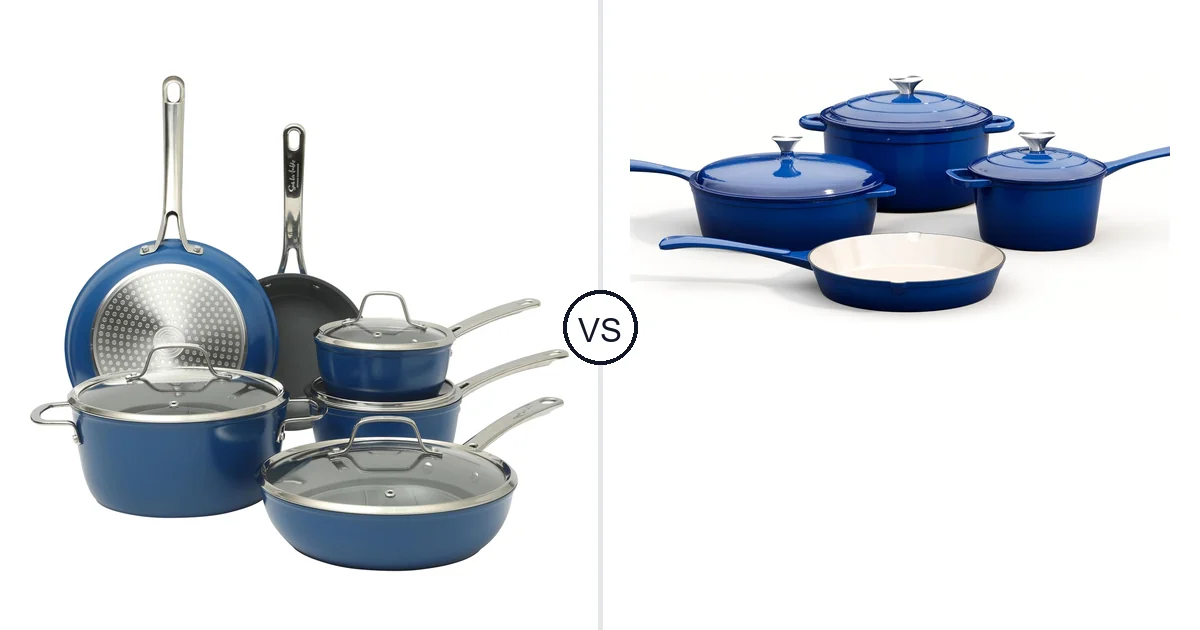
Enameled Cast Iron Cookware
Enameled cast iron combines the benefits of cast iron with a protective enamel coating. This coating makes it non-reactive to acidic foods, unlike traditional cast iron, and it doesn’t require seasoning. It’s also easier to clean and looks attractive in the kitchen.
It offers excellent heat retention and even cooking, making it ideal for stews, braises, and slow-cooked dishes.
Pros of Enameled Cast Iron:
- Excellent heat retention and distribution
- Non-reactive, can cook acidic foods
- Doesn’t require seasoning
- Easy to clean
- Attractive appearance
Cons of Enameled Cast Iron:
- Heavy
- Enamel coating can chip if dropped or exposed to extreme temperature changes
- Can be expensive
Copper Cookware
Copper cookware is known for its superior heat conductivity. This means it heats up quickly and evenly, and it responds very fast to changes in temperature. This control is highly valued by professional chefs.
Copper cookware often has a stainless steel or tin lining to prevent it from reacting with food. It’s beautiful to look at but also requires special care to maintain its shine.
Pros of Copper:
- Excellent heat control and responsiveness
- Even heating
- Beautiful appearance
Cons of Copper:
- Very expensive
- Requires regular polishing to maintain its shine
- Not suitable for all cooking methods
- Lining can wear out over time
Ceramic Cookware
Ceramic cookware is made from natural materials and is often considered a healthier alternative. It has a nonstick surface that’s created without the use of PTFE. It’s lightweight and heats up quickly.
However, the nonstick properties can diminish over time, and it may not be as durable as other materials.
Pros of Ceramic:
- Nonstick surface without chemicals
- Lightweight
- Heats up quickly
- Often environmentally friendly
Cons of Ceramic:
- Nonstick properties can fade
- Can be less durable than other materials
- May chip or scratch easily
Key Cookware Pieces Every Kitchen Needs
You don’t need a huge collection of pots and pans to cook well. A few key pieces will cover most of your needs. These are the workhorses of the kitchen, versatile enough for many different tasks.
Skillet or Frying Pan
A skillet, often called a frying pan, is essential for sautéing, frying, and searing. Look for one with sloped sides that make it easy to toss food or slide it onto a plate. A good size is usually between 10 and 12 inches in diameter.
It can be made of stainless steel, cast iron, or nonstick material.
Saucepan
A saucepan is perfect for making sauces, boiling water, cooking grains, and reheating. It has straight, tall sides and a long handle. A 2- or 3-quart size is very useful for everyday cooking.
It’s a good idea to have at least one. This is a piece that can often be found in stainless steel or nonstick.
Stockpot or Dutch Oven
A stockpot is a large, deep pot with straight sides and a lid, ideal for making soups, stocks, and boiling pasta. A Dutch oven is similar but often made of cast iron, sometimes enameled. It’s fantastic for braising, stews, and baking bread.
A 5- to 7-quart Dutch oven is a versatile choice for many families.
Sauté Pan
A sauté pan is similar to a skillet but has straight, high sides instead of sloped ones. This design is great for cooking larger amounts of food or liquids without splashing. It’s good for searing, browning, and cooking dishes that have sauces.
It’s a nice addition if you find yourself needing more capacity than a skillet provides.
Cookware Care And Maintenance
Taking care of your cookware will make it last longer and perform better. Always follow the manufacturer’s instructions for cleaning and maintenance. Proper care ensures your pots and pans remain effective and look good for years to come.
Cleaning Stainless Steel
Most stainless steel cookware is dishwasher safe. However, hand washing with warm, soapy water is often recommended to keep it looking its best. For stubborn stuck-on food, you can soak it in warm water or use a paste of baking soda and water.
Avoid using steel wool or harsh abrasives that can scratch the surface.
Caring for Cast Iron
Cast iron needs special care. After each use, clean it with hot water and a stiff brush or scraper. Avoid soap, as it can remove the seasoning.
Dry it immediately and thoroughly to prevent rust. Once dry, apply a thin layer of cooking oil to the inside and wipe off any excess. Heat it gently for a few minutes to help the oil bond with the metal.
Maintaining Nonstick Surfaces
To keep your nonstick cookware in good condition, always use non-metal utensils like wood, silicone, or plastic. Avoid using cooking sprays, as they can build up on the surface and reduce its effectiveness. Wash nonstick pans by hand with a soft sponge and mild dish soap.
Never use abrasive cleaners or steel wool.
Cleaning Enameled Cast Iron
Enameled cast iron is generally dishwasher safe, but hand washing is best to protect the enamel. Use warm, soapy water and a non-abrasive sponge. If food is stuck, soak the pot in warm water for a while.
Avoid metal utensils and harsh scrubbers that can damage the enamel. Extreme temperature changes can also cause it to chip, so let it cool down before washing.
Choosing Cookware Based On Your Stove Type
The type of stove you have can also influence your cookware choices. Some materials and designs work better with certain stovetops.
Electric Stovetops
Electric stovetops heat up slower but retain heat well. Stainless steel, cast iron, and nonstick cookware work well. Enameled cast iron is also a good option.
For flat electric or ceramic cooktops, ensure your cookware has a smooth, flat bottom to maximize contact and heat transfer.
Gas Stovetops
Gas stovetops offer quick heating and precise temperature control. Almost all types of cookware are compatible with gas stoves. Stainless steel, cast iron, and nonstick pans are all good choices.
The flame can sometimes heat the sides of pans, so cookware with a good heat distribution is still beneficial.
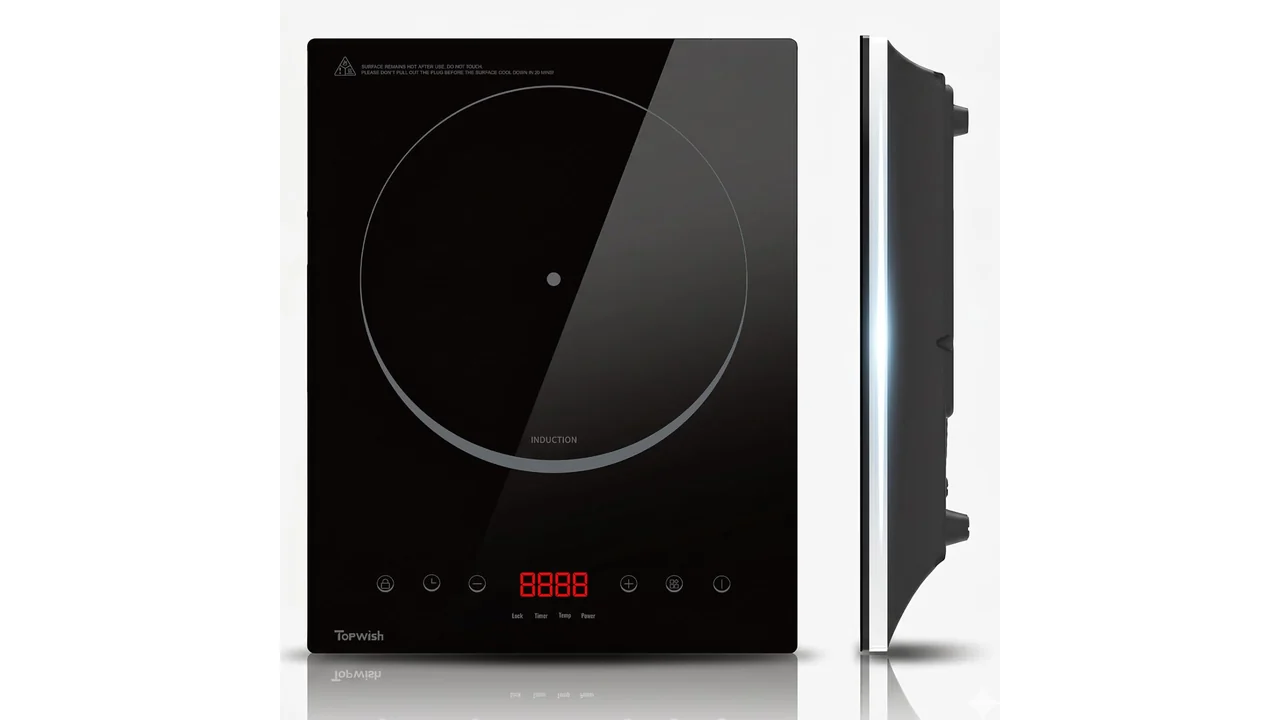
Induction Stovetops
Induction cooktops use magnetic fields to heat cookware. This means your cookware must be made of magnetic material. Cast iron and most stainless steel cookware are compatible.
Look for cookware that states it is induction-compatible. Aluminum, copper, and glass cookware will not work on induction stoves unless they have a magnetic base.
Frequently Asked Questions
Question: What is the most versatile type of cookware for beginners
Answer: A 10- or 12-inch nonstick skillet is very versatile for beginners because it’s easy to use and clean, and it’s great for many everyday tasks like frying eggs and sautéing vegetables.
Question: Is it better to buy cookware sets or individual pieces
Answer: For beginners, buying a few key individual pieces is often better. This lets you choose high-quality items that fit your cooking style and budget, rather than getting a set that might include pieces you won’t use.
Question: How do I know if my cookware is oven-safe
Answer: Check the manufacturer’s label or the product description. Most stainless steel, cast iron, and enameled cast iron cookware are oven-safe, but nonstick pans often have lower temperature limits or are not oven-safe at all.
Question: Should I worry about the weight of cookware
Answer: Weight is a personal preference. Heavy cookware like cast iron retains heat well but can be hard to lift. Lighter options like nonstick are easier to handle but may not offer the same heat retention.
Consider what feels comfortable for you.
Question: How often should I replace my cookware
Answer: High-quality cookware, like stainless steel or cast iron, can last for many years or even a lifetime with proper care. Nonstick pans typically need replacing every few years as the coating wears down.
Final Thoughts
Selecting the right cookware makes cooking a joy. Focus on good materials like stainless steel or cast iron for durability. Nonstick is perfect for easy cooking and cleanup.
Start with a few key pieces like a skillet and saucepan. Proper care keeps your cookware performing well. You’ll soon be creating delicious meals with confidence.

Leave a Reply