
Struggling to find the right pots and pans? You’re not alone. Many home cooks feel overwhelmed by the sheer variety of materials and brands.
Picking the wrong cookware can lead to burnt food, uneven cooking, and frustration. This guide will simplify your choices. You will learn to select the best cookware for your kitchen.
This will improve your cooking experience and results, saving you time and money.
The Ultimate Cookware Guide Explained
Choosing the right cookware can transform your kitchen experience. This section lays the groundwork for understanding what makes pots and pans effective. We will look at the core elements that define good cookware.
This includes materials, construction, and design features. Understanding these basics helps you make informed decisions. It ensures your cookware performs well and lasts for years.
Understanding Cookware Materials
The material of your cookware is its most important feature. Different metals and surfaces heat differently. They also react to foods in distinct ways.
Your choice of material affects cooking performance, durability, and maintenance.
Stainless Steel
Stainless steel is a popular choice for its durability and non-reactive surface. It’s resistant to rust, scratching, and staining. This makes it ideal for cooking acidic foods like tomatoes or lemon juice.
- Heat Distribution: Pure stainless steel alone can have hot spots. Many good stainless steel pans have a core of aluminum or copper sandwiched between layers of steel. This improves heat conductivity for more even cooking.
- Maintenance: It’s generally dishwasher safe, making cleanup easy. Avoid abrasive cleaners that can scratch the surface.
- Versatility: Stainless steel cookware is suitable for most stovetops, including induction. It can also go into the oven for finishing dishes.
Cast Iron
Cast iron cookware is known for its excellent heat retention. Once heated, it stays hot, providing consistent cooking temperatures. It develops a natural non-stick surface over time with proper seasoning.
- Seasoning: Cast iron requires seasoning. This involves coating the pan with oil and baking it. This process creates a protective, non-stick layer that improves with use. Re-seasoning might be needed if the coating wears off.
- Heat Retention: Its weight and density allow for exceptionally even heating and sustained warmth. This is great for searing meats and slow cooking.
- Care: Cast iron should be hand-washed and dried immediately to prevent rust. Never soak it.
Non-stick Cookware
Non-stick pans have a special coating that prevents food from sticking. This is perfect for delicate foods like eggs and fish. It also means less oil or butter is needed for cooking.
- Coating Types: Common coatings include PTFE (like Teflon) and ceramic. Ceramic coatings are often marketed as more eco-friendly.
- Durability: Non-stick coatings can degrade over time, especially with high heat or metal utensils. Most non-stick pans are not oven-safe at high temperatures.
- Cleaning: They are easy to clean by hand with a soft sponge. High heat and harsh scrubbing can damage the coating.
Copper Cookware
Copper is prized for its superior heat conductivity. It reacts quickly to temperature changes, offering precise control. This makes it a favorite among professional chefs.
- Performance: Copper heats very evenly and responds instantly to heat adjustments. This allows for delicate sauce making and perfect searing.
- Lining: Pure copper can react with food. Therefore, most copper cookware is lined with stainless steel or tin. This lining protects the food and simplifies cleaning.
- Cost and Care: Copper cookware is often expensive. It requires careful cleaning to maintain its shine. Polishing may be necessary.
Aluminum Cookware
Aluminum is lightweight and a good heat conductor. It’s often used as a core in other cookware types for better heat distribution.
- Anodized Aluminum: Anodized aluminum is treated to be harder and more durable. It’s less reactive than plain aluminum.
- Cost: Aluminum cookware is typically affordable. It’s a good budget-friendly option for basic cooking needs.
- Reactivity: Uncoated aluminum can react with acidic foods, potentially imparting a metallic taste.
Choosing the Right Cookware Set
Buying a full set can be cost-effective. It ensures a cohesive look and functional range of pots and pans for your kitchen. Consider what you cook most often when selecting a set.
Essential Pieces for Every Kitchen
A good starter set should cover most cooking tasks. Here are key pieces that form the basis of a versatile collection.
- Saucepan: A small (1.5-2 quart) and a medium (3-4 quart) saucepan are essential. They are used for sauces, boiling water, and cooking grains.
- Sauté Pan: A 10 or 12-inch sauté pan with straight sides is useful for sautéing vegetables, searing small cuts of meat, and making pan sauces.
- Stockpot: A large (8-12 quart) stockpot is needed for soups, stews, stocks, and boiling pasta.
- Skillet/Fry Pan: A 10 or 12-inch skillet is a workhorse for frying, searing, and sautéing.
Comparing Cookware Set Options
Different sets offer varying materials and piece counts. Here’s a quick comparison to help you decide.
| Set Type | Pros | Cons | Best For |
|---|---|---|---|
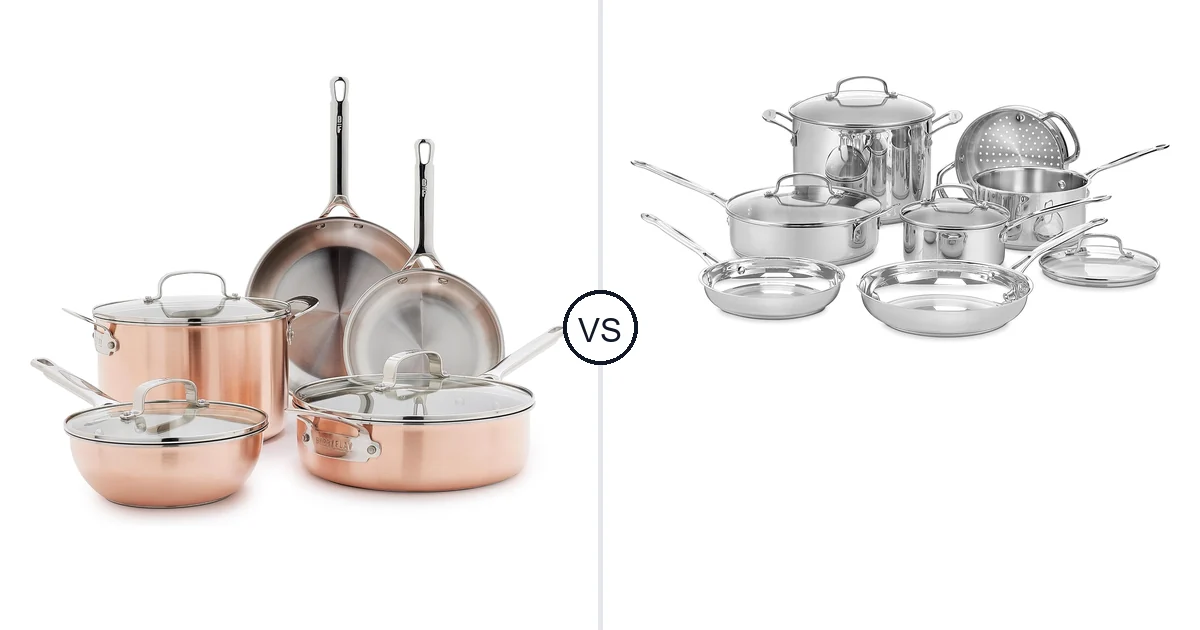
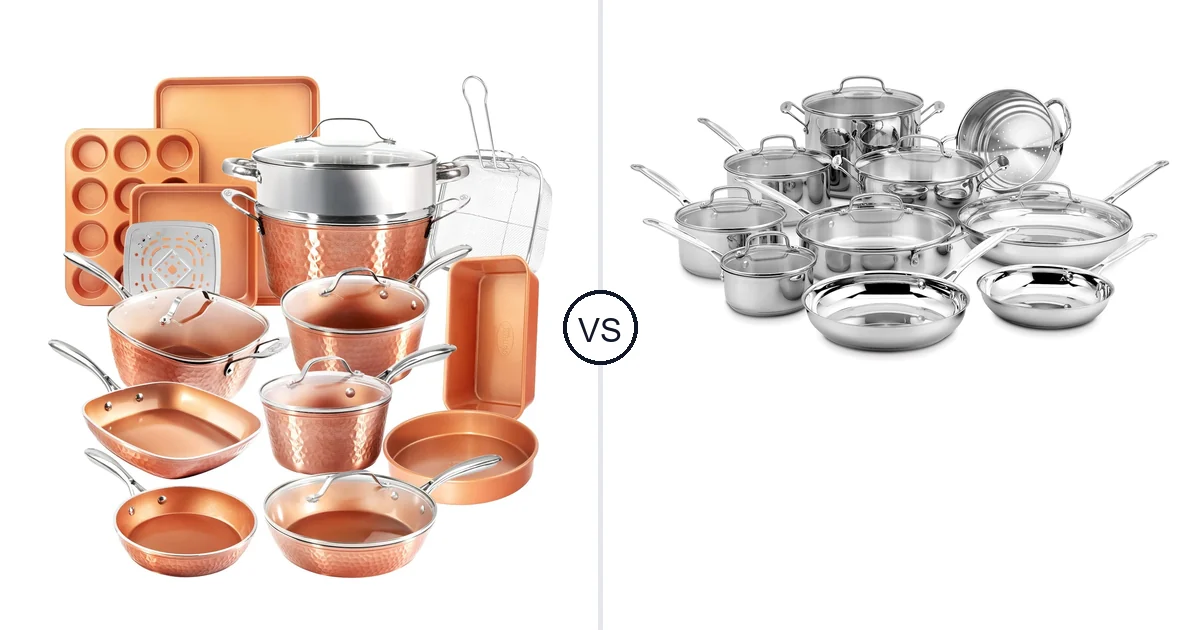
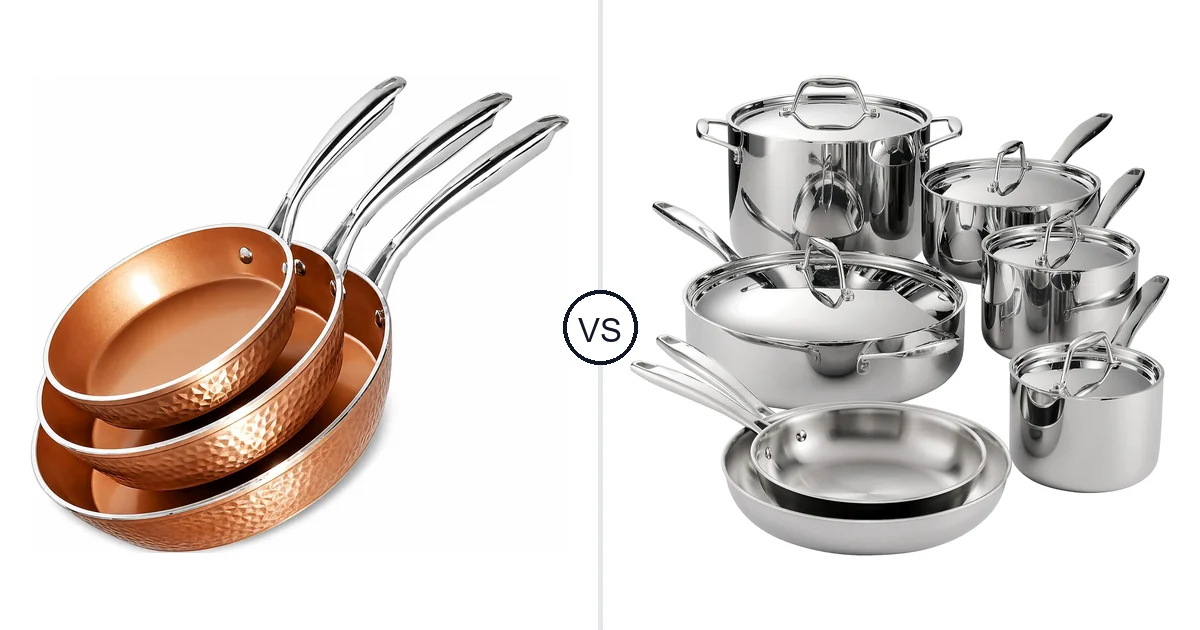
| Stainless Steel Set | Durable, non-reactive, oven-safe, easy to clean | Can stick if not used properly, may have hot spots without good construction | Everyday cooking, searing, boiling |
| Non-stick Set | Excellent for delicate foods, easy release, requires less oil | Coatings can wear out, not always oven-safe, avoid metal utensils | Eggs, fish, pancakes |
| Cast Iron Set | Superior heat retention, develops non-stick surface, very durable | Heavy, requires seasoning and specific care, not ideal for acidic foods | Searing, slow cooking, baking |
| Mixed Material Set | Combines benefits of different materials (e.g., stainless steel with copper core) | Can be more expensive, varying care instructions | Versatile cooking needs, enthusiasts |
Specialty Cookware Types
Beyond the basics, certain pots and pans are designed for specific cooking tasks. These can elevate your culinary skills and expand your recipe repertoire.
Dutch Oven
A Dutch oven is a heavy, lidded pot, typically made of enameled cast iron. It’s ideal for braising, stewing, and baking bread. Its thick walls and tight-fitting lid distribute heat evenly and trap moisture.
- Braising: The slow, moist heat is perfect for tenderizing tough cuts of meat.
- Baking: Many bakers use it to create a steamy environment in the oven, which is essential for achieving a perfect bread crust.
- Versatility: It can go from stovetop to oven, making it incredibly adaptable.
Wok
A wok is a deep, bowl-shaped pan used primarily in Asian cooking. It’s designed for stir-frying, but can also be used for steaming, deep-frying, and smoking. Its shape allows for quick cooking and easy tossing of ingredients.
- Stir-frying: The wide surface area and deep sides allow ingredients to cook quickly and evenly.
- Versatility: Can be used for steaming with a lid, deep frying small batches, and even smoking foods.
- Material: Often made from carbon steel, which heats up quickly and develops a natural non-stick patina with use.
Grill Pan
A grill pan is a skillet with raised ridges that mimic a barbecue grill. It allows you to achieve grill marks indoors. It also elevates food, allowing fat to drain away.
- Grill Marks: The ridges create attractive sear marks on meats, fish, and vegetables.
- Fat Drainage: Food cooks out of its own rendered fat, leading to lighter meals.
- Material: Usually made of cast iron or heavy-duty aluminum for good heat distribution.
Maintaining Your Cookware for Longevity
Proper care ensures your cookware performs optimally and lasts a long time. Understanding specific cleaning and storage needs for each material is key. This section offers practical tips to keep your pots and pans in top condition.
General Cleaning Practices
Always check the manufacturer’s instructions for specific care. However, some general rules apply to most cookware.
- Cool Down: Let pans cool slightly before washing. Extreme temperature changes can warp metal.
- Gentle Scrubbing: Use non-abrasive sponges or cloths. Avoid steel wool or harsh scrubbing pads, especially on non-stick and coated surfaces.
- Dishwasher vs. Hand Washing: Many stainless steel and some enameled cast iron pieces are dishwasher safe. However, hand washing often prolongs the life of any cookware. Non-stick surfaces almost always benefit from hand washing.
Specific Material Care Tips
Each material has unique needs. Following these will prevent damage and maintain performance.
- Stainless Steel: For stubborn burnt-on food, soak in hot water with dish soap. A paste of baking soda and water can also help remove tough stains. Bar Keepers Friend is excellent for restoring shine.
- Cast Iron: After washing and drying thoroughly, apply a very thin layer of cooking oil. Wipe away any excess. Store in a dry place.
- Non-stick: Use silicone, wood, or plastic utensils to avoid scratching the coating. Never use metal utensils. Avoid cooking sprays, as they can build up and damage the non-stick surface.
- Copper: Use a soft cloth and mild detergent. For polishing, special copper cleaners can restore shine. Avoid abrasive cleaners.
Proper Storage Techniques
How you store your cookware matters. Improper storage can lead to scratches and dents.
- Avoid Stacking Directly: If stacking pans, place a soft cloth, paper towel, or pan protector between them. This prevents scratches.
- Hang or Use Shelves: Hanging pots and pans on a rack frees up cabinet space and protects them from damage. Alternatively, use sturdy shelves that allow you to place them without crowding.
- Lids: Store lids separately or use lid racks. Some handles can be delicate.
Benefits of a Quality Cookware Collection
Investing in good cookware goes beyond just having pots and pans. It impacts your cooking results, kitchen efficiency, and overall enjoyment of preparing meals. This section explores the tangible advantages of a well-chosen set.
Improved Cooking Performance
The primary benefit of quality cookware is how it enhances your cooking. Even heat distribution prevents burning and ensures food cooks uniformly. This leads to better texture and flavor.
- Even Heating: Pans with solid, conductive cores (like aluminum or copper sandwiched in stainless steel) eliminate hot spots. This means your food sears evenly and boils without pockets of extreme heat or cold.
- Temperature Control: Responsive materials allow you to adjust heat quickly. This is crucial for delicate dishes like sauces or custards that can easily curdle or burn if the temperature fluctuates too much.
- Better Browning and Searing: High-quality pans, especially cast iron or heavy stainless steel, can reach and maintain higher temperatures. This is essential for achieving a perfect crust on meats and vegetables.
Durability and Longevity
Well-made cookware is an investment that pays off over time. It resists warping, scratching, and degradation, meaning you won’t need to replace it frequently.
- Resilience: Materials like stainless steel and cast iron are incredibly tough. They can withstand daily use, high temperatures, and even minor impacts without losing their integrity.
- Non-stick Coating Longevity: For non-stick pans, quality construction means the coating is more likely to adhere well and resist chipping or peeling for longer periods. This provides reliable performance for many meals.
- Investment Value: While good cookware can be more expensive upfront, its lifespan means it’s more cost-effective in the long run compared to frequently buying cheaper alternatives.
Enhanced Kitchen Efficiency
Cookware that heats quickly and cleans easily saves you time and effort. This makes the entire cooking process more enjoyable and less of a chore.
- Faster Heating: Highly conductive materials like copper and aluminum heat up faster. This means you spend less time waiting for your pan to be ready.
- Easier Cleanup: Non-stick surfaces and smooth stainless steel wipe clean with minimal effort. This reduces the time spent on washing dishes after cooking.
- Versatile Pieces: A few key, versatile pieces can do the job of many specialty items. This simplifies your kitchen storage and reduces the need for specialized tools for every task.
Healthier Cooking Options
Certain cookware materials and designs promote healthier cooking habits. This includes reducing the need for added fats and ensuring no harmful substances leach into your food.
- Reduced Oil Usage: High-quality non-stick surfaces allow you to cook with little to no added oil or butter. This is a significant benefit for those watching their fat intake.
- Non-Reactive Materials: Stainless steel and enameled cast iron are non-reactive. They do not leach metallic tastes or potentially harmful substances into your food, even with acidic ingredients.
- Fat Drainage: Pans like grill pans or those with raised edges allow excess fat to drain away from your food during cooking, resulting in lighter meals.
Tips for Buying Your Ultimate Cookware
Selecting the right cookware is a personal decision. It depends on your cooking style, budget, and kitchen space. This section provides practical advice to guide your purchasing decisions and ensure you get the best value.
Consider Your Cooking Habits
Think about what you prepare most often. This will help determine which types and sizes of cookware you need.
- Frequent Searing/Frying: If you love searing steaks or frying eggs, a good quality skillet (cast iron or heavy-duty stainless steel) is essential. A reliable non-stick pan is also great for eggs.
- Soups and Stews: For those who enjoy making large batches of soups, stews, or pasta, a substantial stockpot is a must-have. An enameled cast iron Dutch oven is ideal for slow-cooked, flavorful dishes.
- Sauces and Delicate Dishes: If you frequently make delicate sauces or cook fish, a saucepan with precise temperature control and a good non-stick sauté pan will be invaluable. Copper-lined or heavy-bottomed stainless steel are excellent choices here.
Set vs. Individual Pieces
Deciding whether to buy a set or individual pieces is a common dilemma. Each has its advantages.
- Cookware Sets: Often offer a cost savings compared to buying pieces individually. They provide a cohesive collection of essential items. However, you might end up with pieces you don’t need.
- Individual Pieces: Allows you to customize your collection based on your exact needs. You can choose the best material and brand for each specific item. This often results in a more curated and functional set over time.
Budgeting for Cookware
Cookware prices vary widely. Setting a budget and understanding where to spend your money can prevent overspending and ensure you get good value.
- Where to Invest: Invest more in staple items you use daily, like a good skillet or sauté pan. These pieces see the most use and benefit most from high-quality construction.
- Saving Money: For less frequently used items or specialized pans, you might opt for more budget-friendly options. Look for sales or consider less premium brands.
- Long-Term Value: Remember that higher-quality cookware, while more expensive upfront, often lasts much longer, making it more economical in the long run. Avoid extremely cheap sets that may warp or lose their non-stick properties quickly.
Sample Scenario 1: The Beginner Cook
Sarah is new to cooking and wants to build a basic kitchen. She enjoys simple weeknight meals like pasta with sauce, pan-fried chicken, and scrambled eggs.
- She starts with a 10-inch non-stick skillet for eggs and quick sautéing.
- Next, she adds a 3-quart non-stick saucepan for sauces and boiling small amounts of water.
- A 6-quart stockpot covers her pasta and soup needs.
- She may add a 12-inch stainless steel skillet later for searing chicken and vegetables, as it’s more durable and versatile than non-stick for higher heat.
Sample Scenario 2: The Avid Home Chef
David loves to experiment in the kitchen. He frequently braises meats, makes complex sauces, and enjoys hosting dinner parties.
- He invests in a 5-quart enameled cast iron Dutch oven for braising and slow cooking.
- His collection includes a set of tri-ply stainless steel pans (10-inch skillet, 3-quart saucepan, 6-quart sauté pan) for everyday cooking, searing, and sauce making.
- He also has a dedicated 12-inch carbon steel wok for high-heat stir-frying.
- A copper-lined saucepan for very delicate sauces completes his professional setup.
Frequently Asked Questions
Question: What is the best material for everyday cooking?
Answer: Stainless steel is a great choice for everyday cooking. It’s durable, non-reactive, and easy to clean. Look for pans with an aluminum or copper core for better heat distribution.
Question: Can I use metal utensils on my non-stick pans?
Answer: No, you should never use metal utensils on non-stick pans. They can scratch and damage the coating, reducing its effectiveness and lifespan. Stick to silicone, wood, or plastic utensils.
Question: How do I clean burnt food from stainless steel?
Answer: For burnt-on food, soak the pan in hot, soapy water. If that doesn’t work, make a paste of baking soda and water and scrub gently. Bar Keepers Friend is also very effective for tough stains and restoring shine.
Question: Is cast iron safe for acidic foods?
Answer: Unseasoned or poorly seasoned cast iron can react with acidic foods like tomatoes or lemon juice, imparting a metallic taste. Well-seasoned cast iron is less reactive, but it’s still best to avoid prolonged cooking of highly acidic foods in it.
Question: How often should I season my cast iron pan?
Answer: You should season your cast iron pan when you first get it and periodically thereafter. If food starts to stick or you notice a dull appearance, it’s time for another seasoning. Regular use and proper cleaning can maintain the seasoning over time.
Summary
This guide covered the essential materials, types, and care for your cookware. You learned about stainless steel, cast iron, non-stick, copper, and aluminum. Choosing the right pieces depends on your cooking style and budget.
Proper maintenance ensures your cookware lasts and performs well. A quality set makes cooking easier and yields better results. Start building your collection with these tips for a better kitchen experience.

Leave a Reply