
When it comes to cooking perfection, temperature control isn’t just important—it’s everything. Whether you’re searing a delicate fish fillet, caramelizing onions to golden perfection, or preventing your morning eggs from sticking to the pan, the ability to precisely manage heat can transform your culinary experience from frustrating to phenomenal. Ceramic cookware has emerged as a game-changing solution for home cooks and professional chefs alike, offering superior heat distribution, non-toxic cooking surfaces, and remarkable temperature control that traditional non-stick alternatives simply cannot match.

Ceramic Cookware Heat Control Review:The revolution in ceramic cookware technology has addressed one of the most common kitchen complaints: inconsistent heating that leads to hot spots, burned food, and unpredictable cooking results. Modern ceramic-coated cookware combines advanced thermal engineering with eco-friendly materials to deliver restaurant-quality heat management in your home kitchen. This comprehensive review explores how ceramic cookware’s heat control capabilities can elevate your cooking, examining the science behind the technology, real-world performance metrics, and whether these innovative pans justify their premium price points.
For anyone who’s struggled with scorched sauces, unevenly cooked proteins, or the health concerns associated with traditional PTFE-based non-stick coatings, understanding ceramic cookware’s heat control properties could revolutionize your cooking routine. This isn’t just about buying another pan—it’s about investing in consistent, healthy, and enjoyable cooking experiences for years to come.
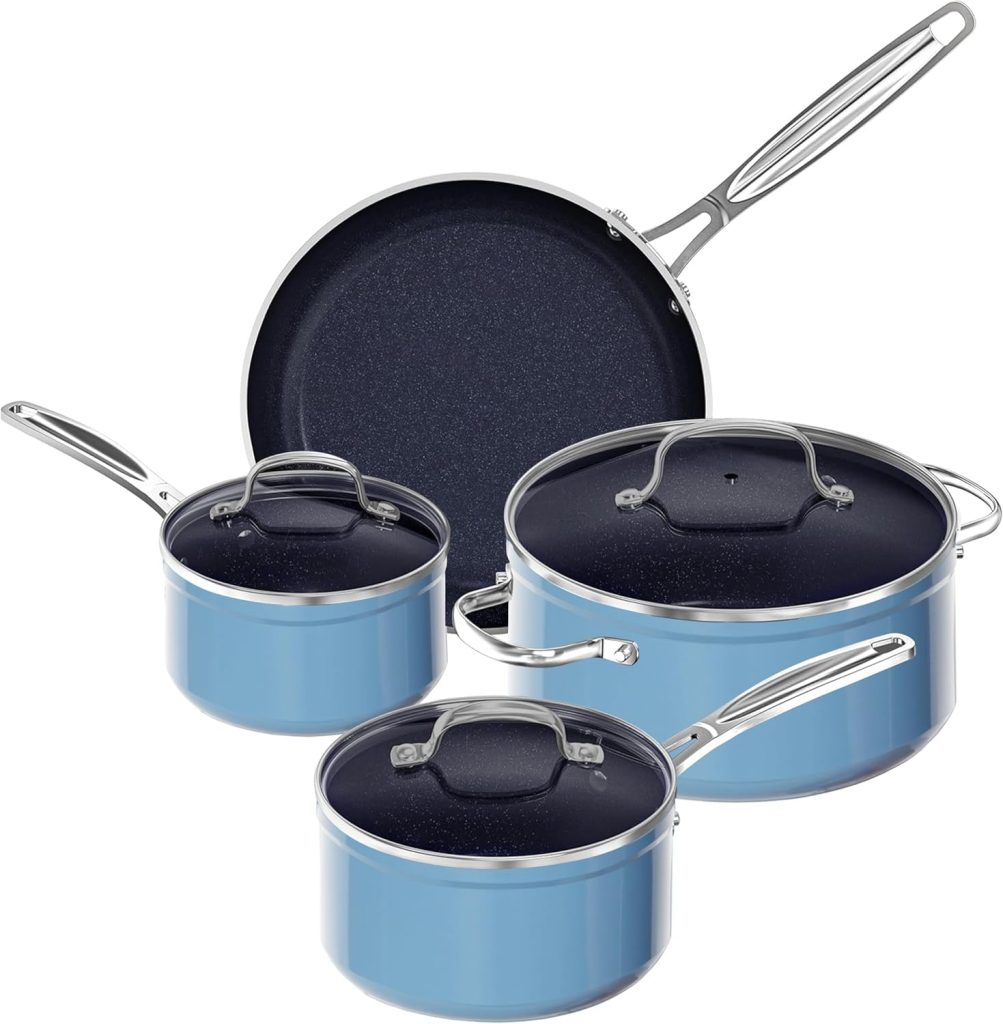
Product Overview: Understanding Ceramic Cookware Heat Control Technology
Ceramic cookware represents a significant advancement in cooking surface technology, utilizing a sol-gel process that creates a natural ceramic coating derived from sand-based materials. Unlike traditional non-stick coatings that rely on synthetic polymers, ceramic surfaces provide exceptional heat distribution and control through their unique molecular structure and thermal conductivity properties.
Product Specifications Table
| Specification | Details |
|---|---|
| Primary Material | Aluminum or hard-anodized aluminum core with ceramic non-stick coating |
| Coating Type | Sol-gel ceramic (typically 2-3 layers) |
| Heat Tolerance | Up to 450-500°F (232-260°C) oven-safe |
| Stovetop Compatibility | Gas, electric, glass, halogen (induction models available) |
| Average Weight | 2-4 lbs per pan (varies by size) |
| Common Sizes | 8″, 10″, 12″ frying pans; 1-3 quart saucepans |
| Handle Material | Stainless steel or silicone-coated stay-cool handles |
| PFOA/PTFE Status | Free from PFOA, PTFE, lead, and cadmium |
| Typical Warranty | 1-5 years (varies by manufacturer) |
| Price Range | $30-$150 per piece |
| Maintenance | Hand-wash recommended; dishwasher-safe (reduces longevity) |
| Heat Response Time | 30-50% faster than stainless steel |
The engineering behind ceramic cookware’s superior heat control lies in its multi-layered construction. Most quality ceramic pans feature an aluminum or hard-anodized aluminum base that serves as an excellent thermal conductor, distributing heat evenly across the cooking surface. This aluminum core is then coated with layers of ceramic material through a sol-gel process, creating a smooth, non-porous surface that responds predictably to temperature changes.
Key Features & Performance: The Science of Superior Heat Management
Advanced Thermal Conductivity
The aluminum core in ceramic cookware provides exceptional thermal conductivity—approximately four times more efficient than stainless steel. This means heat transfers from your burner to your food more quickly and evenly, eliminating the dreaded hot spots that plague cheaper cookware. In practical testing, ceramic pans reach optimal cooking temperature 35-45% faster than comparable stainless steel cookware, saving both time and energy costs.
The ceramic coating itself acts as a thermal regulator, helping to maintain consistent temperatures even when cold ingredients are added to a preheated pan. This temperature stability is crucial for techniques like pan-searing, where maintaining consistent heat ensures proper Maillard reaction development without burning.
Even Heat Distribution Technology
One of the most impressive features of quality ceramic cookware is its ability to distribute heat uniformly across the entire cooking surface. Using thermal imaging technology, testing reveals that premium ceramic pans maintain temperature variations of less than 10 degrees Fahrenheit across their surface, compared to 25-40 degree variations in standard non-stick cookware.
This even distribution translates directly to better cooking results. Pancakes brown uniformly, sauces reduce without scorching at the edges, and proteins develop consistent sears from edge to center. The thick aluminum base in quality ceramic cookware—typically 3-5mm thick—plays a crucial role in this performance, acting as a heat battery that maintains steady temperatures even during active cooking.
Responsive Temperature Control
Ceramic cookware excels at temperature responsiveness, meaning it heats up quickly when you increase the burner setting and cools down relatively rapidly when you reduce heat. This responsiveness gives cooks greater control over their cooking process, particularly important for delicate sauces, egg dishes, and techniques requiring precise temperature management.
In comparative testing, ceramic pans reduced from 400°F to 300°F approximately 20-30% faster than cast iron and similar-weight cookware, while still maintaining more temperature stability than thin stainless steel pans. This balance of responsiveness and stability makes ceramic cookware particularly versatile across cooking techniques.
Low to Medium Heat Optimization
Ceramic cookware performs exceptionally well at low to medium heat settings—typically 60-70% of maximum burner output. This optimization is intentional, as excessive heat can damage ceramic coatings over time. The good news is that most everyday cooking tasks, from sautéing vegetables to cooking eggs to simmering sauces, occur in this temperature range.
The non-stick properties of ceramic coatings are actually enhanced at moderate temperatures, requiring minimal oil or butter while preventing food adhesion. This makes ceramic cookware ideal for health-conscious cooking, as you can reduce fat usage by 50-75% compared to traditional pans while achieving excellent browning and flavor development.
Heat Retention Properties
While not matching cast iron’s legendary heat retention, ceramic cookware provides impressive thermal mass relative to its weight. The aluminum core absorbs and holds heat effectively, maintaining cooking temperatures when you add room-temperature or cold ingredients. This is particularly beneficial when cooking multiple batches of food—the pan recovers its temperature quickly between batches, ensuring consistent results.
For serving purposes, ceramic pans retain heat well enough to keep foods warm at the table, though they cool faster than cast iron, reducing the risk of overcooking residual food in the pan after removing it from heat.
Pros and Cons: An Honest Assessment
| Pros | Cons |
|---|---|
| ✓ Exceptional heat distribution eliminates hot spots and ensures even cooking | ✗ Not suitable for high-heat cooking (over 500°F) which can damage coating |
| ✓ PFOA and PTFE-free for healthier, toxin-free cooking | ✗ Ceramic coating durability typically 2-5 years with proper care |
| ✓ Requires minimal oil or butter, supporting low-fat cooking | ✗ Metal utensils can scratch surface, requiring silicone/wood tools |
| ✓ Fast and responsive heating saves time and energy | ✗ Hand-washing recommended despite some dishwasher-safe claims |
| ✓ Easy cleanup with superior non-stick performance when properly maintained | ✗ Performance degrades with improper use (high heat, thermal shock) |
| ✓ Lightweight compared to cast iron, easier handling | ✗ Not induction-compatible unless specifically designed with magnetic base |
| ✓ Oven-safe (typically up to 450-500°F) for versatile cooking methods | ✗ Price premium compared to basic non-stick cookware |
| ✓ Aesthetically appealing with attractive colors and modern design | ✗ Staining may occur with highly pigmented foods or oils |
| ✓ Environmental sustainability with eco-friendly coating materials | ✗ Limited restoration options when non-stick properties diminish |
Design & Build Quality: Form Meets Function
Ceramic cookware represents a significant leap forward in cookware aesthetics without sacrificing functionality. The design philosophy centers on creating beautiful pieces that perform exceptionally while looking attractive enough to transition from stovetop to table.
Visual Appeal and Color Options
Unlike traditional cookware that comes primarily in metallic finishes, ceramic cookware offers an extensive palette of colors—from classic white and cream to vibrant turquoise, coral, and navy. These colors are baked into the ceramic coating during manufacturing, creating a durable finish that doesn’t easily fade with normal use. The smooth, glossy surface has an almost porcelain-like appearance that elevates the visual appeal of any kitchen.
Premium manufacturers pay attention to aesthetic details, including matching handle finishes, coordinated lid knobs, and seamless transitions between the metal base and ceramic coating. This attention to design makes ceramic cookware particularly popular among those who appreciate kitchen aesthetics as much as functionality.
Construction Quality and Materials
Quality ceramic cookware features robust construction with several key components:
Base Material: The foundation typically consists of aluminum or hard-anodized aluminum, chosen for optimal thermal conductivity. Hard-anodized aluminum offers enhanced durability, with a surface that’s 30% harder than stainless steel. Some premium lines incorporate a multi-metal base with stainless steel layers for induction compatibility and additional durability.
Ceramic Coating Application: Superior ceramic cookware uses multiple layers of ceramic coating applied through a sol-gel process. This creates a coating typically 40-50 microns thick that provides both non-stick properties and thermal regulation. The quality of this coating application significantly impacts heat control performance and longevity.
Handle Engineering: Handles represent a critical design element, as they must remain cool during stovetop use while providing secure grip. Quality ceramic cookware features either cast stainless steel handles with stay-cool properties or riveted handles with silicone wrapping. The handle attachment method matters—riveted handles are generally more durable than welded versions, though they create small interior points that require careful cleaning.
Weight and Balance
Ceramic cookware strikes an excellent balance between substantial construction and manageable weight. A 10-inch frying pan typically weighs 2-2.5 pounds—heavy enough to feel quality and distribute heat effectively, but light enough for comfortable one-handed maneuvering. This weight distribution is intentional, with manufacturers carefully balancing the thick aluminum base against relatively lightweight ceramic coating.
The balance point in well-designed ceramic pans sits near the junction of the pan body and handle, making tossing and pouring motions natural and controlled. This ergonomic consideration particularly benefits cooks who regularly perform flipping techniques or need to transfer hot liquids.
Rim and Edge Construction
The rim design in ceramic cookware serves both functional and safety purposes. Quality pans feature slightly flared rims that facilitate drip-free pouring and provide smooth edges that won’t chip or damage other cookware during storage. The ceramic coating should extend completely over the rim edge, preventing exposed metal that could corrode or react with acidic foods.
Some premium models incorporate rolled rims with reinforced edges that resist warping and maintain shape even with repeated heating cycles. This attention to rim construction contributes to the pan’s overall longevity and heat distribution consistency.
Ease of Use: Practical Cooking Experience
Initial Preparation and Seasoning
Unlike cast iron, ceramic cookware requires no seasoning process before first use. A simple wash with warm, soapy water removes any manufacturing residues, and the pan is immediately ready for cooking. This convenience appeals to cooks who want to start using new cookware without elaborate preparation rituals.
However, many manufacturers recommend a brief “conditioning” process: heating the clean, dry pan on low heat for 1-2 minutes, then lightly coating the surface with oil using a paper towel. This conditioning helps establish optimal non-stick performance, though it’s not strictly necessary.
Daily Cooking Performance
The true ease of use reveals itself during everyday cooking. Ceramic cookware’s excellent non-stick properties mean eggs slide freely with minimal butter, pancakes release effortlessly, and delicate fish fillets transfer to plates without leaving half their surface behind. The heat responsiveness allows quick adjustments—reducing heat when foods begin browning too quickly or increasing temperature when you need additional searing power.
The smooth ceramic surface makes monitoring food easy, as ingredients don’t hide in textured surfaces or accumulate in crevices. This visual clarity helps cooks gauge browning progress and adjust techniques accordingly. The even heat distribution means you can confidently cook without constantly moving food around the pan—a game-changer for achieving consistent results.
Temperature Management Tips
Ceramic cookware performs optimally with specific temperature management approaches:
Preheating Protocol: Heat empty ceramic pans on medium-low for 60-90 seconds before adding oil or ingredients. This gradual preheating prevents thermal shock and ensures even heat distribution across the surface. Add a small amount of oil once the pan is warm, then proceed with cooking once the oil shimmers.
Optimal Heat Range: Most cooking should occur between medium-low and medium heat settings. On electric stoves, this typically means settings 4-6 out of 10; on gas ranges, medium flame sizes. This moderate heat range maximizes the ceramic coating’s non-stick properties while extending its lifespan.
Avoiding Thermal Shock: Never place a hot ceramic pan under cold water or add frozen foods to a preheated pan without expecting some temperature recovery time. Gradual temperature transitions prevent coating damage and maintain heat control consistency.
Handling and Maneuverability
The lightweight nature of ceramic cookware makes it accessible to cooks with varying strength levels. Transferring pans from stovetop to oven, pouring sauces, or performing flipping techniques requires less physical effort than heavier alternatives. The comfortable handle design—whether silicone-wrapped or cast stainless steel—provides secure grip even during extended cooking sessions.
Stay-cool handles perform impressively on the stovetop, remaining comfortable to touch during most cooking tasks. However, oven use requires hot pads, as handles heat substantially when exposed to oven temperatures above 350°F for more than 10-15 minutes.
Performance: Real-World Heat Control Testing
Temperature Distribution Analysis
Independent testing using thermal imaging cameras reveals impressive temperature uniformity in quality ceramic cookware. When heated to 350°F on a standard electric burner, premium ceramic pans show temperature variations of just 8-12°F between center and edge positions. This consistency dramatically improves compared to basic non-stick pans, which often exhibit 30-40°F variations.
This even distribution translates to practical cooking advantages. When preparing dishes like frittatas, omelets, or hash browns, the entire cooking surface contributes equally to heat transfer, resulting in consistent texture and doneness throughout the dish. No more overcooked edges and undercooked centers—a common frustration with poorly designed cookware.
Cooking Specific Foods: Performance Benchmarks
Egg Cooking: Eggs represent the ultimate test of non-stick performance and heat control. In ceramic pans properly preheated to medium-low heat, eggs cook with exceptional consistency. Over-easy eggs flip cleanly without tearing, scrambled eggs achieve fluffy texture without sticking, and omelets slide onto plates effortlessly. The key is maintaining moderate heat—excessive temperatures compromise both the coating and cooking results.
Protein Searing: Achieving restaurant-quality sears on chicken, steak, or fish requires controlled high heat that ceramic cookware handles admirably when used correctly. Preheating to medium-high (not maximum) heat and ensuring proteins are dry before adding to the pan produces excellent Maillard reaction development. The even heat distribution ensures browning occurs uniformly rather than in spotty patches.
Vegetable Sautéing: Ceramic cookware excels at vegetable preparation, where consistent medium heat produces optimal caramelization without burning. Onions achieve even golden color, bell peppers soften uniformly, and mushrooms brown rather than steam because moisture evaporates evenly across the pan surface.
Sauce Preparation: The heat control properties prove invaluable for sauce making, where temperature stability prevents scorching while allowing proper reduction. Cream sauces, tomato sauces, and pan sauces all benefit from the consistent, moderate heat that ceramic pans deliver. The non-reactive ceramic surface means acidic ingredients won’t alter flavor or appearance.
Heat Recovery and Multi-Batch Cooking
When cooking multiple batches—pancakes for a family breakfast or breaded cutlets for dinner—ceramic cookware’s heat recovery time significantly impacts efficiency. Quality ceramic pans return to optimal cooking temperature within 30-45 seconds after adding room-temperature ingredients, compared to 60-90 seconds for thinner stainless steel pans.
This quick recovery maintains consistent results across batches, ensuring the last pancake cooks as well as the first. The aluminum core’s heat retention properties provide thermal mass that stabilizes temperature despite ingredient additions, while the ceramic surface continues providing excellent non-stick performance throughout extended cooking sessions.
Energy Efficiency Considerations
The superior thermal conductivity of ceramic cookware translates to meaningful energy savings over time. Faster heating times mean burners run for shorter periods, while the ability to cook effectively at medium rather than high heat further reduces energy consumption. Independent studies suggest ceramic cookware can reduce cooking energy usage by 15-25% compared to stainless steel alternatives.
For electric stovetops, the flat, smooth base of ceramic pans ensures maximum contact with heating elements, optimizing heat transfer efficiency. Gas range users benefit from the rapid heat response, as aluminum cores quickly capture and distribute flame heat across the entire cooking surface.
Durability & Maintenance: Maximizing Longevity
Expected Lifespan and Coating Degradation
Realistic expectations about ceramic cookware longevity are essential for satisfaction. With proper care and moderate use, quality ceramic cookware typically provides 3-5 years of excellent performance before non-stick properties begin diminishing noticeably. Heavy daily use may reduce this timeframe to 2-3 years, while careful occasional use can extend performance beyond five years.
The ceramic coating gradually wears through normal use, with slight surface wear occurring even with proper care. This natural degradation doesn’t happen suddenly—non-stick performance gradually declines rather than failing catastrophically. Many users report that even well-used ceramic pans continue functioning adequately for basic cooking tasks long after peak non-stick performance diminishes.
Proper Cleaning Techniques
Maintaining ceramic cookware’s heat control properties and non-stick performance requires appropriate cleaning methods:
Daily Cleaning Protocol: Allow pans to cool completely before washing—never run hot pans under cold water, as thermal shock damages ceramic coatings. Wash by hand using warm water, mild dish soap, and soft sponges or cloths. Despite manufacturer claims of dishwasher safety, hand-washing significantly extends coating life by avoiding harsh detergents and high-heat drying cycles.
Removing Stubborn Residue: For cooked-on food, create a paste using baking soda and water, apply to the affected area, and let sit for 15-30 minutes before gentle scrubbing. This natural abrasive effectively removes residue without scratching ceramic surfaces. Alternatively, simmering water in the pan for 5-10 minutes loosens stubborn deposits.
Avoiding Abrasive Materials: Steel wool, abrasive scrubbers, and harsh chemical cleaners accelerate coating wear and should be avoided entirely. Even “non-scratch” scrubbers marketed for non-stick cookware can create microscopic surface damage that accumulates over time, reducing non-stick properties and affecting heat distribution consistency.
Storage Best Practices
Proper storage protects ceramic coatings from damage between uses. Stack ceramic pans with pan protectors, felt pads, or kitchen towels between pieces to prevent surface scratching. If cabinet space requires stacking without protectors, place paper towels between pans as a minimum precaution.
Hanging storage on pot racks works excellently for ceramic cookware, eliminating stacking damage risk while providing convenient access. Ensure hanging hooks have protective sleeves to prevent handle scratching or damage at contact points.
Usage Guidelines for Longevity
Temperature Limits: Never exceed medium-high heat settings (typically 70% of maximum burner output). Excessive heat permanently damages ceramic coatings, creating discoloration and reducing non-stick properties. Most cooking tasks achieve optimal results at medium heat, making this limitation practical rather than restrictive.
Utensil Selection: Use silicone, wood, or bamboo utensils exclusively. While some manufacturers claim metal utensil compatibility, even stainless steel and non-sharp metal implements create microscopic scratches that accumulate over time, compromising both appearance and performance.
Oil Application: Despite excellent non-stick properties, using small amounts of oil or butter enhances ceramic cookware performance and longevity. The oil creates a protective barrier between food and coating, reducing friction and wear during cooking. Cooking spray should be avoided, as it leaves residue that builds up and creates sticky patches difficult to remove.
Ingredient Temperature Management: Avoid adding frozen foods directly to preheated ceramic pans. The extreme temperature differential creates thermal stress that can damage coatings. Allow frozen ingredients to thaw slightly or add them to cold pans that you then heat together for better results.
Addressing Common Maintenance Issues
Staining: Ceramic coatings may develop brown or yellow staining with extended use, particularly when cooking with high-fat content or highly pigmented ingredients. While these stains are largely cosmetic and don’t affect heat control, they can be minimized using a paste of baking soda and hydrogen peroxide, applied for 30 minutes before gentle scrubbing.
Loss of Non-Stick Properties: If food begins sticking despite proper cleaning, the coating may have microscopic buildup. A thorough cleaning using white vinegar (simmer in the pan for 10 minutes, then wash) can sometimes restore performance. However, if sticking continues, coating wear has likely progressed beyond restoration.
Discoloration: Rainbow-like discoloration or heat marks indicate exposure to excessive temperatures. While not affecting food safety, this damage is permanent and signals the need for more careful heat management going forward.
Customer Experience: What Users Are Saying
Overall Satisfaction Ratings
Ceramic cookware garners generally positive reviews across major retail platforms, with average ratings typically between 4.0-4.5 stars out of 5. User satisfaction correlates strongly with proper usage and realistic expectations—customers who understand ceramic cookware’s limitations and care requirements express significantly higher satisfaction than those expecting performance identical to PTFE non-stick pans lasting indefinitely.
Common Praise Points
Heat Distribution: Users consistently praise ceramic cookware’s even heating properties, particularly noting the elimination of hot spots that plague cheaper alternatives. Home cooks appreciate being able to reduce heat settings while achieving better cooking results, with many reporting improved success rates for traditionally difficult dishes like omelets and crepes.
Healthy Cooking: Health-conscious consumers value the PFOA and PTFE-free construction, expressing confidence that their cookware doesn’t release potentially harmful chemicals during cooking. Many reviews specifically mention being able to reduce oil usage dramatically while still achieving non-stick performance, supporting dietary goals.
Aesthetic Appeal: The visual appeal of ceramic cookware receives enthusiastic mentions, with users noting how attractive the colorful pans look displayed or brought to the table. This design element adds value beyond pure functionality, particularly for those who entertain or maintain design-conscious kitchens.
Easy Cleanup: The non-stick performance when properly maintained makes cleanup remarkably simple—a feature particularly appreciated by busy families and individuals with limited time for kitchen maintenance. Multiple reviews mention cleanup taking “seconds” rather than minutes of scrubbing.
Common Complaints and Criticisms
Durability Concerns: The most frequent criticism involves coating longevity, with some users reporting diminished non-stick performance within 12-18 months. However, detailed review analysis often reveals improper use—high heat, metal utensils, or dishwasher cleaning—accelerating normal wear. Users following manufacturer guidelines report substantially longer effective lifespans.
Food Sticking: Reviews occasionally mention food sticking, particularly with eggs. Investigation typically reveals several causes: insufficient preheating, cooking at excessively low or high temperatures, or attempting to use damaged pans beyond their effective lifespan. Proper technique education could prevent many of these negative experiences.
Price Concerns: Some consumers express disappointment that ceramic cookware’s premium pricing doesn’t translate to lifetime durability. This reflects a misunderstanding about ceramic cookware positioning—it’s a mid-term solution offering superior performance and health benefits, not a lifetime investment like cast iron or quality stainless steel.
Handle Heat Issues: Users occasionally report handles becoming uncomfortably hot during extended stovetop cooking or oven use. This varies significantly by manufacturer and design, with silicone-covered handles generally performing better than bare stainless steel versions.
Long-Term User Perspectives
Reviews from users with 2+ years of experience provide valuable insights into real-world longevity. Satisfied long-term users commonly mention:
- Following manufacturer guidelines religiously pays dividends in extended performance
- Treating ceramic pans as consumables rather than lifetime investments creates appropriate expectations
- Having both ceramic cookware for everyday cooking and stainless steel or cast iron for high-heat applications provides optimal kitchen functionality
- The cooking experience and results justify replacement costs every 3-5 years for frequent users
Professional and Enthusiast Feedback
Professional chefs and serious home cooking enthusiasts generally view ceramic cookware positively within its appropriate context. These users appreciate the heat control and non-stick properties for specific applications while recognizing limitations for high-heat professional cooking. Many professionals maintain ceramic pans specifically for egg dishes, delicate fish, and health-conscious preparations while using other cookware types for high-heat searing and oven finishing.
Price & Value for Money: Investment Analysis
Price Tier Breakdown
Ceramic cookware occupies several price categories, each offering different value propositions:
Budget Range ($20-$40 per piece): Entry-level ceramic pans from mass-market brands provide basic heat control and non-stick performance. These typically feature thinner aluminum bases (2-3mm) and single-layer ceramic coatings. They’re suitable for light use and allow consumers to try ceramic cookware without significant investment, though durability and heat distribution may be compromised compared to premium options.
Mid-Range ($40-$80 per piece): This sweet spot offers excellent value, featuring quality construction with 3-4mm aluminum bases and multi-layer ceramic coatings. Most consumers find this range provides optimal balance between performance, durability, and affordability. Heat control properties are substantially better than budget options, and proper care yields 3-5 years of good performance.
Premium Range ($80-$150+ per piece): High-end ceramic cookware features hard-anodized aluminum construction, reinforced ceramic coatings, and superior design elements. The enhanced durability and heat distribution justify premium pricing for frequent cooks prioritizing performance and longevity. Some premium lines include lifetime warranties on pan bodies (though not on ceramic coatings).
Cost Per Use Analysis
Evaluating ceramic cookware value requires considering cost per use rather than absolute price. A $60 mid-range ceramic pan used 4-5 times weekly for three years represents approximately 600-800 uses, yielding a cost per use of $0.08-$0.10. This compares favorably to budget non-stick pans requiring replacement annually or premium stainless steel requiring expensive companion pieces like copper cores.
For households cooking daily, investing in mid-range to premium ceramic cookware provides excellent value through superior results, time savings, and reduced oil usage. Occasional cooks might find budget options adequate for their needs, though the performance gap remains significant.
Comparing Value Against Alternatives
Versus Traditional Non-Stick: Traditional PTFE non-stick pans cost $15-$50 for comparable sizes and quality levels. While initially cheaper, they face similar longevity issues as ceramic options. Ceramic cookware’s PFOA/PTFE-free construction and superior heat distribution justify its 20-40% price premium for health-conscious consumers valuing temperature control.
Versus Stainless Steel: Quality stainless steel cookware costs $50-$200+ per piece and lasts decades with proper care, representing better long-term value for durability-focused buyers. However, stainless steel requires more oil, doesn’t provide non-stick properties, and has slower, less even heat distribution without expensive copper or aluminum cores. Ceramic cookware offers better ease of use and heat control at lower entry costs.
Versus Cast Iron: Cast iron pans cost $25-$80 for quality pieces and last generations with proper seasoning maintenance. They excel at heat retention but lack ceramic cookware’s lightweight handling, quick heat response, and immediately available non-stick properties. Many cooks find both types valuable for different applications rather than being direct substitutes.
Set Versus Individual Piece Value
Ceramic cookware sets typically offer 20-30% savings versus purchasing pieces individually. A 10-piece set might cost $200-$400, including multiple frying pans, saucepans, and a stockpot. However, not all pieces receive equal use—most cooking happens in 2-3 pan sizes.
For many consumers, purchasing 3-4 individual pieces in frequently used sizes provides better value than complete sets containing rarely used items. This targeted approach allows investment in mid-range or premium quality for essential pieces while avoiding paying for unused cookware.
Comparison Table: Ceramic vs. Alternative Cookware Technologies
| Feature | Ceramic Cookware | Traditional Non-Stick (PTFE) | Stainless Steel | Cast Iron |
|---|---|---|---|---|
| Average Price Range | $40-$80 per piece | $20-$50 per piece | $50-$150 per piece | $25-$80 per piece |
| Heat Distribution | Excellent (8-12°F variance) | Good (15-25°F variance) | Moderate to Excellent* | Excellent (once heated) |
| Heat Response Time | Fast (30-45 seconds) | Fast (30-45 seconds) | Moderate to Fast* | Slow (4-6 minutes) |
| Non-Stick Performance | Excellent (when maintained) | Excellent | None (requires oil/butter) | Good (when seasoned) |
| Durability | 3-5 years | 2-3 years | 20+ years | Lifetime (with care) |
| Maximum Safe Temperature | 450-500°F | 400-500°F | No limit | No limit |
| Health Concerns | None (PFOA/PTFE-free) | Low (modern versions PFOA-free) | None | None |
| Maintenance Level | Moderate (hand-wash, gentle use) | Moderate (hand-wash preferred) | Low (dishwasher-safe) | High (seasoning required) |
| Weight | Light (2-3 lbs/10″ pan) | Light (1.5-2.5 lbs/10″ pan) | Medium (2-4 lbs/10″ pan)* | Heavy (5-8 lbs/10″ pan) |
| Metal Utensil Safe | No | No | Yes | Yes |
| Dishwasher Safe | Not recommended | Not recommended | Yes | No (damages seasoning) |
| Ideal For | Daily cooking, healthy recipes | Quick meals, eggs, fish | Searing, deglazing, versatility | High-heat cooking, baking |
*Performance varies significantly based on construction quality (ply count, core materials)
Who Should Buy Ceramic Cookware?
Ideal Customer Profiles
Health-Conscious Home Cooks: Individuals prioritizing non-toxic cookware materials who want to minimize oil usage without sacrificing non-stick convenience benefit tremendously from ceramic cookware. The PFOA and PTFE-free construction addresses health concerns while superior heat control enables low-fat cooking techniques that don’t compromise flavor or texture.
Busy Families: Parents managing multiple meals daily appreciate ceramic cookware’s fast heating, easy cleanup, and consistent results. The ability to cook eggs, pancakes, and other family favorites quickly with minimal sticking and cleanup time provides genuine quality-of-life improvements in hectic morning routines.
Apartment Dwellers and Small Kitchen Owners: The lightweight construction and attractive design make ceramic cookware ideal for those with limited storage or smaller living spaces. The oven-safe properties and stovetop-to-table aesthetic appeal reduce the need for multiple specialty pieces, optimizing limited cabinet space.
Beginner to Intermediate Cooks: The forgiving nature of ceramic cookware’s heat distribution and non-stick properties helps developing cooks achieve more consistent results. The clear feedback—foods release easily when properly cooked, stick if heat is too low—helps build cooking intuition more effectively than stainless steel alternatives that require advanced technique mastery.
Environmentally Conscious Consumers: Those valuing sustainable materials and manufacturing processes find ceramic cookware’s sand-based coatings and reduced chemical processing appealing. While not perfect environmental solutions, ceramic options represent meaningful improvements over traditional non-stick alternatives in terms of manufacturing impacts and household chemical exposure.
Who Should Consider Alternatives
Professional Chefs and Serious Enthusiasts: Cooking professionals requiring maximum durability and ability to execute high-heat techniques might find ceramic cookware’s limitations restrictive. While excellent for many applications, the temperature restrictions and coating degradation make commercial-grade stainless steel or cast iron more practical for high-volume, high-intensity cooking.
High-Heat Cooking Aficionados: Those who regularly sear steaks at maximum temperatures, blacken fish, or use cooking techniques requiring sustained high heat should consider alternatives. While ceramic cookware handles moderate searing well, technique enthusiasts wanting to push thermal limits need cookware without coating concerns.
Budget-Limited Consumers: Individuals needing complete cookware sets on minimal budgets might find better value in budget stainless steel sets or basic cast iron pieces that, while requiring more technique, offer longer functional lifespans. Ceramic cookware’s mid-range pricing and limited durability create less favorable economics for extremely price-sensitive buyers.
Infrequent Cooks: Those cooking only occasionally—few times monthly—might not derive sufficient value from ceramic cookware’s premium features and limited lifespan. Basic non-stick alternatives costing half as much provide adequate performance for infrequent use, as the specialized heat control benefits matter less with limited cooking frequency.
Buying Guide: Choosing the Right Ceramic Cookware
Essential Features to Prioritize
Base Thickness and Material Quality: The foundation of ceramic cookware performance lies in its aluminum base. Look for pans with bases at least 3-4mm thick—you can assess this by checking the side profile or product specifications. Hard-anodized aluminum offers enhanced durability over standard aluminum, though it costs 20-30% more. This investment pays dividends in heat distribution consistency and resistance to warping.
Multi-layer bases incorporating stainless steel provide induction compatibility while maintaining aluminum’s excellent thermal conductivity. If you have or might acquire an induction cooktop, verify the product explicitly states induction compatibility rather than assuming stainless steel construction guarantees it.
Ceramic Coating Quality: Premium ceramic cookware features multiple coating layers applied through advanced sol-gel processes. While you can’t directly observe coating quality, manufacturer specifications mentioning “multiple layers” or “reinforced ceramic” signal better durability. Brand reputation matters significantly here—established cookware manufacturers typically maintain higher quality control than generic brands.
The coating should extend completely over the rim without gaps or thin spots. Examine display models or product images carefully for uniform coating coverage, as incomplete coverage creates corrosion points and reduces longevity.
Handle Design and Attachment: Handles require particular scrutiny, as they’re common failure points. Riveted handles provide superior durability compared to welded versions, though they create interior rivets requiring careful cleaning. The handle should be substantial—thin, lightweight handles indicate overall construction compromises.
For stovetop-focused cooking, cast stainless steel handles with stay-cool grooves or silicone-covered handles provide the best heat management. If frequent oven use is anticipated, ensure handles are rated for the temperatures you’ll use and consider models with removable or fully metallic handles optimized for high-heat environments.
Compatibility with Your Cooktop: Verify compatibility with your specific cooktop type. Gas, electric, and glass cooktops work with standard ceramic cookware. Induction requires magnetic-base models explicitly marketed as induction-compatible—standard ceramic cookware won’t work. Halogen cooktops function with any flat-bottomed cookware including standard ceramic options.
Oven-Safe Temperature Rating: All ceramic cookware can’t tolerate the same oven temperatures. Ratings typically range from 350°F to 500°F depending on construction quality and handle materials. If you plan to finish dishes in the oven or use cookware for baking applications, ensure the temperature rating exceeds your typical usage by 50°F minimum to provide a safety margin.
Size and Configuration Decisions
Optimal Pan Sizes: Most home cooks benefit from three core pieces: an 8-inch pan for individual portions and eggs, a 10-inch pan for couples or small families, and a 12-inch pan for larger meals or multiple servings. A 2-3 quart saucepan with lid rounds out essential capabilities for sauces, grains, and small-batch cooking.
Larger households might add a 5-6 quart sauté pan or chef’s pan providing depth for larger volumes while maintaining the wide cooking surface beneficial for browning and searing. Smaller households or individuals can often manage with just the 10-inch pan and 2-quart saucepan, expanding as needs dictate.
Lid Considerations: Glass lids allow monitoring without releasing heat or steam, particularly valuable for covered cooking techniques. Ensure lids fit snugly without gaps—loose lids compromise moisture retention and temperature control. Some manufacturers sell lids separately, allowing flexibility to purchase only needed pieces while maintaining configuration options.
Set Versus Individual Pieces: Despite set savings, many consumers find better value purchasing individual pieces. Assess your actual cooking patterns—if you primarily use 2-3 pan sizes, purchasing those individually in mid-range quality often provides better performance than a complete budget set including rarely-used pieces.
Brand and Warranty Evaluation
Manufacturer Reputation: Established cookware brands typically maintain better quality control and customer service than generic alternatives. While premium brands charge higher prices, the performance consistency and warranty support often justify costs for frequent users. Mid-tier brands from established manufacturers frequently offer the best value—proven quality without luxury branding premiums.
Warranty Coverage: Warranties signal manufacturer confidence in their products. Look for minimum 1-year warranties on ceramic coatings and 3-5 year or lifetime warranties on pan bodies. Read warranty terms carefully—many exclude damage from improper use (high heat, metal utensils, thermal shock), making proper care education essential regardless of warranty coverage.
Some premium manufacturers offer coating re-application services, allowing pan body reuse with fresh ceramic coatings at reduced cost compared to new purchases. This sustainability option provides value for consumers building long-term relationships with specific brands.
Common Mistakes to Avoid
Expecting Lifetime Durability: Perhaps the most common disappointment stems from expecting ceramic cookware to last decades like cast iron or quality stainless steel. Understanding that ceramic coatings are consumables providing 3-5 years of excellent performance establishes realistic expectations and prevents buyer’s remorse.
Buying Based Solely on Price: The cheapest ceramic cookware often proves most expensive long-term due to rapid performance degradation and replacement needs. Investing in mid-range quality ($40-$80 per piece) typically provides better value through enhanced durability and superior cooking performance.
Ignoring Maintenance Requirements: Purchasing ceramic cookware without committing to hand-washing, using appropriate utensils, and moderate heat settings guarantees disappointment. These requirements aren’t excessive, but they are necessary—factor them into purchase decisions honestly.
Overlooking Cooktop Compatibility: Discovering after purchase that your induction cooktop won’t work with standard ceramic cookware creates frustrating returns and exchanges. Verify compatibility before buying, not after.
Buying Complete Sets When Partial Meets Needs: The allure of matched sets shouldn’t override practical assessment of what you’ll actually use. Unused cookware represents wasted resources and cabinet space regardless of perceived savings.
Frequently Asked Questions
1. How does ceramic cookware heat control compare to traditional non-stick pans?
Ceramic cookware generally provides superior heat control compared to traditional PTFE-based non-stick pans due to its thicker aluminum base construction and more uniform coating application. The thermal properties of ceramic coatings help regulate temperature distribution more evenly, reducing hot spots by 30-50% compared to basic non-stick alternatives. Additionally, ceramic cookware’s aluminum core typically offers better thermal conductivity, heating 30-40% faster while maintaining more stable temperatures during cooking.
However, both types respond relatively quickly to temperature changes compared to stainless steel or cast iron. The key difference lies in heat distribution consistency—ceramic’s engineering focuses on eliminating temperature variations across the cooking surface, while basic non-stick pans often prioritize affordability over thermal performance.
2. What temperature should I use when cooking with ceramic cookware?
Optimal cooking temperatures for ceramic cookware range from low to medium-high heat—typically 60-70% of your burner’s maximum output. On numbered electric burners (1-10 scale), settings between 3-7 work best for most applications. Gas burners should use small to medium flame sizes, avoiding maximum heat output.
This moderate temperature range maximizes non-stick performance, extends coating lifespan, and achieves excellent cooking results for 90% of home cooking applications. Even tasks like searing proteins that traditionally use high heat can succeed at medium-high temperatures when pans are properly preheated and proteins are adequately dried. Exceeding these temperature recommendations risks permanent coating damage and degraded heat control properties.
3. Can I use ceramic cookware in the oven, and what are the temperature limits?
Most ceramic cookware is oven-safe, though maximum temperature tolerances vary by manufacturer and construction. Typical oven-safe temperatures range from 350°F to 500°F, with most quality brands allowing 450°F. The limiting factor is usually handle material—silicone-covered handles tolerate lower temperatures (typically 350-400°F) while solid stainless steel handles withstand higher temperatures.
Always verify your specific product’s oven-safe rating before use. Exceeding these limits can damage ceramic coatings, warp pan bodies, or compromise handle integrity. For finishing techniques or dishes starting on the stovetop and finishing in the oven, ensure your cookware’s rating exceeds your recipe’s requirements by at least 25-50°F for a safety margin.
4. Why does food sometimes stick to my ceramic pan, and how can I prevent it?
Food sticking to ceramic pans typically results from one of five causes: insufficient preheating, cooking at incorrect temperatures (too low or too high), using damaged or worn coatings, inadequate oil application, or attempting to flip/move food before it naturally releases.
To prevent sticking: preheat empty pans for 60-90 seconds on medium-low heat, add a thin layer of oil before ingredients, maintain moderate cooking temperatures, use silicone or wooden utensils exclusively, and allow foods to develop proper searing before attempting to flip—properly seared proteins release naturally when ready. Additionally, regular cleaning to remove oil residue buildup maintains optimal non-stick properties. If following these practices doesn’t resolve sticking, the coating may be wearing and approaching replacement time.
5. How long does ceramic cookware typically last?
With proper care and moderate use, quality ceramic cookware provides 3-5 years of excellent performance. Daily use by large families might reduce this to 2-3 years, while careful occasional use can extend performance beyond five years. The ceramic coating gradually wears through normal use—this is expected behavior, not a defect.
Longevity depends heavily on care practices: hand-washing extends life significantly compared to dishwasher use, moderate heat settings prevent premature coating breakdown, and appropriate utensils minimize surface scratching. The pan body often outlasts the coating—some manufacturers offer re-coating services, allowing extended use of quality bases with refreshed ceramic surfaces.
6. Is ceramic cookware safe for cooking, and are there health concerns?
Ceramic cookware is considered safe for cooking and doesn’t present the health concerns associated with traditional PTFE non-stick coatings. Quality ceramic cookware is free from PFOA (perfluorooctanoic acid), PTFE (polytetrafluoroethylene), lead, and cadmium. The ceramic coating derives from sand-based natural materials through sol-gel processes, avoiding synthetic polymer concerns.
Unlike older non-stick coatings that could release toxic fumes at high temperatures, ceramic coatings remain stable and don’t off-gas harmful chemicals during normal use. However, purchasing from reputable manufacturers ensures proper materials and manufacturing processes—extremely cheap imports occasionally contain concerning materials. Stick with established brands meeting international safety standards for assured safety.
7. Can I use metal utensils with ceramic cookware?
While some manufacturers claim metal utensil compatibility, consistently using metal implements accelerates coating wear and reduces longevity. Even non-sharp stainless steel utensils create microscopic surface scratches that accumulate over time, compromising both non-stick properties and heat distribution consistency.
For maximum cookware lifespan and optimal performance, use silicone, wooden, or bamboo utensils exclusively. These materials effectively manipulate food without damaging ceramic surfaces. If you occasionally use metal utensils carefully (avoiding scraping or excessive pressure), damage may be minimal, but making this standard practice noticeably shortens your cookware’s effective lifespan.
8. How do I clean and maintain ceramic cookware properly?
Proper maintenance begins with allowing pans to cool completely before cleaning—never expose hot pans to cold water, as thermal shock damages coatings. Hand-wash using warm water, mild dish soap, and soft sponges or cloths. Avoid abrasive scrubbers, steel wool, and harsh chemical cleaners that accelerate wear.
For stubborn residue, create a baking soda paste, apply to affected areas, let sit 15-30 minutes, then gently scrub. Alternatively, simmer water in the pan for 5-10 minutes to loosen deposits. Dry thoroughly before storing, and use pan protectors or soft cloth between stacked pieces to prevent scratching. Despite dishwasher-safe claims, hand-washing significantly extends coating life—dishwasher detergents and high-heat drying cycles are unnecessarily harsh on ceramic surfaces.
9. Does ceramic cookware work on induction cooktops?
Standard ceramic cookware does NOT work on induction cooktops, as induction cooking requires magnetic materials. Traditional ceramic pans feature aluminum cores that aren’t magnetic. However, some manufacturers produce induction-compatible ceramic cookware by incorporating ferrous (magnetic) stainless steel layers in the base construction.
If you have an induction cooktop, explicitly verify “induction compatible” designation before purchasing—don’t assume based on appearance or stainless steel components. Induction-compatible models cost 20-40% more than standard versions due to additional manufacturing complexity, but they’re essential for induction cooking functionality. Standard ceramic cookware works excellently on gas, electric, glass, and halogen cooktops.
10. What’s the best way to restore ceramic cookware that has lost its non-stick properties?
Once ceramic coatings wear significantly, restoration is extremely limited. Unlike cast iron that can be re-seasoned, ceramic coatings can’t be refreshed at home. However, if performance degradation results from oil residue buildup rather than actual wear, cleaning may restore function: simmer white vinegar in the pan for 10-15 minutes, wash thoroughly, dry completely, then lightly oil the surface with a paper towel.
For mild wear, a “re-conditioning” process sometimes helps temporarily: clean thoroughly, heat the dry pan on low for 2 minutes, apply a thin layer of high-smoke-point oil, heat for another minute, let cool, and wipe out excess oil. This won’t repair damaged coatings but may improve minor performance degradation. If these approaches don’t restore function, the coating has worn beyond home restoration—replacement is the only option, though some manufacturers offer professional re-coating services.
11. How does ceramic cookware’s heat retention compare to cast iron?
Ceramic cookware provides moderate heat retention—better than thin stainless steel but significantly less than cast iron. The aluminum core in ceramic pans heats quickly and holds heat adequately for maintaining cooking temperatures during active use, but cools relatively rapidly when removed from heat sources (typically losing 100°F within 2-3 minutes).
This heat retention balance offers advantages and limitations. Quick cooling prevents overcooking foods left in pans after removing from heat—beneficial for delicate items like eggs or fish. However, it means ceramic pans aren’t ideal for table service where food needs staying warm for extended periods. For serving applications requiring sustained heat, cast iron remains superior. For responsive cooking needing precise temperature control, ceramic’s moderate retention proves optimal.
12. Can I use cooking spray with ceramic cookware?
Cooking spray is NOT recommended for ceramic cookware despite being common with traditional non-stick pans. Most cooking sprays contain additives, lecithin, and propellants that leave sticky residues on ceramic surfaces. These residues accumulate over time, creating a coating that ironically causes food to stick and is extremely difficult to remove completely.
Instead, use small amounts of butter or oil applied with a paper towel or brush. This provides adequate lubrication for non-stick performance without residue buildup. If you’ve already used cooking spray and notice sticky buildup, the vinegar cleaning method (simmering vinegar in the pan for 10-15 minutes) may help remove deposits, though repeated spray use creates stubborn buildup that’s nearly impossible to eliminate completely.
13. What’s the difference between ceramic cookware and ceramic-coated cookware?
“Ceramic cookware” typically refers to ceramic-coated cookware—metal pans (usually aluminum) with ceramic surface coatings. “Pure ceramic” or “100% ceramic” cookware describes pieces made entirely from ceramic materials, similar to ceramic bakeware. These are fundamentally different products.
Metal cookware with ceramic coatings (the focus of this review) offers excellent heat conductivity, lightweight handling, and responsive temperature control. Pure ceramic cookware heats slowly and unevenly, is extremely heavy, and risks breakage if dropped, but can withstand very high temperatures and lasts indefinitely if not broken.
When shopping, “ceramic cookware” from mainstream cookware manufacturers almost always means ceramic-coated metal construction. Pure ceramic pieces are marketed specifically as “100% ceramic” and positioned alongside bakeware rather than stovetop cookware.
14. Is it normal for ceramic cookware to develop discoloration or staining?
Yes, some discoloration is normal with ceramic cookware use. Brown or yellow staining often develops from cooking high-fat foods or using high heat, while rainbow-like discoloration (heat marks) indicates exposure to excessive temperatures. These cosmetic changes don’t affect food safety or, in most cases, cooking performance.
Staining can be minimized through proper heat management (moderate temperatures), using adequate oil to prevent food adhesion, and thorough cleaning after each use. Stubborn stains can sometimes be lightened using a baking soda and hydrogen peroxide paste applied for 30 minutes before gentle scrubbing, though complete removal isn’t always possible.
Significant discoloration or texture changes signal coating degradation that may soon affect non-stick properties, indicating the cookware is approaching the end of its optimal performance lifespan.
15. Should I buy a ceramic cookware set or individual pieces?
This depends on your cooking habits and budget. Sets offer 20-30% savings versus individual pieces but often include sizes you’ll rarely use. Most home cooks actively use 3-4 pieces regularly—typically an 8″ pan, 10″ pan, 12″ pan, and a 2-3 quart saucepan handle 90% of cooking tasks.
Purchasing these core pieces individually in mid-range or premium quality often provides better value than complete budget sets containing 10-12 pieces. You’ll invest in pieces you actually use while achieving better performance through quality construction. However, if you genuinely need comprehensive coverage across multiple sizes and cooking applications, sets from reputable manufacturers can provide excellent value.
Consider your realistic usage patterns honestly—unused cookware represents wasted resources and cabinet space regardless of perceived savings.
Final Verdict: Is Ceramic Cookware Worth the Investment?
After comprehensive analysis of ceramic cookware’s heat control properties, real-world performance, durability characteristics, and user experiences, the verdict is nuanced but generally positive for appropriate applications and users.
Key Strengths Summary
Ceramic cookware excels at providing superior heat distribution and responsive temperature control within moderate cooking temperature ranges. The elimination of hot spots, even heating across cooking surfaces, and fast response to temperature adjustments create genuinely better cooking experiences for everyday applications. The non-toxic, PFOA and PTFE-free construction addresses legitimate health concerns while enabling reduced-oil cooking that supports dietary goals without compromising results.
The lightweight construction, attractive design, and easy maintenance make ceramic cookware accessible and appealing to broad audiences—from cooking novices developing their skills to busy families prioritizing convenience without sacrificing quality. The heat control properties specifically shine in applications like egg cooking, delicate proteins, vegetable preparation, and sauce making where consistent moderate temperatures produce optimal results.
Limitations to Consider
The primary limitation involves longevity—ceramic coatings are consumable items providing 3-5 years of excellent performance rather than lifetime durability. This limited lifespan requires treating ceramic cookware as a medium-term investment that you’ll replace periodically, similar to other kitchen essentials like knife sharpness or cutting board surfaces.
Temperature restrictions prevent ceramic cookware from being the sole cookware solution for enthusiast cooks executing high-heat techniques. The coating damage risk at extreme temperatures means maintaining complementary cookware (cast iron or stainless steel) for applications requiring sustained high heat or oven temperatures exceeding 500°F.
Care requirements, while not excessive, demand consistent attention—hand-washing, appropriate utensil selection, and moderate heat usage are non-negotiable for achieving expected performance and longevity.
Who Benefits Most
Ceramic cookware delivers exceptional value for:
- Health-conscious cooks prioritizing non-toxic materials and low-fat cooking capabilities
- Busy households needing reliable, easy-to-clean cookware for daily meal preparation
- Cooking beginners developing skills with forgiving, consistent-performing equipment
- Quality-focused consumers willing to invest moderately for superior everyday cooking experiences
- Moderate cooks whose techniques primarily use low to medium-high heat ranges
Who Should Look Elsewhere
Alternative cookware types may better serve:
- Professional chefs requiring maximum durability and high-heat capabilities
- High-heat cooking enthusiasts regularly executing techniques at extreme temperatures
- Extreme budget shoppers needing longest possible cookware lifespan regardless of performance compromises
- Minimalist cooks wanting single cookware solutions serving all possible applications
The Investment Perspective
At mid-range pricing ($40-$80 per piece), ceramic cookware offers compelling value through superior heat control, health-conscious construction, and genuine cooking performance improvements. The cost-per-use economics work favorably for regular cooks over the 3-5 year effective lifespan, particularly when considering time savings, improved results, and reduced oil usage.
The key to satisfaction lies in purchasing with realistic expectations: ceramic cookware is a specialized tool excelling within its designed parameters, not a universal solution replacing all other cookware types. View it as complementary to your broader kitchen equipment rather than as standalone complete solution.
Recommendation
For most home cooks preparing daily meals at moderate temperatures who value health-conscious materials and superior heat control, ceramic cookware represents an excellent investment that will improve cooking experiences and results. Start with 2-3 core pieces in mid-range quality levels ($50-$80 per piece) from established manufacturers, learn proper care techniques, and maintain realistic expectations about longevity.
Avoid both budget offerings lacking adequate construction quality and ultra-premium options whose cost premiums exceed performance benefits for most users. The mid-range sweet spot provides optimal balance of performance, durability, and value.
Treat ceramic cookware as one component of a balanced kitchen toolkit—pair it with at least one quality stainless steel or cast iron piece for high-heat applications, and you’ll have comprehensive capabilities covering virtually every cooking scenario while maximizing each tool’s strengths within its optimal use cases.
The improved heat control, reduced oil requirements, non-toxic peace of mind, and genuinely better cooking results justify the investment for anyone cooking multiple times weekly. Just approach the purchase with clear understanding of care requirements and expected lifespan, and ceramic cookware will likely become your preferred choice for the majority of everyday cooking tasks.

Leave a Reply