
Imagine this: you’re finally ready to cook that delicious recipe you saw online, but as you reach for a pot or pan, you realize your kitchen is a barren wasteland of mismatched, worn-out, or simply non-existent cooking essentials. It’s a frustrating moment that can stop any budding chef in their tracks. Knowing what basic cookware do I need is the first, crucial step to a more enjoyable and successful cooking experience.
This guide will equip you with the essential knowledge to build a functional kitchen, saving you time and preventing cooking mishaps.
Essential Pots and Pans What Basic Cookware Do I Need
Starting a kitchen from scratch or upgrading your existing setup can feel overwhelming. The sheer variety of pots and pans available can leave anyone wondering what basic cookware do I need to get started. This section breaks down the absolute must-haves, explaining why each piece is vital for everyday cooking.
We’ll cover everything from searing steaks to simmering sauces, ensuring you have the right tools for most common culinary tasks. Building a foundational set means you can tackle a wide range of recipes with confidence and ease.
The Versatile Skillet
A skillet, often called a frying pan, is arguably the most important piece of cookware you can own. Its wide, flat bottom and gently sloped sides make it perfect for a multitude of cooking methods. You can use it to fry eggs, sauté vegetables, sear meats, and even bake certain dishes.
A good skillet allows for even heat distribution, preventing hot spots that can burn your food.
The material of your skillet matters. Stainless steel skillets are durable, non-reactive, and can be used on any stovetop, including induction. Cast iron skillets, while heavier and requiring seasoning, offer incredible heat retention and are ideal for searing.
Non-stick skillets are great for delicate foods like fish or pancakes, ensuring they slide right out.
When choosing a skillet, consider its size. An 8-inch or 10-inch skillet is a good starting point for most households.
The Humble Saucepan
Saucepans are essential for anything involving liquids. They are perfect for boiling water for pasta, making rice, simmering soups and sauces, and reheating leftovers. Their deep sides help prevent splattering and boil-overs, making them safer and cleaner to use than a skillet for these tasks.
A typical saucepan has straight, high sides and a long handle. They come in various sizes, but a medium-sized saucepan, around 2-3 quarts, is a versatile choice. You might also want a smaller one for melting butter or warming small amounts of liquid.
Many saucepans come with lids, which are crucial for retaining heat and moisture, speeding up cooking times, and preventing evaporation. Look for a lid that fits snugly.
The All-Purpose Stockpot
A stockpot is your go-to for larger batch cooking. It’s deep and wide, making it ideal for making stocks and broths, cooking large amounts of pasta, boiling corn on the cob, or preparing stews and chili for a crowd. Its size is its greatest asset for volume cooking.
A good stockpot typically ranges from 6 to 12 quarts. If you cook frequently for more than four people or enjoy making large batches of soup or chili to freeze, investing in a larger one is wise.
Stockpots often have two loop handles instead of one long handle, providing better balance when the pot is heavy and full of food.
The Dutch Oven
A Dutch oven is a heavy, lidded pot, usually made of enameled cast iron. It is incredibly versatile and can be used on the stovetop and in the oven. Its excellent heat retention and even heating make it perfect for braising meats, making stews, baking bread, and cooking large cuts of meat slowly.
A Dutch oven acts like a mini oven, trapping steam and distributing heat evenly. This results in tender meats and deeply flavored sauces. While it can be an investment, its durability and range of uses make it a worthwhile addition to any kitchen.
Sizes vary, but a 5-6 quart Dutch oven is suitable for most families.
Essential Kitchen Tools And Utensils
Beyond pots and pans, a functional kitchen relies on a good set of utensils and tools. These are the unsung heroes that make cooking easier and more efficient. Without the right tools, even the best recipes can become a struggle.
This section covers the basic utensils and gadgets you’ll need to measure, mix, chop, serve, and manage your food effectively. Having these on hand ensures you can execute recipes smoothly and safely.
Measuring Tools
Accuracy in cooking, especially baking, often depends on precise measurements. Having the right measuring tools ensures your recipes turn out as intended.
- Measuring Cups: You’ll need a set of dry measuring cups (typically 1/4, 1/3, 1/2, and 1 cup) for ingredients like flour and sugar. A set of liquid measuring cups (usually glass or plastic with a spout and measurement markings) is essential for liquids like water, milk, and oil.
- Measuring Spoons: A set of measuring spoons (usually 1/4 teaspoon, 1/2 teaspoon, 1 teaspoon, and 1 tablespoon) is vital for smaller amounts of ingredients, especially spices, extracts, and leavening agents.
These tools are fundamental for both baking and general cooking, ensuring consistency. For example, using the correct amount of flour in a cake recipe can be the difference between a light and airy dessert or a dense, tough one.
Mixing And Stirring Utensils
These tools help you combine ingredients and keep things moving during cooking.
- Wooden Spoons: Classic and versatile, wooden spoons are excellent for stirring. They won’t scratch non-stick surfaces and are comfortable to hold. They are great for stirring sauces, soups, and batters.
- Whisk: A whisk is indispensable for incorporating air into ingredients, such as whipping eggs or cream, and for smoothly blending dry and wet ingredients in batters and sauces. It helps create smooth, lump-free mixtures.
- Spatulas: You’ll want at least two types. A rubber or silicone spatula is perfect for scraping bowls clean and folding ingredients gently. A heat-resistant spatula is useful for stirring and lifting food in hot pans without melting.
These basic tools allow for proper incorporation of ingredients and prevent burning by enabling consistent stirring.
Cutting And Chopping Tools
Sharp knives and a stable cutting surface are crucial for food preparation safety and efficiency.
- Chef’s Knife: A good quality chef’s knife (8-inch is a common size) is the workhorse of any kitchen. It’s used for chopping vegetables, mincing herbs, and slicing meats. Keeping it sharp is key for safe and easy cutting.
- Paring Knife: This smaller knife is ideal for peeling fruits and vegetables, as well as for more detailed tasks like deveining shrimp or hulling strawberries.
- Cutting Board: A sturdy cutting board provides a safe surface for chopping and protects your countertops. Wood or plastic boards are common. It’s good practice to have separate boards for raw meats and produce to prevent cross-contamination.
Investing in a sharp chef’s knife and a reliable cutting board will significantly improve your prep time and enjoyment of cooking.
Serving And Utensil Tools
Once food is cooked, you need tools to serve and handle it.
- Tongs: Tongs are incredibly useful for flipping meat, turning vegetables, and serving food without piercing it. Look for ones with good grip and heat resistance.
- Ladle: A ladle is essential for serving soups, stews, sauces, and punch. Its deep bowl allows you to scoop generous portions.
- Slotted Spoon: This spoon has holes or slots in its bowl, allowing liquids to drain away while you lift solids. It’s perfect for retrieving cooked vegetables from water or serving olives from a jar.
These items make the process of moving food from the cooking vessel to the plate simple and mess-free.
Specialty Cookware Considerations
While the basics cover most everyday cooking needs, certain recipes or cooking styles might benefit from specialized pieces. These items aren’t strictly necessary for survival in the kitchen but can significantly enhance your ability to prepare specific dishes or improve efficiency for particular tasks. This section explores a few popular specialty items that can elevate your culinary repertoire beyond the fundamentals.
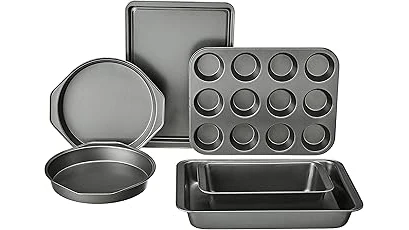
Baking Pans
If you enjoy baking, a few specific pans will make a world of difference.
- Baking Sheets: These flat metal pans are essential for baking cookies, roasting vegetables, and anything that needs to be spread out. You’ll likely want at least two.
- Muffin Tin: Perfect for making muffins, cupcakes, and even mini quiches or egg bites.
- Cake Pans: Round or square cake pans are necessary for making cakes and layered desserts. An 8-inch or 9-inch round pan is a good starting point.
Having the right baking pans ensures even cooking and easy removal of baked goods.
Other Useful Specialty Items
Depending on your culinary interests, other items might be worth considering:
- Wok: If you love stir-frying, a wok with its deep, curved shape is ideal for fast, high-heat cooking and tossing ingredients.
- Grill Pan: A cast iron grill pan can give you those desirable grill marks on your stovetop, mimicking outdoor grilling for steaks, chicken, and vegetables.
- Slow Cooker: For hands-off cooking of tender meats and stews over several hours, a slow cooker is a fantastic appliance.
These items cater to specific cooking techniques and can expand the range of dishes you can confidently prepare.
Material Matters What Basic Cookware Do I Need
The materials used in cookware significantly impact its performance, durability, and how it interacts with food. Understanding these differences helps you choose the right pieces and care for them properly. This section delves into the most common cookware materials, explaining their pros and cons so you can make informed decisions about what basic cookware do I need to invest in for your kitchen.
Stainless Steel
Stainless steel is a popular choice for cookware due to its durability, resistance to rust and corrosion, and non-reactive nature, meaning it won’t impart metallic flavors to your food. It’s also oven-safe and dishwasher-safe for most types.
However, plain stainless steel can have hot spots, leading to uneven cooking. Many quality stainless steel pots and pans feature a core of aluminum or copper sandwiched between layers of stainless steel. This core greatly improves heat conductivity and distribution, making the cookware perform much better.
Pros: Durable, non-reactive, easy to clean, versatile.
Cons: Can have hot spots if not constructed with a conductive core, can be more expensive.
Cast Iron
Cast iron cookware is renowned for its exceptional heat retention and durability. When properly seasoned, it can become naturally non-stick and is fantastic for searing meats, creating a beautiful crust. It’s also oven-safe and can last for generations.
The main drawback is its weight. Cast iron also requires specific care; it should not be put in the dishwasher and needs to be dried thoroughly after washing to prevent rust. Acidic foods can sometimes strip the seasoning if cooked for extended periods.
Enameled cast iron, like Dutch ovens, offers the benefits of cast iron without the intense seasoning maintenance.
Pros: Excellent heat retention, durable, develops a natural non-stick surface with seasoning, oven-safe.
Cons: Very heavy, requires special seasoning and care, can rust if not maintained.
Non-Stick Cookware
Non-stick cookware, typically coated with PTFE (like Teflon) or ceramic, makes cooking and cleaning incredibly easy, especially for delicate foods like eggs and fish. Food slides off with minimal oil, which can be a health benefit.
The primary limitation of non-stick surfaces is their durability. They can be scratched by metal utensils and their non-stick properties degrade over time, especially with high heat. It’s crucial to use gentle cleaning methods and avoid overheating.
Pros: Easy food release, easy to clean, requires less oil.
Cons: Less durable, can be scratched, non-stick properties wear out over time, some coatings may degrade at very high temperatures.
Copper
Copper is an excellent conductor of heat, offering unparalleled control over cooking temperatures. It heats up quickly and cools down just as fast, making it ideal for precise cooking methods. Cookware often has a copper exterior or core, with stainless steel or tin lining the cooking surface.
Copper cookware is beautiful but also expensive and requires regular polishing to maintain its shine. It’s also not typically used directly on induction cooktops unless it has a magnetic base.
Pros: Superior heat conductivity and control, beautiful appearance.
Cons: Very expensive, requires frequent polishing, can react with acidic foods if not properly lined, not always induction compatible.
Aluminum
Aluminum is a good conductor of heat and is lightweight and affordable. Many non-stick pans use aluminum as their base.
Pure aluminum can react with acidic foods and may wear down over time. Hard-anodized aluminum is a more durable and less reactive option. Aluminum is generally not as durable as stainless steel or cast iron but offers good performance for its cost.
Pros: Lightweight, heats up quickly, affordable.
Cons: Can react with food, can warp, less durable than some other materials.
Building Your Basic Cookware Set
Now that we’ve explored the essential pieces and materials, let’s put it all together. When you ask yourself what basic cookware do I need, focus on versatility and quality over quantity. A few well-chosen pieces will serve you far better than a large collection of items you rarely use.
This section provides guidance on how to select and purchase your foundational cookware set, ensuring you get the most value and functionality.
Prioritize Versatility
The goal is to equip your kitchen so you can cook a wide variety of meals. Start with items that can perform multiple functions. For example, a good skillet can fry, sauté, and even bake.
A Dutch oven can braise, stew, and be used for baking bread.
Think about the types of meals you most often cook or want to cook. Do you bake a lot? Then baking sheets and cake pans should be higher on your list.
Do you love making soups and stews? A stockpot and Dutch oven are key.
Quality Over Quantity
It’s better to have one high-quality 10-inch skillet than three cheap ones that warp and scratch easily. Invest in pieces that will last and perform well. Good cookware can make a significant difference in your cooking experience, preventing frustration and yielding better results.
Look for sturdy construction, comfortable handles, and even heating. While a full professional set can be costly, you can build a solid foundation gradually.
Sample Starter Set
For most home cooks, a good starting point for what basic cookware do I need would include:
- One 10-inch non-stick skillet for eggs and delicate items.
- One 10-inch or 12-inch stainless steel or cast iron skillet for searing and sautéing.
- One 2-3 quart saucepan with a lid for sauces and boiling.
- One 6-8 quart stockpot with a lid for soups and pasta.
- A good chef’s knife and a cutting board.
- Measuring cups and spoons.
- A few essential utensils like a whisk, spatula, and tongs.
This set allows you to prepare a wide array of dishes, from simple breakfasts to more involved dinners. As you cook more, you’ll discover other pieces that would be beneficial for your specific cooking habits.
Caring For Your Cookware
Proper care extends the life of your cookware and maintains its performance. Always follow the manufacturer’s instructions. Generally, avoid abrasive cleaners and metal scouring pads on non-stick surfaces.
Hand-washing is often recommended for cast iron and some non-stick pans. For stainless steel, gentle scrubbing and immediate drying can prevent water spots.
Frequently Asked Questions
Question: What is the absolute minimum cookware I need to start cooking basic meals?
Answer: For basic cooking, you’ll absolutely need a medium-sized skillet (around 10 inches) for frying and sautéing, a medium saucepan (2-3 quarts) with a lid for boiling and sauces, a good chef’s knife, and a cutting board. Measuring cups and spoons are also essential for accuracy.
Question: Should I buy a set or individual pieces?
Answer: It’s generally better to buy individual pieces, especially when starting out. This allows you to select high-quality items that meet your specific needs and budget, rather than buying a set that might contain pieces you’ll never use or are of lower quality.
Question: What is the best material for everyday cooking?
Answer: Stainless steel with a conductive core (like aluminum or copper) is excellent for everyday cooking due to its durability, even heating, and ease of maintenance. Non-stick skillets are also very useful for specific tasks like cooking eggs.
Question: How do I choose the right size pot or pan?
Answer: For a single person or couple, smaller sizes (8-10 inch skillet, 2-quart saucepan) are usually sufficient. For families or those who cook large batches, opt for larger sizes (12-inch skillet, 6-8 quart stockpot).
Question: Is it worth investing in expensive cookware?
Answer: Yes, investing in good quality cookware is often worth it. Higher quality pieces tend to heat more evenly, are more durable, and can make cooking more enjoyable and successful. However, focus on the essentials first before splurging on premium items.
Conclusion
Knowing what basic cookware do I need is the foundation for enjoyable cooking. Start with versatile pieces like a good skillet, saucepan, and stockpot. Add essential tools like knives, measuring instruments, and spatulas.
Prioritize quality over quantity and choose materials suited to your cooking style. This practical approach ensures your kitchen is ready for everyday meals and culinary adventures.

Leave a Reply