
Imagine prepping dinner, and your phone buzzes. It’s your smart cooktop, telling you it’s preheated and ready. No more hovering or guessing.
This is the convenience modern kitchens are embracing. A cooktop for smart homes can transform your cooking experience, making it easier and more efficient. You’ll learn about the latest smart cooktop features, how they work, and what benefits they offer to elevate your home cooking.
This guide will help you make an informed choice for your connected kitchen.
Smart Cooktop Features For Your Kitchen
Smart cooktops bring a new level of convenience and control to your kitchen. They connect to your home network, allowing you to interact with them remotely through apps on your smartphone or tablet. This connectivity opens up a world of possibilities, from preheating your cooktop on your way home to receiving notifications about your cooking progress.
The integration of smart technology makes cooking more intuitive and less time-consuming. These devices are designed to simplify complex tasks and offer greater flexibility in your daily routine. They can also provide valuable energy usage data, helping you make more eco-conscious decisions.
The core idea is to make cooking more accessible and enjoyable for everyone.
Remote Control And Monitoring
One of the most significant advantages of a smart cooktop is its remote control and monitoring capabilities. Through a dedicated mobile app, you can turn your cooktop on or off, adjust temperature settings, and set timers from anywhere. This is incredibly useful if you forget to turn off the stove or want to start cooking before you arrive home.
The app can also send you alerts. For example, it might notify you when a pot of water has boiled or when your cooking is complete. This constant feedback loop ensures you are always in control and informed about your meal preparation.
- Preheat Your Cooktop Remotely
- Adjust Temperature From Anywhere
- Receive Cooking Progress Notifications
Imagine leaving work and, with a few taps on your phone, instructing your smart cooktop to preheat. By the time you get home, your cooking surface is at the perfect temperature, saving you valuable minutes during busy weeknights. This feature is a testament to the convenience smart technology brings to everyday tasks.
Whether you’re in another room or out running errands, you can adjust cooking temperatures with precision. If a recipe calls for a lower simmer, you can make that adjustment instantly without needing to be physically present. This level of control minimizes the risk of overcooking or burning your food.
Smart cooktops can send real-time updates to your phone. You can be alerted when a specific cooking zone reaches a certain temperature, when a timer is about to expire, or when a dish is finished. This keeps you informed and allows you to multitask more effectively.
Voice Control Integration
Many smart cooktops integrate seamlessly with voice assistants like Amazon Alexa and Google Assistant. This allows for hands-free operation, which is a boon when your hands are messy or full. You can simply speak your commands to control settings, check the status of your cooking, or set timers.
This hands-free interaction enhances the overall cooking experience, making it more fluid and accessible, especially when following complex recipes.
- Hands-Free Operation
- Access Cooking Information
With voice control, you can manage your cooktop without touching a single button. This is especially helpful when you’re in the middle of chopping vegetables or stirring a sauce and need to make a quick adjustment to the heat. Simply say, “Hey Google, set the front burner to medium-low,” and your cooktop responds.
Beyond basic controls, voice assistants can provide cooking tips or convert measurements for you. If a recipe calls for cups and you only have a scale, your voice assistant can help convert the weight to volume. This adds another layer of utility to your smart kitchen.
Advanced Safety Features
Smart cooktops often come with enhanced safety features. These can include automatic shut-off timers, child-lock functions, and even sensors that detect if a pot or pan is present. Some models can also alert you if a burner has been left on for an extended period, providing peace of mind, especially for households with children or elderly individuals.
These features go beyond traditional cooktop safety measures, offering a more comprehensive protection system.
- Automatic Shut-Off
- Child Lock Functionality
- Pan Detection Sensors
If a burner is left on with no cookware for a set amount of time, the cooktop will automatically turn off. This prevents accidental fires and saves energy. This safety net is invaluable for busy households where distractions are common.
Prevent curious little hands from accidentally turning on the cooktop with a child lock feature. This setting can be easily activated and deactivated by adults, ensuring safety without hindering operation for authorized users.
Some smart cooktops use sensors to detect if a pot or pan is correctly placed on the burner. If no cookware is detected, the burner will not heat up, further enhancing safety and preventing wasted energy.
Types Of Smart Cooktops
When considering a smart cooktop, you’ll find various technologies that cater to different cooking styles and kitchen aesthetics. The most common types are induction, electric, and gas cooktops, each offering unique benefits. Smart technology is increasingly being integrated into these established formats, providing the best of both worlds: familiar cooking methods enhanced by modern connectivity and control.
The choice often comes down to personal preference, existing kitchen infrastructure, and desired features. Understanding the distinctions between these types will help you select the ideal smart appliance for your home.
Induction Smart Cooktops
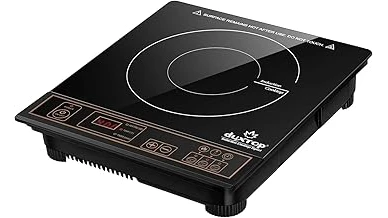
Induction cooktops are renowned for their efficiency, speed, and precise temperature control. They work by using electromagnetic fields to directly heat cookware, rather than heating the cooktop surface itself. This means the cooktop surface stays relatively cool, making it safer and easier to clean.
When combined with smart technology, induction offers unparalleled control. You can often set very specific temperature profiles or cooking modes through an app, making it ideal for delicate tasks like making sauces or tempering chocolate.
- Energy Efficiency
- Rapid Heating
- Precise Temperature Control
Induction cooktops are highly energy-efficient because they transfer heat directly to the pot or pan. This direct energy transfer minimizes heat loss to the surrounding air, meaning less energy is wasted. This can translate to lower electricity bills over time compared to traditional electric or gas cooktops.
The electromagnetic heating process allows induction cooktops to heat up incredibly fast. Water can boil in a fraction of the time it takes on other cooktops. This speed is a significant advantage for busy cooks who need to get meals on the table quickly.
Induction offers very fine control over heat levels. Many smart induction cooktops allow users to select precise temperatures or even program specific heating sequences, which is invaluable for complex recipes requiring consistent and exact heat. For instance, maintaining a gentle simmer for hours is much easier with induction.
Technical Term Explanation: Electromagnetic Induction
Electromagnetic induction is a phenomenon where a changing magnetic field induces an electric current in a conductor. In an induction cooktop, a coil beneath the ceramic surface generates an alternating magnetic field. When a magnetic pot or pan is placed on this coil, the magnetic field causes the metal in the cookware to heat up rapidly.
This is an efficient process because the heat is generated directly within the cookware itself, with minimal energy lost to the surrounding air or the cooktop surface.
Smart Electric Cooktops
Traditional electric cooktops use heating elements, often made of coiled metal or a smooth ceramic surface, to generate heat. Smart electric cooktops enhance these by adding connectivity. They offer a familiar cooking experience but with added digital benefits.
While they may not be as fast or energy-efficient as induction, they are often more affordable and don’t require special magnetic cookware. The smart features allow for remote monitoring, setting timers, and even receiving diagnostic information about the cooktop’s performance.
- Familiar Cooking Experience
- Wide Cookware Compatibility
- Potentially Lower Initial Cost
For those accustomed to electric coil or smooth-top electric stoves, a smart electric cooktop provides a natural transition. The cooking principles are the same, but with the added advantage of app control and notifications.
Unlike induction, electric cooktops work with a broad range of cookware materials, including aluminum, copper, glass, and stainless steel. This means you likely won’t need to buy new pots and pans to use a smart electric cooktop.
Generally, smart electric cooktops can be less expensive to purchase upfront compared to their induction counterparts. This makes them an accessible entry point into smart kitchen technology for many homeowners.
Technical Term Explanation: Radiant Heating Element
A radiant heating element in an electric cooktop is typically a metal coil or a ribbon of resistance wire embedded beneath a glass-ceramic surface. When electricity flows through this element, its resistance causes it to heat up. This heat is then transferred to the cookware placed on top through direct contact and radiation.
The intensity of the heat is controlled by varying the amount of electricity flowing through the element.
Smart Gas Cooktops
Gas cooktops use an open flame to cook food, offering instant heat and responsive flame adjustment. Integrating smart technology into gas cooktops is less common than with electric or induction, but it is growing. These smart models might offer features like remote monitoring of the gas flow, safety shut-off timers, or even integration with smart home systems to alert you if a burner is left on.
The primary appeal of gas is still the tactile control and visible flame, now augmented by digital safety and convenience features.
- Instant Heat And Flame Control
- Precise Simmering
- Smart Safety Enhancements
The primary advantage of gas cooktops is the immediate responsiveness of the flame. You can turn the heat up or down instantly, and see the flame adjust. This tactile feedback is highly valued by many professional chefs and home cooks alike.
Gas cooktops are excellent for achieving very low, gentle simmers, which is crucial for delicate sauces and stews. The ability to control the flame precisely ensures that food cooks evenly without burning.
While gas cooktops inherently have safety features, smart versions can add layers of protection. This might include automatic shut-off timers if no cooking activity is detected for a prolonged period, or connectivity that alerts your phone if the gas is left on.
Benefits Of A Cooktop For Smart Homes
Integrating a smart cooktop into your home offers a range of advantages that go beyond basic cooking. These benefits touch upon convenience, efficiency, safety, and even an enhanced cooking experience. By leveraging connectivity and intelligent design, these appliances can simplify your daily routines and make cooking more enjoyable and less stressful.
The adoption of smart home technology in the kitchen is not just about having fancy gadgets; it’s about making everyday life easier and more organized. These advancements can lead to time savings, reduced energy consumption, and greater peace of mind.
Enhanced Convenience And Time Savings
The most immediate benefit of a smart cooktop is the convenience it brings. Imagine being able to start preheating your cooktop on your commute home, or being alerted when dinner is ready while you’re busy with other chores. This frees up your time and reduces the mental load associated with cooking.
You can also manage cooking remotely, allowing for greater flexibility in your schedule. This technology is particularly beneficial for busy individuals and families who juggle multiple responsibilities.
- Streamlined Meal Preparation
- Multitasking Made Easier
With remote controls and notifications, you can better manage your cooking timeline. Preheating your cooktop before you arrive home means you can start cooking immediately, cutting down on preparation time. Notifications ensure you don’t miss important cooking stages.
While your food cooks, you can step away to help with homework, take a call, or simply relax. Smart features keep you informed without requiring your constant physical presence, allowing you to be more productive or enjoy downtime.
Improved Energy Efficiency
Many smart cooktops, particularly induction models, are designed with energy efficiency in mind. Their direct heating methods minimize heat loss, leading to faster cooking times and less wasted energy. Smart features can also help you monitor your energy consumption, providing insights into how you can cook more sustainably.
Some apps even offer tips on optimizing cooking for energy savings. This not only benefits the environment but can also lead to reduced utility bills.
- Reduced Heat Waste
- Usage Monitoring
Induction cooktops, for instance, generate heat only when cookware is present and magnetic. This focused heating means less energy is lost to the surrounding air compared to traditional electric elements or gas flames. This direct transfer is the key to their high efficiency.
Smart apps can often track your cooktop’s energy usage. This data allows you to identify patterns and make adjustments to your cooking habits for greater efficiency. You might discover that certain cooking methods or times are more energy-intensive.
Better Cooking Precision And Consistency
Smart cooktops offer enhanced control over cooking temperatures, leading to more consistent results. Many models allow you to set precise temperatures or even program cooking cycles. This is especially helpful for recipes that require exact heat levels, such as delicate sauces, candies, or slow-cooked dishes.
The ability to achieve and maintain precise temperatures minimizes the risk of overcooking or undercooking, ensuring delicious meals every time.
- Precise Temperature Settings
- Programmable Cooking Cycles
You can often set a specific temperature for a cooking zone, rather than just selecting a numbered heat level. This precision is invaluable for recipes where temperature is critical, ensuring perfect results consistently.
Some advanced smart cooktops allow you to program a series of cooking steps, including changes in temperature and time. This automated process ensures that your meal is cooked perfectly from start to finish without constant supervision.
Enhanced Safety For Your Home
Safety is a paramount concern in any kitchen, and smart cooktops often include advanced features to enhance it. Automatic shut-off timers, child lock functions, and pan detection sensors are common. These features provide peace of mind, reducing the risk of accidents and making your kitchen a safer environment for everyone, especially children and pets.
Remote alerts can also notify you if a burner is accidentally left on, allowing you to take immediate action.
- Automatic Shut-Off Protection
- Child Safety Locks
This feature automatically turns off a burner if it has been on for an extended period without any cooking activity. It acts as a safety net, preventing potential fires if you forget to turn off the appliance.
Prevent accidental activation by children with a child lock feature. This setting requires a specific sequence or button press to enable or disable, ensuring that the cooktop remains off unless intentionally operated by an adult.
Choosing The Right Smart Cooktop
Selecting the perfect smart cooktop involves considering several factors that align with your cooking habits, kitchen setup, and budget. It’s not just about the ‘smart’ features; the underlying cooking technology is equally important. Think about the types of meals you prepare most often, the cookware you already own, and the overall aesthetic you desire for your kitchen.
Taking the time to evaluate these aspects will ensure you invest in a appliance that truly enhances your cooking experience and integrates seamlessly into your smart home ecosystem. Here’s a breakdown of key considerations to guide your decision.
Assess Your Cooking Needs
Your cooking style is the most critical factor. Do you frequently simmer delicate sauces, or do you often boil water for pasta? If precise temperature control is paramount, induction might be your best bet.
If you prefer the immediate visual feedback of a flame, a smart gas cooktop might be more appealing. Consider the types of pots and pans you use, as induction requires magnetic cookware.
- Frequent Simmering And Delicate Sauces
- Boiling Water Quickly
- Wok Cooking And High-Heat Searing
For tasks requiring very low and controlled heat, induction cooktops excel. Their ability to maintain precise temperatures without scorching is a significant advantage for chefs who prepare complex sauces or melt chocolate.
If speed is your priority, induction and some high-powered electric cooktops can boil water significantly faster than gas. This is a key benefit for busy households that need meals on the table quickly.
Gas cooktops offer the most intense heat and the ability to maneuver woks easily, providing that essential high-heat sear for many Asian dishes and stir-fries.
Consider Your Kitchen Infrastructure
Your existing kitchen setup plays a vital role. Do you have natural gas lines available? If not, an electric or induction cooktop is your only option.
Induction cooktops require a dedicated, high-amperage electrical circuit, so ensure your home’s electrical system can support it. Some older homes might require upgrades to accommodate these powerful appliances. It’s always wise to consult with an electrician before installation if you’re unsure.
- Availability Of Natural Gas
- Electrical Requirements For Induction
- Existing Cookware Compatibility
If your home is equipped with a natural gas line, a gas cooktop is a straightforward option. This eliminates the need for electrical power for heating, relying instead on the gas supply.
Induction cooktops draw a significant amount of power. They typically require a 240-volt dedicated circuit. If your home’s electrical panel doesn’t have a spare slot or sufficient capacity, you may need an electrical upgrade.
Check if your current pots and pans are compatible with induction cooktops. Cookware must be magnetic. A simple way to test is with a magnet; if it sticks to the bottom of the pan, it should work on induction.
Budget And Brand Reputation
Smart cooktops vary significantly in price. Induction models tend to be the most expensive, followed by electric, and then gas. Consider your budget and research reputable brands known for their smart appliance technology and reliability.
Look for brands that offer good customer support and regular software updates for their smart features. Reading reviews from other users can provide valuable insights into long-term performance and satisfaction.
- Price Range
- Brand Reliability And Support
- User Reviews
Smart cooktops can range from several hundred dollars for basic smart electric models to well over $2,000 for high-end induction units with advanced features. Set a budget before you start shopping to narrow down your options.
Some brands have a stronger reputation for smart home integration and durability. Look into brands that offer a good warranty and readily available customer service for any technical issues that may arise with the smart features.
Customer feedback is invaluable. Reviews often highlight practical pros and cons of specific models that aren’t apparent in product descriptions. Pay attention to comments about app usability, connectivity stability, and how well the smart features perform in real-world use.
Frequently Asked Questions
Question: What is the main advantage of a smart cooktop?
Answer: The main advantage is enhanced convenience, allowing for remote control, monitoring, and notifications, which saves time and simplifies cooking tasks.
Question: Do I need special cookware for a smart cooktop?
Answer: For induction smart cooktops, yes, you need magnetic cookware. Electric and gas smart cooktops generally work with most standard cookware.
Question: Are smart cooktops more energy efficient?
Answer: Induction smart cooktops are generally the most energy efficient due to their direct heating method, which minimizes heat loss.
Question: Can I control my smart cooktop with my voice?
Answer: Many smart cooktops integrate with voice assistants like Alexa and Google Assistant, allowing for hands-free voice control.
Question: How do smart cooktops improve kitchen safety?
Answer: They often include features like automatic shut-off timers, child lock functions, and pan detection sensors, providing an extra layer of safety.
Summary
A cooktop for smart homes brings modern convenience and control to your kitchen. From remote preheating to precise temperature management, these appliances simplify cooking. Induction, electric, and gas options all offer unique benefits enhanced by smart technology.
Enhanced safety features and energy efficiency further elevate the cooking experience. By assessing your cooking needs and kitchen setup, you can find the perfect smart cooktop to elevate your culinary endeavors.

Leave a Reply