
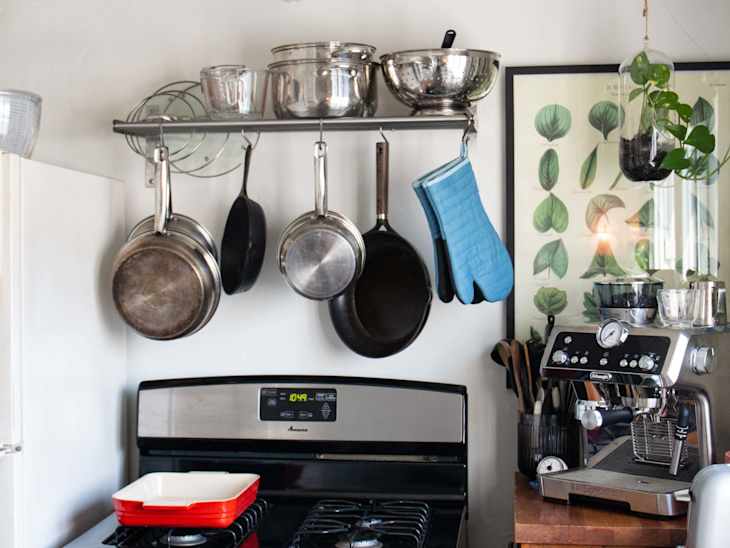
Choosing the right cookware can change your cooking experience. With so many options available, it’s hard to know what works best for you.
My Cookware Review:In this review, I will share my honest thoughts on various cookware types. I’ve tested many brands and styles in my own kitchen. From non-stick pans to stainless steel pots, each piece has its own strengths and weaknesses. Understanding these differences can help you make better choices for your cooking needs.
Whether you are a beginner or an experienced cook, this guide aims to provide valuable insights. Read on to find out which cookware stood out and which ones fell short. Your next meal could depend on it!

Introduction To My Cookware Journey
Every great chef starts with the right tools. My journey began with a simple kitchen setup. I wanted to create delicious meals for my family. Choosing the right cookware was essential.
Initial Kitchen Setup
My first kitchen was small and basic. I had only a few essential items. Here’s what I started with:
- One frying pan
- One saucepan
- A set of mixing bowls
- A baking sheet
- A cutting board
These items helped me prepare many meals. I learned quickly what worked best for me. Each piece of cookware had its purpose. Over time, my needs changed.
Why I Decided To Review Cookware
After years of cooking, I wanted to share my experiences. Many people struggle with cookware choices. I aimed to help others make better decisions.
Here are some reasons why I decided to review cookware:
- To share personal experiences
- To compare different brands
- To highlight pros and cons
- To recommend affordable options
My reviews focus on practical insights. I want to guide new cooks and seasoned chefs. Understanding cookware can improve cooking skills.
Join me as I dive deeper into my cookware journey.
Criteria For Choosing Cookware
Selecting the right cookware is crucial for any kitchen. The right pots and pans can make cooking easier. They can help you prepare meals more efficiently. Here are key criteria to consider when choosing cookware.
Material Considerations
Cookware comes in various materials. Each has its pros and cons. Here are some common materials:
| Material | Pros | Cons |
|---|---|---|
| Stainless Steel | Durable, non-reactive, easy to clean | Poor heat conductivity |
| Cast Iron | Excellent heat retention, great for searing | Heavy, requires seasoning |
| Non-Stick | Easy food release, less oil needed | Can scratch easily, limited heat tolerance |
| Copper | Excellent heat conductivity, responsive | Requires polishing, expensive |
Choose a material based on your cooking style. Think about how often you cook and what you cook.
Ergonomic Design Features
Cookware should be comfortable to use. Ergonomic design features enhance the cooking experience. Here are important features to consider:
- Handle Comfort: Look for handles that feel good in your hand.
- Weight: Lighter cookware can be easier to handle.
- Shape: Curved edges help with pouring and stirring.
- Heat Resistance: Handles that don’t get hot are safer.
Good design makes cooking enjoyable. Pay attention to these features before buying cookware.
Cast Iron Skillets: A Timeless Classic
Cast iron skillets are a staple in many kitchens. They are known for their durability and heat retention. With proper care, they can last a lifetime. These skillets offer unique benefits. Let’s explore how to care for them and their versatility.
Seasoning And Maintenance Tips
Seasoning is crucial for cast iron skillets. It creates a non-stick surface. Follow these simple steps to season your skillet:
- Clean the skillet with warm, soapy water.
- Dry it completely with a clean cloth.
- Apply a thin layer of vegetable oil.
- Place it upside down in an oven at 375°F (190°C) for one hour.
To maintain your skillet:
- Avoid using soap for daily cleaning.
- Rinse with hot water and scrub with a brush.
- Dry immediately after washing.
- Reapply oil after each use.
Regular maintenance keeps your skillet in top shape. It prevents rust and keeps food from sticking.
Versatility In The Kitchen
Cast iron skillets can handle various cooking methods. They are perfect for:
- Frying
- Baking
- Searing
- Roasting
These skillets can go from stovetop to oven easily. They retain heat well, making them great for cooking meats. Use them for cornbread, frittatas, or even desserts.
Here’s a quick comparison of cooking methods:
| Cooking Method | Benefits |
|---|---|
| Frying | Crispy texture, even cooking |
| Baking | Better heat distribution, great for bread |
| Searing | Locks in juices, enhances flavor |
| Roasting | Perfect for vegetables and meats |
Cast iron skillets are not only durable but also versatile. They can adapt to many recipes and cooking styles.

Credit: www.thekitchn.com
Non-stick Pans: Convenience Meets Cooking
Non-stick pans offer ease in cooking. They help food release easily. This means less sticking and less mess. Cooking becomes quicker and more enjoyable. Clean-up is a breeze. You can spend more time enjoying meals and less time scrubbing pots.
Best Practices For Use And Care
Taking care of your non-stick pans helps them last longer. Here are some best practices:
- Use wooden or silicone utensils: Metal can scratch the surface.
- Cook on low to medium heat: High heat can damage the coating.
- Hand wash only: Avoid the dishwasher to protect the non-stick layer.
- Use mild soap: Harsh cleaners can wear down the coating.
- Store carefully: Avoid stacking pans without protection to prevent scratches.
Comparing Top Brands
Many brands offer non-stick pans. Here’s a quick comparison of popular options:
| Brand | Material | Durability | Price Range |
|---|---|---|---|
| Brand A | Aluminum | Good | $20 – $40 |
| Brand B | Ceramic | Excellent | $30 – $60 |
| Brand C | Stainless Steel | Very Good | $40 – $80 |
Each brand has unique features. Consider your cooking style and budget. Choose what fits your needs best.
Stainless Steel Sets: The Professional’s Choice
Stainless steel cookware is a favorite among professional chefs. It combines style with functionality. Many home cooks also choose stainless steel for its many benefits. Let’s explore why stainless steel sets are a top choice.
Benefits Of Stainless Steel
- Durability: Stainless steel is tough. It resists scratches and dents.
- Non-reactive: It does not react with acidic foods. This keeps flavors intact.
- Even Heating: Stainless steel heats evenly. This helps cook food uniformly.
- Easy to Clean: Most stainless steel sets are dishwasher safe. They are also stain-resistant.
- Attractive Appearance: Stainless steel cookware looks sleek and modern. It fits well in any kitchen.
Performance And Durability Tests
Testing stainless steel cookware shows impressive results. Here are some key findings:
| Test Type | Description | Results |
|---|---|---|
| Heat Distribution | Cookware heated on medium flame. | Even heat across the surface. |
| Scratch Resistance | Using metal utensils on cookware. | No visible scratches. |
| Stain Resistance | Cooking with tomato sauce. | No staining after cleaning. |
| Warping Test | Heating and cooling cycles. | No warping after multiple cycles. |
These tests show that stainless steel is built to last. It performs well in various cooking conditions. Many cooks trust stainless steel for their daily needs.
Ceramic Cookware: The Healthier Alternative
Ceramic cookware is gaining popularity. Many people seek healthier cooking options. It offers a safer way to prepare meals. This section explores its benefits.
Understanding Ceramic Coating Advantages
Ceramic cookware features a non-stick coating. This coating has several advantages:
- Non-toxic materials: No harmful chemicals are used.
- Even heating: Distributes heat evenly for better cooking.
- Easy to clean: Food doesn’t stick easily, making cleanup simple.
- Scratch-resistant: Durable surface withstands daily use.
These features make ceramic cookware a smart choice. It is safe for you and your family.
Long-term Value Assessment
Investing in ceramic cookware is wise. Consider these factors:
| Feature | Short-term Cost | Long-term Savings |
|---|---|---|
| Durability | Moderate | Lasts longer than traditional non-stick pans |
| Health Benefits | Low | Less chance of chemical exposure |
| Maintenance | Low | Easy to clean; saves time and effort |
Ceramic cookware offers great value over time. It reduces health risks and simplifies cooking.
Specialty Items: Enhancing The Cooking Experience
Specialty cookware can truly enhance your cooking experience. Unique items like Dutch ovens and grill pans offer specific benefits. They make cooking easier and more enjoyable.
Dutch Ovens And Their Uses
Dutch ovens are versatile and durable. They can be used for various cooking methods. Here are some popular uses:
- Slow Cooking: Perfect for stews and soups.
- Baking: Great for bread and casseroles.
- Roasting: Ideal for meats and vegetables.
These pots distribute heat evenly. They keep your food warm for a long time. Many people love their sturdy design and stylish look.
| Feature | Benefit |
|---|---|
| Heavy Material | Even heat distribution |
| High Lid | Retains moisture |
| Versatile Use | Suitable for stove and oven |
Grill Pans For Indoor Bbq
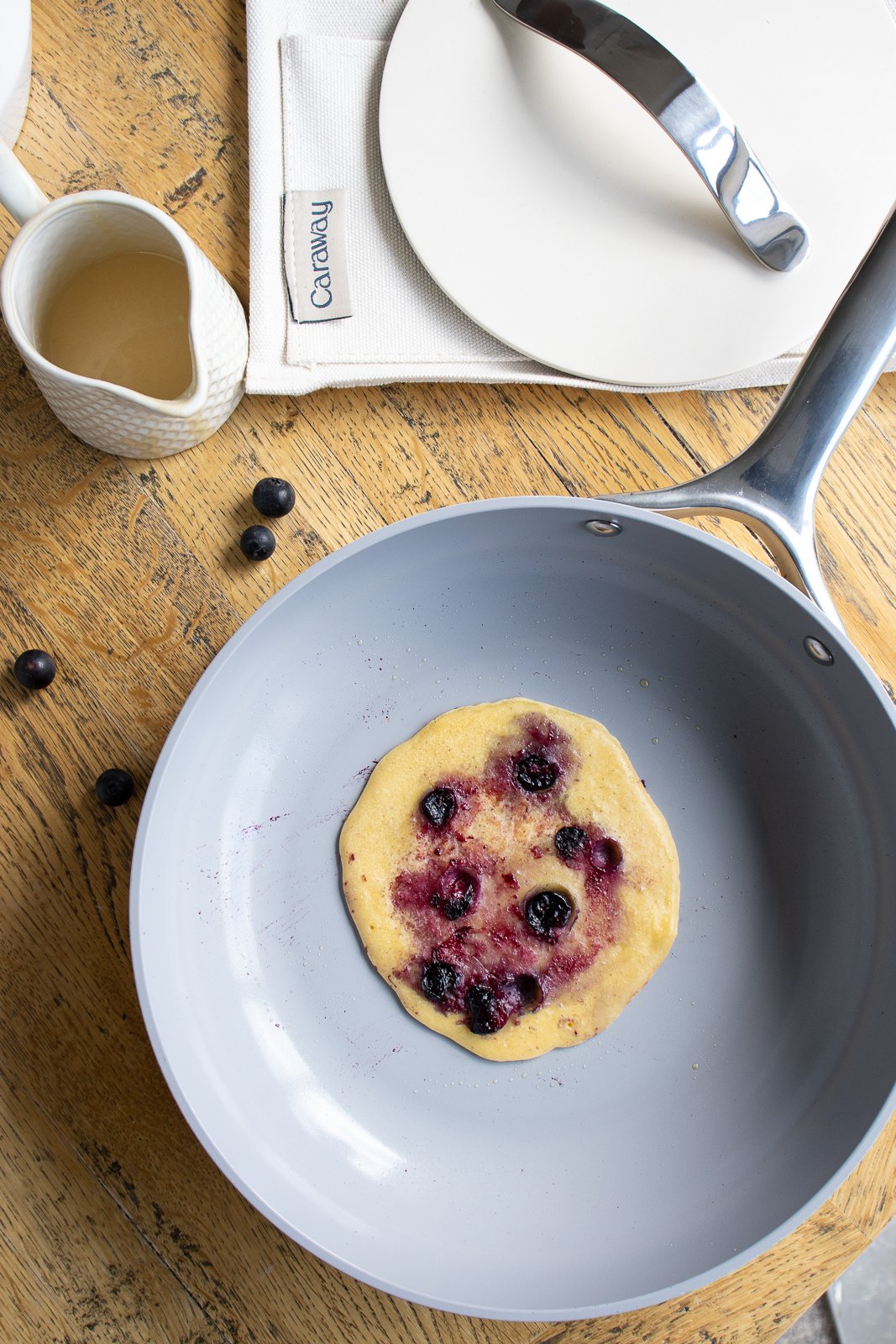
Grill pans are perfect for indoor grilling. They mimic the effect of outdoor grills. Enjoy delicious grilled food without leaving your kitchen.
Key features include:
- Ridges: Create grill marks on your food.
- Non-Stick Surface: Easy food release and cleaning.
- Durability: Made from strong materials.
Grill pans are great for:
- Cooking burgers and steaks.
- Grilling vegetables.
- Making paninis and sandwiches.
These pans allow you to cook year-round. Enjoy the flavors of BBQ anytime.
Credit: www.stripesandwillows.com
Accessories And Utensils: The Unsung Heroes
In every kitchen, accessories and utensils play a key role. They often go unnoticed, but they are essential for cooking. Quality tools make cooking easier. They help create delicious meals with less stress. Here, we explore must-have tools and the importance of investing in quality utensils.
Must-have Tools For Every Cook
Every cook needs reliable tools. These tools can enhance your cooking experience. Here are some must-have utensils:
- Wooden Spoons: Perfect for stirring. They don’t scratch your pots.
- Spatulas: Essential for flipping and serving. Choose silicone or stainless steel.
- Measuring Cups: Accurate measurements lead to better results. Use both dry and liquid measuring cups.
- Knives: A good chef’s knife is crucial. It makes chopping and slicing easy.
- Peeler: Fast peeling of fruits and vegetables. Look for ergonomic designs for comfort.
Investing In Quality Utensils
Quality utensils last longer and perform better. Investing in good tools saves money over time. Here are some benefits of choosing quality:
| Benefit | Description |
|---|---|
| Durability | High-quality materials resist wear and tear. |
| Performance | Better tools lead to improved cooking results. |
| Comfort | Ergonomic designs reduce strain during use. |
| Safety | Quality utensils reduce the risk of accidents. |
Choosing the right utensils can make cooking enjoyable. Quality tools enhance your kitchen experience. Don’t overlook these unsung heroes in your kitchen.
Price Vs. Quality: Balancing The Budget
Finding the right cookware can be a challenge. You want quality without breaking the bank. Understanding the balance between price and quality is key. This section helps you make smart choices.
Finding Affordable Options
Affordable cookware does not mean low quality. Many brands offer good options at lower prices. Here are some tips to find them:
- Research brands with good reviews.
- Look for sales and discounts.
- Consider purchasing sets instead of individual pieces.
- Check online marketplaces for deals.
Some affordable cookware types include:
| Type | Price Range | Quality Level |
|---|---|---|
| Stainless Steel | $50 – $150 | Good |
| Non-Stick | $30 – $100 | Decent |
| Cast Iron | $40 – $200 | Excellent |
When To Splurge On High-end Cookware
Sometimes, spending more is worth it. High-end cookware lasts longer. It also performs better. Here are key reasons to splurge:
- Frequent cooking. Invest in durable pieces.
- Cooking for a large family. Quality can save time.
- Specific cooking needs. Specialty pans can improve results.
High-end cookware often features:
- Better heat distribution.
- Durable materials.
- Ergonomic designs for ease of use.
Consider your cooking habits. Balance your budget with your needs. This will guide your cookware choices.

Credit: www.youtube.com
Conclusion: My Top Cookware Picks
Choosing the right cookware can make cooking enjoyable and easy. Here are my top picks based on reviews and personal experience. These selections offer durability, performance, and value.
Summary Of Reviews
Here’s a brief overview of the cookware options I reviewed:
| Cookware Type | Material | Rating | Price Range |
|---|---|---|---|
| Non-Stick Frying Pan | Aluminum | 4.5/5 | $20 – $30 |
| Cast Iron Skillet | Cast Iron | 4.8/5 | $25 – $50 |
| Stainless Steel Pot | Stainless Steel | 4.6/5 | $30 – $70 |
| Ceramic Bakeware | Ceramic | 4.7/5 | $15 – $40 |
These cookware types stand out for their performance and reliability. Each one offers unique benefits suited for different cooking styles.
Final Recommendations
Here are my top recommendations based on the reviews:
- Non-Stick Frying Pan: Great for easy cooking and cleanup.
- Cast Iron Skillet: Perfect for searing and baking.
- Stainless Steel Pot: Ideal for boiling and simmering.
- Ceramic Bakeware: Excellent for even baking.
Choose based on your cooking needs. Each piece is worth the investment. Enjoy cooking with these reliable choices!
Frequently Asked Questions
What Are The Best Materials For Cookware?
The best materials for cookware include stainless steel, cast iron, and non-stick. Each material has its own advantages. Stainless steel is durable and non-reactive. Cast iron retains heat well and is great for searing. Non-stick cookware is ideal for easy cooking and cleaning.
How Do I Choose The Right Cookware?
To choose the right cookware, consider your cooking style, budget, and material preferences. Think about the types of dishes you frequently prepare. Look for cookware that suits your needs, whether it’s for sautéing, baking, or boiling. Also, check for compatibility with your cooktop.
Is Non-stick Cookware Safe To Use?
Yes, non-stick cookware is generally safe when used correctly. Avoid overheating, as it can release harmful fumes. Use utensils made of silicone or wood to prevent scratching. Always follow manufacturer guidelines for maintenance and care to ensure safety and longevity.
How Do I Care For Cast Iron Cookware?
Caring for cast iron cookware involves regular seasoning and proper cleaning. After each use, clean it with hot water and a brush. Avoid soap, as it can strip the seasoning. Reapply a thin layer of oil after cleaning to maintain its non-stick surface.
Conclusion
Choosing the right cookware matters. It affects your cooking and meals. My review covers various options. Each type has its pros and cons. Think about your cooking needs. Consider your budget and preferences. Invest in quality for better results. Good cookware makes cooking enjoyable.
Try different materials to find what you like. Happy cooking! Enjoy your time in the kitchen.

Leave a Reply