
Proper cookware storage involves cleaning, organizing, and protecting your pots and pans. To do so, you should clean them thoroughly before storing, use dividers or racks to separate them and add some form of padding to prevent scratches.
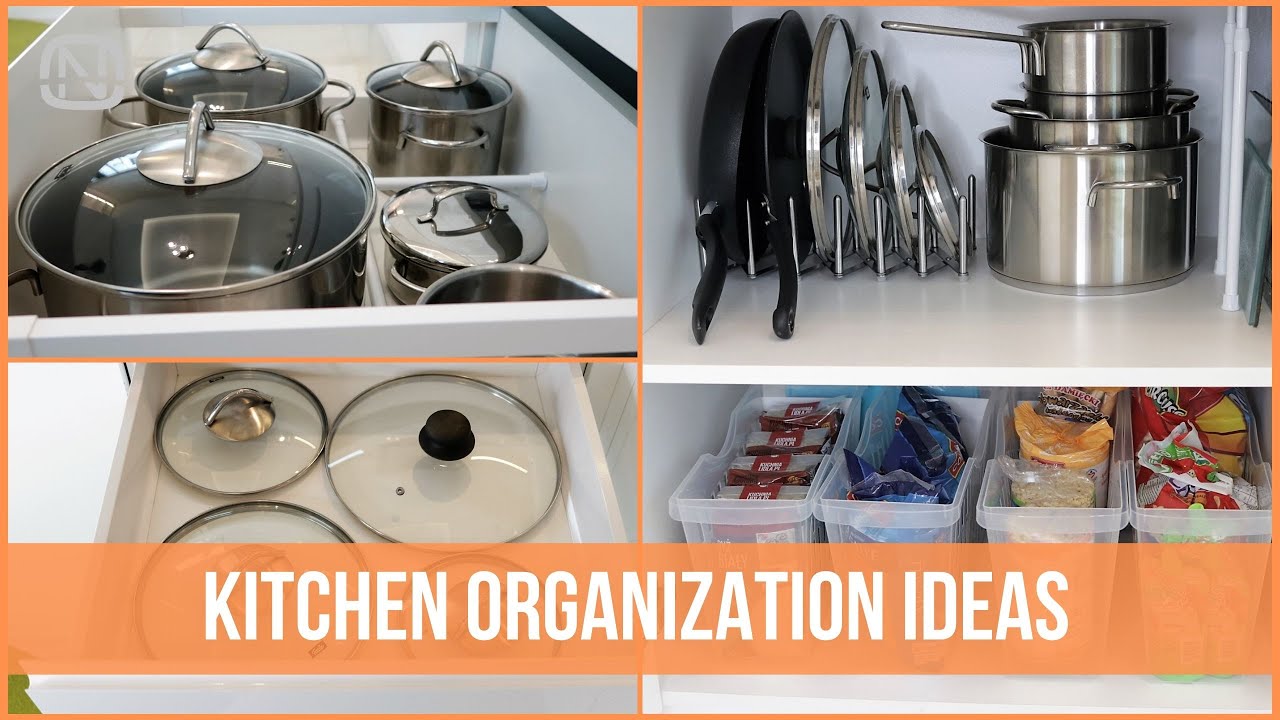
Credit: www.youtube.com
Assess Your Space
Organize, declutter, and tidy up your kitchen by storing your cookware correctly. Gone are the days of struggling to locate specific pots and pans stored haphazardly in a kitchen cabinet. Save time and energy by carefully arranging your cookware. Before you start organizing, take a deep breath and examine your kitchen space.
The following sections will explain how to assess, measure, evaluate, and determine which cookware needs to be stored to optimize your kitchen. Let’s get started!
Measure Your Available Space
Measure twice and store once! Before you start organizing your cookware, measure your kitchen cabinets, drawers, and shelves to ensure the cookware will fit correctly. Follow these steps:
- Use a tape measure to measure the height, depth, and width of your cabinets and drawers.
- Write down the measurements and keep them handy.
- Compare the measurements with the cookware you plan to store to ensure they fit comfortably.
Evaluate What You Have
Take inventory of your cookware and evaluate their usefulness. Place all your cookware on the kitchen counter and follow these steps:
- Discard any cookware that is damaged, missing parts, or beyond repair.
- Group pots and pans by size and category.
- Place like items together, such as pots with lids, frying pans, casserole dishes, and baking pans.
Determine What Needs To Be Stored
Now that you have an idea of what you have to work with and the amount of cabinet and shelf space available, it’s time to start deciding which cookware needs to be stored. Follow these steps:
- Use the list of grouped cookware to determine the best place for each item to be stored.
- Store like items together in the same cabinet or shelf.
- Try to keep all cookware within arm’s reach of the cooking area.
Properly storing cookware can help declutter, save time, and maximize space in your kitchen. Organizing cookware begins with assessing your available space, measuring your cabinets and drawers, evaluating what you have, and then determining what needs to be stored. Now it’s time to start organizing!
Consider Your Options
How you store your cookware can have a significant effect on your kitchen’s efficiency and the longevity of your pots and pans. Proper storage and organization can make for a more enjoyable and functional cooking experience. Before stashing your cookware in any old cabinet, take some time to consider your storage options.
Here are some of the best options for storing your cookware:
Cabinet Storage Options
Cabinet storage is the most common way to store cookware. Here are some tips on how to organize your cookware in your kitchen cabinets:
- Group your pots and pans according to size and shape. This will help maximize space and make it easier to find what you’re looking for.
- Store larger items like dutch ovens on the bottom shelves and smaller items like frying pans and saucepans on higher shelves.
- Add a shelf or two to your cabinets to create more vertical storage space.
- Utilize cabinet organizers, like pull-out drawers, lazy susans, or wire racks, to help keep your cookware organized and easy to access.
- Install hooks on the inside of your cabinet doors to hang items like lids or cooking utensils.
Wall Storage Options
If you’re short on cabinet space, or just want to add some style to your kitchen, wall storage is a great option. Here are some tips on how to incorporate wall storage into your kitchen:
- Install a pegboard on a kitchen wall to hang your pots and pans, along with cooking utensils and other kitchen gadgets.
- Install a wall-mounted pot rack to keep your cookware in easy reach. Hanging your cookware on the wall also adds a decorative element to your kitchen.
- Use magnetic knife strips to keep your knives easily accessible and off your countertop.
- Install a wall-mounted shelf or cabinet to store items like spices, oils, and other cooking essentials.
By considering your storage options and implementing some of these tips, you can keep your cookware in excellent condition and have a more streamlined and organized kitchen.
Arrange Your Cookware Strategically
Now that you’ve cleaned and decluttered your cookware, it’s time to arrange them in a way that makes sense and is easy to access. Here are some tips to arrange your cookware strategically:
Organize By Frequency Of Use
One of the best ways to keep your kitchen organized is to arrange your cookware based on their frequency of use. Keep the items you use daily within easy reach, while those you use infrequently towards the back of the storage area.
- Group your cookware by usage frequency, with the most commonly used items at the front.
- Store pots and pans with lids nearby to avoid frustration when searching for the right matching lid.
- Hang frequently used pots and pans from a ceiling-mounted rack or a wall-mounted shelf for easy access.
Choose The Right Storage Container
The right storage container is key to protecting your cookware and keeping it organized. Choose containers that protect from scratches and dents, and that make it easy to access the cookware when needed.
- Avoid stacking pots and pans as it can cause scratches and dents; instead, use drawer dividers or place felt dividers between each piece of cookware.
- Store non-stick pans in their original packaging or wrap them in soft material to prevent scratches and damage.
- Use wire racks to store baking sheets, cutting boards, and other flat items.
With these simple tips, you can now arrange your cookware strategically, allowing you to cook and bake efficiently, saving you time and frustration.
Tips For Care And Maintenance
Storing your cookware properly is essential to ensure that they function correctly, look good, and last a long time. In this section, we’ll discuss tips for care and maintenance of your cookware, including how to clean them before storage, reducing scratches and damage, and avoiding stacking non-stick surfaces.
Properly Cleaning Your Cookware Before Storing
Properly cleaning your cookware before storage is vital to prevent any food residue from sticking to the pan and causing stains. Here are some tips to follow when cleaning your cookware before storing:
- Always let your cookware cool before cleaning it to avoid damage.
- Wash your cookware in warm, soapy water using a soft sponge or cloth.
- Avoid using abrasive cleaners or steel wool, which can scratch your cookware.
- For tougher stains, you can apply a paste of baking soda and water to the affected area and let it sit for 30 minutes before scrubbing with a sponge.
- Make sure you rinse your cookware thoroughly and dry it completely before storing it.
Reduce Scratches And Damage
Scratches on your cookware can cause hot spots, resulting in uneven cooking. Here are some tips to reduce scratches and damage to your cookware:
- Use non-metal utensils when cooking with non-stick pans to prevent scratches.
- Never store your cookware stacked, as this can cause damage and scratches. Instead, store them separately.
- Be careful not to bang your cookware against other objects when handling them.
- Avoid using high heat when cooking with non-stick cookware as this can damage the surface.
Avoid Stacking Non-Stick Surfaces
Stacking non-stick surfaces can cause scratches and damage to the surface that can affect your cookware’s performance. Here are some tips to avoid stacking non-stick surfaces:
- Store non-stick pans separately to prevent them from rubbing against each other.
- If you must stack them, put a paper towel or cloth between them to prevent scratches.
- Never stack more than two non-stick pans together.
By following these tips for care and maintenance, you can ensure that your cookware lasts a long time and that you get the most out of your investment. Properly storing your cookware will also help you keep your kitchen organized and tidy.
Frequently Asked Questions For How To Store Cookware Properly?
How To Clean Cookware Before Storing It?
Clean the cookware with warm soap water. Remove any food residue with a non-abrasive sponge. Dry the cookware completely before storing to avoid rust and damage.
What Is The Best Way To Store Non-Stick Cookware?
Stack them in a neat pile, ensuring that you place a soft cloth or towel between each piece to prevent scratches and scrapes. Do not hang non-stick cookware as their weight may damage the non-stick coating.
Can I Store Cookware With Lids On?
It’s okay to store cookware with lids on if you have ample space. Ensure that the lids are cleaned and dried to prevent moisture buildup. If your cookware is crowded, avoid storing them with lids as it may cause the lids to warp from pressure.
How Should I Store Cast-Iron Cookware?
Store cast-iron cookware in an open space with proper ventilation. Avoid stacking them to prevent scratches and chips. Coat the cookware with oil to prevent rust and store them in a dry area away from moisture or humidity.
Do I Need To Pack My Cookware Individually When Storing Them?
It’s not necessary to pack each piece individually. Ensure that you clean and dry them properly before stacking the cookware in a neat pile. Stack them according to their sizes with a soft cloth or towel between each piece to prevent scratches and damages.
Conclusion
With the right care, storing your cookware properly can ensure that it lasts for years to come. Remember to clean your cookware thoroughly before storing it and ensure that it’s completely dry. Use a designated storage area that is clean, dry and secure.
Consider investing in protective liners or covers to prevent scratches and damage. Avoid stacking heavy items on top of each other to prevent possible damage and maximize storage space. Always check for any damage or wear and tear before storing, and address any issues as needed.
By following these simple guidelines, you can extend the life of your cookware while keeping your kitchen organized and clutter-free. Happy cooking!

Leave a Reply