
Imagine your favorite pan, the one you reach for every morning to make perfect sunny-side-up eggs. Suddenly, you notice a scratch or a chip. Is it still safe?
This everyday worry highlights a big question for home cooks: how do we balance cookware safety vs durability? Many people struggle to know when a piece of cookware is no longer safe to use, even if it still looks usable. This article will guide you through the important differences, helping you make informed choices for your kitchen.
Understanding Cookware Safety Basics
When we talk about cookware safety, we’re focusing on how the materials and coatings of our pots and pans can affect our health. The goal is to avoid harmful substances leaching into our food. This is especially important with everyday cooking, where heat and wear can change a pan’s surface over time.
Understanding these risks helps us choose the right cookware and know when to replace it.
What Makes Cookware Unsafe
Certain materials and coatings, when damaged or used improperly, can release chemicals into food. This is a primary concern for cookware safety vs durability. For example, scratched non-stick coatings might release microscopic particles.
Old, worn-out cast iron can sometimes develop rust. It is important to know which materials are generally considered safe and under what conditions.
-
Non-stick coatings: These are often made with chemicals like PTFE (polytetrafluoroethylene). While generally safe at normal cooking temperatures, overheating PTFE can cause fumes. If the coating is scratched, tiny flakes might get into your food.
Although studies show small ingested amounts are unlikely to cause harm, it’s best to avoid consuming them.
-
Reactive metals: Cookware made from aluminum or copper can react with acidic foods. This reaction can cause a metallic taste in food and, over time, might lead to increased metal intake. Most modern cookware has a protective layer, like stainless steel or enamel, to prevent this reaction.
-
Damaged surfaces: Any cookware with deep scratches, chips, or rust can be a safety concern. These imperfections can harbor bacteria and make cleaning difficult. They also increase the chance of material breakdown and leaching.
Safe Material Choices
Many materials are widely recognized for their safety when used as intended. These options offer peace of mind in the kitchen. They are chosen for their inertness and resistance to degradation.
-
Stainless steel: This is a very popular choice because it’s durable, non-reactive, and easy to clean. High-quality stainless steel cookware is unlikely to release harmful substances into food. It is resistant to rust and scratching, making it a long-lasting option.
-
Cast iron: Properly seasoned cast iron is very safe. The seasoning is a layer of polymerized oil that creates a natural non-stick surface. It can even add a small amount of iron to your diet, which can be beneficial for some people.
However, unseasoned or rusted cast iron is not ideal.
-
Enameled cast iron: This cookware combines the heat distribution of cast iron with a smooth, non-reactive enamel coating. The enamel is typically made from glass particles, making it very safe and easy to clean. It does not react with food and is resistant to scratching.
-
Ceramic or glass: Cookware made from these materials is inert and does not react with food. They are good choices for baking and serving. Ensure they are designed for stovetop use if that is your intention, as not all ceramic or glass cookware can withstand direct heat.
Exploring Cookware Durability Factors
Durability refers to how well cookware holds up to repeated use, cleaning, and heat. A durable piece of cookware will maintain its structural integrity and cooking performance over a long period. This is a key aspect of cookware safety vs durability, as a pan that breaks down quickly might become unsafe sooner.
What Affects Cookware Lifespan
Several factors contribute to how long cookware lasts. These include the quality of materials, manufacturing processes, and how the cookware is cared for. Understanding these elements helps in selecting items that will serve you well.
-
Material quality: The grade and thickness of the metal used significantly impact durability. Thicker metals are more resistant to warping and denting. Higher quality alloys in stainless steel, for example, will resist corrosion better.
-
Construction methods: How a pan is put together matters. For instance, a pan with a thick, bonded base (often with an aluminum or copper core sandwiched between stainless steel) will distribute heat more evenly and is less likely to warp than a thin, stamped pan.
-
Coating integrity: For non-stick pans, the quality and application of the coating are paramount. Well-applied, robust coatings will resist chipping and peeling longer than cheaper, thinner coatings.
-
User care: Following manufacturer instructions for cleaning and maintenance is crucial. Harsh cleaning or improper storage can shorten the life of even the most durable cookware.
Signs of Wear and Tear
As cookware ages, it shows signs of use. Some signs are purely cosmetic, while others indicate a potential safety issue or a decline in cooking performance.
-
Warping: A pan that is no longer flat on the bottom will not heat evenly. This is often caused by extreme temperature changes or using a pan on too high a heat. Warped pans can also be unstable on a stovetop, posing a slight risk.
-
Scratches and gouges: Deep scratches, especially in non-stick surfaces, can compromise the coating. These areas can start to stick and may release small particles into food. Minor surface scratches on stainless steel are usually not a safety concern but can affect appearance.
-
Chipping or peeling: This is a major sign of wear, particularly in enameled or non-stick cookware. Chipped enamel can expose the underlying metal, and peeling non-stick coatings mean the safe surface is no longer intact.
-
Rust: While cast iron can rust if not cared for, rust on other types of cookware is a sign of damage and potential contamination. It indicates the protective layer has failed.
Comparing Cookware Materials: Safety and Durability
The best cookware balances both safety and durability. Different materials excel in different areas. Understanding these differences helps you choose what’s right for your cooking style and priorities.
Material Breakdown Table
Here is a comparison of common cookware materials, looking at their safety and durability aspects:
| Material | Safety Considerations | Durability | Pros | Cons |
|---|---|---|---|---|
| Stainless Steel | Very safe, non-reactive. Look for high-quality alloys. | Excellent. Resists warping, scratching, and corrosion. | Durable, easy to clean, versatile, affordable. | Can sometimes stick, requires seasoning for some types. |
| Cast Iron | Safe when seasoned. Can add iron to food. | Exceptional. Lasts for generations if cared for. | Excellent heat retention, natural non-stick surface when seasoned. | Heavy, requires special care (seasoning, hand wash), can rust if not maintained. |
| Enameled Cast Iron | Very safe, non-reactive enamel coating. | Very good. Durable, but enamel can chip. | Even heating, easy to clean, attractive. | Can be expensive, enamel is susceptible to chipping from impact. |
| Non-Stick (PTFE) | Safe at recommended temperatures. Avoid overheating or scratching. | Moderate. Coating wears out over time, especially with abrasive cleaning. | Excellent for delicate foods, easy release, easy to clean. | Coating can degrade, potential fumes if overheated, not as durable as metal. |
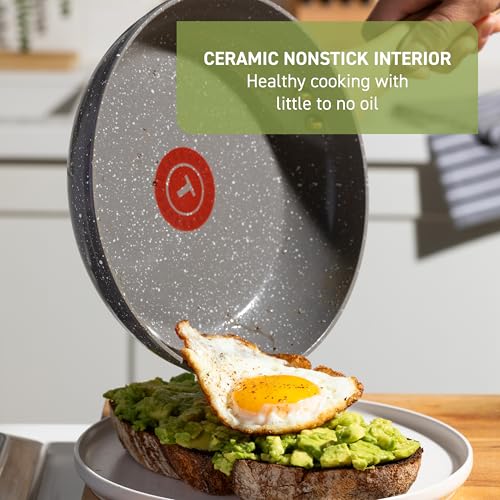
| Ceramic Non-Stick | Generally safe, often marketed as eco-friendly. | Moderate to good. Durability can vary by brand. | Good non-stick properties, often lighter than PTFE. | Can lose non-stick quality over time, sometimes more expensive. |
| Copper | Safe when lined with stainless steel or tin. Unlined copper can react. | Good. Can dent if handled roughly. | Excellent heat conductivity for precise control. | Expensive, requires regular polishing, reactive if unlined. |
When to Replace Cookware
Deciding when to retire a piece of cookware is a judgment call. It involves assessing both its safety and its ability to perform its cooking function effectively. Ignoring signs of wear can lead to poor cooking results or potential health concerns.
-
Deep scratches or gouges in non-stick surfaces: If you can easily see the metal or base material through the non-stick coating, it’s time for a replacement. This indicates the protective layer is compromised.
-
Significant warping: A pan that wobbles on the stove or has a visibly uneven bottom will cook food inconsistently. This can lead to burnt spots and undercooked areas simultaneously.
-
Chipped enamel or coatings: If the non-stick or enamel surface has noticeable chips or peeling areas, the pan is no longer safe to use for cooking. These loose pieces can mix with your food.
-
Persistent rust: While minor surface rust on cast iron can often be addressed, significant rust on other cookware indicates deterioration of the material and should be a reason for replacement.
Maintaining Your Cookware for Longevity and Safety
Proper care is essential for both the safety and durability of your cookware. Following simple guidelines can extend the life of your pans significantly and ensure they remain safe for cooking.
Everyday Care Tips
Good habits make a big difference. Treating your cookware with respect during daily use and cleaning prevents damage and maintains its effectiveness.
-
Use the right utensils: Avoid metal utensils on non-stick and coated surfaces. Opt for wood, silicone, or plastic to prevent scratches. Even with stainless steel, using sharp utensils can eventually create noticeable marks.
-
Control cooking temperatures: Do not preheat non-stick pans empty on high heat. Moderate heat is usually sufficient. Avoid sudden extreme temperature changes, like plunging a hot pan into cold water, which can cause warping or cracking.
-
Clean gently: For non-stick pans, use a soft sponge and mild dish soap. Avoid abrasive scrubbers or steel wool. For cast iron, typically only hot water and a stiff brush are needed after seasoning.
-
Dry thoroughly: Always dry your cookware completely after washing. This is especially important for cast iron to prevent rust. Leaving water to air dry can sometimes leave water spots or promote corrosion.
Storage Strategies
How you store your cookware can prevent damage when not in use. Proper storage prevents accidental impacts that can chip or scratch surfaces.
-
Use pan protectors: If stacking pots and pans, place pan protectors or soft cloths between them. This prevents the bottom of one pan from scratching the surface of another.
-
Avoid overcrowding: Do not cram pans into cabinets. Allow them some breathing room to prevent them from banging against each other. If hanging cookware, ensure it is secure.
-
Store lids separately or with care: If lids are stored on pans, ensure they fit snugly without putting pressure on rims or surfaces. Some people prefer to store lids separately to avoid extra weight or contact.
Frequently Asked Questions
Question: Is it safe to use scratched non-stick pans?
Answer: It is generally not recommended to use scratched non-stick pans. The scratches can indicate that the non-stick coating is wearing off, potentially releasing small particles into your food. While small amounts are unlikely to cause immediate harm, it’s best to replace scratched non-stick cookware.
Question: How often should I season my cast iron skillet?
Answer: You typically need to season a new cast iron skillet before its first use. After that, re-seasoning is needed when the non-stick surface starts to degrade, food begins to stick, or if rust appears. Regular cooking with oils and fats helps maintain the seasoning.
Question: Can aluminum cookware leach metals into food?
Answer: Yes, unlined aluminum cookware can react with acidic foods, potentially leaching small amounts of aluminum into your food. This can impart a metallic taste. Most modern aluminum cookware is anodized or coated to prevent this reaction, making it safer for everyday use.
Question: Are ceramic non-stick pans more durable than PTFE non-stick pans?
Answer: The durability of ceramic non-stick pans can vary greatly by brand and how they are cared for. Some ceramic coatings may lose their non-stick properties faster than high-quality PTFE coatings. Both types require careful handling and gentle cleaning to maximize their lifespan.
Question: When should I replace my stainless steel pots and pans?
Answer: Stainless steel cookware is very durable and can last for many years. You should consider replacing it if it becomes severely warped, has deep dents that affect its stability or heating, or if there are significant structural issues. Minor surface scratches are usually not a safety concern.
Conclusion
Choosing cookware involves weighing safety and durability. Prioritize non-reactive, well-constructed materials like stainless steel or seasoned cast iron. Inspect your pans regularly for damage like deep scratches, warping, or chipping.
Proper care and gentle cleaning will extend their life and keep them safe for cooking.

Leave a Reply