
Have you ever stood in the kitchen aisle, staring at rows of shiny pots and pans, wondering which one is truly safe to cook your family’s meals in? It’s a common worry. You want to make healthy choices, and that starts with what you cook on.
This guide will help you understand cookware materials safety rating. We’ll break down the science so you can choose wisely, ensuring your kitchen tools are as safe as they are effective. You’ll learn how to identify reliable options and avoid potential hazards.
Understanding Cookware Materials Safety
The safety of cookware materials is a topic that directly impacts our health and well-being every time we prepare a meal. When we select pots and pans, we are not just choosing tools for cooking; we are choosing what comes into contact with our food at high temperatures. Understanding the safety of different materials helps us make informed decisions, preventing potential health risks associated with leaching chemicals or reactive surfaces.
This knowledge empowers us to create a healthier kitchen environment for ourselves and our loved ones.
Common Cookware Materials and Their Properties
Many materials are used to make cookware, each with unique characteristics that affect cooking performance and safety. From stainless steel to cast iron, ceramic to nonstick coatings, every material has its pros and cons. Knowing these differences is the first step in understanding their safety ratings.
This knowledge helps in choosing the right cookware for specific cooking needs and dietary concerns.
- Stainless Steel: This is a popular choice for its durability and non-reactivity. Most stainless steel cookware is made from an alloy that includes chromium and nickel, which prevents rust and corrosion. Food does not typically react with stainless steel, making it a safe option for most types of cooking. Higher quality stainless steel, often referred to as 18/10 (18% chromium, 10% nickel), is generally considered more resistant to staining and pitting.
- Cast Iron: Known for its excellent heat retention and distribution, cast iron cookware has been used for centuries. When seasoned properly, it develops a natural nonstick surface. The main concern with cast iron is its potential to leach iron into food, which can be beneficial for those with iron deficiencies but might be an issue for individuals with hemochromatosis (iron overload disorder). However, this leaching is generally minimal and often considered safe.
- Nonstick Coatings: These are designed for convenience, making cooking and cleanup easy. Traditional nonstick pans often use polytetrafluoroethylene (PTFE), commonly known as Teflon. When used according to manufacturer instructions and not overheated, PTFE is considered safe. However, when overheated beyond 500°F (260°C), PTFE can break down and release fumes that are harmful to humans and birds. Newer ceramic nonstick coatings are also available, offering a more natural alternative without PTFE.
- Aluminum: Pure aluminum can react with acidic foods, potentially leaching aluminum into your meals. For this reason, aluminum cookware is often anodized or coated. Anodized aluminum is treated to create a harder, nonreactive surface, making it safer. Uncoated aluminum is generally not recommended for prolonged cooking or with acidic ingredients.
- Copper: Copper is an excellent conductor of heat, offering precise temperature control. However, copper itself is reactive and toxic if ingested in large quantities. Therefore, copper cookware is almost always lined with another material like stainless steel or tin. The lining prevents direct contact between food and copper, ensuring safety.
The Science Behind Cookware Safety Ratings
Cookware safety ratings are not standardized by a single global body, but rather are based on scientific studies, regulatory guidelines, and expert opinions. These ratings consider factors such as the material’s reactivity with food, its ability to withstand high temperatures without breaking down, and the potential for harmful substances to leach into food. Regulatory agencies like the U.S.
Food and Drug Administration (FDA) set standards for food-contact materials to ensure public safety.
When evaluating cookware, scientists look at several key aspects. One is the chemical composition of the material. For example, concerns have been raised about per- and polyfluoroalkyl substances (PFAS) found in some older nonstick coatings.
These chemicals are known to be persistent in the environment and can accumulate in the body. Modern cookware manufacturers are increasingly moving away from or reducing the use of such chemicals.
Another critical factor is the behavior of the material under different cooking conditions. High heat can alter the chemical structure of some materials, potentially leading to the release of undesirable compounds. For instance, overheating nonstick pans can cause the nonstick coating to degrade.
Similarly, the acidity of food can influence how much of a metal leaches into the meal. Acidic foods like tomatoes or citrus can react more readily with certain metals than neutral or alkaline foods.
Manufacturers conduct their own safety tests, and third-party certifications can offer an extra layer of assurance. Look for labels that indicate products are free from specific harmful chemicals, such as PFOA (perfluorooctanoic acid) or lead. Understanding these scientific principles allows consumers to better interpret safety information and make choices aligned with their health priorities.
Evaluating Different Cookware Materials for Safety
Evaluating the safety of cookware involves looking beyond brand names and marketing claims. It requires a practical understanding of how each material interacts with food and heat. We will explore the safety profiles of the most common cookware materials, providing insights into their potential risks and benefits.
This detailed examination aims to equip you with the knowledge to make confident purchasing decisions for your kitchen.
Nonstick Cookware Safety Concerns
Nonstick cookware, particularly that coated with PTFE, has been a subject of debate regarding its safety. The primary concern revolves around the potential release of harmful fumes when these pans are overheated. PTFE itself is stable at normal cooking temperatures, but when heated beyond its decomposition point (around 500°F or 260°C), it can break down into various compounds, including perfluoroisobutylene (PFIB), which is highly toxic.
While this temperature is higher than most everyday cooking requires, accidental overheating or using such pans for searing at very high heat can pose a risk.
Furthermore, older nonstick cookware, manufactured before stricter regulations were implemented, might have contained PFOA. PFOA was used as a processing aid in the manufacturing of PTFE. Studies have linked PFOA exposure to various health issues, including certain cancers.
However, most manufacturers phased out PFOA use by 2013, and it is now largely absent in new nonstick cookware. Modern PTFE coatings are typically manufactured without PFOA.
To ensure safety with nonstick cookware:
- Always use it on low to medium heat.
- Never preheat an empty nonstick pan for extended periods.
- Avoid using metal utensils that can scratch the surface, as damaged coatings may degrade more easily.
- Replace nonstick pans that are scratched, chipped, or peeling.
- Ensure good ventilation in your kitchen when cooking.
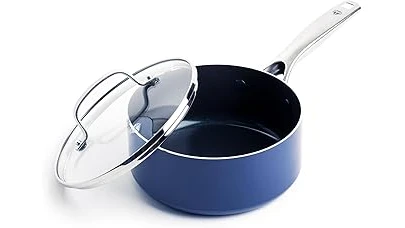
Ceramic nonstick coatings offer an alternative. These are often made from natural materials and are generally considered safe, as they do not contain PTFE or PFOA. They also tend to be more scratch-resistant than traditional nonstick surfaces.
However, their longevity and heat resistance can vary depending on the brand and quality.
Cast Iron and Enameled Cast Iron Safety
Cast iron cookware is revered for its durability and superior heat retention. When properly seasoned, it develops a natural nonstick surface that improves with use. The main safety consideration with bare cast iron is the potential for iron to leach into food.
While this is generally minimal, it can be a concern for individuals with specific medical conditions like hemochromatosis, where the body absorbs too much iron. For most people, this slight increase in iron intake is harmless and can even be beneficial.
Enameled cast iron cookware, such as that produced by Le Creuset or Staub, offers a non-reactive surface. The enamel coating, typically made from glass fused to iron, prevents food from coming into direct contact with the cast iron. This means there is no risk of iron leaching into your meals.
The enamel itself is generally safe, provided it is free of lead and cadmium, which are heavily regulated in cookware manufactured for most markets. These enamels are designed to be durable and resistant to chipping, but like any surface, they can be damaged by harsh scouring or extreme temperature changes.
Using cast iron cookware, whether bare or enameled, requires some care. Bare cast iron should be cleaned gently and dried thoroughly to prevent rust, then lightly oiled. Enameled cast iron is easier to clean and maintain, often being dishwasher safe, although hand washing is recommended to preserve the finish.
Both types are excellent for slow cooking, braising, and baking.
Stainless Steel Cookware Safety Profile
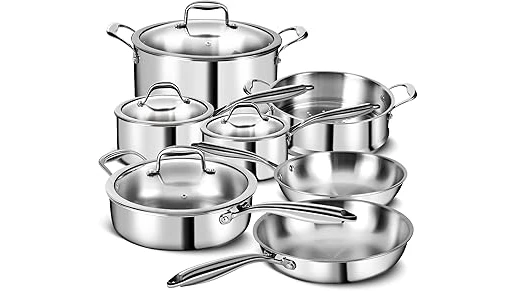
Stainless steel is a highly favored material in kitchens worldwide due to its excellent safety profile and durability. It is a versatile alloy, primarily composed of iron, chromium, and nickel. The chromium content forms a passive oxide layer on the surface, which protects the metal from corrosion and prevents it from reacting with food.
This inert nature means that stainless steel cookware is highly unlikely to leach harmful metals into your meals, making it a safe choice for all types of food, including acidic ones.
The quality of stainless steel can vary. Higher grades, such as 18/10 stainless steel (meaning 18% chromium and 10% nickel), are generally considered more resistant to staining, corrosion, and pitting than lower grades. While nickel is a component, the amount that can leach into food from high-quality stainless steel is considered negligible by health authorities and is not a cause for concern for the vast majority of the population.
Individuals with severe nickel allergies might need to exercise caution, but this is rare.
Stainless steel cookware is also very resilient. It can withstand high temperatures, making it suitable for searing and other high-heat cooking methods. It doesn’t chip, warp, or peel like some other materials, contributing to its long lifespan and consistent safety over time.
Unlike nonstick surfaces, it doesn’t require special care to maintain its safety, other than normal cleaning.
Benefits of stainless steel include:
- Excellent durability and longevity.
- Non-reactive nature, safe for all food types.
- Resistant to rust, staining, and corrosion.
- Can withstand high cooking temperatures.
- Easy to clean and maintain.
Glass and Ceramic Cookware Safety
Glass and ceramic cookware are often lauded for their inert properties and aesthetic appeal. Materials like borosilicate glass or tempered glass are non-reactive, meaning they do not leach any chemicals into food, regardless of acidity or temperature. This makes them an exceptionally safe choice for cooking and baking.
Brands like Pyrex and Anchor Hocking have been trusted for decades for their safe and durable glass bakeware.
Ceramic cookware can refer to a few different types. True ceramic cookware is made from clay fired at high temperatures, resulting in a hard, inert surface. It’s generally considered safe, much like glass.
However, some “ceramic coated” cookware might be made of aluminum or stainless steel with a ceramic-based nonstick coating. The safety of these coatings depends on their specific composition and how they are manufactured. Some ceramic coatings are designed to be PTFE-free, offering a healthier alternative.
Key advantages of glass and ceramic cookware include:
- Complete non-reactivity with food.
- No leaching of harmful substances.
- Easy to clean and non-porous.
- Often oven-safe and microwave-safe.
- Aesthetic appeal for serving.
One consideration for glass cookware is its susceptibility to thermal shock. Rapid temperature changes, like placing a hot glass dish into cold water or vice versa, can cause it to crack or shatter. Therefore, it’s important to follow manufacturer guidelines for temperature transitions.
Cookware Safety Standards and Certifications
Ensuring the safety of cookware materials is paramount for consumer health. While there isn’t a single universal safety rating system, several organizations and regulatory bodies establish standards and issue certifications that consumers can rely on. These certifications provide an assurance that products have met specific safety criteria, offering peace of mind to consumers.
Regulatory Bodies and Their Role
In the United States, the Food and Drug Administration (FDA) plays a significant role in regulating food contact substances, including cookware materials. The FDA sets guidelines and standards to ensure that materials used in food preparation do not transfer substances into food in amounts that could be harmful to health. They review scientific data and establish acceptable levels for various substances.
Similarly, in Europe, the European Food Safety Authority (EFSA) provides scientific advice on food safety matters. Regulations like Regulation (EC) No 1935/2004 outline the general requirements for materials and articles intended to come into contact with food, ensuring they are manufactured in compliance with good manufacturing practice and do not endanger human health.
These regulatory bodies assess materials for:
- Leaching potential: The amount of a substance that can transfer from the cookware to food.
- Toxicity: Whether the material itself or any substances it might release are harmful.
- Reactivity: How the material interacts with different types of food (e.g., acidic, alkaline).
- Thermal stability: How the material behaves at high cooking temperatures.
Their assessments help inform the safety standards that manufacturers must adhere to.
Third-Party Certifications to Look For
Beyond government regulations, several independent organizations offer certifications that can help consumers identify safer cookware options. These certifications often go above and beyond basic regulatory requirements.
- NSF International: NSF is a globally recognized, independent organization that tests and certifies products to protect public health. NSF certification for cookware indicates that the product has been tested and meets strict standards for public health and safety. This can include testing for material safety, durability, and performance.
- Green Seal: While not exclusively for cookware, Green Seal is a non-profit organization that develops life-cycle environmental standard and provides third-party certification for products and services. Looking for Green Seal certified cookware might indicate a commitment to environmentally sound manufacturing and safer materials.
- UL Environment: UL (Underwriters Laboratories) is a well-known safety consulting and certification company. UL Environment offers certifications for products that meet specific environmental and health criteria, such as UL GREENGUARD certification for products that contribute to healthier indoor air quality, which can be relevant for cookware coatings.
- Specific Material Certifications: Some certifications are specific to certain materials. For example, certifications related to PFAS-free or PFOA-free coatings on nonstick pans are becoming more common and are valuable indicators of safer choices.
When shopping for cookware, looking for these types of certifications can provide an additional layer of confidence in the safety of your purchase. These marks indicate that the product has undergone rigorous testing by an impartial third party.
What Constitutes a Good Cookware Safety Rating
A good cookware safety rating is one that prioritizes the health of the consumer above all else. It means the material used is inert, does not leach harmful substances into food, and remains stable even under typical high-heat cooking conditions. Materials that are naturally non-reactive, such as high-quality stainless steel, glass, and ceramic, generally receive high safety ratings.
For materials that might have potential concerns, such as nonstick coatings or reactive metals, a good safety rating implies that modern manufacturing processes have significantly mitigated these risks. This includes:
- Absence of harmful chemicals: Such as PFOA, PFAS, lead, and cadmium in coatings and glazes.
- Thermal stability: The material should not break down or release toxins when heated to normal cooking temperatures (and even slightly beyond, with caution).
- Non-reactivity: The surface should not interact with food, especially acidic or alkaline foods, in a way that alters the food’s composition or the cookware’s integrity.
- Durability: A well-made, durable piece of cookware is less likely to degrade and release particles over time.
Ultimately, a good safety rating means that using the cookware for its intended purpose will not pose a risk to your health. It reflects adherence to strict manufacturing standards and transparent communication about materials used.
Best Cookware Materials for Health and Safety
When prioritizing health and safety in the kitchen, certain cookware materials consistently stand out. These materials are chosen for their inertness, durability, and minimal risk of leaching harmful substances. Making informed choices about cookware can significantly contribute to a healthier lifestyle and a safer home environment for your family.
We will highlight the top contenders in cookware safety.
Top-Rated Materials for a Safe Kitchen
Based on scientific understanding and regulatory guidelines, several materials are widely recognized as the safest for cookware. These choices offer peace of mind without compromising on cooking performance.
- Stainless Steel (High-Quality): As discussed, high-quality stainless steel, especially 18/10, is considered one of the safest options. Its non-reactive nature prevents leaching, and its durability ensures longevity. It’s excellent for everyday cooking, searing, and boiling.
- Cast Iron (Seasoned or Enameled): Bare cast iron, when seasoned, is safe for most people and adds a bit of iron to the diet. Enameled cast iron offers the benefits of cast iron’s heat properties without the iron leaching, thanks to its protective enamel coating. Both are great for slow cooking, frying, and baking.
- Glass: Glass cookware, such as borosilicate glass, is completely inert and non-reactive. It’s ideal for baking and reheating, as it won’t transfer flavors or chemicals to your food. It’s also easy to clean and visually appealing.
- Ceramic (True Ceramic): Pure ceramic cookware is another excellent non-reactive choice. It’s known for its natural properties and is a safe alternative for those concerned about metals or coatings.
These materials provide a solid foundation for a healthy cooking experience. They are reliable, long-lasting, and pose minimal risk when used appropriately.
Cookware That Minimizes Chemical Exposure
The primary goal in selecting safe cookware is to minimize exposure to potentially harmful chemicals. Certain materials excel at this by their very nature.
Materials like glass, ceramic, and high-quality stainless steel are inherently non-reactive. This means they do not break down or release chemical compounds into your food, even when exposed to heat or acidic ingredients. This lack of interaction is crucial for preventing unintended chemical ingestion.
For nonstick cookware, the focus shifts to avoiding materials that have been linked to health concerns. This includes seeking out pans explicitly labeled as PFOA-free and PTFE-free, or opting for ceramic-based nonstick surfaces, which generally do not contain these chemicals. Even with PTFE, adhering to safe usage practices can significantly reduce potential risks associated with overheating.
Choosing cookware that minimizes chemical exposure is a proactive step towards a healthier diet. It involves looking beyond convenience and prioritizing materials known for their safety and stability.
Choosing Cookware for Specific Health Needs
When considering specific health needs, the choice of cookware becomes even more critical. For example, individuals with certain allergies or medical conditions may need to be more mindful of material composition.
Allergies: Those with severe nickel allergies might prefer cookware that does not contain nickel or has a very well-sealed protective layer, such as enameled cast iron or glass. While the nickel leaching from high-quality stainless steel is generally considered safe, avoiding it altogether might be a personal preference for those with extreme sensitivity.
Iron Overload Disorders: For individuals diagnosed with hemochromatosis, minimizing dietary iron intake is important. In such cases, avoiding bare cast iron cookware and opting for stainless steel, glass, or enameled cast iron would be advisable. The minimal iron added from seasoned cast iron might be a significant factor for them.
Chemical Sensitivities: Individuals with general chemical sensitivities or concerns about specific compounds like PFAS might gravitate towards the most inert materials available – glass and ceramic. They might also look for certifications that specifically guarantee the absence of these chemicals in nonstick coatings.
It is always recommended to consult with a healthcare professional or a registered dietitian if you have specific health conditions that might be influenced by your cookware choices. They can provide personalized advice based on your unique health profile.
Cookware Materials Safety Rating FAQ
Question: What is the safest cookware material?
Answer: Generally, the safest cookware materials are considered to be glass, ceramic, and high-quality stainless steel. These materials are non-reactive, meaning they do not leach harmful substances into food, even when exposed to heat or acidic ingredients. They are durable and pose minimal health risks when used as intended.
Question: Is nonstick cookware safe to use?
Answer: Modern nonstick cookware manufactured without PFOA is generally considered safe for everyday cooking when used properly. The main risk comes from overheating, which can degrade the coating and release fumes. Always use nonstick pans on low to medium heat and avoid scratching the surface.
Question: Should I worry about aluminum cookware?
Answer: Uncoated aluminum cookware can react with acidic foods, potentially leaching aluminum. However, anodized aluminum cookware has a treated surface that makes it non-reactive and safer for cooking. For general use, non-reactive materials are often preferred.
Question: Does stainless steel cookware leach nickel?
Answer: High-quality stainless steel (like 18/10) contains nickel, but the amount that leaches into food is very small and considered safe for most people. Individuals with severe nickel allergies might choose to avoid it, opting for alternatives like glass or ceramic.
Question: Are ceramic coatings on cookware safe?
Answer: Ceramic coatings are generally considered safe and offer a PTFE-free nonstick option. Their safety depends on the specific manufacturing process and materials used by the brand. Many ceramic nonstick pans are a good choice for those seeking to avoid traditional nonstick chemicals.
Conclusion
Choosing safe cookware is about making informed decisions based on material properties and usage. Materials like high-quality stainless steel, glass, and ceramic are consistently rated high for safety due to their inert and non-reactive nature. Nonstick options have improved, with modern coatings avoiding harmful chemicals like PFOA, but still require careful handling to prevent overheating.
By understanding the nuances of each material, you can confidently equip your kitchen with cookware that supports a healthy lifestyle for years to come.

Leave a Reply