
Imagine you’re cooking a delicious meal, and a curious pet or a busy child wanders into the kitchen. In that moment, your primary concern is safety. The modern kitchen offers many options, but selecting the right cooktop can significantly reduce the risk of accidents.
This article will guide you through the features and types of cooktops that prioritize safety, helping you create a worry-free cooking environment. You’ll learn what to look for, understand different safety technologies, and discover how to make an informed choice for your home.
Understanding Cooktop Safety Features
Safety on a cooktop is paramount, especially in a busy household. It involves understanding the inherent risks associated with cooking and how manufacturers have developed features to mitigate them. These features range from simple controls to advanced technologies that prevent common kitchen hazards.
A safe cooktop means peace of mind for you and everyone in your home. We will explore the various protective measures built into different cooktop models.
Automatic Shut-Off Functions
Automatic shut-off is a critical safety feature that prevents accidents by turning off the cooktop when it’s no longer in use or if it detects an issue. This technology is designed to be intuitive and reliable. It acts as a failsafe, ensuring that burners don’t remain on accidentally.
This is especially helpful if someone forgets to turn off the stove before leaving the kitchen.
- Residual Heat Indicators: These indicators alert you when a cooking surface is still hot, even after it has been turned off. This prevents accidental burns when cleaning or reaching over the cooktop.
- Boil-Dry Protection: Some advanced cooktops can detect when a pot or pan has boiled dry. They will then automatically reduce heat or shut off to prevent damage to the cookware and the cooktop itself.
- Timed Shut-Off: You can often set a timer for your cooktop. If the set time expires, the cooktop will automatically switch off. This is useful for preventing overcooking and ensuring the appliance is not left on indefinitely.
These features provide an extra layer of protection against common kitchen mishaps. They are designed to be simple to understand and operate, contributing to an overall safer cooking experience. For instance, residual heat indicators glow red or display a symbol to warn users.
This simple visual cue can prevent many painful burns.
Child Lock Mechanisms
For households with young children, a child lock feature is invaluable. This function prevents little hands from accidentally turning on the cooktop or changing its settings. It provides a significant deterrent against curious toddlers and young children who might otherwise tamper with the controls.
- Integrated Control Panel Locks: Many modern electric and induction cooktops feature a control panel that can be locked with the press of a button. This completely disables the touch controls, making it impossible for a child to activate the burners.
- Physical Lock Systems: Some gas cooktops might have more traditional, physical mechanisms that can be engaged. These can range from simple knob covers to more integrated lock systems that require a specific action to disengage.
- Temporary Deactivation: Child locks are typically easy for adults to deactivate when it’s time to cook. This usually involves pressing and holding a specific button or sequence of buttons for a few seconds.
The child lock is a proactive safety measure. It addresses the common concern of children playing with stove controls. Statistics show that kitchen accidents involving young children are a significant concern for parents.
Implementing this feature directly combats that risk, allowing parents to have more peace of mind.
Flame Failure Devices (Gas Cooktops)
On gas cooktops, flame failure devices are essential safety components. These devices monitor the flame on each burner. If the flame is accidentally extinguished by a draft or spilled liquid, the device automatically shuts off the gas supply to that burner.
This prevents the buildup of unburned gas, which could be a fire or explosion hazard.
- Thermocouple Technology: The most common type of flame failure device uses a thermocouple. This is a metal probe positioned in the flame. When heated by the flame, it generates a small electrical current that keeps the gas valve open. If the flame goes out, the thermocouple cools, and the current stops, causing the valve to close.
- Electronic Ignition Systems: Many modern gas cooktops also feature electronic ignition. This means you don’t use a pilot light. While not directly a flame failure device, it ensures a quick and controlled ignition process, reducing the time a burner is exposed to an unlit state.
- Auto Re-ignition: Some advanced models will attempt to re-ignite the burner if the flame goes out. This is a convenient feature that can also enhance safety by restoring cooking functionality without manual intervention, provided the gas supply is safe.
This safety mechanism is particularly important for gas appliances. It addresses the specific risks associated with combustible gas. A gas leak is a serious threat, and flame failure devices are a critical line of defense against it.
Without this feature, a gust of wind or a pot boiling over could lead to dangerous gas accumulation.
Types Of Cooktops And Their Safety Aspects
Different cooktop technologies offer unique safety advantages. Understanding these can help you choose the best fit for your kitchen and lifestyle. Each type has features that can make your cooking experience safer and more enjoyable.
Induction Cooktops
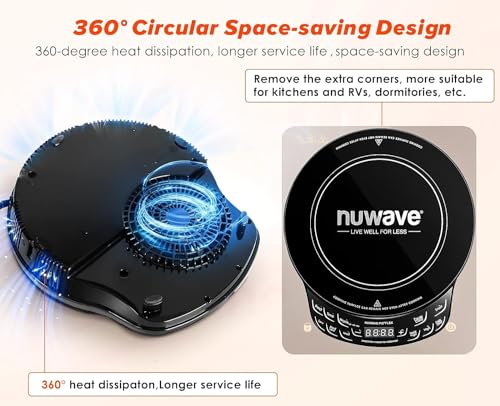
Induction cooktops are widely recognized for their superior safety features. They use electromagnetic fields to heat cookware directly, rather than heating the cooktop surface itself. This means the surface remains relatively cool, significantly reducing the risk of burns.
- Cool Touch Surface: The primary safety benefit is that the cooktop surface only gets warm from residual heat from the cookware. This drastically lowers the chance of accidental burns, especially for children or pets.
- Automatic Pan Detection: Induction cooktops only activate when a magnetic, induction-compatible pan is placed on the surface. If there’s no pan or an incompatible one, the element will not heat up. This prevents accidental activation.
- Precise Temperature Control: The ability to control heat with extreme precision means less chance of overheating or boiling over. This results in a more stable cooking environment.
The energy efficiency of induction is also a bonus. Less wasted heat means a cooler kitchen and a more pleasant cooking atmosphere. Many users report feeling more relaxed while cooking on induction surfaces due to the reduced burn risk.
The sleek design also contributes to a cleaner, safer kitchen aesthetic.
One real-life example is a family with young children who switched to an induction cooktop. They found that their toddler could no longer accidentally turn on the stove, and even when they accidentally touched the surface, it was only slightly warm, not dangerously hot. This provided immense relief and allowed them to cook with greater confidence.
Electric Smooth Top Cooktops
Electric smooth top cooktops offer a modern and accessible option for many kitchens. They use radiant heating elements beneath a ceramic glass surface. While they do get hot, they incorporate several safety features to make them user-friendly and safer than traditional coil burners.
- Residual Heat Indicators: As mentioned earlier, these are vital for smooth tops. A warning light illuminates when the surface is still hot, preventing burns during cleaning or accidental contact.
- Smooth, Easy-to-Clean Surface: The flat glass surface is easier to clean than traditional coils, reducing the buildup of grease and food debris that could pose a fire hazard. Spills are less likely to fall into hard-to-reach areas.
- Variable Heat Settings: These cooktops allow for a wide range of heat adjustments, providing good control over cooking temperatures. This helps to prevent common cooking mishaps like scorching or boil-overs.
While not as cool to the touch as induction, electric smooth tops offer a significant improvement over older coil designs. The visible heating elements are eliminated, reducing the risk of contact with hot coils. The smooth surface also means fewer places for spills to hide and burn.
A common scenario is a user forgetting they turned on an electric smooth top. The residual heat indicator would then serve as a clear warning that the surface is hot, preventing an unsuspecting person from touching it. This simple visual cue is a highly effective safety feature.
Gas Cooktops (Sealed Burners)
Gas cooktops remain a favorite for many due to their responsive heat control. Modern gas cooktops with sealed burners offer enhanced safety compared to older models. Sealed burners prevent spills from reaching the burner assembly or igniters, making them easier to clean and reducing potential hazards.
- Sealed Burner Design: Food and liquids are contained on the surface, preventing them from dripping into the burner. This makes cleaning easier and reduces the risk of clogged burners or igniters, which could lead to uneven flames or ignition issues.
- Electronic Ignition: Most new gas cooktops feature electronic ignition, eliminating the need for a pilot light. This means gas is only released when the burner is actively turned on and ignited, reducing the risk of gas leaks.
- Flame Failure Devices: As detailed previously, these are crucial for gas safety. They ensure that the gas supply is cut off if the flame extinguishes.
While gas cooktops inherently involve an open flame and combustible gas, these features significantly improve their safety profile. The responsiveness of gas heat is unmatched, and with the right safety features, it can be a secure choice for many kitchens. The tactile feedback of turning a knob is also preferred by some cooks.
Electric Coil Cooktops
Electric coil cooktops are the most traditional type. They use exposed metal coils to generate heat. While they are often the most affordable option, they generally have fewer advanced safety features compared to other types.
However, some safety considerations are still relevant.
- Pot Support Grates: Sturdy pot support grates help to keep cookware stable on the burner, reducing the chance of pots tipping over.
- Control Knobs: While basic, the physical control knobs are often preferred by those who want a clear indication of whether the burner is on or off. Some people prefer this tactile feedback.
- Easy-to-Clean Drip Pans: Removable drip pans beneath the coils catch spills, making them easier to clean and preventing food from burning onto the cooktop surface.
Despite their simplicity, care must be taken with electric coil cooktops. The exposed nature of the coils means they remain hot for a significant time after being turned off. It is vital to always ensure coils are completely cool before cleaning and to be mindful of flammable materials placed too close to the cooktop.
They are generally not recommended for households with very young children due to the higher burn risk.
Advanced Safety Technologies
Beyond the basic features, manufacturers are continually innovating to bring more advanced safety technologies to the kitchen. These innovations enhance cooktop safety, making cooking more accessible and secure for everyone.
Touch Control Panels and Smart Features
Modern cooktops often feature sleek touch control panels. These panels can be programmed with various safety functions. Some even integrate with smart home systems for remote monitoring and control, adding another layer of safety and convenience.
- Intuitive User Interface: Touch panels are designed to be user-friendly, often with clear icons and simple commands. This reduces the chance of misinterpreting controls.
- Programmable Timers: Beyond basic shut-off, some panels allow for precise programming of cooking times, ensuring food is cooked safely and efficiently.
- Smart Connectivity: Certain smart cooktops can send alerts to your phone if a burner is left on or if a safety feature is triggered. This allows for immediate action, even if you’re not in the kitchen.
These digital interfaces can be a significant improvement. They offer more granular control and can be programmed with safety protocols that older knob-based systems cannot match. The potential for remote alerts is a particularly valuable feature for busy individuals or those who want an extra peace of mind.
Temperature Limiting Features
Some high-end cooktops incorporate temperature limiting technology. This goes beyond simple timers and can actively monitor and regulate cooking temperatures to prevent dangerous overheating. This is particularly useful for preventing fires caused by unattended cooking or malfunctioning cookware.
- Overheat Protection: Sensors within the cooktop detect if the temperature rises to a critical level. They can then automatically reduce heat or shut off the element.
- Specific Food Modes: Some smart cooktops have pre-programmed settings for specific cooking tasks. These modes are optimized for both cooking performance and safety, ensuring optimal temperatures are maintained.
- Integration with Smart Cookware: In the future, expect even more integration. Some smart cookware might communicate directly with the cooktop to manage temperature perfectly, further enhancing safety.
This proactive approach to temperature management is a significant leap in cooktop safety. It addresses the root cause of many cooking fires: uncontrolled heat. Imagine a situation where oil in a pan starts to smoke excessively.
A temperature-limiting cooktop could detect this and reduce the heat before a fire even has a chance to start.
Visual and Auditory Alerts
Cooktops use both visual cues and audible alerts to inform users about their status and potential hazards. These notifications are designed to be clear and noticeable, ensuring that important safety information is not missed.
- Distinct Indicator Lights: Beyond residual heat, cooktops may have lights to show when burners are active, at a specific heat level, or if a safety system has been engaged.
- Audible Alarms: Timers reaching zero, boil-dry detection, or even child lock activation can trigger audible beeps or chimes. These sounds ensure you are alerted even if you are not looking directly at the cooktop.
- Voice Notifications: Some advanced smart cooktops can even provide voice prompts, announcing warnings or status changes in a clear, spoken format.
These alert systems work in conjunction with each other to create a comprehensive safety network. A blinking light might catch your eye, while a chime prompts you to check the cooktop. This layered approach ensures that critical safety information reaches you effectively.
Choosing The Right Cooktop For Your Safe Kitchen
Selecting the best cooktop for a safe kitchen involves weighing various factors, including your cooking habits, household needs, and budget. Prioritizing safety features should be a primary consideration.
Assessing Your Household Needs
Consider who uses your kitchen and their potential interactions with the cooktop. If you have young children or pets, features like child locks and cool-touch surfaces become essential. For elderly individuals or those with mobility issues, easy-to-use controls and clear indicators are important.
- Presence of Children or Pets: This is a major factor. Child locks, cool surfaces, and automatic shut-offs are highly recommended.
- Cooking Experience Level: Beginners might benefit from features like boil-dry protection and precise temperature control. Experienced cooks might prioritize responsiveness and manual control, but safety should still be a key consideration.
- Frequency of Use: If the cooktop is used daily for multiple meals, durability and reliable safety features are crucial.
A busy family kitchen requires different safety considerations than a kitchen used infrequently by a single adult. Understanding these unique demands helps in making the most appropriate choice. For instance, the risk of a child accidentally touching a hot surface is much higher in a home with toddlers.
Budget and Long-Term Value
While some advanced safety features may come with a higher initial cost, consider the long-term value. Investing in a safer cooktop can prevent costly accidents, repairs, and potential injuries. Energy-efficient models, like induction, can also lead to savings on utility bills over time.
- Initial Purchase Price: Compare the cost of different types and brands, factoring in their safety features.
- Energy Efficiency: Induction and some electric models are more energy-efficient, leading to lower running costs.
- Durability and Maintenance: Higher quality cooktops often last longer and require less maintenance, offering better long-term value.
It’s important to balance immediate affordability with the overall value proposition. A slightly more expensive cooktop with superior safety features might save you money and worry in the long run. Think of it as an investment in your family’s well-being and your home’s safety.
Installation and Maintenance Considerations
Proper installation is critical for the safe operation of any cooktop. Ensure your appliance is installed by a qualified professional. Regular maintenance also plays a role in ensuring safety features remain effective.
- Professional Installation: Always use a certified technician for gas and electrical hookups to ensure compliance with safety codes.
- Regular Cleaning: Keeping your cooktop clean prevents grease buildup, which can be a fire hazard. Refer to the manufacturer’s instructions for specific cleaning guidelines.
- Scheduled Check-ups: For gas cooktops, periodic professional check-ups can ensure the gas lines and safety valves are functioning correctly.
Ignoring installation and maintenance can negate even the most advanced safety features. A poorly installed gas line is a major risk, regardless of flame failure devices. Likewise, a clogged burner on a gas cooktop can lead to inefficient flames and potential safety issues.
Frequently Asked Questions
Question: What is the safest type of cooktop for a kitchen with children?
Answer: Induction cooktops are generally considered the safest for kitchens with children. Their surfaces remain much cooler than other types, and they only heat up when compatible cookware is present, significantly reducing burn risks.
Question: Do gas cooktops have safety features to prevent leaks?
Answer: Yes, modern gas cooktops are equipped with flame failure devices. These automatically shut off the gas supply if a flame goes out, preventing dangerous gas leaks.
Question: Is an electric smooth top cooktop safe if I have pets?
Answer: Electric smooth tops are safer than older coil types. Residual heat indicators warn you when the surface is hot, and the smooth surface is less likely to cause accidental burns to pets compared to exposed coils.
Question: What does “automatic shut-off” mean on a cooktop?
Answer: Automatic shut-off means the cooktop will turn itself off if it detects an issue, like boiling dry, or if you have set a timer that expires. This prevents accidents from overcooking or leaving the stove on unintentionally.
Question: How do child locks work on a cooktop?
Answer: Child locks typically disable the control panel, preventing children from accidentally turning on the cooktop or changing settings. This feature is usually easy for adults to disengage when it’s time to cook.
Summary
Creating a safe kitchen starts with informed choices, and your cooktop is central to this. By understanding the advanced safety features available, such as automatic shut-off, child locks, and flame failure devices, you can significantly reduce risks. Induction cooktops offer unparalleled surface coolness, while modern electric and gas models also provide robust protections.
Prioritize your household’s specific needs and maintenance to ensure your kitchen is a secure place for everyone.

Leave a Reply