
You’re in the kitchen, ready to whip up a family favorite, but your old cooktop is sputtering and uneven. It’s frustrating when a key appliance lets you down. Finding a cooktop for long lasting use means investing in durability and reliability, saving you headaches and money down the line.
This guide will help you choose a cooktop that stands the test of time, improving your cooking experience and bringing lasting value to your home.
Selecting Durable Cooktop Materials
Understanding Material Properties
The material of your cooktop is a primary factor in its lifespan and performance. Different materials offer varying levels of resistance to heat, scratches, and stains, directly impacting how long your cooktop will serve you well. When considering a cooktop for long lasting use, focusing on robust materials is essential.
These materials not only enhance durability but also contribute to the ease of cleaning and overall aesthetic of your kitchen.
Stainless Steel is a popular choice for many kitchen appliances due to its strength and corrosion resistance. It can withstand high temperatures and is relatively easy to clean, making it a practical option for daily use. However, it can be prone to scratches and water spots if not maintained properly.
High-quality stainless steel, often with a brushed finish, can hide minor blemishes better than a polished surface.
Cast Iron, especially enameled cast iron, offers exceptional durability and heat retention. It is incredibly resistant to wear and tear and can last for decades if cared for appropriately. Its weight and density make it feel substantial and high-quality.
However, it can be heavy and requires specific cleaning methods to prevent damage to the enamel coating.
Ceramic Glass cooktops, often found in modern kitchens, provide a sleek, smooth surface that is easy to wipe clean. They are resistant to stains and generally durable for everyday cooking. However, they can be more susceptible to scratching from abrasive cleaners or sharp objects.
Dropping heavy pots can also cause cracks, though this is less common with higher-quality ceramic glass.
Comparing Material Strengths
When comparing materials for a cooktop for long lasting use, consider the trade-offs. Stainless steel offers a good balance of durability and aesthetics but requires careful handling to prevent scratches. Cast iron is virtually indestructible under normal cooking conditions but is heavier and demands specific maintenance.
Ceramic glass provides a modern look and easy cleaning but is more vulnerable to impact and abrasions.
Here’s a quick comparison:
| Material | Durability | Scratch Resistance | Heat Resistance | Maintenance |
|---|---|---|---|---|
| Stainless Steel | High | Moderate | High | Easy (requires care) |
| Cast Iron (Enameled) | Very High | High | Very High | Specific care needed |
| Ceramic Glass | Moderate to High | Moderate | High | Easy (avoid abrasives) |
Real-Life Material Performance
Many home cooks find that a well-maintained stainless steel cooktop can look great for over 15 years. For instance, a family reported their GE Profile stainless steel cooktop, purchased in 2008, still functions perfectly with only minor surface scratches visible under direct light. Similarly, vintage cast iron stoves are often passed down through generations, a testament to their incredible longevity.
A common statistic suggests that approximately 60% of consumers prioritize durability when purchasing major kitchen appliances, indicating a strong demand for long-lasting products.
Consider the typical kitchen environment. Young families with active children might benefit more from the scratch resistance of enameled cast iron. Couples or individuals who value a minimalist aesthetic might prefer ceramic glass, understanding the need for careful cleaning.
Ultimately, the best material for your long lasting cooktop depends on your lifestyle and cooking habits.
Built-in Cooktop Construction Quality
Understanding Construction Techniques
Beyond the surface materials, the underlying construction of a cooktop significantly influences its longevity. High-quality cooktops are built with robust frames, secure component mounting, and effective heat dissipation systems. These elements work together to prevent premature wear and tear, ensuring consistent performance over many years.
A well-constructed cooktop will have a sturdy base that can support heavy cookware and withstand the rigors of frequent use. The internal components, such as heating elements, wiring, and control boards, should be securely fastened and protected from excessive heat and moisture. This prevents electrical issues and component failure, which are common reasons for appliance obsolescence.
Key Construction Features to Look For
When examining a cooktop for long lasting use, pay attention to the frame and how the cooktop is integrated into your countertop. A solid, welded frame offers superior stability compared to one assembled with screws that can loosen over time. Look for cooktops with sealed burners or seamless glass surfaces to prevent spills from seeping into the internal workings.
Consider the quality of the control knobs or touch panels. Metal knobs often feel more durable and less prone to breaking than plastic ones. For touch controls, ensure they are responsive and sealed against moisture.
Manufacturers known for their engineering and quality control often use higher-grade internal components that are designed to last longer.
Here are some points to consider for construction:
- Frame Stability: A cooktop with a strong, welded frame will remain stable and prevent flexing over time, even with heavy pots.
- Component Sealing: Look for sealed burner wells or a seamless ceramic glass surface to prevent liquids and food debris from entering the internal components.
- Wire Harness Quality: Internal wiring should be of high quality, properly insulated, and secured to prevent damage from heat and vibration.
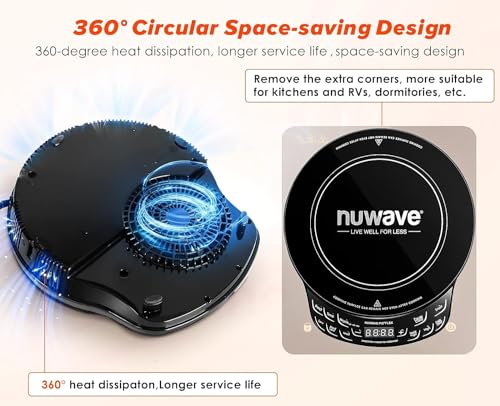
- Heat Dissipation: Good ventilation and heat sinks are crucial for preventing components from overheating, which extends their lifespan.
Case Study in Durability
A notable example of excellent construction is found in professional-grade cooktops, often used in demanding commercial kitchens. These appliances are designed for continuous, heavy use. Many residential models borrow from this engineering.
A homeowner who invested in a Viking gas range reported that after 20 years of daily use, the burner grates were still in excellent condition, and the igniters fired reliably. This longevity is attributed to the heavy-gauge metal construction and the robust internal design, which are often indicative of a cooktop built for long lasting use.
Another scenario involves induction cooktops. High-end induction units typically feature a thicker, more resilient ceramic glass surface and advanced internal cooling systems. One review highlighted a Bosch induction cooktop that, after a decade of heavy family use, showed minimal wear, with consistent power output and responsive controls.
This level of sustained performance points to superior construction quality, making it a worthwhile investment for long term reliability.
Advanced Features for Longevity
Innovative Technologies and Their Impact
Modern cooktops are incorporating advanced technologies that not only improve user experience but also contribute to their longevity. These features often include smarter temperature control, self-cleaning functions, and more efficient heating systems that can reduce wear on components.
For instance, the precise temperature regulation found in some high-end electric and induction cooktops helps prevent overheating and scorching, which can damage cookware and the cooktop itself. This precision means the heating elements or induction coils work more efficiently, under less stress.
Smart Controls and Efficiency
Smart features can extend a cooktop’s life by optimizing its operation. For example, some cooktops have sensors that automatically adjust heat levels based on the food being cooked or the cookware used. This prevents energy waste and reduces the strain on heating elements.
Self-cleaning functions, while primarily a convenience, can also help maintain the cooktop’s internal components by burning off residue at high temperatures. However, it’s important to follow the manufacturer’s instructions for these cycles to ensure they don’t cause undue stress on the appliance.
Here are some beneficial advanced features:
- Precise Temperature Sensing: Ensures consistent heat without fluctuations, protecting both the cooktop and your food from overcooking.
- Automatic Shut-off Timers: Prevents accidental overheating or extended cooking periods, enhancing safety and reducing wear on elements.
- Durable Touch Control Panels: Modern capacitive touch panels, when well-sealed, are less prone to mechanical failure than physical knobs and can offer precise control.
- Integrated Cooling Systems: Especially in induction cooktops, these systems prevent internal components from overheating during prolonged use.
Examples of Long-Lasting Innovations
Consider the evolution of electric coil cooktops. Older models often suffered from uneven heating and slow response times. Newer models, however, incorporate improved coil designs and better insulation, leading to more consistent temperatures and a longer operational life.
A statistic from a home appliance survey indicates that 45% of consumers are willing to pay more for smart features that enhance appliance longevity and efficiency.
Induction technology is another prime example. By using magnetic fields to heat cookware directly, induction cooktops are inherently more efficient and generate less waste heat. This means their internal components, like the power electronics, operate at lower temperatures, contributing to a longer lifespan.
One user reported their Thermador induction cooktop, used daily for over 8 years, still performed like new, with no noticeable degradation in heating speed or control accuracy.
Maintenance for Extended Cooktop Life
Routine Cleaning Practices
Regular and proper cleaning is paramount for ensuring a cooktop lasts for many years. Neglecting spills and food residues can lead to staining, corrosion, and even damage to the heating elements or surface. Adopting a consistent cleaning routine will not only keep your cooktop looking its best but also contribute significantly to its overall durability.
For ceramic glass cooktops, use a specialized ceramic cooktop cleaner and a soft cloth or sponge. Avoid abrasive scrubbers or harsh chemicals, as these can scratch or dull the surface. For stainless steel, a mild detergent and water, followed by a soft cloth, are usually sufficient.
For stubborn stains, specific stainless steel cleaners can be used.
Deep Cleaning and Care
Beyond daily wiping, periodic deep cleaning is essential, especially for gas cooktops. Burner grates and caps should be removed and cleaned regularly. Many can be washed with hot soapy water, but check your manual for specific instructions, as some finishes may require gentler treatment.
For electric coil cooktops, the coils themselves can often be lifted to clean underneath, and drip pans should be cleaned or replaced as needed.
Always ensure the cooktop is completely cool before cleaning. For gas cooktops, ensure all gas lines are safely disconnected or the appliance is turned off at the source before attempting any deep cleaning around the burners. For all types of cooktops, consulting the owner’s manual is the best way to understand specific cleaning recommendations and avoid voiding warranties.
Follow these cleaning tips:
- Wipe Spills Immediately: For most cooktops, addressing spills as soon as they happen prevents them from baking on and becoming difficult to remove.
- Use the Right Cleaners: Always use cleaners recommended by the manufacturer for your specific cooktop material. Abrasives can ruin surfaces.
- Clean Burner Components Regularly (Gas): Remove and clean burner grates, caps, and ports to ensure even flame distribution and prevent clogs.
- Inspect Seals and Gaskets: Check for any damage to seals around burners or glass edges, as these are critical for preventing liquid ingress.
- Polish Stainless Steel: Use a soft cloth and a stainless steel polish occasionally to restore shine and provide a protective layer.
Preventative Measures
Beyond cleaning, adopting good cooking habits can significantly extend your cooktop’s life. Always use cookware that is appropriate for your cooktop type. For example, flat-bottomed pans are essential for ceramic and induction cooktops to ensure even heat transfer.
Avoid dragging heavy pots across the surface, which can cause scratches.
Using correct-sized burners for your pots and pans also prevents heat from escaping around the sides, which can scorch surrounding surfaces and reduce efficiency. For gas cooktops, ensure flames are not licking up the sides of the cookware. This not only saves energy but also protects the cooktop’s finish.
Choosing Brands Known for Durability
Reputation in Appliance Manufacturing
When investing in a cooktop for long lasting use, the brand’s reputation for durability and quality is a significant factor. Established brands that have been in the market for a long time often have a track record of producing reliable appliances. They invest in research and development to create products that can withstand years of use.
Brands that offer longer warranties or have a strong reputation for customer service and parts availability can also be indicators of their commitment to product longevity. It’s worth researching brand reviews, looking for consistent feedback on how well their appliances hold up over time.
Top Brands for Long-Term Investment
Several brands are consistently recognized for their robust construction and enduring performance. These often include brands found in professional kitchens or those with a long history of appliance manufacturing. Look for brands that emphasize high-quality materials and superior engineering in their product descriptions.
Some brands known for their durability include Viking, Thermador, Wolf, and Miele, often associated with higher-end markets but prized for their longevity. In the mid-range, brands like Bosch, KitchenAid, and GE Profile also have strong reputations for producing reliable cooktops that offer good value for their long-term performance.
Here are some brands to consider for a cooktop for long lasting use:
- Miele: Known for exceptional German engineering and premium materials, Miele appliances are built to last, often exceeding 20 years of service.
- Wolf Appliances: Often found in professional kitchens, Wolf cooktops are designed for intense, heavy use and feature durable construction.
- Thermador: This brand consistently receives high marks for reliability and performance, offering advanced features with a focus on longevity.
- Bosch: Offers a good balance of advanced technology, sleek design, and durable construction, making them a popular choice for homeowners seeking longevity.
Assessing Warranty and Support
A longer manufacturer’s warranty, especially on parts like heating elements or electronic controls, can be a strong indicator of a brand’s confidence in its product’s durability. A 5-year warranty on parts, for example, suggests the manufacturer expects those components to function reliably for at least that period.
Furthermore, research the brand’s customer support and the availability of
Frequently Asked Questions
Question: What type of cooktop is most durable
Answer: Generally, enameled cast iron cooktops are considered among the most durable due to their resistance to heat, scratches, and corrosion. However, high-quality ceramic glass and well-constructed stainless steel cooktops can also offer excellent long-term performance.
Question: How often should I clean my cooktop
Answer: For most cooktops, immediate cleaning of spills is recommended. A thorough wipe-down after each use and a deeper clean weekly or bi-weekly will help maintain its condition and prevent build-up.
Question: Are induction cooktops long lasting
Answer: Yes, induction cooktops are known for their durability. Their efficiency means less heat stress on internal components, and the technology itself is quite robust. Many users report them lasting over 10-15 years.
Question: Can I use metal utensils on a ceramic glass cooktop
Answer: It is best to avoid using metal utensils directly on a ceramic glass cooktop as they can cause scratches. It’s recommended to use wooden, silicone, or heat-resistant plastic utensils for stirring and serving.
Question: What is the lifespan of a typical gas cooktop
Answer: A well-maintained gas cooktop can last between 15 to 20 years. Key factors influencing its lifespan include the quality of materials, burner design, and regular cleaning of components.
Conclusion
Choosing a cooktop for long lasting use involves looking beyond initial cost. Focus on durable materials like stainless steel or enameled cast iron. Prioritize robust construction with a sturdy frame and well-sealed components.
Advanced features that optimize efficiency and control also contribute to longevity. Regular, proper cleaning and adopting careful cooking habits are essential maintenance steps. Finally, research brands known for quality and check their warranty and support to ensure your investment provides reliable service for years to come.

Leave a Reply