
Have you ever felt like your old stove just wasn’t keeping up when you’re trying to get a perfect sear on a steak or a quick simmer for a delicate sauce? It’s a common frustration for home cooks who demand more from their kitchens. You deserve a cooking surface that can handle your culinary ambitions.
This post will guide you through selecting the perfect cooktop for high performance, ensuring your meals reach their full potential. You’ll learn what features truly matter and how to find a cooktop that enhances your cooking experience, saving you time and frustration.
Choosing Your High Performance Cooktop
Selecting a cooktop that delivers high performance means looking beyond basic functionality. It involves understanding the technologies and materials that contribute to superior heat control, speed, and responsiveness. Whether you’re a seasoned chef or an enthusiastic home cook, the right cooktop can transform your kitchen from a place of chores to a space of culinary artistry. This section explores the fundamental aspects to consider when prioritizing performance in your cooktop choice.
Gas Cooktops Responsive Heat
Gas cooktops are celebrated for their instant and highly visible flame, offering immediate heat response. This allows for precise temperature adjustments, which is invaluable for delicate cooking tasks like melting chocolate or simmering sauces. The open flame also provides a unique cooking experience, with some chefs preferring the direct heat and visual feedback it offers.
How Gas Cooktops Work
Gas cooktops utilize a natural gas or propane supply that is fed through a valve and then mixes with air before igniting at the burner. The amount of gas flowing through the valve is controlled by the burner knob, which directly influences the size and intensity of the flame. This mechanical linkage provides a very direct and intuitive way to control heat.
- Instant Heat Adjustment: Turning the knob up or down immediately changes the flame size and heat output. This responsiveness is a key feature for cooks who need to make quick temperature changes.
- Visible Flame for Control: The visible flame allows cooks to see exactly how much heat they are applying. This visual cue helps in fine-tuning the cooking temperature, especially for tasks requiring very specific heat levels.
- Versatility with Cookware: Gas cooktops work with virtually any type of cookware, including woks and irregularly shaped pots, as the flame can envelop the base of the cookware.
Many professional kitchens rely on gas cooktops for their superior control and immediate feedback. The ability to quickly turn down the heat to prevent burning or crank it up for a rapid boil is a significant advantage in a fast-paced cooking environment.
Electric Induction Cooktops Speed and Precision
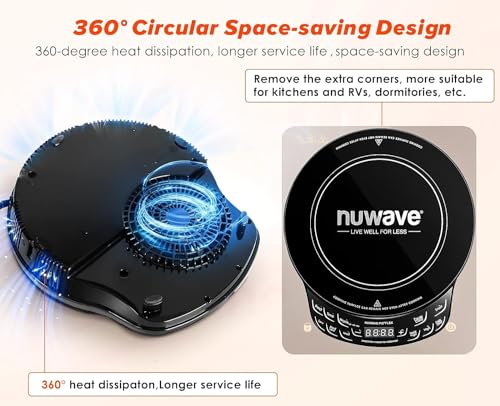
Electric induction cooktops are at the forefront of modern kitchen technology, offering unparalleled speed, precision, and energy efficiency. They work by using electromagnetic fields to directly heat the cookware, rather than heating the cooktop surface itself. This results in faster heating, more precise temperature control, and a safer cooking experience.
Understanding Induction Technology
Induction cooktops generate an electromagnetic field beneath the ceramic glass surface. When compatible cookware, which must contain ferrous metals (like iron or steel), is placed on the burner, the field induces electrical currents within the cookware itself. These currents generate heat directly in the pot or pan.
- Rapid Heating: Because the heat is generated directly in the cookware, induction cooktops can boil water significantly faster than gas or traditional electric coil cooktops. For example, a quart of water can boil in under two minutes on a high-power induction burner.
- Exceptional Temperature Control: Induction offers incredibly precise temperature settings, often adjustable in small increments. This allows for consistent, low-temperature simmering and delicate cooking without hot spots.
- Energy Efficiency: Since the heat is generated directly in the cookware and very little heat is lost to the surrounding air or cooktop surface, induction is highly energy efficient. Estimates suggest they are about 85-90% efficient, compared to 40-55% for gas and 75-85% for traditional electric.
- Safety Features: The cooktop surface itself does not get as hot as traditional electric or gas cooktops. It only heats up from residual heat transferred back from the cookware. This significantly reduces the risk of burns.
Consider a scenario where you are searing delicate fish. With induction, you can set a precise medium-high heat, and the pan will maintain that temperature consistently. If you accidentally turn the heat too high, you can instantly reduce it, preventing the fish from overcooking or burning.
Electric Radiant Cooktops Even Heating
Electric radiant cooktops, often found with smooth ceramic glass surfaces, use an electric element beneath the glass to generate heat. This heat is then transferred to the cookware placed on top. While not as instantaneous as gas or induction, they offer a consistently even heat distribution.
How Radiant Electric Cooktops Function
Underneath the smooth ceramic glass surface are electric heating elements, typically coils made of a resistive wire. When electricity flows through these elements, they become hot and glow red. This heat is then radiated upwards through the glass to the bottom of the cookware.
- Smooth and Easy to Clean Surface: The smooth ceramic glass top is aesthetically pleasing and makes cleaning spills straightforward. Wiping down the surface after cooking is usually all that is needed.
- Even Heat Distribution: Once the element is heated, it provides a relatively even distribution of heat across the cooking zone, which helps in cooking food uniformly.
- Cookware Versatility: Radiant electric cooktops are compatible with a wide range of cookware materials, including glass, ceramic, aluminum, stainless steel, and copper. This offers flexibility for users with existing pot and pan collections.
Imagine baking a large batch of cookies. A radiant electric cooktop can provide a consistent heat source across the entire baking sheet, leading to uniformly golden-brown cookies without significant hot spots that might burn certain areas.
Key Performance Features to Consider
Beyond the basic technology, several specific features define a cooktop’s performance. These elements are what truly elevate a cooking appliance from functional to exceptional, enabling more complex culinary techniques and improving the overall cooking experience.
Burner Power and Size Options
The power of a cooktop’s burners, often measured in BTUs for gas or wattage for electric, directly impacts how quickly you can heat food or boil liquids. Having a variety of burner sizes ensures you can match the right burner to your cookware and cooking needs.
- High-BTU Burners for Searing: For tasks requiring intense heat, like searing steaks or stir-frying, burners with high BTU outputs (e.g., 15,000 BTU or higher for gas) are essential. These burners can quickly bring pans to searing temperatures.
- Simmer Burners for Delicate Cooking: Conversely, burners with very low BTU outputs or precise low-heat settings on induction or electric models are crucial for gentle simmering of sauces, melting butter without scorching, or keeping food warm.
- Flexible Burner Configurations: Many cooktops offer a mix of burner powers and sizes. Look for models with at least one high-output burner and one low-output or simmer burner to cover a wide range of cooking tasks.
A chef preparing a multi-course meal might use a high-power burner to quickly sear scallops, a medium burner to sauté vegetables, and a low-power simmer burner to gently reduce a sauce, all simultaneously.
Responsiveness and Temperature Precision
The ability of a cooktop to respond instantly to your adjustments and maintain precise temperatures is a hallmark of high performance. This is where the differences between technologies become most apparent.
- Instantaneous Heat Changes: Gas and induction cooktops excel here. A change in knob position or touch control on an induction model results in an immediate visible or felt difference in heat.
- Granular Temperature Settings: Induction cooktops often offer very fine-grained temperature control, sometimes in 1-degree increments. This precision allows for consistent results, especially in baking or low-temperature cooking.
- Minimizing Hot Spots: High-quality cooktops distribute heat evenly, reducing or eliminating hot spots that can lead to uneven cooking. This is particularly important for larger pans or when cooking delicate items.
Imagine making a Hollandaise sauce. If the heat is too high or inconsistent, the egg yolks can scramble. A precise and responsive cooktop ensures the sauce emulsifies smoothly and maintains the correct temperature throughout the process.
Cookware Compatibility
The type of cooktop you choose will dictate the type of cookware you can use. For optimal performance, ensuring your cookware is compatible is critical.
- Gas and Radiant Electric Compatibility: These cooktops generally work with most types of cookware, including stainless steel, cast iron, aluminum, and copper. The material’s ability to conduct heat is the primary factor.
- Induction Cookware Requirements: Induction cooktops require cookware with a magnetic base. To test if your current pans are induction-compatible, hold a magnet to the bottom; if it sticks firmly, the pan will work on an induction cooktop.
- Benefits of Matched Cookware: Using cookware designed for your specific cooktop technology ensures maximum efficiency and performance. For instance, induction-ready pans transfer heat more effectively, leading to faster cooking times and better energy usage.
If you’re considering an induction cooktop, investing in a set of induction-compatible pots and pans is a necessary step. This ensures you get the full benefit of the technology, from rapid boiling to precise simmering.
Real-World Examples and Scenarios
Understanding the practical benefits of a high-performance cooktop often comes from seeing them in action. These examples illustrate how different cooktops handle common kitchen tasks.
Scenario 1 Mastering a Pan-Seared Steak
A perfect pan-seared steak requires a screaming hot surface to create a beautiful crust while keeping the inside tender and juicy.
- On a gas cooktop with a high-BTU burner, preheat the burner to its highest setting for about 3-5 minutes.
- Add a high smoke point oil to a cast-iron skillet placed on the burner. Wait for the oil to shimmer.
- Carefully place the seasoned steak into the pan. You should hear an immediate, aggressive sizzle.
- Sear for 2-4 minutes per side, depending on thickness, adjusting the gas knob slightly if the heat becomes too intense or begins to falter. The visible flame allows for constant visual feedback on heat levels.
- Remove the steak to rest. The quick, intense heat from the gas burner created an excellent sear.
Scenario 2 Delicate Sauce Reduction
Creating a smooth, rich sauce that simmers gently without breaking or burning demands precise temperature control.
- On an induction cooktop, select a simmer burner and set it to a low power level, perhaps equivalent to a 2 or 3 on a scale of 10.
- Add your sauce ingredients to a saucepan.
- Observe the sauce. It should gently bubble, with very few, small bubbles rising to the surface.
- If the sauce starts to bubble too vigorously, simply touch the control panel to lower the power level. If it slows too much, increase it slightly. The immediate response prevents overshooting the desired simmer.
- Allow the sauce to reduce to the desired consistency. The consistent, low heat ensures a smooth, perfect finish without risk of scorching.
Case Study: A Busy Family Kitchen
The Miller family, with two working parents and three active children, found their old electric coil cooktop to be a constant source of delay. Boiling water for pasta took too long, and sautéing vegetables often resulted in uneven cooking. After upgrading to a 5-burner induction cooktop, their kitchen routine transformed.
- Time Savings: Boiling a large pot of water for pasta now takes under 5 minutes, compared to over 10 minutes previously. This means dinners are on the table faster, reducing evening stress.
- Improved Cooking Results: The precise temperature control on the induction cooktop means vegetables are sautéed perfectly, never burned or undercooked. Sauces simmer beautifully without supervision, freeing up parents to help with homework.
- Increased Safety: With young children, the cooler surface of the induction cooktop offers peace of mind. Spills are less likely to cause burns, and the automatic shut-off feature adds an extra layer of security.
Maintenance and Longevity
Investing in a high-performance cooktop means caring for it properly to ensure it functions optimally for years to come. Maintenance varies based on the cooktop type.
Cleaning and Care by Cooktop Type
Proper cleaning prevents build-up and maintains the aesthetic and functional integrity of your cooktop.
- Gas Cooktop Care: For gas cooktops, remove grates and burner caps. Clean them with warm, soapy water. Wipe down the cooktop surface with a damp cloth and mild detergent. Ensure all parts are dry before reassembling to prevent rust.
- Induction and Radiant Electric Cooktop Care: The smooth ceramic glass surface is best cleaned with a specialized ceramic cooktop cleaner. Apply the cleaner, wipe with a soft cloth, and buff dry. For stubborn residue, use a cooktop scraper designed for glass surfaces, holding it at a low angle.
- Avoiding Abrasives: Never use abrasive cleaners, steel wool, or scouring pads on any cooktop surface, as they can scratch the finish and damage the heating elements or glass.
Ensuring Longevity
Regular care and correct usage will extend the life of your appliance.
- Read Your Manual: Always refer to your cooktop’s user manual for specific cleaning and maintenance instructions. Manufacturers provide the best advice for their particular models.
- Proper Cookware Use: Avoid dragging heavy pots and pans across the surface, which can cause scratches. Lift cookware when moving it to a different burner.
- Professional Servicing: For any functional issues or concerns, consult a qualified appliance repair technician. Regular professional checks, though not always necessary for basic models, can help catch minor problems before they become major.
Frequently Asked Questions
Question: What is the fastest type of cooktop to heat food
Answer: Induction cooktops are generally the fastest for heating food and boiling liquids because they directly heat the cookware itself through electromagnetic currents.
Question: Can I use any pots and pans on a high-performance cooktop
Answer: It depends on the cooktop type. Gas and radiant electric cooktops are compatible with most cookware, but induction cooktops require magnetic cookware.
Question: Are high-performance cooktops hard to clean
Answer: Smooth-top electric and induction cooktops are typically easy to clean with specialized cleaners. Gas cooktops require cleaning individual grates and burner components.
Question: Which cooktop offers the most precise temperature control
Answer: Induction cooktops typically offer the most precise temperature control, often allowing for adjustments in very small increments, which is ideal for delicate cooking tasks.
Question: How important is burner power for a cooktop
Answer: Burner power, measured in BTUs for gas or wattage for electric, is important for tasks requiring intense heat, like searing or rapid boiling. A good high-performance cooktop will offer a range of power levels for versatility.
Summary
Selecting a cooktop for high performance hinges on understanding your cooking needs and the technology that best meets them. Gas offers immediate visual control, induction provides unparalleled speed and precision, and radiant electric delivers consistent, even heating with easy cleaning. Consider burner power, temperature accuracy, and cookware compatibility to make an informed choice that elevates your culinary creations. Choose wisely and enjoy a kitchen that keeps pace with your passion for cooking.

Leave a Reply