
Living in a cozy apartment or a compact home often means making smart choices about appliances. You want to cook delicious meals but don’t have much room. Finding the right cooktop for small space living can feel challenging, but it’s totally doable.
This guide will help you discover the best cooktop options that fit your limited kitchen. You’ll learn about different types, what to look for, and how to make the most of your cooking area. Get ready to transform your small kitchen into a functional and enjoyable cooking hub.
Compact Cooktop Options For Limited Kitchens
When kitchen space is at a premium, selecting the right cooktop becomes a critical decision. It’s about balancing functionality, size, and your cooking habits. This section explores the various types of cooktops designed with small spaces in mind, offering practical solutions for those who thought a full-sized kitchen was out of reach.
We’ll look at induction, electric, and gas options, detailing their pros and cons specifically for compact environments.
Portable Induction Cooktops
Portable induction cooktops are a fantastic choice for small kitchens. They are incredibly versatile and don’t require permanent installation. You can simply plug them in and place them on your countertop.
When not in use, many can be stored away easily, freeing up valuable counter space.
Induction technology heats the cookware directly, making it very energy-efficient and fast. This means less wasted heat in your kitchen, which is a big plus in a small area. They also have precise temperature controls, offering great flexibility for different cooking tasks.
- Energy Efficiency: Induction cooktops are highly energy-efficient because they only heat the magnetic cookware. This direct heating method minimizes heat loss to the surrounding air, unlike traditional electric or gas cooktops where heat is lost to the environment. For small spaces, this translates to quicker cooking times and lower energy bills.
- Precise Temperature Control: The ability to adjust heat instantly and accurately is a significant advantage. You can go from a rolling boil to a gentle simmer with immediate effect. This level of control is essential for delicate dishes and makes cooking more enjoyable and less frustrating.
- Safety Features: Induction surfaces don’t get as hot as other cooktops, reducing the risk of burns. Many models also feature automatic shut-off when cookware is removed, adding an extra layer of safety, which is particularly beneficial in busy or crowded kitchens.
- Easy Cleaning: The smooth, flat surface of most induction cooktops makes them very easy to clean. Spills and splatters can usually be wiped away with a damp cloth, saving time and effort. This is a major convenience, especially when counter space is limited and you need to keep your cooking area tidy.
Countertop Electric Burner Cooktops
Countertop electric burner cooktops are another popular solution for small kitchens. These units typically feature one or two burners and plug into a standard electrical outlet. They are a straightforward and often more affordable option compared to induction.
While they may not heat up as quickly as induction, electric burners still offer reliable performance. Their simplicity makes them easy to use and maintain, fitting well into a no-fuss small kitchen setup. They provide a dedicated cooking surface without needing complex modifications to your kitchen.
- Simplicity and Affordability: These cooktops are designed for ease of use. You simply turn a dial to control the heat. They are generally less expensive than induction units, making them an accessible option for budget-conscious individuals or those who don’t cook extensively.
- Wide Availability: Countertop electric burner cooktops are readily available from many appliance manufacturers. You can find them in various sizes and configurations, typically with one or two burners, making it easy to find one that fits your specific counter space and cooking needs.
- Portability: Like portable induction cooktops, these units are portable. You can move them around your kitchen or even take them to different locations if needed, such as an RV or a dorm room. This flexibility is a key advantage for those with very limited permanent kitchen facilities.
- Consistent Heat: Once they reach temperature, electric burners provide a consistent level of heat. While they take longer to heat up and cool down than induction, they are reliable for simmering and slow cooking, offering a steady cooking environment once the desired temperature is achieved.
Built-in Two-Burner Cooktops
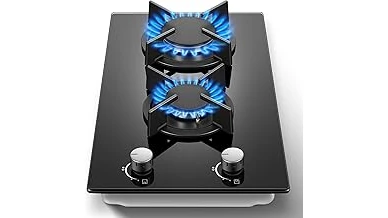
For a more integrated look in a small kitchen, a built-in two-burner cooktop is an excellent choice. These are designed to be installed directly into your countertop, offering a seamless and permanent cooking solution. They give the feel of a full kitchen setup within a smaller footprint.
Two-burner models are perfect for individuals or couples who don’t require a lot of cooking capacity but still want the convenience of a fixed cooktop. They can be gas or electric, giving you options based on your kitchen’s existing utility hookups and your preference for cooking heat.
- Space-Saving Design: Built-in units occupy minimal horizontal space as they are flush with the countertop. This integration creates a cleaner, more streamlined look and maximizes the usable counter area around the cooktop. It’s ideal for kitchens where every inch counts.
- Aesthetic Appeal: A built-in cooktop can significantly enhance the look of a small kitchen. It integrates smoothly with the surrounding countertops and cabinetry, offering a sophisticated and professional appearance that portable options cannot match.
- Variety of Types: You can find built-in two-burner cooktops in various types, including electric smooth tops, electric coil tops, and gas. This allows you to choose based on your cooking style, existing kitchen infrastructure (gas line availability), and maintenance preferences.
- Durability and Functionality: These cooktops are built for regular use and offer reliable cooking performance. They provide a dedicated cooking zone that is always ready when you need it, contributing to the overall efficiency and usability of your small kitchen.
Key Features To Consider For Small Space Cooktops
Selecting a cooktop for a small space involves looking beyond just its size. Several key features can significantly impact its usability, safety, and suitability for your specific needs. Considering these aspects will ensure you make an informed decision that enhances your cooking experience rather than creating new challenges.
We will explore elements like size and dimensions, power source, control types, and safety considerations.
Size and Dimensions
The most obvious factor is the physical size of the cooktop. For a small space, you need precise measurements. Measure the intended installation area or the countertop space you can dedicate.
Cooktops come in standard widths, but for compact kitchens, you’ll be looking at narrower options.
A standard cooktop might be 30 or 36 inches wide, but for small spaces, you’ll often find units that are 12, 15, or 24 inches wide. It’s crucial to check the height as well, ensuring it fits under any cabinets or ventilation hoods you might have. Don’t forget to account for the space needed around the cooktop for ventilation and safe operation.
- Width Considerations: When looking for a cooktop for small space, prioritize width. Standard cooktops are often too large. Look for units that are 12 inches, 15 inches, or 24 inches wide. These narrower sizes are specifically designed to fit into limited counter spaces without overwhelming the kitchen.
- Depth and Height: While width is often the primary concern, depth and height are also important. Ensure the cooktop’s depth fits within your cabinetry or counter cut-out. The height must also be compatible with any overhead cabinets or ventilation systems to allow for proper clearance and airflow.
- Installation Space: Beyond the cooktop’s dimensions, factor in the necessary installation space. This includes clearances required for ventilation and safe operation as specified by the manufacturer. Some cooktops need space around them for heat dissipation or access to controls.
- Countertop Integration: If you are considering a built-in model, ensure the cut-out dimensions provided by the manufacturer precisely match your countertop opening. Incorrect measurements can lead to difficult installation and potential damage to your countertops.
Power Source Gas vs. Electric vs. Induction
The choice between gas, electric, and induction cooktops is significant for any kitchen, but especially for a small space. Each has unique characteristics that affect installation, cooking performance, and energy usage. Understanding these differences will help you choose the best fit for your kitchen’s capabilities and your cooking style.
Gas cooktops offer instant heat and visible flame control, which many cooks prefer. Electric cooktops, particularly radiant smooth tops, are easy to clean. Induction cooktops are the most energy-efficient and fastest, heating the pan directly.
| Feature | Gas | Electric (Radiant/Coil) | Induction |
|---|---|---|---|
| Heating Method | Flame | Heating element heats the surface/pan | Electromagnetic field heats the pan directly |
| Speed | Fast to heat, immediate response | Slower to heat, delayed response | Fastest to heat, immediate response |
| Energy Efficiency | Moderate | Less efficient (heat loss) | Highly efficient (minimal heat loss) |
| Cleaning | Can be difficult (grates, burners) | Easy (smooth top), harder (coil) | Very Easy (smooth surface) |
| Cookware Compatibility | Any | Most | Magnetic (cast iron, stainless steel) |
| Installation | Requires gas line and ventilation | Standard electrical outlet | Standard electrical outlet (higher amperage often needed) |
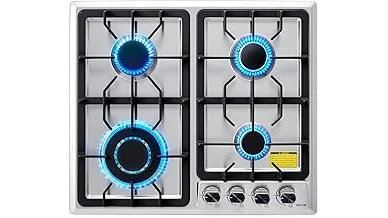
- Gas Cooktops: These provide instant heat and excellent control over flame intensity, a favorite among many chefs. However, they require a gas line connection, which might not be available in all rental properties or small apartments. Proper ventilation is also essential due to open flames and combustion byproducts.
- Electric Cooktops: Traditional electric coil cooktops are durable and affordable, but harder to clean. Radiant smooth-top electric cooktops offer a sleek appearance and are easier to wipe down. They heat up slower than gas or induction and retain heat for a while after being turned off, which can be a safety concern in small kitchens if not managed carefully.
- Induction Cooktops: This technology heats the cookware itself, making it very energy-efficient and safe. The surface around the pan stays relatively cool. Induction is also the fastest heating method. However, it requires specific magnetic cookware, and some higher-powered models might need a dedicated electrical circuit.
Control Types and User Interface
The way you control your cooktop is crucial for usability, especially in a confined space where you might be working close to the controls. Different control types offer varying levels of precision and ease of use. Opting for intuitive controls can make cooking in a small kitchen much more pleasant.
Knobs are traditional and easy to understand, but touch controls offer a sleek look and can be easier to clean. Some advanced models feature digital displays for very precise settings. For small spaces, consider controls that are easy to reach and operate without bumping into things.
- Knobs: Many cooktops, especially gas and some electric models, use physical knobs. These are generally intuitive and easy to operate, even with wet hands. They provide a tactile feedback that many users prefer for adjusting heat levels.
- Touch Controls: Modern cooktops, particularly induction and smooth-top electric, often feature touch-sensitive controls. These create a seamless surface that is easy to clean. They can offer precise settings and digital readouts, but might be less responsive with wet fingers or if the surface is oily.
- Digital Displays: Some high-end models include digital displays that show exact temperature settings or cooking times. This level of precision can be beneficial for specific recipes. For a small space, look for displays that are clear and easy to read without being overly bright or distracting.
- Safety Lock Features: For households with children or pets, a control lock feature is invaluable. This prevents accidental activation of the cooktop, adding a significant layer of safety to your small kitchen environment.
Safety Features
Safety is paramount in any kitchen, but it takes on extra importance in a small space where proximity to heat sources and potential hazards is heightened. Look for cooktops with features designed to prevent accidents and protect users. These features can give you peace of mind while you cook.
Common safety features include automatic shut-off, residual heat indicators, and control locks. Some induction cooktops also have features that prevent them from turning on unless specific cookware is detected, adding another layer of protection.
- Residual Heat Indicators: Many electric and induction cooktops have indicator lights that show when a burner is still hot after use. This feature is crucial for preventing accidental burns, especially in kitchens where space is tight and accidental contact is more likely.
- Automatic Shut-Off: This safety feature turns off the cooktop after a set period of inactivity or if no cookware is detected (especially on induction models). It’s a lifesaver if you get distracted or forget to turn off a burner, preventing potential fires or overheating.
- Control Lock Function: A control lock prevents the cooktop from being turned on or having its settings changed accidentally. This is particularly important in households with young children who might be curious about the kitchen appliances.
- Pan Detection (Induction): Induction cooktops often have a feature that automatically shuts off the heating element if a compatible pan is not present. This not only saves energy but also prevents the surface from getting dangerously hot if left on without cookware, enhancing overall safety.
Maximizing Your Small Kitchen With A Compact Cooktop
Integrating a compact cooktop into a small kitchen is more than just about fitting it in. It’s about optimizing your workflow and making the most of the limited space you have. This involves smart storage solutions, proper ventilation, and choosing a cooktop that enhances your cooking experience without cluttering your environment.
Let’s explore how to achieve this balance.
Smart Storage Solutions Around Your Cooktop
When space is limited, every inch counts. Smart storage around your cooktop can make a huge difference in keeping your small kitchen organized and functional. Think vertically and utilize hidden spaces.
Good organization means less clutter and a more pleasant cooking experience.
Consider slim drawers for utensils, magnetic strips for knives, and wall-mounted racks for pots and pans. For portable cooktops, having a designated storage spot when not in use is key to reclaiming counter space.
- Vertical Storage: Use wall space effectively. Install shelves, magnetic knife strips, or pot racks above or beside your cooktop. This keeps frequently used items within easy reach without occupying valuable counter or cabinet space.
- Drawer Organizers: For any drawers near your cooktop, use dividers and organizers to keep utensils, spices, and cooking tools neat and accessible. This prevents items from getting jumbled and lost, making it easier to find what you need quickly.
- Under-Cabinet Storage: Explore options for storage under your cabinets. This could include pull-out shelves, spice racks, or even small appliance garages. These areas are often overlooked but can provide significant storage capacity.
- Multi-functional Island or Cart: If you have a little extra floor space, a compact kitchen cart or a small rolling island can provide additional workspace and storage. Some are designed with built-in shelves or drawers, and can be moved out of the way when not needed.
Ventilation for Small Kitchens
Proper ventilation is crucial in any kitchen, but it’s especially important in small spaces. Without adequate ventilation, cooking fumes, steam, and odors can quickly fill the limited air volume, making the environment uncomfortable and potentially unhealthy. A good ventilation system keeps your air fresh and clear.
Options range from range hoods to downdraft systems, and even smaller, more discreet solutions. The key is to remove airborne grease, smoke, and moisture effectively.
- Range Hoods: A well-chosen range hood is the most effective way to clear the air. For small kitchens, consider a slim, under-cabinet model or a wall-mounted hood that doesn’t protrude too much. Look for models with good CFM (Cubic Feet per Minute) ratings relative to your kitchen size to ensure efficient air exchange.
- Downdraft Ventilation: If a traditional range hood isn’t feasible due to cabinet layout or aesthetic preferences, a downdraft system can be a good alternative. These systems are built into the cooktop or behind it and pull air down and out of the kitchen. They are less intrusive visually but may be less powerful than overhead hoods.
- Recirculating vs. Venting Outdoors: Recirculating hoods filter the air and push it back into the kitchen, which is easier to install but less effective at removing moisture and odors. Venting outdoors is generally preferred for better air quality. Ensure your chosen system is compatible with your kitchen’s structure for either option.
- Regular Maintenance: Regardless of the system you choose, regular cleaning and maintenance are vital. Filters in range hoods should be cleaned or replaced frequently, and any external vents should be kept clear to ensure optimal performance and air quality in your small cooking area.
Choosing Cookware for Small Cooktops
The cookware you use significantly impacts how well your compact cooktop performs, especially with induction or smaller electric burners. Choosing the right pots and pans can enhance efficiency, ensure even heating, and even help save space. Investing in good quality, appropriately sized cookware is essential.
For induction, magnetic cookware is a must. For any cooktop, prioritize pans with flat, wide bases that match the size of the burner. Stackable sets can also save valuable storage space in a small kitchen.
- Induction-Specific Cookware: If you have an induction cooktop, you need cookware with a magnetic base. Test this by seeing if a magnet sticks to the bottom of the pan. Cast iron, enameled cast iron, and many stainless steel pans are suitable. Avoid aluminum, copper, and glass unless they have a magnetic layer.
- Pan Size and Shape: Match your pan size to your burner size. Using a pan that is too small on a large burner wastes energy. Using one that is too large can overhang the edges and create uneven heating. Look for flat-bottomed pans for optimal contact with electric and induction surfaces.
- Stackable Cookware Sets: To save precious storage space in a small kitchen, consider cookware sets designed for stacking. Many modern sets have nesting designs that allow pots and pans to fit snugly inside each other, significantly reducing their footprint in cabinets or drawers.
- Multi-functional Pans: Opt for versatile pieces. A good quality sauté pan or a Dutch oven can often perform multiple cooking tasks, reducing the number of items you need to store. A smaller skillet might be perfect for everyday use on a single burner.
Real-Life Examples And Scenarios
Seeing how others have successfully incorporated compact cooktops into their small kitchens can provide valuable inspiration and practical advice. These examples illustrate that a limited footprint doesn’t mean compromising on cooking ability or kitchen enjoyment. We’ll look at different living situations and how specific cooktop choices made a difference.
Scenario 1 A Studio Apartment Cook
Sarah lives in a studio apartment with a very limited kitchen alcove. She loves to cook healthy meals for herself but had only a microwave and a hot plate before. She decided to invest in a 15-inch wide, two-burner induction cooktop.
It fits perfectly into a designated spot on her counter.
She found that the induction cooktop heats up incredibly fast, cutting down her cooking time significantly. She can sauté vegetables on one burner while boiling pasta on the other. When she’s done cooking, she wipes the smooth surface clean and stores her magnetic cookware in a shallow drawer.
Her kitchen feels much more like a real kitchen now, and she can even entertain a friend for a small dinner.
- Problem: Limited counter space and basic cooking appliances (microwave, hot plate) in a studio apartment.
- Solution: Installed a 15-inch wide, two-burner induction cooktop on the counter.
- Results: Significantly faster cooking times, ability to perform multiple tasks simultaneously, easy cleaning, and a more functional kitchen experience. She now enjoys cooking full meals regularly.
Scenario 2 A Small Family Kitchen Upgrade
The Miller family lives in a charming but compact bungalow. Their original kitchen had an outdated, bulky electric coil cooktop that was difficult to clean and slow to heat. They wanted to upgrade to something more efficient and easier to maintain without a major renovation.
They opted for a 24-inch wide electric smooth-top built-in cooktop. This required a slight modification to their countertop cut-out, but the result was a seamless, modern look. The smooth surface is a breeze to clean, and the burners heat up much faster than their old coils.
They can now prepare family dinners more efficiently, and the cleaner appearance brightened up their entire kitchen space.
- Problem: Outdated, slow, and hard-to-clean electric coil cooktop in a small family home.
- Solution:
-
Results: Easier cleaning, faster heating, a more modern and integrated kitchen aesthetic, and improved efficiency for preparing family meals.
Scenario 3 A Tiny Home Chef
David lives in a tiny home where space is extremely limited. He’s an avid cook and couldn’t stand the idea of a permanent, space-consuming cooktop. He found a portable, single-burner induction cooktop that he uses whenever he needs it.
When he’s not cooking, the single-burner unit tucks away neatly into a cabinet. He’s learned to be very efficient, preparing one or two dishes at a time. He uses quality magnetic cookware that also serves multiple purposes.
This solution allows him to have a high-performance cooking tool without sacrificing precious living space.
- Problem: Extreme space limitations in a tiny home, preventing the use of standard cooktops.
- Solution: Utilizes a portable, single-burner induction cooktop that can be stored away.
- Results: Allows for high-performance cooking on demand, conserves valuable living and counter space, and enables the preparation of meals despite severe spatial constraints.
Frequently Asked Questions
Question: What is the best type of cooktop for a very small kitchen
Answer: For very small kitchens, induction or electric burner cooktops are often the best. Induction offers speed and efficiency, while portable electric burners are simple and affordable. Look for compact sizes like 12 or 15 inches wide.
Question: Do I need special pans for a small induction cooktop
Answer: Yes, induction cooktops require magnetic cookware. Test if a magnet sticks to the bottom of your pans. Cast iron, enameled cast iron, and some stainless steel pans work well.
Question: How much counter space do I need for a portable cooktop
Answer: A portable single-burner cooktop might only need about 12 inches of counter space, while a two-burner model typically requires around 24 inches. Always check the manufacturer’s dimensions and allow for clearance.
Question: Can a small cooktop be as good as a full-sized one
Answer: Yes, many compact cooktops, especially induction models, offer excellent performance, speed, and control that rival full-sized units. The main difference is the number of cooking zones.
Question: Is it safe to use a portable cooktop in a small apartment
Answer: Yes, portable cooktops are generally safe when used according to the manufacturer’s instructions. Ensure good ventilation and avoid placing them near flammable materials.
Conclusion
Choosing the right cooktop for a small space is about smart selection and maximizing function. Compact induction or electric models offer powerful cooking without demanding much room. Prioritize size, safety features, and efficient use of your limited kitchen area.
With the right choice, your small kitchen can be a delightful place to prepare meals.

Leave a Reply