
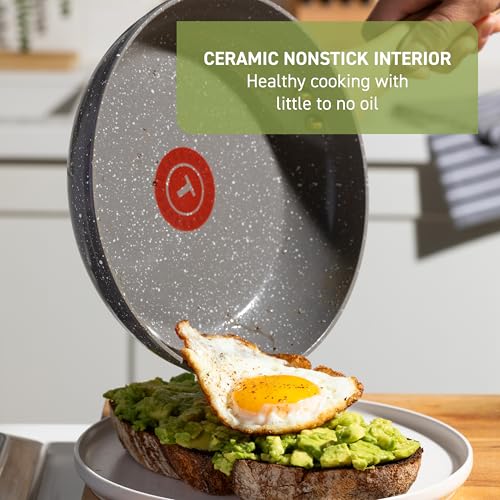
Both work well; ceramic feels healthier and stylish, nonstick wins for effortless release.
I used ceramic vs nonstick pans for years in my small kitchen. Picture weekday breakfasts, late-night stir-fries and sticky sauces — both pans solved different problems. Ceramic pans gave me bright colors and a clean feel; nonstick pans saved time and frustration with eggs and pancakes. I tested both across heat levels, cleaning, and everyday wear, and I’ll share practical notes to help you choose the best one for your needs.
Is Ceramic Pans Good?
Yes — but it depends on how you cook. I find ceramic pans great for low-to-medium heat cooking, gentle searing, and foods that benefit from a dry, crisp finish. They are often free of PTFE and look nice on the stove. For home cooks who want a cleaner-feeling surface and care about using less oil, ceramic pans are a solid pick. They can handle occasional oven use if rated for it, but they do not always tolerate very high heat or metal utensils.
I’ve cooked eggs, omelets and sautéed vegetables in ceramic pans for months. My best memory: delicate crepes that browned evenly without sticking when I used a light brush of oil and kept the heat moderate. Another time I seared salmon skin-to-side and got a crisp finish without the flare-ups I used to see in old nonstick pans. Ceramic pans felt forgiving, and cleanup was quick after soaking. Yet, after heavy use at high heat, I noticed some loss of slickness over months, so I learned to treat them a bit more gently.

What Makes It Stand Out / Key Features
- Ceramic-based nonstick surface (PTFE-free on many models)
- Bright, attractive coating that resists staining
- Good release on low-to-medium heat for eggs and fish
- Often oven-safe to moderate temperatures
- Easy to clean with warm water and a soft sponge
What I Like
- Feels cleaner and more natural than traditional nonstick
- Great for low-fat cooking with less oil needed
- Looks new for longer when cared for gently
- Comfortable to cook delicate foods without tearing
- Minimal odor during initial heating
What Could Be Better
- Loss of slickness over months if exposed to very high heat
- Can chip or wear if metal utensils are used
- Not as instantly slippery as traditional nonstick for some foods
My Recommendation
I recommend ceramic pans if you value PTFE-free cooking and cook mainly at low-to-medium heat. Good value and widely available.
| Best For | Why |
|---|---|
| Delicate foods | Gentle release and even browning at moderate heat |
| Low-oil cooking | Ceramic surface reduces the need for extra fat |
Is Nonstick Pans Good?
Yes — especially for busy cooks and sticky foods. Traditional PTFE-based nonstick pans excel at instant release for eggs, pancakes, and sticky sauces. They heat quickly and make cleaning fast. If you want fast weekday breakfasts or cook often for kids, nonstick pans cut prep and cleanup time drastically. They are generally forgiving and help avoid burned-on food.
I’ve used nonstick pans for years when speed mattered. My go-to weekday breakfast pan churned out perfect omelets and pancakes in under 10 minutes, with almost no oil. After long use, I replaced pans when coating showed scratches. I learned to avoid high heat and metal utensils. The difference was clear: nonstick pans saved me time, but they needed replacement sooner than ceramic pans if abused.

What Makes It Stand Out / Key Features
- Highly slick PTFE-based nonstick coating
- Rapid release for eggs, pancakes and sticky sauces
- Often lighter and heats fast on gas and electric
- Easy cleanup — quick rinse and wipe
- Many models are dishwasher-safe (check label)
What I Like
- Effortless cooking of sticky items like omelets
- Saves time on both cooking and cleaning
- Less oil needed for a consistent non-stick surface
- Great for beginners and busy families
- Usually affordable and widely available
What Could Be Better
- Coating can scratch or degrade with metal tools
- Not ideal for prolonged high-heat searing
- Some cooks worry about chemicals if overheated
My Recommendation
Choose nonstick pans if you need fast, reliable release for everyday cooking. Ideal for busy kitchens and quick breakfasts.
| Best For | Why |
|---|---|
| Everyday quick cooking | Fast heat-up and excellent release |
| Beginner cooks | Low chance of food sticking and burning |
ceramic vs nonstick pans: Side-by-Side Test
I ran both pans through common kitchen tasks to compare real-world performance. Below are specific categories I tested and what I learned during day-to-day cooking.
Cooking Functions: Which One Does More?
A quick look at what each pan handles well in everyday cooking.
| Function | Ceramic pans | Nonstick pans |
|---|---|---|
| Eggs & Omelets | Good release at moderate heat | Excellent, near-perfect release |
| Searing Steak | Decent at medium heat only | Not ideal for high-heat searing |
| Stir-frying | Fine with careful heat control | Works well but can smoke if hot |
| Sauces & Sticky Foods | Releases well with light oil | Excellent and low-stick |
Ceramic pans – 7/10 | Nonstick pans – 9/10
Nonstick pans win for sheer everyday function, but ceramic is a solid second if you avoid very high heat.
Durability & Wear: How Long Do They Last?
Look at wear patterns and long-term durability under normal use.
| Wear Issue | Ceramic pans | Nonstick pans |
|---|---|---|
| Coating wear | Can dull over months at high heat | Can scratch and flake if abused |
| Resistance to metal tools | Poor; use silicone or wood | Poor; avoid metal utensils |
| Lifespan with care | 12–36 months depending on use | 12–30 months depending on use |
Ceramic pans – 7/10 | Nonstick pans – 7/10
Both need care; neither loves metal tools. Ceramic ages differently, but both will show wear with heavy use.
Heat Distribution & Searing
How well the pans spread heat and handle browning.
| Heat Trait | Ceramic pans | Nonstick pans |
|---|---|---|
| Evenness | Good if base is thick | Very even on many models |
| High-heat performance | Not ideal | Not ideal; may off-gas if overheated |
| Sear quality | Decent at moderate temps | Limited for true searing |
Ceramic pans – 7/10 | Nonstick pans – 6/10
Ceramic has a slight edge for browning at controlled heat. For true high-heat searing, a stainless steel or cast-iron pan is better.
Safety & Health: Which Feels Safer?
Consider coatings, fumes, and materials.
| Safety Point | Ceramic pans | Nonstick pans |
|---|---|---|
| PTFE/PFOA | Often PTFE-free | Often PTFE-based; check labels |
| Off-gassing risk | Low at normal heat | Possible at very high heat |
| Cleaner feel | Perceived as cleaner by many | Functional but chemical concerns for some |
Ceramic pans – 8/10 | Nonstick pans – 6/10
Ceramic pans edge out on perceived health safety, especially for cooks who avoid PTFE coatings.
Ease of Use & Cleaning
Which pan saves you more time and hassle.
| Task | Ceramic pans | Nonstick pans |
|---|---|---|
| Everyday cleaning | Easy after soaking | Very quick; wipes clean |
| Dishwasher safe | Sometimes; handwash recommended | Often yes, but handwash prolongs life |
| Prep speed | Quick once warmed | Fastest for stick-prone foods |
Ceramic pans – 8/10 | Nonstick pans – 9/10
Nonstick pans are slightly easier for daily cooking and cleanup; ceramic is close behind with gentle use.
Value for Money
Which pan gives the best return on investment.
| Value Point | Ceramic pans | Nonstick pans |
|---|---|---|
| Initial cost | Mid-range to premium | Budget-friendly to premium |
| Lifespan vs price | Good if used carefully | Best for short-term convenience |
| Replacement frequency | Moderate | Moderate to frequent if abused |
Ceramic pans – 7/10 | Nonstick pans – 8/10
Nonstick offers the best immediate value for everyday convenience; ceramic can match value if you avoid high-heat wear.
Final Verdict: Which Should You Buy?
Ceramic pans are best if you want a PTFE-free option that looks nice and suits low-to-medium heat cooking. They feel cleaner and work well for delicate foods. I recommend ceramic pans if you cook gently and value a more natural coating.
Nonstick pans are best if you prioritize speed, the easiest release, and fast cleanup. For busy mornings and sticky foods, nonstick pans save time. I recommend nonstick pans if you want convenience and quick results.
FAQs Of ceramic vs nonstick pans
What is the main difference between ceramic vs nonstick pans?
Ceramic pans use a silica/ceramic-based coating often PTFE-free. Nonstick pans usually use PTFE coatings for a very slick surface. That makes ceramic feel more natural and nonstick more slippery.
Are ceramic pans safer than nonstick pans?
Ceramic pans are often perceived as safer because many are PTFE-free. Nonstick pans can release fumes if overheated above recommended temps. Use moderate heat on both for safety.
Which is better for eggs: ceramic or nonstick pans?
Nonstick pans are generally better for eggs due to instant release. Ceramic does well too if it’s new and you keep heat moderate, but nonstick is more forgiving.
Can I use metal utensils on ceramic or nonstick pans?
No. Avoid metal on both. Use silicone, wood, or nylon tools to protect the coating and extend pan life.
Which lasts longer: ceramic or nonstick pans?
Lifespan depends on use. With gentle care, ceramic coatings can stay nice longer. Traditional nonstick performs very well early on but may scratch or flake sooner if abused.
If you want a quick recap: ceramic vs nonstick pans each have clear strengths. Pick ceramic for a cleaner feel and low-heat cooking. Pick nonstick for fast, fuss-free cooking and easy cleanup.

Leave a Reply