
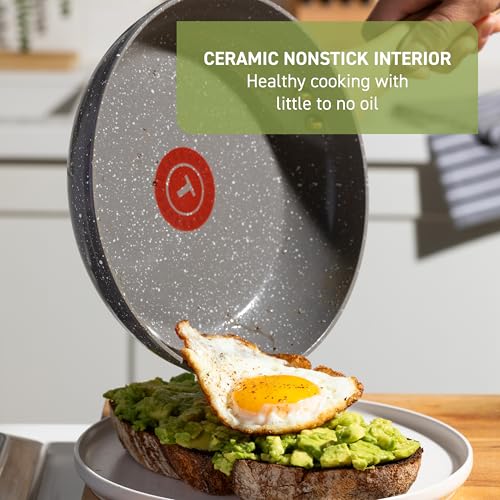
Ceramic for easy nonstick, copper for pro heat control — choose by cooking style and care.
I was stuck deciding between ceramic vs copper cookware when I moved kitchens. Ceramic promised easy cleanup and gentle nonstick. Copper promised fast, precise heat. I tested both on weeknight dinners and weekend roasts. I’ll share real-use notes on cooking, cleaning, cost, and which fits your habits. Read on to pick the right set for your kitchen and style.
Is Ceramic Good?
I’ll be direct: yes — ceramic cookware is great for many home cooks, but it depends on how you cook. I found ceramic pans to be forgiving. I use them for eggs, fish, and quick sautés. They heat evenly enough for everyday meals and clean up fast. If you want low-fat cooking and easy care, ceramic works well. For searing steaks or tasks needing fine heat control, it can feel a step behind copper.
In my small apartment kitchen, ceramic saved time. I made a weekday frittata in one pan, and it slid out clean. Once, I rushed dinner and burnt a thin sauce; the ceramic surface cleaned up with a gentle soak. But when I tried to brown a thick pork chop, the pan did not keep heat as a copper skillet did. For most home cooks, ceramic is a smart, low-hassle choice in the ceramic vs copper cookware debate.

What Makes It Stand Out / Key Features
- Nonstick ceramic coating for low-oil cooking.
- Lightweight construction; easy to handle daily.
- Oven-safe to moderate temps (often ~350°F).
- Clean-up with mild soap and a soft sponge.
- Often PTFE/PFOA-free for peace of mind.
What I Like
- Quick cleanup after breakfast or weeknight meals.
- Good for delicate foods like eggs and fish.
- Feels safer to use at home (no strong coatings worry).
- Light pans make flipping and pouring easy.
- Affordable options for upgrading kitchen gear.
What Could Be Better
- Coating can wear over time with metal tools.
- Not as great for high-heat searing or long braises.
- Some cheaper sets can have uneven heating.
My Recommendation
Pick ceramic if you want easy, low-fat cooking with minimal fuss and gentle cleaning. Good value and safe for everyday use.
| Best For | Why |
|---|---|
| Breakfast cooks | Excellent nonstick for eggs and pancakes. |
| Low-maintenance kitchens | Lightweight and easy to clean. |
| Budget upgrades | Affordable sets with solid everyday performance. |
Is Copper Good?
Copper gets a firm yes for cooks who want speed and precision. In my tests, copper cookware responded instantly to heat changes. I used copper for sauces, sauteing, and searing. It gave me finer control when I needed to drop heat fast or ramp it up. If you value that level of control and don’t mind a bit more care, copper shines in the ceramic vs copper cookware trade-off.
At a holiday dinner, I made pan sauces on copper and it was noticeably better. I could keep a simmer at the perfect edge without overcooking. Copper takes polish and a little upkeep. I spent a few extra minutes wiping and polishing bowls and pans. That care is the trade for performance. For many home cooks, copper is worth it for the results.

What Makes It Stand Out / Key Features
- Fast, responsive heat conduction for precise control.
- Even browning and excellent searing capability.
- Often layered with stainless interior for durability.
- Attractive copper finish that looks pro in a kitchen.
- Works well for sauces and temperature-sensitive dishes.
What I Like
- Instant response to flame changes.
- Great for deglazing and making pan sauces.
- Produces superior sear on meats.
- Feels sturdy and well-built under heavy use.
- Elegant look that elevates the kitchen aesthetic.
What Could Be Better
- Requires more care to keep the finish bright.
- Usually pricier than ceramic options.
- Some copper requires hand washing and polishing.
My Recommendation
Choose copper if you want pro-level heat control and don’t mind extra care and cost. Best for cooks who prioritize performance.
| Best For | Why |
|---|---|
| Serious home cooks | Fast, precise heat for complex recipes. |
| Searing and sauce lovers | Even browning and quick temperature shifts. |
| Style-forward kitchens | Striking copper finish and solid build. |
ceramic vs copper cookware: Side-by-Side Test
I ran both through the same tasks: eggs, sear, sauce, cleanup, and oven use. Here are direct results from my testing of ceramic vs copper cookware.
Cooking Functions: Which One Does More?
Short test: which handles daily tasks best.
| Function | Ceramic | Copper |
|---|---|---|
| Eggs & delicate foods | Nonstick; easy release | Good, but needs oil |
| Searing meats | Okay but slower to brown | Excellent, fast browning |
| Sauces & deglazing | Works; slower temp change | Ideal; quick control |
| Oven usage | Usually up to moderate temps | High-temp safe (if specified) |
Rating: Ceramic – 7/10 | Copper – 9/10
In this category, copper wins for range and control; ceramic wins for ease with delicate foods.
Heat Responsiveness: Who Reacts Faster?
Short test: how fast each responds to heat changes.
| Measure | Ceramic | Copper |
|---|---|---|
| Heat-up time | Moderate | Very fast |
| Cool-down speed | Slow to cool | Quick to cool |
| Fine temp control | Okay | Excellent |
| Evenness across pan | Good when quality-made | Very even |
Rating: Ceramic – 6/10 | Copper – 10/10
Copper has the edge. It reacts instantly, ideal for precise cooking.
Nonstick & Food Release
Short test: how well food releases and cleans.
| Test | Ceramic | Copper |
|---|---|---|
| Egg release | Excellent | Good with oil |
| Sticky sauces | Easy to clean | May need soaking |
| Long-term coating wear | Can degrade with scratches | Durable interior (if stainless) |
| Care needed | Gentle tools only | Polish and dry after wash |
Rating: Ceramic – 9/10 | Copper – 8/10
Ceramic wins for easy release and cleanup. Copper is great but needs oil and more care.
Durability & Maintenance
Short test: how much care and how long they last.
| Aspect | Ceramic | Copper |
|---|---|---|
| Scratch resistance | Moderate; avoid metal | High if stainless-lined |
| Finish upkeep | Low upkeep | Regular polishing for shine |
| Lifespan (with care) | 3–7 years typical | Many years, decades if kept |
| Wash method | Hand or gentle dishwasher | Hand wash preferred |
Rating: Ceramic – 7/10 | Copper – 9/10
Copper has longer life and toughness; ceramic is lower-maintenance but can wear.
Safety & Health
Short test: chemicals, reactivity, and food safety.
| Concern | Ceramic | Copper |
|---|---|---|
| Coating chemicals | Often PTFE/PFOA-free | No nonstick chemicals |
| Metal reactivity | Non-reactive coating | Pure copper can react; stainless lining avoids this |
| High-heat safety | Can degrade at very high heat | Handles high heat well |
| Food contamination risk | Low if coating intact | Low if lined |
Rating: Ceramic – 8/10 | Copper – 8/10
Both are safe when used correctly. Lined copper and intact ceramic coatings are best.
Speed & Results
Short test: cooking speed and final dish quality.
| Metric | Ceramic | Copper |
|---|---|---|
| Time to cook | Average | Faster for sears and sauces |
| Even browning | Good | Excellent |
| Sauce finish | Smooth | Silky and controlled |
| Overall dish quality | Very good for casual meals | Pro-level finish possible |
Rating: Ceramic – 7/10 | Copper – 9/10
Copper gives faster results and a pro finish. Ceramic is solid for everyday dishes.
Value for Money
Short test: cost vs benefit for typical buyers.
| Factor | Ceramic | Copper |
|---|---|---|
| Initial cost | Lower | Higher |
| Performance per dollar | High for daily cooking | High if you need precision |
| Long-term value | Good; may need replacement sooner | Excellent if cared for |
| Resale/ heirloom potential | Low | Higher |
Rating: Ceramic – 9/10 | Copper – 7/10
Ceramic is better value for casual cooks. Copper pays off for committed cooks.
"Overall, copper wins on control and performance. Ceramic wins on ease, safety, and cost."
Final Verdict: Which Should You Buy?
For most home cooks, I recommend ceramic cookware. It is easy, safe, and great for everyday meals. It wins on price, cleanup, and comfort for quick cooking.
If you cook often and demand pro-level heat control, choose copper. It performs better on searing, sauces, and precision tasks. Expect more care and higher cost, but also better long-term results.
FAQs Of ceramic vs copper cookware
What is the main difference between ceramic vs copper cookware?
The main difference is heat behavior. Ceramic offers nonstick ease and low upkeep. Copper offers fast, precise heat and better searing.
Is ceramic or copper healthier to cook with?
Both are safe when used properly. Ceramic coatings are often PTFE/PFOA-free. Copper should be lined (stainless) to avoid metal reactivity.
Which is easier to clean: ceramic or copper?
Ceramic is easier. It releases food and wipes clean. Copper often needs polishing and hand washing to keep the finish.
Which one lasts longer?
Copper tends to last longer if it is lined and well cared for. Ceramic can wear faster, especially with metal tools or abrasive cleaning.
Which should I buy for everyday meals vs special cooking?
Buy ceramic for everyday, low-fuss cooking. Buy copper if you do lots of sauces, searing, or want pro-level control in the kitchen.
If you want more hands-on tips based on the cookware you already own, tell me what you cook most and I’ll advise which choice fits your routine.

Leave a Reply