
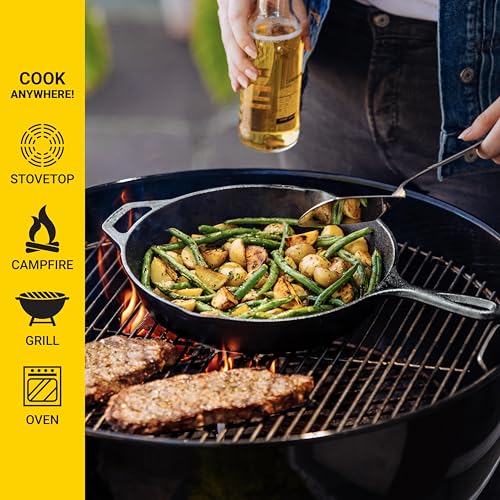
Both work well: cast iron for heat and sear; aluminum for speed and lightness.
I stood at my stove, torn between heavy skillet steaks and fast weeknight sautés. In my kitchen, cast iron vs aluminum cookware keeps coming up. I tested both for months. I’ll share what I learned, how each one behaves, and which one fits different kitchens and cooks. My goal is to help you pick the right pan for your needs.
Is cast iron Good?
Yes — for many cooks, cast iron is a clear winner. It is best for searing, frying, and slow cooking. It holds heat like a small oven. It also builds a natural non-stick surface if you care for it. If you like deep browning, oven finishes, and cookware that lasts generations, cast iron will please you. If you cook outdoors or want one pan that does many jobs, cast iron is usually a great fit.
I learned this by cooking staples on my Lodge skillet. I seared steaks until they had a dark, crisp crust. I baked cornbread and roasted vegetables in the same pan. Once, I left a skillet over low heat for an hour to braise short ribs; the food was tender and the pan barely changed. Cast iron taught me patience. It asks for care, but it returns deep flavor and even heat in dishes where that matters most.
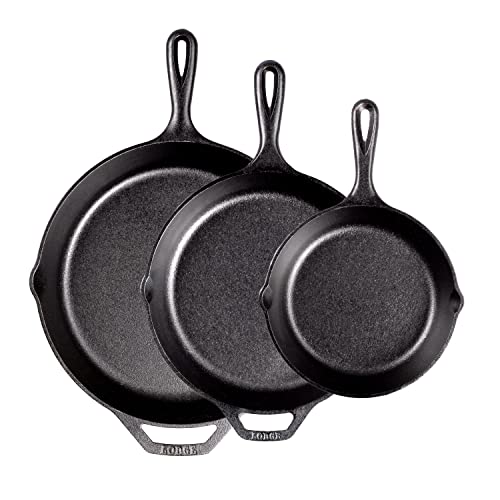
What Makes It Stand Out / Key Features
- Exceptional heat retention for even searing and browning.
- Durable, often lasts decades with proper care.
- Versatile: stove, oven, grill, and campfire safe.
- Develops natural seasoning that improves with use.
- Typically made of single solid metal—simple and repairable.
What I Like
- Searing steaks with a deep, caramelized crust every time.
- The pan doubles as a baking dish for skillet cornbread.
- Consistency: once hot, it stays hot through long cooks.
- Simple care routine makes it feel personal and reliable.
- It survives drops and rough treatment that wreck other pans.
What Could Be Better
- Heavy — can be tiring to lift, especially full of food.
- Needs seasoning and careful cleaning to prevent rust.
- Slow to heat and slow to cool, which can hurt quick tasks.
My Recommendation
Choose cast iron if you value heat, durability, and deep flavor in cooking. Great value and widely available.
| Best For | Why |
|---|---|
| Searing steaks | Holds high heat for long, creating a strong crust. |
| Braised dishes | Even heat and oven compatibility for long cooks. |
| Outdoor cooking | Sturdy and safe over fire or coals. |
Is aluminum cookware Good?
It depends — aluminum cookware shines for quick, even everyday cooking. Impact-bonded aluminum and good cladding give fast, even heat across the pan. Aluminum is light and easy to handle. For daily stir-fries, omelets, and sauces, aluminum cookware is often the smart choice. It is not the same as heavy cast iron in heat hold, but it excels where speed and ease matter.
I switched between my cast iron and a Calphalon set to see the difference. I cooked eggs, sautéed vegetables, and warmed sauces in the aluminum pans. The meals finished faster. I could flip an omelet with one hand. For weeknight dinners, the weight and quick heat control made cooking less work. I still reach for cast iron for steaks. But for fast, clean, low-effort cooking, aluminum cookware won many days.
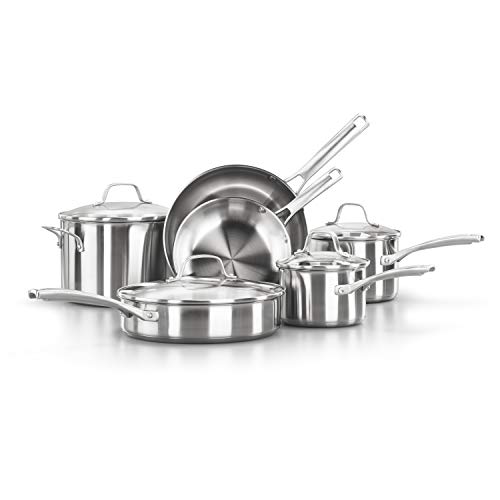
What Makes It Stand Out / Key Features
- Lightweight, easy to lift and maneuver.
- Fast, even heat thanks to impact-bonded aluminum core.
- Often has stainless steel or nonstick cooking surface.
- Quick temperature response for delicate tasks.
- Usually comes as a set for full kitchen coverage.
What I Like
- Eggs and sauces cook evenly with little hot-spotting.
- Pan heats and cools quickly for tight temperature control.
- Cleaning is usually easier than cast iron.
- Light weight makes it great for seniors or small hands.
- Good for fast weeknight meals and multi-pan cooking.
What Could Be Better
- Less heat retention than cast iron—drops temperature fast.
- Some cheaper aluminum warps over high heat.
- Uncoated aluminum can react with acidic foods.
My Recommendation
Pick aluminum cookware if you want light pans, fast heat, and easy upkeep. Great for busy cooks and everyday use.
| Best For | Why |
|---|---|
| Weeknight dinners | Quick heat-up and easy handling speed up prep. |
| Delicate sauces | Fast response helps avoid overcooking or scorching. |
| Lightweight kitchens | Easy to store and lift—ideal for small households. |
cast iron vs aluminum cookware: Side-by-Side Test
I set both pans side by side and used them for the same tasks. I judged heat, weight, cleanup, and taste. Below are clear, practical results from real cooking tests with cast iron vs aluminum cookware.
Heat Retention & Distribution
How well each pan holds and spreads heat.
| Feature | Cast Iron | Aluminum Cookware |
|---|---|---|
| Time to heat | Slow | Fast |
| Heat hold | Excellent | Moderate |
| Evenness | Very good once hot | Very even if bonded |
| Best use | Long sears, braises | Quick sautés, sauces |
Cast Iron – 9/10 | Aluminum – 8/10
“Cast iron wins for steady heat and big sears; aluminum wins for quick heating and control.”
Cooking Functions: Which One Does More?
Which pan covers more cooking tasks well.
| Task | Cast Iron | Aluminum Cookware |
|---|---|---|
| Searing | Excellent | Good |
| Oven roasting | Excellent | Good (if oven-safe) |
| Eggs | Okay | Excellent |
| Sauces | Good | Excellent |
Cast Iron – 9/10 | Aluminum – 8/10
“Cast iron is more versatile for heavy-duty and oven tasks; aluminum shines for delicate and quick jobs.”
Reactivity & Food Safety
How the materials react with food and acids.
| Property | Cast Iron | Aluminum Cookware |
|---|---|---|
| Reactivity with acid | Low (if well seasoned) | Can react if uncoated |
| Coating options | Seasoned or enameled | Stainless-clad or nonstick |
| Safe for most foods | Yes | Yes (with proper coating) |
| Maintenance to stay safe | Seasoning care | Avoid high heat if thin |
Cast Iron – 8/10 | Aluminum – 7/10
“Seasoned cast iron is safe for most foods; plain aluminum needs proper cladding or coating to avoid reactivity.”
Weight & Handling
How heavy and easy each pan is to use day to day.
| Factor | Cast Iron | Aluminum Cookware |
|---|---|---|
| Weight | Heavy | Light |
| Ease of flipping | Tough | Easy |
| Storage | Bulky | Compact sets |
| Best user | Strong cooks | Everyone, esp. beginners |
Cast Iron – 6/10 | Aluminum – 9/10
“Aluminum wins for lightness and quick handling; cast iron demands strength but rewards heat performance.”
Maintenance & Care
How much time each pan needs to stay useful.
| Care | Cast Iron | Aluminum Cookware |
|---|---|---|
| Cleaning | Hand wash, dry, oil | Dishwasher-safe (often) |
| Longevity with care | Decades | Years with good use |
| Repair | Re-season or sand | Replace if warped |
| Routine | Moderate effort | Low effort |
Cast Iron – 8/10 | Aluminum – 9/10
“Aluminum is lower maintenance; cast iron needs more care but can last far longer.
Price & Value for Money
Which gives the best return over time.
| Aspect | Cast Iron | Aluminum Cookware |
|---|---|---|
| Initial cost | Low to moderate | Moderate to high for quality sets |
| Long-term value | High (lasts decades) | Good (less durable than iron) |
| Replacement need | Rare | More likely |
| Best investment | Single cast iron skillet | Quality bonded sets |
Cast Iron – 9/10 | Aluminum – 8/10
“Cast iron offers the best long-term value; aluminum gives strong short-term convenience.”
Final Verdict: Which Should You Buy?
Cast iron is best if you want deep sears, steady heat, and gear that lasts. It suits weekend cooks, outdoor chefs, and those who love a single pan for many tasks. Aluminum cookware is best if you need light pans, fast response, and easy daily use. It fits busy weeknights, delicate foods, and cooks who prefer low maintenance.
In short: buy cast iron for heat and longevity. Buy aluminum cookware for speed and ease. Your choice depends on how you cook and what you value most.
FAQs Of cast iron vs aluminum cookware
Which heats up faster: cast iron vs aluminum cookware?
Aluminum heats much faster. Cast iron takes longer to get hot but holds heat longer.
Which gives better sear: cast iron vs aluminum cookware?
Cast iron gives a better sear because it keeps very high, steady heat across the surface.
Is aluminum cookware safe compared to cast iron?
Yes, when coated or stainless-clad. Plain aluminum can react with acids, so choose bonded or coated options.
Which is easier to clean: cast iron vs aluminum cookware?
Aluminum is easier to clean and often dishwasher-safe. Cast iron needs hand care and re-seasoning after use.
Which is better value long term: cast iron vs aluminum cookware?
Cast iron tends to be better long-term value because it can last for decades. Aluminum may need replacement sooner but costs less upfront for some options.

Leave a Reply