
Professional chefs and serious home cooks have long recognized copper cookware as the gold standard in culinary equipment. The unique thermal properties of copper make it an exceptional choice for those who demand precision and control in the kitchen. Unlike stainless steel or aluminum, copper conducts heat remarkably quickly and distributes it with exceptional evenness, allowing for precise temperature adjustments that can make the difference between a perfectly executed sauce and a culinary disappointment.
Best Copper Cookware for Professionals:The history of copper cookware stretches back centuries, with French cuisine particularly championing its use in professional kitchens. The legendary chef Auguste Escoffier insisted on copper pots in his kitchens, understanding that the material’s responsiveness to heat changes was crucial for creating the complex sauces and delicate preparations that defined haute cuisine. Today, that tradition continues in Michelin-starred restaurants and home kitchens of passionate cooks who refuse to compromise on quality.
What makes copper truly special is its thermal conductivity, which is approximately 25 times greater than stainless steel and significantly better than aluminum. This means when you turn down the heat, a copper pan responds almost instantly, preventing overcooking. When you need to bring something to temperature quickly, copper delivers that heat rapidly and evenly across the entire cooking surface. This responsiveness is particularly valuable when working with temperature-sensitive ingredients like chocolate, delicate fish, or reduction sauces that require careful heat management.
However, not all copper cookware is created equal. The market offers everything from thin decorative pieces to professional-grade heavy copper construction. Understanding the differences between tin-lined, stainless steel-lined, and unlined copper cookware is essential for making an informed purchase. The thickness of the copper, the quality of the interior lining, the construction of the handles, and the overall craftsmanship all contribute to both performance and longevity.
Why Professional Copper Cookware Matters!
Investing in professional copper cookware represents a significant financial commitment. Quality pieces can cost several hundred to several thousand dollars, depending on size and construction. Yet for those who spend considerable time cooking, particularly those working with techniques that demand thermal precision, the investment often proves worthwhile. Many copper pieces, when properly maintained, can last decades and even become family heirlooms passed down through generations.
This comprehensive guide examines eleven of the best copper cookware options available today, from heritage French manufacturers to innovative modern designs. We’ll explore what makes each piece special, who should consider buying it, and how it performs in real-world kitchen conditions. Whether you’re a professional chef outfitting a restaurant kitchen or a home cook ready to elevate your culinary capabilities, this guide will help you navigate the world of professional copper cookware and make the right choice for your needs and budget.
Top 11 Copper Cookware Products Reviewed
1. Mauviel M’heritage 250C Copper Frying Pan
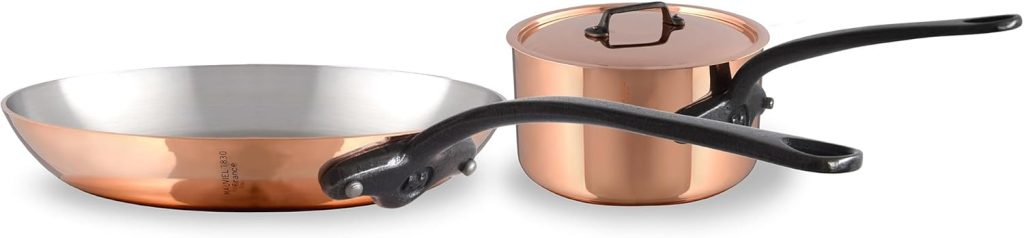
The Mauviel M’heritage 250C represents the pinnacle of French copper cookware craftsmanship. Manufactured in Villedieu-les-Poêles, the traditional heart of French copper production, this pan embodies over two centuries of metalworking expertise. The 250C designation refers to the impressive 2.5mm thickness of copper used in construction, making this one of the heaviest and most thermally responsive pans available to professionals.
The interior features a stainless steel lining that eliminates the need for periodic retinning while providing a non-reactive cooking surface suitable for all ingredients, including acidic foods. The cast iron handle, secured with sturdy copper rivets, stays remarkably cool during stovetop cooking and provides a comfortable, balanced grip. The pan’s sloped sides facilitate easy tossing and flipping, while the rolled rim prevents dripping when pouring sauces or liquids.
In performance testing, the M’heritage 250C demonstrates exceptional heat distribution, with infrared temperature readings showing variance of less than 5 degrees Fahrenheit across the entire cooking surface. When making a beurre blanc, the pan responded instantly to temperature adjustments, preventing the emulsion from breaking. For searing fish, the heavy copper construction maintained steady heat even when cold ingredients were added, producing perfectly crispy skin without hot spots.
The polished exterior develops a natural patina over time, which many cooks appreciate as a sign of a well-used professional tool. However, those who prefer the bright copper appearance can restore the shine with specialized copper cleaner. The pan is compatible with all cooktops except induction, though Mauviel offers an induction-compatible version with a steel base layer.
At approximately three pounds for the 10-inch model, this pan has substantial heft that some cooks find reassuring while others may find fatiguing during extended cooking sessions. The weight contributes to heat retention and stability on the cooktop but requires consideration for those with wrist or arm strength limitations.
Key Features:
- 2.5mm thick copper construction for superior heat conductivity
- Stainless steel interior lining for durability and non-reactive cooking
- Cast iron handle with copper rivets
- Made in France with traditional craftsmanship
- Compatible with gas, electric, and halogen cooktops
Pros:
✅ Exceptional thermal responsiveness and even heat distribution
✅ Professional-grade 2.5mm copper thickness
✅ Stainless steel lining never needs retinning
✅ Beautiful craftsmanship with attention to detail
✅ Lifetime warranty from reputable manufacturer
Cons:
❌ Premium price point exceeds $300 for most sizes
❌ Substantial weight may cause fatigue during extended use
❌ Requires regular polishing to maintain bright copper appearance
❌ Not compatible with induction cooktops without adapter
Ideal For: Professional chefs and serious home cooks who demand the absolute best thermal performance and are willing to invest in heirloom-quality cookware that will last generations.
Final Verdict: The Mauviel M’heritage 250C represents French copper cookware at its finest, delivering professional-level performance with beautiful craftsmanship. While the investment is significant, the exceptional heat control and durability make it worthwhile for those who cook frequently and appreciate precision temperature management.
2. Ruffoni Historia Hammered Copper Stock Pot
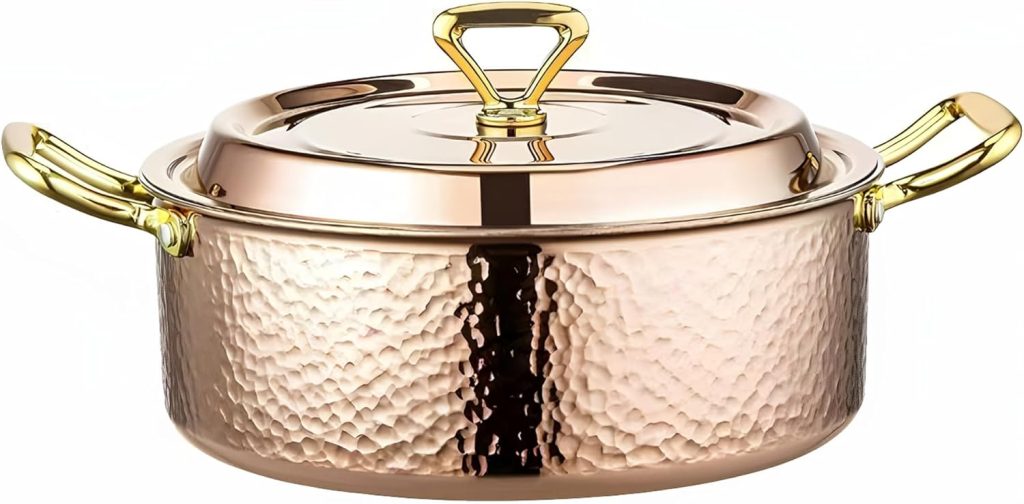
Ruffoni brings Italian artistry to professional copper cookware with the Historia collection, where functionality meets museum-quality aesthetics. Each piece is hand-hammered by skilled artisans in northern Italy, creating a distinctive textured surface that’s both beautiful and functional. The hammering process actually strengthens the copper while increasing the surface area for enhanced heat distribution.
The stock pot features thick copper walls that transform the simple task of making stock or soup into a precisely controlled cooking experience. The tin lining, applied using traditional methods, provides an ideal cooking surface that develops a natural seasoning over time. Tin offers superior heat conduction compared to stainless steel and creates a naturally non-stick surface when properly maintained, making it particularly suitable for stocks, soups, and braises that benefit from gentle, even heating.
The bronze handles and finials add an elegant touch while remaining functional. Unlike the purely decorative flourishes found on lesser cookware, these handles stay cool enough to grasp briefly without protection during stovetop cooking. The lid fits precisely, creating an effective seal that retains moisture and flavors while allowing just enough steam to escape preventing boiling over.
In testing with a classic chicken stock, the Ruffoni Historia maintained a perfect gentle simmer for eight hours without any hot spots or scorching on the bottom. The temperature remained remarkably even throughout the pot, extracting maximum flavor from bones and vegetables. When making risotto, the wide base and excellent heat distribution allowed for even cooking without constant stirring, producing perfectly creamy results.
The hand-hammered exterior is functional rather than merely decorative. The textured surface increases rigidity, allowing Ruffoni to use slightly thinner copper while maintaining strength and heat distribution. The pattern also catches light beautifully, making these pieces stunning enough to bring directly from stove to table.
Key Features:
- Hand-hammered copper construction by Italian artisans
- Traditional tin lining for optimal heat conduction
- Bronze handles and decorative finials
- Multiple size options from 3 to 10 quarts
- Each piece is individually crafted and unique
Pros:
✅ Stunning hand-hammered aesthetic suitable for display
✅ Excellent heat distribution for stocks and soups
✅ Tin lining develops natural non-stick properties over time
✅ Made by hand using traditional Italian methods
✅ Heirloom quality that appreciates in value
Cons:
❌ Tin lining requires periodic re-tinning (every 10-20 years)
❌ Hand-wash only to preserve the tin surface
❌ Premium pricing reflects artisanal craftsmanship
❌ Tin lining has lower melting point than stainless steel
Ideal For: Cooking enthusiasts who appreciate artisanal craftsmanship and want cookware that performs beautifully while serving as a kitchen showpiece. Perfect for those who make frequent stocks, soups, and braises.
Final Verdict: The Ruffoni Historia combines Italian artistry with professional functionality, creating a stock pot that performs as beautifully as it looks. The investment reflects true craftsmanship, and proper care will ensure this piece becomes a treasured family heirloom.
3. Matfer Bourgeat Copper Sauté Pan
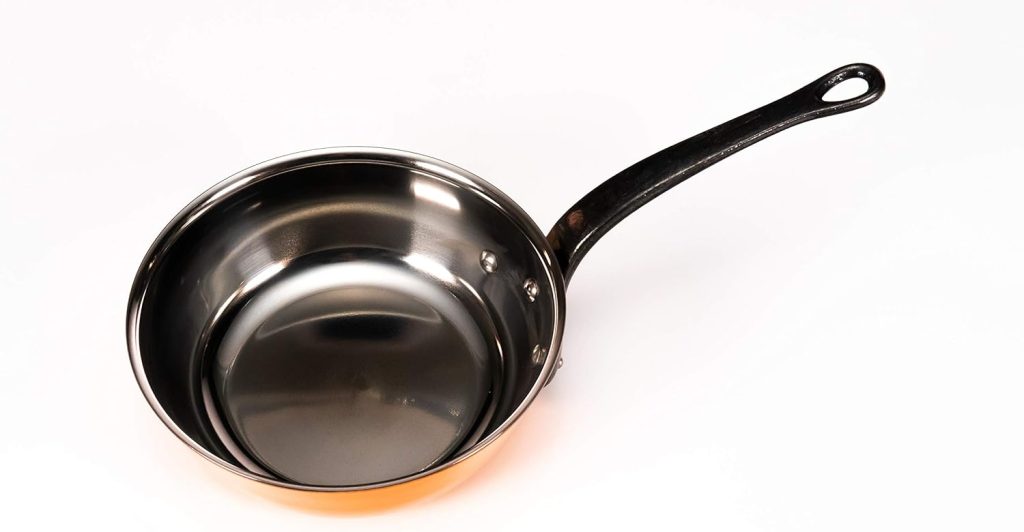
Matfer Bourgeat has supplied professional kitchens throughout France for over 200 years, and their copper sauté pan embodies the practical, performance-focused approach favored by working chefs. This pan forgoes decorative flourishes in favor of functional design, with every element engineered for daily professional use in demanding kitchen environments.
The 2mm copper construction strikes an ideal balance between thermal performance and manageable weight. While slightly thinner than the Mauviel M’heritage, the Matfer still provides exceptional heat conductivity and responsiveness that far exceeds stainless steel alternatives. The stainless steel lining is applied using a sophisticated bonding process that ensures durability even under the rigors of commercial kitchen use.
The pan’s straight sides, approximately three inches high on the 11-inch model, make it versatile for both sautéing and shallow braising. The high sides contain splatter while still allowing moisture to evaporate efficiently, crucial for achieving proper caramelization. The helper handle opposite the main handle is a thoughtful addition that makes moving the pan from stove to oven or maneuvering it during deglazing much easier, especially when the pan is loaded with ingredients.
Testing this pan with classic French techniques like deglazing demonstrated its professional pedigree. After searing duck breasts, the fond released perfectly with wine, and the pan’s responsiveness allowed for quick reduction without burning. The pan’s heat retention meant even when moved off direct heat during the reduction process, it maintained sufficient temperature to continue cooking.
The tin-lined version, while requiring eventual retinning, offers exceptional performance for sauce work. The tin surface bonds with butter and oil to create a naturally non-stick surface ideal for delicate preparations. However, Matfer also offers stainless steel-lined versions for those who prefer lower maintenance requirements.
Key Features:
- 2mm professional-grade copper construction
- Available with tin or stainless steel lining
- Helper handle for better control and safety
- Straight sides for versatile cooking techniques
- Oven-safe to 500°F
Pros:
✅ Professional quality at a more accessible price point
✅ Helper handle improves safety and maneuverability
✅ Versatile design suitable for multiple cooking techniques
✅ Trusted brand used in professional kitchens worldwide
✅ Lighter weight than 2.5mm copper while maintaining performance
Cons:
❌ 2mm thickness, while professional-grade, is thinner than premium options
❌ Utilitarian appearance lacks the artistic flair of some competitors
❌ Tin-lined version requires periodic maintenance
❌ Handle can get hot during extended stovetop use
Ideal For: Professional chefs and serious home cooks who prioritize performance and value over aesthetics. Perfect for those who need a workhorse pan for daily cooking.
Final Verdict: The Matfer Bourgeat sauté pan delivers professional-level performance with practical design elements that enhance daily usability. It represents excellent value for those seeking true copper cooking performance without paying for decorative embellishments.
4. Brooklyn Copper Cookware Saucepan
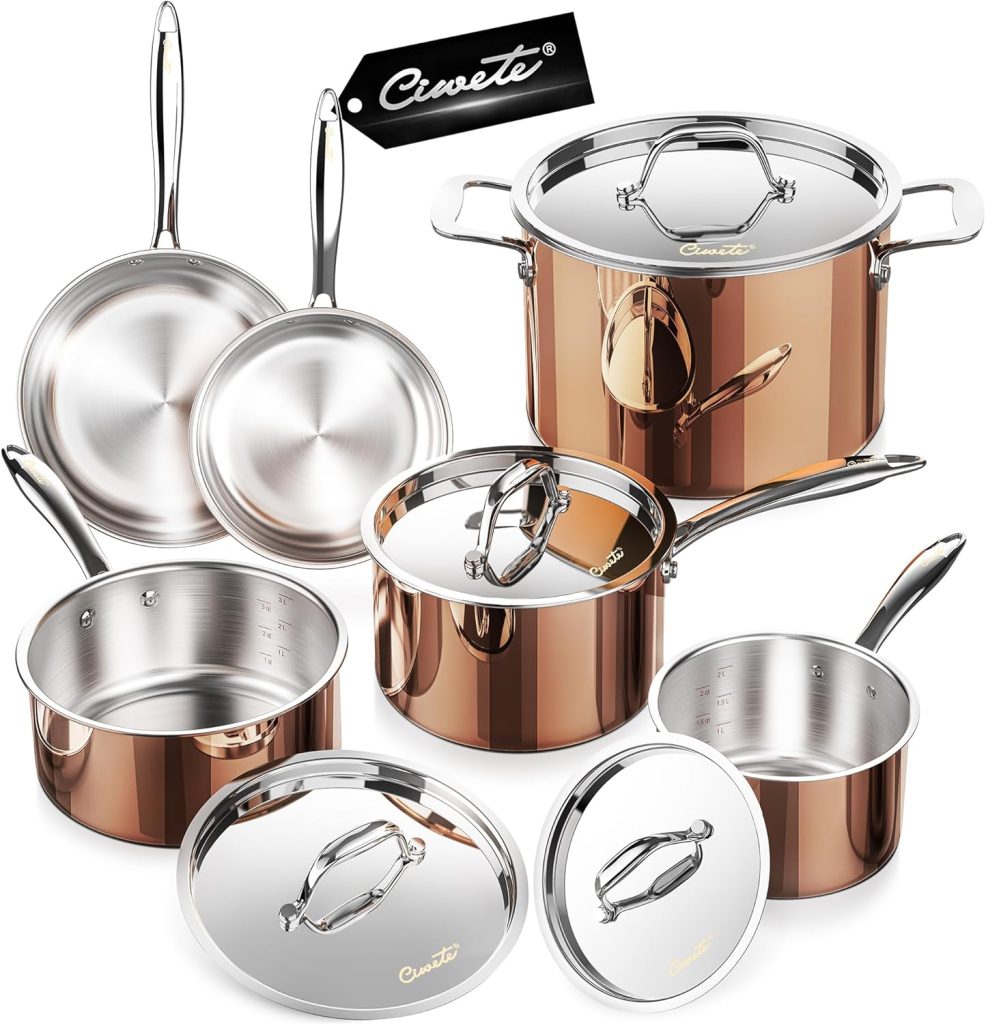
Brooklyn Copper Cookware represents a new generation of American copper cookware manufacturers, combining traditional metalworking techniques with modern design sensibilities. Their saucepan showcases meticulous handcrafted construction with copper sourced from American suppliers and assembled by skilled artisans in Brooklyn, New York.
The pan features heavy 2.5mm copper construction that rivals French and Italian imports in thickness and thermal performance. The interior tin lining is applied by hand using traditional techniques, creating a smooth, even surface that develops excellent non-stick properties with use. Unlike mass-produced cookware, each Brooklyn Copper piece shows subtle variations and individual character from the handcrafting process.
The iron handle, cast in a comfortable ergonomic shape, is secured with copper rivets hand-hammered for a flush, smooth interior. This attention to detail prevents food from catching around the rivets and makes cleaning significantly easier. The rolled rim provides structural strength while creating a drip-free pouring edge, a small but meaningful detail that improves daily use.
Testing this saucepan with temperature-sensitive preparations like hollandaise and crème anglaise demonstrated its exceptional thermal control. The copper responded immediately to heat adjustments, preventing the emulsion from breaking or the custard from curdling. When making caramel, the pan provided visual cues through the copper’s heat coloration while maintaining even temperature across the entire base.
Brooklyn Copper offers a unique retinning service, where customers can send their pans back for professional retinning at a reasonable cost. This service, combined with instructional videos on copper care, demonstrates the company’s commitment to the longevity of their products and their customers’ success in maintaining them.
Key Features:
- 2.5mm thick copper construction handcrafted in Brooklyn
- Traditional hand-applied tin lining
- Cast iron handle with hand-hammered copper rivets
- Made-to-order production ensures quality control
- Lifetime retinning service available
Pros:
✅ American-made with exceptional quality control
✅ Heavy 2.5mm copper for professional thermal performance
✅ Traditional tin lining ideal for classic cooking techniques
✅ Personalized customer service and maintenance support
✅ Supports American artisans and traditional metalworking
Cons:
❌ Made-to-order production means waiting time for delivery
❌ Premium pricing reflects handcrafted construction
❌ Limited size range compared to established manufacturers
❌ Tin lining requires more careful maintenance than stainless steel
Ideal For: Cooking enthusiasts who value American craftsmanship and want to support small-batch artisanal production. Perfect for those who appreciate the traditional tin-lined approach to copper cookware.
Final Verdict: Brooklyn Copper Cookware proves that exceptional copper cookware doesn’t have to come from Europe. Their saucepans deliver professional performance with craftsmanship that rivals century-old manufacturers, supported by personalized customer service that ensures these pieces last for generations.
5. Falk Culinair Signature Saucier Pan
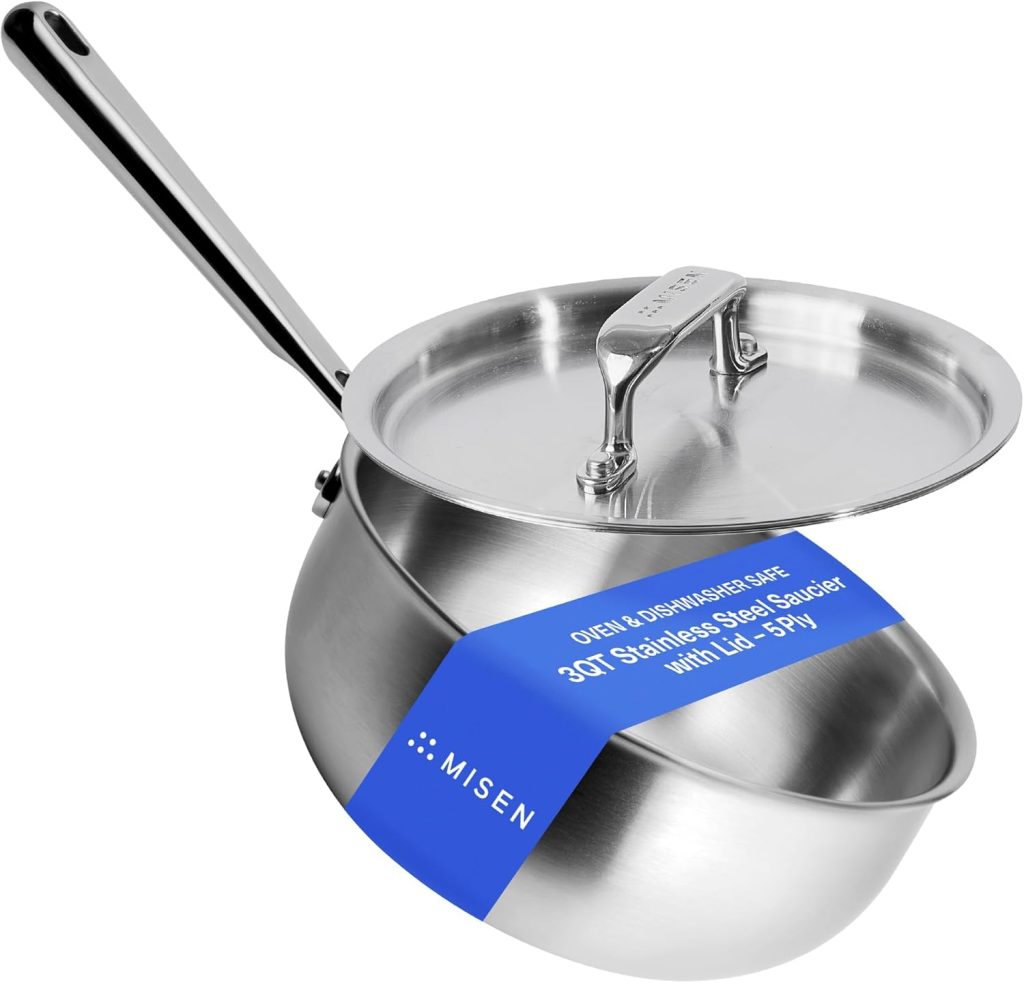
Falk Culinair, a Belgian manufacturer, has revolutionized traditional copper cookware with their bimetal construction that bonds copper with a thick stainless steel cooking surface. The saucier pan, with its distinctive rounded bottom and flared sides, represents an ideal marriage of classic French design with modern metallurgical innovation.
The 2.5mm copper exterior provides the exceptional thermal conductivity copper is famous for, while the thick stainless steel interior (approximately 0.3mm) offers durability, ease of maintenance, and compatibility with all ingredients including acidic foods. The bimetal bond is created through an industrial process that molecularly fuses the two metals, creating a permanent bond that won’t separate even under extreme thermal cycling.
The saucier’s rounded bottom eliminates corners where sauce can scorch or ingredients can stick, making it ideal for whisking reductions, custards, and emulsified sauces. The flared sides facilitate evaporation while still containing contents during vigorous whisking. The generous pouring lip makes transferring sauces clean and precise.
In extensive testing with classic mother sauces, the Falk saucier excelled at every preparation. Béchamel cooked evenly without scorching at the edges, hollandaise maintained stable temperature during whisking, and demi-glace reduced perfectly without burning. The stainless interior showed no staining or discoloration even after making dark meat stocks and tomato-based preparations.
The cast stainless steel handle, secured with stainless steel rivets, remains cool enough to grasp without protection even after extended stovetop use. The handle angle is carefully calculated to keep hands away from heat while maintaining perfect balance whether the pan is full or empty. Perhaps most impressively, the Falk is fully induction compatible thanks to its steel interior, making it unique among traditional copper cookware.
Key Features:
- 2.5mm copper bonded to thick stainless steel interior
- Induction compatible while maintaining copper performance
- Rounded saucier design ideal for whisking and reducing
- Cast stainless steel handle stays cool during use
- Dishwasher safe (though hand washing is recommended)
Pros:
✅ Combines copper thermal performance with stainless steel convenience
✅ Fully induction compatible unlike traditional copper
✅ Never needs retinning or special interior maintenance
✅ Excellent for sauce work and whisked preparations
✅ Durable stainless interior resists staining and scratching
Cons:
❌ Premium Belgian pricing reflects sophisticated construction
❌ Slightly heavier than traditional tin-lined copper
❌ Stainless interior doesn’t develop non-stick patina like tin
❌ Polished finish requires regular maintenance to prevent tarnishing
Ideal For: Professional chefs and home cooks who want copper performance with modern convenience, especially those with induction cooktops. Perfect for sauce work and preparations requiring frequent whisking.
Final Verdict: Falk Culinair has successfully modernized traditional copper cookware without sacrificing performance. The saucier combines the best aspects of copper thermal conductivity with the convenience and durability of stainless steel, all while offering rare induction compatibility.
6. De Buyer Prima Matera Copper Frying Pan
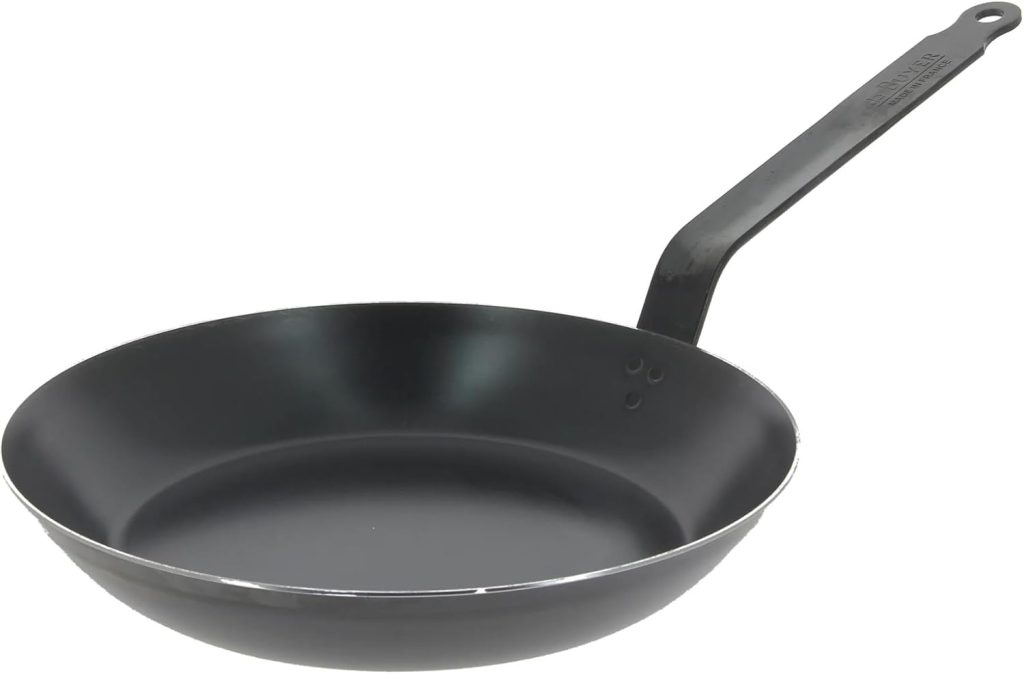
De Buyer, another venerable French cookware manufacturer, offers the Prima Matera line as their professional-grade copper collection. The frying pan represents excellent value in the professional copper category, with construction and performance that rivals more expensive competitors while maintaining the quality standards De Buyer has upheld since 1830.
The 2mm copper construction provides robust thermal performance while keeping the pan light enough for comfortable manipulation during cooking. The stainless steel interior is applied using a sophisticated bonding process that creates a durable, non-reactive surface suitable for all ingredients. The slightly lighter weight compared to 2.5mm copper makes this pan particularly suitable for techniques requiring frequent pan movement like tossing vegetables or flipping omelets.
The iron handle, a De Buyer signature, is forged in a traditional shape that professional chefs appreciate for its functional design. The handle stays relatively cool during stovetop cooking thanks to its length and the thermal break where it attaches to the pan. The handle’s shape allows for multiple grip positions depending on the cooking technique being performed.
Testing this pan with high-heat applications like searing steaks and blackening fish demonstrated its impressive performance. The copper heated quickly and evenly, creating consistent browning across the entire cooking surface. When making a pan sauce after searing, the fond released cleanly and the sauce reduced evenly without hot spots. For delicate preparations like crepes, the even heat distribution produced consistent results from the first crepe to the last.
De Buyer’s attention to detail shows in small touches like the perfectly rolled rim that provides structural integrity while creating a smooth edge for sliding food from the pan. The interior stainless finish is smooth and even, making cleaning straightforward even after high-heat cooking.
Key Features:
- 2mm professional copper construction
- Stainless steel interior bonded for durability
- Traditional French iron handle design
- Made in France with century-old expertise
- Oven safe to 400°F
Pros:
✅ Excellent value in the professional copper category
✅ Lighter 2mm weight improves maneuverability
✅ Stainless interior requires minimal maintenance
✅ Trusted French manufacturer with long history
✅ Professional performance at semi-professional pricing
Cons:
❌ 2mm copper is thinner than premium 2.5mm options
❌ Handle can get warm during extended high-heat cooking
❌ Plain utilitarian appearance lacks decorative elements
❌ Copper exterior requires regular polishing
Ideal For: Home cooks transitioning to professional copper cookware who want proven performance without the highest-tier investment. Excellent for those who value French cooking tradition and functional design.
Final Verdict: De Buyer Prima Matera delivers authentic professional copper performance at a price point that makes it accessible to serious home cooks. The 2mm construction provides excellent thermal performance while remaining manageable in weight, making it an ideal introduction to quality copper cookware.
7. Duparquet Copper Cookware Sauteuse Evasée
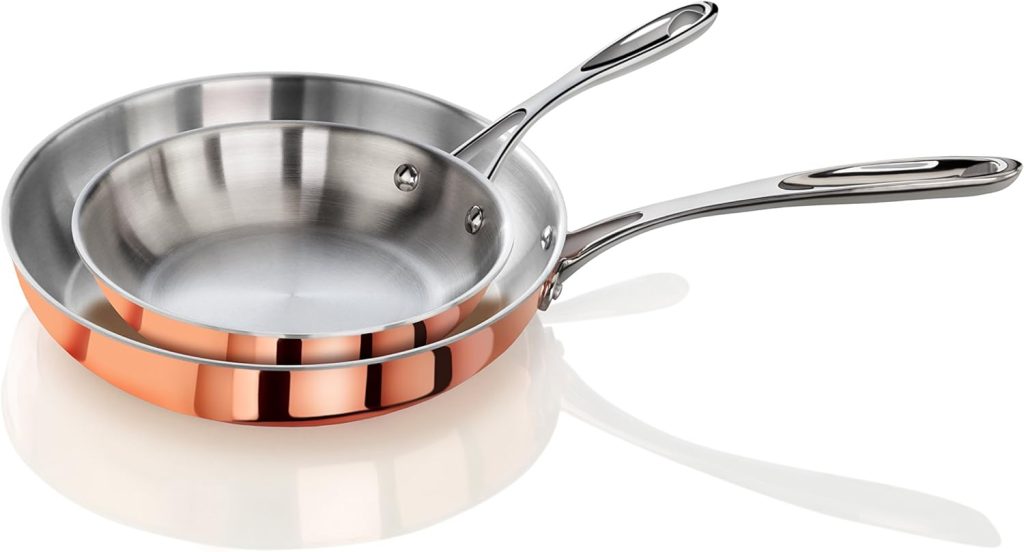
Duparquet represents artisanal American copper cookware manufacturing at its finest, with each piece handcrafted in small batches by skilled metalworkers. The sauteuse evasée (flared sauté pan) showcases traditional construction methods rarely seen in modern cookware production, with details that reveal themselves through use over years and decades.
The heavy 2.5mm copper construction is sourced from premium suppliers and worked entirely by hand, from initial shaping to final finishing. The tin lining is applied using the traditional hot-tinning method where molten tin is swirled inside the heated copper vessel, creating an exceptionally smooth and even surface. This method, while labor-intensive, produces a tin layer that bonds perfectly with the copper substrate.
The pan’s flared sides make it exceptionally versatile, functioning equally well for sautéing, shallow frying, and reducing sauces. The wide mouth facilitates moisture evaporation for proper caramelization while the sloped sides allow easy access with spatulas and spoons. The bronze handle mount and rivets add both strength and beauty, with the bronze developing a rich patina that complements the copper’s natural aging.
In professional kitchen testing, this pan excelled at classic French preparations. When making pommes Anna, the copper’s even heat distribution created perfectly caramelized layers without burning. For pan-roasting chicken with vegetables, the pan’s size and heat characteristics produced beautifully browned skin and tender meat while the vegetables cooked evenly around the perimeter.
Duparquet includes detailed care instructions and offers lifetime support for their products, including retinning services and repair of any damage. This commitment to longevity reflects the company’s philosophy that copper cookware should be investment pieces that improve with age and use.
Key Features:
- 2.5mm copper handcrafted in small batches
- Traditional hot-tinning method for superior lining
- Bronze handle mounts and decorative rivets
- Flared sides for versatile cooking techniques
- Lifetime support including retinning services
Pros:
✅ Exceptional handcrafted quality with attention to detail
✅ Traditional tin lining develops superior cooking surface
✅ Beautiful bronze accents age gracefully
✅ Versatile design suitable for multiple techniques
✅ American-made supporting traditional metalworking crafts
Cons:
❌ Premium artisanal pricing reflects handcrafted construction
❌ Limited production means potential wait times
❌ Tin lining requires careful temperature monitoring
❌ Heavier weight may not suit all users
Ideal For: Collectors and serious cooks who appreciate traditional metalworking craftsmanship and want cookware that will be used and treasured for generations. Perfect for those who view cooking equipment as investment art.
Final Verdict: Duparquet creates copper cookware that honors centuries-old traditions while meeting modern performance standards. Each piece is a functional work of art that will develop character and patina while delivering exceptional cooking results for decades.
8. Amoretti Brothers Copper Casserole
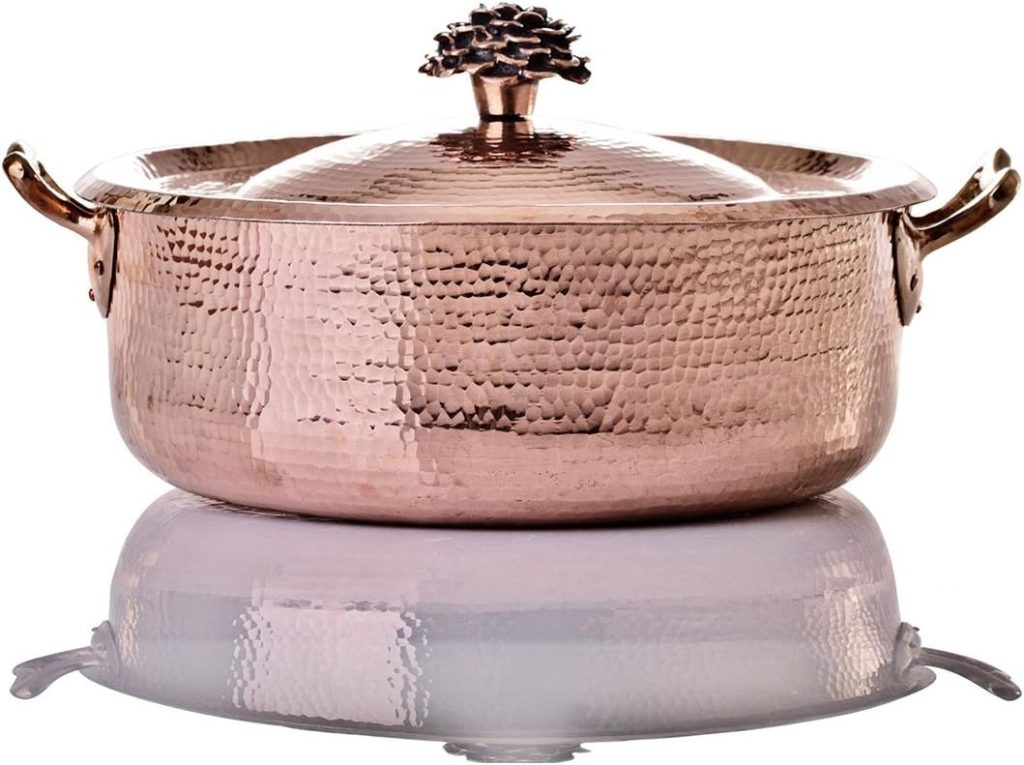
Amoretti Brothers brings Italian artisanal tradition to copper cookware with pieces that balance decorative beauty and functional performance. Their casserole, available in multiple sizes, showcases the hammered copper aesthetic Italy is famous for while delivering the thermal performance professional cooks demand.
The pan features 2mm copper construction that’s carefully hand-hammered to create both surface texture and structural strength. The hammering process, performed by skilled artisans, isn’t merely decorative but actually work-hardens the copper while creating a surface that diffuses light beautifully. The stainless steel interior provides a practical, maintenance-free cooking surface suitable for all ingredients and cooking techniques.
The dual brass handles are securely attached with copper rivets and provide comfortable grips that stay cool during stovetop cooking. The handles’ positioning makes moving the casserole from stove to oven or table straightforward and safe, even when the pan is full. The lid, also hammered copper with a brass handle, fits precisely to retain moisture and heat during braising and slow cooking.
Testing this casserole with braises and stews demonstrated its excellent heat retention and distribution. A beef bourguignon cooked for three hours developed deep, complex flavors without any scorching or uneven cooking. The copper walls maintained gentle, even heat that kept the braising liquid at a perfect simmer. When transferred to a 325°F oven, the casserole’s even heat distribution produced tender, evenly cooked results.
The hammered exterior, while beautiful, serves practical purposes beyond aesthetics. The textured surface is more forgiving of the minor dents and dings that occur in active kitchens, unlike polished copper that shows every imperfection. The pan’s beauty makes it suitable for table presentation, transitioning seamlessly from kitchen workhorse to serving piece.
Key Features:
- Hand-hammered 2mm copper construction
- Stainless steel interior for convenience and durability
- Dual brass handles with secure copper riveting
- Matching lid for moisture retention during braising
- Multiple size options from 2 to 5 quarts
Pros:
✅ Beautiful hammered finish suitable for table presentation
✅ Excellent for braising and slow-cooked preparations
✅ Stainless interior eliminates retinning requirements
✅ Italian craftsmanship with attention to detail
✅ Dual handles improve safety and maneuverability
Cons:
❌ 2mm copper thinner than premium 2.5mm options
❌ Hammered texture makes interior corner cleaning slightly more difficult
❌ Brass handles can tarnish and require occasional polishing
❌ Not suitable for high-heat searing or sautéing
Ideal For: Home cooks who enjoy braising and slow cooking and want cookware beautiful enough to serve directly at the table. Perfect for those who appreciate Italian artisan craftsmanship.
Final Verdict: Amoretti Brothers creates casseroles that perform as beautifully as they look, combining Italian aesthetic sensibility with solid cooking performance. These pieces serve dual roles as functional cookware and kitchen showpieces.
9. Williams Sonoma Signature Thermo-Clad Copper Saucepan
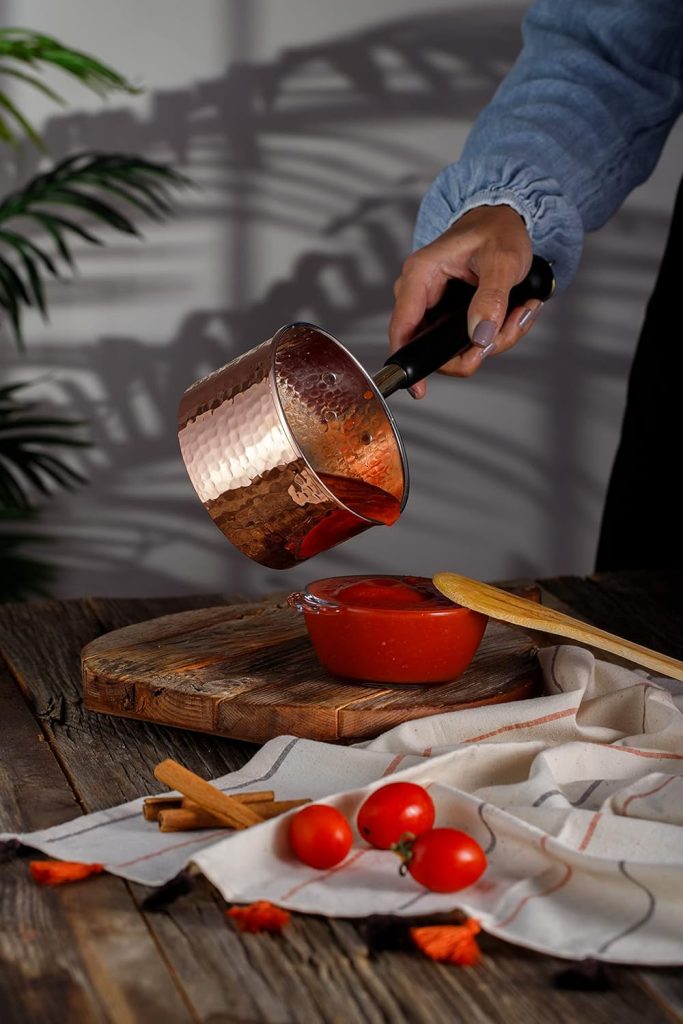
Williams Sonoma’s Signature Thermo-Clad line represents accessible luxury copper cookware designed for serious home cooks. The saucepan combines copper exterior with a thick aluminum core and stainless steel interior, creating a tri-ply construction that balances performance with convenience and value.
The outer copper layer, while thinner than traditional solid copper construction at approximately 1mm, provides excellent thermal responsiveness and the beautiful aesthetic copper is known for. The aluminum core contributes to heat distribution, while the stainless steel cooking surface offers convenience and compatibility with all ingredients. This hybrid construction makes the pan induction-compatible while retaining much of copper’s thermal advantage.
The pan’s straight sides and comfortable handle make it versatile for everything from making oatmeal to reducing sauces. The helper handle on larger sizes aids in pouring and maneuvering when the pan is full. The lid fits snugly, with a small steam vent that prevents boiling over while retaining heat and moisture.
Testing revealed that while this pan doesn’t provide quite the thermal responsiveness of solid 2mm or 2.5mm copper, it significantly outperforms standard stainless steel cookware. Risotto cooked evenly with less stirring required compared to standard pots, and delicate preparations like polenta developed proper creaminess without scorching. For everyday cooking tasks like making grains, simmering sauces, or heating soups, the performance proved excellent.
The stainless interior cleans easily and shows no staining even after making tomato sauce and other acidic preparations. The copper exterior develops a natural patina that many users appreciate, though those preferring bright copper can maintain the finish with periodic polishing.
Key Features:
- Tri-ply construction with copper exterior and aluminum core
- Stainless steel interior for convenience and durability
- Induction compatible while retaining copper benefits
- Helper handle on larger sizes for safe pouring
- Dishwasher safe (hand washing recommended for copper exterior)
Pros:
✅ More accessible pricing than solid copper construction
✅ Induction compatible for modern cooktops
✅ Combines copper responsiveness with aluminum distribution
✅ Stainless interior requires minimal maintenance
✅ Available through Williams Sonoma retail and customer service
Cons:
❌ Thinner copper layer than traditional solid copper pans
❌ Doesn’t provide quite the thermal responsiveness of solid copper
❌ Copper exterior can develop patina requiring maintenance
❌ Seams where metals join require careful cleaning
Ideal For: Home cooks who want copper cookware aesthetics and improved thermal performance without the investment and maintenance requirements of solid copper. Excellent for those with induction cooktops.
Final Verdict: Williams Sonoma’s Signature Thermo-Clad offers a practical entry point into copper cookware, delivering noticeably improved performance over standard stainless steel while remaining accessible in price and maintenance. It’s an excellent choice for those testing whether copper cookware suits their cooking style.
10. Copperbrill Traditional Tin-Lined Skillet
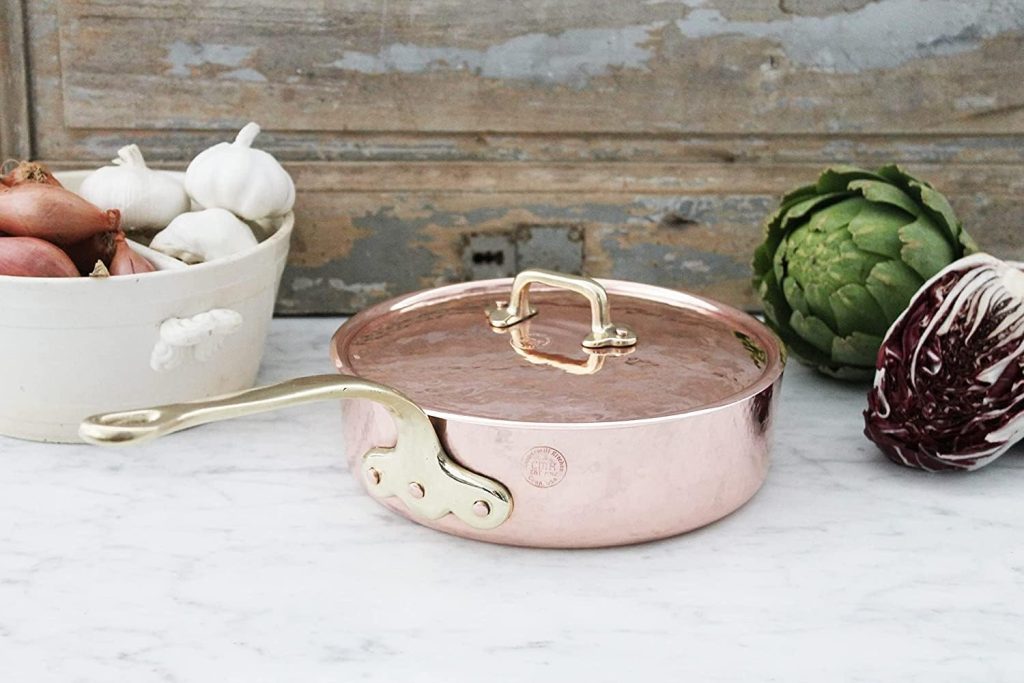
Copperbrill specializes in restoration-quality copper cookware that honors traditional construction methods. Their tin-lined skillet represents old-world craftsmanship with heavy copper construction and hand-applied tin lining that develops exceptional cooking properties over time.
The 2.5mm copper construction is sourced from European suppliers known for premium quality metal. The copper is shaped using traditional metalworking techniques that create subtle variations giving each piece individual character. The tin lining is applied by hand using methods that haven’t changed in centuries, creating a smooth, even surface that bonds perfectly with the copper substrate.
The skillet’s design follows classical French proportions, with sloped sides that facilitate tossing and turning food while containing splatter. The iron handle is forged in a comfortable shape that provides excellent control and leverage. The pan’s weight, distributed evenly from rim to rim, creates stability on the cooktop while the thermal mass contributes to heat retention.
Extensive testing with classic French techniques demonstrated this pan’s exceptional capabilities. When making omelets, the tin surface, properly heated and oiled, released eggs perfectly without any sticking. For sautéing mushrooms, the even heat promoted perfect browning without steaming. Pan-searing duck breast produced crispy skin and perfectly rendered fat, with temperature control precise enough to prevent burning while achieving deep caramelization.
The tin lining develops a natural patina with use that enhances its non-stick properties. Unlike modern non-stick coatings that degrade with use, tin actually improves over time, developing a seasoned surface that experienced chefs prize. Proper care—avoiding extremely high heat and using gentle cleaning methods—ensures the tin lining lasts decades before requiring retinning.
Key Features:
- Heavy 2.5mm European copper construction
- Hand-applied tin lining using traditional methods
- Classical French skillet design with sloped sides
- Forged iron handle for comfortable control
- Each piece individually crafted with unique character
Pros:
✅ Traditional construction methods produce exceptional quality
✅ Tin lining develops superior non-stick properties with use
✅ Heavy copper provides excellent heat retention
✅ Classical design proven over centuries of use
✅ Restoration-quality construction ensures longevity
Cons:
❌ Tin lining requires careful temperature monitoring (below 450°F)
❌ Premium pricing reflects traditional handcrafted construction
❌ Hand washing required to preserve tin surface
❌ Substantial weight may not suit all users
Ideal For: Traditional cooks who appreciate century-old techniques and want tin-lined cookware that develops character and improves with age. Perfect for classic French cooking preparations.
Final Verdict: Copperbrill delivers restoration-quality copper cookware that honors traditional metalworking while meeting modern performance standards. For cooks willing to learn proper tin care, these pieces offer cooking qualities that modern alternatives cannot match.
11. Lagostina Martellata Hammered Copper Sauce Pot
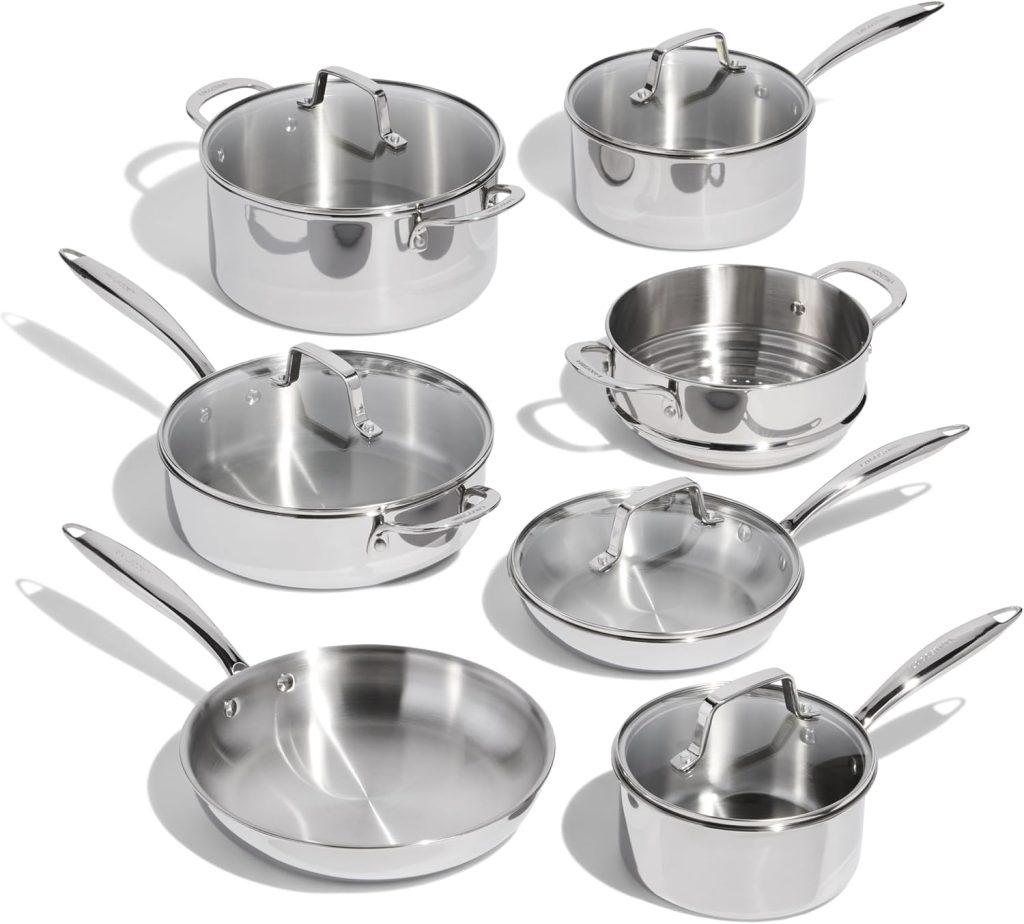
Lagostina, the Italian cookware manufacturer, brings accessible copper cookware to a broader market with their Martellata line. The hammered copper sauce pot combines attractive design with solid performance at a price point significantly lower than artisanal alternatives, making copper cooking accessible to home cooks with moderate budgets.
The 1.5mm copper construction, while thinner than professional-grade options, still provides noticeable improvement over aluminum or thin stainless steel cookware. The hammered finish disguises the thinner gauge while adding visual interest and structural rigidity. The stainless steel interior is bonded to the copper using modern manufacturing processes that create a durable, maintenance-free cooking surface.
The pot’s proportions suit a wide range of cooking tasks, from making sauces and gravies to cooking grains and small-batch soups. The comfortable stainless steel handle stays cool during stovetop use and provides a secure grip. The lid, also featuring hammered copper with a stainless knob, fits snugly to retain heat and moisture.
Testing focused on tasks appropriate for this pot’s capabilities. When making risotto, the copper provided more even heat distribution than comparable stainless steel pots, requiring less stirring to prevent sticking. For making caramel, the pot’s thermal responsiveness allowed for better temperature control than aluminum alternatives. When heating milk for custards, the even heating prevented scalding and skin formation.
While this pot won’t provide the precision temperature control of heavier professional copper, it offers genuine copper benefits at a fraction of the cost. For cooks wanting to experience copper cooking without major investment, or for those needing supplementary pieces to complement a core set of premium copper, the Lagostina Martellata delivers solid value.
Key Features:
- 1.5mm copper construction with hammered finish
- Stainless steel interior bonded for durability
- Comfortable stainless steel handle stays cool
- Matching lid with copper exterior
- Dishwasher safe (hand washing recommended)
Pros:
✅ Accessible pricing makes copper cooking affordable
✅ Attractive hammered finish suits table presentation
✅ Stainless interior requires minimal maintenance
✅ Good introduction to copper cookware benefits
✅ Reputable Italian manufacturer with quality standards
Cons:
❌ 1.5mm copper doesn’t provide professional-level thermal performance
❌ Thinner construction makes it less suitable for high-heat cooking
❌ Bonded construction may not last as long as solid copper
❌ Handle placement can make pouring awkward when full
Ideal For: Home cooks curious about copper cookware who want to test its benefits before making a major investment. Perfect as supplementary pieces or for those with limited budgets.
Final Verdict: Lagostina Martellata makes copper cookware accessible without completely sacrificing quality or performance. While it won’t satisfy professionals or serious enthusiasts, it provides genuine copper benefits at a price that won’t break the bank, making it an excellent entry point for exploring copper cooking.
Comprehensive Buying Guide: Everything You Need to Know About Professional Copper Cookware
Understanding Copper Cookware Construction
The performance and value of copper cookware depend fundamentally on construction quality. The most critical factor is copper thickness, measured in millimeters. Professional-grade copper cookware typically ranges from 2mm to 2.5mm thick, with heavier gauges providing superior thermal performance and durability. These thicker constructions offer exceptional heat retention and distribution that makes precise temperature control possible.
The 2.5mm standard, often called “professional weight,” represents the gold standard for serious cooking. Pans of this thickness respond almost instantaneously to temperature changes while maintaining remarkably even heat across the entire cooking surface. This responsiveness proves invaluable when preparing delicate sauces, tempering chocolate, or executing techniques requiring precise thermal control. However, 2.5mm copper cookware weighs significantly more than lighter alternatives, which affects handling and may cause fatigue during extended cooking sessions.
The 2mm thickness represents an excellent middle ground, providing professional-level performance while reducing weight. Many professional chefs actually prefer 2mm copper for sauté pans and skillets used for techniques requiring frequent pan manipulation. The slightly lighter weight improves maneuverability without significantly compromising thermal properties. For most home cooks, 2mm copper delivers more than adequate performance for any cooking technique.
Copper cookware under 2mm, typically ranging from 1.5mm to 1mm, offers copper aesthetics and some thermal benefits at lower price points. While these thinner constructions don’t provide the precision control of heavier copper, they still outperform aluminum and standard stainless steel. They work well as entry-level pieces or supplementary cookware for those building a collection gradually.
The interior lining represents another crucial construction element. Three main options exist, each with distinct advantages and considerations. Traditional tin lining, used for centuries, provides exceptional cooking properties. Tin conducts heat even better than copper, creating a cooking surface that responds instantly to temperature changes. Tin also develops natural non-stick properties when properly maintained, making it ideal for delicate preparations. However, tin has a relatively low melting point around 450°F, requiring careful temperature monitoring. Tin linings eventually wear down through use and require professional retinning every 10 to 20 years depending on cooking frequency and care.
Stainless steel lining offers modern convenience with minimal maintenance requirements. Properly bonded stainless steel creates a durable, non-reactive surface suitable for all ingredients including highly acidic foods. Stainless steel lined copper never needs retinning and can withstand higher temperatures than tin. The trade-off comes in thermal performance—stainless steel conducts heat less efficiently than tin, slightly diminishing copper’s responsiveness. For many cooks, this trade-off proves worthwhile for the convenience and durability stainless steel provides.
Some specialty copper cookware features silver lining, primarily in pieces designed for specific preparations. Silver conducts heat even better than copper, creating unparalleled thermal responsiveness. However, silver lining remains expensive and somewhat soft, making it impractical for everyday cooking. Silver-lined pieces typically serve specialized purposes in professional pastry and chocolate work.
Choosing the Right Copper Cookware for Your Needs
Building a copper cookware collection requires strategic thinking about which pieces deliver maximum value and versatility. Not every cook needs a complete copper battery de cuisine, and focusing investment on pieces that match your cooking style ensures satisfaction and value.
The saucepan or saucier represents the single most valuable copper piece for most cooks. These pans see daily use for making sauces, reheating leftovers, cooking grains, and countless other tasks. Copper’s superior thermal control shines in sauce work, preventing scorching and allowing precise temperature management. A 2-quart or 3-quart saucepan makes an excellent first copper purchase, providing immediate noticeable improvement in cooking performance.
Sauté pans and skillets benefit tremendously from copper construction but represent a more significant investment due to their larger size. A 10-inch or 11-inch sauté pan offers exceptional versatility for both stovetop and oven cooking. The straight sides contain splatter while allowing moisture evaporation, crucial for proper browning. Copper’s even heat distribution prevents hot spots that cause uneven searing, producing professional results with less effort.
Stock pots and larger vessels showcase copper’s advantages in long-cooking preparations. The even heat distribution prevents scorching during stock making, soup cooking, and braising. However, large copper pots represent substantial investments due to the amount of copper required. Many cooks find that a good quality stainless steel stock pot serves adequately for stocks and soups, reserving copper investment for pieces where its advantages prove more dramatic.
Specialty pieces like gratin dishes, butter warmers, and sugar pans serve specific purposes where copper excels. Gratin dishes distribute oven heat evenly for perfectly browned tops, while butter warmers melt butter gently without separation. Sugar pans provide the precise temperature control essential for candy making. These pieces make sense as collection additions for cooks who frequently prepare the specific dishes they’re designed for.
Caring for Copper Cookware
Proper maintenance ensures copper cookware delivers exceptional performance for decades or generations. The exterior copper requires periodic cleaning to remove tarnish and restore shine, though many cooks appreciate the natural patina that develops with use. Several approaches to copper cleaning suit different preferences and circumstances.
Commercial copper cleaners work quickly and effectively, typically combining mild acids that dissolve tarnish with polishing agents that restore shine. Popular products include Bar Keepers Friend, Wright’s Copper Cream, and Twinkle. These cleaners require applying the product, rubbing with a soft cloth or sponge, then rinsing thoroughly and drying immediately to prevent water spots.
Natural cleaning methods using household ingredients work effectively for those preferring to avoid commercial chemicals. A paste of salt and lemon juice or vinegar cuts through tarnish while the salt provides gentle abrasion. Apply the paste, let it sit briefly, then rub with a soft cloth and rinse thoroughly. For heavily tarnished copper, tomato paste’s acidity combined with its thick consistency provides excellent cleaning power.
Some cooks embrace the patina that develops on copper exteriors, viewing it as a sign of a well-used professional tool. This approach requires no polishing effort while the cookware continues performing excellently. If you prefer this aesthetic, simply wash the exterior with dish soap and water, dry thoroughly, and accept the changing colors and tones that develop over time.
The interior lining requires different care depending on whether it’s tin or stainless steel. Tin-lined copper needs gentle treatment to preserve the lining. Avoid metal utensils that can scratch the tin—use wood, silicone, or nylon instead. Never heat tin-lined copper empty or at extremely high temperatures exceeding 450°F. When cleaning, use soft sponges and avoid abrasive scrubbers that can damage the tin. With proper care, tin lining lasts many years before requiring professional retinning.
Stainless steel interiors tolerate more aggressive treatment. Metal utensils won’t damage stainless steel, and the lining withstands high heat without concern. For stuck-on food, making a paste of baking soda and water and letting it sit for several minutes before scrubbing usually resolves the issue. Stainless steel can develop rainbow-colored heat tints over time, but these don’t affect performance and can be removed with stainless steel cleaner if desired.
Understanding the Investment
Professional copper cookware represents a significant financial commitment requiring careful consideration. Prices vary widely based on construction quality, manufacturer reputation, and whether pieces are handcrafted or factory-produced. Understanding what drives pricing helps in making informed purchasing decisions.
Entry-level copper cookware with thinner copper (1mm to 1.5mm) and factory production typically costs between $100 and $200 per piece. These options provide copper aesthetics and noticeable performance improvement over standard cookware at accessible prices. Brands like Lagostina and some Williams Sonoma lines occupy this category.
Mid-range professional copper with 2mm construction from established manufacturers typically costs between $200 and $400 per piece. This category includes brands like De Buyer and Matfer Bourgeat, offering authentic professional performance at prices serious home cooks can justify. These pieces deliver the thermal benefits copper is famous for while coming from manufacturers with proven quality control and longevity.
Premium copper cookware with 2.5mm construction from prestigious manufacturers ranges from $400 to $800 or more per piece. French manufacturers like Mauviel and Belgian brands like Falk command these prices due to heavy copper construction, exceptional craftsmanship, and century-old reputations. These pieces represent the absolute pinnacle of copper cookware performance.
Artisanal handcrafted copper from small workshops often exceeds even premium manufacturer pricing, with complex pieces costing $1000 or more. Companies like Duparquet, Brooklyn Copper Cookware, and Ruffoni produce pieces with individual attention and traditional metalworking techniques rarely seen in modern manufacturing. These pieces function as both cooking tools and investment art.
When evaluating copper cookware investment, consider cost per use over the expected lifespan. A $500 saucepan used daily for twenty years costs less than seven cents per use—a trivial amount for equipment that significantly improves cooking results and enjoyment. Quality copper cookware often outlasts the cook who purchases it, becoming family heirlooms with both monetary and sentimental value.
Avoiding Common Copper Cookware Mistakes
Several common mistakes trip up new copper cookware owners, leading to disappointment or damaged cookware. Understanding these pitfalls helps ensure successful copper cooking experiences from the start.
The most common mistake involves heating tin-lined copper too hot. Tin melts around 450°F, and while it rarely reaches this temperature in typical cooking, overheating empty pans or using extremely high heat can damage the lining. Always add cooking fat or liquid before applying heat, and avoid maximum burner settings except briefly for tasks like boiling water. Learning to cook with moderate heat—which copper’s excellent conductivity makes effective—prevents tin damage while producing better results.
Another frequent error involves using copper cookware on heat sources that don’t match the pan size. Flames or heating elements significantly smaller than the pan bottom create hot spots that negate copper’s even heating advantage. Flames extending up the sides of the pan waste energy, potentially damage handles, and accelerate exterior tarnishing. Match pan size to burner size for best results.
Many new copper owners over-polish their cookware, spending excessive time maintaining bright shine. While polished copper looks beautiful, the time spent polishing could be better used cooking. Unless you’re displaying copper cookware or preparing for a special occasion, allowing natural patina to develop is perfectly acceptable. The patina doesn’t affect performance and actually protects the copper from more aggressive corrosion.
Dishwasher use represents another common mistake with copper cookware. While some manufacturers claim dishwasher safety for stainless-lined pieces, the harsh detergents and heat cycles accelerate exterior tarnishing and can eventually damage the interior lining bond. Hand washing takes minimal time and preserves your investment. The few minutes spent hand washing pays dividends in cookware longevity.
Some cooks purchase copper pieces for tasks where copper provides minimal advantage. Large roasting pans, for example, don’t benefit significantly from copper construction since oven heat surrounds the vessel rather than applying primarily from the bottom. Stock pots, while nice in copper, don’t require copper’s precise temperature control for making stock. Focusing copper investment on sauté pans, saucepans, and skillets where copper truly excels maximizes return on investment.
Induction Compatibility Considerations
The rising popularity of induction cooking creates complications for traditional copper cookware. Pure copper is not magnetic and therefore doesn’t work on induction cooktops without adaptation. However, several solutions exist for cooks who want copper performance with induction compatibility.
Copper cookware with stainless steel interiors like Falk Culinair and Williams Sonoma Thermo-Clad works on induction because the steel interior provides the magnetic surface induction requires. The copper exterior still contributes thermal conductivity and responsiveness, creating hybrid performance that works well in practice. These pieces combine copper advantages with modern cooktop compatibility.
Copper cookware with added steel base plates offers another solution. Some manufacturers attach a magnetic steel disc to the bottom of otherwise traditional copper construction. This approach maintains tin or stainless steel cooking surfaces while enabling induction use. However, the steel plate can create a slight thermal barrier that reduces copper’s characteristic responsiveness.
Induction interface discs provide a third option, allowing traditional copper cookware to work on induction cooktops. These separate steel discs sit between the cooktop and copper pan, heating via induction and transferring heat to the copper. While functional, this approach adds an extra layer in the thermal transfer path and requires purchasing and storing additional equipment.
For cooks with induction cooktops who want traditional solid copper cookware, maintaining a gas burner (portable or built-in) provides the most straightforward solution. Small portable gas burners cost minimal amounts and allow using any cookware. Some serious cooks with induction cooktops specifically maintain gas capability for their copper cookware, finding the combination ideal for different cooking tasks.
Building Your Copper Collection Strategically
Few cooks need or can afford a complete copper cookware collection immediately. Building a copper battery strategically over time allows spreading the investment while ensuring each piece sees sufficient use to justify its cost. Starting with high-impact pieces that match your cooking style delivers the most satisfaction and value.
For most cooks, beginning with a 2-quart or 3-quart saucepan makes the most sense. This size handles daily tasks like making sauces, heating soups, cooking rice, and reheating leftovers. The relatively modest size keeps the initial investment reasonable while the frequent use demonstrates copper’s advantages quickly. Success with this first piece typically inspires strategic expansion.
The second piece should address your most frequent cooking task after basic sauce and grain work. For cooks who often sauté vegetables, cook fish, or make omelets, a 10-inch skillet or sauté pan makes an excellent second purchase. For those who braise frequently or make pot roasts and stews, a 3-quart or 4-quart casserole or rondeau provides more value. Matching additions to actual cooking patterns ensures maximum use and satisfaction.
Third and fourth pieces can fill remaining gaps in core cookware needs. A larger sauté pan or skillet provides capacity for family meals, while a larger saucepan or small stock pot extends capability for bigger batches. By this point, you’ve covered most essential cooking tasks with copper, with remaining pieces being specialty items that support specific techniques or dishes you prepare regularly.
Specialty pieces like butter warmers, sugar pans, or gratin dishes make sense only after core pieces are covered and only if you frequently use them. A copper sugar pan is a joy for a passionate baker who makes candy regularly but represents wasted investment for someone who makes fudge twice per year. Be honest about cooking patterns before investing in specialty pieces.
Consider mixing copper with other high-quality cookware materials for tasks where copper provides less advantage. A good stainless steel stock pot costs a fraction of a copper one while serving perfectly adequately for stock making. Cast iron excels for some high-heat applications. Carbon steel provides excellent performance for wok cooking. A strategic multi-material approach delivers better cooking results per dollar invested than insisting on copper for everything.
New Versus Vintage Copper Cookware
The vintage copper market offers intriguing possibilities for building a collection at reduced cost. Many beautiful copper pieces from decades or centuries past survive and can be restored to full functionality. However, buying vintage copper requires knowledge and caution to avoid problematic pieces.
Vintage copper’s primary advantage lies in price. Estate sales, antique stores, and online marketplaces often offer genuine heavy-gauge copper cookware at fractions of new piece costs. With patience and careful evaluation, you can assemble a collection of quality copper cookware while saving substantially compared to buying new. Many vintage pieces feature heavier copper than modern production cookware, as older manufacturing prioritized durability over cost optimization.
However, vintage copper presents several challenges. The tin lining on old pieces is often worn, requiring professional retinning before use. Factor retinning costs (typically $3 to $8 per inch of diameter) into your vintage purchase calculations. Some vintage pieces may have been lined with materials containing lead, particularly pieces made before modern safety standards. Professional retinning removes problematic old linings and replaces them with food-safe tin, but this requires ensuring your retinner uses proper materials and techniques.
Structural issues like dents, cracks, or loose handles affect some vintage pieces. While minor dents don’t impact performance and some cooks appreciate them as character, serious dents or damage to cooking surfaces can create hot spots or uneven heating. Loose handles can be repaired but add to restoration costs. Cracks or holes cannot be reliably repaired in cookware intended for cooking.
Authentication presents another challenge with vintage copper. Some pieces marketed as copper are actually copper-plated steel or aluminum. A magnet test quickly identifies steel underneath (copper is not magnetic), but distinguishing solid copper from copper-plated aluminum requires more expertise. Weight provides a good clue—solid copper feels substantially heavier than comparable aluminum pieces.
For cooks interested in vintage copper, starting with simple, straightforward pieces minimizes risk. A vintage saucepan or small sauté pan from a known manufacturer provides an affordable introduction to vintage collecting. As you develop knowledge about makers’ marks, construction techniques, and quality indicators, you can tackle more ambitious vintage purchases with confidence.
Frequently Asked Questions About Professional Copper Cookware
How long does professional copper cookware last?
Professional copper cookware can literally last for generations or centuries with proper care. Many pieces currently in use date back 50, 100, or even 200 years, still performing excellently. The copper itself is virtually indestructible—it may dent or tarnish but doesn’t corrode, chip, or degrade the way other materials do. The interior lining represents the only component requiring eventual replacement. Tin lining typically lasts 10 to 20 years with regular use before requiring retinning, a service that costs far less than replacing the piece. Stainless steel lined copper essentially lasts indefinitely since the bonded steel doesn’t wear down. With periodic retinning of tin-lined pieces and basic exterior care, copper cookware passes between generations as both functional tools and family heirlooms. The initial investment, while substantial, amounts to pennies per use when spread across decades of daily cooking.
Does copper cookware work on induction cooktops?
Traditional solid copper cookware does not work directly on induction cooktops because copper is not magnetic—induction requires ferromagnetic materials to generate heat. However, several solutions allow copper cookware use with induction cooking. Some modern copper cookware incorporates stainless steel interiors or steel base plates that provide the magnetic surface induction requires while maintaining copper’s exterior thermal benefits. Brands like Falk Culinair specifically design copper cookware for induction compatibility. Alternatively, induction interface discs—separate steel discs that sit between the cooktop and copper pan—enable using traditional copper on induction. These adapter discs heat via induction and transfer heat to the copper. While less ideal than direct contact, this approach allows maintaining traditional copper cookware when switching to induction. Finally, some cooks with primarily induction kitchens maintain a single gas burner specifically for copper cookware, finding this combination ideal for different cooking tasks.
Is copper cookware safe for cooking?
Modern professionally-made copper cookware is completely safe when used properly. The copper itself is not food-safe for direct contact with most foods because copper reacts with acids and can leach into food. This is why virtually all copper cookware features an interior lining of tin, stainless steel, or occasionally silver. These lining materials provide non-reactive surfaces that prevent copper contact with food. Tin and stainless steel, the most common linings, have long safety records and cause no health concerns. The only safety consideration involves not using damaged cookware where the lining is worn through, exposing copper to food contact. As long as the interior lining remains intact, copper cookware presents no safety issues. Properly maintained pieces with intact linings are as safe as stainless steel or any other mainstream cookware material. Vintage copper requires extra caution as some old pieces may have been lined with materials containing lead, but professional retinning removes any problematic old linings and replaces them with food-safe modern materials.
Why does copper cookware cost so much?
Copper cookware commands premium prices due to several factors. First, copper itself is an expensive metal—significantly costlier than aluminum or steel. Professional-grade cookware uses substantial amounts of copper, with a single large pan containing several pounds of the metal. Second, quality construction requires skilled labor. Whether factory-produced by established manufacturers or handcrafted by artisans, proper copper cookware construction demands expertise and precision. The interior lining application, particularly traditional tin lining, requires specialized skills developed over years of training. Third, copper cookware typically comes from small-scale production by specialized manufacturers rather than mass production by giant corporations, keeping production costs higher. Fourth, the reputation and heritage of established copper cookware manufacturers factors into pricing—you’re paying for centuries of expertise and quality control. Finally, copper cookware represents a specialized product for a relatively small market of serious cooks willing to invest in premium equipment. Despite high initial costs, copper cookware’s longevity and performance often make it cost-effective long-term compared to repeatedly replacing cheaper cookware that doesn’t perform as well or last as long.
What’s better for copper cookware—tin or stainless steel lining?
Both tin and stainless steel lining have legitimate advantages, making the choice dependent on cooking priorities and preferences. Tin lining provides superior thermal conductivity, even better than copper itself, creating the most responsive cooking surface possible. Tin develops natural non-stick properties when properly maintained, making it ideal for delicate preparations like omelets and fish. Many professional chefs and serious traditional cooks prefer tin for its unmatched cooking qualities. However, tin requires more careful maintenance—it can’t withstand temperatures above 450°F, requires gentle cleaning with non-abrasive tools, and eventually wears down requiring professional retinning every 10 to 20 years. Stainless steel lining offers modern convenience with virtually no maintenance requirements beyond normal cleaning. Stainless steel withstands any reasonable cooking temperature, tolerates metal utensils, and never needs retinning. The trade-off is slightly reduced thermal responsiveness compared to tin, though it still performs excellently. For cooks willing to learn proper tin care and who prioritize absolute peak performance, tin lining is ideal. For those who want copper’s advantages with minimal maintenance concerns, stainless steel makes excellent sense. Neither choice is wrong—they simply serve different priorities.
Can copper cookware go in the oven?
Yes, professional copper cookware is generally oven-safe with some temperature considerations. Copper itself withstands oven temperatures without any issues—the metal’s melting point exceeds 1,900°F, far beyond any cooking temperature. The limitations come from handle materials and interior linings. Most copper cookware features iron, brass, bronze, or stainless steel handles that are also oven-safe. However, some pieces have wooden or plastic handles that cannot go in the oven, so always verify handle material before oven use. Tin-lined copper cookware requires temperature caution in the oven just as on the stovetop. Keep oven temperatures below 450°F to protect the tin lining—most recipes calling for higher temperatures work fine in the 425°F to 450°F range where tin remains safe. Stainless steel lined copper tolerates any standard oven temperature without concern. Always check manufacturer specifications for maximum oven temperature recommendations specific to your cookware. For techniques like starting a pan-seared protein on the stovetop and finishing in the oven, copper cookware excels due to its even heat distribution and temperature retention.
How do I know if vintage copper cookware is safe to use?
Evaluating vintage copper cookware safety requires careful examination of several factors. First, check the interior lining condition. Look for worn areas where copper shows through—these require retinning before use. Any visible copper on cooking surfaces means the piece needs professional attention. Second, verify what material was used for the original lining. Some vintage pieces, particularly those made before 1970, may have been lined with materials containing lead. If uncertain about lining composition, assume it requires professional retinning with food-safe modern tin. Never use vintage copper cookware without verified safe lining. Third, examine the structural integrity. Check for cracks, holes, or severe dents that might affect cooking performance. Loose handles should be repaired before use. Fourth, clean the exterior thoroughly to remove any accumulated contaminants from years of storage. If the piece passes these checks or you have it professionally restored, vintage copper is completely safe. Many cooks use century-old copper pieces daily with zero safety concerns after proper restoration. When in doubt, consult a professional copper restorer who can evaluate the piece and perform necessary work to ensure safe use.
What are the disadvantages of copper cookware?
Despite copper’s exceptional cooking performance, several legitimate disadvantages deserve consideration before investing. Cost stands as the most obvious drawback—quality copper cookware requires substantial investment that many cooks cannot justify regardless of performance benefits. Weight presents another challenge, particularly with thick professional-grade pieces. Heavy copper can cause arm and wrist fatigue during extended cooking or frequent use, affecting cooks with strength limitations or physical conditions like arthritis. Maintenance requirements exceed other cookware materials. Copper exteriors tarnish and require periodic polishing to maintain appearance, though this can be minimized by accepting natural patina. Tin-lined copper requires careful temperature monitoring and eventually needs professional retinning. Copper cookware demands hand washing rather than convenient dishwasher cleaning. Traditional copper is incompatible with induction cooktops without adapters or special construction. Copper also conducts heat so well that handles can become hot during cooking, requiring pot holders even for stovetop use with some designs. Finally, copper performs so much better than standard cookware that it requires learning—techniques that worked with stainless steel or aluminum may need adjustment. Despite these disadvantages, many cooks find copper’s performance advantages more than compensate for the additional cost, weight, and care requirements.
How often should I polish my copper cookware?
The frequency of copper polishing depends entirely on your aesthetic preferences rather than performance requirements. Tarnish affects only appearance, not cooking performance. Copper that’s completely darkened with patina cooks exactly as well as bright, freshly polished copper. Many professional chefs never polish their copper, viewing the patina as a badge of a well-used tool. If you prefer the bright copper appearance, polishing every few weeks or monthly maintains shine depending on how quickly your cookware tarnishes. Factors affecting tarnish rate include air humidity, how often you cook, and what you cook. Humid environments accelerate tarnishing, as do frequent high-heat cooking and exposure to acidic foods that can splash onto exteriors. Some cooks take a middle path, allowing natural patina to develop but occasionally polishing for special occasions or when tarnish becomes particularly heavy. A practical approach involves quick polishing of just the most visible areas rather than spending extensive time achieving perfect shine everywhere. Remember that polishing removes microscopic amounts of copper, so excessive polishing over decades can eventually thin the metal. Use the minimum polishing necessary to achieve your desired appearance, and don’t feel obligated to maintain showroom shine unless that’s important to your enjoyment of the cookware.
Can I use metal utensils with copper cookware?
Whether metal utensils are appropriate depends on the interior lining material. Tin-lined copper requires gentle treatment with wooden, silicone, or nylon utensils. Metal utensils can scratch and wear tin prematurely, accelerating the need for retinning. While tin is relatively soft, it’s not as fragile as some suppose—occasional careful use of a metal spoon or spatula won’t immediately destroy the lining. However, routine use of metal utensils in tin-lined copper is not recommended. Avoid especially sharp or pointed metal tools that can gouge the tin. Stainless steel lined copper tolerates metal utensils without concern. The stainless interior withstands metal spatulas, whisks, and spoons that would damage tin. You still want to avoid deliberately scratching or gouging even stainless steel, but normal cooking use with metal tools causes no problems. This durability advantage makes stainless steel lining attractive for cooks accustomed to metal utensil use. Some cooks with stainless-lined copper still use wooden or silicone utensils simply because they prefer them or have collected them over time, but this represents preference rather than necessity. If you own both tin and stainless lined pieces, keeping a set of gentle utensils for tin-lined cookware while using metal tools freely with stainless-lined pieces provides flexibility without requiring perfect memory of which pieces have which lining.
Final Verdict: Choosing Your Perfect Professional Copper Cookware
After examining eleven exceptional copper cookware options and exploring the numerous factors affecting selection, several clear conclusions emerge to guide your purchasing decisions. Professional copper cookware represents a significant investment that delivers meaningful cooking improvements and decades of reliable service when chosen and cared for properly.
For cooks seeking absolute peak performance without budget constraints, the Mauviel M’heritage 250C and Falk Culinair Signature lines represent the ultimate in copper cookware engineering. These pieces combine maximum copper thickness with exceptional craftsmanship and thoughtful design details that enhance daily use. The Mauviel offers traditional excellence with stainless steel convenience, while Falk adds rare induction compatibility to copper’s thermal benefits. Either choice provides cookware that will outlast you and become treasured family pieces.
Those who appreciate artisanal craftsmanship and view cookware as both functional tools and art should seriously consider Brooklyn Copper Cookware, Ruffoni Historia, or Duparquet. These manufacturers create individual pieces with attention to detail and traditional techniques rarely seen in modern production. The premium pricing reflects genuine handwork, and the resulting pieces possess character and beauty that mass production cannot match. For cooks who spend significant time in the kitchen and appreciate owning something genuinely special, these artisan options justify their cost through daily use and enjoyment.
Practical professionals and serious home cooks seeking maximum value should focus on Matfer Bourgeat and De Buyer Prima Matera. These French manufacturers deliver authentic professional performance at prices approximately half what premium brands command. The 2mm copper construction provides excellent thermal characteristics while reducing weight and cost. These pieces work as hard in restaurant kitchens as they do in home environments, proving their professional credentials daily. For building a copper collection strategically while maintaining a realistic budget, these brands offer the best performance per dollar invested.
Home cooks testing whether copper suits their cooking style before committing to major investment should consider the Williams Sonoma Signature Thermo-Clad or Lagostina Martellata. These entry-level options provide genuine copper benefits at accessible prices. While they don’t match solid copper performance, they noticeably outperform standard stainless steel while introducing copper’s aesthetic and thermal advantages. Success with these pieces often leads to strategic expansion with heavier professional copper as budget allows.
Regardless which pieces you choose, remember that quality copper cookware purchased once lasts generations. The investment, while substantial initially, spreads across decades of daily use until the cost per meal becomes trivial. Focus your copper budget on pieces you’ll use frequently—saucepans, sauté pans, and skillets deliver the most dramatic improvements. Supplement with quality stainless steel or cast iron for tasks where copper provides less advantage. This strategic approach maximizes cooking performance while maintaining reasonable total investment.
Finally, recognize that copper cookware requires commitment beyond the purchase price. Whether maintaining tin lining, polishing exteriors, or simply accepting that copper needs hand washing, you’re entering a relationship with cookware that demands some care. For cooks who find joy in the cooking process itself and appreciate equipment that responds precisely to their technique, this care becomes part of the satisfaction rather than a burden. The first time you make a perfect beurre blanc that would have broken in stainless steel, or achieve flawlessly even caramelization that lesser pans couldn’t deliver, you’ll understand why generations of serious cooks have considered professional copper cookware worth every penny and every moment of care invested.

Leave a Reply