
Picking out new cookware pots can feel a bit tricky, especially if you are just starting to cook. There are so many types, sizes, and materials. It’s easy to get confused about which ones you really need. But don’t worry! This guide will make it super simple. We will walk through everything step by step so you can feel confident. Get ready to learn what makes a good pot and how to choose the best ones for your kitchen.
What Are Cookware Pots And Why Do They Matter
Cookware pots are the main tools you use to prepare food on the stovetop. They are essential for cooking many different dishes. From boiling pasta to simmering soups, good pots make cooking easier and better. The right pots help food cook evenly. They also prevent food from sticking and burning. This makes your meals taste great and cleanup a breeze. Having the correct pots means you can try many recipes without frustration. They are the foundation of a functional kitchen.
Different Types Of Cookware Pots
Let’s explore the common types of pots you’ll find. Each one has a special job in the kitchen.
Saucepans
Saucepans are very common. They are usually tall and have straight sides. A long handle makes them easy to hold and stir.
Uses For Saucepans
Saucepans are perfect for making sauces, boiling water for tea or pasta, and heating up leftovers. They work well for small portions of food.
Saucepan Materials
You can find saucepans made from stainless steel, nonstick, or cast iron. Stainless steel is durable and good for most tasks. Nonstick is great for delicate foods like eggs. Cast iron holds heat well for slow cooking.
Stockpots
Stockpots are much larger and deeper than saucepans. They have straight sides and usually two small handles on the sides.
Uses For Stockpots
These big pots are made for cooking large batches. Think about making soup for a crowd, boiling corn on the cob, or making stock from bones. Their size means you can cook more at once.
Stockpot Materials
Most stockpots are made of stainless steel. This material is strong and can handle high heat. It also won’t react with acidic foods like tomatoes.
Dutch Ovens
A Dutch oven is a thick-walled pot with a tight-fitting lid. They often have two short handles. They can be used on the stovetop or in the oven.
Uses For Dutch Ovens
Dutch ovens are very versatile. They are fantastic for braising meats, making stews, baking bread, and slow cooking chili. Their heavy construction helps distribute heat evenly.
Dutch Oven Materials
Enamelled cast iron is a popular choice for Dutch ovens. It provides excellent heat retention and distribution. They also come in plain cast iron, which needs seasoning.
Sauté Pans
Sauté pans have wide, flat bottoms and flared sides. They also have a long handle. The flared sides make it easy to toss food.
Uses For Sauté Pans
These pans are great for sautéing vegetables, searing meats, and cooking dishes where you want to reduce liquids. You can easily stir and flip ingredients.
Sauté Pan Materials
Sauté pans are often made of stainless steel, nonstick coatings, or copper. Stainless steel is a good all-around choice. Copper offers excellent heat control.
What To Look For When Buying Cookware Pots
When you shop for pots, keep these things in mind. They will help you pick the best ones for your needs.
Material
The material affects how your pot cooks and lasts.
Stainless Steel: Durable, non-reactive, and good for everyday cooking. Can sometimes stick.
Nonstick: Great for delicate foods and easy cleanup. Coatings can wear out over time.
Cast Iron: Excellent heat retention and distribution. Heavy and requires seasoning.
Copper: Offers superior heat control but is expensive and reactive.
Aluminum: Lightweight and conducts heat well. Can be reactive unless anodized.
Size
Think about how many people you usually cook for.
Small pots (1-2 quart) are good for heating sauces or small portions.
Medium pots (3-4 quart) are useful for boiling eggs, cooking rice, or making smaller soups.
Large pots (6 quart and up) are needed for family meals, big batches of soup, or pasta.
Weight
A pot should feel sturdy but not too heavy to lift. Consider if you can manage it when full of food.
Lid Fit
A good lid should fit snugly. This traps heat and moisture, which is important for cooking. Vents in the lid can help steam escape.
Handle Comfort
Handles should feel comfortable in your hand. They should also be securely attached to the pot. Some handles are oven-safe, which is a nice bonus.
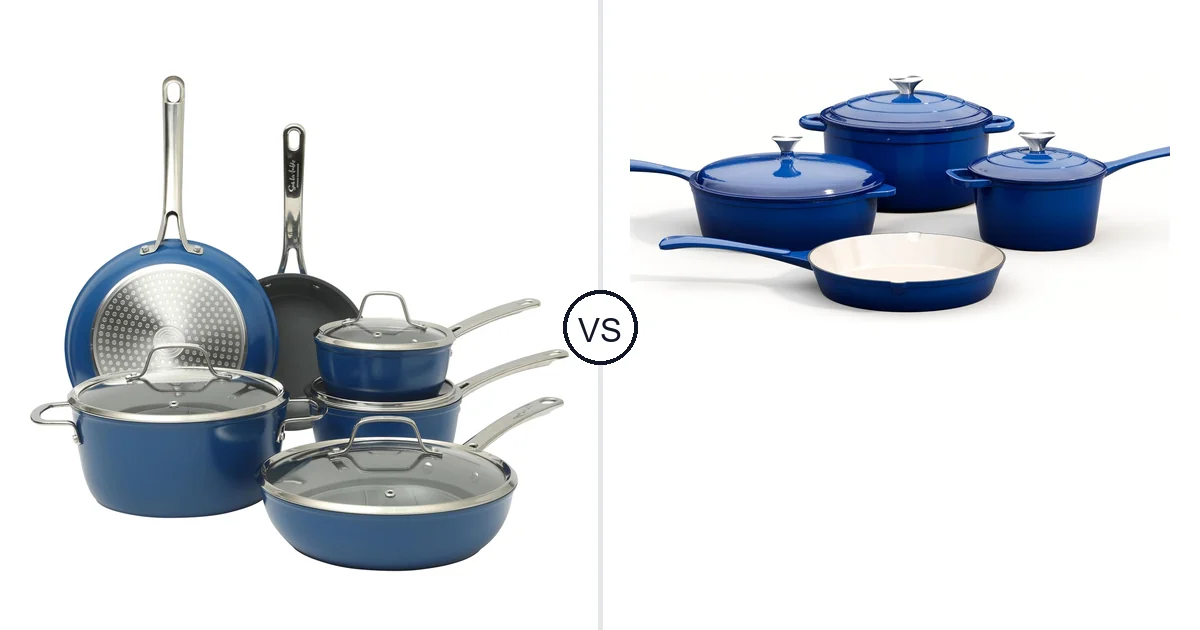
Cookware Pot Sets Vs Individual Pots
You can buy pots one at a time or as a set. Both have their pros and cons.
Cookware Pot Sets
Buying a set can be cost-effective. Sets often include a variety of sizes and types of pots. This gives you a good base for your kitchen. However, you might end up with pots you don’t need.
Individual Pots
Buying pots individually lets you choose exactly what you want. You can select the best material and size for each specific need. This can be more expensive upfront. It allows you to build a collection that perfectly fits your cooking style.
Caring For Your Cookware Pots
Proper care will make your pots last a long time.
Read the manufacturer’s instructions.
Avoid using abrasive cleaners or scouring pads on nonstick surfaces.
For stainless steel, use a wooden spoon to avoid scratching.
Season cast iron pots regularly if needed.
Allow pots to cool before washing them.
Frequently Asked Questions
Question: What is the most versatile cookware pot to start with
Answer: A medium-sized saucepan, around 3-4 quarts, is very versatile. It’s good for making sauces, boiling water, cooking grains, and heating up smaller meals.
Question: Should I buy nonstick or stainless steel cookware pots
Answer: It depends on what you cook. Nonstick is great for eggs and delicate fish. Stainless steel is more durable and works well for searing and high-heat cooking.
Many cooks have both.
Question: How many pots does a beginner really need
Answer: A beginner can start with just a few essential pots: one small saucepan (1-2 quart), one medium saucepan (3-4 quart), and one larger stockpot (6-8 quart).
Question: Can I use metal utensils in my cookware pots
Answer: You can use metal utensils in stainless steel or cast iron pots. However, it’s best to avoid metal utensils in nonstick cookware as they can damage the coating.
Question: What is the best material for pots that will last a long time
Answer: High-quality stainless steel or well-maintained cast iron are known for their durability and can last for many years, often a lifetime, with proper care.
Final Thoughts
Choosing the right cookware pots makes cooking much more enjoyable. Start with a few key pieces that fit your cooking habits and kitchen size. Think about what you like to make most often. Quality pots will serve you well for years. Happy cooking!

Leave a Reply