
Picking out new pots and pans for your kitchen can feel a bit tricky sometimes. If you have an induction stove, you might notice that some of your old pans just don’t work. This can be confusing!
But don’t worry, getting the right cookware induction setup is simpler than you think. We’ll walk through it step-by-step so you can cook with confidence. Let’s find out what makes cookware work with induction and how to pick the best pieces for your home.
What Is Induction Cookware
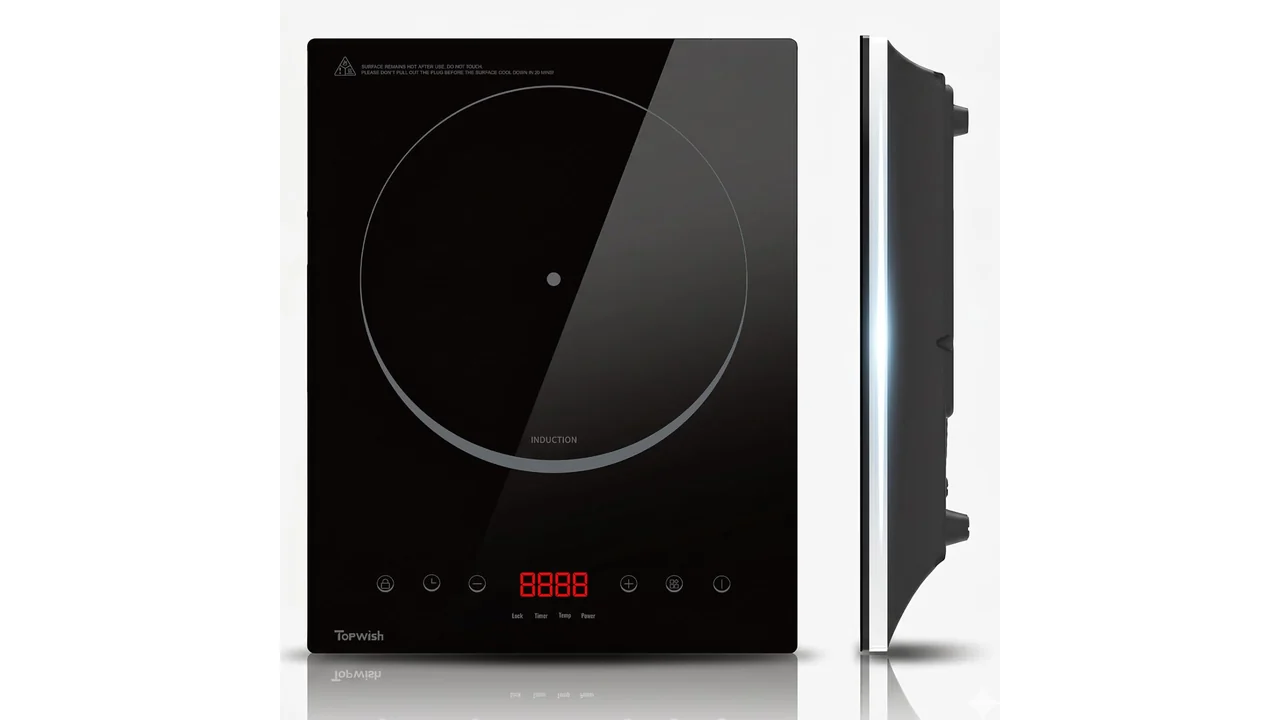
Induction cooking is a clever way to heat your food. It uses magnets to create heat directly in the pot or pan. This means the stove itself doesn’t get super hot.
It’s fast and energy-efficient. But for this to work, your cookware needs to be made of a special material. It must contain iron to create that magnetic connection.
If a pan isn’t magnetic, it simply won’t heat up on an induction stove.
Many people wonder if their existing pans will work. The quick answer is maybe. If your pans are made of stainless steel, cast iron, or enamel-coated cast iron, they probably will.
However, aluminum, copper, and glass pans usually won’t work on their own. You might need special induction-compatible versions of these materials or adapters. We’ll help you sort out what to look for.
How To Identify Induction Cookware
Spotting cookware that works with induction is easier than it sounds. The key is magnetism. You can test your current pans with a simple magnet.
If the magnet sticks firmly to the bottom of the pan, it’s likely induction-compatible. Most induction-ready pans also have a special symbol. This symbol often looks like a coil or a spiral.
You’ll usually find it on the bottom of the pan or on its packaging.
Many manufacturers clearly label their products. Look for phrases like “induction ready,” “induction compatible,” or “suitable for induction.” This saves you guesswork. When buying new items, always check the product description or ask a store associate.
This little bit of checking upfront saves a lot of frustration later.
Materials That Work Best With Induction
Certain materials are naturals for induction cooking. Their magnetic properties make them ideal. Here are the top choices you’ll find:
- Cast Iron: This is a classic for a reason. Cast iron is naturally magnetic. It heats evenly and holds heat well. It’s a great choice for searing and slow cooking.
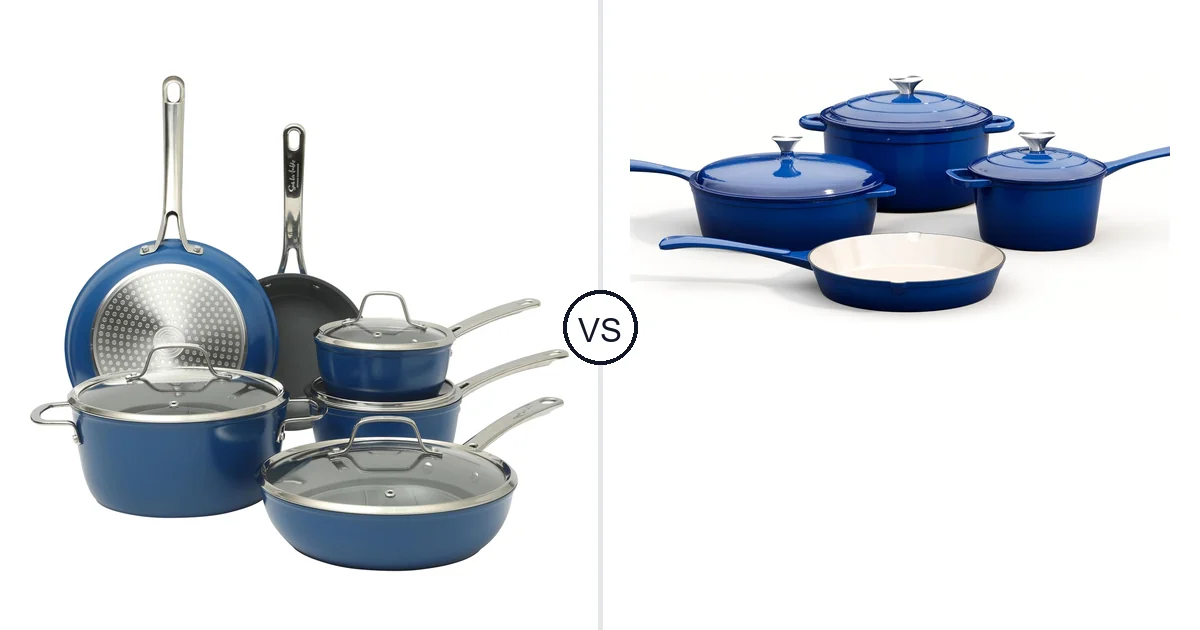
- Enameled Cast Iron: This is cast iron coated with a layer of enamel. It still has the magnetic base but is easier to clean and comes in many colors.
- Magnetic Stainless Steel: Not all stainless steel is magnetic. Look for cookware labeled as induction-compatible stainless steel. It often has a magnetic layer added to the base.
- Carbon Steel: Similar to cast iron, carbon steel is a strong magnetic material. It’s lighter than cast iron and heats up quickly.
These materials offer excellent performance and durability. They ensure your stove works efficiently, saving you time and energy.
Materials That Might Not Work (Or Need Special Versions)
Some common cookware materials won’t work directly on an induction surface. This is because they lack the necessary magnetic qualities. However, sometimes special versions exist, or you can use an adapter.
Be aware of these:
- Aluminum: Pure aluminum is not magnetic. However, many aluminum pans have a steel or iron disc bonded to the base specifically for induction compatibility.
- Copper: Like aluminum, copper is not magnetic. If you love copper pans, look for those with a magnetic stainless steel or iron core in the base.
- Glass and Ceramic: These materials are not magnetic at all. They will not heat up on an induction cooktop. You would need an induction adapter plate to use them.
- Non-Magnetic Stainless Steel: Some types of stainless steel are not magnetic. Always check for the induction symbol or magnetic test.
Understanding these differences helps you make informed choices when building your cookware collection.
Common Cookware Types And Induction Compatibility
Different types of pots and pans have unique needs. Here’s how common kitchen essentials stack up for induction use:
Frying Pans and Skillets
You’ll use these for everything from eggs to steaks. For induction, choose cast iron, carbon steel, or magnetic stainless steel skillets. Non-stick options are great, but ensure the base is induction-ready.
A good, heavy-based skillet will heat evenly and prevent hot spots.
Saucepans and Stockpots
These are vital for soups, sauces, and boiling. Magnetic stainless steel saucepans are popular because they are lightweight and easy to clean. Heavy-bottomed stockpots made from magnetic materials will provide even heat for large batches.
Dutch Ovens
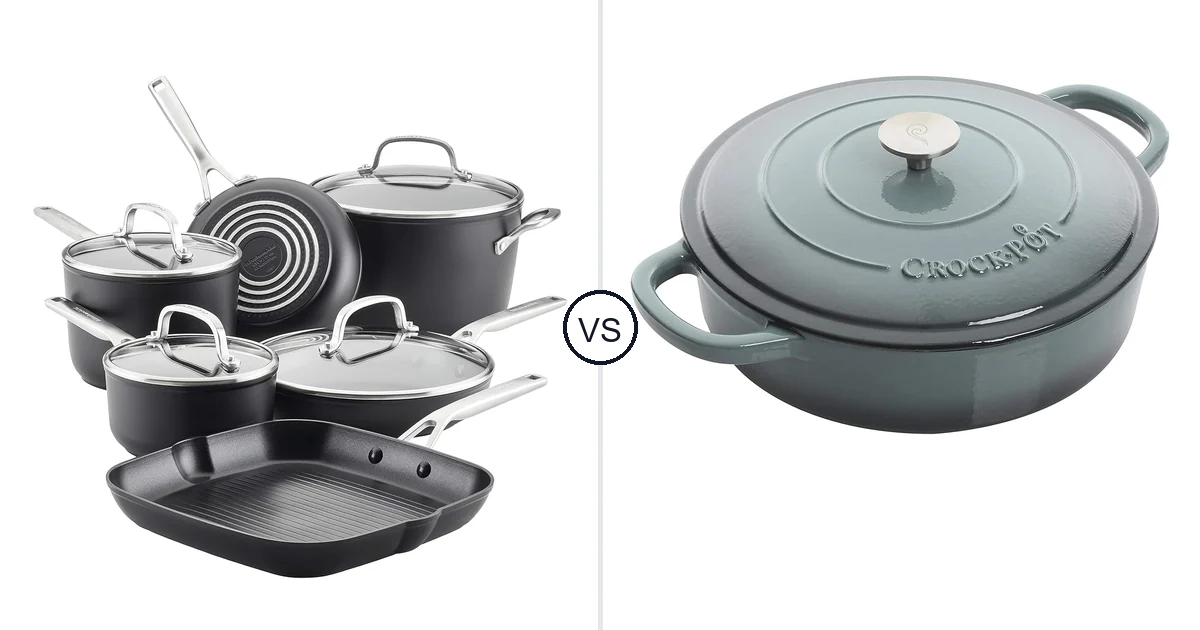
Dutch ovens are fantastic for slow cooking and braising. Enameled cast iron is a top choice for induction. They are durable, distribute heat wonderfully, and look great.
Ensure the entire pot, especially the base, is magnetic.
Grill Pans
Grill pans can be tricky. Look for cast iron or magnetic stainless steel grill pans. These will create those nice grill marks.
Check the magnetic test to be sure.
Specialty Cookware
Things like woks, crepe pans, or specific steaming pots also need to be induction compatible. Always verify the material and look for the induction symbol. Some manufacturers make special versions of these items for induction stoves.
Understanding Cookware Bases
The base of your cookware is the most important part for induction. It’s where the magic happens. A good induction base is thick and magnetic.
This ensures heat transfers efficiently from the stovetop to your food. Let’s break down what makes a good base:
Solid, Flat Bases
Induction relies on direct contact. Pans with perfectly flat and solid bases work best. Warped or uneven bases can lead to poor heat distribution.
They might also cause the pan to wobble. Always choose pans with a smooth, level bottom.
Multi-Ply Construction
Many high-quality induction pans use multi-ply construction. This involves layering different metals. Often, a magnetic stainless steel exterior is combined with a conductive core like aluminum or copper.
This blend offers the best of both worlds: magnetism for induction and excellent heat conductivity for even cooking.
A common construction is stainless steel exterior, aluminum core, and stainless steel interior. Another is steel, copper, steel. The key is having at least one magnetic layer in the construction, usually on the outside of the base for direct contact with the stovetop.
Cookware Sets vs. Individual Pieces
When you’re setting up your kitchen, you might consider buying a full cookware set. This can be convenient and cost-effective. However, it’s also important to buy individual pieces as needed.
Here’s a comparison:
| Feature | Cookware Sets | Individual Pieces |
|---|---|---|
| Convenience | Get a variety of common sizes and types at once. | Buy only what you need and want. |
| Cost | Often more affordable than buying each piece separately. | Can be more expensive if buying many items. |
| Customization | Limited; you get what’s in the set. | Full control to choose specific materials, brands, and sizes. |
| Quality | Quality can vary; some sets have lower-end pieces. | Allows you to invest in high-quality pieces for specific tasks. |
For induction, it’s often best to start with a few essential, high-quality induction-compatible pieces. You can then add to your collection over time. This ensures every piece you own is perfect for your stovetop.
Caring For Your Induction Cookware
Proper care keeps your cookware performing well and looking great. Induction cookware, especially stainless steel and cast iron, can last a lifetime if maintained. Always follow the manufacturer’s instructions.
Here are some general tips:
- Cleaning: Wash with warm, soapy water after each use. Use a soft sponge or cloth. Avoid abrasive cleaners or steel wool, especially on stainless steel or non-stick surfaces, as they can scratch.
- Stubborn Food: For stuck-on food, soak the pan in hot water. You can also gently simmer water in the pan. For tough stains on stainless steel, a paste of baking soda and water can help.
- Drying: Always dry your cookware thoroughly after washing. This prevents water spots and potential rust, especially on cast iron.
- Storage: Store your pans carefully to avoid scratching the surfaces. Using pan protectors or dish towels between stacked pans is a good idea.
- Cast Iron Seasoning: If you have traditional cast iron, you’ll need to re-season it periodically to maintain its non-stick properties and prevent rust.
Taking good care of your cookware ensures it continues to heat efficiently and safely on your induction stove.
Frequently Asked Questions
Question: Can I use my old pans on an induction cooktop?
Answer: You might be able to. Test them with a magnet. If a magnet sticks firmly to the bottom, they will likely work.
Pans made of cast iron, magnetic stainless steel, or enamel-coated cast iron are usually compatible. Aluminum, copper, glass, and non-magnetic stainless steel will not work without an adapter.
Question: What does the induction symbol look like?
Answer: The induction symbol often looks like a series of loops or coils, similar to an electric stovetop element. It’s usually printed on the bottom of the cookware or on its packaging. If you don’t see this symbol, test for magnetism.
Question: Do induction pans heat up differently than other pans?
Answer: Yes, induction pans heat up very quickly and efficiently. The heat is generated directly in the pan’s base through magnetic induction. This means less wasted energy and faster cooking times compared to traditional stovetops.
Question: Is non-stick cookware compatible with induction?
Answer: Yes, many non-stick pans are made to be induction compatible. The non-stick coating itself doesn’t determine compatibility. It’s the material of the pan’s base that matters.
Look for non-stick pans with a magnetic base or the induction symbol.
Question: Do I need an induction adapter if my pan isn’t magnetic?
Answer: If your favorite pan isn’t magnetic, you can use an induction adapter plate. This is a special disc that sits on the induction cooktop and heats up, transferring heat to your non-magnetic cookware placed on top. However, using cookware designed for induction is generally more efficient and provides better heat control.
Final Thoughts
Choosing the right cookware for your induction stove is simple. Focus on magnetic materials like cast iron, carbon steel, and magnetic stainless steel. Always check for the induction symbol or test with a magnet.
Investing in quality, compatible pieces ensures efficient cooking and a better experience in your kitchen. Happy cooking!

Leave a Reply