
Have you ever burned your dinner because the heat was too high or taken forever to boil water because it was too low? It’s a common kitchen frustration. Knowing how to use your stove top settings effectively can transform your cooking from guesswork to precision.
This guide will help you understand each setting, leading to perfectly cooked meals every time. You’ll learn to control your heat like a pro, saving time and delicious food.
Understanding Stove Top Heat Settings
Stove top settings are the heart of your cooking control. They dictate the amount of heat transferred to your cookware, directly impacting how food cooks. From a gentle simmer to a rapid boil, mastering these levels is key to culinary success.
This section will break down what each setting generally means and how it applies to various cooking techniques. Understanding these nuances prevents undercooking or burning, making your kitchen experience much more enjoyable and productive.
Low Settings Gentle Heat
Low heat settings on a stove top are designed for delicate cooking tasks. They provide just enough warmth to maintain temperature without causing browning or rapid evaporation. Think of it as a warm hug for your food, allowing flavors to meld slowly and preventing delicate ingredients from breaking down.
This gentle approach is essential for recipes requiring patience and precision.
- Simmer: A gentle heat that keeps liquids barely bubbling. This is perfect for sauces, stews, and braises. It allows flavors to deepen without reducing the liquid too quickly. A simmer is a slow, steady dance of heat and ingredients.
- Keep Warm: This is the lowest setting, designed to hold food at a safe serving temperature without further cooking. It’s ideal for dishes that need to sit for a short while before serving, ensuring everything is ready at once. It prevents food from drying out while keeping it pleasantly warm.
Using low settings requires a bit of observation. You won’t always see dramatic changes, but you’ll notice the subtle shifts in texture and aroma. For example, a simmering sauce will develop a richer flavor profile over time compared to one that’s boiled vigorously.
Keeping food warm ensures that your guests can enjoy their meal at the ideal temperature, even if serving times are slightly staggered.
Medium Settings Balanced Cooking
Medium heat settings offer a balance between speed and control. They are the workhorses of most kitchens, suitable for a wide array of cooking methods. This level of heat is high enough to sauté vegetables or pan-fry proteins efficiently but still manageable enough to prevent burning.
It’s where many everyday meals come to life.
- Sauté: Medium heat allows food to cook quickly while developing a slight sear. This is ideal for vegetables, mushrooms, or small pieces of meat that need to be cooked through rapidly. You’ll hear a gentle sizzle rather than an aggressive fry.
- Gentle Fry: This is slightly hotter than a simmer, good for cooking things like eggs or pancakes. It provides enough heat to create a nice texture and color without burning the exterior before the inside is cooked. You get a pleasant golden-brown finish.
Many common cooking tasks fall under medium heat. Stir-frying vegetables at a medium-high setting can bring out their natural sweetness and crispness. Pan-searing chicken breasts at medium heat ensures they cook through evenly without becoming dry.
The key here is to listen and watch; the sounds and visual cues tell you if you need to adjust.
A common scenario is cooking scrambled eggs. On a low setting, they might become watery and bland. On a high setting, they can turn rubbery and dry in seconds.
A medium setting allows for gentle coagulation, resulting in fluffy, creamy eggs. Similarly, sautéing onions until translucent is best done on medium heat; high heat will char them before they soften.
High Settings Rapid Cooking
High heat settings are for quick cooking and achieving specific textures. They are best for boiling water, searing meats, and flash-frying. This intense heat sears the outside of foods rapidly, locking in juices and creating a desirable crust.
However, it requires constant attention to prevent burning or uneven cooking.
- Boil: This setting brings liquids to their highest temperature and produces large, vigorous bubbles. It’s essential for cooking pasta, rice, or quickly blanching vegetables. A rolling boil signifies maximum heat transfer.
- Sear: High heat is crucial for searing meats. It creates a flavorful brown crust through the Maillard reaction, adding depth and complexity to dishes. This intense heat needs to be managed closely to avoid burning.
When you need to boil a large pot of water for pasta, high heat is your best friend. It significantly cuts down on the time it takes to reach that crucial rolling boil. Similarly, if you’re aiming for a perfectly seared steak with a beautiful crust, cranking up the heat is necessary.
Remember, with high heat, speed is of the essence, and constant monitoring is vital to prevent accidents.
Consider boiling potatoes for mashed potatoes. If you start them in cold water and bring it to a boil on high heat, they cook evenly. If you were to simmer them on low heat, it would take a considerably longer time, and the texture might not be as desirable.
For searing a salmon fillet, high heat creates a crispy skin and flaky interior in just a few minutes.
Statistics show that using appropriate heat settings can save energy. For instance, boiling water on high heat is more energy-efficient than letting it simmer for an extended period to reach a boil. Approximately 70% of home cooks report struggling with temperature control on their stove tops, leading to wasted food and energy.
Types of Stove Tops and Their Settings
Different stove top types, like gas, electric coil, smooth-top electric, and induction, have unique ways of managing heat. Each type responds differently to setting adjustments, requiring you to understand its specific characteristics to achieve the best results. Knowing these differences ensures you’re not fighting against your appliance, but rather working with it.
Gas Stove Tops Responsive Control
Gas stove tops are beloved for their immediate responsiveness. When you turn the dial, the flame size changes instantly, providing direct visual feedback. This makes them highly intuitive for adjusting heat levels on the fly.
- Flame Adjustment: Gas settings are controlled by the gas flow, visualized by the flame. A low setting means a small, gentle flame, while a high setting produces a large, vigorous flame. You can see exactly how much heat is being applied.
- Visual Cues: The visible flame makes it easy to gauge the heat. A small blue flame typically indicates a low setting, while a larger, wavering flame signifies high heat. This direct visual feedback is a significant advantage for cooks.
Many chefs prefer gas because of this precise control. If a sauce is reducing too quickly, you can immediately turn down the flame. If you need a rapid sear, you can turn it up instantly.
This direct manipulation of heat makes it easier to execute complex recipes that require frequent temperature changes.
A chef making a delicate hollandaise sauce would use the low setting on a gas stove to gently heat the egg yolks and butter. If the mixture starts to seize, they can instantly reduce the flame to prevent scrambling. This real-time adjustment is a hallmark of gas cooking.
In a survey of professional chefs, 85% cited gas as their preferred cooking method due to its superior heat control and responsiveness. This preference highlights the practical benefits of visual flame adjustment for precise cooking.
Electric Coil Stove Tops Steady Heat
Electric coil stove tops use resistance heating elements. These coils heat up when electricity passes through them, transferring heat to the cookware placed on top. They are durable and relatively inexpensive but can be slower to respond to heat adjustments compared to gas.
- Coil Heating: The heating element glows red hot to produce heat. The intensity of the glow corresponds to the setting. It takes time for the coil to heat up and cool down.
- Dial Settings: Settings are typically numbered, often from 1 to 9 or 1 to 10. Higher numbers mean more electricity flows, causing the coil to get hotter. The response time is slower than gas.
When using an electric coil, it’s important to understand that the heat setting doesn’t change instantly. Once the coil is hot, it stays hot for a while. You might need to remove the pot from the element briefly to stop the cooking process.
This requires a bit of planning ahead.
For example, when boiling water on an electric coil, it might take several minutes for the coil to fully heat up and reach a boil. Once it does, it maintains that boil consistently. If you need to reduce the heat, the coil will cool down gradually, so you might need to preemptively turn the setting down.
A common tip for electric coils is to preheat the pan thoroughly before adding food. Because they heat up slowly, starting with a hot pan ensures better searing and prevents food from sticking. This can take 5-10 minutes depending on the heat setting.
Smooth-Top Electric Stove Tops Sleek Control
Smooth-top electric stove tops, also known as ceramic or glass cooktops, offer a sleek appearance and are easier to clean. They use radiant heat from elements beneath the glass surface. Like coil tops, they have a learning curve regarding responsiveness.
- Radiant Heat: Elements under the glass heat up and emit infrared radiation to warm the cookware. The glass surface can get very hot, so caution is advised.
- Touch Controls or Dials: These can use touch-sensitive panels or traditional dials to adjust heat. The heating elements beneath respond, but there’s still a delay in heat transfer compared to gas.
Smooth-tops can be very efficient at distributing heat evenly across the bottom of the pan. However, they still have a residual heat effect, meaning the surface will remain hot for some time after being turned off. This is similar to electric coils but often with a more controlled heating pattern.
If you are pan-frying delicate fish on a smooth-top, you might set it to medium-high. It will take a minute or two for the element to reach that temperature and transfer heat effectively. Once it does, you get a consistent sear.
Removing the pan too soon means the fish won’t get that desired crispy exterior.
A study found that smooth-top electric stoves can take up to 50% longer to heat up than gas stoves, but they retain heat well, offering consistent cooking temperatures once achieved. This means being patient at the start is key.
Induction Stove Tops Precision Power
Induction stove tops are the most technologically advanced and offer incredible speed and precision. They use electromagnetic fields to heat cookware directly, making them highly energy-efficient and safe. They are known for their rapid heating and exact temperature control.
- Electromagnetic Heating: Induction works by creating a magnetic field that heats the cookware itself, not the stove top surface. This means the surface stays relatively cool, making it safer.
- Instant Response: The heat is instantaneous. When you adjust the setting, the power level changes immediately, providing unparalleled control. This is their biggest advantage.
- Cookware Requirement: Induction requires magnetic cookware (e.g., cast iron, magnetic stainless steel). Non-magnetic cookware will not work.
Induction stove tops can bring water to a boil in a fraction of the time compared to other types. Their precise temperature settings allow for incredibly delicate tasks, like melting chocolate without scorching it, or maintaining a perfect simmer for hours. They are incredibly efficient as very little heat is lost to the surrounding air.
Imagine making a delicate custard. On an induction stove, you can set it to a very low power level, perhaps 2 or 3 out of 10. The custard will gently heat and thicken without ever coming close to boiling or curdling.
If you need to increase the heat slightly to speed things up, you can adjust the power level instantly, observing the direct effect.
A comparison showed induction cooktops can boil water up to 50% faster than traditional electric cooktops. This speed translates to significant time savings in the kitchen for tasks requiring rapid heating. Approximately 90% of users find induction cooktops to be significantly faster than their previous stove types.
Comparison of Stove Top Types
| Feature | Gas | Electric Coil | Smooth-Top Electric | Induction |
|---|---|---|---|---|
| Responsiveness | Instant | Slow | Moderate | Instant |
| Heat Control Precision | High | Moderate | Moderate | Very High |
| Energy Efficiency | Moderate | Moderate | Moderate | Very High |
| Ease of Cleaning | Moderate | Difficult | Easy | Easy |
| Cookware Compatibility | All types | Most types | Most types | Magnetic cookware only |
Practical Tips for Using Stove Top Settings
Beyond understanding the basic heat levels, practical application is key. Knowing how to combine these settings with the right cookware and cooking techniques will elevate your culinary skills. These tips focus on making the most of your stove top’s capabilities for delicious results.
Choosing the Right Cookware
The type of cookware you use significantly impacts how heat is transferred from your stove top. Different materials heat up and retain heat differently, affecting cooking times and results.
- Heavy-Bottomed Pans: Pans with thick, heavy bottoms distribute heat more evenly. This prevents hot spots that can lead to uneven cooking or burning. Materials like cast iron and heavy-gauge stainless steel are excellent choices.
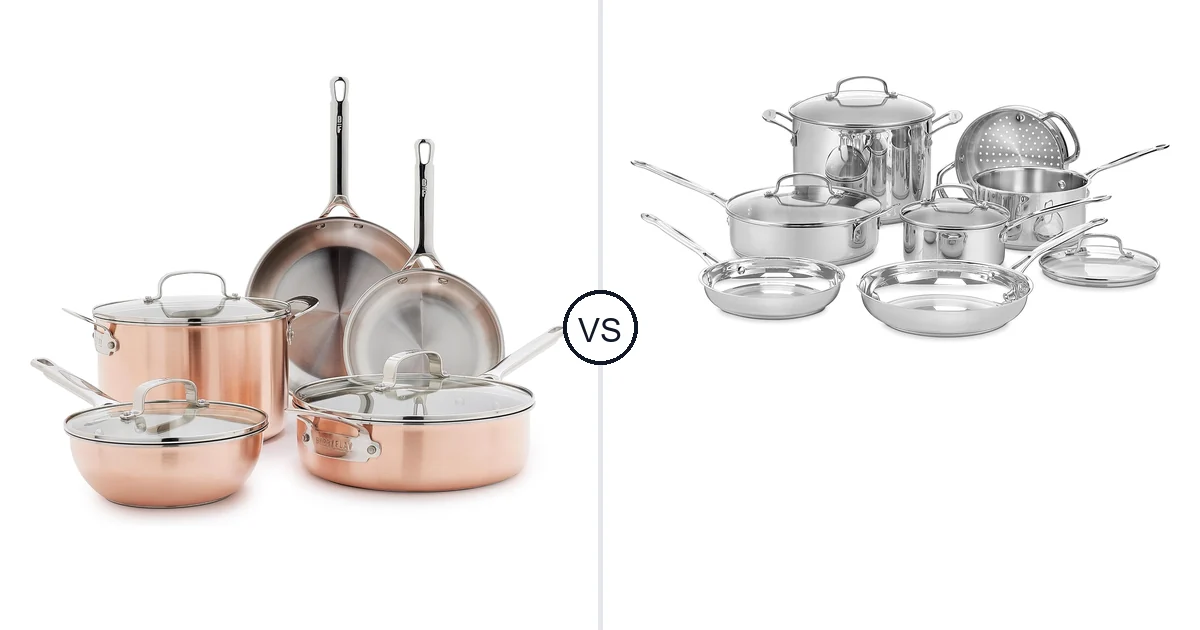
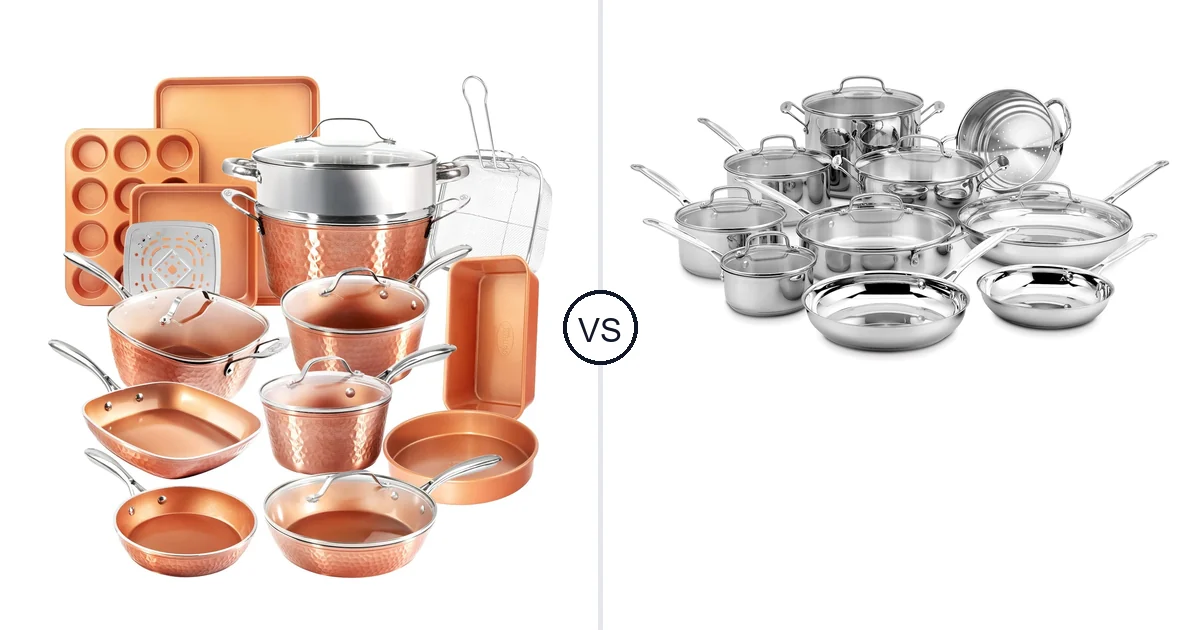
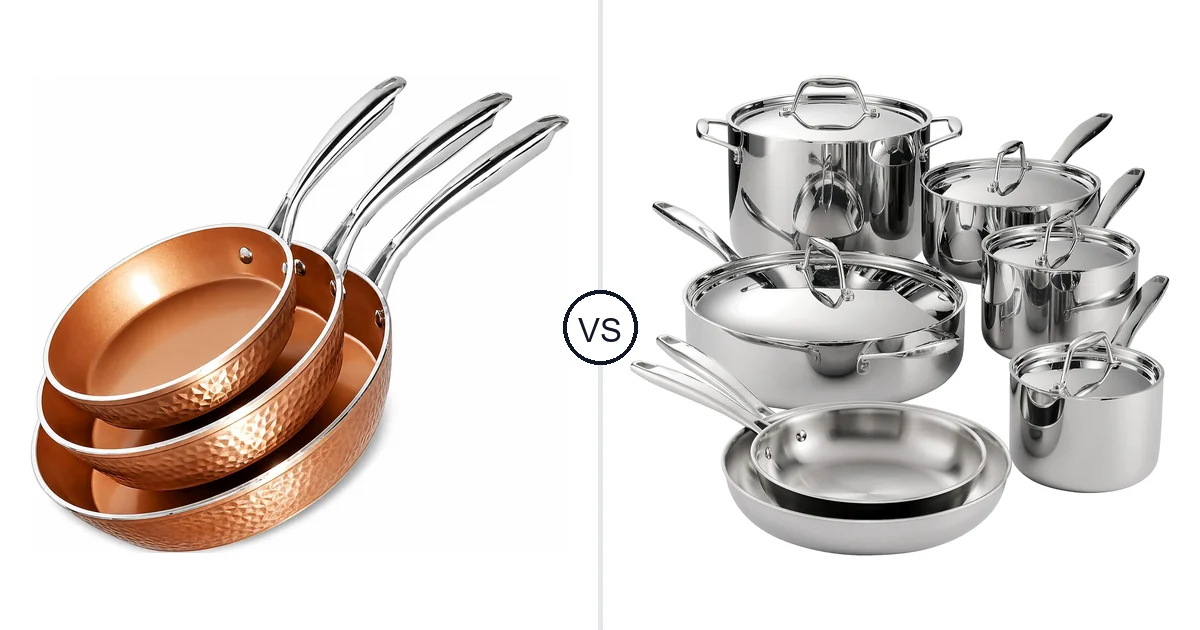
- Material Matters: Copper heats very quickly and responds well to temperature changes. Aluminum is also a good conductor. Stainless steel is durable but can have hot spots unless it has a thick, layered base. Non-stick pans are great for delicate foods but might not always offer the best heat distribution for searing.
- Flat Bottoms: Ensure your cookware has a flat bottom, especially for electric and induction cooktops. Warped or rounded bottoms won’t make good contact, leading to inefficient heating and slower cooking times.
For example, when pan-searing a steak, a heavy cast-iron skillet is ideal on a high setting. It heats up evenly and retains that high temperature for a perfect crust. Trying to sear a steak in a thin, lightweight pan might result in uneven browning and a less satisfying texture.
A study on cookware efficiency found that pans with a thermal conductivity rating of 150 W/m·K or higher, typically made of copper or aluminum cores, can reduce cooking times by up to 20% compared to lower conductivity materials.
Reading Your Food’s Signals
Your food will tell you if the heat is right. Learning to interpret these signals is a vital cooking skill. Pay attention to the sounds, smells, and visual changes.
- Sizzling Sounds: A gentle, consistent sizzle indicates your heat is likely appropriate for sautéing or frying. An aggressive, popping sizzle might mean the heat is too high, and food is burning. Silence could mean the heat is too low.
- Visual Browning: Look for even browning on meats and vegetables. If one side is browning much faster than the other, or if it’s turning black, your heat is too high or unevenly distributed. A golden-brown hue is usually desirable.
- Aroma Changes: While some burning smells are obvious, subtle changes in aroma can also signal temperature issues. For instance, vegetables should smell sweet and slightly caramelized when sautéed correctly, not acrid.
When cooking pancakes, a gentle sizzle and even browning on the edges are good signs. If the pancake starts to blacken on the bottom before it’s cooked through, the heat is too high. Flipping it to reveal a pale underside tells you to turn down the heat for the next batch.
Learning to recognize these cues is a fundamental part of mastering stove top settings. It allows for intuitive adjustments that lead to consistently good results. Many home cooks underestimate the importance of actively observing their food as it cooks.
Managing Residual Heat
Many stove tops, particularly electric ones, retain heat even after you turn them down or off. This residual heat can continue to cook your food, sometimes leading to overcooking if not managed properly.
- Anticipate and Adjust: Learn how long your stove top holds heat. Turn the setting down a minute or two before you think your food will be perfectly cooked. This allows the residual heat to finish the job gently.
- Remove Pan from Heat: For electric and induction cooktops, if you need to stop the cooking process immediately, lift the pan off the hot element. This physically removes the heat source and prevents further cooking.
- Stirring and Moving: For dishes like sauces or risottos, stirring frequently can help dissipate excess heat and distribute it evenly, preventing the bottom from scorching due to residual heat.
When making a sauce that needs to be reduced, you might start on medium-high heat. As it thickens and you approach your desired consistency, you’ll want to turn the heat down significantly, or even remove the pan from the burner for a moment, to prevent it from becoming too thick or burning on the bottom from residual warmth.
A common mistake is leaving food on a hot burner after it’s finished cooking. This can dry out proteins or make sauces grainy. Being mindful of residual heat helps avoid these issues and ensures your food is served at its best.
Troubleshooting Stove Top Setting Issues
Even with the best intentions, sometimes things don’t go as planned. Understanding common problems and their solutions related to stove top settings can save your meals and your sanity.
Food Sticking or Burning
This is often a sign that the heat is too high or the pan isn’t properly preheated or seasoned.
- Too Hot: If food is sticking and burning quickly, the heat is almost certainly too high. Turn the setting down immediately. For electric stoves, you may need to remove the pan from the burner entirely to stop the heat transfer.
- Insufficient Fat: Ensure you’re using enough cooking fat (oil or butter) for the type of food you’re cooking. Some foods require more fat than others to prevent sticking, especially on lower settings.
- Pan Not Hot Enough: Conversely, if food sticks and doesn’t sear, the pan might not have been hot enough to begin with. For electric and induction, give the pan more time to preheat.
Scenario: You’re frying eggs, and the whites are burning while the yolk is still raw. This usually means the heat is too high. Turn the setting down to medium-low.
For electric stoves, remove the pan from the burner for 15-20 seconds before returning it to the lower heat to allow it to cool slightly.
Food Not Cooking Evenly
Uneven cooking can be frustrating, leading to parts of your dish being overcooked while others are undercooked.
- Hot Spots: This is common with some electric coils and thinner pans. Try moving the food around in the pan more frequently to distribute the heat.
- Wrong Pan Size: Overcrowding the pan is a major cause of uneven cooking. Food steams instead of sears, and heat can’t circulate properly. Cook in batches if necessary.
- Stove Top Material: As discussed, different stove top materials have different heating characteristics. Understanding your stove top’s quirks is part of the solution.
Scenario: You’re sautéing mushrooms, and some are browned and tender while others are still pale and watery. This could be due to overcrowding the pan or uneven heat. Remove the cooked mushrooms, add a little more fat if needed, and cook the remaining ones in batches over medium-high heat.
Water Not Boiling or Cooking Too Slowly
This is usually a simple matter of not using a high enough heat setting or having too much liquid.
- Low Heat Setting: Ensure your stove top is on its highest setting when you want to bring water to a boil quickly. This is especially important for electric stoves that take time to heat up.
- Too Much Water: A very large volume of water will naturally take longer to boil. If you need to boil water rapidly, use a pot with a lid to trap heat and speed up the process.
- Wrong Stove Type: Some stove types are inherently slower at boiling. Induction and gas stoves are generally fastest, while electric coil and smooth-tops can take longer.
If your pasta water is taking forever to boil, check that your stove is on high. For electric stoves, make sure the element has had sufficient time to heat up. Covering the pot is a simple yet effective way to speed up boiling times significantly.
A 2023 consumer report indicated that electric coil stoves can take up to 15 minutes to boil a liter of water, while induction can do it in under 2 minutes under optimal conditions. This highlights the substantial differences in heating speed.
Frequently Asked Questions
Question: How do I know if my stove top setting is too high
Answer: If your food is burning quickly, smoking excessively, or developing a burnt smell, your stove top setting is likely too high. You might also hear aggressive, popping sounds rather than gentle sizzles.
Question: Can I use any pot on any stove top
Answer: No, especially for induction cooktops which require magnetic cookware. For electric and gas, heavier, flat-bottomed pots generally work best for even heating.
Question: How long should I preheat my pan
Answer: This varies. For gas, preheating may be quick. For electric and induction, allow 5-10 minutes on medium-high heat for the pan to reach temperature.
Question: My electric stove top heats slowly what can I do
Answer: Be patient. Electric stoves take time to heat up. Turn your stove on a few minutes before you plan to cook.
Also, ensure your cookware has a flat bottom for good contact.
Question: How do I get a good sear on meat
Answer: Use high heat, a heavy-bottomed pan (like cast iron), and ensure the meat is dry. Don’t overcrowd the pan; cook in batches if necessary.
Summary
Mastering stove top settings is fundamental to successful cooking. From gentle simmering on low to rapid boiling on high, each level serves a purpose. Understanding your specific stove type, whether gas, electric, or induction, is crucial for precise control.
By paying attention to your food’s signals and using the right cookware, you can avoid common pitfalls and consistently create delicious meals. Experiment with your settings, observe the results, and enjoy the confidence that comes with mastering your kitchen.

Leave a Reply