
Have you ever stood in the kitchen, looking at a meal you want to make, only to feel held back by your old, slow cooktop? It’s a common feeling, especially when you’re eager to get dinner on the table without a fuss. An efficient cooktop can transform your cooking experience, making meal prep faster and more enjoyable.
This post will guide you through selecting the best cooktop for efficient cooking, helping you save time and energy in the heart of your home.
Understanding Cooktop Technologies for Efficiency
Choosing the right cooktop technology is the first step toward a more efficient kitchen. Different types of cooktops offer unique advantages in terms of speed, energy use, and cooking precision. Understanding these differences will help you make an informed decision that aligns with your cooking habits and kitchen needs. An efficient cooktop doesn’t just cook food faster; it also uses less energy, which can lead to lower utility bills over time. This section explores the main technologies you’ll encounter, explaining what makes each one a good or less-than-ideal choice for saving time and energy.
Electric Resistance Coil Cooktops
These are one of the oldest and most common types of electric cooktops. They feature exposed metal coils that heat up when electricity passes through them.
Heating Mechanism
The coils are made of a material that resists electrical current, causing it to heat up and glow red. This heat is then transferred to the cookware placed on top of the coils. The process is relatively straightforward but can be slow to heat up and cool down.
Energy Use and Efficiency
Electric coil cooktops are generally considered less energy-efficient than other types. They lose a significant amount of heat to the surrounding air, and the coils themselves take time to reach the desired temperature. This can result in longer cooking times and higher energy consumption.
Performance and Control
Temperature control can be imprecise. It often involves turning the knob to a certain setting, waiting for the coil to heat up or cool down, and then adjusting again. This makes it harder to achieve precise cooking temperatures needed for delicate dishes.
Smooth-Top Electric Cooktops
Smooth-top electric cooktops, also known as radiant or halogen cooktops, have a flat ceramic glass surface. Beneath this surface, heating elements (either radiant coils or halogen lamps) generate heat.
Heating Process
Radiant elements heat up and then transfer their heat through the glass to the cookware. Halogen elements use light-based heat transfer, which can be faster. The glass surface itself needs to heat up first, adding a slight delay.
Energy Efficiency Compared to Coils
They are generally more energy-efficient than coil cooktops because the heat is more directly transferred to the cookware, with less loss to the environment. However, they still involve a heating element that needs time to warm up and cool down.
Cooking Precision and Responsiveness
While better than coils, temperature control can still be laggy. Adjusting the heat setting requires the element beneath the glass to respond, which takes time. This can make quick temperature changes difficult for experienced cooks.
Ceramic vs. Halogen Smooth-Top
Both are types of smooth-top electric cooktops but differ in their heating elements. Ceramic cooktops typically use radiant elements, while halogen models incorporate halogen lamps for faster heating. Halogen elements tend to heat up quicker and offer slightly better responsiveness.
Induction Cooktops
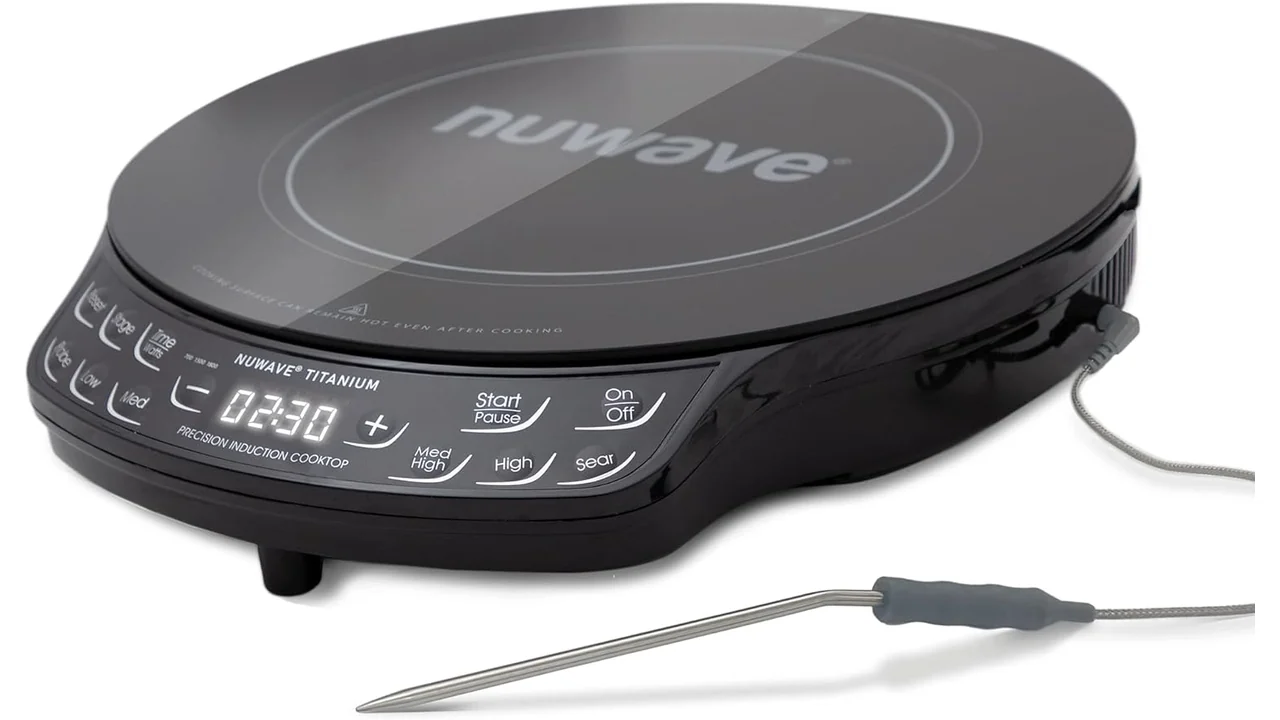
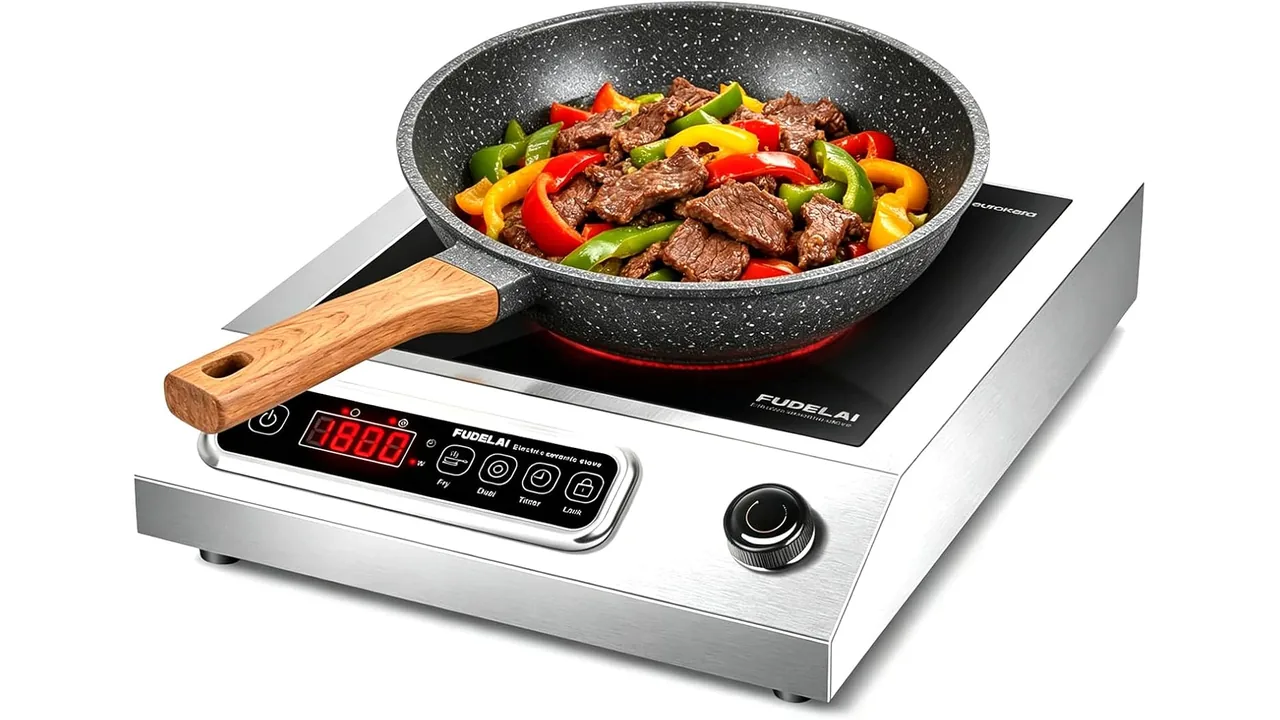
Induction cooktops are a modern and highly efficient option. They use electromagnetism to heat cookware directly, rather than heating the cooktop surface itself. This technology offers fast, precise, and energy-efficient cooking.
How Induction Works
When an induction cooktop is turned on, it generates an electromagnetic field. When ferromagnetic cookware is placed on the cooktop, this field causes the cookware itself to heat up rapidly. The cooktop surface remains relatively cool, only getting warm from residual heat from the pan.
Speed and Energy Savings
Induction cooktops are incredibly fast. They can bring water to a boil in a fraction of the time compared to other cooktops. They are also very energy-efficient because almost all the energy is transferred directly to the pot or pan. Very little heat is lost to the surroundings.
Precise Temperature Control
The ability to control heat precisely is a major advantage. Users can make instant adjustments to the heat level, similar to gas cooktops, allowing for perfect searing, simmering, and delicate sauce making. This level of control significantly improves cooking efficiency and results.
Gas Cooktops
Gas cooktops use open flames to heat cookware. They offer immediate visual feedback on heat levels and are favored by many professional chefs for their responsiveness.
The Flame and Heat Transfer
A gas burner mixes natural gas or propane with air and ignites it to create a flame. This flame directly heats the bottom of the cookware. The heat distribution can be very even, depending on the burner design.
Responsiveness and Control
Gas cooktops are renowned for their instant responsiveness. Turning a knob immediately changes the flame size and thus the heat output. This allows for very precise control over cooking temperatures, enabling quick adjustments when needed.
Energy Efficiency Considerations
While responsive, gas cooktops are not always the most energy-efficient. A significant amount of heat can escape around the sides of the cookware and into the kitchen, especially if the flame is too large for the pan. However, for tasks requiring rapid temperature changes, they excel.
Comparison of Cooktop Technologies
Here’s a quick look at how these technologies stack up for efficiency and speed.
| Cooktop Type | Heating Speed | Energy Efficiency | Temperature Control |
|---|---|---|---|
| Electric Coil | Slow | Low | Poor |
| Smooth-Top Electric | Moderate | Moderate | Fair |
| Induction | Very Fast | High | Excellent |
| Gas | Fast (initial) | Moderate to Low | Excellent |
Key Features for an Efficient Cooking Experience
Beyond the basic technology, several features can significantly enhance the efficiency and overall experience of using a cooktop. These features often address aspects like speed, ease of use, safety, and energy management, all contributing to a smoother and more productive time in the kitchen. When you are looking for a cooktop, consider how these additions can fit into your daily cooking routine.
Power Boost or Turbo Functions
Many modern electric and induction cooktops offer a power boost feature. This function temporarily increases the heat output beyond the normal maximum setting.
How Power Boost Works
For induction cooktops, this means momentarily drawing more power from the electrical supply to create a stronger electromagnetic field. For electric smooth-tops, it often means diverting power from other elements or maximizing the output of a specific element.
Benefits for Quick Cooking
This is incredibly useful for tasks like quickly boiling water for pasta or bringing a soup to a rapid simmer before reducing the heat. It significantly cuts down on waiting times, making meal preparation much faster.
When to Use and Not Use
Power boost is best for short bursts of high heat. Overusing it or using it for extended periods might not be recommended by the manufacturer and could potentially stress the cooktop or your electrical system. Always follow the user manual.
Simmer Settings and Low-Heat Capabilities
The ability to maintain a very low, consistent heat is crucial for many cooking techniques, like making delicate sauces or keeping food warm without overcooking.
Importance of Low Heat
Many recipes require gentle simmering, where the liquid is barely bubbling. A cooktop with excellent low-heat control ensures that your sauces don’t burn or separate and that your food stays warm without drying out while you finish other preparations.
Induction vs. Other Technologies
Induction cooktops generally excel at low-heat control due to their precise digital adjustments. Gas cooktops can also offer excellent low-heat capabilities with a properly designed simmer burner. Electric cooktops can sometimes struggle to maintain a consistent, very low heat.
Automatic Shut-Off and Safety Features
Safety features contribute to efficiency by preventing accidents and saving energy. Automatic shut-off is a key example.
Preventing Accidents
If you accidentally leave a burner on, an automatic shut-off feature will turn it off after a set period. This is a critical safety measure that prevents fires and damage.
Energy Savings
This feature also ensures that you aren’t wasting electricity or gas by leaving a burner on unnecessarily. It adds peace of mind, especially in busy households.
Other Safety Considerations
Look for features like child lock, residual heat indicators, and overflow protection. These contribute to a safer and more controlled cooking environment.
Intuitive Controls and Digital Displays
The way you interact with your cooktop matters for efficiency. Easy-to-understand controls and clear displays make cooking more intuitive.
Ease of Use
Touch controls on smooth-top and induction cooktops can be very responsive and easy to clean. Digital displays provide clear readouts of heat settings, timers, and other functions.
Reducing Errors
Clear controls mean fewer mistakes when setting the temperature or timer. This reduces the chances of overcooking or burning food, saving ingredients and time.
Timer Functions
Many cooktops include built-in timers that can be set for individual burners or the entire cooktop. Some even allow you to program specific cooking times and heat levels for different stages of a recipe.
Cookware Compatibility
The type of cookware you use plays a significant role in how efficiently your cooktop operates, especially with induction.
Induction Cookware
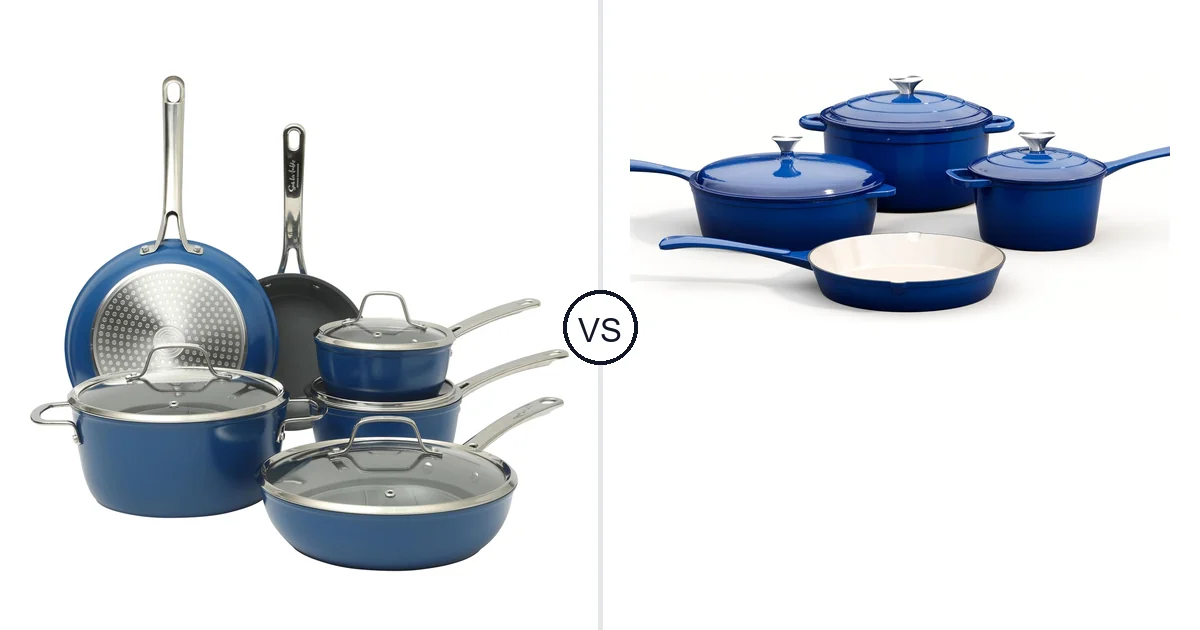
Induction cooktops require cookware with a magnetic base. This includes cast iron, stainless steel (with a magnetic base), and enamel-coated cast iron. Aluminum, copper, and glass cookware will not work unless they have a magnetic adapter or are specially designed for induction.
Optimizing Heat Transfer
Using cookware with a flat, thick base ensures even heat distribution and optimal contact with the heating element or magnetic field. Warped or thin pans can lead to uneven cooking and wasted energy.
Checking for Compatibility
Most manufacturers will indicate if cookware is induction-compatible. A simple magnet test (if a magnet sticks to the bottom of the pan, it’s likely induction-compatible) can help you identify suitable pots and pans.
Maximizing Your Cooktop’s Efficiency in Daily Use
Once you have a cooktop that is designed for efficiency, there are many practical ways to ensure you are getting the most out of it every day. These habits and techniques go beyond the appliance itself and focus on your cooking methods and kitchen management. Implementing these tips can lead to noticeable improvements in time saved and energy conserved.
Choosing the Right Pan Size for the Burner
Using cookware that appropriately matches the size of the burner or heating element is fundamental.
Avoiding Heat Loss
If a pan is too small for a burner, heat will escape around the sides and into the air, wasting energy and increasing cooking time. If a pan is too large, it might not heat evenly across its surface, especially with gas burners where the flame can lick up the sides.
Induction Specifics
With induction, the pan must be large enough to cover the entire induction coil area for maximum efficiency. If the pan is smaller than the coil, only the portion of the pan directly over the coil will heat up.
Practical Application
For example, use an 8-inch skillet on a small burner and a 10- or 12-inch skillet on a larger burner. This ensures that the heat is concentrated where it needs to be, leading to faster and more even cooking.
Keeping Lids on Pots and Pans
This simple habit is one of the most effective ways to speed up cooking and save energy.
Trapping Heat and Moisture
A lid creates a contained environment that traps heat and moisture. This allows food to cook more quickly and evenly by reducing the amount of heat that escapes into the kitchen.
Energy Savings
By keeping the heat inside the pot, you often need to use a lower heat setting or less time to achieve the same cooking results. This directly translates to lower energy consumption.
When Not to Use a Lid
Some cooking methods, like searing meat or reducing sauces, require the evaporation of moisture, so a lid would be counterproductive. However, for boiling, simmering, and steaming, a lid is essential for efficiency.
Preheating Appropriately
Preheating your cooktop and cookware is an important step for many cooking tasks.
Achieving Searing Temperatures
For searing meats or getting a good crust on vegetables, preheating the pan to the correct temperature is crucial. This ensures food cooks quickly and develops a desirable texture rather than steaming.
Faster Cooking Start
When you place food on a preheated surface, the cooking process begins immediately. This can save valuable minutes compared to placing food on a cold or lukewarm pan.
Moderation is Key
Be mindful of over-preheating, especially with oils. Excessive heat can cause oils to smoke and break down, becoming unhealthy and potentially dangerous. Follow recipe guidelines or observe visual cues.
Using the Right Cookware Material
As mentioned earlier, the material of your cookware impacts efficiency.
Heat Conductivity
Materials like copper and aluminum are excellent conductors of heat, meaning they heat up quickly and evenly. Stainless steel is durable but can have uneven heating unless it has a core of copper or aluminum.
Induction Compatibility
For induction cooktops, the cookware must be magnetic. Using non-magnetic cookware on an induction surface will not work at all.
Long-Term Investment
Investing in good quality, flat-bottomed cookware made of materials that suit your cooktop technology will pay off in faster cooking times and more consistent results over the years.
Batch Cooking and Meal Prep
Planning your meals and cooking in batches can make your overall cooking process more efficient.
Time Management
Instead of cooking individual meals every day, dedicate a few hours on a weekend to prepare several meals or components. This reduces the frequency of starting and stopping cooking processes.
Energy Efficiency Over Time
By using your cooktop and oven for longer, more productive sessions, you can sometimes be more efficient than short, frequent cooking periods. You get more cooking done for the energy used.
Example Scenario
Cook a large batch of rice or quinoa. Roast a tray of vegetables. Prepare a large stew or chili. These can then be portioned and reheated throughout the week, saving daily effort and energy.
Troubleshooting Common Efficiency Issues
Even with the best cooktop, you might encounter situations where cooking feels less efficient than it should. Understanding common issues and their solutions can help you keep your kitchen running smoothly.
Cooktop Not Heating Up Properly
This can be caused by several factors depending on the cooktop type.
Electric Cooktops
Check if the power cord is securely plugged in. For coil cooktops, ensure the coil is properly seated in its socket. For smooth-tops, there might be an internal heating element issue or a problem with the control board.
Induction Cooktops
Ensure you are using compatible cookware. If you are, the issue might be with the pan’s placement on the element or a potential internal fault. Check the user manual for specific troubleshooting steps or error codes.
Gas Cooktops
Ensure the gas supply is on and the burner knobs are turned correctly. If the burner ignites but the flame is weak, there might be a blockage in the burner ports or an issue with the gas regulator.
Uneven Heating
This is often related to cookware or burner issues.
Cookware Problems
Warped pans, pans with thin bottoms, or pans that are too small for the burner can cause uneven heating. Try using a different, high-quality pan.
Burner Issues
For gas cooktops, clogged burner ports can lead to uneven flame distribution. Clean the burner ports carefully. For electric and induction cooktops, an uneven heating element or a fault in the magnetic field generation (for induction) can be the cause.
Residual Heat
Some cooktops, especially electric ones, can have hot spots or areas that retain heat longer. Learning your cooktop’s patterns can help you manage cooking.
Slow Cooking Times
If your cooktop seems to be taking longer than it used to, consider these points.
Power Supply Issues
For electric cooktops, a voltage drop or a problem with your home’s wiring could affect heating power. Ensure the cooktop is receiving the correct amount of power.
Cookware Material
Using cookware that is not a good conductor of heat or is not compatible with your cooktop (especially induction) will slow down cooking.
Maintenance and Cleaning
A dirty cooktop surface, especially for induction, can sometimes interfere with heat transfer. Ensure the surface and any sensors are clean.
Frequently Asked Questions
Question: What is the fastest type of cooktop for cooking
Answer: Induction cooktops are generally the fastest for cooking because they heat the cookware directly using electromagnetism, bringing water to a boil in a fraction of the time compared to other types.
Question: Do gas cooktops use more energy than electric
Answer: Gas cooktops can be less energy-efficient due to heat loss around the pan. However, their responsiveness might make certain tasks faster, potentially offsetting energy use in some scenarios. Induction cooktops are typically the most energy-efficient.
Question: Can I use any pots and pans on an induction cooktop
Answer: No, induction cooktops require cookware with a magnetic base, such as cast iron or magnetic stainless steel. Aluminum, copper, or glass cookware will not work unless they have a special magnetic layer.
Question: How do I clean a smooth-top electric cooktop
Answer: For smooth-top electric cooktops, use a non-abrasive ceramic cooktop cleaner. Apply the cleaner, gently scrub with a soft cloth or sponge, and then wipe clean with a damp cloth. Avoid harsh scrubbers or abrasive materials that can scratch the glass.
Question: Is an induction cooktop worth the extra cost
Answer: For many, an induction cooktop is worth the extra cost due to its speed, energy efficiency, and precise control, which can lead to better cooking results and lower utility bills over time. The initial investment can be recouped through savings and improved cooking experiences.
Summary
Choosing the right cooktop for efficient cooking involves understanding the different technologies and features available. Induction cooktops stand out for their speed and energy savings, while gas offers superior control. By selecting a cooktop with smart features and adopting efficient cooking habits, you can save time, energy, and enjoy your time in the kitchen more.

Leave a Reply