
Imagine this: you’re preparing a celebratory meal, the aroma of simmering spices filling your home. As you reach for the stove, you glance at your sleek, professional-looking cooktop. It’s more than just an appliance; it’s a statement piece, a testament to your passion for cooking and your appreciation for quality.
Selecting the right cooktop for luxury kitchen design can elevate your entire culinary experience. This guide will explore the key features and options available, helping you make an informed decision that blends performance with stunning aesthetics.
Exploring High-End Cooktop Materials
The surface of your luxury cooktop is the first thing most people notice. It sets the tone for your entire kitchen’s design. Beyond just looks, the materials used greatly impact durability, ease of cleaning, and even cooking performance. Investing in quality materials means your cooktop will not only look fantastic for years but also stand up to the demands of everyday cooking, from quick weeknight meals to elaborate dinner parties. This section will break down the most popular and sophisticated options available on the market today, helping you understand their unique benefits.
Stainless Steel Surfaces
Stainless steel is a perennial favorite in high-end kitchens, and for good reason. It offers a sleek, modern look that pairs well with almost any cabinet and countertop style. Its brushed finish can help hide fingerprints and smudges, making it easier to keep your kitchen looking pristine.
When choosing stainless steel, consider the gauge of the metal. Thicker gauges are more durable and less prone to scratching or denting. Higher grades of stainless steel, such as 304 or 316, offer better resistance to corrosion and staining, which is essential in a busy kitchen environment.
The appeal of stainless steel goes beyond its aesthetic. It’s also incredibly practical. Its non-porous surface makes it resistant to bacteria and easy to wipe clean with a damp cloth and mild soap. This hygienic quality is a significant advantage in any kitchen.
Durability: High-grade stainless steel is built to last, resisting scratches and dents from pots and pans. This longevity is a hallmark of luxury appliances.
Aesthetics: Its timeless, sophisticated look complements a wide range of kitchen designs, from minimalist modern to classic traditional.
Ease of Maintenance: A quick wipe-down is usually all that’s needed to keep it looking spotless, saving you valuable time.
Heat Resistance: Stainless steel can withstand high temperatures without warping or discoloring, crucial for any serious cook.
A common misconception is that stainless steel is difficult to keep clean. In reality, with the right cleaning products and techniques, it remains one of the easiest surfaces to maintain. Using a specialized stainless steel cleaner can bring back its shine and remove any streaks.
Ceramic and Glass Cooktops
Glass and ceramic cooktops offer a seamless, ultra-modern look that can make a luxury kitchen truly shine. Their smooth, flat surfaces are incredibly elegant and create a visually uninterrupted countertop. Cleaning is also a breeze, as spills and splatters can be wiped away effortlessly.
These cooktops are often associated with electric heating elements that are located beneath the glass surface. While they provide a clean aesthetic, it’s important to understand their heating capabilities and potential limitations compared to other types.
The aesthetic appeal is undeniable. The reflective surface adds a touch of gloss and sophistication, making the kitchen feel more open and luxurious. They are particularly well-suited for contemporary kitchen designs.
Sleek Design: The flat, smooth surface provides a minimalist and elegant look that is highly desirable in luxury kitchens.
Easy Cleaning: Spills and food residue do not get trapped in crevices, making cleanup quick and simple.
Modern Appeal: Glass cooktops are synonymous with contemporary kitchen design, adding a high-end finish.
Even Heating: While electric, they are designed for consistent and even heat distribution across the cooking surface.
Some users find that glass cooktops can scratch more easily than other materials if abrasive cleaners or cookware are used. It’s always recommended to use cookware with smooth bottoms and avoid sliding heavy pots across the surface.
Natural Stone Integration
Integrating natural stone like granite or quartz directly into the cooktop area is a bold and luxurious design choice. This creates a cohesive look, blending the countertop and cooking surface into one seamless expanse. It’s an option that screams high-end and custom design.
This approach often involves specialized installation where the stone is precisely cut to accommodate the cooktop. The effect is a truly bespoke cooking area that is as functional as it is beautiful. The natural patterns and unique character of stone add an unparalleled level of sophistication.
The durability of natural stone is also a significant benefit. Granite and quartz are known for their resistance to heat, scratches, and stains, making them ideal for a busy kitchen environment. The sheer elegance of working on a stone surface enhances the entire cooking experience.
Unmatched Elegance: Natural stone brings unique beauty and a sense of organic luxury that cannot be replicated.
Seamless Integration: It creates a unified look by blending the countertop and cooktop for a sophisticated, flowing design.
Exceptional Durability: High-quality stones are resistant to heat, scratches, and stains, ensuring long-lasting beauty.
Unique Aesthetic: Every slab of natural stone is unique, offering a one-of-a-kind look for your kitchen.
When considering natural stone integration, it’s crucial to work with experienced fabricators and installers. They will ensure precise measurements and proper sealing to protect the stone from any potential issues.
Types of Luxury Cooktop Technologies
Beyond materials, the technology behind how your cooktop heats food is paramount for a luxury kitchen. Different technologies offer varying levels of precision, speed, energy efficiency, and user experience. Understanding these differences will help you choose the best fit for your cooking style and kitchen needs.
Induction Cooktops
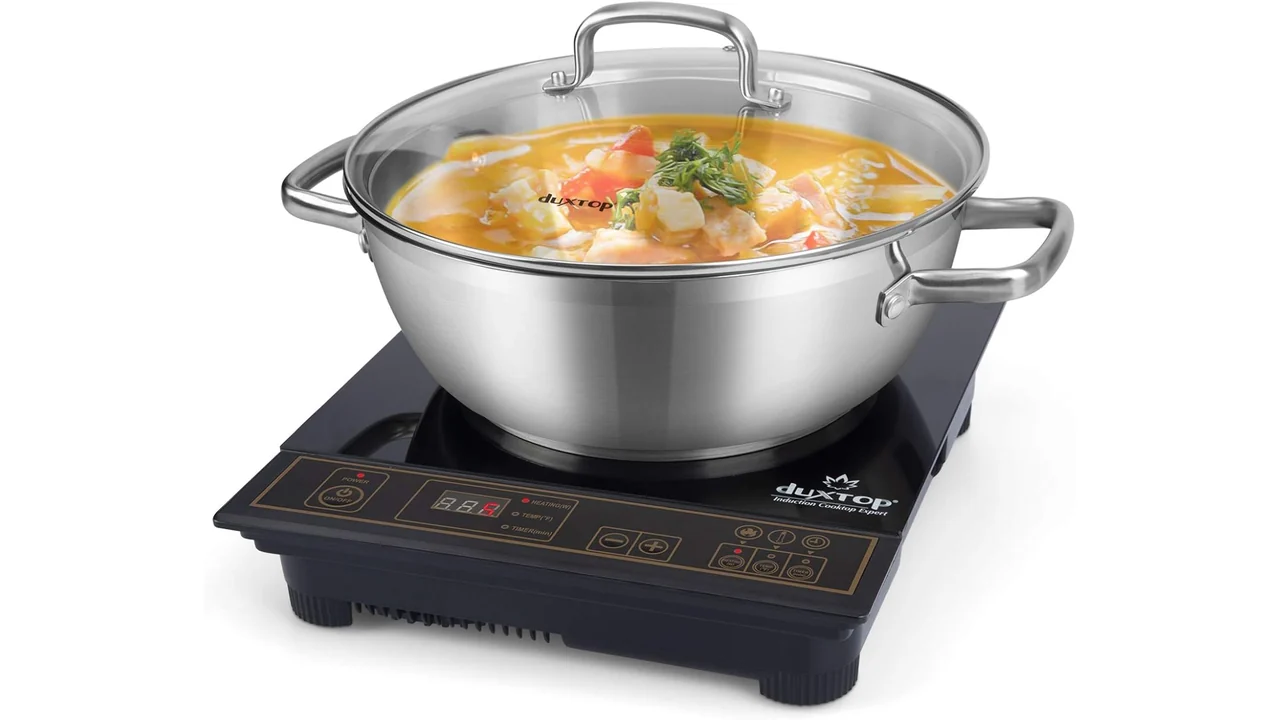
Induction cooktops represent the pinnacle of modern cooking technology, offering unparalleled efficiency, speed, and control. They use electromagnetic fields to directly heat cookware, rather than heating the cooktop surface itself. This results in incredibly fast heating and precise temperature adjustments, making them a favorite among professional chefs and home cooks alike.
The safety features are also a major draw. Since the surface doesn’t get hot, there’s less risk of burns. Spills are also less likely to burn onto the surface, making cleanup remarkably simple. The responsiveness of induction is often compared to gas, but with the added benefits of electricity.
Many high-end kitchens opt for induction due to its blend of cutting-edge technology, superior performance, and sleek design potential. They often feature touch controls and a smooth glass surface that enhances the modern aesthetic of any luxury kitchen.
Speed and Efficiency: Heats food incredibly fast and uses less energy because the heat is generated directly in the pan.
Precise Temperature Control: Allows for very fine adjustments, from a gentle simmer to a rapid boil, with instant response.
Safety Features: The cooktop surface remains relatively cool, reducing the risk of burns, and it automatically shuts off if no cookware is detected.
Easy Cleaning: Since the surface doesn’t get extremely hot, spills are less likely to burn on, making cleanup simple.
Induction requires magnetic cookware. This means you’ll need to use pots and pans made of cast iron, magnetic stainless steel, or other ferrous materials. Most manufacturers provide guidelines for testing if your existing cookware is induction-compatible.
Gas Cooktops
Gas cooktops have long been the professional chef’s choice, offering that iconic open flame and exceptional control over heat. The visible flame provides immediate visual feedback, allowing cooks to make rapid adjustments. This tactile experience is cherished by many who love to cook.
Luxury gas cooktops often feature robust construction, high BTU burners for intense searing, and simmer burners for delicate sauces. They can come in various configurations, including sealed or open burner designs, with sealed burners being more common in high-end residential kitchens for ease of cleaning.
The rich cooking experience provided by gas is hard to replicate. The ability to char, sear, and quickly adjust heat with precision is a key reason for its enduring popularity. They also offer a classic, enduring aesthetic that appeals to many.
Instant Heat Control: The visible flame allows for immediate and precise adjustments to cooking temperature.
Versatile Cooking: Excellent for searing, stir-frying, and charring, offering a wide range of culinary possibilities.
Cookware Compatibility: Works with virtually all types of cookware, offering maximum flexibility.
Professional Feel: The traditional flame provides a familiar and satisfying cooking experience.
While gas offers great control, it can be less energy-efficient than induction. Installation also requires a gas line, which may not be feasible in all homes. Cleaning sealed burners is generally easier than open ones, as spills are contained on the surface.
Electric Radiant Cooktops
Electric radiant cooktops use a heating element beneath a smooth glass-ceramic surface to generate heat. They offer a clean, modern look and are generally more affordable than induction or high-end gas models. The heat is transferred from the element through the glass to the cookware.
These cooktops provide a relatively even heat distribution. However, they are typically slower to heat up and cool down compared to induction or gas, meaning less immediate control over temperature changes. They are a good option for those who prefer an electric cooktop with a sleek appearance.
The appeal of electric radiant cooktops lies in their simplicity and visual elegance. They are a good stepping stone for those transitioning from older electric coil models, offering a significant upgrade in both aesthetics and ease of cleaning.
Clean Aesthetics: The smooth glass surface is easy to clean and provides a modern look.
Even Heating: Delivers consistent heat for general cooking tasks.
Wide Availability: A common and accessible option in many kitchens.
Familiar Operation: Many users are already accustomed to electric cooktop operation.
One of the main drawbacks is the slower response time. It takes longer for the surface to heat up, and it retains heat for a while after being turned off, which can be a safety consideration and affect precise cooking adjustments.
Electric Smooth Top with Downdraft Ventilation
A popular high-end choice is the electric smooth top paired with integrated downdraft ventilation. This combination eliminates the need for a separate range hood, creating a clean, uninterrupted line in the kitchen. The ventilation system is built directly into the cooktop itself.
This design maximizes visual appeal, particularly in kitchens where an overhead hood might obstruct views or architectural features. The downdraft system pulls smoke and cooking odors down and away from the cooking surface, venting them outside. It’s a sophisticated solution for modern kitchen layouts.
The seamless integration is the primary advantage. It allows for a more open and airy feel in the kitchen, contributing significantly to a luxurious ambiance. This type of cooktop is ideal for islands or peninsulas where traditional hoods are impractical or undesirable.
Integrated Ventilation: Eliminates the need for a separate range hood, offering a cleaner visual profile.
Space Saving: Particularly beneficial for kitchens with limited wall space or open-concept designs.
Sleek Appearance: Contributes to a minimalist and uncluttered look in the kitchen.
Effective Odor Removal: Designed to capture smoke and steam directly at the source.
The effectiveness of downdraft ventilation can sometimes be a concern compared to powerful overhead hoods, especially during high-heat cooking or when frying. Proper installation and maintenance are crucial for optimal performance.
Key Features for a Luxury Kitchen Cooktop
When selecting a cooktop for a luxury kitchen, several features elevate its functionality and aesthetic beyond standard models. These elements contribute to a superior cooking experience and ensure the appliance is a true centerpiece of the kitchen design.
Burner Configuration and Power
The arrangement and power of your cooktop’s burners are critical. Luxury models often offer specialized burners, such as high-power burners for rapid boiling or searing, and low-power simmer burners for delicate sauces. The total number of burners and their spacing also impacts usability, especially when cooking multiple dishes.
Consider burners with a wide range of BTUs (British Thermal Units) for gas cooktops. For induction, look for varying power levels that can be precisely controlled. The flexibility in burner power allows for a diverse range of cooking techniques.
High-BTU Burners: Offer intense heat for quick searing and rapid boiling, essential for many gourmet dishes. For example, a 20,000 BTU burner can bring a large pot of water to a boil in a fraction of the time compared to a standard 10,000 BTU burner.
Simmer Burners: Provide very low heat for maintaining a gentle simmer without scorching, perfect for sauces and melting chocolate.
Multi-Zone Burners: Induction cooktops often feature burners that can be bridged to create a larger cooking area for griddles or long pans.
Flexible Grates (Gas): Heavy-duty, continuous grates on gas cooktops allow for easy movement of pots and pans between burners.
The layout of burners is also important. Some prefer a more spread-out design for ample room, while others might favor a more compact arrangement. Think about the size of the pots and pans you use most frequently.
Smart Technology Integration
The integration of smart technology is increasingly common in luxury appliances. This can include features like Wi-Fi connectivity, app control, and integration with smart home systems. These capabilities can enhance convenience, safety, and even cooking performance.
Imagine preheating your cooktop from your phone before you even get home, or receiving notifications when a dish is done. Smart features can add a layer of modern sophistication and control that aligns with a luxury lifestyle.
The convenience offered by smart technology is significant. It allows for remote monitoring and control, adding a new dimension of usability to the kitchen. This connectivity is a hallmark of advanced, luxury appliances.
Remote Control: Adjust settings, preheat, and monitor cooking progress via a smartphone app.
Recipe Integration: Some smart cooktops can connect to online recipe platforms, automatically setting temperatures and cooking times.
Voice Control: Compatibility with smart assistants allows for hands-free operation.
Performance Monitoring: Receive alerts for maintenance or potential issues, ensuring optimal performance.
These features are not just gimmicks; they can genuinely improve the user experience and offer a glimpse into the future of kitchen appliances. The seamless integration of technology adds to the sophisticated appeal of a luxury kitchen.
Integrated Ventilation Systems
As mentioned earlier, integrated ventilation is a key feature in many luxury cooktops. This can include downdraft systems or flush-mounted ventilation that blends discreetly into the cooktop’s design. It’s about achieving a clean, uninterrupted aesthetic without compromising on air quality.
These systems are designed to be both effective and aesthetically pleasing, often featuring sleek stainless steel or glass grilles that are easy to clean. The goal is to maintain the visual integrity of the kitchen while efficiently removing cooking fumes.
The benefit of a well-integrated ventilation system is twofold: it enhances the visual appeal by minimizing clutter and it effectively removes cooking odors and smoke. This is particularly important in open-plan living spaces where kitchen smells can permeate other areas.
Downdraft Ventilation: Pulls air downwards and away from the cooking surface, ideal for islands and peninsulas.
Integrated Hoods: Some models feature ventilation systems that lift discreetly from the cooktop surface or are built flush into the cabinetry.
Quiet Operation: High-end ventilation systems are engineered for minimal noise disruption in the kitchen.
Easy Filter Access: Designed for straightforward cleaning and replacement of filters to maintain optimal performance.
Choosing a cooktop with integrated ventilation is a strategic design decision that prioritizes both form and function, contributing to a polished and uncluttered kitchen environment.
Ease of Cleaning and Maintenance
In a luxury kitchen, appliances are not only about performance but also about ease of use and maintaining their pristine appearance. Features that simplify cleaning and maintenance are highly valued. This includes smooth surfaces, removable components, and durable finishes that resist staining and scratching.
A cooktop that is easy to clean means more time enjoying your kitchen and less time scrubbing. This practical consideration is just as important as any high-tech feature when it comes to everyday living in a luxury home.
The desire for a spotless kitchen is universal, but in a luxury setting, the effort required to achieve it should be minimal. This is where thoughtful design and material choices play a crucial role.
Seamless Surfaces: Glass and ceramic cooktops offer smooth, flat surfaces with no crevices for food to get trapped.
Removable Grates and Burner Caps: On gas cooktops, these components are often dishwasher safe or easily wiped clean.
Fingerprint-Resistant Finishes: Many stainless steel models feature coatings that help reduce the visibility of smudges.
Durable Materials: High-quality materials resist staining and scratching, ensuring the cooktop maintains its elegant appearance over time.
The maintenance requirements of a luxury appliance should complement a sophisticated lifestyle, not detract from it. Simplicity and effectiveness are key.
Sample Scenarios for Luxury Cooktop Use
To truly appreciate the benefits of a high-end cooktop, consider how it enhances everyday culinary experiences. These scenarios highlight the practical advantages of advanced features and superior design in a luxury kitchen setting.
Scenario 1: The Weekend Brunch Host
You are hosting a leisurely weekend brunch for friends. You’re making delicate crepes and a rich hollandaise sauce. Your induction cooktop allows you to set the crepe burner to a perfect medium heat, ensuring even browning without burning. Simultaneously, the simmer burner on your gas cooktop keeps the hollandaise at a constant, gentle warmth, preventing it from breaking. The seamless transition between high heat for searing breakfast meats and low heat for delicate sauces showcases the versatility. The integrated downdraft ventilation quietly whisks away any steam from the pancakes, keeping the air fresh and your view unobstructed.
Scenario 2: The Weeknight Dinner Race Against Time
It’s a busy weekday evening, and you need to get dinner on the table quickly. You’re boiling pasta and sautéing vegetables. Your induction cooktop brings a large pot of water to a rolling boil in just minutes thanks to its rapid heating capabilities. While the pasta cooks, you use a separate, high-powered burner to quickly stir-fry your vegetables, achieving a perfect crisp-tender texture. The cooktop’s immediate response to temperature changes means you can adjust the heat instantly as needed, preventing overcooking. Cleanup is a breeze, with a quick wipe of the smooth glass surface after dinner.
Factors Influencing Cooktop Choice
Several personal and practical factors should guide your decision when selecting a cooktop for your luxury kitchen. It’s not just about features; it’s about how those features align with your lifestyle and cooking habits.
Your Cooking Style and Preferences
The most critical factor is how you cook. Are you an avid baker who needs precise temperature control for delicate pastries? Do you love high-heat searing for steaks and stir-fries? Or do you prefer the simplicity of electric for everyday meals?
If you frequently use large pots and pans, ensure your chosen cooktop offers ample space and burner power to accommodate them. For those who experiment with diverse cuisines, a versatile range of burner types and heat settings is essential.
Frequent Searing/Stir-frying: Gas or high-power induction burners are ideal for achieving high heat quickly.
Delicate Sauces/Simmering: Low-temperature simmer burners (gas) or precise low-power settings (induction) are crucial.
Baking/Pastry: Consistent, even heat is key, which some induction models excel at.
Wok Cooking: Gas cooktops with wok grates or specialized wok burners offer the authentic experience.
Consider your culinary adventures and choose a cooktop that supports them.
Kitchen Design and Layout
The physical space and design of your kitchen play a significant role. An island cooktop requires different considerations than one built into a wall. The overall aesthetic you’re aiming for—modern, traditional, minimalist—will also influence material and technology choices.
If you have an open-concept living space, a sleek, integrated design with hidden ventilation might be preferred to maintain a seamless look. For kitchens with limited space, compact yet powerful models can be ideal.
Island Installation: Downdraft ventilation or induction cooktops are popular choices to maintain unobstructed views.
Wall Installation: You have more flexibility, including overhead hoods with gas or electric cooktops.
Aesthetic Cohesion: Choose materials and finishes that complement your cabinetry, countertops, and other appliances.
Space Constraints: Compact models or multi-function units can maximize efficiency in smaller kitchens.
The cooktop should not only perform well but also enhance the visual harmony of your kitchen.
Budget and Long-Term Investment
Luxury appliances represent a significant investment. While high-end features come with a higher price tag, consider the long-term value. Durability, energy efficiency, and the enhanced cooking experience contribute to the overall return on investment.
Induction cooktops, for example, may have a higher upfront cost but can offer energy savings over time due to their efficiency. Similarly, a well-built gas or stainless steel cooktop will likely provide reliable service for many years.
Upfront Cost: Varies significantly based on brand, technology (induction often being the most expensive), and features.
Energy Efficiency: Induction is generally the most energy-efficient, followed by modern electric, then gas.
Durability and Longevity: Higher-quality materials and construction generally mean a longer lifespan.
Maintenance Costs: Consider the potential cost of repairs or specialized cleaning supplies.
Think of your cooktop as a long-term addition to your home, not just a purchase.
Frequently Asked Questions
Question: What is the most luxurious type of cooktop?
Answer: The most luxurious type of cooktop often combines advanced technology with premium materials. Induction cooktops are frequently considered top-tier due to their speed, precision, and energy efficiency, especially when paired with sleek glass or stainless steel finishes. Gas cooktops with high BTU burners and robust construction also offer a professional, high-end feel.
Ultimately, luxury is subjective and depends on a blend of performance, aesthetics, and features that align with your personal preferences.
Question: Are induction cooktops better than gas for a luxury kitchen?
Answer: It depends on your priorities. Induction offers superior energy efficiency, faster heating, and more precise low-temperature control, along with enhanced safety features, all within a sleek design. Gas provides immediate visual heat feedback and a familiar cooking experience favored by many chefs.
Both can be luxurious; induction leans towards modern, high-tech, while gas offers a professional, classic appeal.
Question: What cookware do I need for an induction cooktop?
Answer: Induction cooktops require magnetic cookware. This means pots and pans made of cast iron or magnetic stainless steel will work. You can test if your cookware is compatible by holding a magnet to the bottom; if it sticks firmly, it’s likely induction-ready.
Non-magnetic materials like aluminum, copper, or glass will not work without an adapter disk.
Question: How do I clean a high-end glass cooktop?
Answer: For high-end glass cooktops, use a non-abrasive cream cleaner specifically designed for glass or ceramic cooktops. Apply a small amount to the cool surface, gently rub with a soft cloth or paper towel, and then wipe clean with a damp cloth. For stubborn residue, a cooktop scraper tool can be used carefully at a low angle.
Question: Is a cooktop with downdraft ventilation as effective as a range hood?
Answer: Generally, overhead range hoods are more effective at capturing smoke and steam, especially during high-heat cooking or frying. Downdraft ventilation is highly effective for maintaining an open kitchen aesthetic and works well for general cooking. However, for intense culinary tasks, the airflow might be less powerful than a robust overhead hood.
Summary
Choosing a cooktop for your luxury kitchen involves balancing advanced functionality with stunning aesthetics. Consider premium materials like stainless steel or glass, and explore technologies like induction for superior control and efficiency, or gas for its classic responsiveness. Prioritize features like powerful burners, smart integration, and ease of cleaning that align with your cooking style and the overall kitchen design, ensuring your chosen cooktop is both a high-performance tool and a beautiful centerpiece.

Leave a Reply