
Are you tired of spending hours in the kitchen every week, only to end up with the same bland meals? You rush home from work, face a mountain of ingredients, and then dread the cooking process. It feels like meal prep is a chore that steals your precious free time.
But what if you could slash cooking time and create delicious, healthy meals with minimal effort? This guide will show you how the pressure cooker for meal prep can transform your kitchen routine, saving you time and energy.
Master Meal Prep With Your Pressure Cooker
A pressure cooker is a fantastic tool for anyone looking to streamline their meal preparation. It cooks food much faster than traditional methods by trapping steam, which increases the internal pressure and temperature. This means you can cook tough cuts of meat until they are tender, or cook dried beans from scratch in a fraction of the time.
It’s also great for grains and vegetables.
Using a pressure cooker for meal prep helps you get healthy, home-cooked meals on the table quickly. This can significantly reduce your reliance on takeout and pre-packaged meals, which are often less healthy and more expensive. By mastering your pressure cooker, you’ll have more time for what you enjoy and less time worrying about what to cook.
The Benefits of Pressure Cooker Meal Prep
Pressure cooking offers a unique set of advantages that make it ideal for busy individuals and families. The speed at which it cooks is perhaps the most significant benefit, but there are other advantages too. Let’s explore what makes this appliance a meal prep champion.
-
Faster Cooking Times
The primary advantage of a pressure cooker is its speed. By building up steam pressure, it raises the boiling point of water. This higher temperature allows food to cook much faster than in a pot on the stove or in an oven.
For instance, dried beans that might take hours to simmer can be cooked to tender perfection in under an hour. Tougher cuts of meat, like pot roast, can become fork-tender in 40-50 minutes instead of 2-3 hours. This dramatic reduction in cooking time is a game-changer for meal prepping.
-
Nutrient Retention
Because pressure cooking uses less liquid and cooks food quickly, it helps preserve more of the vitamins and minerals present in your ingredients. Traditional boiling methods can cause water-soluble vitamins like Vitamin C and B vitamins to leach out into the cooking water. Since the lid seals tightly, less steam escapes, meaning those valuable nutrients stay within the food.
This results in healthier and more nutritious meals, which is a major win for meal prep.
-
Energy Efficiency
Pressure cookers are more energy-efficient than conventional ovens or stovetops. They use less energy because the cooking time is drastically reduced. Once the cooker reaches pressure, it often requires only a low setting to maintain it.
This means less electricity or gas is consumed over the course of cooking your meals. For those looking to save money on utility bills, this is an added bonus.
-
One-Pot Convenience
Many pressure cooker recipes are designed to be cooked all in one pot. This means fewer dishes to wash, which is a welcome relief after a busy day. You can often sauté aromatics, brown meat, and then pressure cook the entire dish without transferring it between pots.
This simplifies the cooking process and cleanup, making it a perfect tool for efficient meal prep.
Choosing the Right Pressure Cooker
With various types of pressure cookers available, selecting the right one for your meal prep needs is essential. Understanding the differences will help you make an informed decision that suits your cooking style and kitchen space.
Stovetop Pressure Cookers
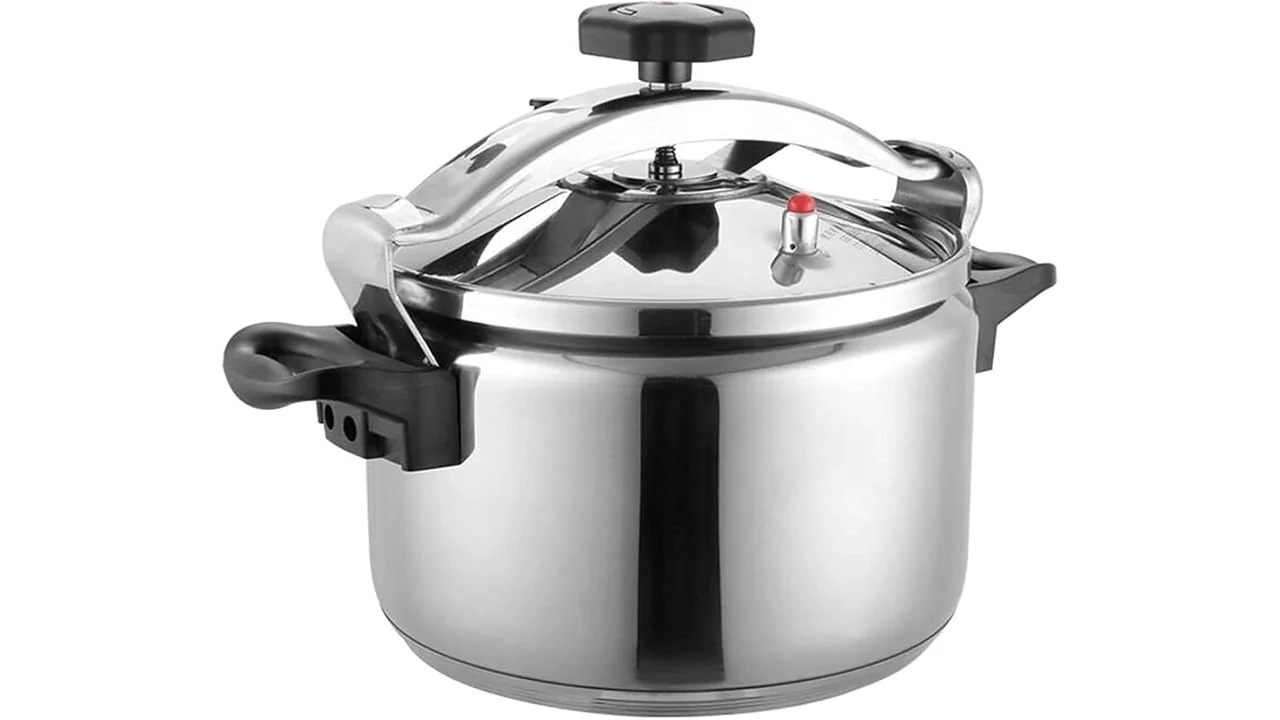
These are the traditional pressure cookers that sit on your stove. They are typically made of stainless steel or aluminum and come with a pressure regulator or a weighted jiggler that releases excess steam. They offer a lot of control over the cooking process as you can adjust the heat source directly.
-
Pros: Generally less expensive than electric models, durable, and can be used on any heat source.
Stovetop models are often a good entry point for those new to pressure cooking due to their simpler mechanism and lower cost. Their solid construction means they can last for many years with proper care.
-
Cons: Require constant monitoring of the heat to maintain pressure, can be a bit noisier due to the steam release, and lack pre-set cooking programs.
You need to pay close attention to the stovetop pressure cooker to ensure it’s not overheating or losing pressure too quickly. This means staying in the kitchen while it’s cooking.
Electric Pressure Cookers
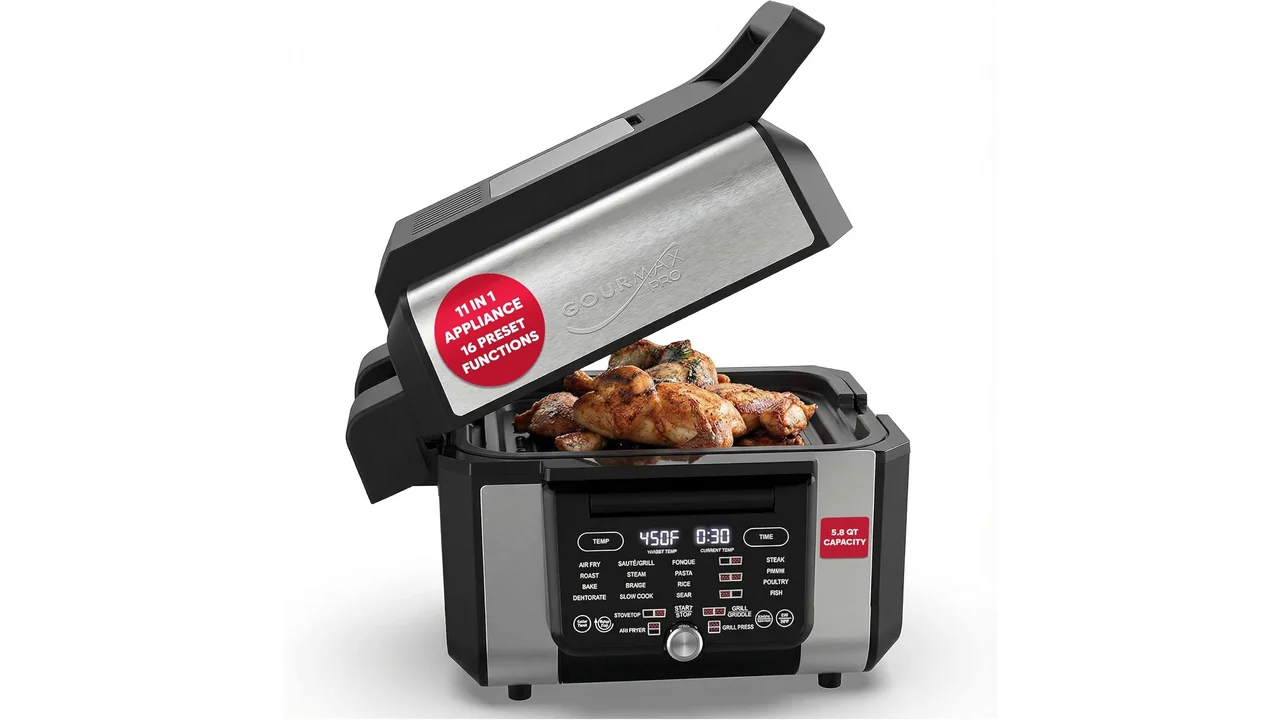
These are all-in-one appliances that plug into an electrical outlet. They have a self-contained heating element and often come with a variety of pre-programmed settings for different types of food. Many modern electric pressure cookers also include slow cooking, steaming, and sauté functions.
-
Pros: Very user-friendly with easy-to-use controls and pre-set functions, they are safer as they automatically regulate pressure, and you can set them and walk away.
The convenience of electric models is unparalleled. You can set a program, press start, and focus on other tasks without worry. This is a huge advantage for busy meal preppers.
-
Cons: Can be more expensive than stovetop models, and their lifespan may be shorter due to electronic components.
While the initial investment might be higher, the ease of use and multifunctionality often justify the cost for many home cooks.
When choosing, consider how much counter space you have, your budget, and how much time you want to spend actively monitoring your cooking. For maximum convenience in meal prep, an electric pressure cooker is often the preferred choice.
Delicious Pressure Cooker Meal Prep Recipes
The versatility of a pressure cooker means you can prepare a wide array of dishes perfect for meal prepping. From hearty stews and tender meats to grains and even desserts, the possibilities are vast. These recipes are designed to be made in batches, providing healthy and delicious meals for days.
Main Dishes for the Week
These main dishes are the foundation of your weekly meal prep. They are typically protein-focused and can be paired with various sides. Cooking them in a pressure cooker ensures they are tender and flavorful, even when reheated.
-
Shredded Chicken for Tacos or Bowls
This recipe is incredibly simple and yields tender, flavorful shredded chicken perfect for a variety of uses. You’ll need about 2-3 pounds of boneless, skinless chicken breasts or thighs. Place the chicken in the pressure cooker, add 1 cup of chicken broth, 1 teaspoon of salt, 1/2 teaspoon of pepper, and your favorite seasonings like chili powder or cumin.
Cook on high pressure for 10-12 minutes, then allow a natural release for 5 minutes before a quick release. The chicken will be so tender it shreds easily with two forks.
Once shredded, you can portion it out. This chicken is fantastic for tacos, burritos, salads, grain bowls, or even sandwiches. It stays moist and flavorful when stored in the refrigerator for up to 4 days.
For an extra flavor boost, you can mix in some of the cooking liquid before storing.
-
Pot Roast for Easy Dinners
A classic comfort food, pot roast becomes remarkably tender and flavorful in a pressure cooker. Use a 2-3 pound chuck roast. Sear the roast on all sides in the pressure cooker using the sauté function if available, then remove.
Add chopped onions, carrots, and potatoes to the pot. Place the roast on top, then add 1 cup of beef broth and seasonings like thyme and rosemary. Cook on high pressure for 45-55 minutes, followed by a natural pressure release for at least 15 minutes.
The result is incredibly tender meat that falls apart. You can shred or slice it for easy serving. This is perfect for a hearty dinner or for shredding and adding to sandwiches or shepherd’s pie later in the week.
The vegetables cook beautifully alongside the roast, making it a complete meal.
-
Lentil Soup for Plant-Based Power
For a nutritious and filling vegetarian or vegan option, lentil soup is a winner. It’s packed with protein and fiber. Add 1.5 cups of rinsed brown or green lentils to your pressure cooker.
Include chopped celery, carrots, and onions, along with 4 cups of vegetable broth, a bay leaf, and your preferred herbs like thyme or marjoram. Cook on high pressure for 10-12 minutes with a natural release.
This soup is hearty and satisfying. It freezes well, making it an excellent candidate for batch cooking. You can add spinach or kale in the last few minutes of cooking for extra greens.
This soup is a complete meal on its own or can be served with crusty bread.
Versatile Side Dishes
Having pre-prepped side dishes makes assembling your meals even faster. These sides can complement your main dishes or be mixed and matched.
-
Perfectly Cooked Rice or Quinoa
Grains are a staple for many meal preppers. Pressure cookers can cook rice or quinoa much faster and more consistently than on the stovetop. For 1 cup of white rice, use 1 cup of water or broth, cook on high pressure for 3 minutes with a 10-minute natural release.
For 1 cup of quinoa, use 1 cup of liquid, cook on high pressure for 1 minute with a 10-minute natural release.
Fluffy, perfectly cooked grains are ready in no time. This makes building bowls or adding a healthy carb to any meal incredibly simple. Store in airtight containers in the refrigerator.
-
Steamed or Roasted Vegetables
While you can steam vegetables directly in the pressure cooker using a steamer basket, you can also roast them in many electric models. For steaming, add about 1 cup of water to the cooker, place your chopped vegetables (like broccoli, green beans, or carrots) in a steamer basket, and cook on high pressure for 1-3 minutes depending on the vegetable, followed by a quick release.
Steamed vegetables retain their vibrant color and nutrients. They can be tossed with a little olive oil, salt, and pepper for a quick side. For roasting in some electric pressure cookers, you might use an air fryer lid or bake function.
This provides a different texture and flavor profile.
Understanding Pressure Cooker Mechanics
To use your pressure cooker effectively and safely for meal prep, it’s helpful to understand how it works. This knowledge demystifies the process and builds confidence in your cooking.
Pressure Regulation
Pressure regulation is the core function that makes pressure cookers so efficient. Inside the sealed pot, liquids heat up and create steam. As steam accumulates, it has nowhere to escape, so the pressure inside the pot rises.
This increased pressure raises the boiling point of water from 212°F (100°C) to around 250-270°F (121-132°C). This higher cooking temperature significantly speeds up the cooking process.
Different pressure cookers achieve this regulation in a few ways. Stovetop models often use a weighted valve or a spring-loaded valve that releases excess steam when the desired pressure is reached, making a characteristic hissing or jiggling sound. Electric models have internal sensors and valves that automatically manage the pressure, often displaying the pressure level or status on a digital screen.
Understanding these mechanisms helps you know when your cooker is at the right temperature for cooking.
Safety Features
Safety is paramount with any pressure cooker, and modern designs incorporate numerous features to prevent accidents. Most pressure cookers have at least two or three safety mechanisms.
-
Pressure Release Valves
These are the most obvious safety features. They are designed to vent excess steam if the pressure inside the cooker becomes too high for any reason. This prevents the cooker from exploding.
Some are manually operated (quick release), while others are automatic.
-
Locking Lids
Pressure cooker lids are designed to lock securely in place when the cooker is under pressure. This prevents the lid from being opened accidentally during the cooking cycle. You usually cannot open the lid until the pressure has dropped to a safe level.
-
Sealing Gaskets
The rubber or silicone gasket around the lid creates an airtight seal. This is crucial for building pressure. However, these gaskets are also designed to be somewhat flexible and can allow a small amount of steam to escape if extreme pressure builds, acting as a passive safety measure.
Always ensure your pressure cooker is in good condition, especially the gasket and valves, before each use. Refer to your user manual for specific safety instructions.
Natural vs. Quick Pressure Release
Understanding the difference between natural and quick pressure release is key to achieving the best results with your pressure cooker, especially for meal prep.
-
Natural Pressure Release (NPR)
This method involves letting the pressure dissipate on its own after the cooking time is finished. You simply turn off the heat (for stovetop models) or let the electric cooker finish its cycle. The cooker will slowly depressurize over 10-30 minutes.
This is ideal for meats, beans, and dishes where you want the food to remain moist and tender, as it allows the cooking process to continue gently and prevents the sudden loss of liquid or texture.
-
Quick Pressure Release (QPR)
With QPR, you manually vent the steam from the cooker by opening the steam release valve. This rapidly lowers the pressure, allowing you to open the lid quickly. This method is best for vegetables or foods that you don’t want to overcook, as it stops the cooking process immediately.
It’s also useful when a recipe calls for adding ingredients partway through or when you need to check on the food quickly.
For meal prep, especially when cooking large batches of proteins or grains, natural release often yields better texture and moisture retention. For delicate vegetables, quick release is usually preferred.
Tips for Maximizing Your Pressure Cooker Meal Prep
Using a pressure cooker for meal prep is more than just cooking; it’s about smart planning and execution. Here are some tips to help you get the most out of your appliance and your meal prep sessions.
-
Batch Cook Staples
Dedicate one day a week to cooking large batches of core ingredients. This includes proteins like chicken breasts, ground meat, or lentils. Also, cook grains such as rice, quinoa, or farro.
Having these staples ready means you can assemble meals in minutes throughout the week. For example, cook a large batch of chicken breasts, shred half for salads and dice the other half for stir-fries.
-
Invest in Good Storage Containers
Proper storage is vital for keeping your prepped meals fresh and safe. Invest in high-quality, airtight containers, preferably glass or BPA-free plastic. Having a variety of sizes will be helpful for different portions and meal types.
Labeling your containers with the contents and date can also prevent spoilage and confusion.
-
Plan Your Meals
Before you start cooking, plan out your meals for the week. This prevents food waste and ensures you have variety. Consider what proteins, vegetables, and grains you will use and how they can be combined into different dishes.
A simple meal plan can guide your grocery shopping and your cooking schedule.
-
Clean As You Go
Although pressure cookers simplify cleanup, it’s still a good practice to clean parts as you finish with them. Wash the inner pot, lid, and gasket immediately after use. This prevents food residue from hardening, making future cleaning easier and keeping your appliance in good condition.
Troubleshooting Common Pressure Cooker Issues
Even with a fantastic appliance, occasional issues can arise. Knowing how to troubleshoot will save you time and frustration.
-
Pressure Not Building
If your pressure cooker is not building pressure, first check that the lid is sealed correctly. Ensure the sealing ring is properly seated and not damaged. Also, make sure the steam release valve is in the closed position.
Check that there is enough liquid in the pot, as some recipes require a minimum amount of liquid to generate steam.
-
Food Sticking to the Bottom
This can happen if the sauté function is too high or if there isn’t enough liquid. For dishes like chili or stews, deglazing the pot after sautéing ingredients can help. Scrape the bottom of the pot after searing meat or vegetables to ensure no bits are stuck before adding liquid and pressure cooking.
-
Overcooked Food
This often comes down to adjusting cooking times. Pressure cooking is fast, so it’s easy to overcook. Start with recommended times in recipes and adjust for future cooks.
Remember that meats often benefit from natural release, which allows a little extra gentle cooking. Vegetables should always be cooked for very short times.
Frequently Asked Questions
Question: Can I use a pressure cooker for frozen ingredients
Answer: Yes, you can cook some frozen ingredients in a pressure cooker, but you may need to increase the cooking time slightly. It’s best to add a few extra minutes to the recommended cooking time for thawed ingredients.
Question: How much liquid do I need for pressure cooking
Answer: Most pressure cooker recipes require a minimum of 1 to 1.5 cups of liquid to build enough steam to reach pressure. Always refer to your specific recipe or cooker’s manual.
Question: Are pressure cooker meals healthy
Answer: Yes, pressure cooker meals can be very healthy. The quick cooking time helps retain nutrients, and you can control ingredients like salt and fat, making them a great choice for healthy meal prep.
Question: How long do pressure cooker meals last in the fridge
Answer: Most pressure cooker meals can be safely stored in the refrigerator for 3 to 4 days when kept in airtight containers.
Question: Can I pressure cook pasta
Answer: Yes, you can pressure cook pasta. The general rule is often 1 cup of pasta to 1 cup of liquid, cooked on high pressure for about 3-5 minutes, followed by a quick release. Exact times can vary by pasta shape.
Conclusion
A pressure cooker is a powerful ally for anyone wanting to make meal prep simpler and faster. You can cook delicious, healthy meals in less time. This appliance saves energy and reduces cleanup.
By following simple recipes and tips, you’ll create a steady supply of prepped food. Enjoy more free time and less kitchen stress.

Leave a Reply