
Imagine you’re rushing home from work, dinner is on your mind, and you only have an hour before the kids need to be at soccer practice. The thought of chopping, simmering, and waiting can feel overwhelming. You look at your trusty stovetop and then at that sleek electric pressure cooker.
Which one will get dinner on the table fastest and easiest? This post breaks down the electric pressure cooker vs stovetop debate to help you decide.
Electric Pressure Cooker vs Stovetop Cooking
Deciding between an electric pressure cooker and a traditional stovetop method for cooking can significantly impact your kitchen routine. This section explores the fundamental differences in how these two appliances approach cooking. We will look at the underlying principles that make each unique, setting the stage for a deeper comparison of their performance and convenience.
How Electric Pressure Cookers Work
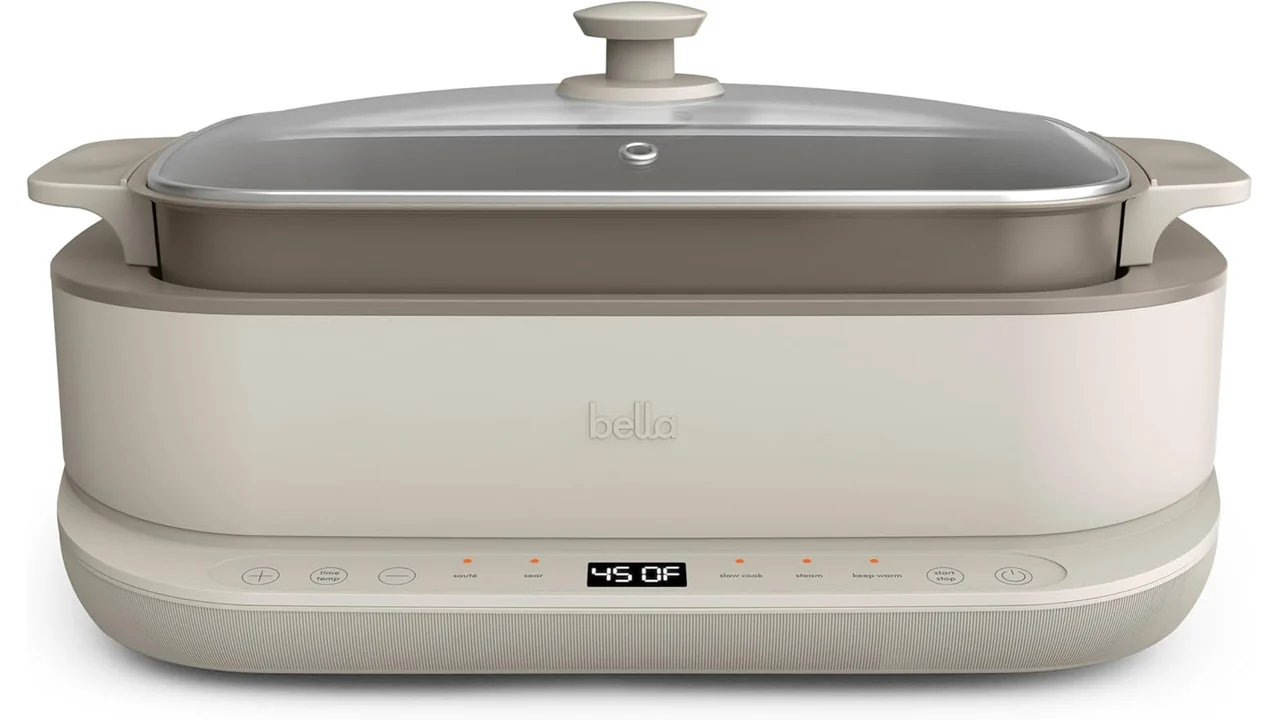
Electric pressure cookers are modern marvels that use electricity to generate heat and pressure. They have a sealed pot with a locking lid. When you turn it on, heating elements inside the pot warm the liquid, creating steam.
Since the pot is sealed, the steam cannot escape. This trapped steam builds up pressure inside the pot, raising the boiling point of water. For example, at sea level, water boils at 212°F (100°C).
But under pressure, water can reach temperatures much higher, often up to 248°F (120°C).
This higher cooking temperature allows food to cook much faster than it would at normal atmospheric pressure. The electric pressure cooker also has safety features to prevent dangerous pressure build-up. It often includes multiple pressure release valves and sensors that monitor and regulate the internal pressure and temperature.
The cooking process is typically automated, with pre-set programs for different types of food, making it a user-friendly option for many home cooks.
The Science of Pressure Cooking
The science behind pressure cooking involves leveraging the principles of thermodynamics and phase transitions. By increasing the pressure within a sealed vessel, the boiling point of liquids is elevated. This is a direct application of the Clausius-Clapeyron relation, which describes how the pressure of a vapor depends on temperature.
In simpler terms, when more pressure is on top of the liquid, its molecules need more energy to escape into a gaseous state, hence requiring a higher temperature to boil.
This accelerated cooking is not just about heat; it’s about how that heat is transferred. The pressurized steam is a very efficient medium for transferring heat to food. It surrounds the food completely, ensuring even cooking.
Furthermore, the high heat and pressure can help to break down tough connective tissues in meats, making them tender much quicker. This is why tough cuts of meat that might take hours to braise on the stovetop can be tender in a fraction of the time in an electric pressure cooker.
- Pressure Regulation: Electric pressure cookers have sophisticated internal mechanisms to maintain a consistent and safe pressure level. This is crucial for predictable cooking times and preventing any accidents.
- Temperature Elevation: By increasing pressure, the cooker raises the boiling point of liquids, allowing food to cook at higher temperatures, which speeds up the process significantly.
- Steam Circulation: The sealed environment and steam generation ensure that heat is distributed evenly throughout the pot, leading to thorough and consistent cooking of all ingredients.
Traditional Stovetop Cooking Methods
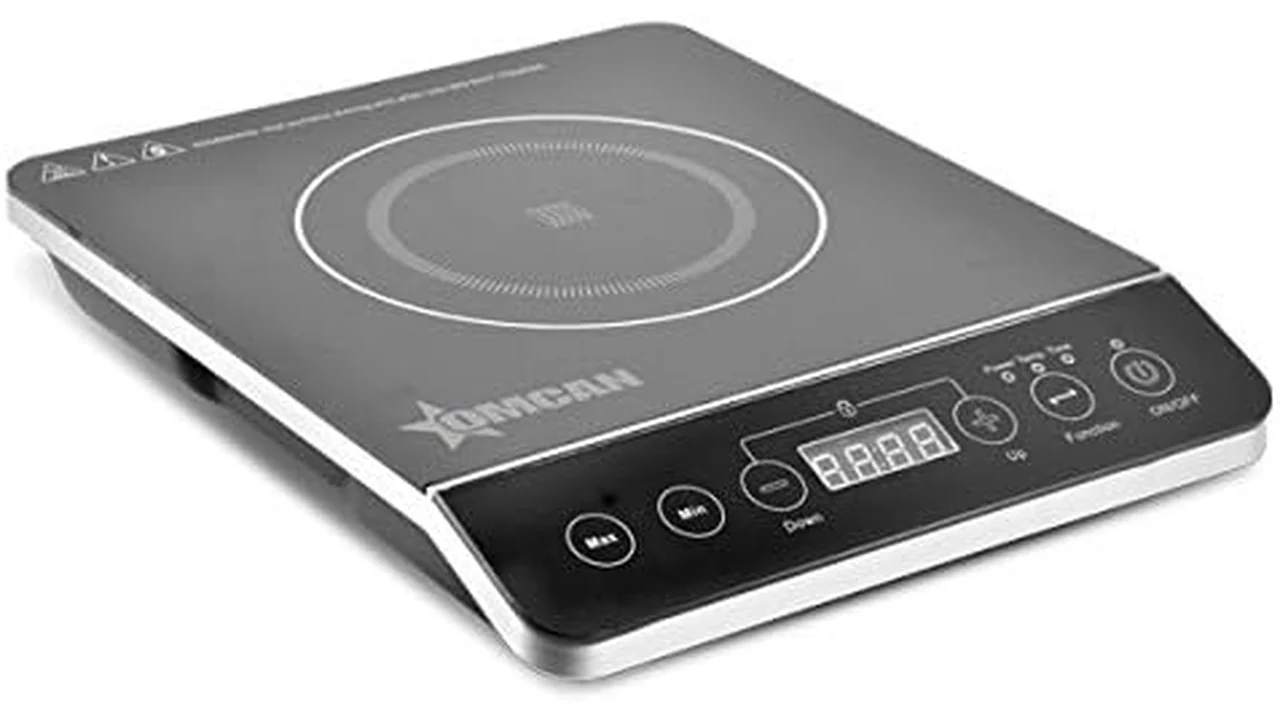
Stovetop cooking relies on direct heat from a burner to cook food. This can involve various techniques like simmering, boiling, frying, and sautéing. The temperature is controlled by adjusting the burner’s heat setting.
Unlike electric pressure cookers, stovetop cooking occurs at atmospheric pressure, meaning water boils at its standard boiling point of 212°F (100°C) at sea level.
This traditional approach offers a high degree of control over the cooking process. You can easily stir, taste, and adjust seasonings as you go. Many recipes are designed specifically for stovetop cooking, allowing for delicate caramelization, browning, and gradual flavor development.
While it often requires more active attention, stovetop cooking provides a tactile and intuitive connection to the food preparation process.
Simmering and Boiling on the Stovetop
Simmering and boiling are foundational stovetop cooking techniques. Simmering involves heating liquids to just below the boiling point, where small bubbles gently rise to the surface. This slow, gentle heat is perfect for developing flavors in stocks, sauces, and tenderizing tougher ingredients over extended periods.
Boiling, on the other hand, involves heating liquids to their maximum temperature where vigorous bubbles rise rapidly.
These methods are excellent for cooking grains, pasta, and vegetables. They also allow for the creation of rich broths and soups. However, the time required can be substantial.
For instance, cooking dried beans on the stovetop might take 1-2 hours of simmering, and tough cuts of meat for stews could require 2-3 hours or more to become tender. This extended cooking time is a key differentiator when comparing to pressure cooking.
- Direct Heat Control: Stovetops offer immediate feedback and control. Turning a knob instantly changes the heat output, allowing for precise adjustments.
- Atmospheric Pressure Cooking: Food cooks at standard boiling points, which is suitable for many traditional recipes but slower for tenderizing.
- Versatile Techniques: A stovetop can perform a wide range of cooking methods, from rapid searing to slow, gentle simmering, offering great flexibility.
Electric Pressure Cooker vs Stovetop Speed Comparison
When the clock is ticking, the speed at which your meal can be prepared is often the most critical factor. The electric pressure cooker vs stovetop debate frequently boils down to time. Electric pressure cookers are designed for rapid cooking.
They build pressure quickly, and once at pressure, they can cook many foods in a fraction of the time it takes on the stovetop.
For example, cooking dried beans from scratch on the stovetop can take hours of soaking and simmering. An electric pressure cooker can often cook them in about 30-45 minutes, not including the time it takes to come to pressure and release it. Similarly, tough cuts of meat like beef stew or pulled pork can be tender in under an hour under pressure, whereas stovetop methods might require several hours of slow cooking.
| Food Item | Stovetop Time (Approx.) | Electric Pressure Cooker Time (Approx.) |
|---|---|---|
| Dried Beans (no soak) | 3-4 hours | 45-60 minutes |
| Beef Stew Meat | 2-3 hours | 35-50 minutes |
| Whole Chicken | 1.5-2 hours | 20-30 minutes |
| Rice | 20-30 minutes | 5-10 minutes |
Time to Come to Pressure and Release
It’s important to note that the cooking times for electric pressure cookers don’t include the time it takes for the cooker to reach its operating pressure, nor the time for the pressure to be released naturally or quickly. This pre-heating and post-cooking phase can add anywhere from 10 to 30 minutes or more, depending on the cooker’s size, the amount of liquid, and the pressure release method.
For instance, a recipe might state “cook for 10 minutes.” This 10 minutes is when the cooker is actively pressurized. The cooker might take 10-15 minutes to reach pressure before those 10 minutes start. Then, natural pressure release could add another 15-20 minutes.
So, a total meal preparation time could be closer to 40-45 minutes, which is still significantly faster than many stovetop alternatives for similar dishes.
- Pre-heating Phase: The cooker needs time to heat the liquid and build steam to reach the set pressure level. This duration varies based on the cooker and the contents.
- Cook Time Under Pressure: This is the actual cooking time while the cooker is pressurized and cooking the food rapidly.
- Pressure Release Time: After cooking, pressure must be safely released. Natural release takes longer but is gentler on food, while quick release is faster.
Ease of Use and Convenience
Beyond speed, the convenience factor is a major consideration for home cooks. Electric pressure cookers often boast a “set it and forget it” approach, which can be incredibly appealing. Stovetop cooking, while offering more control, usually requires more active monitoring and adjustments.
The user interface on most electric pressure cookers is designed to be simple. You select a cooking program, add your ingredients, lock the lid, and press start. Many models come with pre-programmed settings for common dishes like rice, yogurt, or soups, further simplifying the process.
This automation makes them accessible to novice cooks and a great time-saver for busy individuals.
Stovetop Control vs. Automated Cooking
Stovetop cooking provides unparalleled control. You can see, hear, smell, and taste your food as it cooks, allowing for real-time adjustments to seasoning, heat, and texture. This direct interaction can be very satisfying for those who enjoy the culinary arts and want to fine-tune every aspect of a dish.
However, this level of control also means more attention is required. You can’t just walk away from a pot simmering on the stove for hours without risking it boiling over or burning. Electric pressure cookers, on the other hand, manage the heat and pressure automatically.
Once you’ve set the program, the cooker maintains the optimal conditions until the cooking cycle is complete. This frees you up to do other tasks around the house or simply relax.
- Programmable Settings: Electric models often feature digital displays and buttons with presets for specific foods, taking the guesswork out of cooking times and temperatures.
- Hands-Off Operation: Once set, the electric pressure cooker manages the cooking process independently, allowing the user to attend to other activities.
- Manual Adjustments: Stovetop cooking requires constant manual adjustment of heat levels and stirring, offering greater fine-tuning but demanding more active supervision.
Flavor Development and Food Quality
The method of cooking can significantly influence the final flavor and texture of food. Stovetop cooking, with its ability to sear, caramelize, and gently develop flavors over time, excels in creating certain taste profiles. The browning of meats on a hot skillet, for example, creates a depth of flavor through the Maillard reaction that is highly desirable in many dishes.
Electric pressure cookers can also produce delicious results, especially for dishes that benefit from tenderization and infusion of flavors. The high heat and pressure can force liquids and seasonings into the food more effectively. However, achieving the same level of browning or crispiness might require additional steps, such as searing ingredients in the pot before pressure cooking or broiling them afterward.
The Role of Browning and Searing
Browning, or the Maillard reaction, is a chemical process that occurs when amino acids and reducing sugars are heated. It is responsible for the appealing brown color and rich, complex flavors in many cooked foods, such as seared steaks, roasted vegetables, and baked bread. On a stovetop, achieving a good sear is straightforward, as you can control the heat and directly contact the pan with the food.
In electric pressure cookers, some models have a “sauté” or “sear” function. This allows you to brown ingredients directly in the pot before pressure cooking. While effective, it might not achieve the same intense browning as a scorching hot cast-iron skillet on a powerful stovetop burner.
For recipes where a deep, dark sear is a primary flavor component, this could be a drawback.
- Maillard Reaction: This is the key to rich, savory flavors and browning. It happens best with dry heat or direct contact on a hot surface.
- Stovetop Advantage: Stovetops allow for easy and direct searing, which is critical for developing specific flavors in dishes like steaks and stir-fries.
- Pressure Cooker Limitations: While sauté functions exist, achieving a deep sear might be harder than with dedicated stovetop methods.
Nutrient Retention
When comparing cooking methods, nutrient retention is a vital aspect of healthy eating. The way food is cooked can affect the levels of vitamins and minerals present in the final dish. Shorter cooking times and less exposure to water can generally help preserve more nutrients.
Studies suggest that pressure cooking can be very good for nutrient retention, often performing as well as or better than other methods like boiling or steaming on the stovetop. The reduced cooking time means less exposure to heat, and the sealed pot prevents water-soluble vitamins from leaching out into cooking water that is then discarded.
Impact of Heat and Water Exposure
Heat and water are the primary culprits in nutrient loss during cooking. Many vitamins, especially water-soluble ones like Vitamin C and B vitamins, are sensitive to heat and can degrade or dissolve into cooking liquids. Longer cooking times exacerbate this loss.
Electric pressure cookers, with their rapid cooking cycles and sealed environments, minimize both heat exposure and contact with a large volume of water. The steam cooks the food efficiently, and any liquid used is typically consumed as part of the dish, meaning its dissolved nutrients are retained. This makes pressure cooking a potentially healthier cooking method in terms of preserving the nutritional integrity of ingredients.
- Vitamin C Preservation: This vitamin is particularly sensitive to heat and water. Pressure cooking’s short duration and sealed environment help retain it better than prolonged boiling.
- Mineral Retention: Water-soluble minerals can leach into cooking water. Since pressure cooking uses less water and often consumes it, these minerals are more likely to stay in the food.
- Steaming Comparison: While steaming is also good for nutrient retention, electric pressure cookers combine steaming with higher temperatures and pressures, often resulting in even faster cooking.
Cleaning and Maintenance
The practicality of any kitchen appliance extends to how easy it is to clean and maintain. A device that is difficult to clean will quickly become a chore, regardless of its cooking capabilities. Both electric pressure cookers and stovetop cookware have their own cleaning considerations.
Electric pressure cookers typically have removable inner pots that are often dishwasher-safe, which is a significant convenience. However, the lid, with its sealing rings and valves, requires more detailed attention. Stovetop cookware, like pots and pans, varies greatly in cleaning ease depending on the material.
Cleaning Electric Pressure Cooker Components
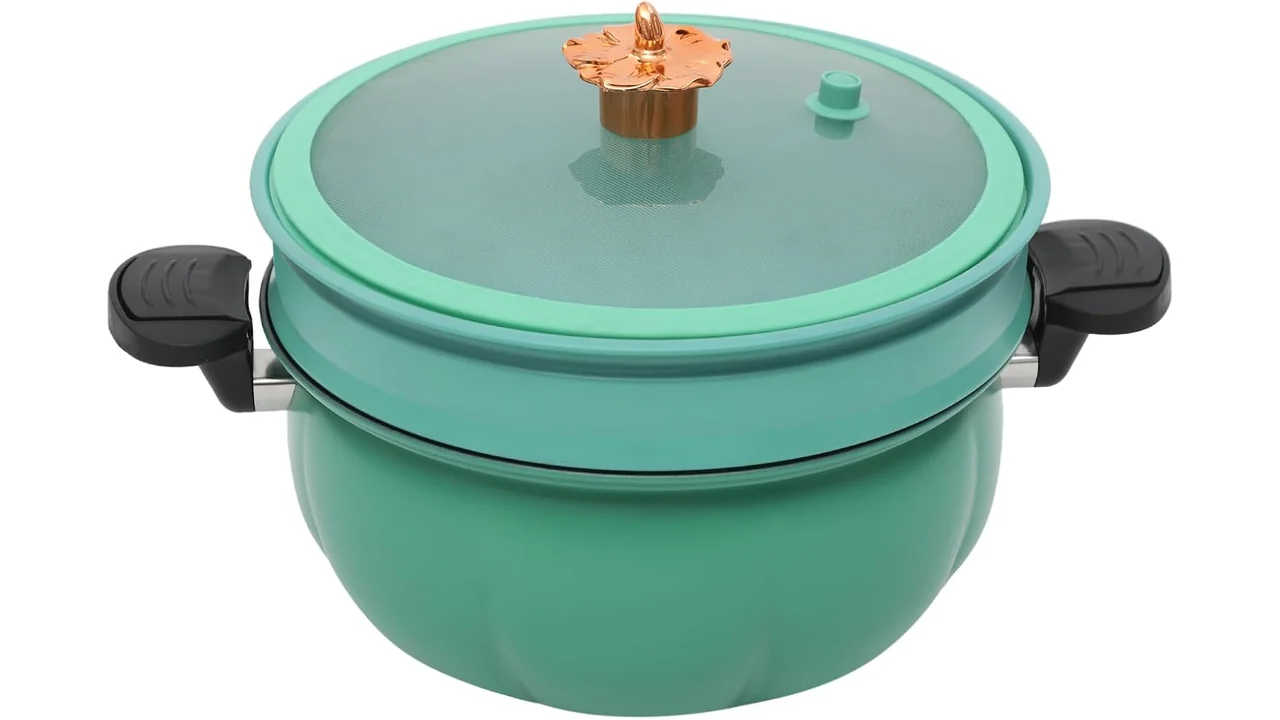
The inner pot of most electric pressure cookers is usually made of non-stick material and can be washed by hand with soap and water or placed in a dishwasher. The lid, however, needs more careful cleaning. The silicone sealing ring, which creates the airtight seal, can absorb odors from food, so it’s often recommended to have separate rings for savory and sweet dishes.
This ring needs to be removed and washed thoroughly.
The steam release valve and the anti-block shield also need regular cleaning to ensure proper function and prevent blockages. Some users find the multiple components of the lid slightly cumbersome to clean compared to a simple stovetop pot. However, the ease of cleaning the main cooking vessel often outweighs this for many.
- Removable Inner Pot: This is the primary cooking vessel and is usually easy to clean, often being dishwasher safe.
- Lid Components: The lid contains a sealing ring, steam valve, and other parts that require manual cleaning and occasional disassembly.
- Odor Absorption: Silicone sealing rings can retain food odors, necessitating thorough cleaning or dedicated rings for different types of cooking.
Stovetop Cookware Cleaning
The cleaning of stovetop cookware depends heavily on the material. Stainless steel pots and pans are generally durable and can withstand scrubbing, but they can sometimes develop tough, burnt-on residues that require soaking and vigorous cleaning. Cast iron requires special care; it should not be washed with soap and must be seasoned after drying to prevent rust.
Non-stick pans are easy to clean initially, but their non-stick properties can degrade over time, especially if abrasive cleaners or utensils are used. Enameled cast iron, like Dutch ovens, is easier to clean than bare cast iron but still requires careful handling to avoid chipping the enamel. Overall, the cleaning process for a stovetop pot might be simpler in terms of fewer parts, but the effort required to remove stubborn residues can be greater.
- Material Variety: Stovetop cookware comes in many materials like stainless steel, cast iron, and non-stick, each with unique cleaning requirements.
- Manual Effort: Cleaning can sometimes involve soaking, scrubbing, or specific treatments to remove burnt-on food, especially from stainless steel or cast iron.
- Durability Concerns: Non-stick coatings can wear off, and enamel can chip, requiring careful handling and specific cleaning agents to maintain longevity.
Cost and Investment
The initial cost of an appliance is a significant factor for many consumers. Electric pressure cookers can range in price from under $50 for basic models to over $200 for high-end multi-cookers with numerous features. Stovetop cookware has an even wider price spectrum, from inexpensive aluminum pots to premium clad stainless steel or cast iron pieces that can cost hundreds of dollars for a single item.
When considering the electric pressure cooker vs stovetop cost, it’s not just the initial purchase price but also the longevity and functionality that matters. An electric pressure cooker often replaces multiple kitchen gadgets, potentially saving money in the long run. Good quality stovetop cookware, while an upfront investment, can last for decades.
Upfront Costs and Long-Term Value
Basic electric pressure cookers are quite affordable, often comparable to a decent saucepan or skillet. However, multi-cooker versions, which combine pressure cooking with slow cooking, air frying, and other functions, can be a significant investment. The long-term value comes from the convenience, speed, and versatility they offer, potentially reducing the need to buy other small appliances.
High-quality stovetop cookware, such as a durable Dutch oven or a set of clad stainless steel pots, represents a considerable upfront cost. However, these items are built to last a lifetime if cared for properly. They don’t rely on electronic components that can fail, making them a more enduring purchase.
The value is in their durability and consistent performance over many years of use.
- Price Range: Electric pressure cookers can be found from budget-friendly to premium, with prices varying based on brand, size, and features.
- Stovetop Variability: Cookware costs are similarly diverse, with basic pots being inexpensive and professional-grade sets or specialty items costing much more.
- Value Proposition: The value of an electric pressure cooker is in its speed and multi-functionality. The value of stovetop cookware is in its durability and timeless performance.
Electric Pressure Cooker vs Stovetop Scenarios
To truly understand the differences, let’s look at a couple of common kitchen scenarios. These examples will illustrate how each appliance performs in practical, everyday cooking situations. We’ll consider situations where one might shine over the other.
Scenario 1 A Quick Weeknight Dinner
It’s 6 PM, and you need to get dinner on the table by 7 PM. You have chicken breasts and some vegetables. On the stovetop, you might sauté the chicken, then add vegetables and simmer them, which could take 30-45 minutes, plus prep time.
The chicken could become dry if overcooked.
With an electric pressure cooker, you can add the chicken and vegetables, along with some broth and seasonings. Set it to cook on high pressure for 10-15 minutes. Even with coming to pressure and release time, dinner could be ready in under 45 minutes, and the chicken is likely to remain moist and tender.
This makes it an excellent choice for busy weeknights.
Scenario 2 Preparing a Large Batch of Soup
You want to make a large pot of hearty lentil soup for the week. Stovetop simmering for a couple of hours will develop a rich flavor. You’ll need to keep an eye on it, adding liquid as it reduces, and stir occasionally.
Using an electric pressure cooker, you can add all your ingredients—lentils, vegetables, broth—and set it for 20-30 minutes under pressure. The lentils will be perfectly tender, and the flavors will have melded beautifully. The hands-off nature is ideal for batch cooking when you have other tasks to manage.
Frequently Asked Questions
Question: Which is healthier electric pressure cooker or stovetop
Answer: Both methods can be healthy. Electric pressure cookers may retain more water-soluble vitamins due to shorter cooking times and less water loss. Stovetop cooking allows for precise control which can prevent overcooking and nutrient degradation.
Question: Can electric pressure cooker replace stovetop
Answer: An electric pressure cooker can replace many stovetop functions like boiling, simmering, and steaming, especially for speed. However, it cannot replicate techniques like high-heat searing or delicate pan-frying as effectively on its own.
Question: What is the main advantage of an electric pressure cooker
Answer: The main advantage is speed. It cooks food significantly faster than traditional stovetop methods by using pressurized steam at higher temperatures.
Question: What is the main advantage of stovetop cooking
Answer: The main advantage of stovetop cooking is control. You can see and adjust the cooking process in real-time, allowing for precise browning, caramelization, and flavor development.
Question: Which is better for tough cuts of meat
Answer: Electric pressure cookers are generally better for tough cuts of meat as they tenderize them very quickly due to high pressure and heat.
Conclusion
Choosing between an electric pressure cooker and a stovetop comes down to your cooking style and priorities. For speed and convenience, the electric pressure cooker is a clear winner, making weeknight meals achievable. If you enjoy hands-on cooking and precise control over every element, the stovetop remains an indispensable tool in the kitchen.

Leave a Reply