
Finding the right bed can feel like a puzzle, especially when you toss and turn at night. For folks who sleep on their side and deal with shoulder aches, figuring out the best mattress for side sleepers with shoulder pain is often a tricky start. It’s easy to get lost in all the options and technical talk.
But don’t worry, we’ll break it down nice and simple. This guide will walk you through what makes a mattress great for your comfort and sleep quality. We’ll help you find the perfect spot to rest your weary head and shoulders.
Let’s get started on finding your dream mattress!
Finding The Best Mattress For Side Sleepers With Shoulder Pain
Sleeping on your side is common, but it can put extra pressure on your shoulders and hips. This is where the right mattress makes a big difference. A good mattress will cushion these pressure points and keep your spine aligned.
Without the proper support, side sleepers might wake up with stiffness or pain. This section will explore what qualities to look for in a mattress to ease shoulder discomfort and promote restful sleep. We’ll cover firmness levels, materials, and other key features that cater to side sleepers.
Understanding Pressure Points
Pressure points are areas on your body where your weight presses more heavily against a surface. For side sleepers, the shoulder and hip are the main pressure points. When you lie on your side, these body parts bear most of your weight.
If the mattress is too firm, it doesn’t give enough to let your shoulder sink in slightly. This can cause a pinching sensation or discomfort. If it’s too soft, your body might sink too much, pushing your shoulder into an unnatural position and misaligning your spine.
- Cushioning Effect: A mattress needs to offer enough cushioning so your shoulder can sink in comfortably. This reduces direct pressure and distributes your weight more evenly. A plush top layer often provides this needed softness.
- Support for Spinal Alignment: While cushioning is important, the mattress must also support your spine. It should keep your body in a straight line from head to toe. This means your spine shouldn’t curve unnaturally downwards or upwards.
- Material Matters: Different mattress materials interact with pressure points in unique ways. Memory foam molds to your body, offering excellent contouring. Latex provides a responsive bounce along with pressure relief. Innerspring mattresses might not be ideal if they lack sufficient comfort layers.
Ideal Firmness Levels
For side sleepers, especially those with shoulder pain, a mattress that is too firm will create intense pressure. A mattress that is too soft might not offer enough support, leading to spinal misalignment. The sweet spot is usually in the medium-firm to medium-soft range.
This allows the shoulder to sink in just enough while keeping the rest of the body supported. It’s a balance between comfort and proper orthopedic alignment. This balance ensures a restful night without waking up sore.
- Medium-Firm: This level offers a good blend of support and comfort. It allows for some sinkage to cushion the shoulder but still provides enough resistance to keep the spine straight. Many find this suitable.
- Medium-Soft: This is often preferred by lighter individuals or those who like a plusher feel. It provides more contouring, allowing the shoulder to sink deeper. However, heavier individuals might find it lacks enough support.
- Avoid Extra Firm: Mattresses that are too hard will not yield to the shoulder. This concentrates pressure directly on the joint. It can lead to numbness, pain, and disrupted sleep.
Common Mattress Materials and Their Suitability
Different mattress materials offer unique feels and benefits. For side sleepers with shoulder pain, how the material interacts with pressure points is key. Memory foam is known for its ability to contour and cradle the body.
Latex offers a responsive feel with good pressure relief. Hybrid mattresses combine the benefits of foam and innerspring systems.
Memory Foam Mattresses
Memory foam is a popular choice for its body-contouring properties. It’s made from viscoelastic polyurethane foam. This material softens with body heat and pressure, allowing it to mold around your shape.
For side sleepers, this means the foam will sink under your shoulder and hip, reducing pressure points. It provides excellent pressure relief and motion isolation, meaning you won’t feel your partner tossing and turning.
- Conforming Nature: Memory foam excels at creating a personalized feel. It hugs your curves, distributing weight evenly. This is particularly beneficial for the shoulder, as it allows for natural sinking.
- Pressure Point Relief: The slow response of memory foam helps absorb and distribute pressure. This is why it’s often recommended for people experiencing joint pain. It cradles the shoulder and hip, easing discomfort.
- Heat Retention: A common concern with memory foam is heat retention. Traditional memory foam can trap body heat, making the bed feel warmer. However, many newer memory foam mattresses incorporate cooling technologies like gel infusions or open-cell structures.
- Responsiveness: Memory foam can feel slow to respond, meaning it takes a moment to bounce back when you change positions. This can make it slightly harder to move around on the bed.
Latex Mattresses
Latex mattresses are made from the sap of rubber trees, offering a more natural and responsive feel. They are known for their durability, breathability, and excellent pressure relief. Latex provides a buoyant feel, meaning you sleep more on top of the mattress rather than sinking deeply into it.
This can be a good option for side sleepers who want cushioning without feeling “stuck.”
- Responsive Support: Latex offers a lifting sensation that supports the body without feeling overly soft. It contours to the body, relieving pressure points like the shoulder. The responsiveness makes it easy to change positions.
- Breathability: Natural latex is generally more breathable than traditional memory foam. It allows for better air circulation, helping to regulate body temperature. This makes it a cooler option for many sleepers.
- Durability: Latex mattresses are known for their longevity. They tend to maintain their shape and supportive qualities for many years. This makes them a good long-term investment.
- Natural and Organic Options: Many latex mattresses are available in natural or organic versions. These are free from synthetic chemicals and can be a good choice for those with allergies or sensitivities.
Hybrid Mattresses
Hybrid mattresses combine the support of an innerspring core with the comfort layers of foam or latex. This blend aims to offer the best of both worlds. The innerspring system provides a strong base and good airflow, while the foam or latex top layers offer cushioning and pressure relief.
This makes them a versatile choice for many sleepers, including side sleepers with shoulder pain.
- Balanced Feel: Hybrids often provide a balanced feel. They offer the responsive support of coils with the conforming comfort of foam or latex. This can be ideal for side sleepers seeking both support and pressure relief.
- Edge Support: Innerspring systems in hybrids often provide superior edge support. This means the edges of the mattress are more stable, making it easier to get in and out of bed. It also increases the usable sleeping surface.
- Cooling Properties: The innerspring core promotes airflow, which helps to dissipate heat. Combined with breathable foam or latex comfort layers, hybrids can be a cooler sleeping option.
- Variety of Firmness: Hybrids come in a wide range of firmness levels. This allows side sleepers to choose one that perfectly matches their needs for shoulder comfort and spinal alignment.
Support Features to Look For
Beyond the basic materials, certain structural features enhance a mattress’s suitability for side sleepers with shoulder pain. Good support prevents the mattress from sagging prematurely and ensures consistent alignment over time. These features contribute to the overall longevity and performance of the mattress.
- Zoned Support Systems: Some advanced mattresses feature zoned support. This means different areas of the mattress are firmer or softer to better match the body’s contours. For side sleepers, zones might offer softer support under the shoulder and hip areas while providing firmer support for the torso.
- High-Density Foam Layers: If the mattress has foam comfort layers, look for high-density options. Higher density foam is generally more durable and supportive. It’s less likely to develop permanent impressions or sag over time.
- Reinforced Edge Support: Good edge support is important for side sleepers. It provides a stable perimeter, making it easier to sit on the edge of the bed without feeling like you might roll off. It also expands the usable sleeping surface.
Key Considerations for Side Sleepers With Shoulder Pain
When choosing a mattress, several factors are particularly important for side sleepers dealing with shoulder pain. These include not just the firmness but also how the mattress handles weight distribution and body temperature. Thinking about these details can make a significant difference in finding a truly comfortable and supportive bed.
Body Weight Impact
Your body weight plays a crucial role in how a mattress feels. Lighter individuals (under 130 lbs) may find that medium-firm mattresses feel too hard. They might need a softer mattress to get enough sinkage for pressure relief.
Average-weight individuals (130-230 lbs) often do well with medium-firm mattresses. Heavier individuals (over 230 lbs) typically require firmer mattresses to prevent excessive sinking, but they still need adequate cushioning for pressure points.
- Light Sleepers: Need softer surfaces to allow for enough contouring around the shoulder and hip. A mattress that feels medium-firm to an average sleeper might feel too hard for them.
- Average Sleepers: Often find the medium-firm range to be the most comfortable. It provides a good balance of cushioning and support for side sleeping.
- Heavy Sleepers: Require more supportive mattresses. However, even for heavier individuals, a mattress that is too firm can still create pressure points. A hybrid or latex mattress with a supportive core and a substantial comfort layer might be ideal.
Sleeping Temperature
Some people sleep hot, and this can be exacerbated by mattresses that trap heat. For side sleepers, the shoulder and hip areas might create more contact with the mattress, potentially trapping more heat. Materials like memory foam can sometimes be warmer, while latex and mattresses with cooling technologies are better for temperature regulation.
Look for mattresses with breathable covers and internal airflow designs.
- Breathable Covers: Mattresses with covers made from natural fibers like cotton or Tencel are more breathable. Some covers also incorporate cooling gels or phase-change materials that help regulate temperature.
- Open-Cell Foams: Unlike traditional closed-cell foams, open-cell foams have a structure that allows for better airflow. This helps to dissipate heat more effectively than denser memory foams.
- Coil Systems in Hybrids: The innerspring or pocketed coil system in hybrid mattresses allows air to circulate freely through the mattress. This significantly helps in keeping the sleeping surface cool.
Motion Isolation
If you share your bed with a partner, motion isolation is important. A mattress with good motion isolation absorbs movement, so one person’s tossing and turning doesn’t disturb the other. Memory foam is excellent at this, as it dampens vibrations.
Pocketed coils in hybrid mattresses also offer good individual movement isolation.
- Memory Foam’s Dampening Effect: Memory foam’s slow response time effectively absorbs movement. When one partner shifts, the motion doesn’t transfer across the bed as much. This leads to more uninterrupted sleep.
- Pocketed Coils: In hybrid mattresses, each coil is encased in fabric. This allows them to move independently. When a pocketed coil system is well-designed, it minimizes the transfer of motion.
- Innerspring vs. Pocketed Coils: Traditional innerspring systems tend to transfer more motion than pocketed coils. If motion isolation is a high priority, look for mattresses with pocketed coils or solid foam construction.
Durability and Lifespan
A mattress is an investment. You want one that will last and maintain its supportive qualities. Higher quality materials and construction methods contribute to a mattress’s durability.
Looking for warranties and reading reviews about long-term performance can help gauge this.
- Material Quality: High-density foams, natural latex, and high-quality coil systems generally lead to longer-lasting mattresses. Lower-density materials can break down faster, leading to sagging.
- Warranty Information: A good warranty, especially one covering sagging beyond a certain depth (e.g., 1.5 inches), is a sign of a manufacturer’s confidence in their product’s durability.
- Construction Techniques: The way a mattress is built matters. Reinforced edges, sturdy support cores, and well-stitched covers contribute to overall resilience and a longer lifespan.
Finding the Best Mattress for Side Sleepers With Shoulder Pain Specifics
Now, let’s put everything together and look at specific mattress types and features that are particularly beneficial for side sleepers experiencing shoulder pain. We’ll consider how different components work together to provide both comfort and therapeutic support for this specific sleeping position and common ailment.
The Role of Pillow Top and Euro Top Mattresses
Pillow tops and Euro tops are extra layers of cushioning sewn onto the surface of a mattress. They are designed to enhance comfort and provide a plush sleeping experience. For side sleepers with shoulder pain, these layers can be very beneficial.
- Extra Cushioning: A pillow top or Euro top adds a significant layer of softness. This can be ideal for side sleepers who need extra padding for their shoulders and hips to sink into. It helps alleviate pressure points effectively.
- Comfort without Sacrificing Support: While they add softness, many pillow tops and Euro tops are built upon supportive core systems (like pocketed coils or dense foam). This means you can get that cloud-like feel without compromising spinal alignment.
- Material Variations: These tops can be made from various materials, including memory foam, latex, or fiberfill. The specific material will influence the feel and breathability. Memory foam pillow tops offer deep contouring, while latex ones provide a more buoyant cushioning.
When to Consider a Mattress Topper
Sometimes, you might have a mattress that is mostly good but a little too firm for your shoulder. Instead of buying a whole new mattress, a topper can be a great solution. A topper is a separate layer of material that you place on top of your existing mattress.
- Cost-Effective Solution: Buying a mattress topper is significantly less expensive than purchasing a new mattress. It’s a great way to try out different feels or add extra cushioning to an existing bed.
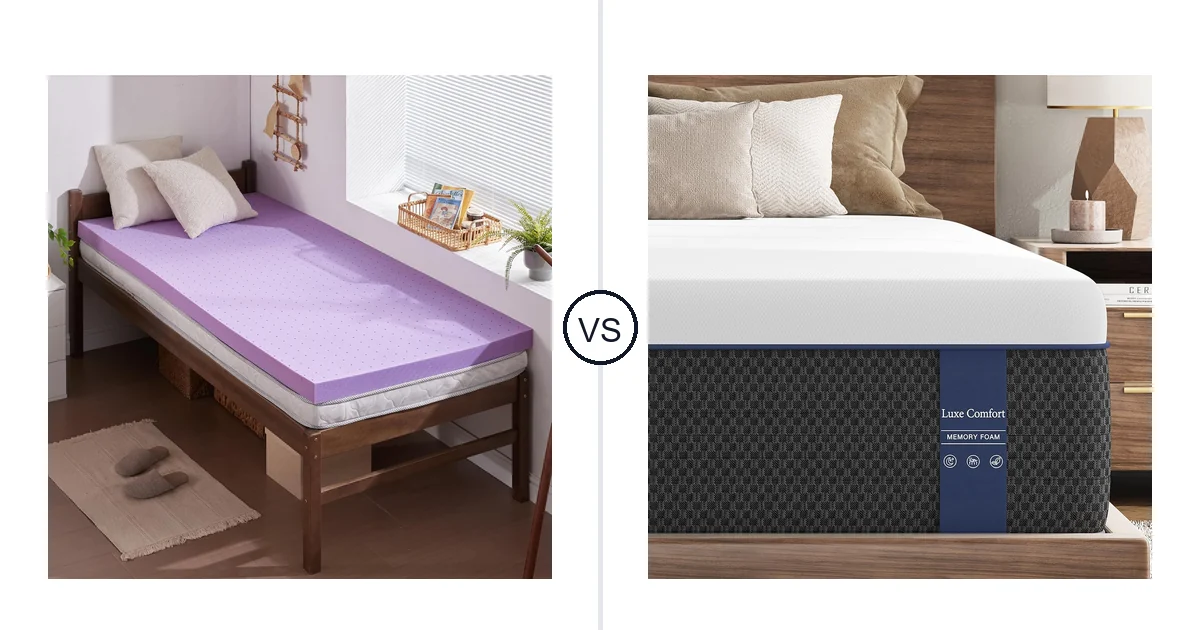
- Customizing Firmness: You can use a memory foam topper to add softness and pressure relief. A latex topper can add a bit of responsiveness and cushioning. Choosing the right topper material can transform your sleeping experience.
- Testing Different Materials: Toppers allow you to experiment with different materials. You might try a 2-inch memory foam topper to see if the contouring helps your shoulder pain. If it’s too soft, you can easily switch to a different topper.
Trial Periods and Return Policies
Many mattress companies offer sleep trials, which are periods where you can try the mattress at home. This is incredibly important for side sleepers with shoulder pain. You need time to see how the mattress truly feels after a few nights.
A good trial period usually lasts at least 100 nights. Understanding the return policy—including any fees or procedures—is vital before making a purchase.
- Testing in Real Conditions: A sleep trial allows you to test the mattress in your own bedroom, under your own sleeping conditions. This is far more reliable than a brief test in a store.
- Adjusting to a New Mattress: Your body may need a few days or weeks to adjust to a new mattress. A trial period gives you adequate time to make sure it’s the right fit.
- Hassle-Free Returns: A good company will have a straightforward return process. This might involve them picking up the mattress or providing instructions for donation. Look for companies that offer free returns.
Comparing Mattress Types for Side Sleepers with Shoulder Pain
To help you make an informed decision, let’s compare the most common mattress types and how they stack up for side sleepers dealing with shoulder pain. We will look at their general characteristics and suitability.
| Mattress Type | Pros for Side Sleepers with Shoulder Pain | Cons for Side Sleepers with Shoulder Pain | Best For |
|---|---|---|---|
| Memory Foam | Excellent pressure relief and contouring; good motion isolation. | Can retain heat; slower response time may make movement difficult. | Those seeking deep cushioning and pain relief. |
| Latex | Responsive support; good pressure relief; breathable; durable. | Can be more expensive; may not offer as deep a contouring feel as memory foam. | Those wanting natural materials and a balanced, supportive feel. |
| Hybrid | Combines foam/latex comfort with coil support; good breathability and edge support. | Can be heavier; quality varies greatly depending on construction. | Those who want a mix of comfort, support, and cooling. |
| Innerspring | Generally affordable; good airflow. | Often lacks sufficient pressure relief and contouring for side sleepers with pain. | Budget-conscious buyers who don’t experience significant pain. |
Scenario 1 Side Sleeper Shoulder Pain Relief
Sarah, a graphic designer, often wakes up with a stiff and sore right shoulder. She’s been sleeping on an older, firm mattress for years. She prefers sleeping on her side, but the pressure on her shoulder has become unbearable, affecting her work and mood.
- Problem Identification: Sarah’s current mattress is too firm and doesn’t provide adequate cushioning for her shoulder. This leads to constant pressure on the joint and surrounding nerves.
- Research and Needs: She researches “best mattress for side sleepers with shoulder pain” and learns that she needs a mattress with good contouring and medium-soft to medium-firm feel. She also learns that memory foam or a hybrid with a thick comfort layer would be beneficial.
- Solution Chosen: Sarah decides to try a medium-firm hybrid mattress with a gel-infused memory foam top layer. This type of mattress offers the contouring Sarah needs for her shoulder, combined with the responsive support of the coil system.
- Outcome: After a few weeks on the new mattress, Sarah notices a significant reduction in her shoulder pain. She can now sleep through the night without waking up due to discomfort. Her spine feels more aligned, and she wakes up feeling refreshed.
Scenario 2 Chronic Shoulder Pain Management
Mark, a retired teacher, suffers from chronic shoulder pain due to arthritis. He finds that most mattresses cause him discomfort, either by being too hard or too soft and unsupportive. He needs a bed that actively helps manage his pain and allows him to sleep without constant adjustments.
- Challenge: Mark needs a mattress that can provide exceptional pressure relief and consistent support. His arthritis means even minor pressure points can cause significant pain.
- Key Features Identified: Mark looks for mattresses with advanced pressure-relieving technologies, such as multiple layers of memory foam or specialized zoned support. He also prioritizes breathability to avoid waking up sweaty.
- Selected Mattress: Mark opts for a high-quality, all-foam mattress with a significant amount of dense memory foam. It features a cooling cover and is rated as medium-firm, which he finds offers the best balance for his needs.
- Result: The new mattress provides Mark with consistent comfort and support. The deep contouring of the memory foam cradles his shoulder, reducing inflammation and pain. He reports sleeping more deeply and experiencing less pain upon waking.
Frequently Asked Questions
Question: What firmness is best for side sleepers with shoulder pain
Answer: Medium-soft to medium-firm is generally best. This allows your shoulder to sink in comfortably for pressure relief while still supporting your spine.
Question: Does memory foam help shoulder pain
Answer: Yes, memory foam is excellent for shoulder pain because it contours to your body and distributes pressure evenly, reducing direct strain on the joint.
Question: Are hybrid mattresses good for shoulder pain
Answer: Yes, hybrid mattresses can be very good. They offer the pressure-relieving comfort of foam or latex layers combined with supportive coils, providing a balanced sleep surface.
Question: How can I tell if a mattress is too firm for my shoulder
Answer: If you wake up with numbness or sharp pain in your shoulder, or if you feel like you’re pressing into a hard surface without any give, the mattress is likely too firm.
Question: Should I use a mattress topper for shoulder pain
Answer: A mattress topper can be a good option if your current mattress is slightly too firm. A soft topper, like memory foam or latex, can add the necessary cushioning for your shoulder.
Final Thoughts
Finding the best mattress for side sleepers with shoulder pain involves looking for ample cushioning and balanced support. Prioritize medium-soft to medium-firm options. Memory foam, latex, and quality hybrid mattresses excel at relieving pressure points.
Always consider your body weight and sleeping temperature. With the right mattress, you can finally achieve restful sleep free from shoulder aches and wake up feeling rejuvenated.

Leave a Reply