
Both work well: ceramic is gentler; titanium is tougher and better for heavy use.
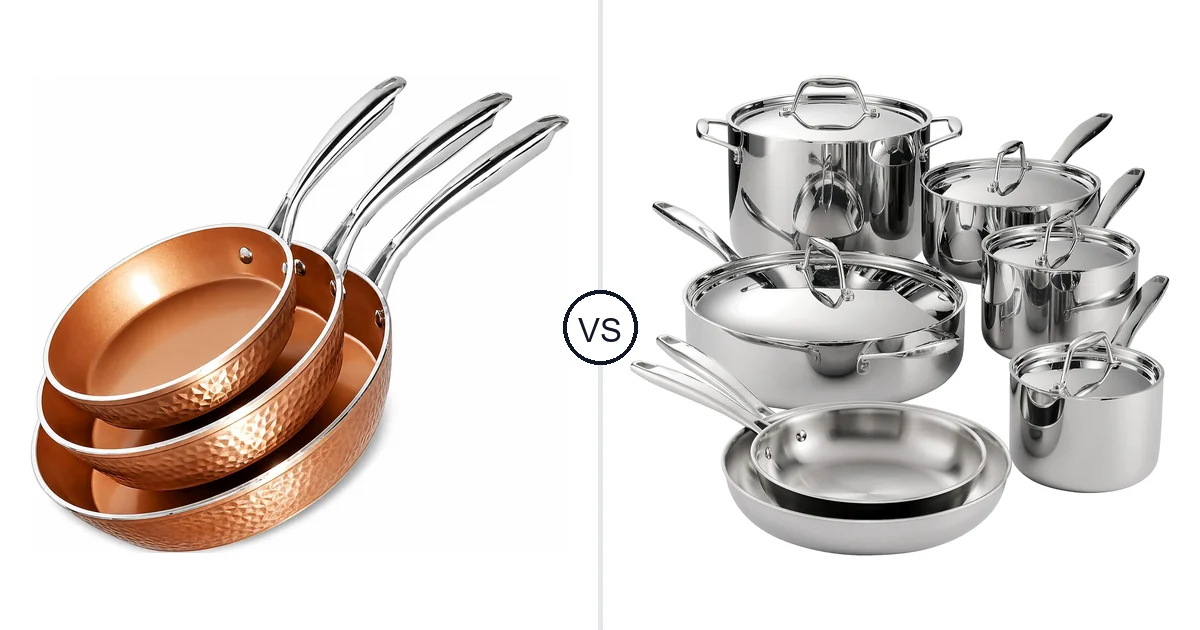
I remember burning my first omelet on an old pan and vowing to never do that again. The ceramic vs titanium cookware debate landed me in two kitchens. Ceramic cookware felt soft, nonstick, and easy to clean. Titanium cookware felt rock-solid, fast to heat, and lighter than I expected. I tested both for months. I’ll share clear, hands-on notes so you can pick which fits your cooking and life.
Is ceramic cookware Good?
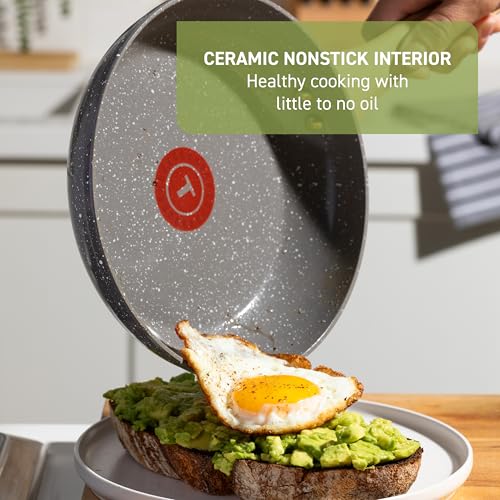
Yes — for many home cooks, ceramic cookware is a great pick. It works best for low- to medium-heat cooking, delicate foods, and anyone who wants a nonstick surface without PTFE. In my kitchen, ceramic pans made eggs, crepes, and sautés forgiving. I liked that food slid away with little oil. Ceramic cookware is kinder to acidic sauces, and the light finish makes it easy to spot food residue.
That said, ceramic cookware needs care. I learned this after a few months of metal spatula use and higher heat. The surface can dull or chip if mistreated. Still, for everyday quick meals and gentle cleaning, ceramic cookware felt safe and pleasant to use. If you cook mostly eggs, fish, or fast veggie stir-fries, ceramic cookware will likely suit you well.

What Makes It Stand Out / Key Features
- Natural-looking, smooth nonstick ceramic surface.
- Usually PTFE/PFOA-free coating.
- Good release for eggs, pancakes, and fish.
- Often oven-safe to moderate temps (check model specs).
- Bright finishes that make spotting food and stains easy.
What I Like
- Food releases easily with little to no oil.
- Fast, simple clean-up—soap and a sponge do most jobs.
- Comfortable, often lightweight handles for daily use.
- Feels safe for low-heat long-simmer cooking.
- Works well with glass lids and looks neat on the stove.
What Could Be Better
- Coating can wear or dull with abrasive scrubbing.
- Less tolerant of high heat—warping or loss of nonstick can occur.
- Not always as scratch-resistant as metal-based options.
My Recommendation
Choose ceramic cookware if you want easy nonstick cooking for gentle dishes and quick cleaning. Best for light, everyday use.
| Best For | Why |
|---|---|
| Eggs and crepes | Superior release at low heat |
| Delicate fish | Gentle surface prevents sticking |
| Quick clean-up | Easy to wipe and wash |
Is titanium cookware Good?
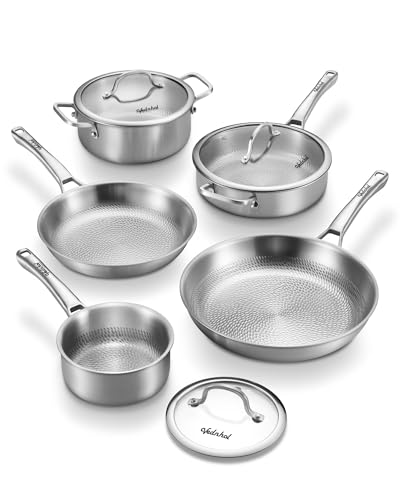
It depends — titanium cookware is excellent if you want durability and fast heat. I took a titanium set camping and used it daily for a month. It heated quickly and stayed scratch-free under heavy use. Titanium cookware often comes as a coated aluminium core with a titanium finish or as pure titanium. That makes it tough, light, and a top pick when I needed gear that tolerates abrasions and higher temps.
In my kitchen, titanium pans browned meats well and survived metal utensils. They were faster to heat than ceramic cookware and kept their look after months of dishwashing. If you sear steaks, sauté frequently, or need something nearly indestructible, titanium cookware may be the better fit for you.
What Makes It Stand Out / Key Features
- Very durable surface, resistant to scratches.
- Lightweight but strong construction.
- Good heat transfer and fast searing capability.
- Often PFAS/PFOA/PTFE-free in modern designs.
- Works on most cooktops, including induction (model dependent).
What I Like
- Handles heavy use without wearing out.
- Great for browning and high-heat cooking.
- Minimal warping compared to thin pans.
- Easy to clean even after sticky, high-heat jobs.
- Feels reliable for travel and outdoor use.
What Could Be Better
- Often pricier than ceramic options.
- Some models can be too stiff for very delicate foods.
- Not all titanium cookware is pure titanium—read specs.
My Recommendation
Pick titanium cookware if you need longevity and performance under high heat. Great value for heavy cooks and outdoor use.
| Best For | Why |
|---|---|
| Searing meat | High heat tolerance and browning |
| Heavy daily use | Scratch and dent resistant |
| Travel or camping | Durable and lightweight |
ceramic vs titanium cookware: Side-by-Side Test
I tested ceramic vs titanium cookware across real tasks. Below I compare what I learned. This should help you match choice to your cooking style.
Cooking Functions: Which One Does More?
Quick look at typical cooking tasks and how each performs.
| Function | Ceramic cookware | Titanium cookware |
|---|---|---|
| Low-heat eggs | Excellent release | Good, needs oil |
| Searing steaks | Okay but slower | Excellent browning |
| Simmer sauces | Good, gentle heat | Good, holds heat well |
| High-heat frying | Not ideal | Very good |
Ceramic cookware – 8/10 | Titanium cookware – 9/10
“Titanium wins for heavy-duty cooking; ceramic shines for gentle tasks.”
Durability & Longevity: Which Holds Up?
How long the finish and structure last under use.
| Test | Ceramic cookware | Titanium cookware |
|---|---|---|
| Scratch resistance | Moderate | High |
| Coating wear | Can fade with time | Stable |
| Dishwasher safe | Varies; gentle wash recommended | Often dishwasher-safe |
| Lifetime under heavy use | 2–5 years typical | 5+ years typical |
Ceramic cookware – 6/10 | Titanium cookware – 9/10
“Titanium clearly wins durability. Ceramic needsgentler care.”
Heat Distribution & Control
Which pan gives even heat and better responsiveness?
| Aspect | Ceramic cookware | Titanium cookware |
|---|---|---|
| Heat-up speed | Moderate | Fast |
| Evenness | Good on heavy bases | Very even if multi-layered |
| Hot spots | Possible on thin pans | Less likely |
| Retention | Moderate | High |
Ceramic cookware – 7/10 | Titanium cookware – 9/10
“Titanium edges out ceramic for speed and even heat.”
Nonstick & Cleaning
Which cleans easier and releases food better?
| Task | Ceramic cookware | Titanium cookware |
|---|---|---|
| Fried eggs | Excellent | Good |
| Sticky sauces | Easy when cool | Easy, may need soak |
| Scrub resistance | Be gentle | More robust |
| Cleaning time | Quick wipe | Quick scrub |
Ceramic cookware – 8/10 | Titanium cookware – 8/10
“Ceramic wins for release; titanium matches in clean-up thanks to toughness.”
Weight & Handling
How each feels during daily cooking and storage.
| Feature | Ceramic cookware | Titanium cookware |
|---|---|---|
| Weight | Light to moderate | Very light |
| Handle comfort | Often ergonomic | Sturdy, secure |
| Storage | Stackable but fragile finish | Stackable, durable |
| Travel friendly | Okay | Excellent |
Ceramic cookware – 8/10 | Titanium cookware – 9/10
“Titanium is lighter and tougher for on-the-go cooks.”
Value for Money
Which offers the better bang for your buck over time?
| Consideration | Ceramic cookware | Titanium cookware |
|---|---|---|
| Upfront cost | Usually lower | Usually higher |
| Replacement frequency | More often | Less often |
| Long-term value | Good if gentle | Great if heavy user |
| Resale or longevity | Lower | Higher |
Ceramic cookware – 7/10 | Titanium cookware – 8/10
“Ceramic is cheaper now; titanium pays off over years of use.”
Final Verdict: Which Should You Buy?
Ceramic cookware is my pick if you cook gentle foods, want easy cleanup, and prefer a softer nonstick surface. It’s kind to delicate meals and usually kinder on the wallet up front. ceramic vs titanium cookware matters here because ceramic gives a smooth, quiet cooking feel.
Choose titanium cookware if you sear, fry, or cook on high heat often. Titanium is tougher, heats faster, and lasts longer under heavy use. For durability and performance, titanium wins in most of my tests.
FAQs Of ceramic vs titanium cookware
Which is safer: ceramic or titanium cookware?
Both are safe when made without harmful chemicals. Ceramic often boasts PTFE/PFOA-free labels. Titanium is inert and durable. Check manufacturer specs. For families, either option from a reputable brand is safe.
Which heats faster: ceramic or titanium?
Titanium typically heats faster, especially when paired with an aluminum core. Ceramic heats adequately but is better at holding moderate heat than rapid searing.
Which is easier to clean after cooking?
Ceramic usually releases food well and wipes clean. Titanium handles tough residue better and tolerates stronger scrubbing. For sticky burns, titanium is easier to restore.
Will titanium scratch more than ceramic?
No. Titanium is more scratch-resistant. Ceramic can scratch if you use metal tools or scourers. Use silicone or wood for ceramic to prolong its life.
How long should I expect ceramic vs titanium cookware to last?
Ceramic often lasts a few years with careful care. Titanium often lasts much longer under similar use. Your habits and heat levels matter most.

Leave a Reply