
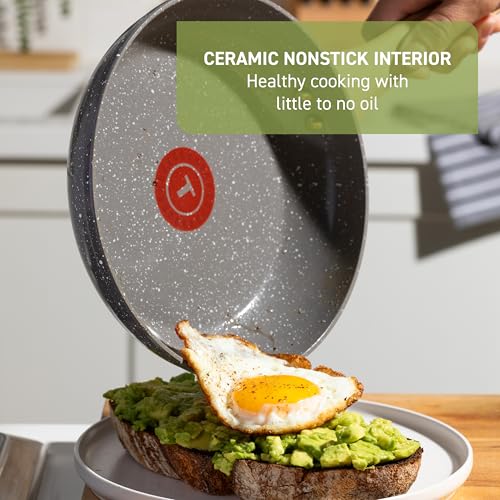
Ceramic for gentle nonstick; hard-anodized for durability and high-heat cooking.
I stood at my stove wondering which pan to buy. My old pans stuck and chipped. I tested ceramic vs hard anodized cookware across weeks of real meals. Ceramic cookware felt light and smooth. Hard anodized cookware felt tough and steady. Both have wins. I’ll share my hands-on notes to help you pick the best set for your kitchen needs.
Is ceramic cookware Good?
Yes — ceramic cookware is great for low-to-medium heat cooking and for cooks who want an easy nonstick surface without traditional PTFE coatings. It is a good fit if you cook eggs, fish, pancakes, or gentle sauces. In my kitchen, ceramic cookware has been my go-to for quick breakfasts and delicate omelets. I value how it releases food with little oil. That made weekday mornings faster and cleaner.
I once used ceramic cookware to make a big brunch for friends. The omelets slid out with a soft nudge. Cleanup took minutes. But I also learned to avoid very high heat and metal utensils. After months of light use, the surface still looked nice. If you like lower-fat cooking and ease, ceramic cookware can be a solid choice in the ceramic vs hard anodized cookware debate.

What Makes It Stand Out / Key Features
- PTFE-free ceramic nonstick coating for easy release.
- Lightweight construction for easy handling.
- Oven safe to moderate temps (often ~350°F).
- Even cooking on low-to-medium heat.
- Bright, modern finishes that resist stains.
What I Like
- Food releases easily with minimal oil.
- Quick cleanup — often just a wipe or gentle wash.
- Great for delicate foods like eggs and fish.
- Feels safe to use for everyday low-heat cooking.
- Light pans are easy to maneuver for seniors or small kitchens.
What Could Be Better
- Not ideal for very high heat or searing steaks.
- Coating can wear faster than metal-based finishes with heavy use.
- Avoid metal utensils to prevent scratches.
My Recommendation
Choose ceramic cookware if you want easy nonstick, light pans, and mostly low-heat cooking. Good value and widely available.
| Best For | Why |
|---|---|
| Everyday low-fat cooking | Great release with little oil needed |
| Beginners and quick meals | Lightweight and forgiving for simple recipes |
| Small kitchens | Easy storage and handling |
Is hard anodized cookware Good?
It depends — hard anodized cookware is excellent for high-heat cooking, searing, and for cooks who want durable pans that last. In my tests, hard anodized pans handled steaks and pan-frying without warping. They felt solid in my hand and heated evenly. If you like to sear, brown, or use higher heat, hard anodized cookware often wins in the ceramic vs hard anodized cookware showdown.
I remember searing a thick pork chop in a hard anodized skillet. The crust formed fast and even. Cleanup was straightforward. I used metal utensils with care and still saw minor marks after heavy use. For heavy cooking and longevity, hard anodized was my pick. It’s heavier than ceramic but that weight helps with heat control and stability.

What Makes It Stand Out / Key Features
- Hardened aluminum surface for extra durability.
- Excellent heat conduction and searing performance.
- Often paired with long-lasting nonstick layers.
- Sturdy handles and stable weight.
- Compatible with higher oven temperatures and some induction bases.
What I Like
- Great browning and searing at higher heat.
- Solid feel and reduced warping over time.
- Handles heavy, prolonged cooking without trouble.
- Usually more scratch-resistant than ceramic coatings.
- Good long-term value when cared for properly.
What Could Be Better
- Heavier weight can be tiring for some users.
- Higher cost up front than budget ceramic sets.
- Some models still use nonstick layers that need care to last.
My Recommendation
Pick hard anodized cookware if you want durability, high-heat cooking, and a pan that handles heavy use well. Best for serious home cooks.
| Best For | Why |
|---|---|
| Searing and high-heat cooking | Handles heat and browning well |
| Serious home cooks | Built to last through heavy use |
| Long-term value | Durable finish gives years of service |
ceramic vs hard anodized cookware: Side-by-Side Test
I ran a set of real tests in my kitchen to compare ceramic vs hard anodized cookware. I cooked eggs, seared meat, cleaned both, and watched wear. Here are clear, short comparisons so you can match a pan to your needs.
Durability: Which Lasts Longer?
Durability matters if you cook daily and want a set to last.
| Feature | Ceramic | Hard Anodized |
|---|---|---|
| Scratch resistance | Medium | High |
| Coating lifespan | 3–5 years with care | 5–10+ years with care |
| Warping risk | Higher at very high heat | Lower |
| Maintenance need | Gentle care | Moderate care |
Rating — Ceramic: 6/10 | Hard Anodized: 9/10
“Hard anodized wins for durability. It handles heavy use and heat better than ceramic.”
Nonstick Performance: Which Releases Food Better?
How well the pans release food matters for eggs, pancakes, and delicate fish.
| Feature | Ceramic | Hard Anodized |
|---|---|---|
| Initial release (new) | Excellent | Very good |
| Release after months | Good with careful use | Very good to excellent |
| Needs oil | Less | Moderate |
| Metal utensil tolerance | Poor | Better |
Rating — Ceramic: 8/10 | Hard Anodized: 8/10
“Both release food well. Ceramic is gentler at first; hard anodized keeps pace longer.”
Heat Conductivity & Speed: Which Heats Faster?
Speed affects how quickly you can sear or simmer.
| Feature | Ceramic | Hard Anodized |
|---|---|---|
| Heat up time | Fast | Fast |
| Even heat | Good at low-medium | Excellent at all ranges |
| High-heat stability | Limited | Strong |
| Temperature control | Good | Very good |
Rating — Ceramic: 7/10 | Hard Anodized: 9/10
“Hard anodized is better for high-heat work and even browning. Ceramic is fine for everyday tasks.”
Cleaning & Maintenance: Which Is Easier?
Cleaning time and rules steer the practical use of each pan.
| Feature | Ceramic | Hard Anodized |
|---|---|---|
| Daily cleaning | Very easy | Easy |
| Stain resistance | Good | Very good |
| Dishwasher safe? | Often yes (but avoid) | Often yes (check maker) |
| Restoration possible | Limited | Limited but surface holds up |
Rating — Ceramic: 9/10 | Hard Anodized: 8/10
“Ceramic is easiest to clean quickly. Hard anodized is simple too but heavier to scrub.”
Safety & Health: Which Feels Safer?
People ask about coatings and food safety. Here’s my take.
| Feature | Ceramic | Hard Anodized |
|---|---|---|
| PTFE/PFOA presence | Usually PTFE-free | Often uses PTFE nonstick layers (varies) |
| High-heat off-gassing | Lower risk at low heat | Possible if overheated |
| Safe cooking range | Low-to-medium | Low-to-high |
| User caution | Avoid high heat | Avoid overheating nonstick layer |
Rating — Ceramic: 8/10 | Hard Anodized: 7/10
“Ceramic feels safer for light cooking. Hard anodized is safe when you follow heat limits.”
Value for Money: Which Gives More?
Cost and longevity set the real value.
| Feature | Ceramic | Hard Anodized |
|---|---|---|
| Initial cost | Lower | Higher |
| Lifetime value | Good for low-use buyers | Better for heavy users |
| Replacement rate | Higher if used rough | Lower with care |
| Resale/reuse | Moderate | Good |
Rating — Ceramic: 8/10 | Hard Anodized: 8/10
“Ceramic is budget-friendly. Hard anodized gives better long-term value for frequent cooks.”
Final Verdict: Which Should You Buy?
Ceramic cookware is best if you want light pans, easy cleanup, and mostly low-heat cooking. It wins for delicate foods and quick meals. Hard anodized cookware is best if you sear, brown, or cook at higher temps often. It lasts longer under heavy use and offers better heat control.
Pick ceramic for gentle everyday use and lower cost. Choose hard anodized if you want durability and high-heat performance in the ceramic vs hard anodized cookware decision.
FAQs Of ceramic vs hard anodized cookware
What is the main difference between ceramic vs hard anodized cookware?
Ceramic uses a silica-based nonstick layer that is light and easy to clean. Hard anodized is treated aluminum that is harder and better for high heat and heavy use.
Which is better for searing and browning?
Hard anodized is better. It tolerates high heat and gives a better crust on meats than ceramic in the ceramic vs hard anodized cookware match-up.
Which one is safer for low-heat everyday cooking?
Ceramic is often preferred for low-heat everyday use. It is PTFE-free in many models and works well for eggs, pancakes, and gentle sauces.
Can I use metal utensils on hard anodized or ceramic?
Metal tools can damage ceramic surfaces. Hard anodized tolerates metal better but caution still helps. Use silicone or wood to extend any pan’s life.
How do I choose between ceramic vs hard anodized cookware?
Think how you cook. If you do light, quick meals, pick ceramic. If you sear and cook hot often, pick hard anodized. Match weight, care needs, and budget to your habits.

Leave a Reply