
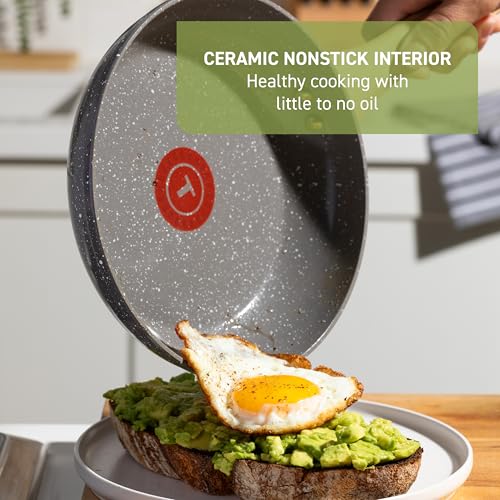
Both work well; ceramic feels healthier and crispier, nonstick is easiest for low-fat cooking.
I remember burning my toast in a rush and wishing for pans that forgive mistakes. Ceramic cookware and nonstick cookware both solve sticking and cleanup problems, but they do it differently. I tested ceramic vs nonstick cookware for months, cooking eggs, searing chicken, and cleaning after chaotic weeknights. I’ll share what I learned, so you can pick the right pans for your kitchen and lifestyle.
Is ceramic cookware Good?
Yes — for many home cooks. Ceramic cookware excels if you want high-heat browning, minimal chemical odors, and a hard surface that handles a bit of metal under careful use. It’s good for searing, roasting, and giving food a nicer crust than many nonstick pans. For people who like to finish dishes in the oven or want a surface that feels “sturdy,” ceramic cookware often fits. It depends on how much maintenance you want; lifetime expectations vary by brand.
I used a ceramic set for sauces, pancakes, and a few weeknight roasts. Once, I seared pork chops on medium-high and loved the deep color I got without fuss. Another week, I simmered a tomato ragù for an hour and the ceramic pot kept heat steady. Those small wins made me trust ceramic cookware for tasks where I want texture and browning. Ceramic vs nonstick cookware matters here: ceramic gave my food a different finish and held up when I pushed the heat.

What Makes It Stand Out / Key Features
- High-heat tolerance for searing and browning.
- Hard ceramic-derived cooking surface (often PTFE/PFOA-free).
- Even heat distribution in many models.
- Often oven-safe to moderate temperatures.
- Clean, bright finish that resists staining.
What I Like
- Great browning compared to many nonstick pans.
- Minimal odor when heating empty.
- Food releases well when pans are properly preheated.
- Visual appeal—clean look in my kitchen.
- Generally free from PTFE/PFOA in modern lines.
What Could Be Better
- Surface can chip if dropped or hit.
- Some brands lose slickness after heavy use.
- Not all ceramic pans tolerate metal utensils long-term.
My Recommendation
Choose ceramic cookware if you want better searing, a cleaner finish, and prefer a PTFE-free coating. Good value is common online.
| Best For | Why |
|---|---|
| Searing and browning | Holds higher heat and forms a crust better |
| Oven finishing | Many ceramic pieces are oven-safe to moderate temps |
| Health-conscious cooks | Often marketed without PTFE/PFOA |
Is nonstick cookware Good?
It depends — nonstick cookware is excellent if you want effortless low-fat cooking and fast cleanup. For quick breakfasts, delicate fish, or when you’re tired, nonstick saves time and stress. However, it can struggle with high-heat searing and may need careful use to avoid scratching. Nonstick cookware is best for people who prioritize ease and speed, not heavy-duty browning.
I turn to nonstick cookware for eggs, crepes, and single-pan dinners when I’m short on time. Once, after a long day, I made soft scrambled eggs with almost no oil and cleaned the pan in seconds. Another time, I tried searing steaks and felt the limitations — the steak didn’t get the same crust as on ceramic. Through those tests, nonstick cookware proved itself for low-fat, low-effort cooking, but less so when I wanted intense color and texture.
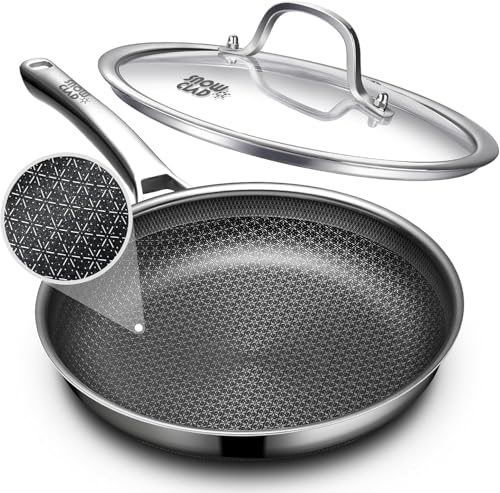
What Makes It Stand Out / Key Features
- Very slick surface for low-fat cooking.
- Quick cleanup—often wipe-clean or gentle wash.
- Lightweight and easy to maneuver.
- Often labeled PFOA-free on modern models.
- Good heat response on everyday stovetops.
What I Like
- Eggs slide right off with little oil.
- Fast cleanup saves time on busy nights.
- Great for delicate foods like fish and crepes.
- Lightweight—easy to lift when full.
- Predictable, non-stick surface for simple meals.
What Could Be Better
- Poor high-heat browning compared to ceramic.
- Susceptible to scratches from metal utensils.
- Surface can degrade over time with improper care.
My Recommendation
Pick nonstick cookware if you value ease, quick cleanup, and low-oil cooking. Good for everyday, light-cook tasks.
| Best For | Why |
|---|---|
| Low-fat breakfasts | Slick surface prevents sticking with little oil |
| Quick weeknight meals | Fast cleanup and predictable release |
| Beginners or busy cooks | Very forgiving for simple recipes |
ceramic vs nonstick cookware: Side-by-Side Test
I tested ceramic vs nonstick cookware across common kitchen needs. Below I compare performance, safety, and value. My notes come from weeks of real cooking.
Cooking Functions: Which One Does More?
Both handle basic frying and simmering, but their strengths differ.
| Function | Ceramic cookware | Nonstick cookware |
|---|---|---|
| Frying eggs | 7/10 — needs a bit more oil early | 10/10 — near-perfect release |
| Searing steaks | 9/10 — excellent crust | 6/10 — limited crust |
| Simmering sauces | 8/10 — steady heat | 7/10 — fine for short simmers |
| Pancakes/Crepes | 8/10 — good with oil | 9/10 — almost effortless |
Rating: Ceramic – 8/10 | Nonstick – 8.5/10
Summary: Nonstick wins for delicate foods; ceramic wins for browning and searing.
Heat & Performance: Which Heats Better?
Heat handling affects results and flexibility.
| Aspect | Ceramic cookware | Nonstick cookware |
|---|---|---|
| Max safe temp | Often higher (better for searing) | Lower — avoid very high heat |
| Heat retention | Good | Moderate |
| Evenness | Good in heavier ceramic | Varies by base construction |
| Response time | Slower to cool | Cools faster |
Rating: Ceramic – 8/10 | Nonstick – 7/10
Summary: Ceramic takes the edge for high-heat work and steady heat.
Durability & Scratch Resistance
Durability matters for long-term value.
| Issue | Ceramic cookware | Nonstick cookware |
|---|---|---|
| Scratch resistance | Moderate — ceramic can chip | Low — surface can scratch |
| Lifespan | Good if cared for | Shorter with heavy use |
| Care needs | Use wooden/nylon for longevity | Must avoid metal tools |
| Chip risk | Higher if dropped | Less chip risk but coating wear |
Rating: Ceramic – 8/10 | Nonstick – 6/10
Summary: Ceramic is tougher under heat; nonstick needs gentler use.
Safety & Coatings
People worry about chemicals and fumes.
| Concern | Ceramic cookware | Nonstick cookware |
|---|---|---|
| PFOA/PTFE presence | Often free | Many modern pans are PFOA-free; PTFE may be present |
| Release of fumes | Low | Risk if overheated above safe temps |
| Food sticking leading to charring | Less | Can accumulate if coating fails |
| Cleaning chemicals | Mild dish soap | Mild soap works well |
Rating: Ceramic – 9/10 | Nonstick – 7/10
Summary: Ceramic feels safer at high temps; nonstick needs temperature care.
Ease of Use & Cleaning
How much work does cooking and cleanup take?
| Task | Ceramic cookware | Nonstick cookware |
|---|---|---|
| Quick cleanup | Good — but stuck-on bits can brown | Excellent — usually wipes clean |
| Weight | Often heavier | Lighter and easier to handle |
| Learning curve | Slight — preheat and oil help | Very little — intuitive |
| Stain resistance | Good | Prone to staining if overheated |
Rating: Ceramic – 7.5/10 | Nonstick – 9/10
Summary: Nonstick is easier day-to-day; ceramic needs a little more attention.
Value for Money
Does cost match performance?
| Factor | Ceramic cookware | Nonstick cookware |
|---|---|---|
| Initial cost | Mid to high depending on brand | Wide range; budget options common |
| Longevity vs price | Good if maintained | May need replacement sooner |
| Resale/useful life | Longer with care | Shorter with heavy use |
| Upgrade potential | Often worth it for searing cooks | Good for beginners on budget |
Rating: Ceramic – 8/10 | Nonstick – 7.5/10
Summary: Ceramic can be better long-term value if you use high-heat cooking; nonstick is budget-friendly for quick wins.
Versatility & Oven Use
Which handles more types of cooking?
| Use | Ceramic cookware | Nonstick cookware |
|---|---|---|
| Oven finishing | Often ok to moderate temps | Many are oven-safe but limited temp |
| Broiling | Some ceramics ok | Usually not recommended |
| Outdoor/high heat | Better with ceramic | Avoid with nonstick |
| Dishwasher safe | Varies | Often labeled dishwasher-safe (but hand washing recommended) |
Rating: Ceramic – 8/10 | Nonstick – 7/10
Summary: Ceramic is more versatile for oven and high-heat tasks.
Environmental & Health Concerns
Long-term impacts and safety.
| Topic | Ceramic cookware | Nonstick cookware |
|---|---|---|
| Chemical concerns | Lower when truly PTFE-free | Some worry about older PTFE coatings |
| Recyclability | Varies by manufacturer | Coated metals are harder to recycle |
| Longevity reduces waste | Yes if cared for | Shorter life may add waste |
| Safe use guidance | Fewer temperature limits | Avoid overheating beyond safe temp |
Rating: Ceramic – 8.5/10 | Nonstick – 7/10
Summary: Ceramic often scores better on perceived environmental/health grounds.
Final Verdict: Which Should You Buy?
Ceramic cookware shines for searing, oven finishes, and cooks who want a PTFE-free option that tolerates higher heat. If you value texture, browning, and slightly longer lifespan with care, choose ceramic. Nonstick cookware is best for busy people, beginners, or anyone who cooks delicate items often. It makes breakfasts and quick meals effortless, with near-zero cleanup. Choose nonstick for ease; choose ceramic for performance and heat tolerance.
FAQs Of ceramic vs nonstick cookware
Which is better for eggs and pancakes?
Nonstick cookware. It gives the easiest release for eggs and pancakes with minimal oil.
Which one handles high heat better?
Ceramic cookware. It tolerates higher temps and gives better browning and searing.
Are ceramic pans safer than nonstick pans?
Ceramic often feels safer at high heat and is usually marketed as PTFE/PFOA-free. Nonstick is safe when not overheated.
Which lasts longer in everyday use?
Ceramic cookware tends to last longer if you avoid chipping. Nonstick can wear out sooner, especially with rough use.
Can I use metal utensils on ceramic or nonstick?
Avoid metal on both to be safe. Ceramic tolerates occasional gentle metal use better, but both last longer with wooden or silicone tools.
I used both types in my kitchen every week. If you want reliable searing and oven use, lean ceramic. If you want low-effort breakfasts and cleanup, go nonstick. That’s the practical trade-off in the ceramic vs nonstick cookware debate I lived through.

Leave a Reply