
Buying a cookware pot set can feel a bit tricky at first. There are so many options, and it’s hard to know what you really need. Many beginners get confused by all the materials and sizes.
But don’t worry, it’s not as hard as it looks! We’ll walk through it simply, step by step. Let’s get your kitchen set up right.
What Is A Cookware Pot Set
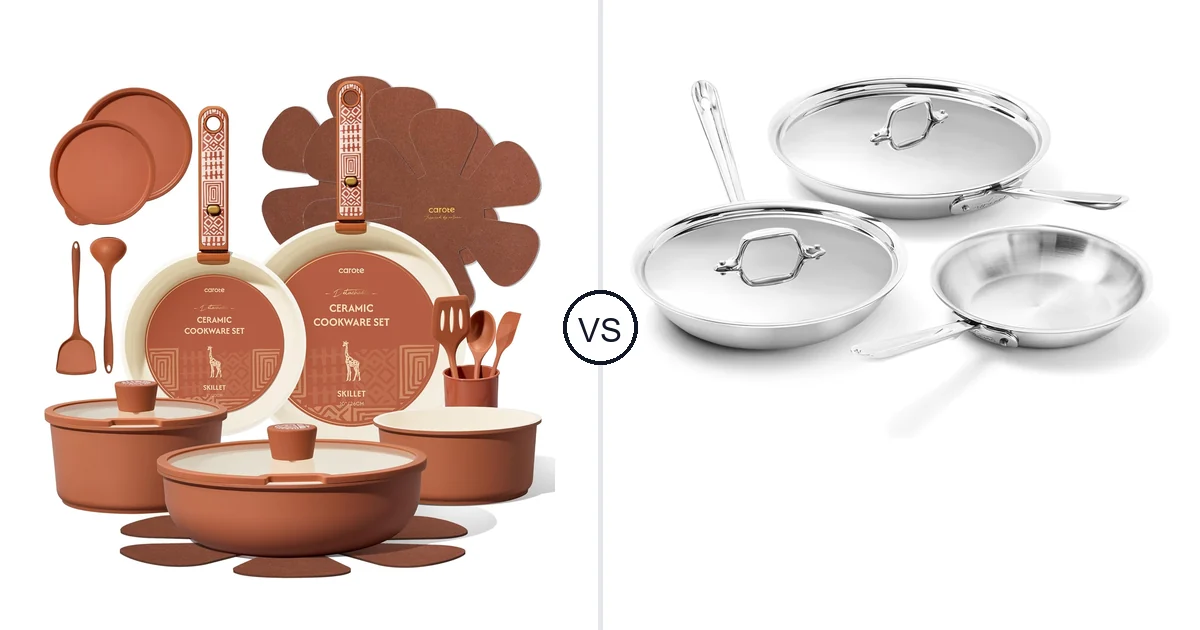
A cookware pot set is a collection of pots and pans sold together. These sets usually include a mix of sizes and types of cooking vessels. Think saucepans, frying pans, and maybe a stockpot.
They are designed to cover most everyday cooking needs. Buying a set can be a good way to start building your kitchen tools. It often saves money compared to buying each piece separately.
Sets are popular because they offer a coordinated look and a variety of items for different recipes.
Why People Choose Cookware Pot Sets
People often opt for a cookware pot set for several good reasons. One big reason is value. You typically get more pieces for your money.
It’s also simpler. Instead of picking out each pot and pan one by one, you get a ready-made collection. This is especially helpful for people setting up a new kitchen.
They might be moving into their first apartment or getting married. A set provides a good foundation. It ensures you have the basic tools for a wide range of cooking tasks.
This saves time and effort in shopping.
Different Types Of Cookware Pot Set Materials
Cookware pot sets come in many different materials. Each material has its own pros and cons. Knowing these can help you pick the best set for your cooking style.
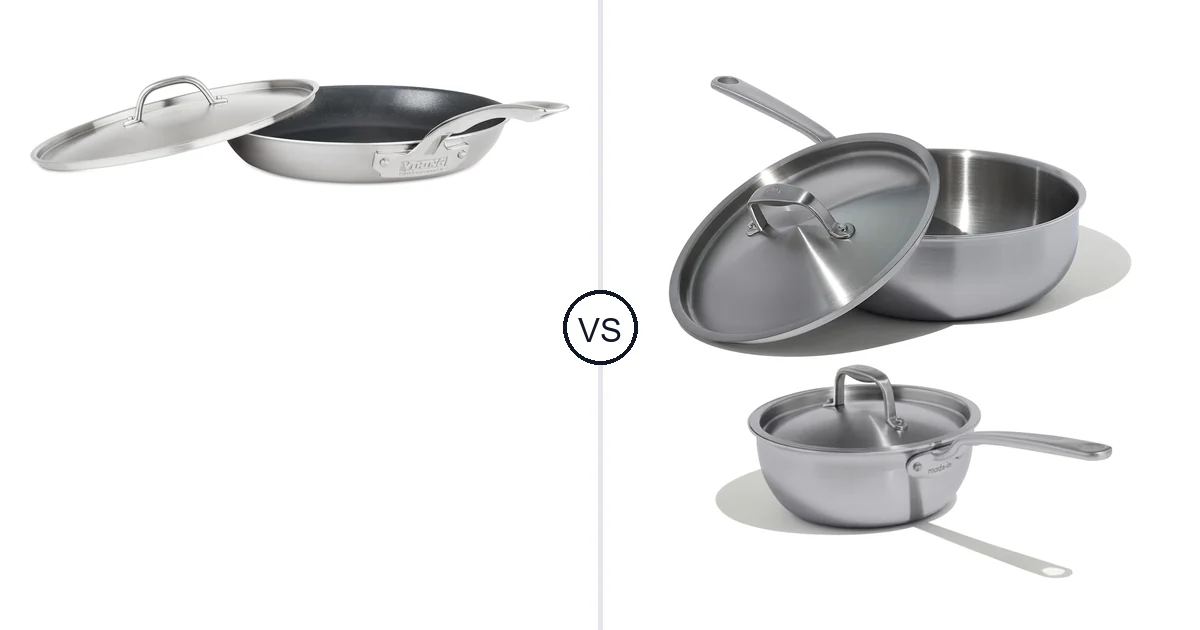
Stainless Steel Cookware Pot Sets
Stainless steel is a very popular choice for cookware. It’s durable and doesn’t react with food. This means your food won’t change taste.
Stainless steel pots and pans are also easy to clean. They hold up well to high heat and are great for searing and sautéing. However, they might not heat as evenly as some other materials.
Many stainless steel sets have a core of aluminum or copper. This helps them distribute heat better.
Pros Of Stainless Steel
- Durable and long-lasting
- Resistant to rust and corrosion
- Non-reactive with food
- Easy to clean
- Good for high-heat cooking
Cons Of Stainless Steel
- Can sometimes have uneven heating
- Food can stick if not used with enough oil
Nonstick Cookware Pot Sets
Nonstick cookware has a special coating that prevents food from sticking. This makes cooking and cleaning much easier. It’s perfect for delicate foods like eggs and fish.
You also need less oil or butter when cooking. However, nonstick coatings can wear out over time. They can also be damaged by metal utensils or harsh cleaning.
It’s important to treat nonstick cookware gently. Some nonstick coatings are PFOA-free, which is good to look for.
Pros Of Nonstick
- Food does not stick
- Easy to clean
- Requires less oil for cooking
- Great for delicate foods
Cons Of Nonstick
- Coating can wear out or get damaged
- Cannot use metal utensils
- Not ideal for high-heat searing
Cast Iron Cookware Pot Sets
Cast iron cookware is known for its incredible durability and heat retention. It heats up slowly but evenly. Cast iron is excellent for searing meats and cooking dishes that require long, slow cooking.
It can also go from the stovetop to the oven. Cast iron needs special care, though. It needs to be seasoned to prevent rust and sticking.
It’s also very heavy. Cast iron pots and pans can last a lifetime if cared for properly.
Pros Of Cast Iron
- Excellent heat retention
- Durable and long-lasting
- Can go from stovetop to oven
- Great for searing and slow cooking
Cons Of Cast Iron
- Heavy
- Requires seasoning and special care
- Can rust if not cared for
- Not ideal for acidic foods
Enameled Cast Iron Cookware Pot Sets
Enameled cast iron is cast iron with a glass-like coating. This coating makes it non-reactive, so it won’t change the taste of your food. It also means you don’t have to season it.
Enameled cast iron looks beautiful and comes in many colors. It heats evenly and retains heat well. It’s great for stews, braises, and baking.
Like regular cast iron, it is heavy. The enamel can chip if dropped or handled roughly.
Pros Of Enameled Cast Iron
- Non-reactive, no seasoning needed
- Beautiful appearance
- Even heating and great heat retention
- Easy to clean compared to plain cast iron
Cons Of Enameled Cast Iron
- Heavy
- Enamel can chip
- Can be more expensive
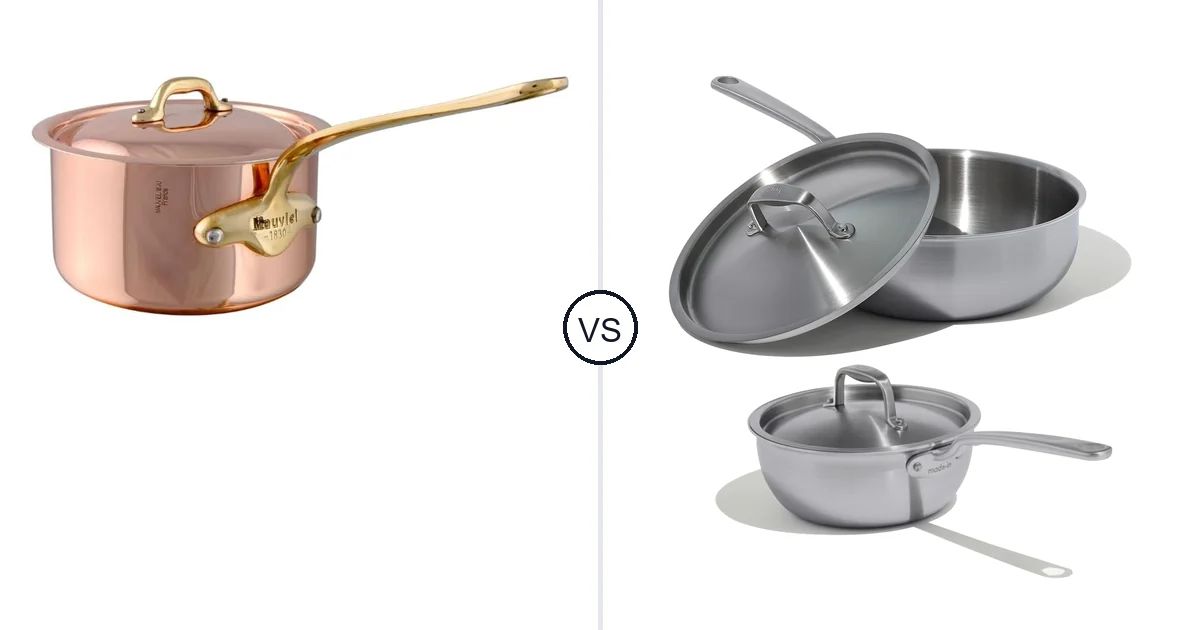
Copper Cookware Pot Sets
Copper cookware is prized for its exceptional heat control. It heats up and cools down very quickly. This makes it a favorite among professional chefs.
Copper pans are beautiful and add a touch of elegance to the kitchen. They are usually lined with stainless steel or tin to be food-safe. Copper is reactive, so the lining is important.
It can be expensive and requires regular polishing to maintain its shine.
Pros Of Copper
- Superior heat conductivity and control
- Beautiful appearance
- Responds quickly to temperature changes
Cons Of Copper
- Expensive
- Requires polishing
- Lining can be damaged
- Can be reactive without a lining
What To Look For In A Cookware Pot Set
When choosing a cookware pot set, consider a few key things. Think about how you like to cook and what kinds of meals you make most often. Also, consider your budget and how much space you have for storage.
Number Of Pieces
Sets come with different numbers of pieces. Some have just a few essential items, while others have many. A starter set might have 5-7 pieces.
A more comprehensive set could have 10-15 pieces. Think about what you really need. Too many pieces can lead to clutter.
Too few might leave you wishing you had another size.
Piece Sizes And Types
Pay attention to the sizes and types of pots and pans in the set. Common items include:
- Saucepans (small and large)
- Frying pans or skillets
- Stockpot or Dutch oven
- Sauté pan
Consider the diameter and depth of these. A 10-inch frying pan is great for many things. A 3-quart saucepan is good for sauces and boiling eggs.
A 6-8 quart stockpot is ideal for soups and pasta.
Handle Comfort And Attachment
The handles on your cookware are important. They should feel comfortable and secure in your hand. Look for handles that are riveted to the pot or pan.
This makes them stronger and safer. Some handles are ergonomically designed to reduce strain. Check if the handles are oven-safe if you plan to use them in the oven.
Lids
Lids are essential for simmering, steaming, and boiling. Many sets come with lids. Some lids are tight-fitting, which helps trap heat and moisture.
Others might have vents to release steam. Glass lids let you see your food as it cooks. Metal lids are often more durable.
Compatibility With Your Stove
Make sure the cookware is compatible with your stovetop. Most cookware works on gas and electric stoves. If you have an induction cooktop, you’ll need magnetic cookware.
Stainless steel and cast iron are usually induction-compatible. Aluminum and copper are not unless they have a magnetic base.
Weight And Balance
Consider the weight of the cookware. It should feel sturdy but not too heavy to lift and maneuver. The balance of the pot or pan is also important.
It shouldn’t feel like it’s going to tip over when empty.
Popular Cookware Materials Compared
Let’s look at how some popular materials stack up against each other.
| Material | Best For | Pros | Cons |
|---|---|---|---|
| Stainless Steel | Everyday cooking, searing | Durable, non-reactive, easy to clean | Uneven heating (sometimes), food can stick |
| Nonstick | Delicate foods, low-fat cooking | Easy cooking, easy cleaning | Coating wears out, can’t use metal |
| Cast Iron | Searing, slow cooking, oven use | Excellent heat retention, durable | Heavy, needs seasoning, can rust |
| Enameled Cast Iron | Stews, braises, baking | Even heating, no seasoning needed, beautiful | Heavy, enamel can chip |
Tips For Using And Caring For Your Cookware Pot Set
Taking good care of your cookware pot set will make it last longer and perform better.
Read The Manufacturer’s Instructions
Always read the care instructions that come with your cookware. Different materials need different treatments. Following these guidelines is the best way to keep your cookware in good shape.
Use The Right Utensils
Avoid using metal utensils on nonstick surfaces. Use wood, silicone, or plastic utensils instead. Metal utensils can scratch and damage the nonstick coating.
For stainless steel and cast iron, metal is usually fine, but avoid sharp edges that can scratch.
Proper Heating And Cooling
Don’t put a cold pan on a hot burner or a hot pan under cold water. This can cause thermal shock, which can warp or crack the cookware. Let pots and pans cool down a bit before washing them.
Cleaning Your Cookware
For most stainless steel and enameled cast iron, warm, soapy water and a soft sponge are enough. For tougher messes, you might need a non-abrasive cleaner. Never use steel wool or harsh scrubbing pads on nonstick surfaces.
Cast iron needs to be cleaned gently, often with just hot water, and then dried thoroughly and seasoned.
Seasoning Cast Iron
If you have cast iron, regular seasoning is key. After cleaning and drying, rub a thin layer of cooking oil all over the pan. Heat it in a moderate oven for about an hour.
Let it cool. This builds up a natural nonstick surface and protects it from rust.
Cookware Pot Set For Beginners
For those just starting out, a simple cookware pot set is best. Look for a set with essential pieces made of durable materials like stainless steel or nonstick. A few saucepans, a frying pan, and a stockpot are usually enough.
You don’t need a huge set with dozens of pieces. Focus on quality over quantity. This will give you a good base for learning to cook without being overwhelmed.
Cookware Pot Set For Advanced Cooks
More experienced cooks might look for specialized sets. They might prefer materials like copper for precise temperature control. Or they might want heavy-duty cast iron or enameled cast iron for specific cooking techniques.
Advanced cooks often mix and match pieces from different sets or brands to build their ideal collection.
Frequently Asked Questions
Question: What is the most common material for a cookware pot set
Answer: Stainless steel is the most common and popular material for cookware pot sets because it is durable, non-reactive, and easy to care for.
Question: How many pieces should a beginner cookware pot set have
Answer: A beginner set should ideally have 5-7 pieces. This usually includes a few saucepans, a frying pan, and a stockpot.
Question: Can I use metal utensils with any cookware pot set
Answer: You should only use metal utensils with stainless steel and cast iron cookware. Avoid metal utensils with nonstick cookware to prevent damage to the coating.
Question: Is it better to buy a cookware pot set or individual pieces
Answer: For beginners or those setting up a new kitchen, a cookware pot set is often more cost-effective and convenient. Experienced cooks might prefer to choose individual pieces to suit specific needs.
Question: How do I clean my nonstick cookware
Answer: Clean nonstick cookware with warm, soapy water and a soft sponge or cloth. Avoid abrasive cleaners or scrubbers, and never use metal utensils.
Final Thoughts
Choosing the right cookware pot set makes cooking easier and more enjoyable. Consider material, number of pieces, and your specific cooking needs. Stainless steel and nonstick are great starting points.
With proper care, your new cookware will be a reliable kitchen helper for years to come.

Leave a Reply